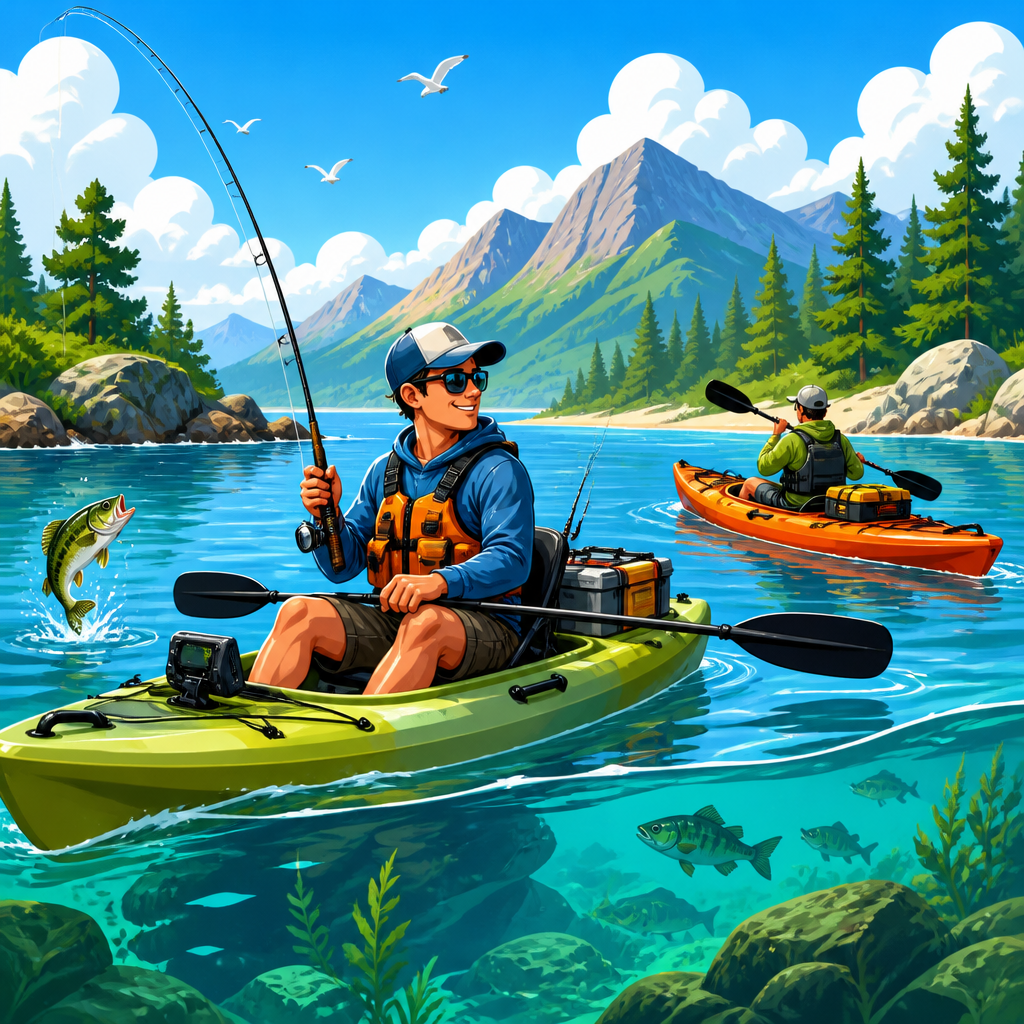
Best kayaks for fishing and adventure in 2025 balance stability, speed, storage, and transport in ways that make time on the water safer and more enjoyable. A kayak is a narrow, human-powered watercraft propelled mainly by a double-bladed paddle, while a fishing kayak adds rod holders, gear tracks, tank wells, anchor options, and seating designed for long sessions. Adventure kayaking is broader. It includes day touring on lakes, river exploration, coastal paddling, overnight camping, and hybrid trips that mix wildlife viewing, photography, swimming, and fitness. In 2025, buyers face a crowded market of pedal kayaks, paddle kayaks, inflatable models, sit-on-tops, sit-insides, and compact modular designs. Choosing well matters because the wrong hull shape or seating system can turn a promising trip into a tiring, unstable, gear-soaked disappointment.
I have tested kayaks on protected lakes, tidal estuaries, and slow rivers, and the same lesson keeps repeating: the best boat is not the one with the biggest feature list, but the one that fits your water, your body, and your real habits. Anglers need standing stability, access to tackle, and enough capacity for batteries, electronics, and a cooler. Recreational paddlers need comfort, easy loading, and predictable handling in wind and chop. Families often care most about durability and value. Travelers may prioritize weight and storage over outright performance. This hub article covers the core decisions behind kayaking and paddleboarding adventures in 2025, explains what separates fishing kayaks from general adventure kayaks, and highlights leading models and categories so you can confidently narrow your search and plan smarter trips.
What makes a kayak great for fishing and adventure?
A great kayak starts with hull design. Wider hulls, often 34 to 40 inches on dedicated fishing models, deliver primary stability that helps with standing, casting, and moving around. Narrower touring-oriented hulls, commonly 24 to 30 inches, track better and paddle faster over distance. Length matters too. Short kayaks under 11 feet are easier to store and maneuver in creeks, but they sacrifice glide and cargo room. Models in the 12- to 13-foot range often hit the best middle ground for mixed use, especially if you want enough speed for open water crossings without giving up fishability.
Seat quality is another major dividing line. The best 2025 kayaks use elevated frame seats with breathable mesh, adjustable lumbar support, and high-low positions. On all-day trips, that matters more than many new buyers expect. A low molded seat can be acceptable for short paddles, but it becomes a liability when your hips tighten, your back tires, and your paddle stroke loses power. Storage layout also separates average boats from excellent ones. Fishing kayaks need stern tank wells, sealed hatches, gear tracks, rod staging space, and practical battery placement for fish finders or motors. Adventure kayaks need dry storage, deck rigging, and room for safety gear, spare layers, food, and hydration.
Weight, transport, and launch style should be considered before you fall in love with a premium model. A fully rigged pedal fishing kayak can exceed 120 pounds before tackle, electronics, or a battery. That is manageable with a cart and a truck bed, but frustrating if you drive a small crossover and launch alone. By contrast, thermoformed, inflatable, and modular kayaks can dramatically reduce transport stress. Material also affects longevity and price. Rotomolded polyethylene remains the standard for toughness and impact resistance. Inflatable drop-stitch constructions have improved significantly, especially for apartment dwellers and travelers, though they still require setup time and more careful drying and storage.
Best kayak categories and standout 2025 options
The best kayak for fishing and adventure in 2025 depends on how you actually use it. For serious anglers who prioritize efficiency, pedal kayaks remain the premium choice because they free your hands for casting, lure retrieval, and boat positioning. Hobie’s MirageDrive series continues to set the standard for shallow-water versatility and durable pedal engineering. Old Town’s Sportsman PDL line is equally respected for reliable prop-drive performance, comfortable seating, and easy ownership. Native Watercraft’s Slayer Propel models remain strong options for anglers who want excellent deck layouts and proven propulsion systems.
Paddle fishing kayaks still offer better value and simpler maintenance. Bonafide’s SS and PWR platforms are popular because they blend stand-up stability with thoughtful deck organization. Jackson Kayak’s Coosa series remains a favorite on rivers thanks to maneuverability and fishing-focused outfitting. Wilderness Systems Recon and Radar models continue to attract buyers who want adaptable platforms with motor and pedal compatibility. These kayaks work especially well for anglers who fish smaller lakes, marshes, and slow-moving rivers where stealth and simplicity outperform speed.
For adventure paddlers, the shortlist looks different. Wilderness Systems’ Pungo is still one of the best recreational sit-inside kayaks because it combines comfort, efficient glide, and approachable handling. Eddyline’s lightweight thermoformed models, such as the Sky and Sitka lines, appeal to paddlers who want better performance without the burden of heavy rotomolded plastic. Delta Kayaks and Current Designs continue to serve buyers who value efficient touring manners for day trips and light overnight use. Inflatable leaders including BOTE, Advanced Elements, and Sea Eagle also deserve attention in 2025, particularly for travelers and people short on garage space.
| Use Case | Best Kayak Type | Typical Length | Main Advantage | Notable 2025 Examples |
|---|---|---|---|---|
| Bass fishing on lakes | Pedal sit-on-top | 12 to 13.5 feet | Hands-free boat control | Old Town Sportsman PDL, Hobie Outback |
| River fishing | Paddle sit-on-top | 10.5 to 12 feet | Maneuverability in current | Jackson Coosa X, Bonafide SS107 |
| Family recreation | Recreational sit-inside | 10 to 12 feet | Easy learning curve | Wilderness Systems Pungo 120, Perception Joyride |
| Travel and storage limits | Inflatable or modular | 10 to 12 feet | Compact transport | Advanced Elements AirFusion, BOTE Lono |
| Day touring and exploration | Light touring kayak | 12 to 14 feet | Better glide and tracking | Eddyline Sitka LT, Delta 12.10 |
How to choose by water type, skill level, and trip style
Water type should drive your decision more than trends or social media reviews. On small ponds and sheltered lakes, almost any stable kayak can work, so comfort and rigging matter most. On rivers, rocker becomes more important because a kayak with lifted bow and stern turns more easily around bends and obstacles. On larger reservoirs or bays, hull efficiency and wind management matter far more. A short, barge-like fishing platform may feel wonderfully stable at the launch, then become exhausting when you need to paddle a mile back into a headwind. That is why many buyers overestimate how much stability they need and underestimate how much range they want.
Your experience level matters as well. Beginners generally benefit from simple paddle kayaks with straightforward outfitting, because they force you to learn boat handling, paddle technique, and basic safety before adding pedals, motors, or electronics. Intermediate paddlers can better exploit premium features like rudder steering, anchor trolleys, sonar mounts, and elevated standing platforms. If you are planning overnight adventures, look closely at maximum capacity and practical carrying room. Manufacturers often list generous capacity numbers, but real-world performance degrades if you load too close to that limit. I prefer a working load well below the published maximum so the hull keeps its intended waterline and responsiveness.
Trip style is the final filter. A dawn-to-noon bass session calls for a different setup than a full-day paddle with lunch, dry bags, and a camera. If you often mix fishing with casual exploring, a crossover kayak around 12 feet with a comfortable frame seat, decent tank well, and moderate weight is usually the smartest choice. If your trips revolve around fitness, scenic distance, or coastal exploration, a more efficient day-touring boat will keep you happier than an ultra-wide fishing deck. Paddleboarding also belongs in this conversation. In flat, warm conditions, fishing-capable stand-up paddleboards offer unbeatable visibility and simple transport, but they are less versatile in cold water, wind, and rough chop.
Features that matter in 2025: propulsion, electronics, and safety
Propulsion options are more varied than ever. Paddle kayaks remain the lightest, cheapest, and easiest to maintain. Pedal kayaks improve fishability and reduce fatigue for many anglers, but they add cost, weight, and mechanical complexity. Motor-ready kayaks are now mainstream, with stern plates, reinforced mounts, and battery compartments designed around electric propulsion. In many fisheries, a compact motor from Minn Kota, Newport, or Torqeedo can transform range and boat control. The tradeoff is obvious: batteries are heavy, registration rules may apply, and more systems mean more failure points. For many anglers, paddle or pedal remains the most practical choice unless they regularly cover large water.
Electronics have become easier to install and more useful. Compact fish finders from Garmin, Lowrance, and Humminbird now provide clear sonar, mapping, and waypoint functionality without the bulky setups common a decade ago. Forward-facing sonar has changed competitive and high-level recreational fishing, but it is expensive and overkill for many casual users. Most paddlers are better served by a small graph, a reliable battery box, and thoughtful cable management. Gear tracks from YakAttack and Railblaza make mounting accessories much cleaner than drilling every component directly into the hull, and that flexibility is valuable as your setup evolves.
Safety should shape every purchasing decision. A properly fitted personal flotation device is not optional, and kayaking-specific designs from NRS, Astral, and Stohlquist allow better paddle movement and tackle access. Dress for water temperature, not air temperature; cold shock remains a serious risk in shoulder seasons. Every adventure kayak should carry a whistle, bilge pump or sponge where relevant, a dry phone case, hydration, and sun protection. For larger water, add a paddle leash, tow line, VHF radio if coastal, and navigation lights when low-light conditions are possible. The best kayak is the one that encourages safe habits because it is comfortable, predictable, and easy to use often.
Building a complete kayaking and paddleboarding adventure setup
The boat is only one part of the system. A quality paddle can noticeably improve speed, comfort, and control, yet many buyers overspend on hull features and use a heavy, flexy entry-level paddle. Werner, Bending Branches, and Aqua-Bound all make paddles that are worth considering. The right length depends on boat width and seat height. Fishing kayaks with elevated seats often require longer paddles, commonly in the 250 to 270 centimeter range. A good cart is equally important for heavier kayaks; C-Tug and Wilderness Systems carts save your back and make solo launches far more realistic. Roof racks, bed extenders, and tie-down technique deserve the same attention as rod holders and storage bins.
This hub also connects the wider world of kayaking and paddleboarding adventures. Once you choose a kayak, the next useful topics are paddle sizing, essential safety gear, kayak fishing setup guides, beginner paddleboarding technique, roof transport methods, trip planning checklists, and seasonal clothing systems. Those related subjects help turn a purchase into a lasting habit. In 2025, the smartest buyers are not simply asking which kayak is best overall. They are asking which platform supports the adventures they will actually take, from local bass mornings to full-day estuary exploration. Start with your water, be honest about transport and budget, and then compare hull shape, comfort, and capacity before chasing premium extras.
The best kayaks for fishing and adventure in 2025 are the ones that match real conditions, not marketing claims. Serious anglers should look first at stability, propulsion, seat quality, and rigging flexibility. Adventure paddlers should prioritize glide, comfort, manageable weight, and storage. For many people, a versatile 12-foot paddle kayak is still the best all-around value because it covers fishing, exploring, and casual fitness without the price and transport burden of a fully rigged pedal platform. Buyers with larger budgets and frequent fishing days will still find excellent returns from proven pedal models made by Hobie, Old Town, and Native Watercraft.
The core takeaway is simple: buy for your most common trip, not your most ambitious fantasy. Think about launch access, vehicle space, water type, and how long you truly stay on the water. Then invest in the supporting gear that improves safety and comfort every trip. If you are building out your Fishing and Water Sports plan for 2025, use this hub as your starting point and continue into deeper guides on kayak types, paddleboarding adventures, setup advice, and trip-ready equipment so your next day on the water starts with the right platform.
Frequently Asked Questions
1. What should I look for when choosing the best kayak for fishing and adventure in 2025?
The best kayak for fishing and adventure in 2025 should match how and where you actually plan to paddle. Start with hull design, because that affects stability, speed, and tracking more than any accessory. Wider, flatter hulls are typically better for fishing because they feel more stable when casting, reaching for gear, or landing fish. Narrower or longer hulls usually move faster and track straighter, which is helpful for touring, lake crossings, and covering more distance on day trips or overnight outings.
Next, think about weight capacity and usable storage. A fishing kayak often carries more than just the paddler. Tackle boxes, rods, safety gear, electronics, coolers, dry bags, and sometimes camping equipment add up quickly. It is wise to choose a kayak with a stated capacity well above your body weight plus all intended gear, since overloaded kayaks sit lower in the water and lose efficiency and stability. For adventure use, look for sealed hatches, tank wells, bungee storage, and enough room to organize gear without crowding the cockpit.
Seat comfort is another major factor, especially in 2025 models where upgraded frame seats, adjustable back support, breathable mesh, and elevated seating positions have become more common. A comfortable seat matters on long fishing sessions and full-day paddles alike. Also consider transport and launch practicality. Some feature-rich kayaks are excellent on the water but heavy off it. If you load solo onto a car, drag down shorelines, or store in a garage with limited space, overall weight and carry handle placement matter just as much as on-water performance.
Finally, look at propulsion and rigging options. Many modern kayaks support pedal drives, motor mounts, gear tracks, anchor trolleys, rudders, and fish finder installation. If your focus is fishing, these features can be very valuable. If your focus is mixed adventure paddling, simplicity, lighter weight, and better glide may be more important. The right choice is usually the kayak that balances stability, speed, storage, comfort, and transport for your most common trips rather than one that tries to do everything equally well.
2. Is a fishing kayak good for adventure paddling, or should I buy a separate touring kayak?
A fishing kayak can absolutely work for adventure paddling, but whether it is the best choice depends on the type of adventure you have in mind. If your adventures involve relaxed lake exploration, sheltered rivers, short coastal outings in calm conditions, and gear-heavy day trips, a fishing kayak can be an excellent all-around option. Many fishing kayaks offer outstanding stability, generous storage, and comfortable seating, which make them practical for long hours on the water and easy to live with during casual exploration.
That said, a dedicated touring kayak usually performs better when distance, efficiency, and open-water handling become top priorities. Touring-oriented kayaks are typically longer, sleeker, and designed to maintain speed with less effort. They often track better in wind, carry camping loads more efficiently, and feel more capable on larger lakes or exposed coastal routes. Fishing kayaks, by comparison, are often wider and heavier, with added features that improve utility but can create more drag and reduce paddling efficiency over long distances.
If you want one kayak for both uses, hybrid designs are especially worth considering in 2025. These models aim to blend moderate stability for casting and gear access with enough length and hull refinement to handle adventure paddling well. Look for a kayak with a comfortable seat, decent tracking, a manageable weight, and practical but not excessive rigging. In many cases, anglers who also enjoy exploration are happiest with a versatile sit-on-top or sit-inside crossover model rather than an ultra-specialized platform.
The deciding question is simple: will you spend more time fishing in place or paddling to new places? If most of your time is spent casting, drifting, and carrying gear, a fishing kayak makes sense. If you expect to cover miles regularly, paddle in changing weather, or take overnight trips where efficiency matters, a touring or adventure-focused kayak may be the smarter long-term investment.
3. Which is better in 2025 for fishing and adventure: a sit-on-top kayak or a sit-inside kayak?
Both sit-on-top and sit-inside kayaks have clear strengths, and the better choice depends on your priorities. Sit-on-top kayaks remain especially popular for fishing because they offer open layouts, easier entry and exit, simpler gear access, and strong primary stability. That open deck makes it easier to manage rods, tackle, landing nets, crates, and electronics. They are also convenient in warm weather and calmer water because getting wet is less of a concern, and self-bailing scupper holes help drain water from the deck.
Sit-inside kayaks, however, often have advantages for adventure paddling. They generally provide better protection from wind, spray, and cooler temperatures, making them more comfortable in changing weather or on longer trips. Because they are often lighter and have narrower hulls, they can also be more efficient to paddle over distance. For touring lakes, exploring rivers, and carrying overnight gear inside sealed compartments, a sit-inside design can feel more streamlined and travel-ready.
For anglers, the tradeoff is that sit-inside kayaks usually offer less freedom of movement and less convenient deck organization than fishing-specific sit-on-top models. Reaching behind the seat, managing multiple rods, or standing to cast is usually less practical in a sit-inside kayak. On the other hand, if you want a kayak that leans more toward paddling performance while still allowing occasional fishing, a sit-inside recreational or crossover model may strike a better balance.
In 2025, the best approach is to match the design to your climate, water type, and typical trip length. Choose a sit-on-top if you value fishing utility, stability, and ease of use above all else. Choose a sit-inside if you care more about paddling efficiency, weather protection, and adventure travel capability. If your needs truly split down the middle, crossover kayaks and fishing-ready sit-inside models are increasingly good options worth serious consideration.
4. How important are stability, storage, and transport when comparing the best kayaks for fishing and adventure?
These three factors are extremely important because they directly affect how often you use the kayak and how enjoyable each trip feels. Stability is often the first thing buyers notice, especially when shopping for a fishing kayak. A stable kayak inspires confidence when casting, shifting position, handling gear, or paddling in boat wake and mild chop. For beginners, stability can be the difference between feeling relaxed and feeling tense the entire trip. However, more stability often comes with more width, which can reduce speed and increase effort over longer distances.
Storage matters just as much, especially if the kayak will serve both fishing and adventure roles. Fishing setups require space for rods, tackle, pliers, safety gear, anchor systems, and sometimes fish finders or batteries. Adventure paddling adds dry bags, extra layers, food, water, repair kits, and possibly camping gear. A well-designed kayak should not only have enough capacity, but also usable storage that is easy to access and secure. Open tank wells are great for quick access, while hatches and sealed compartments are better for keeping gear dry and organized on longer journeys.
Transport is often underestimated during the buying process. A kayak can be excellent on the water and still become frustrating if it is too heavy, awkward, or difficult to move alone. Many fishing kayaks in particular have become more feature-rich and more comfortable, but also heavier. Before buying, think about whether you will cartop it, trailer it, store it vertically, or wheel it to the launch. A lighter kayak with fewer features may see more real-world use than a heavier premium model that is difficult to handle off the water.
In practical terms, the best kayak is the one that balances all three. You want enough stability to fish confidently, enough storage to support your trips, and a transport setup that fits your vehicle, storage space, and physical ability. When those pieces work together, the kayak is more likely to get used often, and that is what truly defines value.
5. Are newer 2025 kayak features like pedal drives, gear tracks, and motor compatibility worth paying for?
They can be, but only if the features support the way you actually fish or travel. Pedal drives are one of the most useful upgrades for serious anglers because they allow hands-free movement, which helps with positioning, lure control, and covering water efficiently. They are especially valuable in windy conditions, current, or when you want to keep casting while adjusting your direction. For some users, a pedal kayak can noticeably improve fishing effectiveness and reduce fatigue over a full day.
Gear tracks are another feature that often delivers real value. They let you mount rod holders, camera arms, fish finders, phone holders, and other accessories without permanent drilling. That flexibility is helpful if your setup changes between fishing trips and adventure paddles. Motor compatibility can also be useful, especially for anglers on larger lakes or paddlers who want help covering longer distances with more gear. In some situations, a motorized setup can expand your range and save energy for the part of the trip