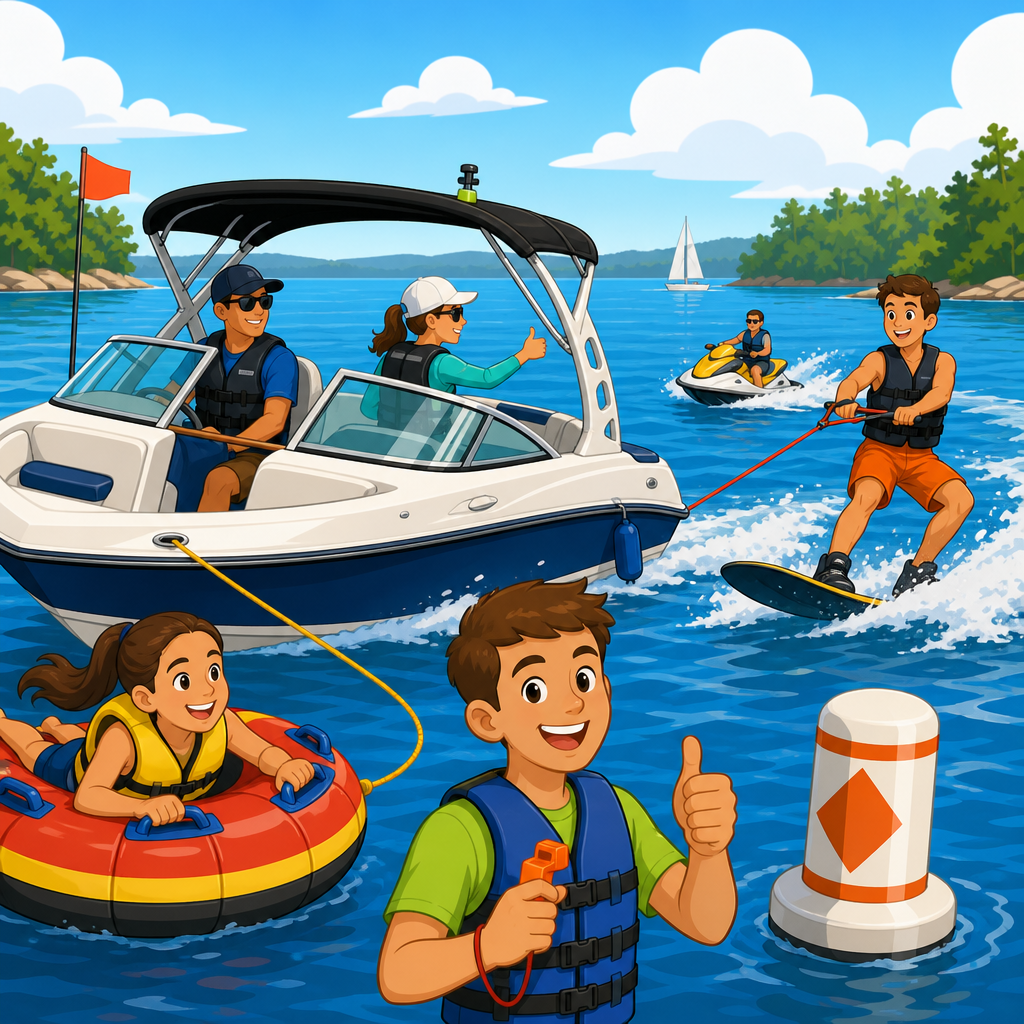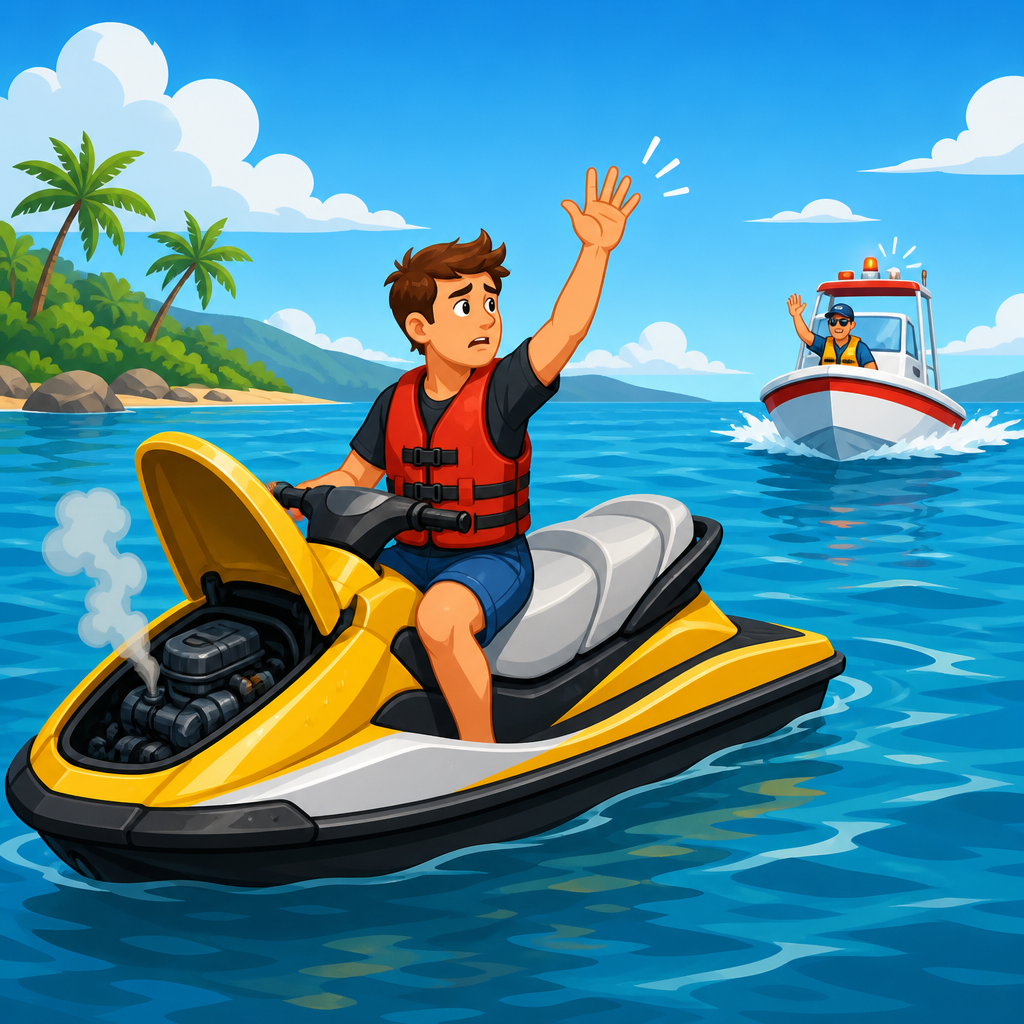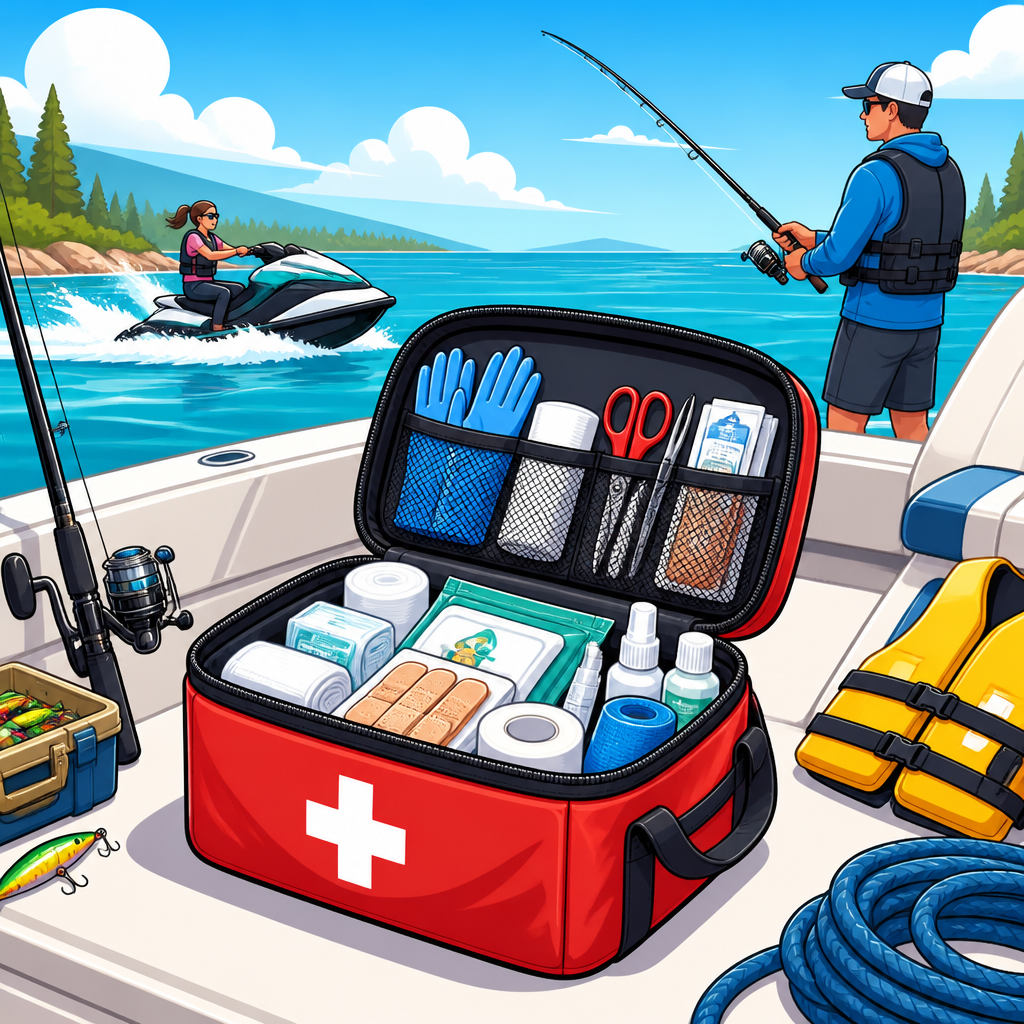
The best first aid kits for fishing and watersports boats are the ones built for a wet, moving, high-risk environment, not the generic plastic box many boat owners toss under a seat and forget. On the water, injuries happen differently than they do at home or on a hiking trail. Hooks bury past the barb, fillet knives slip on scales, tow ropes burn skin, deck hatches crush fingers, and sun, heat, and dehydration can turn a routine outing into a medical problem before you reach shore. A boat first aid kit is the organized set of supplies used to treat those likely injuries until the situation is resolved onboard or the injured person can be transferred to emergency care.
I have outfitted kits for inshore skiffs, bass boats, offshore center consoles, kayaks, and wake boats, and the same lesson repeats: the right kit is defined less by brand than by scenario. A family pontoon used on a reservoir needs different quantities and packaging than a charter fishing boat running thirty miles offshore. Watersports add impact injuries, propeller awareness, spinal precautions after falls, and exposure risks from long days under sun and wind. Fishing adds punctures, lacerations, fish spine injuries, bait allergies, and infection risk from dirty water, slime, and delayed treatment.
This matters because response time on the water is rarely immediate. Even on a busy lake, it may take critical minutes to return to a dock. Offshore, help can be an hour or more away, and on remote rivers there may be no cell signal at all. That delay changes what “best” means. The best boat first aid kit is waterproof, visible, easy to open with wet hands, stocked for bleeding control and wound cleaning, and matched to crew size, trip length, and distance from definitive care. It should also support training. Supplies without basic knowledge are little better than clutter.
As the safety hub for fishing and watersports, this guide explains what to look for, what to stock, how to size a kit, and how first aid fits into broader boating safety and training. If you want a practical answer to which first aid kits belong on boats, start with purpose: control bleeding fast, protect the airway, stabilize injuries, prevent infection, manage heat and sun stress, and document what happened.
What Makes a First Aid Kit Suitable for Boats
A marine first aid kit must survive moisture, vibration, UV exposure, and temperature swings. Soft zip pouches sold for cars or offices often fail because salt spray corrodes metal tools, cardboard packaging turns to pulp, and labels become unreadable. For boats, choose a waterproof or highly water-resistant case with internal organization, transparent compartments, and rust-resistant tools. Bright colors matter. In an emergency, a red or orange kit mounted in a consistent location is found faster than a gray bag stuffed in a storage locker under life jackets and dock lines.
The contents should reflect boat-specific injury patterns. Adhesive bandages are useful, but they are not the core of a marine kit. Prioritize trauma pads, rolled gauze, cohesive wrap, triangular bandages, nitrile gloves, wound irrigation supplies, antiseptic wipes, tweezers, trauma shears, finger splints, instant cold packs, burn gel, antiemetics where appropriate, oral rehydration support, and a CPR barrier. If children are frequent passengers, size bandages and medications accordingly, and store a dosing guide. If the boat operates offshore, add more redundancy, especially for bleeding control and seasickness-related dehydration.
Storage location is part of kit design. On many fishing boats, I recommend one primary first aid kit in a dry, central compartment and a smaller bleeding-control pouch within arm’s reach of the helm or cockpit. Boats are cramped and incidents unfold fast. If someone takes a treble hook to the hand while another angler is fighting a fish, you do not want to unload three compartments to reach gloves and gauze. Accessibility beats theoretical completeness every time.
Best Types of First Aid Kits for Fishing and Watersports Boats
The best option for most owners is a modular marine first aid kit rather than a one-size-fits-all store kit. Adventure Medical Kits, MyMedic, Orion Safety, and Surviveware all make kits with useful foundations, but nearly every prebuilt kit needs customization for boating. For a kayak or paddleboard, a compact waterproof pouch with blister care, small wound supplies, antihistamines, and a tourniquet may be enough because space is limited and trips are shorter. For a wake boat or ski boat, include more ice packs, elastic wraps, and supplies for facial cuts and impact bruising. For fishing boats, add hook-removal tools, extra antiseptic, waterproof dressings, and more gauze than you think you need.
Offshore and remote-water kits should be larger and more deliberate. In practice, I prefer a layered setup: a waterproof trauma-focused bag, a medication pouch, and a minor-care organizer. This separation speeds access and reduces contamination. A crew member treating nausea should not dig through blood-control supplies, and a person handling a hook injury should not spill medication packets across a wet deck. Label each module clearly and keep an inventory card inside the lid.
| Boat use | Recommended kit style | Must-have additions | Why it fits |
|---|---|---|---|
| Kayak or paddleboard | Compact waterproof pouch | Tourniquet, blister care, sting relief, emergency whistle | Limited storage and solo use demand lightweight essentials |
| Bass boat or inshore skiff | Medium marine kit with trauma insert | Hook-removal tool, irrigation syringe, burn gel, motion sickness meds | Common injuries are punctures, cuts, sun exposure, and slips |
| Wake boat or ski boat | Sports-oriented marine kit | Elastic wraps, cold packs, cervical caution card, extra gloves | High-speed falls and rope injuries are more likely |
| Offshore center console | Large modular waterproof kit | Hemostatic gauze, SAM splint, oral rehydration salts, thermometer | Longer response times require broader stabilization capability |
| Pontoon or family cruiser | General marine family kit | Child dosing guide, sunscreen packets, antihistamine, extra bandages | Family outings create varied but usually lower-acuity needs |
What Every Boat First Aid Kit Should Contain
A complete boat first aid kit starts with personal protection and bleeding control. Carry multiple pairs of nitrile gloves, trauma dressings, sterile gauze pads in several sizes, rolled gauze, cohesive wrap, medical tape that sticks in humid conditions, and at least one tourniquet from a recognized manufacturer such as CAT or SOFTT-W. Add hemostatic gauze if you run offshore or operate in remote areas. Massive bleeding is less common than minor cuts, but when it happens, it is the highest-priority problem and must be addressed immediately.
For wound cleaning, include saline or a dedicated irrigation syringe, antiseptic wipes, antibiotic ointment where appropriate, and waterproof dressings. Fishing injuries get dirty fast. Fish slime, bait residue, deck grime, and lake or salt water all increase infection risk. I also recommend fine-tip tweezers, trauma shears, a small headlamp, and a magnifying lens for splinters, spines, and line cuts. Hook-removal is controversial because deep hooks near joints, tendons, eyes, face, or genitals should be stabilized and left for clinicians. But superficial single-hook injuries are common enough that experienced anglers often carry line-cutters, bolt cutters for treble hooks, and dressings for after removal.
The medication section should be deliberate and labeled. Typical choices include non-aspirin pain relief, antihistamines for mild allergic reactions, anti-nausea medication, hydrocortisone cream, sting relief pads, burn gel, and oral rehydration packets. Keep all medicines in original packaging with expiration dates visible. If your crew includes anyone with severe allergies, prescribed epinephrine auto-injectors should be part of the boat plan, but they belong to the individual, not the communal kit. Add a CPR face shield, emergency blanket, instant cold packs, and a notepad with waterproof pen for recording symptoms, times, vitals, and treatment given.
How to Match the Kit to Fishing and Watersports Risks
Fishing and watersports are grouped together for good reason, but their injury profiles differ. Anglers face punctures from hooks, lacerations from knives, fish spine injuries from species such as catfish and lionfish, and prolonged static sun exposure while casting or trolling. Watersports users are more likely to suffer blunt trauma, shoulder strain, rope burns, head impact, and possible spinal injury after a fall at speed. Your kit should reflect the activities you actually do, not a vague idea of boating.
On a dedicated fishing boat, I stock more wound-care consumables than on almost any other recreational platform. Hooks can produce deceptively messy injuries, and multiple anglers mean multiple small incidents in a day. On wake and tow boats, I emphasize cold therapy, wraps, and clear procedures for assessing concussion red flags and neck pain. No first aid kit can replace spinal immobilization equipment or EMS, but a well-prepared crew can stabilize, monitor, and transport carefully while activating help.
Environmental risk also matters. Freshwater and saltwater both create problems, but saltwater adds corrosion, offshore delay, and exposure intensity. Cold-water boating increases hypothermia risk even in mild air temperatures. Hot-weather inland boating increases dehydration and heat exhaustion risk, especially when passengers drink alcohol and underestimate fluid loss. The best first aid kits for fishing and watersports boats therefore support not just injury care but exposure management. Sunscreen, electrolyte replacement, emergency blankets, and instant cold packs are not extras. They are core boating safety tools.
Training, Maintenance, and the Bigger Safety System
A first aid kit works only when paired with training and routine maintenance. At minimum, every regular operator should know CPR, basic wound care, tourniquet use, how to recognize heat illness, how to manage a severe allergic reaction, and when not to move an injured person. Hands-on training through the American Red Cross, American Heart Association, U.S. Coast Guard Auxiliary, or local boating safety programs is worth far more than watching a few videos. I have seen calm, trained boaters solve problems quickly because they knew where supplies were, how to delegate tasks, and when to call for help.
Maintenance is where many kits fail. Inspect the kit at the start of each season and after every trip where supplies were used. Replace rusted tools, expired medications, wet dressings, and sun-damaged packaging. Update crew medical information, including allergies and emergency contacts. If you trailer your boat, remember that summer cabin temperatures can damage adhesives and medications. Some items should be rotated more often than their printed date suggests if they have been heat-cycled heavily.
Finally, place the first aid kit inside a broader onboard safety system. That system includes life jackets, a VHF radio, emergency signaling gear, an emergency action plan, hydration, sun protection, and clear crew briefing before departure. Link this hub to deeper topics such as hook removal safety, treating jellyfish and fish spine injuries, dehydration prevention, man-overboard response, CPR for drowning, and what to do after a propeller strike. The benefit of building the right first aid setup is simple: when something goes wrong on the water, you respond faster, with better tools, and with less panic.
Choose a kit based on distance from shore, number of passengers, and your real mix of fishing and watersports. Then customize it, mount it where it can be reached quickly, and train with it before an emergency happens. A boat first aid kit is not a box to check off your list. It is working safety equipment. Review your current setup today, replace what is missing, and make first aid part of every launch routine.
Frequently Asked Questions
What makes a first aid kit for fishing and watersports boats different from a standard home or travel kit?
A proper boat first aid kit is designed for conditions that are wet, unstable, exposed to heat, and often far from immediate medical help. That matters because injuries on the water are not only common, but also very specific. Fishing trips bring risks like deeply embedded hooks, fillet knife cuts, fish spines, and puncture wounds. Watersports add rope burns, impact injuries, abrasions, and strains. On top of that, constant sun, wind, spray, and motion can make even minor problems harder to manage than they would be at home.
The best first aid kits for fishing and watersports boats also use packaging and storage that can survive a marine environment. Supplies should be organized in sealed or water-resistant compartments, protected from moisture, and easy to find quickly when the boat is rocking or someone is panicking. A generic plastic box with a few adhesive bandages is usually not enough. Boat-ready kits should include trauma dressings, waterproof bandages, antiseptic wipes, burn care, blister care, tweezers, gloves, cold packs, elastic wraps, and medications for common on-water issues like nausea, pain, allergies, or dehydration support, if appropriate for your crew. In short, the difference is not just convenience. It is about matching the kit to the real hazards of boating, fishing, and towing activities.
What should be included in the best first aid kit for a fishing boat or watersports boat?
The most useful kit combines everyday first aid basics with boating-specific trauma supplies. At a minimum, you want assorted waterproof adhesive bandages, sterile gauze pads, roller gauze, adhesive tape that holds in damp conditions, antiseptic wipes, antibiotic ointment, burn gel, instant cold packs, scissors, tweezers, nitrile gloves, and elastic bandages for sprains or compression. Those basics handle many of the cuts, scrapes, burns, and minor injuries that happen during a day on the water.
For fishing and watersports, the better kits go further. Look for larger trauma pads or pressure dressings for significant bleeding, finger splints or a compact SAM-style splint for crushed fingers or sprains, saline wash for flushing debris from wounds or eyes, and moleskin or blister pads for friction injuries. Because hooks and knives are common causes of injury, a strong pair of trauma shears and durable wound dressings are especially valuable. Sun and heat exposure are also major concerns, so it is smart to keep sunscreen, electrolyte packets, oral rehydration support, and after-sun or burn care products nearby, even if some of those items live alongside rather than inside the kit.
If children, older passengers, or people with known allergies are regularly on board, customize the kit accordingly. That might mean adding pediatric-friendly items, antihistamines, motion sickness remedies, or clearly labeled personal medications. A good marine first aid kit is not only well stocked, but also tailored to the size of the boat, the number of people on board, the distance from shore, and the kinds of activities you do most often.
How large should a boat first aid kit be, and where should it be stored?
The right size depends on how and where you use the boat. A small inshore fishing boat used for short trips with two or three people can get by with a compact but well-planned kit, provided it includes more than just basic bandages. A larger family boat, offshore fishing vessel, or watersports setup carrying several passengers should have a more substantial kit with extra quantities of dressings, wraps, gloves, and trauma supplies. As a general rule, the farther you travel from quick medical care and the more people you carry, the more complete your first aid kit needs to be.
Storage is just as important as contents. The kit should be kept in a location that is easy to reach fast, clearly labeled, and protected from constant soaking or crushing. Under a seat can work only if everyone knows exactly where it is and the compartment stays reasonably dry. Many boat owners do best with a water-resistant or waterproof soft case or hard case mounted or stowed in a central, accessible place. The kit should not be buried under life jackets, tackle trays, tow ropes, and lunch coolers where it becomes useless during an emergency.
It is also wise to think in layers. Many experienced boaters keep one main first aid kit on board and a smaller grab-and-go pouch for immediate access in the cockpit or helm area. That way, if someone gets cut while rigging lines or boarding from the swim platform, you can respond immediately instead of digging through storage. Visibility, accessibility, and protection from moisture are what make a boat kit truly usable.
How often should you inspect and restock a first aid kit on a fishing or watersports boat?
A boat first aid kit should be inspected regularly, not treated as a one-time purchase. Marine conditions are rough on medical supplies. Heat can damage adhesives and medications, humidity can compromise packaging, and gear often gets borrowed for small incidents and never replaced. A smart routine is to check the kit at the start of each boating season, then do quick inspections monthly during heavy use, and always restock immediately after any item is used.
During an inspection, look for expired medications, dried-out antiseptic wipes, damaged packaging, rust on tools, missing gloves, and bandages that no longer seal properly. Make sure scissors still cut, cold packs are intact, and labels are readable. If the kit has been exposed to bilge water, heavy spray, or long periods in extreme heat, inspect it even sooner. It is also a good time to confirm that specialty items you rely on, such as seasickness medication, allergy medication, or personal prescriptions, are still current and legally stored where appropriate.
Restocking should be based on real use patterns. If you fish often, you may go through gauze, antiseptic, and waterproof bandages faster than expected. If you pull tubers or skiers, you may need more wraps, ice packs, and abrasion care. The best first aid kit is not the one with the longest feature list on the package. It is the one that stays complete, functional, and ready for the exact injuries your crew is most likely to face.
Can a first aid kit really help with serious boating injuries, or is it only for minor cuts and scrapes?
A first aid kit absolutely matters for serious injuries, but it helps most when it is realistic about its purpose. On a boat, first aid is often about stabilizing the situation until professional care is available. That means controlling bleeding, protecting a wound, cooling a burn, supporting a sprain, reducing contamination, and monitoring the injured person while you head to shore or call for help. A well-equipped marine kit can make a major difference in those first critical minutes.
For example, a pressure dressing can help control significant bleeding from a knife cut, a splint can stabilize an injured finger or wrist after a hatch or fall injury, and saline plus sterile dressings can protect a wound contaminated by fish slime, bait residue, or dirty deck surfaces. Cold packs can reduce swelling after an impact, and burn treatment can ease pain from sunburn, engine contact, or friction burns from ropes. Even simple items like gloves and antiseptic can help prevent a manageable injury from becoming a much bigger problem.
That said, a first aid kit is only part of the safety picture. Boat operators should also carry a charged communication device, know local emergency procedures, and have at least basic first aid training. Severe hook injuries, uncontrolled bleeding, suspected fractures, eye trauma, heat illness, allergic reactions, and head injuries may all require urgent professional care. The value of the kit is that it gives you the tools to respond calmly, quickly, and effectively when time and distance are working against you.