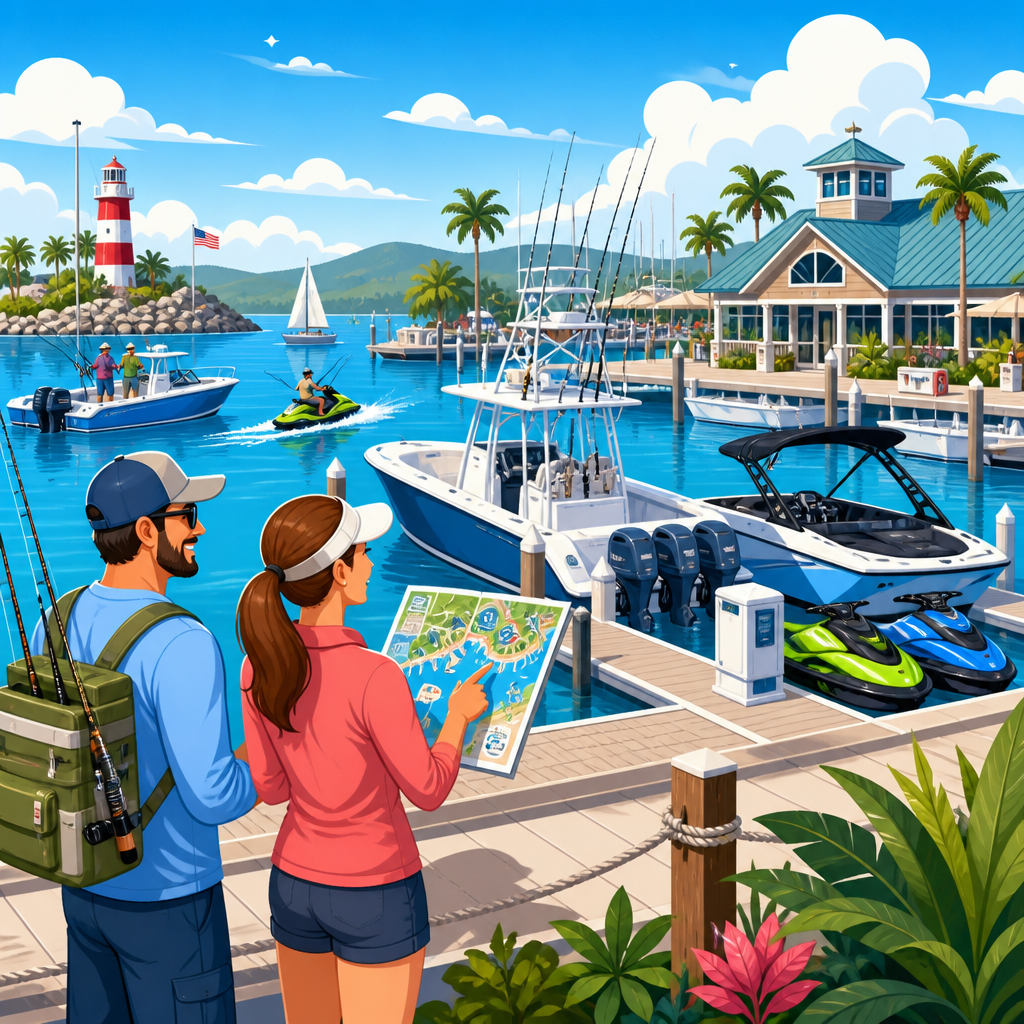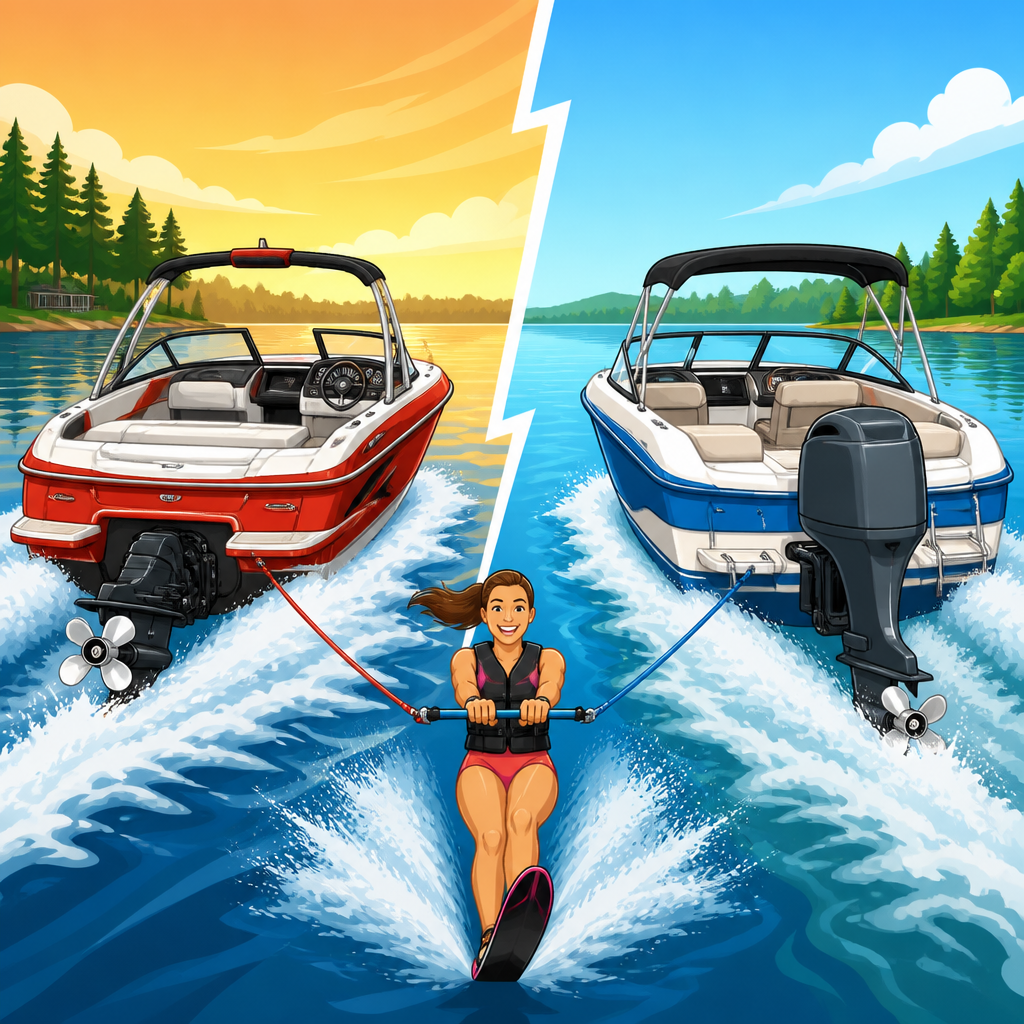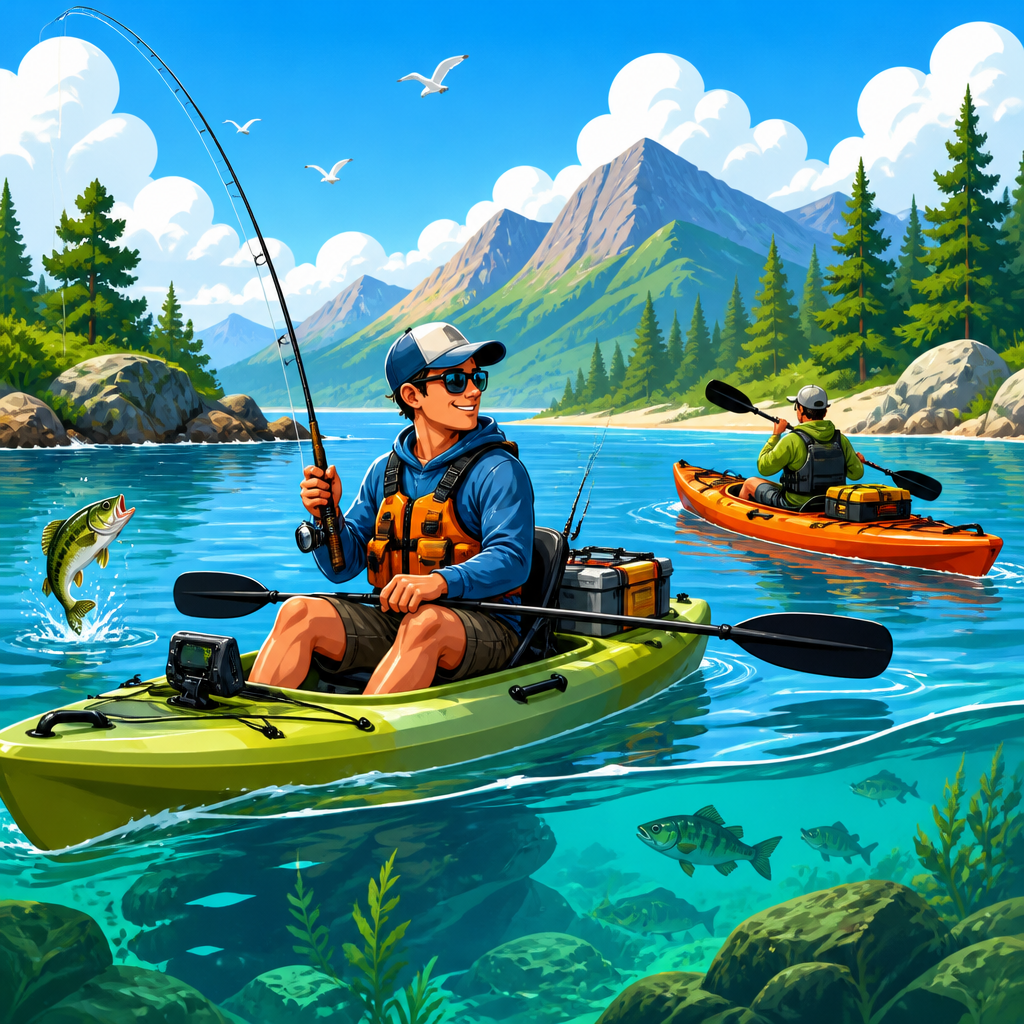
The best life jackets for fishing, kayaking, and wakeboarding do more than keep you afloat; they match the movements, risks, and conditions of each activity while helping you stay comfortable enough to wear them all day. In water sports and fishing, that last point matters because a life jacket only protects you when it is actually on your body, zipped, buckled, and fitted correctly. I have tested jackets from major paddling, angling, and tow-sports brands in reservoirs, tidal inlets, bass boats, and cable parks, and the same lesson repeats every season: the right personal flotation device depends on how you move, what you wear, the water temperature, and how quickly help can reach you.
A life jacket, often called a personal flotation device or PFD, is designed to keep a person buoyant in the water and, in some models, turn the wearer face up to protect the airway. In the United States, the Coast Guard sets carriage and performance rules, while manufacturers follow standards that define buoyancy, labeling, and intended use. Fishing, kayaking, and wakeboarding place very different demands on a PFD. Anglers need high-back designs that work with boat seats and plenty of pocket access. Kayakers need freedom for torso rotation and low-bulk foam placement that does not interfere with paddle strokes. Wakeboarders need snug impact-oriented vests that stay put during falls and repeated towing loads.
This matters because water incidents rarely result from a single dramatic mistake. More often, they begin with an ordinary problem: a hook removed at the gunwale, a kayak edge missed in current, a hard wakeboarding fall followed by fatigue, cold shock, or disorientation. According to boating safety reporting in the United States, drowning remains a leading cause of death in recreational boating accidents, and most victims are not wearing a life jacket. That statistic should shape every buying decision in this category. A high-quality PFD is not an accessory. It is the central piece of safety equipment that connects directly to judgment, training, weather planning, and rescue preparedness across fishing and water sports.
How to Choose the Right Life Jacket for Fishing, Kayaking, and Wakeboarding
The fastest way to choose correctly is to start with activity, then refine by fit, flotation type, and environment. For fishing, prioritize a fishing life jacket with large arm openings, a high back for seat compatibility, attachment tabs for tools, and pockets that remain usable when seated. For kayaking, look for a kayaking PFD with sculpted foam, broad shoulder mobility, and minimal bulk around the rib cage. For wakeboarding, use a wakeboarding vest built for impact, tight fit, and unrestricted shoulder movement behind the boat or at the cable park. One jacket rarely excels in all three categories, which is why serious users often own more than one.
Material and construction matter as much as category labels. Most recreational PFDs use closed-cell foam panels wrapped in durable nylon or polyester shells. Better models place foam strategically so pressure points do not build during long sessions. In my experience, the difference between an average jacket and a good one becomes obvious after three or four hours: cheap models chafe under the arms, push into the neck, and ride up when wet. Better jackets use segmented panels, mesh drainage, softer liner fabrics, and side adjustments that can be tuned precisely over a base layer or rain shell. Those details directly influence whether you keep the jacket on.
Fit is the nonnegotiable factor. A life jacket should feel snug on land because it loosens slightly in the water. After tightening all adjustment points, raise your arms and have someone lift the jacket at the shoulders. If it slides up over your ears, it is too loose or too large. Women-specific and youth-specific cuts can solve common fit problems, especially around the chest and torso length. Cold-water users should fit a jacket over the layers they actually wear. Inflatable belt packs can be useful in limited situations, but they are generally a poor primary choice for paddling rough water, active fishing from small craft, or wakeboarding, where immediate inherent buoyancy is the safer standard.
Best Life Jackets by Activity and Key Features That Matter
Fishing life jackets should support constant reaching, twisting, netting, and sitting. The best angling models include high-back flotation that clears modern bass boat and kayak seats, front pockets sized for pliers or tackle, and lash tabs for a knife or line cutters. Popular examples include the NRS Chinook, Stohlquist Fisherman, and Astral E-Ronny, all known for fishing-friendly storage and paddle-friendly mobility. For warm-weather anglers, ventilation is crucial because overheating often causes people to remove PFDs at the exact times they should keep them on, such as while running between spots, handling fish, or fishing in current near structure.
Kayaking life jackets need a different balance. The best kayaking PFDs keep the chest low profile, leave the shoulders open for efficient paddling, and use soft foam architecture that moves with torso rotation. Well-regarded options include the Astral V-Eight, Kokatat Hustler, NRS Ninja, and Stohlquist Edge. Whitewater paddlers often prefer rescue-capable models with stronger harness features and more robust shells, while touring paddlers often prioritize ventilation and pocket access for communication gear, snacks, and compact safety items. A good kayak jacket should disappear during the stroke cycle. If you feel it digging into your lower ribs every forward stroke, it is the wrong shape for your body or your seat system.
Wakeboarding and other tow sports demand a close, secure fit that can handle repeated high-speed falls. Many riders use impact vests, but not all impact vests are Coast Guard approved life jackets. That distinction is critical. A Coast Guard approved wakeboarding vest provides verified buoyancy and legal compliance where required, while a non-approved competition-style vest may only provide impact protection and minimal flotation. Brands such as O’Neill, Hyperlite, Ronix, and Jetpilot offer approved models designed for mobility and repeated immersion. In real use, riders should choose a vest that feels almost too snug when dry, because water exposure and repeated crashes can loosen the fit noticeably.
| Activity | Best PFD Style | Top Features | Common Mistake |
|---|---|---|---|
| Fishing | High-back foam vest | Pockets, tool tabs, seat compatibility, ventilation | Choosing bulk that blocks casting or seated comfort |
| Kayaking | Low-profile paddling vest | Large arm openings, segmented foam, slim chest profile | Buying a general boating vest that rubs during strokes |
| Wakeboarding | Approved tow-sports vest | Snug fit, impact tolerance, wide shoulder mobility | Using a non-approved impact vest as primary flotation |
Safety and Training Foundations for Water Sports and Fishing
Choosing the best life jacket is only one part of safety and training for water sports and fishing. Every PFD decision should sit inside a larger system that includes skills, trip planning, weather awareness, and recovery practice. I recommend that anglers and paddlers complete a recognized boating safety course, and that wakeboarders review local tow-sports rules with the driver and observer before every set. Standards from the U.S. Coast Guard, National Association of State Boating Law Administrators, and American Canoe Association provide a reliable baseline. The practical value is simple: training reduces hesitation, and hesitation is dangerous when cold water, moving current, or propeller risk is involved.
Cold water deserves special emphasis because it changes survival timelines dramatically. Water below about 70 degrees Fahrenheit can impair performance faster than most people expect, and cold shock becomes a major hazard well before hypothermia develops. In spring fishing and shoulder-season kayaking, a perfect life jacket does not replace thermal protection. Dress for the water temperature, not the air temperature, and consider wetsuits or drysuits when immersion is plausible. I have seen highly capable boaters become clumsy within minutes after an unexpected dunking in cold reservoirs. A properly fitted foam PFD buys time, preserves energy, and helps keep the airway clear while the body reacts to sudden immersion.
Training should include re-entry and self-rescue, not just wearing the gear. Kayakers should practice wet exits, paddle-float or assisted rescues, and deep-water re-entry for sit-on-top and sit-inside boats. Anglers in kayaks or small boats should rehearse what happens if rods, anchors, or nets snag during a capsize. Wakeboarders should learn hand signals, safe fall zones, and how to protect the head and airway after hard impacts. Families should also cover child-specific fit checks and supervision plans. The hub topic here is broad by design because safe participation depends on linked habits: choosing the right jacket, learning the right technique, and preparing for the most likely failure points before leaving shore.
Fit, Maintenance, and Legal Requirements Most Buyers Overlook
Many buyers focus on color, brand, or pocket layout and ignore the details that determine real-world performance. First, verify approval and labeling. In the United States, the label tells you whether the life jacket meets the relevant performance requirement and often indicates the intended use category. Read it. Some paddling jackets are excellent for kayaking yet poorly suited to high-speed tow sports, while some sleek wake vests lack the storage or cut needed for fishing and paddling. A legal carriage requirement may allow several options on a boat, but legality is not the same as suitability. The best life jacket is the one designed for your activity and fitted to your body.
Second, maintain the jacket like life-saving equipment, because that is exactly what it is. Rinse salt and sediment after use, dry it fully out of direct prolonged sun, and inspect buckles, zippers, webbing, foam integrity, and stitching at the start of every season. Ultraviolet exposure, compression in storage, and mildew all shorten service life. Inflatable models require even more discipline: cylinder checks, oral inflation checks, and rearming according to the manufacturer schedule. Foam jackets are lower maintenance, which is one reason I prefer them for fishing, kayaking, and general family boating. Reliability under stress favors simple systems, especially for casual users and mixed-skill groups.
Third, understand how legal requirements intersect with age, vessel type, and location. State rules often specify when children must wear a life jacket and may impose additional standards for personal watercraft, paddlecraft, or towed activities. Many marinas, guides, and tournament organizations add their own rules. On guided fishing trips and paddling programs, I have found that the strongest operators do not merely satisfy minimum law; they standardize fit checks, keep spare sizes on hand, and brief clients clearly before launch. That operational discipline reduces incidents. It also makes participation more enjoyable, because people who know the plan tend to move more confidently and make better decisions on the water.
Building a Smarter Safety System Around Your Life Jacket
A good hub page should connect equipment choices to action, and that is the real value of understanding life jackets in the wider context of fishing and water sports safety. Start with a simple checklist: match the PFD to the activity, fit it over actual clothing layers, test mobility before buying, and inspect approval labels and condition before every trip. Then add supporting habits: file a float plan, monitor marine forecasts, carry a whistle and communication device, and practice recovery skills at least once each season. These steps are not advanced. They are the baseline used by careful anglers, paddlers, and riders who want more time on the water and fewer preventable emergencies.
The key takeaway is straightforward. The best life jackets for fishing, kayaking, and wakeboarding are not interchangeable fashion items; they are purpose-built safety tools that support specific movement patterns, water conditions, and rescue realities. Fishing favors storage and seat compatibility. Kayaking demands low bulk and unrestricted rotation. Wakeboarding requires an approved, close-fitting vest that stays secure during impacts. When you combine the right jacket with training, cold-water awareness, maintenance, and legal compliance, you create a practical safety system that works under pressure. Review your current setup, replace any poor-fitting or outdated PFD, and make your next session safer before you launch, cast, paddle, or ride.
Frequently Asked Questions
What type of life jacket is best for fishing, kayaking, and wakeboarding?
The best life jacket depends on how you move, where you use it, and how much upper-body freedom you need. For fishing, many people prefer an angling-specific life jacket with multiple pockets, a higher back to clear boat seats, and a cut that allows easy casting and reeling. These models are designed for long wear, which matters because comfort directly affects whether you keep the jacket on all day. For kayaking, a paddling PFD with large arm openings, a slim profile, and a high-back design is usually the better choice. It reduces chafing during repetitive paddle strokes and fits more naturally against kayak seats, especially on sit-inside and sit-on-top boats.
Wakeboarding is different because the movement, impact, and speed are different. A wakeboarding vest is typically more form-fitting and impact-oriented, helping it stay secure during falls and aggressive movement. However, not every wake vest is the same as a Coast Guard-approved life jacket, so you need to verify whether the vest meets the safety requirements for your location and intended use. In general, fishing and kayaking call for mobility and all-day comfort, while wakeboarding calls for a snug, low-bulk fit that stays put at speed. The right choice is the one matched to the activity, approved for your use case, and comfortable enough that you will actually wear it properly every time you are on the water.
How should a life jacket fit to be safe and comfortable?
A life jacket should feel snug, secure, and stable without restricting breathing or normal movement. Start by using the manufacturer’s sizing chart based on chest size and body weight when required, rather than assuming your T-shirt size will match. Once you put it on, zip it fully, buckle every strap, and tighten the adjustments evenly. The jacket should sit close to the torso without obvious gaps, and it should not ride up toward your ears when someone lifts gently at the shoulders. That ride-up test is one of the quickest ways to identify a loose or poorly sized jacket.
Comfort also comes from matching the cut of the jacket to the activity. Kayakers usually benefit from larger arm openings and thinner foam placement around the shoulders. Anglers often want a design that does not interfere with tackle access, casting, or high-backed seats. Wakeboarders need a secure fit that does not shift during hard falls or repeated pulls behind the boat. A properly fitted jacket should let you rotate your shoulders, sit naturally, and move through your sport without constant readjustment. If you are between sizes, wearing layered clothing, or shopping for youth or women-specific fits, it is worth trying on several models because small differences in foam placement, panel shape, and strap layout can make a major difference in both comfort and safety.
Are inflatable life jackets a good option for fishing or kayaking?
Inflatable life jackets can be a good option in certain fishing and boating situations because they are light, low-profile, and less bulky than traditional foam models. That reduced bulk can make them appealing to anglers who spend full days casting, moving around the deck, or working in warm weather. In calm-water fishing from larger boats, many experienced users appreciate how easy inflatable models are to wear consistently. That said, they are not automatically the best choice for every scenario, and they are usually not ideal for wakeboarding or active paddling in rough conditions.
For kayaking, especially in moving water, surf, tidal currents, or situations with frequent immersion, a standard foam PFD is generally the better option. Foam jackets provide immediate flotation without requiring activation, and they hold up better to repeated splashes, rescues, and wet environments. Inflatable models also require maintenance, rearming after deployment, and close attention to manufacturer guidelines. They may have age restrictions, use limitations, or activity-specific warnings. For fishing, an inflatable can be practical if you understand its limitations and use it in appropriate conditions. For kayaking and wakeboarding, most people are better served by a traditional, activity-specific life jacket that provides instant buoyancy, durable construction, and a more secure fit during repeated movement and water contact.
What features should I look for when comparing life jackets for all-day wear?
When you are evaluating life jackets for long sessions on the water, prioritize comfort, mobility, ventilation, and activity-specific design over flashy extras. For fishing, useful features include zippered pockets for small gear, lash tabs for tools, reflective accents, and a high-back panel that works well with bass boat and kayak seats. For kayaking, look for large arm openings, soft interior fabrics, mesh panels for airflow, and foam placement that does not interfere with your stroke. For wakeboarding, focus on a close athletic fit, flexible segmented panels, durable materials, and a design that stays in place during impacts and deep-water starts.
Adjustment range matters just as much as features. A life jacket with well-placed straps and supportive panels can feel dramatically better after several hours than a cheaper model with awkward foam blocks or rough edges. Check the zipper quality, buckle security, stitching, and overall construction because heavily used jackets take a lot of abuse from sun, water, and repeated drying cycles. Ventilation can make a big difference in hot weather, while softer linings help prevent chafing around the neck and underarms. The most important feature, though, is wearability. The best life jacket is one that fits correctly, matches your activity, and feels comfortable enough that you never have to debate whether to put it on.
How often should I replace a life jacket, and how do I know when it is no longer safe?
There is no universal replacement date for every life jacket, because lifespan depends on frequency of use, storage conditions, sun exposure, and overall wear. A high-quality jacket that is rinsed, dried properly, and stored out of direct sunlight can last for years, while a heavily used model exposed to heat, salt, mildew, and compression may need replacement much sooner. The key is regular inspection. Before each season and ideally before each outing, check for torn fabric, damaged stitching, broken buckles, failing zippers, compressed foam, and straps that no longer tighten securely. If the foam feels hardened, misshapen, or excessively flattened, the jacket may not perform as intended.
You should also replace a life jacket if it no longer fits your body properly, if it rides up excessively after adjustment, or if it has been altered in any way. For inflatable models, inspect the inflation mechanism, cartridge status, and fabric condition exactly as the manufacturer recommends, and rearm the unit after any deployment. Mildew odor, fading, and cosmetic wear do not always mean a jacket is unsafe, but they can signal poor storage and material breakdown over time. If you are unsure whether a jacket is still trustworthy, compare its condition and buoyancy to the manufacturer’s guidance or replace it with a current, properly certified model. When it comes to life jackets, visible wear, poor fit, or questionable function are all good reasons not to take chances.