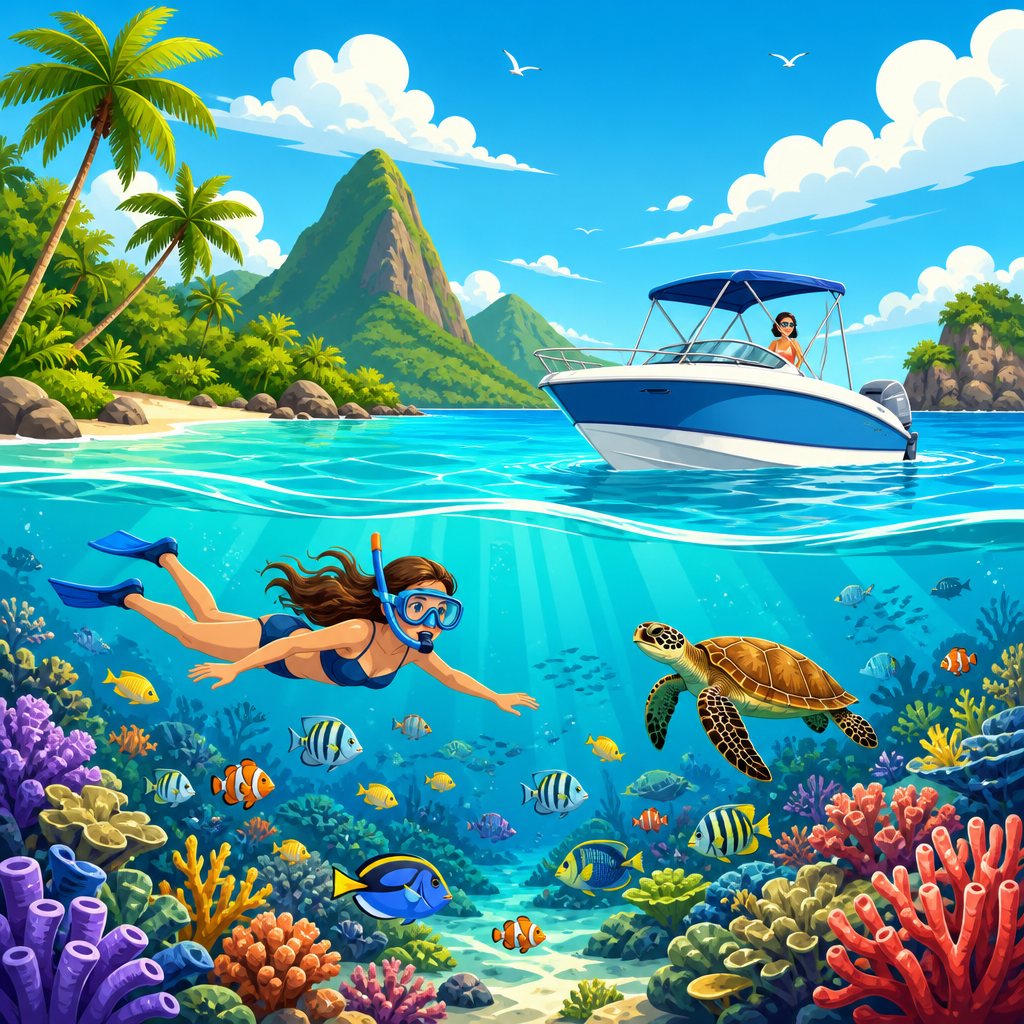
The best tropical destinations for snorkeling and boating combine warm, clear water, reliable weather windows, healthy marine ecosystems, and safe access points that work for beginners and experienced travelers alike. In practical terms, a great snorkeling destination offers visibility often exceeding 20 meters, diverse reefs or seagrass habitats close to shore or boat moorings, and calm conditions during much of the year. A great boating destination adds protected bays, well-marked channels, reputable charters, marinas or public launches, and nearby coves, sandbars, or islands worth exploring. As someone who has planned boat days, hired local skippers, and evaluated snorkel sites across the Caribbean, Pacific, and Indian Ocean, I have learned that the difference between a good trip and a memorable one usually comes down to local conditions, marine protection, and logistics more than postcard scenery alone.
This topic matters because travelers increasingly want one destination that supports multiple water-based experiences instead of a single-activity vacation. Families may want easy lagoon snorkeling while more advanced guests look for drift dives, offshore reefs, flats fishing, sailing, or island-hopping by center-console or catamaran. For trip planners building out a broader fishing and water sports itinerary, tropical snorkeling and boating hubs are often the anchor locations around which diving, kayaking, paddleboarding, deep sea fishing, or eco-tours are organized. The destinations below were selected because they consistently deliver quality in-water experiences, have established boating infrastructure, and offer enough variety to act as gateways into the wider world of fishing and water sports travel.
What makes a tropical destination ideal for snorkeling and boating
The best locations share a specific mix of environmental quality and visitor access. Water clarity depends on factors such as coral health, current flow, river runoff, wind exposure, and seasonal rainfall. Boating quality depends on navigation safety, fuel access, mooring availability, local regulations, and the range of nearby stops reachable within a half day or full day. In many top destinations, protected marine parks play a major role. Bonaire’s mooring system, the Great Barrier Reef Marine Park zoning approach, and the Exuma Cays Land and Sea Park all show how management improves reef condition while making visitor use more predictable.
Seasonality is equally important. Trade winds, cyclone seasons, plankton blooms, and afternoon squalls can transform a famous lagoon into a poor snorkel site. I always tell travelers to check not just average temperature, but prevailing wind direction, reef orientation, and whether leeward boat routes remain usable when open-ocean conditions deteriorate. A destination may rank highly for winter sailing but poorly for summer snorkeling, or vice versa. That nuance matters when choosing between tropical boating destinations that look similar on a map.
The standout tropical destinations at a glance
| Destination | Best For | Typical Water Conditions | Boating Style | Notes for Travelers |
|---|---|---|---|---|
| Bonaire | Shore snorkeling, easy reef access | Clear, calm leeward water much of the year | Small boats, guided snorkel trips | Marine park rules are strict and beneficial |
| British Virgin Islands | Sailing, island-hopping, family snorkeling | Protected channels and bays | Monohull, catamaran, day charter | Excellent balance of comfort and variety |
| Belize | Barrier reef snorkeling, flats access | Generally calm inside the reef | Skiff, panga, resort boat | Strong crossover with fishing trips |
| Maldives | Luxury boating, atoll snorkeling | Warm, clear lagoons with tidal currents | Dhoni, liveaboard, speedboat | Manta and reef shark encounters are common seasonally |
| French Polynesia | Lagoon exploration, drift snorkeling | Clear water with passes and currents | Outrigger, center-console, yacht tender | Bora Bora and Moorea are especially versatile |
| Exumas, Bahamas | Sandbars, cays, shallow cruising | Gin-clear shallows, variable cuts | Center-console, sport cruiser | Navigation attention is essential outside marked routes |
Caribbean leaders: Bonaire, the British Virgin Islands, and Belize
Bonaire remains one of the most efficient snorkeling destinations in the world because the reef begins close to shore and marine management is consistent. The leeward side offers dozens of marked sites where snorkelers can enter from the beach and reach healthy coral with minimal boat time. For boaters, the island is less about long cruising itineraries and more about precise access to Klein Bonaire, drift snorkel runs, and quiet reef moorings. This is a destination for travelers who care about reef quality, fish density, and straightforward planning. If your broader interest includes diving, freediving, or learning marine identification, Bonaire works exceptionally well as a base.
The British Virgin Islands are the classic answer for travelers who want boating first and snorkeling woven through every stop. Distances between anchorages are short, navigation is manageable compared with more complex archipelagos, and iconic snorkel sites like The Indians, Norman Island caves, and Anegada’s reefs add real substance beyond the sailing image. I recommend the BVI particularly for mixed-skill groups because one itinerary can include beginner-friendly moorings, beach time, paddleboarding, and more advanced open-water passages. For a sub-pillar focused on best locations for fishing and water sports, the BVI are useful because they naturally connect sailing, snorkeling, kayaking, and occasional offshore fishing charters.
Belize stands out because it combines one of the hemisphere’s most significant barrier reef systems with strong links to flats fishing, island lodging, and eco-tourism. Ambergris Caye and Caye Caulker offer easy access to Hol Chan Marine Reserve and Shark Ray Alley, while farther afield the Turneffe Atoll and Lighthouse Reef create a more expedition-style boating experience. Belize is especially valuable as a hub page recommendation because anglers can pair permit, bonefish, and tarpon flats with family snorkeling days inside calmer reef sections. That combination is hard to beat for travelers trying to satisfy both serious water sports interests and more casual sightseeing.
Pacific and Indian Ocean standouts: French Polynesia, Fiji, and the Maldives
French Polynesia offers perhaps the most visually dramatic boating and snorkeling mix in the tropics. Moorea has accessible lagoons, ray and shark encounters in controlled tourism zones, and mountain-backed anchorages that make even short half-day trips feel cinematic. Bora Bora adds polished resort logistics and calm turquoise water ideal for lagoon cruising. The key distinction here is that snorkeling often happens in lagoons and channels shaped by volcanic islands and reef passes, so current awareness matters. For travelers also interested in canoeing, wing foiling, or spearfishing with a guide where legal and appropriate, French Polynesia delivers unusual range within a single trip.
Fiji earns a place among the best tropical snorkeling destinations because soft coral health in areas such as the Mamanucas and Yasawas can be outstanding, and the boating culture is mature without feeling overbuilt. Charter catamarans, inter-island transfers, surf support boats, and village-based excursion operators all play a role. I have found Fiji particularly strong for travelers who want a more textured experience than a single resort lagoon, because different islands expose visitors to reef edges, protected bays, and local communities with customary marine tenure systems. That local stewardship shapes where and how visitors can snorkel or fish, and it is worth respecting from the outset.
The Maldives are unmatched for travelers who want warm-water comfort, polished boat operations, and high-probability marine life encounters. Snorkeling quality varies by house reef and atoll, but many resorts and liveaboards provide easy access to coral gardens, channel edges, and cleaning stations frequented by manta rays or reef sharks depending on season. Boating here is integral: transfers happen by speedboat or seaplane plus boat, excursions use dhonis, and many guests explore by liveaboard. The limitation is cost, along with the fact that weather and current can quickly determine which side of an atoll is best on a given day. Still, for premium tropical boating vacations, the Maldives are elite.
The Bahamas, Turks and Caicos, and Florida Keys: easy-access blue water hubs
The Exumas in the Bahamas excel at pure boat-based exploration. Shallow banks glow electric blue, cays are scattered at manageable distances, and stops can include thunderball grottoes, tidal creeks, coral heads, and long sandbars. Snorkeling is best where reefs, cuts, and protected patch systems align with current and visibility. The Exumas are also a natural bridge into other water sports content because travelers frequently combine boating with reef fishing, spearfishing where legal, paddleboarding, and beach-hopping. The main caution is navigation. Outside marked channels, depth changes and coral heads demand current charts, local knowledge, and disciplined boat handling.
Turks and Caicos offers some of the clearest water in the Atlantic tropics and a useful split between luxury day boating and approachable reef snorkeling. Grace Bay draws many first-time visitors, but boaters benefit most by exploring outer cays, iguana sanctuaries, and reef lines off Providenciales or South Caicos. The shelf edge and wall systems support stronger offshore appeal than many casual travelers expect. For readers building a wider best locations for fishing and water sports shortlist, Turks and Caicos deserves attention because bonefishing, diving, wake sports, and private boat days can all fit in a compact itinerary.
The Florida Keys are not the most remote tropical option, but they remain one of the most practical. Easy flights, abundant guides, public ramps, fuel docks, and marine services make them ideal for travelers who prioritize time on the water over resort isolation. Snorkeling on the Florida Reef Tract, boating in Florida Bay, and charter fishing offshore create a rare all-in-one platform for families and serious anglers alike. Conditions can be highly weather dependent, especially with wind, but few destinations offer such a complete training ground for snorkeling, boating, flats fishing, and reef fishing in one chain of islands.
How to choose the right destination for your travel style
If your priority is simple, high-quality snorkeling with minimal planning, choose Bonaire, parts of Belize, or a resort area in the Maldives with a proven house reef. If your priority is boating freedom and scenic movement between stops, the British Virgin Islands and Exumas are stronger choices. If you want a honeymoon or premium escape with polished service, Bora Bora and the Maldives lead. If you want a broader fishing and water sports trip where one traveler wants bonefish and another wants coral gardens, look closely at Belize, the Bahamas, and the Florida Keys.
Budget, skill level, and independence also matter. Chartering your own vessel requires navigation competence, an understanding of insurance limitations, and comfort with local mooring or anchoring practices. Hiring a captain often increases both safety and site quality because locals know tide timing, current shifts, and less-crowded reefs. I have repeatedly seen travelers save money on paper by going bareboat, then lose time to route hesitation, poor weather decisions, or suboptimal snorkel site selection. In many tropical boating destinations, local expertise is not an extra. It is part of getting the best version of the destination.
Planning tips, safety, and conservation rules that improve the trip
Book around conditions, not just room rates. In reef environments, leeward mornings usually provide the calmest surface conditions. Ask operators about visibility ranges, recent swell, jellyfish season, and how often they change sites due to wind. For gear, a well-fitting mask matters more than expensive fins, and a rash guard is often better than sunscreen alone because many marine parks restrict non-reef-safe products. Boaters should confirm VHF procedures, mooring fees, fuel range, chart sources, and whether mobile coverage is reliable offshore. In shallow tropical zones, prop damage and coral strikes are among the most preventable mistakes.
Respect marine regulations because they directly affect future trip quality. Do not stand on coral, chase turtles, feed fish where prohibited, or anchor on reef. Use mooring balls when provided. In protected areas such as the Bonaire National Marine Park or Bahamian parks, enforcement can be real and fines can be meaningful. Conservation is not abstract in these places. Better rules produce better snorkeling, more fish life, and clearer expectations for visitors. Before you book, identify whether the destination also supports your secondary interests, whether that means flats fishing, sailing lessons, kayaking, diving, or family-friendly beaches, then build your itinerary around operators with strong safety records and local credibility.
The best tropical destinations for snorkeling and boating are the ones that match water conditions, reef quality, and boating style to the kind of trip you actually want. Bonaire is the precision choice for reef access and consistency. The British Virgin Islands are the easiest all-around sailing and snorkeling hub. Belize blends barrier reef adventure with strong fishing crossover. French Polynesia, Fiji, and the Maldives bring world-class scenery and distinctive lagoon or atoll experiences. The Exumas, Turks and Caicos, and the Florida Keys round out the list with practical access, beautiful water, and wide water sports range.
For travelers exploring best locations for fishing and water sports, this hub should be the starting point: first choose the destination that fits your priorities, then narrow down the exact island, season, and operator. A clear plan beats a famous name every time. Compare weather windows, boating infrastructure, reef access, and nearby activities before booking, and you will end up with a trip that delivers more time in the water and fewer surprises. Start with one destination from this list, map out the conditions you need, and build your next tropical itinerary around that advantage.
Frequently Asked Questions
What makes a tropical destination truly great for both snorkeling and boating?
The best tropical destinations for snorkeling and boating succeed in both environments, not just one. For snorkeling, the essentials are warm water, strong visibility, healthy coral reefs or seagrass beds, and easy access to marine life without needing advanced skills. In many top locations, visibility regularly exceeds 20 meters, which allows snorkelers to comfortably observe reef structures, fish, turtles, rays, and other marine species from the surface. Calm water matters just as much, especially for beginners, families, and travelers who want long, relaxed snorkeling sessions rather than difficult entries or current-heavy conditions.
For boating, the same destination should offer protected anchorages or bays, clearly marked channels, dependable mooring systems, and practical launching or marina access. Safe navigation is especially important in reef-fringed areas, where shoals, coral heads, and tidal changes can create challenges for inexperienced operators. A standout tropical boating destination usually also has reliable weather windows, manageable wave conditions for much of the year, and convenient access to multiple snorkeling sites within a short cruising distance. In other words, the ideal location is one where boaters can comfortably move between beaches, reefs, sandbars, and coves without constantly battling rough conditions or complicated navigation.
The best destinations also balance beauty with infrastructure. That means local guides, marine parks, fuel and supply access, conservation rules, emergency services, and tourism operators that understand both safety and environmental protection. Places like the British Virgin Islands, parts of the Florida Keys, Bora Bora, the Maldives, and sections of Belize are often praised because they offer exactly that combination: exceptional water clarity, marine biodiversity, scenic cruising routes, and the kind of support system that makes the experience enjoyable for both first-time visitors and seasoned travelers.
When is the best time of year to visit tropical snorkeling and boating destinations?
The best time to visit depends on the region, but in general, travelers should look for seasons with calmer seas, lower rainfall, and reduced storm risk. In tropical areas, weather can vary dramatically between dry and wet seasons, and that directly affects both snorkeling visibility and boating safety. During drier months, runoff is usually lower, which helps keep water clearer. Winds also tend to be more predictable, creating calmer surface conditions that are ideal for spotting reefs and marine life from above. These same calmer patterns make day boating, island hopping, and anchoring far more pleasant.
Hurricane and cyclone seasons are another major consideration. In the Caribbean and parts of the Atlantic, the official hurricane season runs from June through November, though the highest risk is often concentrated in late summer and early fall. In the South Pacific and Indian Ocean, cyclone timing differs by region, so it is important to check local patterns rather than assuming one tropical calendar fits all destinations. Even outside major storm events, shoulder-season weather can bring stronger winds, reduced visibility, or rougher crossings, all of which can affect snorkeling comfort and small-boat operation.
That said, the “best” season is not always the busiest season. Some destinations offer excellent snorkeling and boating during shoulder months, when crowds are lighter and prices are more favorable, while still delivering good water clarity and navigable conditions. Travelers should compare average wind, rainfall, sea state, and storm history for a specific destination before booking. If your priority is easy snorkeling and relaxed boating, the smartest strategy is to choose a destination during its most stable weather window, rather than simply choosing the most famous tropical destination on the map.
Are these destinations suitable for beginners, or are they better for experienced snorkelers and boaters?
Many of the best tropical destinations for snorkeling and boating are excellent for beginners, provided travelers choose the right sites and conditions. Beginner-friendly snorkeling areas typically have calm, shallow water, minimal current, easy shoreline access or stable boat moorings, and abundant marine life visible from the surface. Protected lagoons, reef flats, and sheltered bays are especially appealing because they reduce wave action and make it easier to build confidence. For families and first-time snorkelers, destinations with guided excursions are often the best choice, since local operators know where to find safe, rewarding conditions on any given day.
Boating is slightly more nuanced. Some tropical areas are ideal for novice boaters because they offer line-of-sight navigation, protected waters, marked channels, and short distances between stops. Other places, while beautiful, are better suited to experienced operators because of tidal currents, coral hazards, changing depths, or longer open-water passages. A beginner can absolutely enjoy tropical boating, but it is wise to choose destinations with well-established charter services, local briefings, updated charts, and accessible marinas or mooring fields. Hiring a captain or joining guided boat tours is often the best way to enjoy the scenery without taking on unnecessary risk.
Experienced snorkelers and boaters, of course, may want more variety, including drift snorkeling, remote reefs, outer atolls, or destinations with more technical navigation. The strongest destinations are those that serve both ends of the spectrum. They provide calm, accessible areas for newcomers while still offering advanced users the option to explore farther offshore, visit less-trafficked reefs, or boat between multiple islands and marine zones. In practical terms, a tropical destination is most versatile when it can safely accommodate a first-time snorkeler in the morning and still impress an experienced boater by the afternoon.
How can travelers choose a destination with healthy marine life and good snorkeling visibility?
Healthy marine ecosystems and clear water are two of the most important factors in a quality snorkeling trip, and both require a little research before booking. Start by looking for destinations known for marine protected areas, coral conservation, or reef management programs. Areas with active environmental regulation often maintain healthier fish populations, more resilient reef systems, and better long-term snorkeling conditions. If a destination is repeatedly described as having cloudy water, widespread reef damage, or heavy coastal runoff, it may still be scenic for boating but less rewarding for snorkeling.
Visibility is influenced by weather, currents, sediment, tides, and nearby development. Tropical destinations with limited river runoff, lower seasonal rainfall, and offshore reefs often have especially clear water. In many top snorkeling locations, visibility commonly exceeds 20 meters under normal conditions, allowing snorkelers to see coral formations and marine life with impressive clarity. Reviews from dive shops, snorkel tour operators, and marine parks can be especially helpful because they reflect current, local conditions rather than generic travel marketing.
Travelers should also pay attention to habitat diversity. The best destinations usually offer more than one marine environment, such as coral gardens, seagrass beds, mangroves, pinnacles, or sandy channels. This variety supports a wider range of marine species and creates a more interesting experience over multiple days. Turtle sightings, colorful reef fish, rays, nurse sharks, and juvenile fish nurseries are more likely in places where several habitats exist close together. If possible, choose destinations where marine access is actively managed with mooring buoys, no-anchor zones, and visitor education. Those policies are strong indicators that local authorities and operators are protecting the very ecosystems travelers want to experience.
What safety and planning tips matter most for a tropical snorkeling and boating trip?
The most important safety principle is to plan around conditions, not expectations. Even the most beautiful tropical destination can become difficult or unsafe when wind, current, storms, or swell increase. Before snorkeling, always check local marine forecasts, tide conditions, and any advisories from tour operators or park authorities. Beginners should avoid isolated sites, strong current areas, and unsupervised offshore entries. A flotation device, properly fitted mask, fins suited to the site, reef-safe sun protection, and a buddy system all make a meaningful difference. If you are entering from a boat, understand exactly where to enter and exit, how to signal the crew, and what to do if current begins to carry you away from the vessel.
For boating, route planning is essential. Reef-lined tropical waters can be stunning but unforgiving, especially where depths change quickly or coral heads sit just below the surface. Use current charts, local navigation guidance, and marked channels whenever available. Operators should know the location of fuel, anchorages, no-go zones, and safe weather shelters before leaving the dock. If you are chartering a boat, pay close attention to the local briefing, because tropical destinations often have region-specific hazards such as tidal cuts, restricted marine reserves, or afternoon wind buildups that may not be obvious to visitors.
It is also important to respect the marine environment as part of safe and responsible travel. Never stand on coral, chase wildlife, or anchor on reefs. Keep a safe distance from turtles, rays, and other animals, and follow all local marine park rules. In the best tropical destinations, environmental stewardship is part of the travel experience, not an extra. Travelers who prepare properly, choose suitable conditions, and treat the ecosystem with care almost always have a better trip. The result is not only safer snorkeling and boating, but a more memorable and rewarding connection to the destination itself.