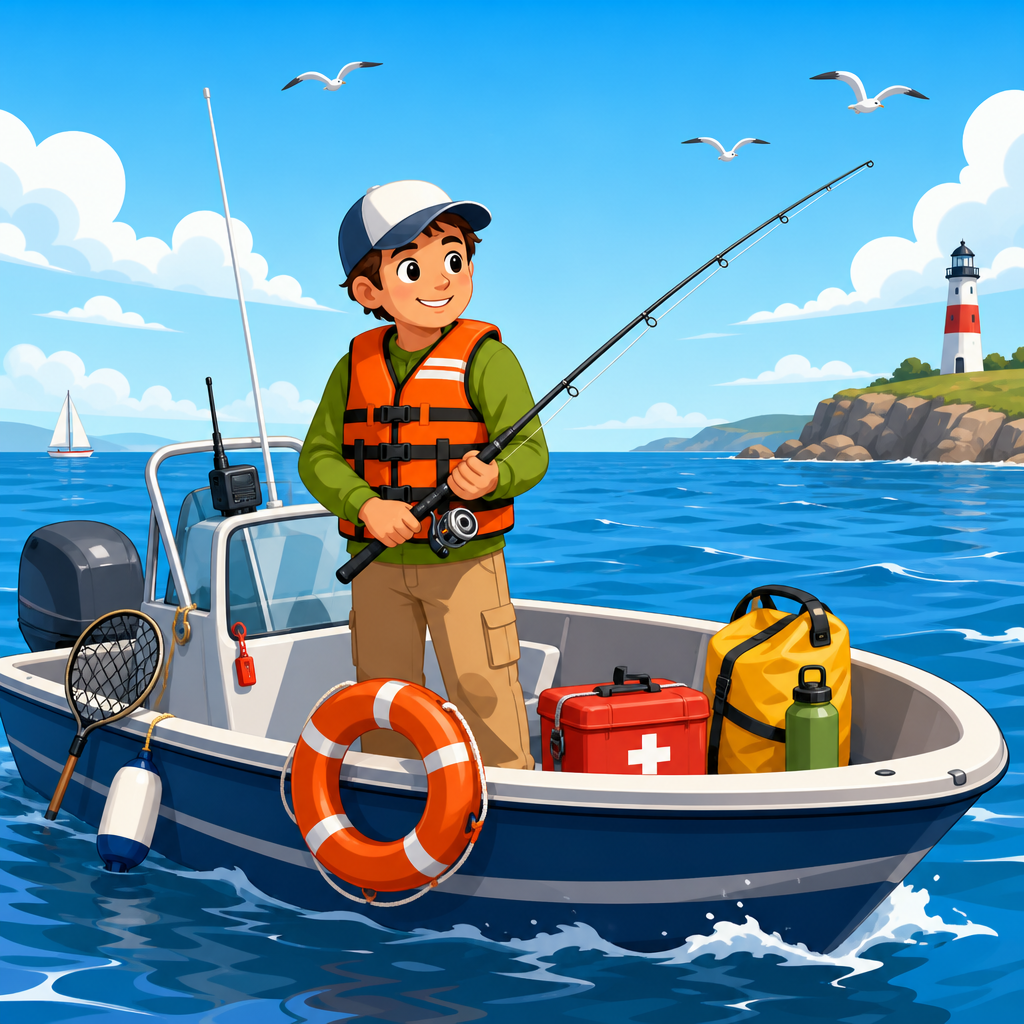
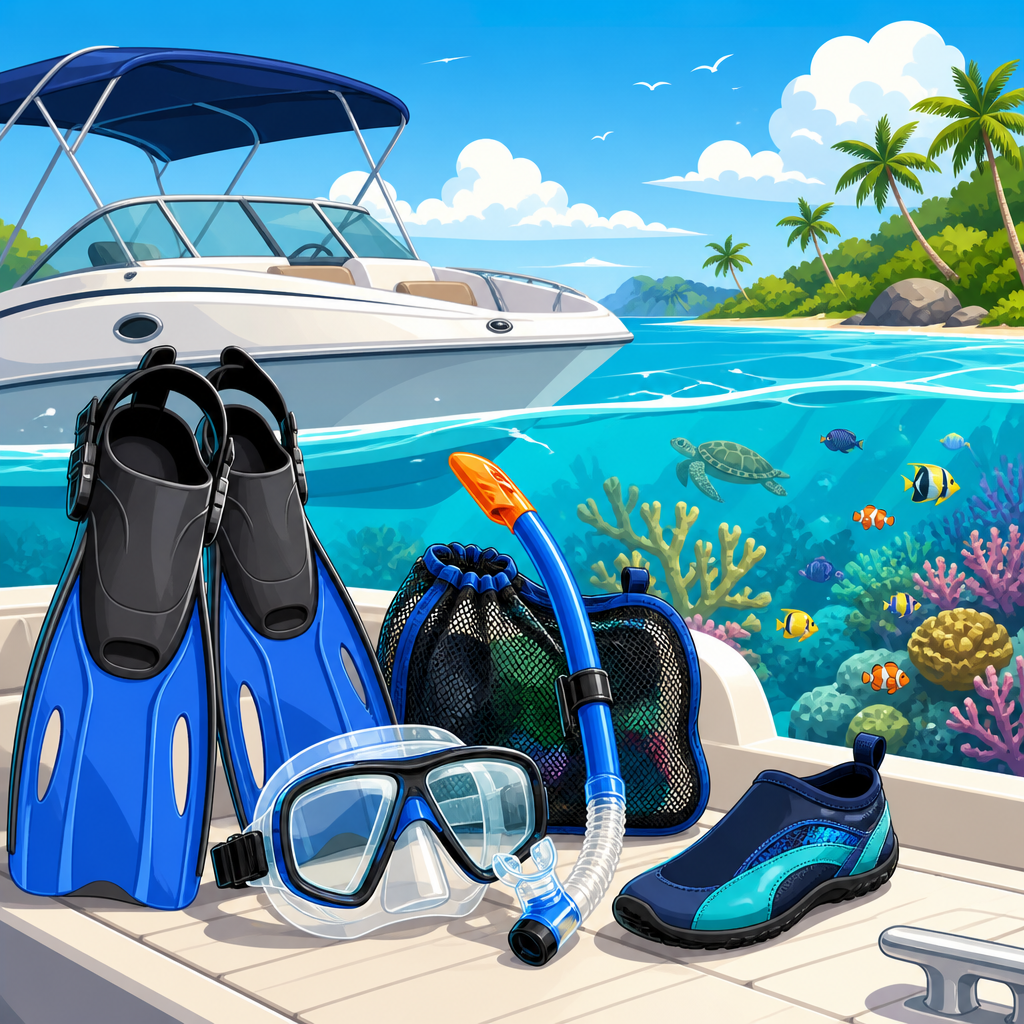
Best deck boats for watersports and fishing fun combine wide-open seating, quick planing performance, and practical angling features in one versatile platform. A deck boat is a runabout-style boat with a broad beam carried forward, creating more usable interior space than a traditional bowrider while preserving speed, maneuverability, and family-friendly comfort. In the context of multi-purpose boats for fishing and watersports, the goal is simple: one hull that can pull a wakeboard at sunrise, drift a shoreline for bass by noon, and host a sandbar lunch in the afternoon without feeling compromised at every step.
I have tested and rigged multi-use family boats for owners who wanted exactly that balance, and the tradeoffs are always clear. A boat optimized only for tow sports usually prioritizes acceleration, aft seating, and swim access. A boat built purely for fishing favors elevated casting space, livewell capacity, trolling motor integration, and unobstructed gunwales. The best deck boats sit in the middle. They matter because many buyers have one storage space, one insurance policy, one towing vehicle, and one budget. Choosing the right model means understanding hull design, engine options, tow geometry, fishing layouts, electronics, and onboard comfort well enough to avoid buying a boat that sounds versatile on paper but frustrates you on the water.
This hub covers the full picture of multi-purpose boats for fishing and watersports, from the design traits that define a capable deck boat to the leading models, buying criteria, and setup strategies that make ownership easier. If you are comparing fish-and-ski boats, outboard deck boats, sterndrive deck boats, and crossover family boats, this guide will help you narrow the field with practical, experience-based criteria.
What makes a deck boat good for both fishing and watersports
A true crossover deck boat starts with interior geometry. The wide bow creates room for anglers to move and for families to spread out, but the best layouts also protect the cockpit from becoming cluttered. Look for hinged seat bases with drained storage, a walk-through transom, removable cushions in the bow, and enough freeboard to keep kids secure in chop. For watersports, hulls with moderate to deep-V entries ride better in afternoon traffic and hold speed more consistently through turns. For fishing, stability at rest matters more than many first-time buyers expect. A beamy 22-foot platform with clean side access is easier to cast from than a flashy sport boat with tighter bow seating.
Power and tow performance are equally important. Sterndrive deck boats often deliver strong hole shot for tubing and wakeboarding, especially with V-6 and V-8 packages paired to dual-prop drives. Outboard deck boats simplify maintenance, free up cockpit space, and often improve shallow-water utility for anglers. In real use, the best engine choice depends on where and how you boat. Freshwater lake owners who prioritize skiing may prefer sterndrive pull characteristics and a low swim platform. Coastal users and owners who trailer frequently often lean toward outboards for corrosion resistance, easier service access, and better fuel economy at cruise.
Fishing readiness is where many “versatile” boats reveal limitations. A deck boat does not need to mimic a bass boat, but it should support serious casual fishing. That means at least one aerated livewell, dedicated rod storage or secure rod holders, non-slip flooring, electronics space at the helm, and convertible seating that clears quickly when it is time to cast. Removable pedestal fishing seats, trolling motor pre-wiring, and washdown capability are valuable upgrades, especially on larger outboard models used in brackish or coastal water.
Key boat types within the multi-purpose category
Not every crossover family boat is marketed the same way, so understanding the major types helps. Deck boats maximize social space and often lead this category for all-around use. Fish-and-ski boats are closer to fiberglass sport boats with dedicated aft decks and stronger angling features, but they usually offer less bow room. Center consoles with wraparound seating can also cross over effectively, especially for coastal fishing and tubing, though they expose passengers more to wind. Pontoon and tritoon boats deserve mention because modern sport toons tow well and fish well, yet they deliver a different driving feel than a fiberglass deck boat.
For many families, the decision comes down to deck boat versus fish-and-ski. In my experience, deck boats win when entertaining, lounging, and mixed-age comfort matter most. Fish-and-ski designs win when the owner fishes more seriously and only occasionally tows. A family that spends equal time tubing, cruising, and casting soft plastics around docks often ends up happiest in a 21- to 24-foot deck boat with an outboard, especially if they need easy trailering and broad maintenance support.
| Boat type | Best use case | Main strengths | Main compromises |
|---|---|---|---|
| Deck boat | Families splitting time between cruising, tubing, and casual fishing | Open layout, good speed, broad seating, flexible storage | Fishing features may be optional rather than standard |
| Fish-and-ski | Anglers who still want tow-sport ability | Better casting areas, livewells, ski performance | Less social seating and deck space |
| Center console crossover | Coastal users mixing fishing with family outings | Fishability, 360-degree access, outboard efficiency | Less shade and lounge comfort |
| Tritoon sport model | Large crews wanting easy cruising and light watersports | Space, stability, simple fishing setups | Different handling, less sporty feel in turns |
Best deck boats for watersports and fishing fun
Among current and recent models, several stand out consistently. The Hurricane SunDeck series remains a benchmark because it practically defined the modern deck boat category. Boats such as the SunDeck 2200 OB and 2400 OB pair roomy bow sections with outboard power, good passenger capacity, and available fishing packages that add pedestal seats, trolling motor support, and livewell options. They are not tournament fishing machines, but for inland lakes and inshore creeks they do the crossover job well.
The Bayliner DX series is worth attention for value-focused buyers. Models like the DX2050 and DX2250 offer usable cockpit volume, approachable pricing, and straightforward ownership. With the right seating configuration and optional ski pylon, they handle family tow duty effectively, while anglers can add portable tackle storage, fish finders, and clamp-on rod holders for casual trips. Bayliner’s appeal is not luxury finish; it is delivering functional versatility at a lower entry cost than many premium brands.
Starcraft’s SVX line is another strong contender, especially for owners who want outboard simplicity and a broad option sheet. The SVX 211 OB and larger variants can be configured with wake-friendly tow features, sea grass flooring, convertible bow areas, and fishing accessories. In practical terms, Starcraft often hits a sweet spot between social comfort and fishability. The interior is easy to clean, access around the boat is sensible, and the hulls are predictable for mixed-use weekends.
For buyers shopping premium fiberglass construction, the Stingray 211DC and similar dual console crossover boats deserve comparison, even if they blur the line between deck boat and dual console. They typically deliver strong ride quality, efficient hulls, and better fit and finish. Some owners who think they need a deck boat actually prefer this style because it gives up a little bow width in exchange for improved rough-water manners and cleaner helm ergonomics.
Used buyers should also look closely at Chaparral SunCoast models, Sea Ray Sundeck boats, and older Hurricane FunDeck layouts. These names hold value for a reason. Parts support is generally good, owner communities are active, and the layouts were proven over many model years. A well-maintained used deck boat with updated electronics and fresh upholstery often outperforms a cheaper new boat with fewer features and weaker power.
How to choose the right size, engine, and layout
Size affects every part of ownership. Boats around 19 to 21 feet are easiest to tow, store, and launch, making them attractive for first-time owners and smaller families. They can still tube and fish effectively, but seating and storage become tight once coolers, wake gear, tackle bags, and life jackets pile up. In practice, 22 to 24 feet is the sweet spot for most multi-purpose buyers because it adds useful cockpit depth, better ride comfort, and more flexible seating without becoming unmanageable on a tandem trailer.
Engine choice should be matched to crew size and activity. Underpowering is one of the most common mistakes I see. A lightly loaded 20-foot boat may run acceptably with a smaller engine, but once you add six passengers, a full fuel load, tow gear, and a livewell, hole shot suffers badly. For watersports, especially with adult riders, healthy power is not optional. On outboard deck boats in the 22-foot range, many owners are happiest with 150 to 250 horsepower depending on hull weight and intended use. On sterndrive boats, a V-6 is often the minimum practical baseline, while V-8 packages provide better pull and less strain when fully loaded.
Layout should be evaluated with your actual day in mind. Walk through where rods go when kids are boarding from the swim ladder. Check whether the rear bench blocks access to a livewell. Sit at the helm and make sure electronics placement does not interfere with visibility. Measure trailer beam and garage door clearance before signing anything. If you fish with two people but cruise with eight, removable fishing seats and quick-change cushions matter more than a permanent bow casting deck. If you mainly troll or bait fish, rod holder placement and battery capacity become more important than open bow lounge space.
Must-have features for fishing and tow-sport versatility
The most useful crossover features are often modest rather than flashy. A boarding ladder with deep steps and grab handles improves safety after every tow set. A proper tow point, whether a ski pylon or tower-rated attachment, protects passengers and avoids awkward rope angles. Hydraulic steering becomes increasingly valuable as horsepower rises, especially with outboards. For anglers, a 9-inch or larger multifunction display from Garmin, Humminbird, or Lowrance is not overkill; it is the easiest way to make a family boat more productive for fishing without changing the hull.
Flooring deserves more attention than buyers usually give it. Snap-in carpet feels pleasant at the showroom, but woven vinyl or marine mat flooring is easier to wash down after handling bait, fish slime, muddy shoes, and wet tow ropes. Storage also matters more than brochure photos suggest. Long lockers for rods, drained compartments for wet gear, and an anchor locker that does not swallow all the bow storage make the boat easier to live with. If you trailer often, swing tongues, boarding covers, and accessible transom tie-down points save time at every launch ramp.
For owners who fish regularly, a trolling motor-compatible bow with reinforced mounting area is one of the most future-proof details. Even if you do not buy the trolling motor immediately, pre-wiring and battery planning are much easier from the start. Add a small washdown system, polarized map screens, and quality fenders, and the boat becomes far more capable in real daily use than a stripped model with only cosmetic upgrades.
Buying new versus used and avoiding common mistakes
New boats offer warranty coverage, current electronics integration, and financing flexibility, but depreciation is real in the first years. Used boats can be excellent values, especially from established brands with documented service history. When inspecting a used deck boat, focus on transom integrity, floor softness, steering smoothness, compression results, trailer condition, and signs of neglected upholstery or water intrusion. On sterndrives, confirm bellows service, gimbal bearing condition, and corrosion status. On outboards, ask for engine hours, maintenance records, and diagnostic printouts.
The biggest buying mistakes are predictable. Buyers underestimate horsepower needs, overestimate how often they will reconfigure complex seating, and ignore storage constraints at home. They also get distracted by stereo packages and LED lighting while skipping essentials like brakes on the trailer, a quality cover, dual batteries with a switch, and a reliable fish finder. Sea trials matter. I want to feel planing time with a realistic crew load, test helm visibility while coming on plane, verify bilge and livewell function, and listen for rattles over chop. A careful purchase process pays off because the right multi-purpose boat keeps the peace between anglers, riders, and passengers.
The best deck boats for watersports and fishing fun succeed because they respect how families actually use boats. They are not trying to beat a dedicated wake boat at surf performance or a bass boat at tournament efficiency. Instead, they deliver the broader win: one platform that planes quickly, carries people comfortably, handles casual to serious recreational fishing, and stays easy enough to own that it gets used often. For most buyers, the sweet spot is a 22- to 24-foot deck boat with practical storage, strong midrange power, durable flooring, a real tow point, and at least a basic fishing package.
If you are building out a short list, start with layout and power before brand loyalty. Then compare proven names like Hurricane, Starcraft, Bayliner, Chaparral, and Sea Ray against how you boat on a normal weekend, not your idealized one. Prioritize clean rigging, service support, and features you will use every trip. That approach leads to a better ownership experience and a smarter purchase. Use this hub as your starting point, then move into deeper model, engine, electronics, and setup comparisons to find the right multi-purpose boat for your fishing and water sports plans.
Frequently Asked Questions
What makes a deck boat a good choice for both watersports and fishing?
A deck boat stands out because it blends the social layout of a family runabout with the space and utility needed for more specialized activities. Its defining feature is the broad beam carried farther forward, which creates a noticeably roomier bow and cockpit than many traditional bowriders. That extra square footage matters when you are switching between tubing, wakeboarding, cruising, and fishing in the same day. Passengers have more seating, more legroom, and easier movement throughout the boat, while owners gain enough open space to carry gear without the layout feeling cramped.
For watersports, deck boats are popular because they typically plane quickly, offer predictable handling, and can be equipped with enough horsepower to pull skiers, wakeboarders, and towable tubes with confidence. Many models also include swim platforms, boarding ladders, tow pylons, and storage compartments for ropes, life jackets, and boards. For fishing, the same roomy footprint makes it easier to add practical features such as pedestal seat bases, livewells, trolling motor mounts, rod storage, and fishfinder electronics. In other words, a well-designed deck boat does not force owners to choose between family comfort and recreational capability.
The biggest advantage is versatility. Instead of owning one boat optimized only for towing and another set up only for angling, a deck boat can cover both roles well enough for many families. It may not replace a tournament bass boat for serious anglers or a dedicated wake boat for riders focused on wake shape, but for buyers who want one platform that can entertain, fish, cruise, swim, and tow, a deck boat is often one of the smartest all-around options on the water.
Which features should I look for in a deck boat if I want to do watersports and fishing equally well?
If you want a true dual-purpose deck boat, focus on the features that support both activities without compromising safety or usability. Start with the hull and power. You want a boat that planes quickly, carries a full passenger load without feeling sluggish, and remains stable at rest when people move around to fish. Adequate horsepower is especially important if you plan to pull adults on wakeboards or skis while carrying coolers, gear, and several passengers. A model with confident acceleration and efficient weight distribution will be much more enjoyable than one that feels overmatched by its load.
For watersports, look for a strong tow point or factory tow arch, a wide swim platform, a telescoping boarding ladder, deep storage lockers, and seating that keeps passengers secure during acceleration and turns. Flooring also matters. Non-skid, easy-to-clean marine flooring helps when swimmers climb back aboard and when anglers leave behind water, bait, or fish scales. If wakeboarding or skiing is a regular part of your routine, check how easily gear can be stored out of the way so the cockpit stays open and safe.
For fishing, prioritize practical additions rather than cosmetic “sport” branding. Useful features include livewells, removable fishing chairs, rod holders, in-floor storage for longer rods, trolling motor pre-rigging, and a layout that allows casting space at the bow or stern. A quality fishfinder and enough battery capacity to support electronics are also important. Some deck boats offer convertible seating that transforms into fishing platforms, which is especially helpful for families that want comfort first but still want serious utility on fishing days.
Finally, think about the details that affect your ownership experience every trip: shade options, cooler space, easy-access storage, a head compartment if the boat is larger, and boarding convenience from dockside or the beach. The best deck boat for mixed use is not just the one with the most features on a brochure. It is the one whose layout makes transitions between activities simple, comfortable, and realistic for how your family actually uses the boat.
Are deck boats better than bowriders for families who want more space and versatility?
For many families, yes. The main reason is interior volume. While both deck boats and bowriders are designed for day boating, a deck boat generally carries its width farther forward, which creates a fuller bow area and more usable seating overall. That means more room for passengers, more storage for gear, and more flexibility when the boat is being used for different activities on the same outing. If your typical day includes towing kids on a tube, stopping to swim, then casting lines near shore, that extra space becomes a practical advantage very quickly.
Deck boats also tend to be especially attractive for buyers who value easy movement around the boat. The broader layout can make boarding easier, improve social seating arrangements, and create room for activity-specific features that would feel crowded in a narrower design. When equipped properly, a deck boat can offer many of the same fun-driving qualities buyers expect from a runabout while giving them a more open and adaptable platform.
That said, “better” depends on priorities. Some bowriders may have a sportier profile, a slightly more traditional runabout feel, or specific premium watersports options that appeal to dedicated tow-sport enthusiasts. Likewise, some fishing-focused family boats may offer more specialized angling layouts than a general-purpose deck boat. But if your goal is broad versatility, strong passenger comfort, and a layout that supports both recreation and casual fishing, deck boats are often the more practical choice. They are designed to do a lot well, and that is exactly what many families need.
How much horsepower do I need in a deck boat for tubing, wakeboarding, and carrying a full crew?
The right horsepower depends on the boat’s size, hull design, passenger load, and how demanding your watersports plans are, but in general, buyers should avoid underpowering a deck boat intended for towing. Tubing with a light crew can be done with modest power, but wakeboarding, skiing, and pulling larger riders or multiple people on a tube require stronger acceleration and the ability to maintain speed consistently. Add a full tank of fuel, coolers, fishing gear, and a full crew, and the power requirement increases quickly.
As a practical guideline, smaller deck boats used lightly may perform well with mid-range horsepower, while larger or more heavily loaded models benefit from more substantial output. The key is not just top speed. What really matters is hole shot, mid-range pull, and the ability to stay on plane comfortably without straining the engine. A deck boat that needs constant throttle adjustment or feels sluggish getting riders out of the water will be less enjoyable and may be less efficient in real-world use.
It is also important to think beyond engine size alone. Propeller selection, hull efficiency, and weight distribution all affect towing performance. If you regularly bring eight or more people, tow wakeboarders, and carry fishing equipment, it often makes sense to choose the upper half of the available horsepower range for your preferred model. That gives you more flexibility, better responsiveness, and less stress on the engine during loaded use.
The best approach is to match the engine to your actual habits rather than your occasional quiet cruise. If watersports are a major priority, buy enough power for your busiest day, not your easiest one. A properly powered deck boat feels more relaxed, more capable, and more fun across every activity, from sunrise skiing to an afternoon run to the fishing spot.
Can a deck boat really work for serious fishing, or is it mainly a family cruiser with a few fishing features?
A deck boat can absolutely work for meaningful fishing, but the answer depends on what “serious” means for you. If you are comparing it to a purpose-built bass boat, bay boat, or center console designed specifically around competitive angling, a deck boat will usually make some compromises. Dedicated fishing boats often offer more expansive casting decks, specialized tackle organization, greater rod capacity, and layouts optimized entirely around fishability. A deck boat is not trying to be that. It is trying to balance fishability with comfort, watersports performance, and family-friendly seating.
For many owners, that balance is exactly the point. A well-equipped deck boat can be very effective for freshwater fishing, casual inshore use where appropriate, and family angling trips where comfort and access matter as much as hardcore specialization. If the boat includes a trolling motor option, livewell, rod holders, electronics, and removable fishing seats, it can handle a wide range of real fishing scenarios very well. The larger interior can even be an advantage when fishing with kids or non-anglers, because everyone has room to spread out without feeling like they are in the way.
What matters most is buying the right version of the concept. Some deck boats are clearly geared toward entertainment first and add only minimal fishing touches. Others are intentionally configured for dual-purpose use and offer much more thoughtful angling features. If fishing is a genuine priority, look closely at deck layout, storage length, seat removability, trolling motor compatibility, and whether the open areas actually allow comfortable casting.
In short, a deck boat is more than just a cruiser with a fishing package when it is chosen carefully. It can be an excellent solution for boaters who want to fish regularly without giving up the speed, seating, and all-day versatility that make deck boats so appealing in the first place.