
Choosing between a Jet Ski and a WaveRunner is easier when you understand that both are personal watercraft, or PWC, built for speed, agility, and compact fun on lakes, bays, rivers, and coastal water. In everyday conversation, people often use “jet ski” as a generic label, but Jet Ski is Kawasaki’s brand name, while WaveRunner is Yamaha’s brand name. That difference matters because brand design, engine choices, storage layouts, seating, and reliability histories can shape your ownership experience as much as top speed or price.
As someone who has spent years around marinas, rental fleets, and owner groups, I have seen buyers focus too narrowly on horsepower and overlook the real decision: how you plan to use the machine. A solo rider who wants nimble play, a parent pulling kids on a tube, and an angler heading to nearshore structure all need different features. This Jet Ski vs. WaveRunner guide is designed as a hub for Jet Ski and personal watercraft adventures, so it covers terminology, performance, fishing use, towing sports, safety, maintenance, costs, and the practical tradeoffs that determine long-term satisfaction.
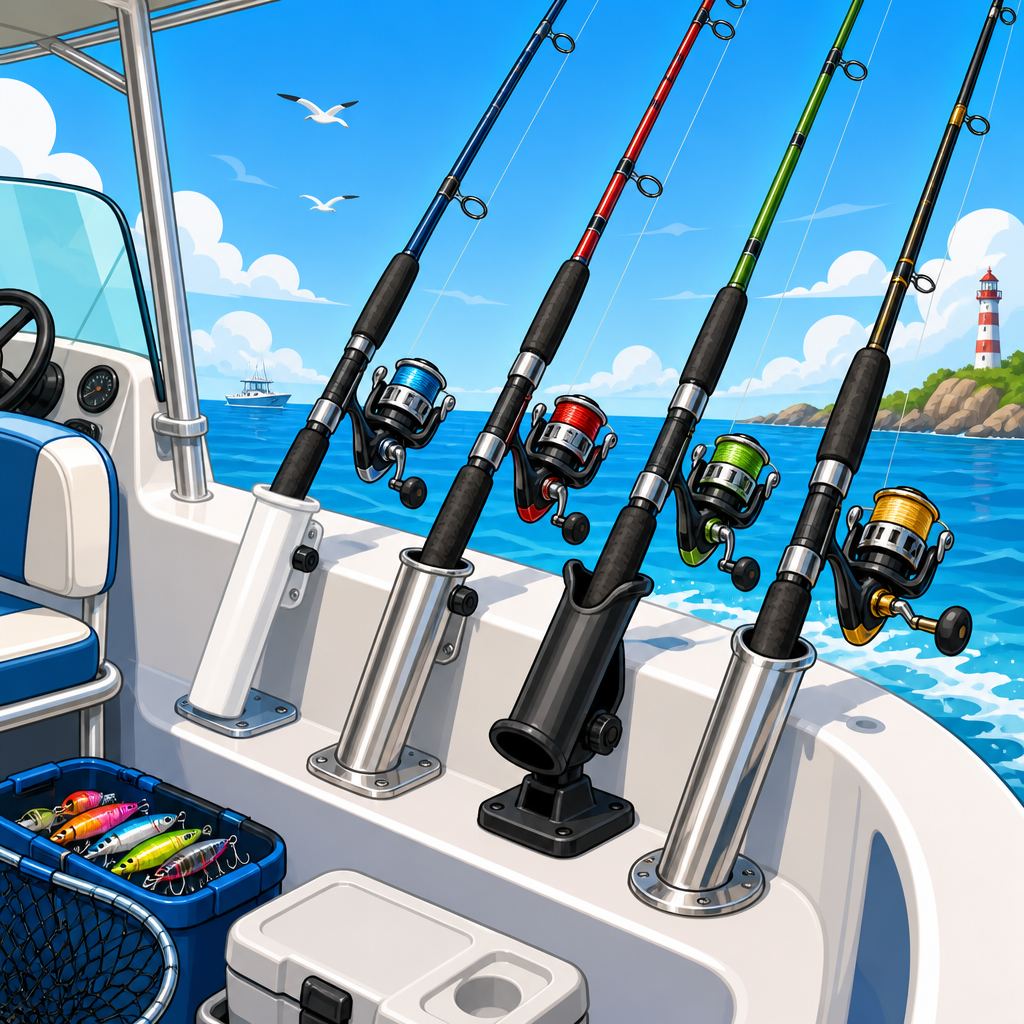
Personal watercraft occupy a unique space in fishing and water sports because they deliver boat-like access with a smaller footprint, lower storage demands, and fast launch times. Modern three-seat models can tow wake toys, carry coolers, hold safety gear, and even support dedicated fishing setups with GPS fish finders and rod holders. At the same time, PWCs require disciplined maintenance, smart fueling habits, and honest thinking about local water conditions. If you want one machine that can handle recreation, exploration, and occasional fishing, brand differences matter, but fit-for-purpose matters more.
Jet Ski vs. WaveRunner: the core difference
The direct answer is simple: Jet Ski and WaveRunner are both PWCs, but they come from different manufacturers. Kawasaki Jet Ski models built the category’s identity in the public mind, while Yamaha WaveRunner models became known for broad lineup depth, strong reliability, and user-friendly features. If you are comparing a Jet Ski vs. WaveRunner, you are really comparing Kawasaki against Yamaha in hull design, engine character, comfort, features, dealer support, and price.
Kawasaki has long leaned into muscular acceleration and big-water presence, especially in models such as the Ultra series. Yamaha’s WaveRunner lineup spans playful rec-lite craft to luxury touring and fishing-capable platforms, with notable technologies like RiDE, a dual-throttle braking and reverse control system that makes docking easier for new riders. In practical terms, many first-time buyers find WaveRunner controls more intuitive, while experienced riders often appreciate the planted, powerful feel of larger Jet Ski models. Neither brand is universally better; the right choice depends on whether you prioritize stability, tech, towing, comfort, or sport handling.
How personal watercraft fit fishing and water sports
PWCs are no longer limited to short, high-speed joyrides. In the last decade, manufacturers and aftermarket companies have turned them into versatile platforms for tubing, wake play, sandbar cruising, and fishing. I have watched anglers launch before sunrise from ramps too small for larger boats, run efficiently to inshore reefs, and return with less cleanup than many center consoles require. That convenience is a major reason personal watercraft ownership keeps expanding beyond pure recreation.
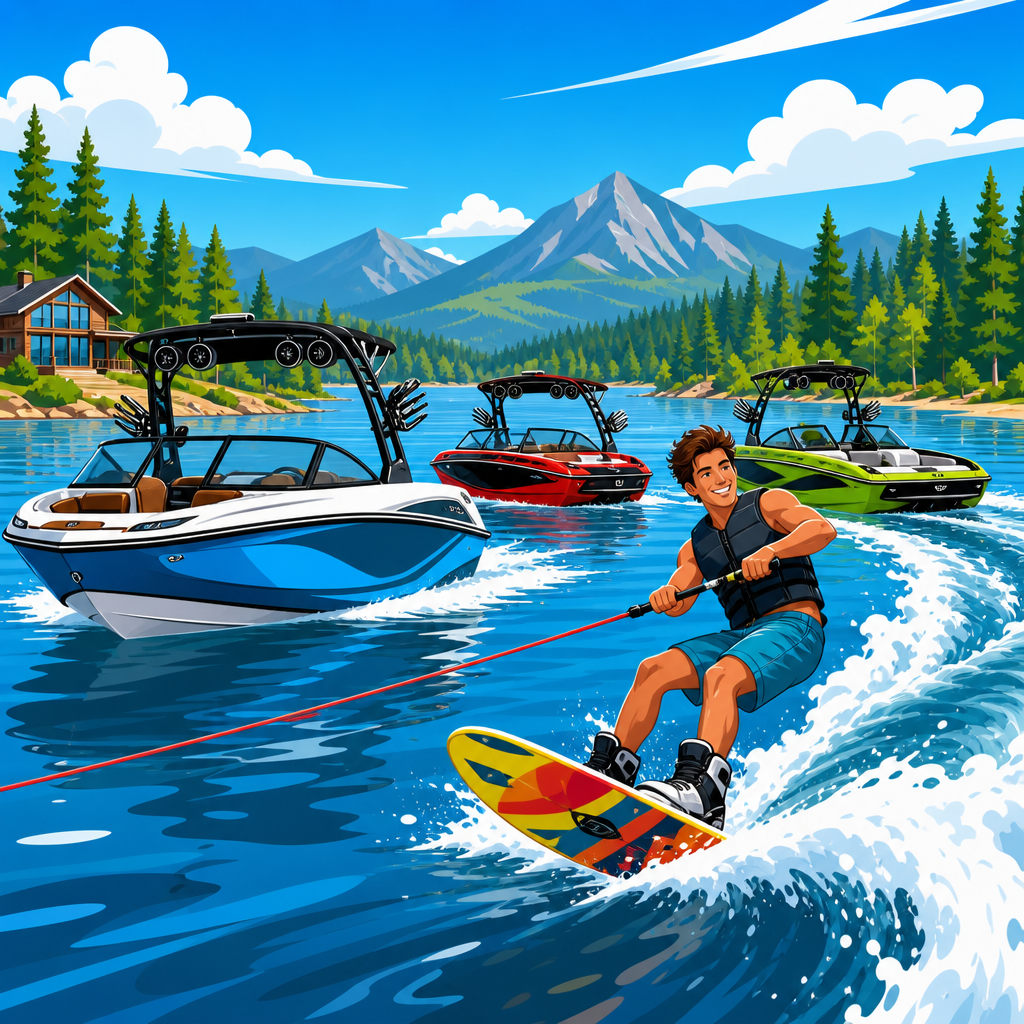
For water sports, a three-seat PWC with a tow eye, strong low-end torque, and stable hull can pull tubes and lightweight skiers effectively. For fishing, you want rear deck space, accessory mounting options, decent fuel range, and predictable stability while shifting your weight. Yamaha’s larger FX and VX platforms are common starting points for fishing conversions, while Kawasaki’s Ultra platform also offers the size and power that offshore-minded riders appreciate. If this page serves as your hub for Jet Ski and personal watercraft adventures, the central takeaway is that a PWC can be a multipurpose tool when chosen around your actual use case.
Performance, handling, and comfort differences
Performance is more than speed. Most buyers ask how fast a Jet Ski or WaveRunner will go, but acceleration curve, hull behavior in chop, fuel economy, seat ergonomics, and throttle response affect real enjoyment far more than headline mph. Many modern full-size PWCs reach roughly 50 to 70 mph depending on trim and conditions, yet very few owners ride at full throttle for long. The better question is how controlled the craft feels in the environment where you actually ride.
Kawasaki Jet Ski models, especially in larger configurations, often feel substantial and confidence-inspiring in rougher water. That can be valuable on open bays or windblown lakes where lighter craft slap and bounce. Yamaha WaveRunner models generally stand out for broad comfort tuning, predictable steering manners, and practical rider aids. On long rides, seat contour, handlebar position, and footwell design reduce fatigue more than buyers expect. For families, reboarding step design and swim platform usability also matter. I have seen owners regret a thrilling demo ride because they bought for excitement and then discovered their passengers hated the firmer ride.
| Factor | Kawasaki Jet Ski | Yamaha WaveRunner | Best For |
|---|---|---|---|
| Brand identity | Original “Jet Ski” name recognition | Strong mainstream PWC lineup | Buyers comparing established brands |
| Ride feel | Powerful, planted, substantial | Balanced, refined, easy to manage | Chop performance vs. all-around ease |
| Control features | Traditional performance focus | RiDE system on many models | New riders and docking confidence |
| Fishing adaptability | Good on larger Ultra platform | Excellent with popular accessory support | Anglers building PWC fishing rigs |
| Typical buyer fit | Riders wanting muscle and size | Families, tourers, mixed-use owners | Use-case driven selection |
Best use cases: recreation, touring, towing, and fishing
If your weekends center on quick fun near the dock, either brand can work, but smaller, lighter models will feel more playful and cost less to own. If you take longer rides, carry a passenger often, or pack gear for a full day, step up to a larger touring-oriented PWC. Touring models offer better fuel capacity, more storage, improved seat support, and hulls that smooth rough water. Those gains directly affect safety and enjoyment, especially when weather shifts midday.
For towing sports, choose a three-seat platform with enough torque to pull from a dead stop smoothly. Check local rules, because many states require an observer in addition to the driver when towing a tube or skier. For fishing, the best PWC is stable at rest, supports accessory mounts without awkward workarounds, and has enough storage for tackle, hydration, emergency gear, and a small cooler. Dedicated fishing packages, such as Yamaha’s purpose-built fishing variants in some markets, show how seriously this category has developed. If fishing is more than an occasional novelty, prioritize deck usability and range over speed.
Ownership costs, maintenance, and reliability
Purchase price is only the starting point. Real ownership cost includes trailer, insurance, registration, safety equipment, fuel, routine service, winterization if you live in a cold climate, and occasional battery or wear-item replacement. Many buyers underestimate these add-ons. A quality trailer alone can add meaningful upfront cost, and storage fees can rival part of a boat budget in some marinas or dry-stack facilities. The advantage is that most PWCs still cost less to store and launch than larger boats.
Maintenance discipline has a direct effect on reliability. Follow the manufacturer schedule for oil and filter changes, spark plugs where applicable, cooling system checks, and supercharger inspection if your model uses one. Saltwater riders must flush the engine according to the manual, rinse thoroughly, and pay attention to corrosion control on metal hardware and electrical connections. Yamaha has an especially strong reputation for dependable ownership when maintained correctly, but Kawasaki is also durable when serviced on schedule. The biggest reliability problems I encounter are not brand defects; they come from stale fuel, neglected batteries, clogged cooling passages, and improper off-season storage.
Safety, learning curve, and legal considerations
The safest PWC is the one matched to your skill level and used with restraint. New riders often assume these machines handle like motorcycles on water. They do not. Jet-propelled craft require throttle to steer effectively, and cutting the throttle completely during an emergency can reduce directional control. That is why rider education matters. Many states require boater education for PWC operators, and even where it is optional, a certified course is worth taking. The National Association of State Boating Law Administrators and state wildlife agencies publish current rules on age limits, life jackets, no-wake zones, and towing regulations.
Wear a properly fitted U.S. Coast Guard-approved life jacket, use the engine cutoff lanyard, and respect distance rules around swimmers, docks, and other vessels. Weather awareness is critical because PWCs sit low and can become uncomfortable or unsafe quickly in building wind and chop. If you plan to fish from a PWC, add a handheld VHF where appropriate, a dry bag with signaling gear, and a float plan shared with someone onshore. The learning curve is manageable, but the consequences of overconfidence are real, especially in crowded summer waterways.
How to choose the right model for your needs
The best buying framework is to rank your top three uses, then choose the platform that supports them with the fewest compromises. If your priorities are family cruising, easy docking, and occasional towing, a Yamaha WaveRunner in the mid-size or touring class is often the practical winner. If you value strong acceleration, larger-water confidence, and a more muscular ride character, a Kawasaki Jet Ski may be the better fit. For anglers, compare rear deck dimensions, accessory ecosystems, storage access, and fuel range before looking at color or speed.
Also evaluate dealer support close to home. A good local service department is worth more than a minor spec-sheet advantage. Sit on the machine on the trailer, test reboarding, inspect storage opening sizes, and ask about service intervals and common parts availability. If possible, demo in the type of water you actually use, not a protected cove on a calm morning. Buyers who match hull size and seating layout to real conditions make better long-term decisions than buyers who chase peak horsepower numbers.
Jet Ski vs. WaveRunner is not a debate with one universal answer. Both are proven personal watercraft categories from respected brands, and both can anchor memorable days of cruising, towing, exploring, and fishing. The smartest choice comes from understanding the difference between brand names and the broader PWC category, then matching model size, ride characteristics, storage, and features to your water, your passengers, and your habits.
For most mixed-use owners, comfort, stability, maintenance demands, and local dealer support matter more than pure speed. A WaveRunner often appeals to families and first-time owners who want intuitive controls and broad versatility. A Jet Ski often attracts riders who prefer a powerful feel and strong rough-water presence. Anglers should focus on deck utility, accessory compatibility, and range. In every case, safety training and realistic budgeting are part of a good purchase decision, not afterthoughts.
Use this hub as your starting point for deeper articles on PWC fishing setups, towing sports, maintenance routines, beginner riding skills, and trip planning. If you are shopping now, list your primary use, your typical water conditions, and your storage budget, then test the models that fit those realities. That simple process will lead you to the right personal watercraft faster than any badge name alone.
Frequently Asked Questions
What is the actual difference between a Jet Ski and a WaveRunner?
The most important distinction is that Jet Ski and WaveRunner are both brand names, not separate vehicle categories. A Jet Ski is Kawasaki’s personal watercraft, while a WaveRunner is Yamaha’s personal watercraft. Both fall under the broader category of PWC, or personal watercraft, which also includes other brands and models designed for similar on-water use. In everyday speech, many people say “jet ski” to describe any stand-up or sit-down PWC, but from a buying standpoint, brand identity matters because each manufacturer builds its machines with different engine packages, hull designs, seat layouts, ride characteristics, feature sets, and long-term ownership expectations.
That means the real comparison is usually Kawasaki versus Yamaha rather than one type of craft versus another. If you are deciding which is right for you, focus on how each brand approaches comfort, speed, towing ability, fuel efficiency, storage, technology, and maintenance access. One model may feel more playful and aggressive, while another may be better suited for family rides, longer outings, or watersports. Once you understand that both are PWCs and that the names refer to specific brands, it becomes much easier to compare them based on how you plan to use the machine rather than getting stuck on the terminology.
Which is better for beginners: a Kawasaki Jet Ski or a Yamaha WaveRunner?
For beginners, the better choice usually comes down to stability, predictability, seating comfort, and ease of control rather than raw performance numbers. Many first-time riders do well with a larger, more stable three-seat recreational model because it offers a more confidence-inspiring platform at idle, in turns, and when reboarding from the water. Yamaha WaveRunner models are often praised for user-friendly controls, approachable handling, and practical layouts, which can make them especially appealing to new riders or families. Kawasaki Jet Ski models can also be beginner-friendly, but some buyers are drawn to the brand’s stronger performance image and may end up comparing models that are more powerful than a novice really needs.
If you are new to PWCs, look for features such as speed-limiting modes, smooth throttle response, stable hull design, easy boarding steps, and enough seat space to reduce fatigue. A beginner should also think beyond the test ride. Consider where the craft will be used, how rough the water typically is, how often passengers will come along, and whether the rider values relaxed cruising more than acceleration. In many cases, the best beginner option is the model that feels intuitive, forgiving, and comfortable for an hour or two on the water, not the one with the most horsepower. If possible, sit on both brands in person and compare visibility from the riding position, grip reach, storage access, and overall confidence level at low speed.
Are Jet Skis or WaveRunners more reliable over time?
Reliability depends on a combination of brand engineering, individual model history, maintenance habits, storage conditions, and how the PWC is used. Neither name alone guarantees trouble-free ownership or poor durability. Yamaha WaveRunner models have built a strong reputation in the market for dependable recreational ownership, which is one reason they are popular with a wide range of buyers, from casual users to rental and fleet operators. Kawasaki Jet Ski models also have loyal owners and a reputation for powerful engines and capable construction, especially among riders who value strong performance and brand heritage.
In real-world ownership, maintenance discipline matters just as much as badge name. A well-cared-for Jet Ski can outlast a neglected WaveRunner, and the reverse is equally true. Flushing the engine after saltwater use, following scheduled service intervals, winterizing correctly, using quality fuel and oil where required, keeping the battery maintained, and storing the craft out of harsh weather all contribute directly to longevity. Before buying, it is smart to research specific model years, look at dealer support in your area, compare warranty terms, and inspect service records if shopping used. Reliability is best judged model by model, not simply by the words Jet Ski or WaveRunner on the side of the hull.
What features should I compare before choosing between a Jet Ski and a WaveRunner?
Start with how you plan to use the PWC, because that will tell you which features matter most. If you want solo fun and sporty handling, hull design, acceleration, and rider ergonomics should be high on your list. If you plan to cruise with family or tow a tube, then seat capacity, low-speed stability, tow capability, boarding ease, and rear platform design become more important. Storage is another major separator. Some models offer practical front compartments, glove boxes, and watertight spaces for phones, ropes, and safety gear, while others prioritize performance over cargo flexibility. Fuel capacity and efficiency also matter if you expect to spend long days on larger lakes or coastal water.
Beyond the basics, compare ride comfort, trim systems, display technology, reverse and braking functions, audio options, and maintenance accessibility. A craft that looks similar on paper may feel very different once you consider seat support, handlebar position, footwell room, and how easy it is to climb back on after a swim. Also factor in dealership availability, parts support, insurance cost, trailer needs, and resale value. The right choice is often the one that balances your intended use with realistic ownership costs. A feature-rich model may be worthwhile for frequent riders, while a simpler machine can be the smarter value for occasional weekend use.
How do I decide whether a Jet Ski or WaveRunner is right for my lifestyle and budget?
The best way to decide is to match the PWC to your actual riding habits instead of buying based on name recognition alone. Ask yourself where you will ride most often, whether you want solo performance or multi-passenger versatility, how important towing and storage are, and how much maintenance you are comfortable handling. If your typical day involves calm lake cruising, casual family use, and convenience, a stable recreational model with practical storage and comfortable seating may be the better fit. If you are more interested in sharp acceleration, sporty personality, and a more performance-focused ownership experience, you may lean toward a model that emphasizes power and responsiveness.
Budget should include much more than the purchase price. Ownership costs can include a trailer, registration, insurance, fuel, routine service, winterization, safety equipment, docking or storage fees, and repairs outside warranty. It is also wise to think about depreciation and resale demand in your local market. A less expensive machine is not automatically the better deal if it lacks the comfort, range, or reliability you need. On the other hand, paying for top-tier horsepower and luxury features may not make sense if you only ride a few weekends each summer. The smartest choice is the one that fits your water conditions, experience level, passenger needs, and long-term budget without leaving you with features you will rarely use or limitations you will quickly outgrow.