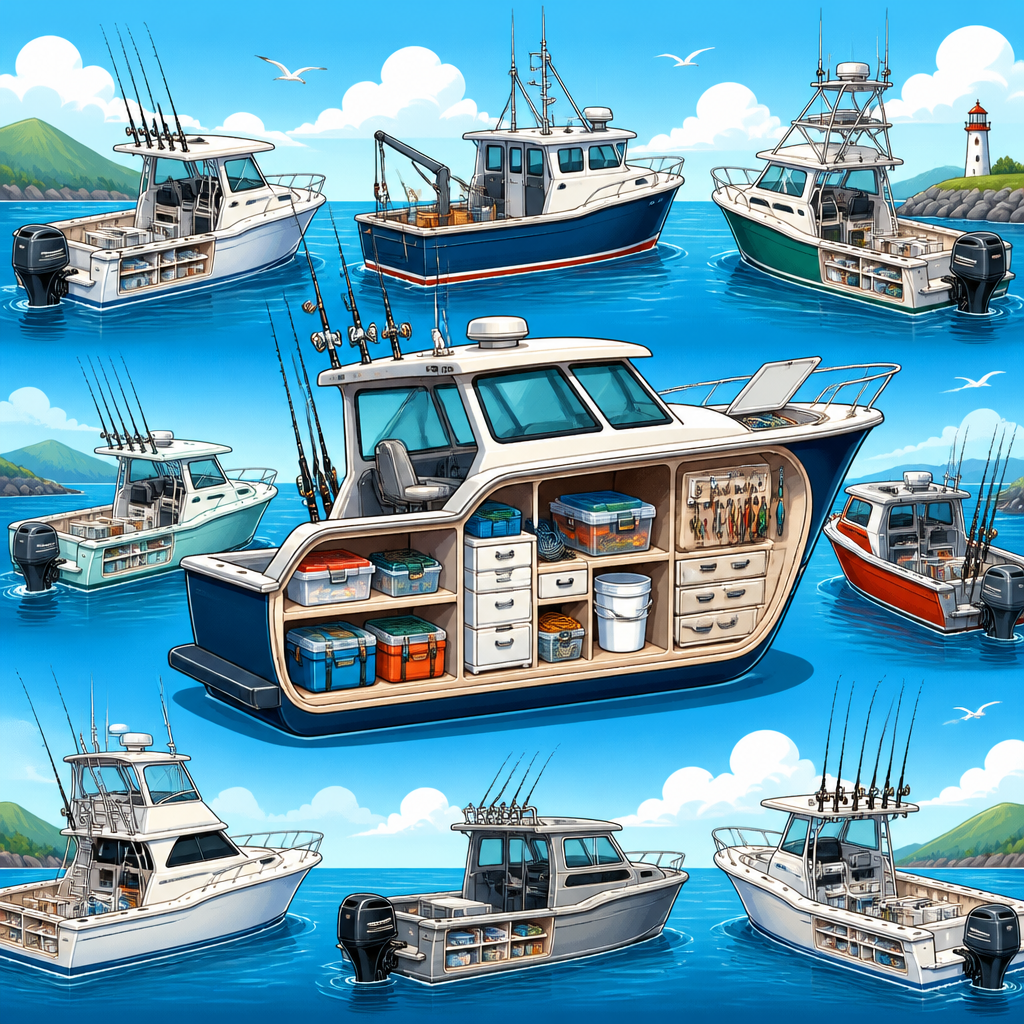
Jet ski days turn expensive fast when a phone, VHF radio, dry clothes, registration papers, or tackle bag gets soaked, which is why the best waterproof storage solutions for jet skis are not just accessories but core safety and trip-planning equipment. In the personal watercraft world, waterproof storage means any compartment, bag, box, pouch, or mounting system designed to keep gear protected from spray, rain, wave impact, and occasional submersion while a rider accelerates, turns, boards from the water, or beaches the craft. A practical setup for Jet Ski & Personal Watercraft adventures usually combines factory compartments, removable dry bags, tethered cases, and quick-access organizers rather than relying on one oversized bin. I have rigged storage on Sea-Doo, Yamaha WaveRunner, and Kawasaki Jet Ski platforms for fishing runs, island hopping, tow-sports support, and all-day exploring, and the lesson is consistent: the right system depends on what you carry, how wet your riding style is, and how often you need to reach specific items.
This topic matters because modern PWCs are being used for far more than short shoreline joyrides. Riders now launch before dawn for nearshore fishing, carry action cameras for touring content, tow inflatables, anchor on sandbars, and use larger three-seat models as compact adventure machines. Those use cases introduce competing needs: secure storage, weight balance, corrosion resistance, passenger space, and fast access to emergency gear. Poor storage choices create real problems, including swamped electronics, moldy life jackets, lost keys, blocked footwells, and unstable handling from badly distributed weight. Good waterproof storage does the opposite. It protects essentials, supports safer riding, expands trip range, and keeps the deck uncluttered. As the hub for Jet Ski & Personal Watercraft adventures, this guide covers the storage systems, gear categories, mounting considerations, and model-specific tradeoffs that matter most so you can build a setup that works for day cruising, fishing, touring, and family water sports.
What waterproof storage means on a jet ski
On a PWC, waterproof storage exists on a spectrum. Some factory glove boxes and bow tubs are only water resistant, which means they handle light spray but can take on water during aggressive riding or repeated reboarding. Truly waterproof solutions usually rely on roll-top construction, gasketed lids, welded seams, waterproof zippers such as YKK Aquaseal or TiZip, and hard cases with compression latches and O-rings. Even then, no product should be treated as invincible unless the manufacturer states a recognized ingress rating like IP67, which generally indicates protection against dust and temporary immersion. For paper charts, wallets, phones, and signaling gear, I assume direct exposure is possible and choose a second waterproof layer even inside a storage compartment.
The most effective way to think about jet ski storage is by access level. Immediate-access items include kill-switch lanyards, whistle, sunglasses retainer, sunscreen, and a phone or handheld radio in a tethered pouch. Secondary-access items include first-aid kits, snacks, spare line, and tools stored in a front compartment or deck bag. Tertiary-access gear includes dry clothes, lunch coolers, camera batteries, and camping items secured farther forward or aft. This simple hierarchy prevents the common mistake of burying critical items under bulky cargo. It also supports safer operation because a rider should not be digging through a large bag while drifting near rocks, traffic, or surf.
Factory compartments, add-on bags, and hard cases compared
Most modern touring-oriented PWCs offer useful built-in storage. Sea-Doo’s LinQ-compatible models make expansion easy with fuel caddies, coolers, and bags that lock into a rear plate. Yamaha’s FX and VX platforms provide practical bow access and glovebox layouts, while fishing-focused models can support crate systems, Garmin or Lowrance electronics, and accessory racks. Kawasaki Ultra models also offer substantial front storage and a hull that suits longer rides. Factory storage has advantages: it preserves aerodynamics, avoids clutter, and keeps weight low and centered. The drawback is that factory seals vary, and many compartments collect condensation or spray. Riders often learn this after finding damp documents or a fogged camera lens at the end of a rough crossing.
Soft waterproof bags are the most versatile add-on solution. A good marine dry bag can be clipped into a front compartment, strapped to a rear rack, or nested inside a cooler. Look for TPU-laminated fabric, welded seams, purge valves only when truly needed, and D-rings that are bar-tacked or RF welded. Hard cases are better for delicate electronics, drones, and camera lenses because they resist crushing and puncture. Pelican and SKB cases are common choices, though they must be mounted carefully on a PWC to avoid creating a high, heavy load. Semi-rigid deck bags split the difference by offering structure, quick access, and lighter weight than a hard case. In practice, most experienced riders use all three: the craft’s built-in compartments for base storage, dry bags for clothes and essentials, and one hard waterproof case for high-value electronics or safety equipment.
| Storage type | Best use | Main advantage | Main limitation |
|---|---|---|---|
| Factory compartment | Tools, line, documents in secondary bags | Low center of gravity and clean fit | Often water resistant, not fully waterproof |
| Roll-top dry bag | Clothes, food, towels, spare layers | Lightweight, flexible, affordable | Slower access while underway |
| Waterproof deck bag | Frequently used ride essentials | Fast access and organized pockets | Needs secure mounting points |
| Hard case | Cameras, drones, medical or electronic gear | Impact protection and strong sealing | Bulkier and heavier on a small craft |
| Waterproof phone or document pouch | Phone, ID, registration, keys | Cheap redundancy for critical items | Limited capacity and touch-screen usability |
Best waterproof storage solutions by activity
The best setup changes with the ride plan. For short recreational sessions near a marina, a glovebox organizer, waterproof phone pouch, and one 10- to 20-liter dry bag are usually enough. For family cruising or sandbar days, add a rear cooler or LinQ bag for drinks, towels, and extra life vests, plus a separate dry pouch for keys and paperwork so those items never float loose. For tow-sports support, keep tow ropes and handles in a ventilated bag when possible, because trapped moisture degrades fibers and creates mildew. Waterproof storage still matters, but wet gear should be dried between rides rather than sealed for long periods.
Fishing requires the most deliberate system. Anglers on fish-ready PWCs often carry terminal tackle, pliers, leader spools, a small cast net, bait containers, anchor line, electronics batteries, and insulated drink storage. Here, compartmentalization is everything. Use waterproof tackle trays or gasketed utility boxes for hooks and jig heads, a hard case for spare batteries and transducer accessories, and a dry bag dedicated only to clothes and emergency gear so it does not smell like bait. I also recommend a float plan pouch with registration, handheld VHF, signal mirror, and compact first-aid kit in a brightly colored dry case that any passenger can identify instantly. For island hopping or adventure touring, shift toward larger-volume dry bags, a compact repair kit, and food storage that can withstand repeated opening without letting in spray.
How to choose the right materials, seals, and mounting hardware
Material quality decides whether a storage solution lasts one season or five. PVC dry bags are common and inexpensive, but TPU fabric generally stays more flexible in temperature swings and resists cracking better over time. Welded seams outperform stitched seams for true waterproofing. On hard cases, look for stainless steel hinge pins, pressure equalization valves, replaceable gaskets, and latch systems that can be opened with wet hands. Saltwater riders should inspect every metal fastener closely. Marine-grade 316 stainless is preferable, and even then it should be rinsed after use to prevent tea staining and corrosion.
Mounting hardware is just as important as the bag or case itself. A waterproof box that shifts during turns becomes a handling hazard. Use manufacturer-designed mounting plates when available, such as quick-attach systems on touring models, because they spread load correctly and reduce drilling. If you must use aftermarket straps, choose UV-resistant webbing, non-corroding cam buckles, and backing plates for any bolted installation. Avoid placing heavy cargo high and aft, especially on smaller PWCs, because it can increase porpoising, slow planing, and make the craft feel loose in chop. Before trusting any setup on open water, load it fully and test it in no-wake and moderate-speed conditions. I treat that shakedown ride as mandatory, not optional, because minor movement at the dock becomes major instability at 40 miles per hour.
What to store, what to double-protect, and what to keep accessible
A reliable PWC storage plan begins with gear categories. Critical documents include registration, insurance card, fishing license where applicable, and emergency contact details. Safety equipment includes whistle, waterproof light, first-aid kit, tow line, fire extinguisher if required by local law or carried by choice, and a handheld VHF on larger-water rides. Personal essentials include phone, wallet, keys, medications, sunscreen, and hydration. Comfort items include dry layers, towel, snacks, and sunglasses. Maintenance items include spark plugs on longer remote rides, basic tools, zip ties, duct tape, and a compact air pump if you support inflatables.
Double-protect anything that is hard to replace on the water or dangerous to lose. A phone should go in a certified waterproof pouch and then into a dry compartment or zip pocket. Registration papers belong in a sealed document sleeve inside a secondary dry bag. Medications, flares, battery packs, and camera cards also deserve layered protection. Accessibility matters just as much. An emergency whistle buried under towels is functionally absent. I keep signaling gear, lanyards, and radio where either hand can reach them when seated in rough water. That principle applies across Jet Ski & Personal Watercraft adventures, whether you are launching for wake play, exploring mangrove creeks, or heading offshore to fish a reef edge.
Maintenance, common mistakes, and building a complete PWC adventure hub setup
Waterproof storage fails more often from neglect than from dramatic wave events. Sand in zipper tracks, sun-baked roll tops, crushed gaskets, and salt left on buckles gradually compromise every system. After each ride, rinse bags and hardware with fresh water, air dry them open, and store them out of direct sun. Lubricate waterproof zippers only with products approved by the zipper manufacturer; petroleum products can damage seals. Check glued patches, strap stitching, and latch tension every few trips. Once a season, perform a simple leak test with tissue paper inside the bag or case before loading expensive gear.
The most common mistakes are easy to avoid. Riders overload the rear deck, trust factory bins too much, mix wet tow gear with electronics, and ignore tethering. Every removable pouch, case, or phone holder on a jet ski should be clipped or strapped to the craft. Another mistake is treating one article as a cure-all. This sub-pillar hub supports a broader approach to Jet Ski & Personal Watercraft adventures: fishing rigs, navigation electronics, coolers, anchors, safety kits, waterproof apparel, towing accessories, and trip-planning checklists all connect back to storage. Start with your actual ride profile, buy fewer but better waterproof pieces, and build a layered system around safety, balance, and quick access. Done right, waterproof storage protects your gear, extends your range, and makes every ride calmer and more capable. Audit your current setup before your next launch and upgrade the weak points first.
Frequently Asked Questions
What types of waterproof storage work best on a jet ski?
The best waterproof storage solution for a jet ski depends on what you carry, how long you ride, and where that gear needs to sit while you are underway. In general, most riders get the best results by combining the built-in storage compartments on the personal watercraft with dedicated waterproof accessories such as dry bags, floating phone cases, hard waterproof boxes, sealed document pouches, and rear-deck cargo systems. Built-in bow or glovebox compartments are convenient, but they are not always truly watertight under aggressive riding, repeated wave impact, or full wash-over conditions. That is why experienced riders typically treat factory compartments as a first layer of protection, then place valuables inside secondary waterproof containers.
For electronics such as phones, handheld VHF radios, GPS units, and keys, compact IPX-rated dry cases or floating pouches are often the safest choice. For clothing, towels, snacks, and soft goods, roll-top dry bags are practical because they are lightweight, flexible, and easy to strap into a stern cargo area. For fishing gear, first-aid supplies, batteries, and emergency equipment, hard-shell waterproof boxes offer better crush protection and more reliable sealing. Registration papers, insurance cards, and permits are best stored in flat waterproof document sleeves so they stay legible and immediately accessible. The key is to match the storage style to the risk: soft dry bags for bulk, hard cases for impact-sensitive items, and waterproof pouches for items you may need quickly while on the water.
Are factory jet ski storage compartments actually waterproof?
In many cases, no—not in the way most riders assume. Factory storage compartments on jet skis are usually designed to resist spray and minor water intrusion, but that does not automatically mean they are fully waterproof during rough riding, repeated boarding, heavy rain, or accidental dunking. Water can enter through hatch seals, latches, drainage channels, or simple pressure changes created when the craft slams through chop. Even newer personal watercraft models with improved sealing can still allow moisture to build up inside compartments over the course of a long ride.
That is why it is smart to think of OEM storage as water-resistant rather than completely waterproof unless the manufacturer clearly states otherwise. If you keep expensive or mission-critical items onboard—such as a phone, marine radio, wallet, registration documents, medication, or spare dry clothes—you should still place them inside their own waterproof container before loading them into the jet ski’s compartment. This layered approach dramatically reduces the chance of damage and makes organization easier as well. It also helps when one compartment gets splashed or partially flooded, because your gear remains protected inside the secondary barrier. In practical terms, factory storage is useful and necessary, but it should not be your only defense against water.
How do I choose the right waterproof storage for phones, documents, clothing, and safety gear?
Choosing the right waterproof storage starts with separating your gear by vulnerability, access needs, and exposure risk. Phones, satellite messengers, handheld VHF radios, and small electronics should go into waterproof cases or pouches with a verified seal and, ideally, buoyancy or a lanyard attachment. If a case sinks or opens during a reboarding situation, the best waterproof rating in the world will not help much. For legal documents like registration papers and ID copies, slim waterproof sleeves are ideal because they protect against moisture without creating bulk. It is also wise to store paper items in a resealable inner bag for redundancy, especially in humid or saltwater environments.
For dry clothes, food, towels, and lightweight personal items, a roll-top dry bag is usually the most efficient choice. Look for welded seams, sturdy buckle closures, and tie-down points that let you secure the bag to the rear platform or cargo rack. Safety gear such as flares, first-aid kits, emergency tools, and spare batteries often benefits from a hard waterproof box because these items need both water protection and structure. If you fish from your jet ski, tackle bags and accessory pouches should be selected with corrosion resistance and easy-open compartments in mind, since constant salt spray can be just as damaging as direct soaking. The best setup is usually not one product but a system: small waterproof pouches for valuables, a medium dry bag for clothing, and a rugged box for safety and specialty gear.
What features should I look for in a high-quality waterproof storage solution for jet skis?
Reliable waterproof storage should do more than close tightly. On a jet ski, the best products need to withstand vibration, sun exposure, salt, sudden impact, and frequent movement as the craft accelerates, turns, and bounces through chop. Start by looking for proven sealing methods such as roll-top closures, gasketed lids, waterproof zippers, and welded or RF-sealed seams. These features are usually more important than marketing labels alone. If a product claims to be waterproof, check whether it lists a recognized IP rating or gives clear guidance on whether it can handle spray, temporary immersion, or full submersion.
Durability matters just as much as water resistance. Strong attachment points, non-corrosive hardware, reinforced handles, UV-resistant materials, and abrasion-resistant outer surfaces are all valuable on a personal watercraft. Fit also matters. A large dry bag is not useful if it shifts around dangerously or blocks access to the seat, boarding step, or tow point. Good waterproof storage should secure tightly, stay balanced, and remain accessible without forcing awkward movement on the craft. Riders should also consider visibility and retrieval features such as bright colors, reflective panels, lanyard loops, and floating construction for smaller cases. In short, the best waterproof storage for jet skis combines sealing performance, secure mounting, rugged materials, and practical usability on the water.
How can I keep gear truly dry on a jet ski during rough water or long rides?
The most effective strategy is to build in layers of protection rather than relying on a single bag or compartment. Rough water, wave impact, rain, and repeated boarding can defeat even decent storage over time, especially if seals are worn or hatches are not perfectly latched. To keep gear truly dry, place sensitive items in individual waterproof pouches or hard cases first, then load those items into a larger dry bag or factory compartment second. This creates a backup barrier if one layer fails. It is also important to separate wet-prone items from must-stay-dry items. For example, do not toss a damp towel, anchor line, or used swim gear into the same bag as clothing or electronics.
Securement is another major factor. A waterproof bag that slides across the rear deck or gets pinned awkwardly under bungees is more likely to leak, wear through, or open. Use proper tie-down straps or mounting systems that keep storage stable and elevated when possible. Before every ride, inspect seals, clean sand and salt from gaskets and zipper tracks, and test closures carefully. On longer trips, open compartments only when necessary to reduce repeated water exposure. After the ride, rinse salt off the exterior, dry the storage system fully, and check for hidden moisture inside so mildew and seal damage do not develop. Riders who treat waterproof storage as part of their safety preparation—not just convenience—usually avoid the expensive mistakes that happen when gear gets soaked miles from shore.