Choosing the best boats for scuba diving adventures starts with understanding how a boat affects every part of a dive day, from gear setup and water entry to safety, comfort, and range. For divers, “best” does not mean the fastest hull or the most luxurious cabin. It means the platform that supports safe, efficient access to dive sites, protects expensive equipment, and matches the conditions, group size, and style of diving planned. Scuba diving from a boat and snorkeling from a boat share many needs, but scuba adds heavier loads, compressed gas handling, tank storage, deeper site access, and stricter emergency planning. After years around charter fleets, private center consoles, rigid inflatables, and liveaboards, I have found that the right dive boat is defined by layout more than brand. A modest boat with a clean transom, sturdy ladder, tank racks, shade, and predictable handling often serves divers better than a flashy model designed mainly for cruising. This matters because poor platform choice creates real problems: difficult giant-stride entries, unstable reboarding in chop, tangled hoses, heat stress during surface intervals, and limited access to offshore reefs, walls, wrecks, or drift routes. The best dive boats reduce those frictions. They let divers conserve energy, organize gear logically, and enter the water calmly. They also make snorkeling easier for families and mixed-skill groups, which is why this topic sits at the center of fishing and water sports planning for coastal owners, charter operators, and vacationers.
Boat-based diving opens sites shore divers often cannot reach, including offshore pinnacles, wreck corridors, blue-water drop-offs, kelp forests, and current-swept cleaning stations. It also changes logistics. Divers need stable deck space for donning buoyancy compensators, secure storage for cylinders, freshwater rinse options for masks and cameras, and a boarding system that works while wearing fins or at least with fins removed quickly beside the ladder. Snorkelers need easy exits and reentries, shaded rest space, and confidence around propeller safety and drift management. A good hub article therefore must answer the practical question many searchers have: what type of boat is best for scuba diving and snorkeling from a boat? The answer depends on passenger count, distance to sites, sea state, budget, and whether the operator prioritizes day trips, instruction, technical diving, spearfishing, or overnight expeditions. Small private boats can be excellent for two to four divers on short runs. Dedicated day boats work best for most recreational charters. Liveaboards dominate multi-day exploration in remote regions. Inflatable and hybrid designs excel where surf launches, beach operations, or fast diver pickup matter. By breaking down these options clearly, you can choose a dive boat that aligns with your diving goals rather than forcing your diving goals to fit the boat.
What makes a boat good for scuba diving and snorkeling
The best boat for scuba diving combines five traits: stability, deck efficiency, safe water access, adequate range, and diver-specific storage. Stability matters because gearing up in swell is physically demanding. Catamarans naturally offer a wide stance and less roll at rest, while monohulls often provide better ride comfort in certain head seas depending on hull design. Deck efficiency means uncluttered pathways, non-skid surfaces, bench seating that does not trap hoses, and tank racks positioned so weight stays balanced. I have seen otherwise capable fishing boats struggle as dive platforms simply because coolers, rod holders, and seating modules blocked movement when eight divers tried to suit up at once.
Water access is the next filter. For scuba, the ideal setup includes a large transom door or open stern, a fixed or drop-down swim platform, and a ladder deep enough below the waterline to allow tired divers to climb aboard. Short ladders are a recurring weakness on repurposed recreational boats. Divers carrying aluminum 80 cylinders and integrated weight systems need leverage and handholds, not a decorative boarding step. Snorkelers benefit from the same features, especially children and older passengers.
Range and seakeeping determine what sites are realistically available. A small bay boat may reach an inshore reef on a calm morning but cannot safely and comfortably serve the same role as a 30-foot offshore-capable dive boat in afternoon wind chop. Fuel capacity, reserve planning, VHF radio, GPS chartplotter, AIS, emergency oxygen, first-aid kits, and Coast Guard-compliant safety gear are not optional extras on a serious dive platform. Finally, diver-specific storage is what turns a general boat into a reliable scuba boat: tank holders, camera rinse bins, dry storage, weight pockets, fin buckets, and tie-down points for stage bottles or spearguns where legal.
Center console boats: versatile private platforms for small dive groups
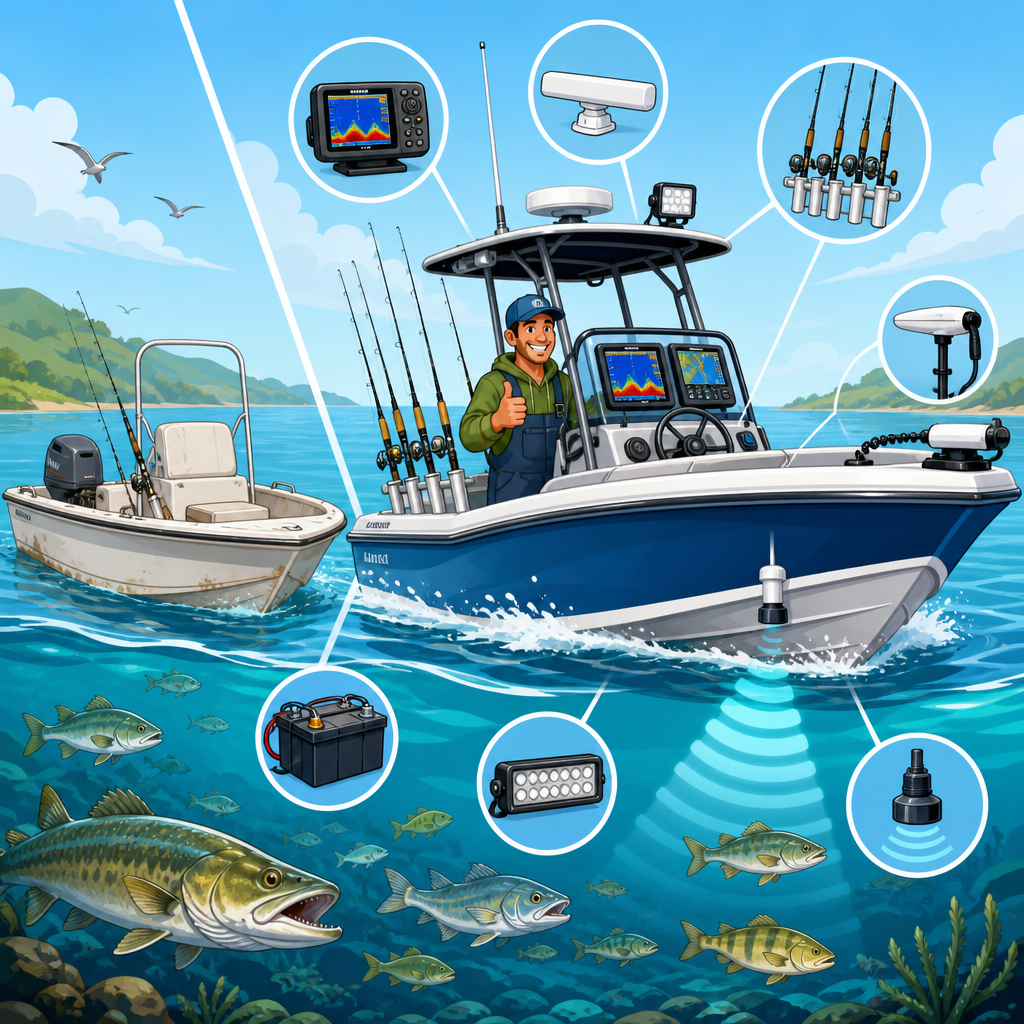
Center console boats are among the most common private scuba diving and snorkeling platforms because they balance offshore capability, fishability, and open deck space. Sizes from 24 to 32 feet are especially popular. The layout leaves walkaround access, which helps when two to six divers are moving with fins, masks, and cylinders. Many center consoles also have high freeboard, self-bailing decks, and reliable outboard power, making them practical for coastal owners who split time between diving, snorkeling, and fishing.
The strengths are clear. Open stern areas support giant-stride entries. Outboards free up cockpit room and reduce the hazard of an exposed inboard propeller under the boat during pickups. Modern four-stroke outboards from Yamaha, Mercury, Suzuki, or Honda are fuel-efficient and easier to service in many marinas than diesel inboards. Electronics packages on center consoles are often strong, with Garmin, Simrad, or Raymarine multifunction displays simplifying navigation to wreck coordinates and drift lines.
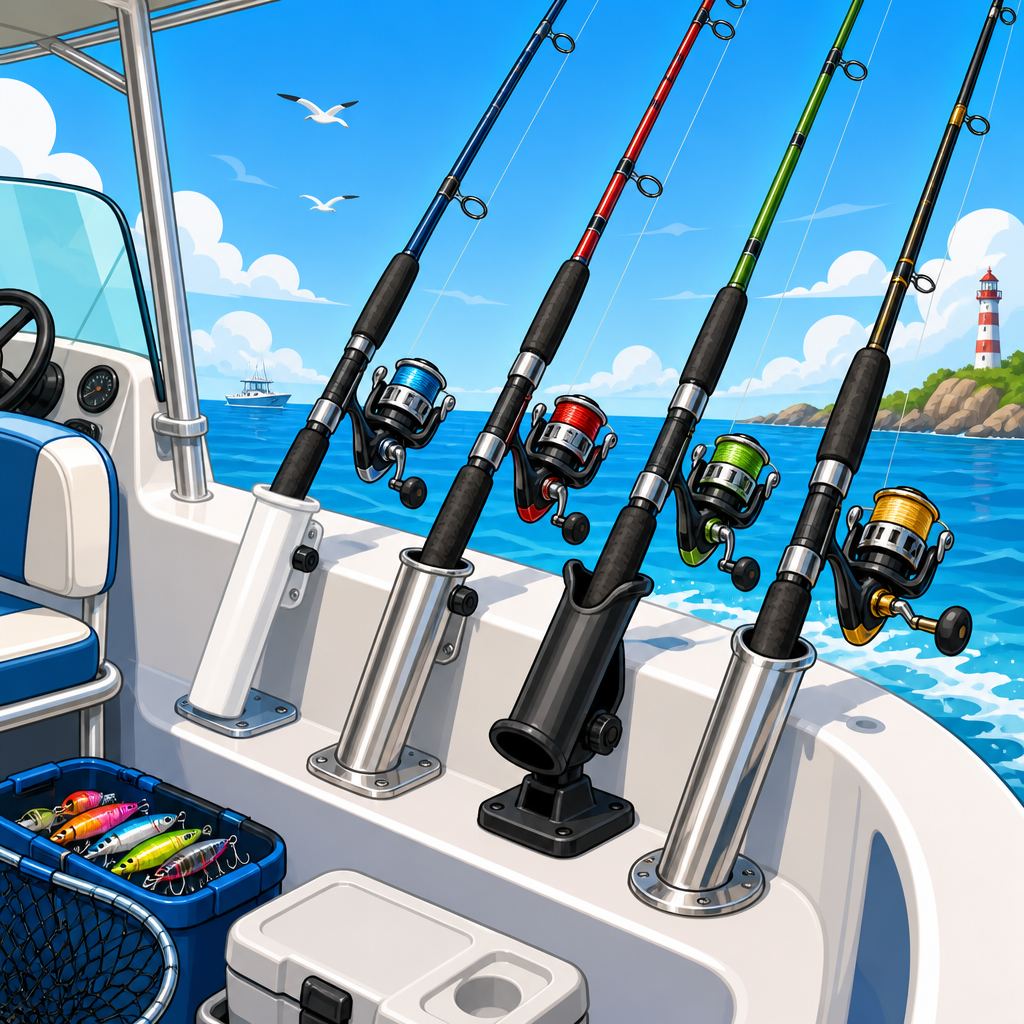
The limitations are just as important. Many center consoles are designed around angling, not dive ergonomics. Seating can consume useful tank staging space. Boarding ladders are sometimes an afterthought. Shade is limited unless a hardtop or sunshade extension is fitted. Dry cabin space for weather protection is minimal. For owner-operators, the best approach is choosing a center console with an open transom door, a heavy-duty dive ladder, undergunwale storage for fins, and removable rather than permanent aft seating.
Dedicated day dive boats and Newton-style utility boats
For commercial operations and serious clubs, dedicated day dive boats remain the benchmark. These boats are built around repetitive diver movement, not dual-purpose recreation. In Florida, the Caribbean, and parts of the Pacific, Newton dive specials and similar utility hulls have become iconic because they prioritize function. Wide beam, stable drift characteristics, easy stern entries, and straightforward maintenance make them ideal for carrying six to twenty-plus divers on short and medium-range trips.
What sets a dedicated dive boat apart is system integration. Tanks are secured in purpose-built racks. Benches are arranged so divers can gear up in sequence. There is usually a covered area to reduce heat stress between dives, a marine head, freshwater showers, and a compressor interface or dockside fill workflow that supports quick turnarounds. Crew can conduct roll calls, briefings, and emergency response without fighting the boat’s layout. That efficiency matters on busy two-tank charter days where timing, current windows, and diver supervision must stay precise.
These boats are less glamorous than express cruisers, but they usually outperform them as working scuba platforms. They also serve snorkeling well because wide ladders and low-stress entries reduce anxiety for beginners. If your main objective is running repeatable scuba diving from a boat trips rather than overnight comfort, a dedicated day boat is often the best answer.
Liveaboards for remote, multi-day scuba diving adventures
When the goal is maximum site access, liveaboards are the gold standard. They turn travel time into sleeping time and position divers close to prime sites at dawn, dusk, and night. This is why iconic itineraries in the Red Sea, Maldives, Galapagos, Komodo, Raja Ampat, and the Great Barrier Reef depend on liveaboards. Many remote areas simply cannot be explored effectively from shore hotels or day boats without losing hours each day in transit.
From a platform perspective, the best liveaboards separate living and dive functions. A well-designed vessel includes a dedicated dive deck, camera table, charging station, nitrox membrane or blending support, skiffs or tenders for current drops, and enough rinse segregation to protect housings, computers, and masks from cross-contamination. Steel or aluminum hulls are common, though wooden phinisi-style vessels remain popular in Indonesia. Safety standards vary by region, so buyers and travelers should verify certifications, life raft capacity, oxygen supply, emergency communication equipment, and crew training rather than assuming all liveaboards are equal.
The tradeoff is cost and commitment. Liveaboards demand more vacation time and budget than day charters. They can also feel tight for guests prone to seasickness. Yet for photographers, experienced divers, and travelers chasing whale sharks, manta cleaning stations, or pelagic action far offshore, no other boat class delivers the same density of diving.
Rigid inflatable boats, catamarans, and other specialized options
Rigid inflatable boats, or RIBs, are outstanding in places where speed, surf launching, and diver pickup matter more than comfort. Operators in South Africa, the United Kingdom, and exposed island destinations often rely on RIBs because their tubes add buoyancy and stability, and their light weight allows quick accelerations and responsive handling. They are excellent for drift diving support and short transits, but long rides can be wet and fatiguing. Gear storage is limited, and reboarding can be awkward for less mobile divers unless the setup is purpose-built.
Catamarans deserve more attention in the scuba market. Their beam creates remarkable stability at rest, which is valuable during kitting up, camera handling, and surface intervals. Larger catamarans also provide generous shade and deck area, making them strong choices for mixed snorkeling and scuba groups, families, or instruction programs. Their compromises can include higher purchase cost, wider berth requirements, and different handling characteristics in certain sea states.
| Boat type | Best use | Main advantages | Main limitations |
|---|---|---|---|
| Center console | Private day diving, small groups | Versatile, offshore capable, open deck | Limited shade, variable ladder quality |
| Dedicated day dive boat | Charters, clubs, training | Diver-focused layout, tank racks, easy entries | Less useful for non-dive recreation |
| Liveaboard | Remote multi-day expeditions | Maximum site access, multiple dives daily | Higher cost, longer commitment |
| RIB | Fast pickups, surf launches, drift support | Agile, buoyant, efficient | Wet ride, limited comfort and storage |
| Catamaran | Stable group trips, mixed snorkel and scuba outings | Low roll, spacious deck, good comfort | Higher cost, marina space needs |
How to choose the right dive boat for your conditions
The most useful selection method is to match boat type to operating environment. For calm tropical reefs within five miles of the dock, a 24- to 28-foot center console with a proper ladder may be ideal. For areas with stronger afternoon winds, ocean swell, and eight to twelve passengers, a larger monohull day boat or catamaran becomes safer and more efficient. For technical diving with doubles, stage bottles, scooters, and deco gear, deck load and configuration are decisive; many casual boats simply run out of safe working room.
Think in terms of mission profile. How many divers will board regularly? Will there be snorkelers, children, or non-divers? Are entries typically backward roll, giant stride, or negative current drops from a tender? Is freshwater available at the marina? Are sites moored or drifted? Will local regulations require head facilities for commercial service? In my experience, buyers who answer these questions before shopping avoid expensive compromises later.
Also account for total ownership, not just purchase price. Outboard replacement cycles, bottom maintenance, trailer capacity, insurance, cylinder securing modifications, and shade additions can materially change the cost of a “budget” dive boat. The best boats for scuba diving adventures are the ones that fit your sea conditions, diver count, and operating discipline every trip, not just on perfect-weather days.
Safety, comfort, and gear handling: the features that matter most
Every dive boat should be judged by how well it manages risk. Emergency oxygen sized for likely passenger load, a DAN-style first-aid approach, reliable communications, and clear diver recall procedures matter more than upholstery. Surface support should include a float plan, head counts before engine start, propeller awareness rules, and a practiced man-overboard recovery method. For scuba operators, equipment inspections should extend beyond lifejackets to ladder bolts, tank rack straps, deck drains, and anti-slip surfaces.
Comfort directly improves safety. Heat exhaustion, dehydration, and seasickness degrade judgment. Shade, drinking water, simple snacks, and a head on larger boats keep divers functioning between dives. Camera and light charging stations are important on expedition platforms, but they should not interfere with wet gear flow. Separate wet and dry zones reduce damage and confusion.
For snorkeling from a boat, simple touches make a big difference: a calm briefing area, flotation aids, a visible entry point away from propellers, and a ladder usable without upper-body strength. Boats that can support both snorkeling and scuba diving widen their usefulness as family and charter assets. As you explore this subtopic further, compare boat layouts, ladders, safety kits, and intended range before focusing on cosmetic upgrades. The right platform transforms the entire day on the water. Choose a boat built around divers, then plan your next reef, wreck, or blue-water trip with confidence.
Frequently Asked Questions
What makes a boat one of the best choices for scuba diving adventures?
The best boats for scuba diving adventures are the ones that make the entire dive day safer, smoother, and more efficient from start to finish. For divers, that usually means prioritizing deck space, stability, easy water access, smart gear storage, and a layout that supports repetitive entries and exits. A good dive boat should give divers enough room to assemble tanks and BCDs without crowding, keep delicate equipment protected during transit, and allow the crew to move people in and out of the water in an organized way. Features such as sturdy ladders, wide swim platforms, tank racks, freshwater rinse areas, shaded seating, and non-slip decking often matter more than luxury finishes or top-end speed.
Another important factor is how well the boat matches the type of diving planned. A small inflatable or center console may be excellent for short runs to local reefs with a few experienced divers, while a larger cabin boat or purpose-built dive charter vessel may be better for offshore sites, rougher water, or mixed-skill groups. The “best” choice depends on range, sea conditions, group size, and the amount of gear on board. In practical terms, a boat earns its value for scuba diving when it reduces fatigue, protects safety margins, and helps divers focus on the dive instead of struggling with logistics.
Which types of boats are most commonly used for scuba diving, and how do they differ?
Several boat types are popular for scuba diving, and each offers distinct advantages depending on where and how you dive. Center console boats are widely used because they are versatile, relatively fast, and easy to configure for local dive trips. They work especially well for day diving when conditions are favorable and the group is small to moderate in size. Their open deck layout can be excellent for gear handling, but comfort may be limited on longer runs or in rough water if there is little shelter from weather and spray.
Rigid inflatable boats, often called RIBs, are another common option, especially in coastal regions with changing sea states. They are valued for stability, buoyancy, and efficient performance, and they can be ideal for reaching dive sites quickly. However, they may offer less dry storage and fewer comfort features than larger boats. Catamarans are often appreciated for their stability and roomy deck space, making them a strong choice for charter operations and divers who want a smoother ride. Monohull cabin boats, meanwhile, can provide better protection from the elements, more onboard amenities, and greater offshore capability. At the top end, purpose-built dive boats and liveaboards are designed specifically around diver needs, with tank stations, camera tables, showers, marine heads, compressors, and extensive storage. The right choice comes down to local conditions, trip length, and whether convenience, range, comfort, or simplicity matters most.
What features should divers look for in a boat before booking or buying it for dive trips?
Divers should focus first on practical dive-friendly features rather than general boating extras. One of the most important things to look for is a safe and easy entry-and-exit system. A proper dive ladder that accommodates fins, a low swim platform, and enough space near the entry point can dramatically improve safety and reduce strain between dives. Stable footing is also essential, so non-slip deck surfaces and uncluttered walking paths should be high on the list. If divers need to move around with tanks on, the layout should support that without requiring awkward turns or stepping over equipment.
Storage is equally important. Tanks should be secured in racks, weight systems should have designated space, and dry items such as phones, towels, and extra clothing should be protected from spray. A good dive boat also benefits from shaded seating, freshwater rinse access for gear, emergency oxygen, first-aid supplies, a marine radio, and enough room for the crew to manage dive briefings and head counts effectively. For longer trips, onboard toilets, sheltered seating, and dry cabin space can make a major difference in comfort and energy conservation. If underwater photography is part of the plan, dedicated rinse bins and safe camera handling areas are especially valuable. Overall, the best features are the ones that make gear handling organized, diver movement safe, and emergency response fast and reliable.
How does the right boat improve scuba safety and comfort during a dive day?
The right boat improves scuba safety by reducing avoidable stress before, during, and after every dive. A stable platform helps divers gear up without rushing or losing balance, which is particularly important in choppy conditions. Easy access to the water allows entries to happen in a controlled sequence, while a dependable ladder or platform supports safer exits when divers are tired or carrying heavy equipment. Boats designed with diving in mind also help the crew maintain better organization, from tank placement to diver counts, surface interval procedures, and emergency readiness. That organization directly supports safer operations.
Comfort matters more than many people realize because fatigue can affect decision-making, air consumption, and enjoyment. Shade, seating, smooth motion, and enough room to avoid crowding all contribute to a better dive experience. A boat that keeps gear secure and dry where appropriate also prevents the frustration of damaged equipment and tangled setups. For longer outings, amenities such as a head, drinking water, snacks, rinse water, and weather protection can preserve energy and help divers stay focused. In short, the right boat does not just transport people to a dive site. It creates the conditions for cleaner procedures, calmer divers, and safer, more enjoyable time on the water.
Is there a big difference between boats used for scuba diving and boats used for snorkeling?
Yes, although scuba diving from a boat and snorkeling from a boat share some core needs, scuba places much heavier demands on the vessel. Both activities benefit from stability, easy boarding, safe ladders, and enough room for passengers to enter and exit the water comfortably. However, scuba divers carry far more equipment, need dedicated setup space, and usually require more structured support for gear storage, tank handling, weighting, and post-dive recovery. What works perfectly for a light snorkeling trip may feel cramped, disorganized, or even unsafe once multiple scuba kits, tanks, fins, and accessories are added.
Scuba boats also need to account for repetitive dive operations and the physical effort involved in gearing up and climbing back aboard. Features like tank racks, spacious benches, wide transom access, emergency oxygen, and rinse systems become much more important. In many cases, scuba trips also travel farther offshore or spend longer periods on the water, making range, weather protection, and onboard safety gear more significant than they might be for casual snorkeling excursions. So while there is overlap, the best boats for scuba diving are usually more specialized in layout and function. They are built or chosen to support heavier equipment loads, more disciplined dive procedures, and a higher level of operational safety.