Setting up a boat for snorkeling trips is not just about loading masks and fins; it is about creating a safe, efficient platform for entering the water, managing gear, protecting marine environments, and giving every passenger a predictable routine from departure to recovery. In practical terms, a snorkeling boat setup includes deck layout, boarding systems, safety equipment, navigation planning, gear storage, sun protection, emergency readiness, and trip procedures tailored to swimmers who may be inexperienced in open water. That matters because snorkeling looks simple from shore, yet the risks increase quickly when people enter current, chop, boat traffic, or remote reef zones from a vessel. I have rigged center consoles, bay boats, and small catamarans for snorkeling days, and the best setups always share the same traits: clear movement paths, disciplined equipment checks, reliable ladders, easy freshwater rinse access, and a captain who plans the swim as carefully as the ride.
For readers exploring scuba diving and snorkeling from a boat, this article serves as the hub page because the fundamentals overlap. Snorkelers need floatation options, stable entry points, and a way to be seen at the surface. Divers need additional gas, weighting, and decompression planning, but both groups depend on boat handling, situational awareness, and proper passenger briefing. A well-prepared boat reduces fatigue, avoids lost gear, limits slips and falls, and shortens response time if someone struggles in the water. It also improves the experience: less time untangling equipment, more time watching reefs, seagrass beds, wrecks, and bait schools. Whether you run a family skiff for nearshore sandbar snorkeling or a dedicated six-pack charter boat for offshore reefs, the same objective applies: configure the vessel so people can enter the water confidently, snorkel within a controlled area, and return aboard without confusion or avoidable risk.
Choose the Right Boat Layout for Snorkeling
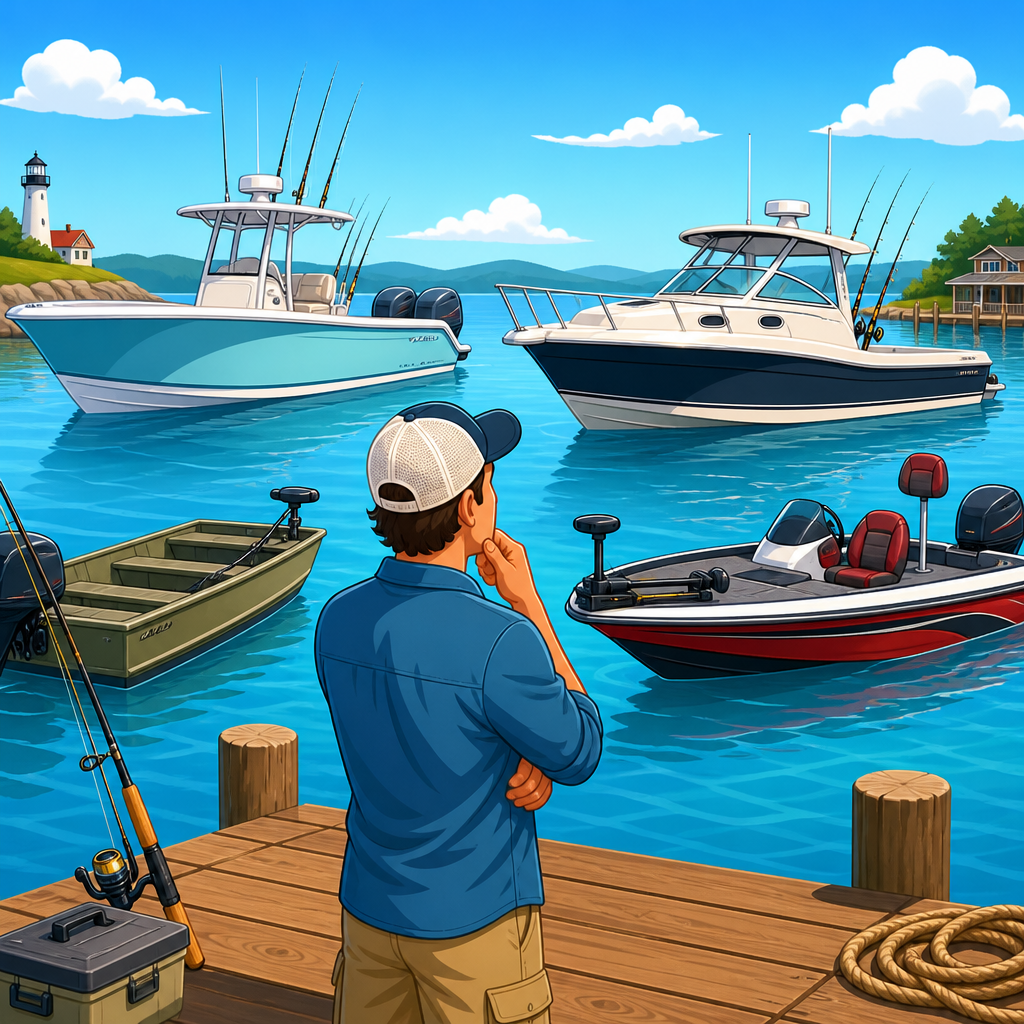
The best boat for snorkeling is not necessarily the biggest or fastest. It is the one that lets swimmers move safely from seat to water and back again. In my experience, center consoles work especially well because they provide 360-degree deck access, open stern space, and enough freeboard to feel secure underway. Pontoon boats can also be effective on protected water because they offer large deck areas and easy social seating, though their boarding systems need careful upgrading. Small catamarans deliver excellent stability at rest, which matters when multiple snorkelers are climbing a ladder at once. Cabin boats are useful in cooler climates or mixed-purpose operations, but interior structures can create bottlenecks if deck flow is poorly planned.
Look first at transom design. A wide swim platform, sturdy telescoping ladder, and unobstructed stern are more important than premium upholstery or oversized speakers. Snorkelers are usually wearing fins, masks, and flotation, so they need extra room and stable handholds. Deep ladders are essential; a ladder that only reaches one or two rungs below the surface forces tired swimmers to muscle themselves upward, which is where many recoveries become awkward or unsafe. Rails, grab handles, and non-skid decking also deserve priority. The American Boat and Yacht Council standards for reboarding means and deck traction are useful benchmarks when upgrading a private boat, even if local law does not require a particular configuration for casual day use.
Capacity should be calculated realistically, not by the maximum passenger plate alone. A boat rated for eight may handle only four to six snorkelers comfortably once fins, dry bags, coolers, anchor gear, flotation aids, and rinse water are aboard. Weight distribution matters as much as headcount. If everyone crowds the stern to put on gear, trim changes can increase the chance of slips and make ladder use harder. For that reason, I prefer assigning fixed prep zones: masks at the console side seats, fins near the transom, towels and personal bags forward, emergency kit in one labeled dry compartment. A boat set up this way feels calm even with mixed experience levels, which is exactly what you want before anyone enters the water.
Equip the Boat with Core Safety and Navigation Systems
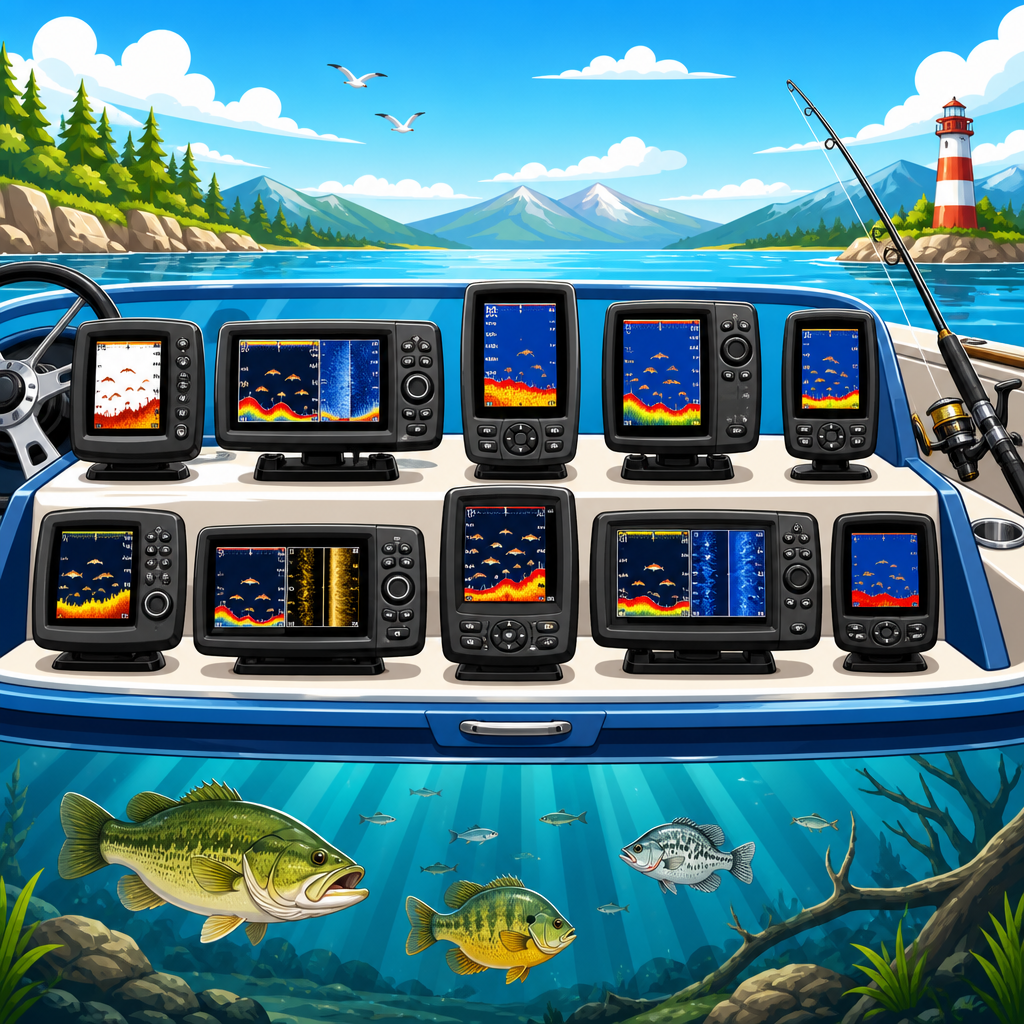
A snorkeling trip should be run with the same discipline as any small-vessel operation. Required carriage items vary by country and waterway, but at minimum the boat should have properly sized life jackets, visual distress signals where required, a sound-producing device, navigation lights, throwable flotation, fire extinguishers, and a functioning VHF radio if operating beyond sheltered areas. I also treat a fixed-mount GPS chartplotter, depth sounder, and anchor alarm as core equipment for reef trips. These are not luxuries. They help the captain avoid shallow hazards, hold position awareness over patch reefs, and track drift lines if swimmers are in the water while the boat is live-manned nearby.
Snorkeling-specific safety additions are equally important. Carry at least one horseshoe buoy or rescue sling, a high-visibility float with tow line, and a boarding recovery plan that every adult aboard understands. A first-aid kit should include waterproof dressings, vinegar or species-appropriate marine sting supplies based on your region, tweezers, seasickness medication where legally appropriate, electrolyte packets, and an emergency blanket. Oxygen is strongly recommended for operators supporting scuba as well as snorkeling, especially when far from immediate medical care. Even on pure snorkeling trips, oxygen can help while awaiting professional responders in certain breathing emergencies. The key point is preparedness, not improvisation.
Briefings are part of the safety system. Before departure, cover how to use the ladder, where to store fins, how long the swim will last, what flag or surface marker will be displayed, what hand signal means “help,” and where people are allowed to snorkel relative to the boat. Explain engine policy clearly: on my trips, no one enters the water until engines are in neutral, then shut down where conditions permit, and no one approaches the stern until the captain confirms the prop area is safe. That sort of clarity prevents the casual mistakes that cause most boat-based snorkeling incidents.
Organize Gear, Storage, and Deck Flow
Good gear management is what separates a smooth snorkeling boat from a cluttered one. Masks should ride in hard or semi-rigid boxes, not loose under seats where lenses scratch. Fins need a dedicated bin or under-gunwale rack because scattered fins become trip hazards immediately. Snorkels, defog, reef-safe sunscreen, spare straps, and anti-fog cloths should live in one labeled tote that can be handed out during the briefing. I also recommend mesh rinse bags for each guest group. They keep personal items together and let equipment drain between stops. If you run mixed scuba diving and snorkeling from a boat, separate the snorkeling kit from scuba weights and cylinders so surface swimmers never have to step around heavy hardware.
Freshwater management deserves more attention than it usually gets. A simple transom shower or pressurized washdown tank improves comfort, lens cleaning, and post-swim salt removal. It also cuts down on slippery salt accumulation on deck over the course of the day. Shade is another operational need, not an afterthought. Heat fatigue makes people careless and increases dehydration risk, so use a T-top, bimini, or removable sun canopy that still preserves visibility for the helm. Dry storage should protect phones, keys, medicines, and towels from spray while remaining accessible. I prefer clear labels and one rule: wet gear aft, dry gear forward. That single rule keeps the deck predictable.
| Boat Setup Element | Why It Matters | Best Practice |
|---|---|---|
| Boarding ladder | Reduces fatigue and recovery problems | Use a deep ladder with wide steps and handholds |
| Gear storage | Prevents clutter, loss, and deck hazards | Assign bins for masks, fins, and personal bags |
| Shade and hydration | Limits heat stress and sun exposure | Carry water, electrolytes, and maintain shaded seating |
| Safety float | Improves swimmer visibility and support | Deploy a bright tow float or float ring in every session |
| Navigation electronics | Supports site selection and drift control | Use GPS, charts, depth data, and VHF communication |
Snorkeling equipment itself should be standardized as much as possible. For adults, stock common fin sizes and keep adjustable-heel models with booties for mixed use. For masks, prioritize tempered glass and soft silicone skirts. Dry-top snorkels help beginners reduce water intake, though experienced snorkelers may prefer simpler purge models with fewer failure points. I always carry spare mask straps, a universal fin strap kit, zip ties, silicone grease for O-rings on accessory housings, and a small tool roll. None of these items are expensive, but every one has saved a trip from being cut short. Efficient storage and predictable gear layout are central to any boat prepared for regular snorkeling service.
Plan the Water Entry, Site Strategy, and Environmental Approach
Most successful snorkeling trips are decided before the anchor drops. Site selection should account for current, visibility, swell direction, depth, boat traffic, bottom composition, and swimmer ability. A reef that is perfect for scuba in twenty feet of water may be poor for casual snorkeling if surge is strong or the best features lie too deep to enjoy from the surface. For families and new snorkelers, look for clear water in eight to fifteen feet, a defined visual feature such as coral heads or rock ledges, manageable current, and simple reboarding. Use local charts, tide apps, satellite imagery, and firsthand reports from marinas, guides, or harbor patrol where available. Conditions that are merely “acceptable” for an expert often feel overwhelming to a first-timer.
Entry method should match the boat and the group. On low-freeboard boats with stable stern access, seated entry from the swim platform is controlled and beginner-friendly. On larger vessels, giant stride entries may be practical, but only if passengers are briefed and the water is deep enough. I avoid any entry that puts fins, camera rigs, and multiple people into the same space at once. Staggered entries work better. Once in the water, keep the group oriented with a float line, guide flag, or visual reference point off the stern. In areas with current, drift snorkeling can be excellent, but it requires a live boat, a competent lookout, and disciplined spacing between swimmers and vessel.
Environmental responsibility is part of proper boat setup because equipment and procedures affect the reef directly. Use mooring buoys where permitted instead of anchoring on coral or seagrass. If anchoring is necessary, identify sand patches and verify swing radius. Brief guests not to stand on coral, chase wildlife, or wear harmful sunscreen formulas in sensitive regions. Many destinations now recommend or regulate mineral-based reef-safer products. Also secure loose lines, straps, and trash so nothing enters the water. A clean, reef-conscious operation is not only ethical; it protects the very habitat people came to see and preserves access in regulated marine parks.
Prepare for Comfort, Emergencies, and Repeatable Operations
The final layer of setup is operational consistency. A boat for snorkeling trips should function the same way every time, so guests and crew know what to expect. Build a checklist covering fuel, weather, tides, communication devices, anchor gear, ladder condition, flotation aids, first aid, drinking water, and guest equipment counts. I run a post-trip checklist as well, inspecting mask lenses for scratches, rinsing metal hardware, drying storage lockers, and restocking consumables before the next outing. Repetition prevents oversight. It also extends gear life, which matters when salt, sun, and sand are working against every zipper, buckle, and hinge on board.
Comfort strongly influences safety because tired, cold, hungry, or sunburned people make poor decisions. Bring more water than you think you need, along with simple snacks that tolerate heat, such as fruit, wraps, or sealed bars. In cooler climates, pack windbreakers, dry towels, and a warm rinse option if possible. In tropical areas, prioritize shade, ventilation, and frequent hydration reminders. Seasickness management matters too. Advise guests before the trip about preventive medication timing, keep seating balanced near the boat’s center of motion, and avoid unnecessary high-speed runs in steep chop. If one person becomes nauseated, respond early rather than hoping it passes.
Emergency planning should be explicit. Designate who throws flotation, who maintains visual contact, who handles the radio, and who clears the ladder if a swimmer needs urgent recovery. Store coordinates for local marinas, coast guard channels, and the nearest emergency medical facility. For remote locations, know evacuation time under realistic sea conditions, not ideal ones. If your operation includes scuba diving and snorkeling from a boat on the same day, include diver recall procedures, cylinder security checks, and clear separation between in-water groups. The more methodical the setup, the easier it becomes to adapt when conditions change. That is the hallmark of a reliable snorkeling boat: not flashy accessories, but systems that protect people while making time on the water simple and enjoyable.
Setting up a boat for snorkeling trips comes down to one principle: remove friction before it becomes risk. Choose a layout with safe stern access, deep ladders, non-skid footing, and enough room for realistic passenger loads. Equip the boat with navigation tools, communication devices, rescue gear, first aid, and clear briefing procedures. Organize masks, fins, flotation, shade, hydration, and dry storage so the deck stays orderly from launch to recovery. Then match the trip plan to the site, the weather, and the ability of the people on board. When those pieces work together, snorkeling from a boat feels easy because the hard thinking was done in advance.
As the hub for scuba diving and snorkeling from a boat, this page gives you the framework for every related topic: gear selection, site choice, entry methods, emergency readiness, and reef-friendly practices. The payoff is substantial. A properly configured boat improves safety, protects equipment, supports beginners, and lets experienced water users focus on marine life rather than logistics. Review your current setup honestly, make upgrades that improve boarding and organization first, and build a written checklist for every outing. Start there, and your next snorkeling trip will be smoother, safer, and far more enjoyable for everyone aboard.
Frequently Asked Questions
1. What should a boat include to be properly set up for snorkeling trips?
A boat prepared for snorkeling should function as a safe, organized, and easy-to-use platform for swimmers before, during, and after they enter the water. At a minimum, the setup should include a clear deck layout with uncluttered walkways, designated seating, and a specific area for masks, fins, snorkels, flotation aids, and personal items so loose gear does not create trip hazards. Entry and exit matter just as much as storage, so the boat should have a stable swim ladder, a boarding platform if possible, sturdy handholds, and enough open space at the stern or side boarding point for people to gear up without crowding one another. Good anti-slip surfaces are important because wet decks are unavoidable on snorkeling trips.
Safety equipment is another essential part of the setup. That means properly sized life jackets, throwable flotation devices, a fully stocked first aid kit, a VHF radio or other communication device, visual distress signals where required, and emergency gear appropriate to local regulations and offshore distance. For snorkeling specifically, many operators and private boaters also carry an extra mask, spare snorkel, defog solution, drinking water, towels, a rescue float, and a means of monitoring swimmers in the water, such as a headcount board or written roster. Shade is also more important than many people realize. A canopy, bimini top, or other sun protection helps reduce fatigue, dehydration, and sun exposure between swims. When all of these elements are arranged thoughtfully, the boat becomes more than transportation; it becomes a reliable operational base for a smooth snorkeling day.
2. How should snorkeling gear and deck space be organized on the boat?
The best approach is to divide the boat into functional zones so passengers always know where to sit, where to store gear, where to prepare for entry, and where to return after a swim. Masks and snorkels should be stored where they will stay clean, dry, and protected from being stepped on, while fins should be placed where they are easy to grab but not underfoot. Many boaters use mesh bags, labeled bins, under-seat compartments, or dedicated dry areas to separate gear by passenger or by category. This helps prevent confusion and speeds up transitions, especially when multiple people are entering and exiting the water in sequence. It is also smart to keep heavy items low and secure so the boat remains balanced and nothing shifts unexpectedly in chop or during acceleration.
Deck space near the boarding point should remain as clear as possible. Ideally, only the next one or two snorkelers preparing to enter the water should be in that area, while everyone else remains seated or in their designated space. This reduces congestion and lowers the chance of dropped masks, tangled fins, or accidental slips. Wet gear returning from the water should also have a defined place, separate from dry belongings, so the deck does not become a messy mix of towels, bags, and dripping equipment. If the trip includes children, beginners, or older passengers, leave extra room for assisted fin fitting and stable movement around the ladder. A well-organized deck is not just neat; it directly improves safety, comfort, and the pace of the entire snorkeling trip.
3. What safety procedures should be in place before anyone enters the water?
Before the first swimmer gets in, the captain or trip leader should establish a clear routine that every passenger understands. This starts with a safety briefing that covers where life jackets are stored, how to use the swim ladder, what to do if someone feels tired or anxious in the water, how long the swim will last, and the signals used for returning to the boat or calling for assistance. Everyone should know whether they are entering one at a time or in small groups, whether fins go on while seated or at the waterline, and which side of the boat is designated for entry and exit. It is also important to review environmental conditions such as current, wind, boat traffic, visibility, and depth, because those factors determine how easy or difficult the snorkeling session will be.
A responsible setup also includes swimmer accountability. That means doing a headcount before entry, keeping track of who is in the water, and confirming everyone is back aboard before the boat moves. A float line, marker buoy, or snorkeling flag may be appropriate depending on local rules and the site. In addition, the engine should be managed carefully around swimmers, with clear procedures to prevent propeller hazards. Many experienced boaters insist that the engine remain in neutral or off during active boarding and swimmer recovery, and no one should approach the stern until directed. Finally, emergency readiness should be practical, not theoretical. The crew or trip leader should know how to respond to cramps, panic, cuts, jellyfish stings, fatigue, heat exhaustion, and signs of more serious problems. Good snorkeling trips feel relaxed, but that calm experience comes from disciplined preparation.
4. How do you choose and plan the right route or snorkeling location from a boat?
Route planning for a snorkeling trip should prioritize water conditions and swimmer ability over convenience or scenery alone. The ideal site usually has manageable current, good visibility, safe depth for observation, minimal boat traffic, and a protected anchoring or drifting area that does not put swimmers at risk. Before departure, review the marine forecast, wind direction, tide stage, swell conditions, and any local advisories. Conditions that may seem minor for cruising can be very different for people floating face-down in the water, especially first-time snorkelers or children. Even a beautiful reef or cove is a poor choice if the current pulls swimmers away from the boat or if waves make ladder reboarding difficult.
Good planning also includes legal and environmental considerations. Check whether the area has marine protected status, no-anchor zones, mooring buoy rules, wildlife restrictions, or seasonal access limits. If anchoring is allowed, use proper anchoring technique and avoid damaging coral, seagrass, or sensitive bottom habitat. If a mooring is available, that is often the better option for both safety and conservation. It is also wise to build the day around a predictable schedule, including transit time, time in the water, hydration breaks, and a backup location in case the primary site is crowded or conditions change. The best snorkeling boat plans are flexible but intentional. They give passengers a safe, enjoyable experience while reducing risk, preventing rushed decisions, and protecting the marine environment that people came to enjoy in the first place.
5. What makes reboarding, recovery, and post-snorkel procedures more efficient?
Recovery is often where a trip becomes either smooth and professional or chaotic and tiring. A good boat setup makes reboarding simple by providing a sturdy ladder that extends deep enough into the water for tired swimmers to use comfortably, along with grab rails and a clear approach path. Passengers should be told exactly how to return to the boat, whether they should remove fins in the water or at the ladder, and where to wait if multiple swimmers arrive at once. Having one crew member or designated helper manage the ladder area can make a major difference, especially if there are beginners, children, or people who are less agile. The goal is to keep swimmers moving in one clear sequence instead of bunching up around the stern.
Once onboard, the routine should continue. Wet gear should go immediately into its assigned storage area, masks should be protected from scratches, and passengers should have quick access to water, shade, and a place to sit securely while they recover. A post-swim headcount should happen right away, followed by a brief check for fatigue, seasickness, cuts, sunburn, or minor issues that need attention before moving to the next site or heading home. It is also smart to rinse or separate gear if the outing includes multiple snorkel stops, because organized resets keep later entries fast and stress-free. Efficient recovery procedures save time, but more importantly, they reduce accidents that commonly happen when people are tired, excited, and moving around a wet boat. A well-run snorkeling boat treats the return to the deck with the same care as the launch into the water.