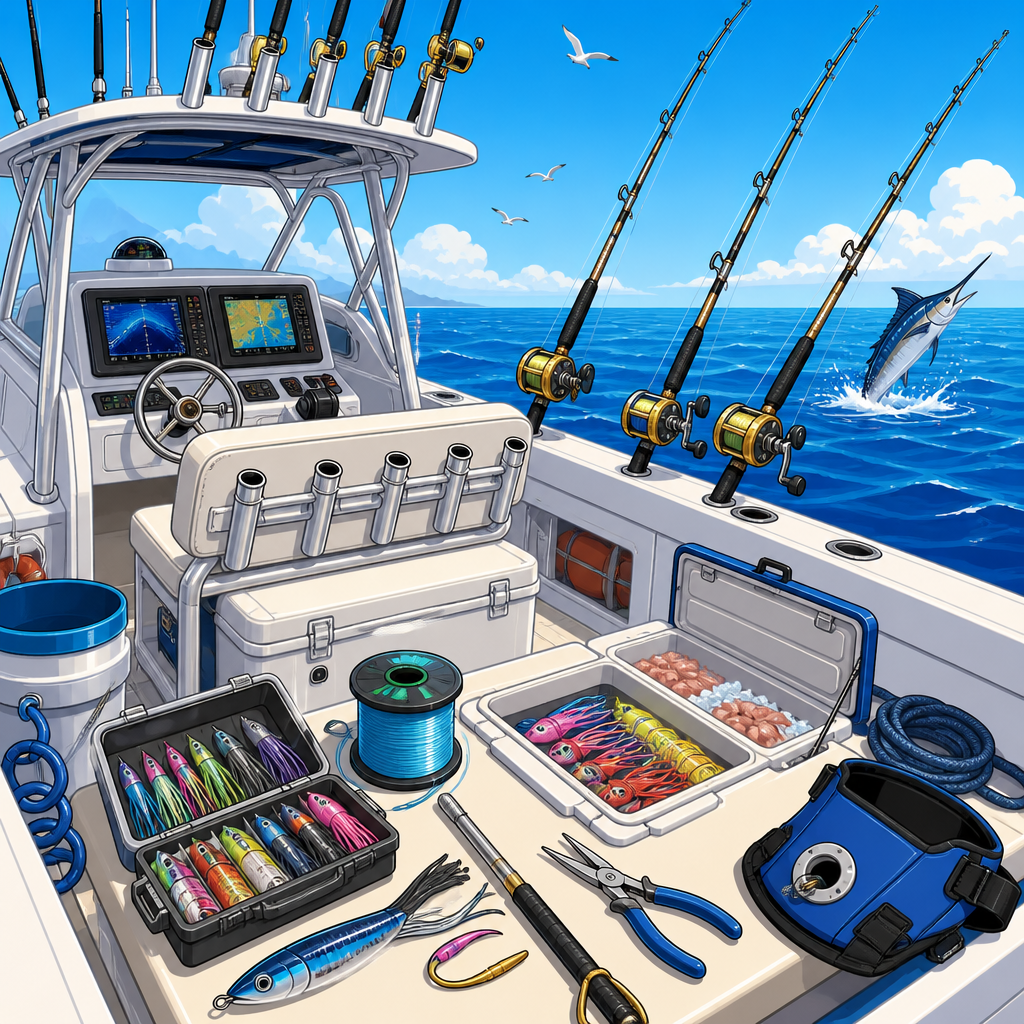
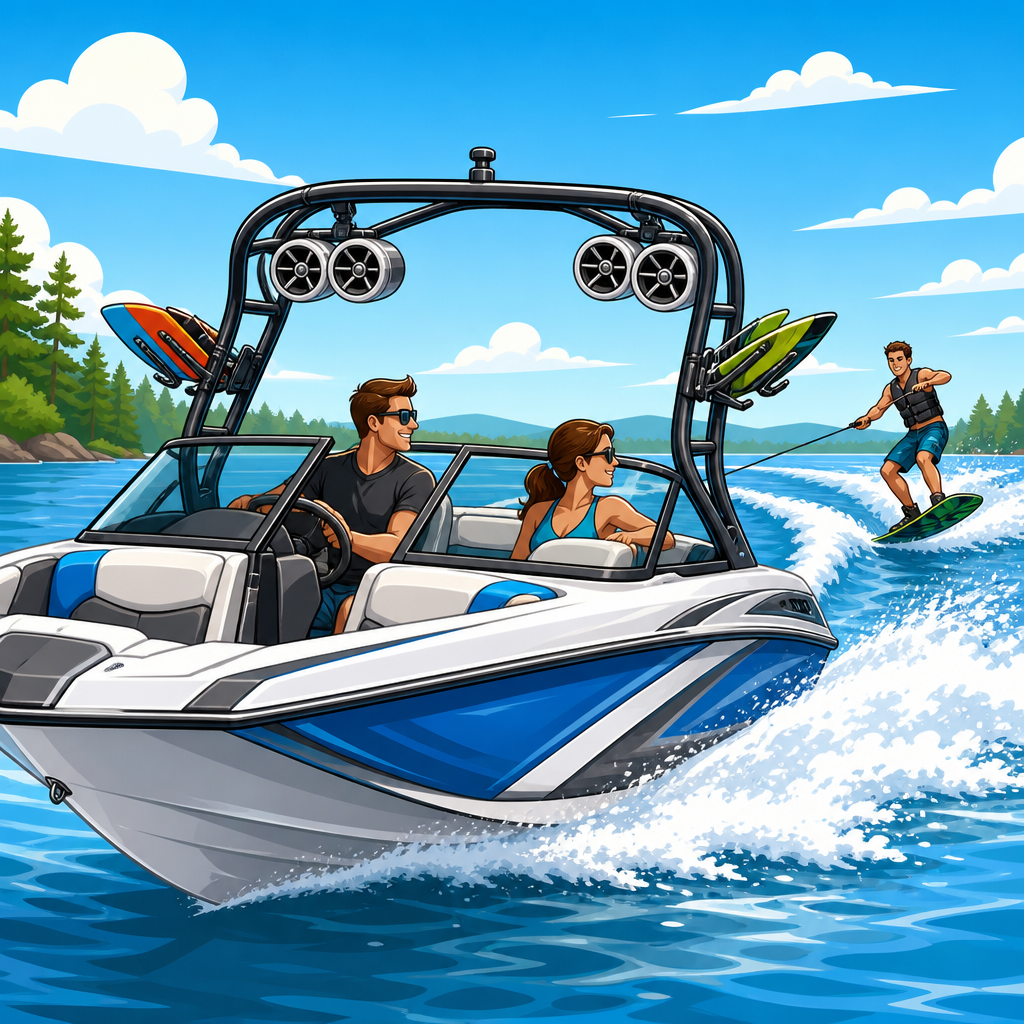
How to set up a pontoon boat for both fishing and wakeboarding starts with accepting one truth: a pontoon can do both jobs well, but only when the layout, power, storage, and safety systems are planned as one package. A multi-purpose boat in the fishing and watersports category is designed to change roles quickly, moving from quiet, precise angling to higher-speed towing without wasting deck space or compromising comfort. In practice, that means balancing rod access, livewell placement, sonar visibility, tow point strength, ballast limits, passenger seating, and propeller selection. I have rigged pontoons for families who troll at sunrise and pull riders by noon, and the successful setups always prioritize flexibility instead of extreme specialization.
Pontoon boats are uniquely suited to this job because their wide deck, predictable stability, and modular furniture options make reconfiguration easier than on many fiberglass fish-and-ski models. Modern tritoons with a center tube, lifting strakes, hydraulic steering, and 150 to 250 horsepower can plane faster, carve better, and create enough wake for beginner and intermediate wakeboarding, while still leaving room for casting stations and tackle management. The challenge is not whether a pontoon can handle both activities; it is whether the owner chooses components that support both without creating daily friction. This hub article covers the full framework for building that kind of boat, so every later decision about accessories, electronics, and seating makes sense.
Before buying gear, define the mission clearly. Fishing usually values low-speed control, uncluttered casting lanes, electronics, bait storage, and cleanable surfaces. Wakeboarding values a strong tow point, adequate horsepower, predictable acceleration, safe boarding access, and enough cockpit organization that loose items never become hazards. Family use adds shade, boarding ladders, cooler space, and comfortable seating. Because this page serves as a hub for multi-purpose boats for fishing and watersports, it explains the major systems that determine success: hull and engine selection, deck layout, fishing hardware, towing equipment, storage strategy, and operating safety. Get those right, and a pontoon becomes one of the most versatile platforms on the water.
Choose the Right Pontoon Platform and Power Package
The best foundation for a dual-purpose setup is usually a 22- to 24-foot tritoon rather than a basic two-tube model. The center tube increases buoyancy, improves straight-line stability, and supports higher horsepower ratings. For wakeboarding, that translates to cleaner acceleration, less bow rise, and tighter turns. For fishing, it means a steadier platform when several people move to one side during netting or lure changes. Brands such as Bennington, Harris, Barletta, Manitou, and Godfrey commonly offer floorplans with fish-and-cruise or sport-and-fish variants that already place some seating and livewell features in sensible positions.
Horsepower matters more than many first-time buyers expect. A lightly loaded pontoon with 90 horsepower may cruise comfortably, but towing a wakeboarder consistently demands stronger hole shot and the ability to hold speed around 16 to 22 mph without strain. In my experience, 150 horsepower is the practical entry point for a serious mixed-use boat, while 200 horsepower gives a much better margin when the deck is full of passengers, fuel, coolers, and fishing gear. Pair that engine with hydraulic steering and a stainless-steel propeller matched to the manufacturer’s recommended wide-open-throttle range. Correct prop pitch affects both low-end pull for watersports and fuel efficiency during long fishing runs.
Do not ignore the capacity plate and towing guidance from the boat builder. Some pontoons are rated for high horsepower but are not equipped with the structural reinforcement needed for an aftermarket tow bar or tower. Others can tow tubes and wakeboards safely from a factory ski pylon but are poor candidates for added ballast. If wake shape is a priority, remember that pontoons do not produce the steep, surf-style wave associated with dedicated wake boats. They are best for recreational wakeboarding, not advanced wake surfing. Setting realistic expectations prevents expensive modifications that add weight, reduce freeboard, and interfere with fishing space.
Build a Deck Layout That Changes Roles Fast
The smartest deck layouts create clear zones. Put the fishing zone forward or aft, keep the central lounge open for family seating, and reserve the stern as the tow-and-swim area. On many practical setups, two pedestal fishing seats and a livewell go in the bow, while the rear keeps an unobstructed ladder and tow point. This allows anglers to cast away from the outboard at dawn, then stow rods and convert the back half of the boat into a rider staging area later. Avoid furniture arrangements that trap passengers or force them to step over tackle boxes to reach the boarding ladder.
Traffic flow is not a minor detail; it is what determines whether the boat actually gets used for both sports. A center walkthrough to the bow gate helps with landing fish and loading gear. Wide aft gates simplify board handling and make it easier to reboard while wearing bindings. I prefer removable pedestal seats over permanent butt seats in mixed-use pontoons because they can be taken out before towing, opening space and reducing shin-level obstacles. Likewise, flush-mount bases and recessed hardware matter. Anything protruding from the deck can snag lines during fishing and bruise knees when people are moving quickly between rides.
Flooring should support both slime and spray. Woven vinyl is durable and comfortable, but heavy fish use can make snap-in marine carpet attractive in targeted areas because it can be removed for cleaning. EVA foam is comfortable for barefoot boarding and kneeling at the gunwale, yet lower-quality foam can stain from bait and hooks. Whatever surface you choose, prioritize drainage, traction, and ease of washdown. A multi-purpose boat should not demand an hour of cleanup every time the activity changes.
Add Fishing Features Without Sacrificing Watersports Safety
Fishing equipment should be compact, secure, and easy to hide. Start with rod storage. Horizontal locking racks inside seat bases or under-gunnel clips keep rods protected and out of the walkway. Vertical holders look convenient, but on a boat that also tows riders they can become line-snaring, elbow-catching obstacles. A recirculating livewell, a bait prep surface, and an aerated compartment for catch storage are worthwhile, but size them realistically. Oversized fish furniture often steals the exact deck space needed for coolers, life jackets, and wakeboards.
Electronics should serve anglers without dominating the helm. A 7- to 9-inch multifunction display from Garmin, Humminbird, or Lowrance is usually the sweet spot on a pontoon. Side imaging and down imaging are useful for finding structure, but mount the display where it can be read from the captain’s seat without blocking forward visibility when towing. Use quick-release mounts if theft or weather exposure is a concern. Add a trolling motor only if your fishing style truly needs one. Bow-mount electric motors with spot-lock are excellent for holding on wind-blown points, yet they also consume bow space and can complicate trailering and docking if poorly installed.
Keep terminal tackle and tools contained. Plano edge-style boxes, sealed soft bags, and dedicated knife or plier holders prevent hooks from ending up in seat vinyl or bare feet. On dual-purpose boats, I insist on one rule: before any tow session starts, every lure, cast net, leader spool, and gaff must be stowed. This is not just tidiness. It is injury prevention.
Install the Right Tow System and Watersports Gear
For wakeboarding, the tow point is the single most important hardware choice. Use a factory-rated ski pylon, reinforced tow bar, or manufacturer-approved tower. Never clip a tow rope to random rails, cleats, or seat bases. A proper elevated tow point helps lift the line above the outboard and gives riders cleaner pull. Towers add storage for boards and can improve rope angle, but they also raise cost, windage, and bridge clearance concerns. On many pontoons, a sturdy ski tow bar is the better compromise because it preserves an open deck and interferes less with casting.
Rope selection and speed control matter. A dedicated wakeboard rope with minimal stretch improves consistency and rider feedback. Beginners usually start with line lengths around 55 to 65 feet and speeds near 15 to 18 mph, while larger riders and more advanced users may prefer 18 to 22 mph depending on board size and wake shape. Use a GPS-based speedometer or a reliable multifunction gauge rather than judging by feel. Consistent pull protects the rider and reduces frustration.
| Component | Best Choice for Mixed Use | Why It Works |
|---|---|---|
| Hull | 22-24 ft tritoon | Better lift, stability, and horsepower capacity |
| Engine | 150-200 hp outboard | Strong towing performance without overbuilding |
| Tow Point | Factory ski bar or reinforced pylon | Safe load handling and cleaner rope angle |
| Fishing Electronics | 7-9 in sonar/GPS display | Useful capability with minimal helm clutter |
| Storage | Lockable under-seat compartments | Keeps tackle and boards off the deck |
| Flooring | Woven vinyl or premium EVA zones | Good traction and easy cleanup |
Board racks, transom mirrors, and a heavy-duty boarding ladder round out the watersports package. The ladder should be deep enough for reboarding with tired legs, and its hinges must be robust. If the stern ladder occupies the same area as fishing access, make sure it folds flush and locks securely so hooks and lines cannot catch on it.
Master Storage, Batteries, and Daily Changeover
The boats that perform best in both roles are not necessarily those with the most accessories, but those with the cleanest storage plan. Create dedicated compartments by category: rods, terminal tackle, tow ropes, life jackets, boards, and wet items. Under-seat bins can be divided with marine crates or custom starboard panels so gear does not migrate. Wet storage for ropes and vests is especially important because mildew and odor become serious problems in enclosed pontoon furniture bases. Ventilated compartments or mesh bags help.
Electrical planning is equally important. If you run sonar, livewell pumps, lighting, a stereo, and possibly a trolling motor, install a proper battery switch and separate starting and house batteries. Serious anglers may add a third battery bank for a 24-volt trolling motor. Use marine-grade tinned wire, heat-shrink connectors, and circuit protection that meets ABYC good practice. I have seen too many mixed-use boats fail because owners treated accessory wiring as an afterthought. Corrosion, voltage drop, and dead starting batteries can end a day faster than bad weather.
Develop a five-minute changeover routine. After fishing, stow rods, remove pedestal seats, secure the landing net, wipe slime, lock tackle, and verify the stern area is clear. Before fishing again, detach the tow rope, put boards away, reinstall seats if needed, and return pliers and nets to their holders. When the process is simple and repeatable, the boat truly functions as a multi-purpose platform rather than a compromise that frustrates everyone.
Operate Safely and Set Realistic Expectations
Safety is where dual-purpose ownership either becomes sustainable or expensive. Weight distribution changes everything on a pontoon. Coolers, passengers, full livewells, and extra gear can push the stern low, hurting planing and increasing spray. Keep heavy gear centered and low when possible. Follow the engine manufacturer’s trim guidance when towing, and never allow passengers to sit on forward gates, sun pads, or exterior furniture edges while underway. U.S. Coast Guard carriage requirements, state tow-sports observer rules, and local no-wake zones apply regardless of how casual the outing feels.
Wakeboarding after fishing also creates specific hazards. Hooks missed during cleanup can puncture feet. Fish slime on vinyl can turn a deck into a slip surface. Loose sinkers become projectiles during acceleration. Build a pre-tow checklist and use it every time. The same discipline helps anglers too: life jackets sized correctly, a throwable flotation device, fire extinguisher, horn, navigation lights, first-aid kit, and an accessible anchor system are baseline equipment, not optional extras.
Finally, understand the performance envelope. A pontoon can be one of the best family answers to fishing and watersports because it is spacious, approachable, and adaptable. It will not replace a tournament bass boat for shallow-water casting precision, and it will not replicate a purpose-built wake boat’s steep, ballast-driven wake. What it can do is cover both categories capably, comfortably, and safely when set up with intention.
Setting up a pontoon boat for both fishing and wakeboarding comes down to disciplined choices: start with a capable tritoon, match it with enough horsepower, organize the deck into clear activity zones, install compact fishing features, and use a rated tow system. The best multi-purpose boats for fishing and watersports are easy to convert, easy to clean, and easy to operate safely. They protect rods and electronics during tow sessions, keep boards and ropes out of fishing lanes, and give families a platform that supports more than one kind of water day without constant compromise.
If you are building this kind of hub-worthy setup, focus on the decisions that affect every outing: hull type, power, layout, storage, and safety workflow. Accessories matter, but they only work when the foundation is right. Review your typical crew size, towing goals, target species, and storage needs, then choose equipment that serves those real conditions rather than showroom hype. Done properly, a pontoon becomes a genuine do-it-all boat. Use this guide as your starting checklist, then map your next upgrades around how you actually fish and ride.
Frequently Asked Questions
1. Can a pontoon boat really be set up to handle both serious fishing and wakeboarding?
Yes, a pontoon boat can absolutely be configured to do both well, but the key is intentional planning instead of adding fishing and tow-sports gear as separate afterthoughts. A successful dual-purpose setup treats the boat as one integrated system. For fishing, you need clear casting space, smart rod storage, dependable electronics, livewell access, and seating that does not interfere with movement around the deck. For wakeboarding, you need sufficient horsepower, proper weight distribution, a reliable tow point such as a tow bar or ski pylon rated for the boat, and an open boarding area that makes getting in and out of the water easy and safe.
The biggest mistake owners make is overcommitting to one activity and assuming the other will still work naturally. For example, a pontoon loaded with fishing chairs, exposed tackle storage, and bow-mounted gear may feel cramped or unsafe once riders and tow ropes are added. On the other hand, a pontoon designed only for lounging and towing may leave anglers with poor rod access, nowhere to organize gear, and electronics mounted in awkward places. The best setups use removable or convertible components, including pedestal seats that can be repositioned, lockable storage for tackle and boards, and open traffic lanes that support both casting and boarding.
Engine choice also matters. If your goal includes wakeboarding rather than light tubing, your pontoon needs enough power to pull riders onto plane confidently and maintain steady towing speed. At the same time, anglers benefit from precise boat control, clean transducer installation, and enough battery capacity to support fish finders, trolling motors, and accessory systems. In short, a pontoon can be a very capable fishing and wakeboarding platform, but it works best when the layout, power, storage, and safety systems are designed together from the beginning.
2. What layout works best for switching between fishing and wakeboarding on a pontoon boat?
The best layout is one that preserves open deck flow while giving each activity a defined zone. In most cases, that means keeping the center of the boat as uncluttered as possible, using the stern as the primary wakeboarding and boarding area, and creating fishing-friendly access at the bow and along at least one side without filling the deck with permanent obstacles. A practical multi-use pontoon should allow an angler to move quickly to the front for casting or electronics use, while still giving riders a clear path to the rear ladder and tow area.
At the bow, many owners benefit from flexible seating rather than permanent fishing furniture everywhere. Lounge seating with removable fishing pedestals can be a smart compromise because it keeps the family-friendly comfort of a pontoon while allowing anglers to add dedicated positions when needed. Rod holders should be mounted where they do not interfere with tow ropes, passenger movement, or docking. Likewise, a livewell should be easy to reach during fishing sessions but not positioned in a way that creates a wet, slippery traffic area near the main boarding path.
The stern deserves special attention because that is where wakeboarding activity is concentrated. You want a clean, unobstructed space around the ladder, tow point, and rear platform. Avoid storing tackle trays, loose rods, bait buckets, or coolers in this area if the boat will regularly tow riders. Rope handling requires clean edges and no snag points. If your boat has rear-facing loungers or a changing station, make sure they do not block quick movement between the cockpit and the water. Storage under rear seating is often ideal for life jackets, tow ropes, and boards because it keeps watersports gear close to where it is used.
Overall, the most effective layout is modular. Choose seating and storage that can support different uses during the same day, and protect at least one uninterrupted walkway from bow to stern. That single design decision improves fishing mobility, passenger comfort, gear access, and on-water safety more than almost anything else.
3. How much horsepower and what equipment do you need for wakeboarding without hurting fishing performance?
For a pontoon that will regularly be used for wakeboarding, adequate horsepower is critical. While exact needs vary based on boat length, tube design, passenger load, and elevation, a true multi-purpose setup generally benefits from power that goes well beyond the minimum needed for casual cruising. Wakeboarding requires stronger acceleration, the ability to hold towing speeds consistently, and enough overall performance to manage passengers, gear, and fuel without feeling strained. Many dual-purpose owners find that underpowering the boat creates frustration on the watersports side, even if the vessel feels acceptable for fishing and leisurely rides.
Besides the engine itself, tube design and lifting strakes can make a major difference in performance. A tri-toon configuration is often better suited to wakeboarding than a traditional two-tube setup because it improves stability, planing behavior, and load-carrying confidence at speed. Hydraulic or power steering is also worth serious consideration, especially if the boat will be used in varied conditions or with a larger outboard. Smooth steering helps both during towing and during low-speed positioning for fishing.
Importantly, adding wakeboarding capability does not have to compromise fishing performance if accessories are chosen carefully. A proper tow bar or ski pylon should be marine-rated and installed according to manufacturer guidelines, with enough clearance that ropes do not interfere with rails, rod holders, or passengers. At the same time, fishing electronics should be mounted where they remain readable and protected from traffic. Battery planning is another area where both uses overlap. If you run fish finders, livewell pumps, lighting, and perhaps a trolling motor, you may need a dedicated house or electronics battery setup so that starting power is preserved after long fishing sessions.
The goal is balance. You want enough engine and towing equipment to create a dependable wakeboarding experience, but you also want a clean transom, stable low-speed handling, and electrical reliability for fishing days. When chosen correctly, the right power package improves versatility rather than forcing a tradeoff.
4. How should gear and storage be organized so the boat stays safe and functional for both activities?
Storage strategy is one of the most important parts of a dual-purpose pontoon setup because both fishing and wakeboarding involve bulky, specialized gear that can quickly overtake the deck. The best approach is to assign dedicated storage zones by activity and frequency of use. Fishing tackle, tools, extra line, and terminal gear should be stored in organized, secured compartments that keep items dry and easy to reach without spreading them across seating areas. Wakeboards, ropes, vests, and tow accessories should have their own separate home, ideally near the stern or under seats close to the boarding area.
Rod storage deserves special attention. Loose rods left on lounges or across the deck create a safety hazard, especially when passengers are boarding, moving around at speed, or managing tow ropes. Vertical or horizontal rod storage solutions that protect reels and keep tips contained are much safer and more efficient. Tackle should be consolidated into a manageable system rather than carried in multiple oversized bags that clog walkways. For wakeboarding gear, wet storage planning matters just as much. Boards, ropes, and vests come back wet, so use compartments that can drain or dry rather than trapping moisture against cushions and fishing gear.
It also helps to think in terms of transition speed. A good multi-use pontoon can switch from fishing mode to wakeboarding mode in just a few minutes. That means hooks, knives, nets, and bait gear can be secured fast, deck clutter can disappear quickly, and all tow-sports equipment can be accessed without unloading half the boat. Many owners benefit from labeled compartments, removable bins, and a simple pre-ride routine that confirms the tow rope path is clear, sharp gear is stowed, and no electronics cables or loose items are exposed where feet or boards will travel.
Safety improves dramatically when everything has a place. A cleaner deck reduces slips, snags, and damage to expensive equipment. It also makes the boat feel larger, calmer, and easier to enjoy, whether the day starts with sonar and casting and ends with a rider behind the boat.
5. What safety features and operating habits are most important when using a pontoon for both fishing and wakeboarding?
Safety on a dual-purpose pontoon starts with recognizing that fishing and wakeboarding create very different onboard conditions. Fishing often involves hooks, knives, wet surfaces, electronics wiring, and passengers focused on the water rather than the deck. Wakeboarding introduces speed, towing loads, rope management, repeated boarding, and people entering and exiting the water. Because the boat changes roles, your safety system has to be more disciplined than on a single-purpose setup.
For hardware, begin with a properly rated tow point and a boarding ladder that is sturdy, easy to deploy, and deep enough for reboarding comfortably. Non-slip flooring is a major advantage because both bait water and boarding spray can make standard surfaces hazardous. Rail height and gate security should also be checked carefully, especially if children or less experienced passengers are aboard. Fire extinguishers, throwable flotation devices, horn or signaling gear, navigation lights, and an onboard first-aid kit should all be easy to access and not buried beneath fishing or tow gear.
Operationally, one of the smartest habits is to create a transition checklist when switching from fishing to towing. Before wakeboarding begins, secure