Choosing the best life jackets for jet skiing safety starts with understanding that a personal watercraft moves faster, turns harder, and throws riders into the water more violently than most casual boating situations. A life jacket for a jet ski is not just a flotation aid; it is impact protection, visibility gear, a legal requirement in many areas, and often the difference between a quick remount and a dangerous drift. In practical terms, jet ski riding includes both solo and passenger use, fishing from a PWC, tow sports, touring, and offshore exploration, so the safest choice depends on speed, water conditions, fit, and rider experience.
After fitting riders, testing gear at launches, and comparing jackets across rec riding, guided tours, and fishing setups, I have found that the best life jackets for jet skiing are almost always U.S. Coast Guard approved models designed specifically for personal watercraft use. These jackets are cut higher at the waist, stay secure during high-speed falls, dry quickly, and hold their shape after repeated saltwater use. They also leave enough shoulder mobility for throttle control, reboarding, and casting, which matters because jet ski and personal watercraft adventures increasingly overlap with fishing, coastal day trips, and family recreation.
This hub article covers Jet Ski and Personal Watercraft adventures through the lens of safety-first gear selection. It explains what to look for in a PWC life jacket, compares major styles, outlines legal and fit requirements, and shows how the right vest supports everything from beginner lake rides to nearshore fishing runs. If you are building a reliable Fishing and Water Sports kit, start here: the right life jacket supports every other choice you make on a personal watercraft.
What makes a life jacket suitable for jet skiing
A suitable jet ski life jacket must do four jobs at once: provide buoyancy, stay on during impact, allow athletic movement, and remain comfortable long enough that riders keep it zipped and buckled all day. That combination is why standard ski vests, paddle PFDs, and bargain boating jackets often underperform on PWCs. Jet ski riders experience abrupt acceleration, sharp cornering, wake crossings, and ejections at speed. A jacket that shifts upward, opens at the front, or restricts arm reach becomes a safety problem immediately.
For most recreational riders, the best baseline choice is a Type III or performance-oriented Type V life jacket that is explicitly approved for personal watercraft use. These designs typically include durable nylon shells, segmented foam panels, heavy-duty front zippers, and one or more adjustable belts. Segmentation matters because it reduces bulk and improves torso flexion. That becomes obvious the first time you climb back aboard from deep water or look over your shoulder while towing a tube.
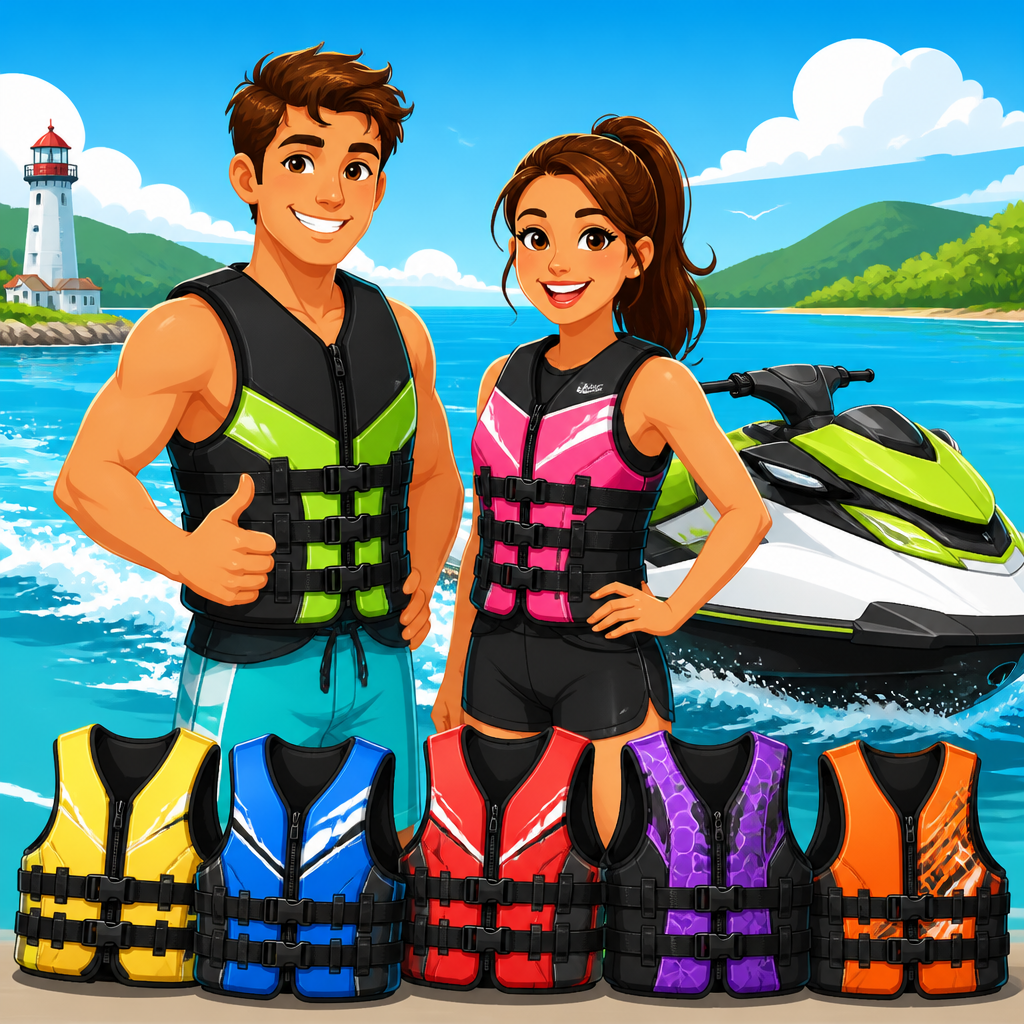
Visibility is another overlooked factor. Bright red, yellow, orange, and lime jackets are easier to spot in chop, low sun, or boat traffic than black or dark blue models. Many premium PWC jackets now combine high-visibility panels with reflective accents. That is useful on larger lakes, tidal inlets, and coastal riding zones where rescue may involve distance and changing light. Storage can matter too, especially for anglers and touring riders, but pockets should never compromise fit or create snag points around handles, lanyards, or rod holders.
USCG approval, legal rules, and why standards matter
The quickest answer to “What life jacket do I need for a jet ski?” is this: wear a properly fitted U.S. Coast Guard approved life jacket intended for personal watercraft, and follow your local boating regulations. In the United States, most states require every rider on a PWC to wear a wearable approved life jacket, not merely carry one onboard. Operators also commonly must use an engine cut-off switch lanyard. These rules exist because ejection is common, and separation from the craft happens fast.
Standards matter because approved jackets have been tested for buoyancy, strength, and performance under defined conditions. Reputable labels provide the approval category, size range, and care instructions. For riders outside the United States, equivalent approvals may come from Transport Canada, ISO, or local maritime authorities. The principle is the same: choose a vest certified for the activity, your body size, and the likely water conditions. Inflatable life jackets, while excellent on some boats, are often not appropriate for high-impact PWC use and may be restricted for riders being towed or operating at speed.
A common mistake is assuming any vest sold near the water is acceptable. In practice, a wakeboarding comp vest may look streamlined but offer no approved buoyancy rating. That is not enough for legal PWC operation in many jurisdictions. Another mistake is relying on an oversized “one size fits most” boating vest. If the jacket rides up over the ears when someone lifts at the shoulders, it is too loose. A legal jacket that fits poorly can still fail when it matters.
How to choose the best fit, material, and features
Fit is the first priority because buoyancy only helps if the jacket stays in place. Start with the manufacturer’s chest-size chart rather than your T-shirt size. Zip the vest fully, tighten every buckle, then raise your arms while another person gently pulls up at the shoulders. Minimal movement is the goal. On the water, a good fit feels snug at first and settles as the foam breaks in. If you can twist the jacket around your torso when dry, it is probably too large.
Material quality separates a vest that lasts one season from one that survives years of hard use. Look for 200-denier or heavier nylon outers, reinforced stitching, corrosion-resistant hardware, and closed-cell foam that rebounds after compression. Neoprene jackets are popular because they feel soft against the skin, reduce chafing, and conform nicely during active riding. Nylon jackets are often lighter, dry faster, and cost less, but cheaper examples can feel stiff. For frequent riders, premium neoprene is usually worth the extra cost.
Feature selection should match how you actually use your PWC. Touring riders benefit from larger arm openings, softer collar zones, and a longer torso cut that remains comfortable for hours. Fishing riders may want attachment points, secure zip pockets, and thinner lower panels that interfere less with seated casting. Family riders often need grab handles for children and simple buckle systems for quick supervision. Women-specific and youth-specific cuts are also important because torso shape and panel placement affect both comfort and retention.
| Rider Type | Best Jacket Style | Key Features | Why It Works |
|---|---|---|---|
| Beginner recreational rider | USCG-approved Type III PWC vest | Front zip, 2-3 belts, bright color, segmented foam | Secure, easy to fit, suitable for lakes and moderate speeds |
| Touring or long-distance rider | Premium neoprene PWC vest | Soft lining, large arm holes, durable shell, reflective trim | Reduces fatigue and chafing during extended rides |
| Jet ski angler | Low-bulk fishing-friendly PFD | Streamlined pockets, tool tabs, short waist cut | Improves access to gear without limiting seated movement |
| Passenger or family use | Multi-buckle nylon vest | Wide size availability, easy adjustments, high visibility | Simple fitting for different riders and changing layers |
| Youth rider | Youth-approved PWC jacket | Crotch strap if required, grab handle, size-specific buoyancy | Keeps the vest secure during falls and reboarding |
Best life jacket categories for different PWC adventures
The best life jackets for jet skiing safety depend on the kind of PWC adventure you are planning. For casual lake riding, an all-purpose Type III PWC vest from brands such as O’Neill, Jetpilot, Body Glove, or Mustang Survival usually offers the best balance of price, comfort, and security. These jackets suit rental riders, weekend owners, and mixed-use households because they fit a wide range of conditions and do not require specialized knowledge to use correctly.
For performance riding, the best option is a premium-impact PWC vest that stays planted during aggressive turns and repeated high-speed chop. These models use multiple foam sections and stronger closure systems to prevent ride-up. They cost more, but serious riders notice the difference quickly, especially in rough water. For nearshore touring and colder climates, a vest that layers well over a wetsuit or spray top is the smart choice. In shoulder seasons, mobility while layered matters as much as flotation rating.
Fishing-specific PWC use deserves special mention because gear layout changes the safety equation. Anglers often carry tackle, electronics, anchors, and coolers, and they may spend long periods seated or drifting. The ideal life jacket for jet ski fishing remains low bulk around the abdomen, does not obstruct seat posture, and still stays secure if the rider falls while reaching for a rod. In my experience, streamlined neoprene PWC vests outperform bulky traditional fishing vests on personal watercraft because they reduce snagging and support faster remounts.
Top mistakes riders make when buying and wearing a PWC life jacket
The most common buying mistake is prioritizing style over certified function. Sleek cuts, race-inspired graphics, and thin panels look appealing online, but many non-approved vests are built for impact comfort behind a boat, not flotation in open water after ejection. The second mistake is buying too loose for comfort in the store. Once wet, foam and fabric shift, and a loose vest rides up dramatically. Riders then unzip it partially because it feels awkward, making a bad situation worse.
Another repeated problem is keeping an old jacket long after the foam and hardware have degraded. Sun exposure, salt crystals, fuel residue, and repeated compression slowly reduce reliability. If the shell is torn, buckles crack, straps slip, or foam remains crushed, replace the jacket. I also see riders ignore maintenance after saltwater use. A simple freshwater rinse, air drying away from direct sun, and flat storage significantly extend service life and keep zippers working.
Passengers create another blind spot. Owners often invest in a quality vest for themselves and hand guests an oversized spare with missing labels and stiff straps. That undermines the entire safety plan. Every regular passenger should have a jacket that fits correctly and matches the ride profile. The same applies to kids, who need youth-specific sizing, not small adult vests. A properly fitted passenger vest is not an accessory; it is core equipment.
Building a safer jet ski setup beyond the life jacket
A life jacket is the centerpiece of jet ski safety, but it works best as part of a complete PWC system. Every rider should pair the vest with the engine cut-off lanyard, eye protection, and a clear pre-ride briefing for passengers. In colder water, add a wetsuit or protective layer because cold shock and reduced dexterity can turn a manageable fall into a rescue. Footwear with grip also helps during launch, dock handling, and remounting.
For riders using this page as a hub for broader Jet Ski and Personal Watercraft adventures, the next layers of safety include route planning, weather awareness, and equipment matching. A fishing run across a large reservoir calls for different preparation than a rental loop in a no-wake zone. Check wind strength, water temperature, tides where relevant, fuel range, and daylight. Store a whistle, waterproof phone case, and signaling device where they remain reachable in the water, not buried in a hatch.
Maintenance supports safety more than most riders realize. Reliable steering, a healthy battery, functioning bilge systems where equipped, and secure boarding steps all reduce the chance that a simple fall escalates. Reboarding practice is especially valuable. I recommend new owners enter calm shallow water, wearing full gear, and practice climbing back aboard from both sides and stern access points where the manufacturer allows it. That exercise quickly reveals whether your chosen jacket helps or hinders real-world recovery.
The best life jackets for jet skiing safety are the ones that combine approved flotation, secure fit, durable construction, and all-day wearability for the specific way you ride. For most people, that means a U.S. Coast Guard approved PWC vest with a front zipper, adjustable belts, segmented foam, and bright visibility. For touring riders, comfort and anti-chafe materials matter most. For anglers, low bulk and seated mobility become decisive. For families, size-specific fit and simple adjustment systems should lead the decision.
As a hub page within Fishing and Water Sports, this guide points to the bigger truth about Jet Ski and Personal Watercraft adventures: the safest rides begin with gear that matches the craft, the conditions, and the rider. A good life jacket improves confidence, supports faster recovery after a fall, and makes every outing more manageable, whether you are towing kids, exploring shoreline coves, or running out to fish at first light. That is a practical benefit you feel every time the water turns rough or the day runs longer than planned.
If you are upgrading your PWC setup, start by checking the approval label, verifying fit on every rider, and replacing any vest that is worn, loose, or wrong for the job. Then build the rest of your system around that foundation. Choose smart, fit carefully, and make your next jet ski adventure safer from the first launch.
Frequently Asked Questions
What type of life jacket is best for jet skiing?
The best life jacket for jet skiing is typically a U.S. Coast Guard-approved Type III life jacket or a life jacket specifically labeled for personal watercraft use. Jet skis create a very different safety environment than calm-water boating because riders can be thrown off at speed, land hard during sharp turns, or hit rough chop repeatedly. That means the ideal vest needs to do more than simply float you. It should fit snugly, stay in place during impact, and provide enough mobility for steering, throttle control, and reboarding.
For most riders, neoprene life jackets designed for high-movement watersports are a strong choice because they balance comfort, buoyancy, and flexibility. Many PWC-specific models also include features such as segmented foam panels, wide arm openings, durable front zippers, and multiple adjustable straps to help the vest remain secure if you enter the water forcefully. Bright colors and reflective details are also especially valuable on a jet ski, since visibility matters if you become separated from the craft in open water. In short, the best option is not the cheapest general-purpose vest on the shelf, but a well-fitted, Coast Guard-approved model made for active, high-speed riding.
How should a jet ski life jacket fit for maximum safety?
A jet ski life jacket should fit close to the body without restricting breathing or normal movement. A loose vest can ride up over the head, shift off the shoulders, or fail to protect you properly during a high-speed fall. Since jet ski riders often hit the water with more force than casual boaters, fit is one of the most important safety factors to get right. The jacket should feel secure around the chest and torso, with all straps tightened evenly and the zipper fully closed. If you can pull the shoulders up significantly toward your ears, the vest is probably too large.
The best way to check fit is to try the life jacket on exactly as you would wear it on the water, tighten every strap, and then test range of motion. You should be able to twist, sit, grip handlebars, and simulate riding posture comfortably. Adults should never buy oversized life jackets expecting to “adjust them down,” and children should always wear youth models matched to both weight and chest size. For passengers, fit matters just as much as it does for drivers, especially because less experienced riders may not brace properly during acceleration or turns. A correct fit keeps the jacket positioned where it can float, protect, and remain effective when conditions get rough.
Are inflatable life jackets safe or legal for jet skiing?
In most cases, inflatable life jackets are not the best choice for jet skiing, and in some locations they may not meet legal requirements for personal watercraft use. Jet skiing involves speed, spray, sudden impact, and a much higher chance of being thrown into the water unexpectedly. Inflatable vests are generally better suited to lower-impact boating environments where the wearer is less likely to experience violent ejection or repeated water contact. On a jet ski, an inflatable device may not provide the secure, close-fitting protection needed in a crash scenario.
Another concern is durability and reliability under personal watercraft conditions. Inflatable models can be vulnerable to accidental activation, damage, or improper maintenance, and they usually do not provide the same inherent buoyancy and impact cushioning as a foam-filled vest. For that reason, many safety experts recommend sticking with a traditional foam life jacket that is specifically approved and intended for PWC riding. Because boating laws vary by state, province, and country, riders should always check local regulations before heading out. Even where inflatable vests are technically allowed, a standard PWC-rated foam life jacket is usually the safer and more practical option.
What features should you look for in the best life jackets for jet skiing safety?
When comparing life jackets for jet skiing, look for a combination of safety certification, secure fit, comfort, and rider-specific design. First, make sure the jacket is approved by the relevant authority, such as the U.S. Coast Guard, and suitable for watersports or personal watercraft use. Beyond approval, focus on construction details that matter on a fast-moving craft: strong zippers, adjustable belts or buckles, durable stitching, and buoyant foam that does not bunch or shift. A jacket that stays stable in rough conditions is far more valuable than one that only feels comfortable while standing on shore.
Comfort and mobility also matter because a life jacket that rubs, overheats, or limits movement may tempt people to loosen it or skip wearing it altogether. Neoprene exteriors, soft lining materials, and segmented panels can improve flexibility and reduce chafing during long rides. High-visibility colors are important for being seen by boaters and rescuers, especially in choppy water or low light. Some riders also appreciate grab handles for passengers, D-rings for emergency attachments, and drainage features that reduce waterlogging after a fall. The safest life jacket is one that combines legal compliance, impact-ready fit, and enough comfort that you will wear it every time without compromise.
Do passengers and kids need different life jackets for jet skiing?
Yes, passengers and children often need different life jackets than the primary rider, even though the same basic safety principles apply. A passenger on a jet ski may not anticipate turns, acceleration, or sudden chop the way the operator does, so a very secure fit is essential. Passenger life jackets should be Coast Guard-approved, properly sized, and snug enough to stay in place if the rider falls backward or sideways into the water. If the passenger is a beginner, younger rider, or less confident swimmer, choosing a model with excellent stability, visibility, and easy-to-grab support points can add an extra safety margin.
Children should never wear adult life jackets on a jet ski. Youth and child models are designed around body weight, chest size, and head support needs, and many include features such as crotch straps and extra flotation placement to help keep a child in a safer position in the water. Parents should also remember that a child passenger experiences more bounce and movement than an adult may realize, especially on a powerful PWC. Before riding, check that the child can sit securely, hold on properly, and wear the life jacket comfortably for the full outing. Whether for adults or kids, every passenger should have a vest selected for their body size, riding role, and the higher-impact realities of jet ski use.