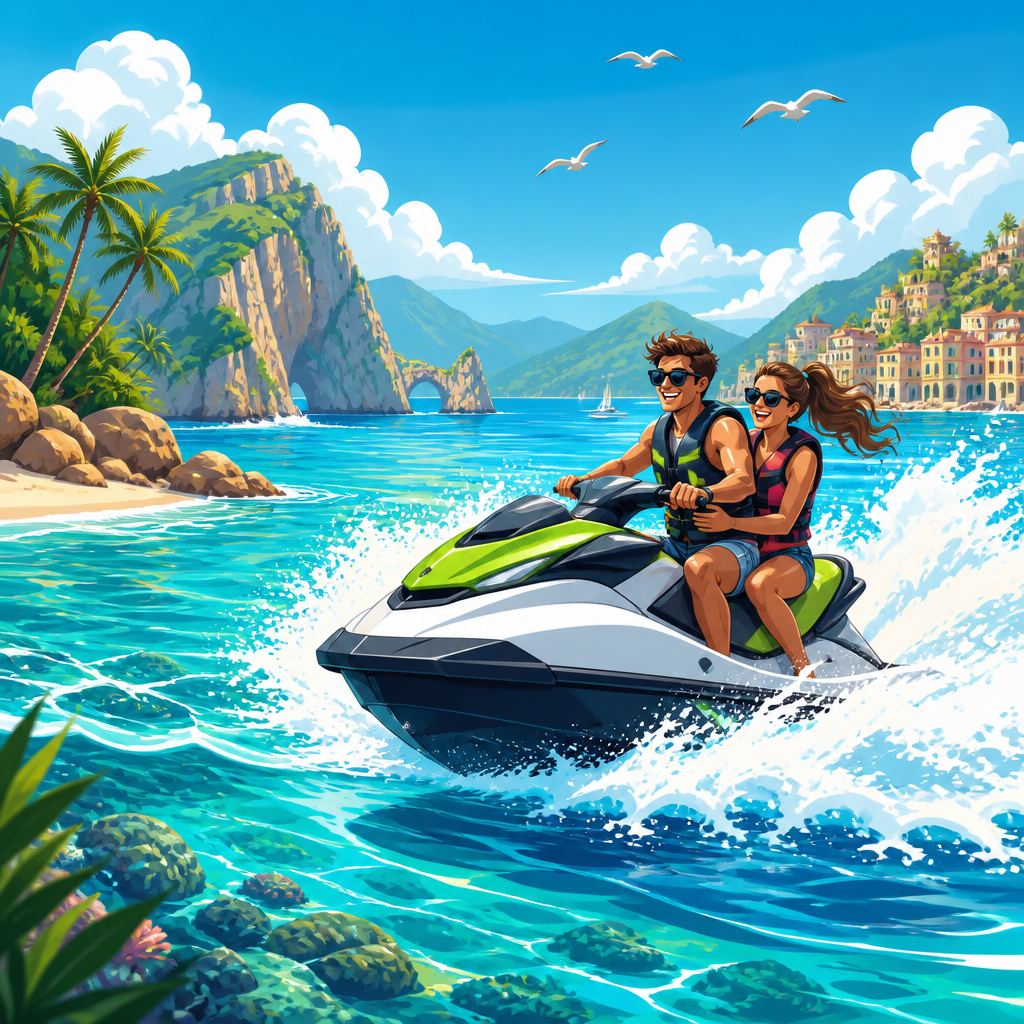
Jet skiing turns a coastline into a playground of speed, scenery, and skill, but the best coastal destinations for jet skiing adventures offer far more than open water. They combine launch access, reliable weather windows, local safety rules, nearby marinas, fuel docks, guided tours, and the kind of geography that makes every ride memorable. As someone who has planned coastal riding trips around tides, no-wake zones, rental fleets, and rescue coverage, I can say the difference between a decent day and an exceptional one usually comes down to location. A great jet ski destination gives beginners confidence, gives experienced riders variety, and often supports other pursuits such as fishing, parasailing, snorkeling, paddleboarding, and offshore boating. That matters because most travelers looking for the best locations for fishing and water sports are not choosing one activity in isolation. They want a coast where families can split time between a guided personal watercraft tour, a half-day reef fishing charter, and a calm sunset cruise. In this hub, coastal destination means a shoreline region with dependable access to riding areas, supportive tourism infrastructure, and enough environmental diversity to suit different ability levels. The destinations below stand out because they repeatedly deliver strong riding conditions, practical visitor logistics, and crossover appeal for anglers and broader water sports travelers.
What Makes a Coastal Jet Ski Destination Truly Great
The best coastal destinations for jet skiing adventures share a clear set of traits. First is water character. Protected bays and intracoastal channels suit beginners because they reduce chop and make throttle control easier. Open coastal stretches attract advanced riders who want longer runs, rolling swell, and scenic distance riding, but those areas require more judgment. Second is access. Quality launch ramps, rental operators certified to local standards, nearby fuel, dockage, and visible patrol presence all improve the experience. Third is seasonality. Wind patterns, storm risk, water temperature, and boat traffic can completely change a destination from month to month. Fourth is activity range. The strongest hub destinations also support inshore fishing, offshore charter fishing, wake sports, sailing, diving, and beach amenities. That combination makes trip planning easier and extends appeal beyond dedicated riders. Finally, regulations matter. Speed limits near shore, wildlife protection zones, age requirements, boater education rules, and no-wake corridors shape where and how you can ride. Places that communicate these rules well are usually safer and better for visitors. If you are researching the best locations for fishing and water sports, start with destinations that balance freedom with structure. That is the formula that consistently produces reliable, repeatable adventure rather than one lucky afternoon.
Florida Keys, Florida: Warm Water, Island Hopping, and Multi-Sport Access
The Florida Keys remain one of the strongest choices for a jet ski trip because they pair tropical water color with a mature marine tourism system. Key West is the headline destination, where guided jet ski circuits often loop the island and introduce riders to mangrove edges, backcountry shallows, and open Atlantic views. Operators here usually build routes around weather and tidal conditions, which matters because flats can get skinny at low tide and channels carry substantial boat traffic. For beginners, the benefit is simple: you can ride exciting water without navigating everything alone. For experienced riders, the larger appeal is variety. The Keys also excel as a hub for fishing and water sports. Islamorada is internationally known for sport fishing, including tarpon, bonefish, permit, mahi, and sailfish depending on season. Marathon adds family-friendly boating, reef access, and calmer interior waters. Snorkeling at John Pennekamp Coral Reef State Park or reef sites farther south rounds out the trip. The practical advantage of the Keys is infrastructure. Marinas, charter fleets, weather-aware guides, and widespread visitor services make trip planning straightforward. The tradeoff is cost; fuel, lodging, and guided rides can be expensive, especially in peak season. Still, for warm-water riding and all-around water sports access, few U.S. coastal regions match the Keys.
Miami and Biscayne Bay: Urban Energy with Year-Round Riding
Miami offers a very different jet ski experience from the Keys. Here, the draw is accessibility, skyline scenery, and unusually broad appeal for mixed-interest groups. Biscayne Bay gives riders expansive water, sandbar culture, and route variety, while nearby operators offer everything from entry-level rentals to guided rides past celebrity islands and sheltered channels. In practice, Miami works best for travelers who want easy logistics. Major airport access, abundant hotels, and dense marina infrastructure reduce planning friction. The bay itself includes calmer areas suitable for first-timers, though afternoon wind and weekend traffic can create chop quickly. This is also one of the easiest places to combine jet skiing with other water sports. Parasailing, wakeboarding, yacht charters, snorkeling trips, and deep-sea fishing departures are all readily available. Anglers can book offshore charters targeting sailfish, kingfish, tuna, and mahi, while inshore trips focus on snook, tarpon, and snapper around bridges and structure. The downside is congestion. Busy boating corridors demand better situational awareness than many vacationers expect, and local enforcement around no-wake areas can be strict. That is not a flaw; it is part of why the system functions. For travelers who want a high-energy city break tied directly to water access, Miami and Biscayne Bay are among the best coastal destinations for jet skiing adventures.
Destin and the Emerald Coast: Clear Water and Family-Friendly Conditions
Destin earns its reputation through water clarity, broad recreational options, and unusually strong crossover between jet skiing and fishing. Choctawhatchee Bay gives beginners a more forgiving environment than the open Gulf, while Crab Island has become a central social and anchoring area for boats and rented watercraft. Riders can also work the harbor and nearshore zones depending on regulations and weather. I recommend Destin most often to families because it delivers variety without demanding advanced seamanship. Rental businesses are common, access points are well established, and the tourism economy is built around beach and boating visitors. It is also one of the most complete fishing and water sports hubs on the Gulf Coast. Destin calls itself the “World’s Luckiest Fishing Village,” and while that slogan is marketing, the charter fleet is genuinely substantial. Red snapper, grouper, amberjack, king mackerel, cobia, and seasonal pelagics support a busy offshore scene, while bay fishing adds redfish, speckled trout, and flounder. Paddleboarding, pontoon rentals, dolphin cruises, and snorkeling trips broaden the appeal further. The main caution is crowding during summer. Peak vacation weeks can mean heavy traffic at ramps, harbor bottlenecks, and booked-out operators. Outside the busiest periods, Destin offers one of the most balanced combinations of comfortable riding and full-spectrum coastal recreation in the United States.
Outer Banks, North Carolina: Wild Scenery and Serious Coastal Variety
The Outer Banks appeal to riders who want more natural drama. This long barrier-island chain offers a split personality: sound-side waters can be accessible and relatively calm, while the Atlantic side looks and feels more exposed, with stronger swell, wind, and changing conditions. That range is why the area works for both cautious newcomers and experienced riders, provided they choose launch areas and timing carefully. Towns such as Nags Head, Manteo, and Hatteras provide practical access to the sounds, marshes, and channels where guided and independent riding can be rewarding. From a broader trip-planning perspective, the Outer Banks are also excellent for fishing and water sports. The region has legendary surf fishing, productive inshore waters for red drum and speckled trout, and offshore Gulf Stream charter opportunities for tuna, mahi, wahoo, and billfish. Kiteboarding and windsurfing are particularly strong here because of the wind profile and shallow sound areas. That same wind profile, however, is the region’s main challenge for jet skiers. Conditions can shift from manageable to punishing in a short window, so local forecasts, tide knowledge, and route discipline matter. Travelers who prioritize scenery, wildlife, and a less commercial atmosphere will find the Outer Banks especially compelling.
| Destination | Best For | Water Conditions | Fishing and Water Sports Strength |
|---|---|---|---|
| Florida Keys | Island touring and guided rides | Warm, varied, tide-sensitive | Excellent reef fishing, flats fishing, snorkeling |
| Miami/Biscayne Bay | Easy access and urban adventure | Mixed bay chop, busy traffic | Strong offshore fishing and broad water sports menu |
| Destin | Families and mixed-skill groups | Clear bay water, seasonal crowding | Top Gulf charter fishing and beach activities |
| Outer Banks | Scenery and adventurous riders | Wind-sensitive, diverse | Outstanding surf, inshore, and offshore fishing |
South Padre Island, Texas and Gulf Shores, Alabama: Gulf Coast Value Picks
Not every great jet ski destination has the profile of Miami or Key West. South Padre Island and Gulf Shores consistently overperform for travelers who want strong riding conditions and broader water sports value. South Padre benefits from Laguna Madre, a large shallow bay system that often creates manageable riding conditions and supports sightseeing around flats, channels, and bird-rich backwaters. It is also a respected area for bay fishing, especially for redfish, speckled trout, and flounder, while nearshore and offshore options expand the menu. The shallow system supports kiteboarding and wind-driven sports as well. Gulf Shores and nearby Orange Beach combine beach tourism with a substantial marina and charter network. Jet ski riders can explore back bays, intracoastal stretches, and selected Gulf-front zones depending on local rules and weather. The fishing side is especially strong, with red snapper seasons drawing national attention and year-round opportunities for king mackerel, cobia, sheepshead, and inshore species. For families comparing cost versus experience, these Gulf Coast destinations often make more sense than premium Florida markets. Lodging can be more attainable, and operators are accustomed to serving mixed-experience groups. The key limitation is weather volatility during hurricane season and midsummer heat. Plan around forecasts, and these coasts can deliver excellent results.
Myrtle Beach, South Carolina and Virginia Beach, Virginia: Accessible East Coast Hubs
Myrtle Beach and Virginia Beach are practical choices for travelers who want recognizable beach destinations with enough marine infrastructure to support several activities in one trip. Myrtle Beach benefits from the Intracoastal Waterway, nearby inlets, marsh systems, and a tourism sector built around family recreation. Jet ski rentals and guided rides are common, and the surrounding waterways provide a more controlled environment than full open-ocean riding. Beyond personal watercraft, the area supports inlet fishing, offshore charters, parasailing, dolphin tours, and paddle sports. Virginia Beach offers a broader maritime mix, linking Chesapeake Bay influences with Atlantic exposure. Riders can find protected water in some areas and more open conditions closer to the coast, which broadens the skill appeal. Anglers benefit from striped bass runs, cobia seasons, flounder opportunities, and offshore action that can include tuna and marlin farther out. What these destinations do especially well is convenience. Road-trip accessibility is stronger than in many island markets, lodging capacity is large, and the tourism base supports clear booking options. They may not have the tropical water color of South Florida, but for many travelers the easier logistics, moderate pricing, and broad set of water activities make them smart hub destinations.
How to Choose the Right Jet Ski Coast for Your Trip
The best destination depends on rider profile, season, and what else the group wants to do. If you are traveling with beginners, prioritize protected water, visible route markers, and guided tours; Destin, Biscayne Bay, and parts of South Padre generally fit that brief. If your priority is scenery and a more exploratory feel, the Florida Keys and Outer Banks are stronger bets. If fishing is equally important, look closely at Destin, Islamorada, Orange Beach, and the Outer Banks because they support highly developed charter sectors across multiple species and styles. Budget also matters. Premium South Florida markets often charge more for rentals, mooring, and lodging, while Gulf Coast alternatives can stretch a family budget further. Check local boater education requirements before booking. Many states require safety certification for riders born after certain dates, and operators may have their own age, ID, or waiver policies. Weather should be evaluated by season, not just by average temperature. Summer may mean warm water, but it also brings thunderstorms, stronger afternoon winds, and heavier traffic. Shoulder seasons often provide the best blend of lighter crowds and manageable conditions. In my experience, the most successful trips begin with one question: do you want a riding-centered vacation, or a broader fishing and water sports holiday where jet skiing is one headline activity among several?
Safety, Etiquette, and Smart Planning for Coastal Riding
Coastal jet skiing is more technical than many first-time renters realize. Conditions change faster on saltwater than on many inland lakes, and boat traffic introduces constant variables. Wear a properly fitted U.S. Coast Guard-approved life jacket, use the engine cutoff lanyard, and learn local hand signals if riding with a group or guide. Respect no-wake zones absolutely; they protect marinas, shorelines, paddlers, and swimmers, and violations are a common source of fines and accidents. Keep extra distance from wildlife in manatee zones, bird nesting areas, and dolphin-rich channels. If you are riding independently, review tide stages, fuel range, and the nearest safe return points before leaving the dock. Saltwater spray also changes equipment needs. Dry bags, polarized eyewear, reef-safe sun protection, and hydration are essentials, not luxuries. The same planning mindset improves every related activity on a fishing and water sports trip. Book charters with licensed captains, confirm what happens in poor weather, and ask operators about maintenance schedules rather than only price. Good providers answer clearly. Coastal destinations reward preparation because they offer freedom with real variables.
The best coastal destinations for jet skiing adventures are the ones that match your skill level, your trip goals, and the wider experiences you want on the water. The Florida Keys excel at tropical variety and guided island riding. Miami and Biscayne Bay stand out for year-round access and energy. Destin offers one of the most family-friendly mixes of clear water, charter fishing, and easy rentals. The Outer Banks reward travelers who want bigger scenery and a wilder coastal feel. South Padre Island, Gulf Shores, Myrtle Beach, and Virginia Beach prove that value, convenience, and strong marine infrastructure can matter just as much as postcard looks. Across all of them, the same principle holds: the best locations for fishing and water sports are not defined by one activity alone. They succeed because they let travelers build full days on the water, from sunrise fishing to afternoon jet skiing and evening harbor cruising. Use this hub as your starting point, compare destinations by conditions and trip style, and choose a coast that turns a simple rental into a complete adventure. Then map your season, book early, and get on the water with a plan.
Frequently Asked Questions
What makes a coastal destination truly great for a jet skiing adventure?
The best coastal jet skiing destinations are not defined by scenery alone. A beautiful shoreline matters, but the strongest locations also deliver reliable launch access, clear navigation, fuel availability, marine support services, and riding conditions that match your experience level. In practical terms, that means well-maintained ramps or rental launch points, nearby marinas, places to refuel without wasting half the day, and local operators who understand tides, weather shifts, and safety zones. A destination becomes far more enjoyable when the logistics are easy and the riding area is designed by nature to offer both excitement and control.
Geography plays a major role as well. Some coastlines are ideal because they combine protected bays for beginners with open stretches of water for more advanced riders. Others stand out for scenic features such as sea caves, sandbars, coves, island chains, cliff-lined inlets, or long beach runs that make every session feel different. Water conditions are another deciding factor. The most memorable destinations usually offer a mix of calm morning water, moderate afternoon chop, and enough variety to suit touring, playful riding, or longer-distance exploration. If every ride feels like battling confused surf or heavy boat traffic, the destination loses value quickly.
Just as important are the local rules and the level of safety infrastructure. Great destinations typically have clearly marked no-wake zones, enforced boating regulations, rental briefings, guided tour options, and dependable emergency response coverage. That combination gives riders more confidence and helps reduce avoidable problems on unfamiliar water. In short, the best coastal destinations for jet skiing adventures succeed because they bring together access, conditions, support, scenery, and smart regulation in one place.
Are calm bays better than open ocean areas for jet skiing?
It depends on the kind of ride you want, but for most people, the best destinations offer both. Calm bays are excellent for beginners, families, casual riders, and anyone who wants a more relaxed experience. They make it easier to practice throttle control, turning, docking, and safe spacing without dealing with constant swell or aggressive cross chop. Protected water is also where guided tours often begin, because it gives riders time to settle in before moving into more dynamic conditions. If your goal is scenic cruising, wildlife viewing, photography stops, or simply enjoying the coastline without fatigue, calm bays are often the better choice.
Open ocean areas, on the other hand, can be thrilling for more experienced riders. Ocean runs usually provide a stronger sense of freedom, bigger water movement, and the kind of speed-and-spray experience many people associate with jet skiing. They can also open access to dramatic coastline features such as reefs, headlands, long barrier beaches, and offshore islands. The tradeoff is that ocean conditions are less forgiving. Wind can build quickly, tide and swell can interact unpredictably, and boat wake patterns are often more demanding. For riders without experience reading marine conditions, open water can go from fun to exhausting in a short period of time.
That is why the most reliable coastal destinations are those with layered riding environments. A launch area in a marina or sheltered harbor, a protected bay for warm-up riding, and optional routes into open coastal water create the best overall experience. You get flexibility based on weather, skill, and energy level. If a destination only offers one type of water, it may still be great, but destinations with both calm and exposed zones usually deliver a more complete and memorable jet skiing adventure.
What should I look for in local jet ski rentals, tours, and marina facilities?
Start with safety and professionalism. A quality rental operator should provide modern, well-maintained machines, properly fitted life jackets, a clear operating briefing, and straightforward explanations of local navigation rules. They should also ask about your riding experience rather than handing over a jet ski with minimal instruction. That conversation matters because a responsible operator will recommend the right ride area, route length, and weather window for your skill level. If guided tours are available, look for companies that explain what is included, how long you will be on the water, whether fuel is covered, and whether the route includes protected riding, open coastal segments, or sightseeing stops.
Marina facilities can make a huge difference, especially if you are bringing your own craft. The basics to check are launch ramp quality, dock access, trailer parking, fuel dock location, freshwater rinse areas, and restrooms. Beyond that, it helps to know whether the marina has mechanics nearby, convenience supplies, ice, food options, and updated local guidance about tides, sandbars, and restricted zones. A marina that serves personal watercraft riders regularly is often easier to work with because the staff already understand the pace and needs of jet ski traffic.
It is also smart to evaluate how the destination handles operational details. Ask whether reservations are required, what weather cancellations look like, whether solo riders are allowed in certain areas, and what rescue or support procedures are in place if a breakdown happens offshore. Strong operators are usually transparent about boundaries, no-wake areas, wildlife protection zones, age requirements, and riding distances. In a top-tier coastal destination, the rental fleet, guide service, and marina support all work together. That coordination saves time, reduces stress, and lets you focus on the ride instead of troubleshooting logistics all day.
When is the best time of year to plan a coastal jet skiing trip?
The best time depends on the region, but the key is not just warm weather. You want a destination with consistent weather windows, manageable wind patterns, good visibility, and water conditions that fit your riding goals. In many coastal areas, the ideal season falls between peak storm activity and the busiest vacation crowds. Shoulder seasons are often excellent because launch ramps are less congested, marine traffic is lighter, rental availability is better, and the water may still be warm enough for comfortable riding. Those periods can offer a much better experience than peak holiday weeks, when marinas are packed and every scenic route is crowded with boats.
Morning conditions are often better than afternoon conditions in many coastal destinations. Wind tends to build later in the day, which can turn smooth water into a rough, tiring ride. Tides also matter more than many first-time riders expect. A route that looks simple on a map may become shallow, fast-moving, or difficult to navigate near tide changes. If your destination includes inlets, mangrove channels, sandbars, or reef-side sections, planning around tide tables is just as important as checking the forecast. Experienced riders and local guides often build their itineraries around this combination of tide, wind, and boat traffic rather than temperature alone.
Before booking, review monthly patterns for storms, rain, swell, and visibility. Tropical destinations may look perfect on social media year-round, but hurricane season, monsoon periods, or seasonal surf can dramatically affect riding quality and safety. Cooler-season destinations may actually provide excellent jet skiing when skies are clear and winds are stable. The best approach is to match the destination’s natural rhythm to the kind of trip you want. If you want scenic touring and photography, prioritize calm months. If you want longer exploration routes, prioritize stable forecasts and lower traffic. Good timing can elevate an average destination, while poor timing can make even a famous coastal riding spot disappointing.
How can I stay safe and still get the most out of a jet skiing adventure on the coast?
Safety starts before the engine turns over. Check the weather, tide charts, local marine advisories, fuel range, and route boundaries before you launch. Coastal riding introduces variables that lake riders do not always account for, including current, swell, surf zones, commercial vessel traffic, shallow bars, and changing visibility. Wear a properly fitted life jacket, use the engine cut-off lanyard, and make sure your phone or marine communication device is stored in a waterproof case. If you are riding outside a confined rental zone, tell someone where you are going and when you expect to return. That level of planning is basic seamanship, and it matters even more on unfamiliar coastlines.
Once on the water, ride with awareness rather than just speed. Respect no-wake zones near docks, marinas, swimmers, and moored boats. Keep safe distance from wildlife, avoid weaving through anchored traffic, and do not assume every boater sees a personal watercraft immediately. Coastal areas often include blind corners in channels, heavy tour-boat routes, and sudden depth changes that reward cautious line choices. If conditions worsen, turn back early instead of trying to salvage the route. A shorter ride in good control is always better than an exhausting return in rough water with limited fuel and fading daylight.
To get the most out of the adventure, balance preparation with local knowledge. Guided rides are a smart option if you want to reach the best coves, shoreline viewpoints, or island stops without spending half the day figuring out access points and restrictions. If you are going independently, ask marina staff or experienced local operators about hidden hazards, ideal launch times, fuel stops, and sections worth exploring. The best coastal jet skiing adventures happen when riders combine excitement with discipline. That is what allows you to enjoy the speed, scenery, and freedom of the coastline while staying within safe, smart limits.