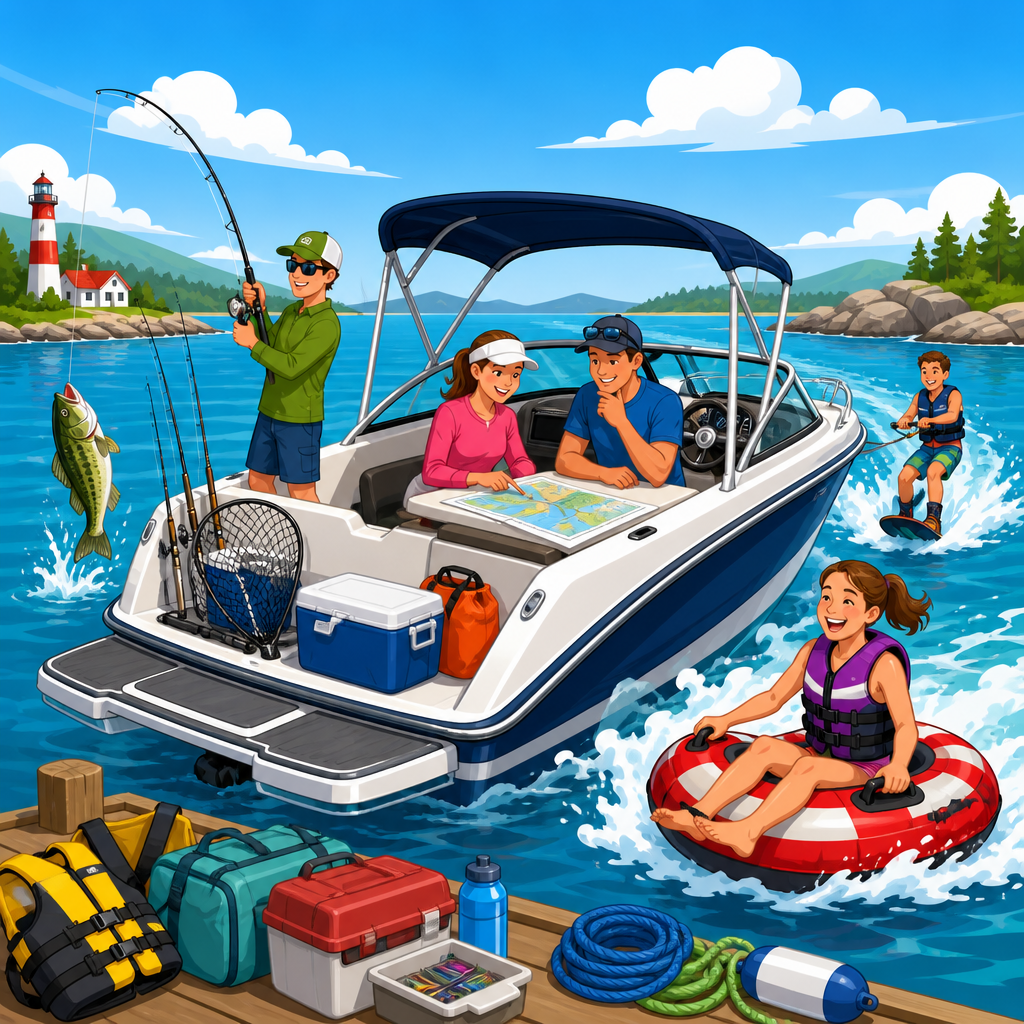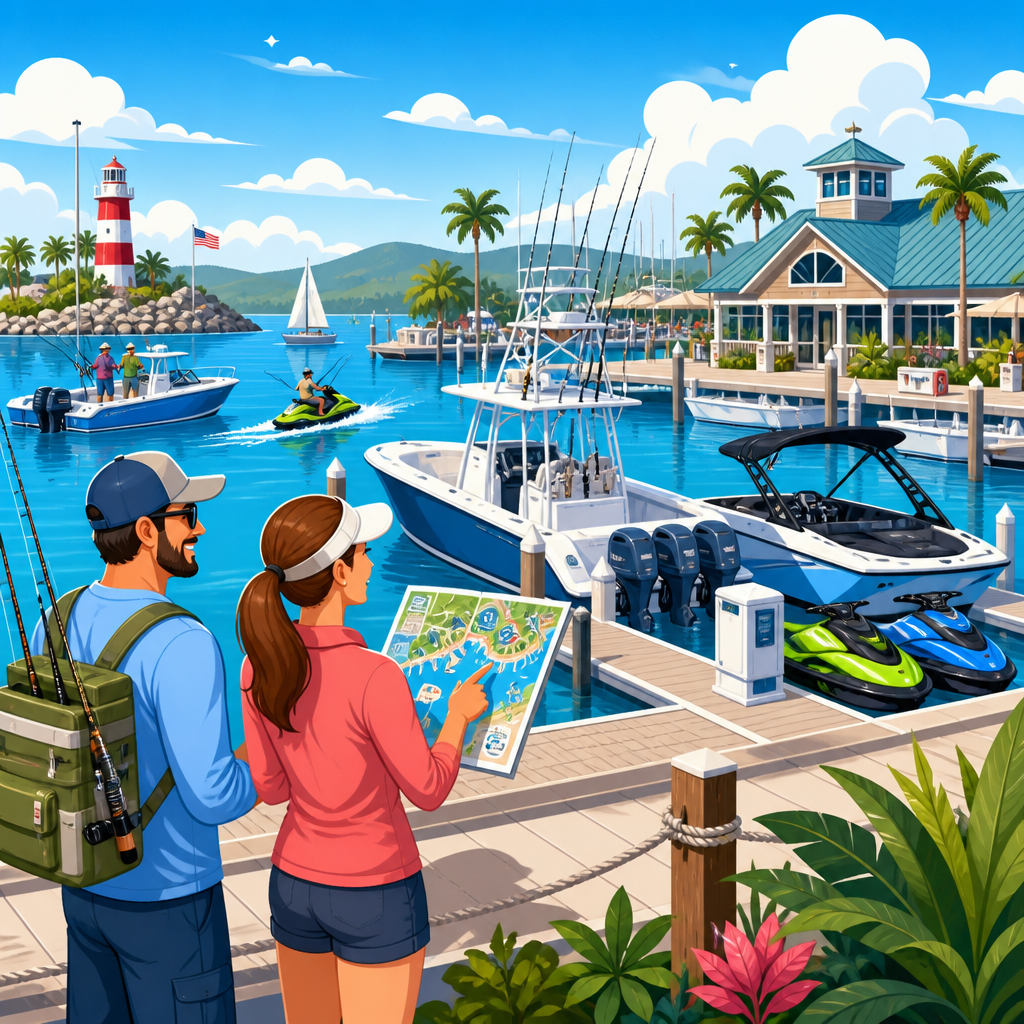
Choosing the best marinas for fishing and watersports boats starts with understanding what a marina actually provides: protected mooring, launch access, fuel, maintenance, storage, and a base for safe days on the water. For anglers and watersports owners, the right marina is more than a parking spot for a vessel. It shapes how quickly you reach productive fishing grounds, how easily you launch skis or wake boats, how reliably you refuel, and how confidently your crew handles changing weather, tides, and traffic. I have helped boat owners compare slips, launch ramps, service yards, and cruising areas, and the same pattern appears every time: the best marina is the one that matches your boat, your target activity, and your home waters with very little friction.
That matters because fishing boats and watersports boats have overlapping but different needs. A center console chasing inshore redfish or offshore tuna prioritizes bait access, fish-cleaning stations, fuel quality, dockside ice, and quick runs to productive grounds. A wake boat, bowrider, or personal watercraft owner usually cares more about smooth launch ramps, no-wake transitions, nearby towing zones, clean restrooms, family amenities, and safe retrieval at busy times. Pontoon owners often look for protected lakeside slips, easy boarding, and nearby beaches. Charter captains need dependable marina management, commercial dockage policies, and maintenance support that reduces downtime. If you want the best locations for fishing and water sports, you cannot separate the marina from the surrounding boating ecosystem.
A marina hub article should answer the core question directly: how do you find the right place? Start with seven factors. First, water access: depth, tides, bridge clearance, current, and distance to open water. Second, infrastructure: slip dimensions, ramp design, trailer parking, fuel docks, pump-out, shore power, and repair capability. Third, activity fit: nearby flats, reefs, offshore canyons, ski zones, sandbars, or marked tow areas. Fourth, safety: breakwaters, storm planning, lighting, security gates, and VHF communication. Fifth, operating cost: seasonal slip rates, dry-stack fees, launch fees, liveaboard rules, and insurance requirements. Sixth, local regulation: no-wake zones, environmental restrictions, and fishing rules. Seventh, experience quality: staff responsiveness, cleanliness, reservation systems, and crowd patterns. Evaluate those consistently and your marina choice becomes practical, not guesswork.
Match the Marina to Your Boat Type and Primary Use
The best marinas for fishing and watersports boats are not universally “best”; they are best for a specific hull, engine setup, and use pattern. I usually begin with boat class. A bay boat or center console needs enough draft margin at all tide levels, durable floating docks, and washdown access after saltwater trips. A bass boat on an inland reservoir benefits from fast launch lanes, broad maneuvering room, tournament-day efficiency, and trailer security before dawn. Wake boats need deep enough ramp ends to avoid trailer issues, plus calm water nearby where riders are not fighting heavy chop from ferry traffic or inlet swell. Personal watercraft riders often value simple launch-and-go access, short-term docking, and dedicated staging areas more than full-service slips.
Frequency of use also changes the answer. Weekend users can tolerate marinas farther from prime grounds if costs are lower. Owners running three or four times a week usually save time and fuel by paying more for proximity. If your crew fishes sunrise tides, every extra thirty minutes of idle speed and no-wake travel matters. If your family does tubing on summer afternoons, parking congestion and ramp backups may matter more than open-ocean access. One of the most expensive mistakes I see is paying for amenities you never use while ignoring bottlenecks that affect every trip. A beautiful clubhouse does not compensate for a shallow exit channel that strands your boat at low tide.
Think in terms of “trip friction.” The right marina reduces the number of steps between arrival and boating. Can you park close to the slip? Is ice available before first light? Can children board safely? Is the fuel dock positioned so returning traffic does not clog the basin? Can your trailer be retrieved quickly during thunderstorms? The marinas that earn long-term loyalty usually solve these routine details exceptionally well.
Evaluate Water Access, Local Conditions, and Fishing or Riding Potential
Location quality is the foundation of any marina decision. For fishing, that means understanding the waters immediately outside the harbor and the larger regional fishery. Productive marina locations often sit near inlets, estuaries, grass flats, reefs, river mouths, or offshore ledges. On the Gulf Coast, for example, marinas near passes can shorten the run to snapper grounds significantly compared with upland river marinas. In the Mid-Atlantic, a marina with direct bay access and minimal bridge delays can add hours of usable time during a single tide cycle. On freshwater lakes, proximity to creek channels, submerged structure, and quieter coves matters for bass and crappie anglers.
For watersports, ideal surrounding conditions are different. You want predictable water texture, enough room for turns, low commercial traffic, and shorelines or coves that block wind. Lakes and broad rivers often outperform exposed coastal basins for wakeboarding, tubing, and family cruising. Some saltwater marinas work well for watersports if they connect to sheltered bays or intracoastal stretches with designated speed areas. Others are poor choices because they open directly into rough chop, strong tidal current, or busy shipping lanes. I always tell owners to scout the actual operating water, not just the marina brochure.
Depth, current, and bridge clearance deserve special attention. Many marinas advertise easy access, but local conditions can be unforgiving. A boat that draws twenty-four inches may still struggle in a silting channel at negative low tide. Fixed bridges can eliminate tower-equipped center consoles or wake boats with elevated racks. Strong current at fuel docks or ramp lanes can turn simple handling into a stressful exercise, especially for newer boaters. Tide and current apps help, but they should be paired with local knowledge from harbormasters, service managers, and experienced slipholders who know where shoaling occurs after storms.
| Boating Goal | Best Marina Location Traits | Common Red Flags |
|---|---|---|
| Offshore fishing | Short inlet run, high-speed fuel, ice, bait, maintenance yard, all-tide depth | Long no-wake transit, bar crossings, shallow channel, limited weather refuge |
| Inshore fishing | Access to flats, marshes, docks, tidal creeks, fish-cleaning station | Heavy wake traffic, poor launch timing at low tide, limited parking |
| Wakeboarding or tubing | Sheltered water, broad lanes, family amenities, easy ramp retrieval | Exposed chop, narrow channel, commercial traffic, strict speed limits nearby |
| PWC riding | Fast launch access, staging dock, marked riding zones, secure parking | Crowded basin, confusing local rules, no temporary docking space |
Compare Marina Facilities, Service Quality, and Operating Costs
Once the location works, compare facilities with the same rigor you would use on the boat itself. Start with dockage. Slip length and beam are obvious, but fender room, finger pier length, cleat placement, freeboard alignment, and turning radius inside the basin are just as important. Dry-stack storage can be excellent for smaller fishing boats and family runabouts because it reduces bottom growth, can lower maintenance, and often speeds washdown. However, stack retrieval policies matter. If the marina requires advance notice on busy weekends, spontaneous trips become harder.
Launch ramps deserve an in-person inspection. Good ramps have adequate slope, nonslip surface texture, clear lane markings, dock space for loading, and enough turnaround room for tow vehicles. Poor ramps create long lines, prop damage, and conflict between inexperienced operators. Trailer parking should be secure, visible, and large enough for peak use. If a marina serves tournament anglers or holiday watersports crowds, ask how they manage overflow. The answer will tell you a lot about operational competence.
Fuel, maintenance, and sanitation are where better marinas separate themselves. Look for clean fuel docks with water-separating filtration, easy approach angles, and posted hours that match actual boating patterns. Ask whether ethanol-free gasoline or high-volume diesel is available if your engine setup needs it. A capable service department should handle routine outboard service, sterndrive work, battery testing, electronics installation, and emergency repairs. Brands matter because factory-authorized service for Yamaha, Mercury, Suzuki, Volvo Penta, or Indmar can reduce diagnosis delays. For anglers, bait freezers, ice machines, fish-cleaning stations, and dock carts are practical value. For families, clean restrooms, showers, picnic space, and dependable pump-out support make repeat use much easier.
Cost comparison should be total-cost comparison. Slip fees are only one line item. Add electricity, storage, launch charges, parking permits, fuel price differentials, haul-out costs, hurricane plans, and insurance minimums. A cheaper marina far from your preferred grounds may cost more in fuel and engine hours over a season. Conversely, a premium marina close to the action may save enough time and wear to justify the rate. Ask for the complete fee schedule in writing and read the contract language around deposits, waiting lists, storm haul-outs, and liability.
Use Reviews, Site Visits, and Local Knowledge to Verify Quality
Online research is useful, but it is not enough. Reviews on Google, Navionics-linked comments, Waterway Guide listings, ActiveCaptain notes, and boating forums can reveal recurring issues such as fuel dock delays, security concerns, or shoaling at the entrance. What matters is pattern recognition. One angry review about parking may mean little; twenty comments over two seasons about broken gate access or unreturned calls usually indicate a management problem. I also compare marina claims against satellite imagery and chart data to verify basin layout, nearby exposure, and traffic flow.
Site visits remain the best filter. Visit on both a quiet weekday and a busy weekend if possible. Look at dock condition, hose management, electrical pedestals, lighting, and the cleanliness of common areas. Watch how staff handle arrivals. Good teams communicate clearly, catch lines safely, and move fuel traffic efficiently. Observe the surrounding boat mix. A marina full of similarly sized fishing boats can be a positive sign if that matches your use because local services are likely aligned with your needs. A basin crowded with oversized yachts may not be ideal for a trailerable wake boat owner trying to launch children quickly on Saturday morning.
Talk to working users, not just the office. Charter captains, mechanics, fishing guides, and regular slipholders often give the most useful information. Ask direct questions: Does the channel shoal after storms? How long does service take in season? Is theft an issue? Are summer afternoons too rough for wake sports nearby? Is the no-wake run excessive? Those answers are rarely visible on a rate sheet, yet they determine day-to-day satisfaction more than promotional photos ever will.
Best Regional Marina Settings for Fishing and Water Sports
The best locations for fishing and water sports generally fall into a few proven regional patterns. Coastal inlet marinas excel for offshore anglers because they reduce run time to bluewater grounds and often cluster fuel, bait, ice, and engine service in one place. Protected intracoastal or bay marinas work well for mixed-use owners who fish in the morning and cruise or tow riders later in the day. Reservoir marinas are often strongest for wake sports, pontoon boating, and bass fishing because water conditions are more controlled and launching logistics are simpler than on tidal coasts.
Large natural lakes provide another high-value setting. They often support marina ecosystems with dry-stack storage, rental slips, family amenities, and broad seasonal demand. The tradeoff is crowding during holidays and stricter local enforcement around wakes, noise, and towing zones. River marinas can be excellent if current is manageable and lock delays are minimal, but they require closer attention to flood stages, debris, and channel traffic. On tidal estuaries, choose marinas with documented dredging practices and staff who understand local depth changes, because access can vary dramatically by season.
As a hub for the broader fishing and water sports topic, this page should also guide your next questions. After identifying promising marina types, narrow the search by region, fishery, and activity. Compare saltwater versus freshwater marinas, dry-stack versus wet-slip storage, inland lakes versus coastal bays, and family recreation needs versus serious angling requirements. The right answer is rarely generic. It is local, operational, and tied to how you actually boat.
The best marina for fishing and watersports boats is the place that gives you safe, efficient access to the water you want to use most, with facilities and management that make every trip easier. Focus on fit: boat type, water conditions, nearby fishing or riding areas, service support, and full operating cost. Verify claims through reviews, charts, and in-person visits. When those pieces align, you spend less time dealing with logistics and more time fishing, towing, cruising, and returning confidently in changing conditions.
If you are building your shortlist now, start with three marinas in your target region and score each one against access, amenities, safety, service, and total cost. That simple comparison will quickly reveal which location deserves your boat and your season.
Frequently Asked Questions
What should I look for first when comparing marinas for fishing and watersports boats?
Start with the basics that affect how often, how safely, and how conveniently you can use your boat. A good marina should offer protected mooring or docking, dependable launch access, clean and accessible fuel docks, storage options, and on-site or nearby maintenance support. For fishing boats, location matters a great deal because the best marina is often the one that gets you to productive water quickly without a long idle through crowded channels or no-wake zones. For watersports boats, easy launching, open water access, and enough room to load passengers and gear without stress can make a major difference in your experience.
It is also important to evaluate water depth, dock design, parking availability, restroom facilities, security, and weather protection. A marina may look attractive online, but if the slips are exposed to wind, the ramps are difficult to use, or parking fills up early on weekends, it can become frustrating fast. Look at the overall functionality of the property, not just the appearance. The best marina supports your style of boating from arrival to departure, reduces hassle, and gives you confidence that your vessel, crew, and equipment are well accommodated every time you head out.
How does marina location affect fishing and watersports access?
Location is one of the most important factors because it directly influences fuel usage, travel time, safety, and the quality of your day on the water. For anglers, a marina positioned near inshore flats, reefs, offshore runs, river channels, or known seasonal fishing grounds can save significant time and money. Instead of spending the first hour of the day getting to the action, you can be lines-down sooner and return more easily when weather changes. This is especially important for early-morning departures, tournament schedules, and families who want to maximize usable time on the water.
For watersports owners, location should be evaluated based on access to wide, calm water suitable for tubing, wakeboarding, wakesurfing, or skiing. A marina tucked into a protected basin may be excellent for docking, but if the route out is congested, shallow, or heavily restricted, it may not be ideal for frequent watersports use. You should also consider nearby hazards, seasonal traffic, bridge clearances, tide conditions, and how quickly you can return if storms build. In practical terms, the best marina location is one that balances protection at the dock with efficient access to the kind of water you actually use most.
Which marina amenities matter most for boat owners who fish or enjoy watersports?
The most valuable amenities are the ones that improve reliability, efficiency, and safety. Fuel service is a top priority, especially if you run offshore, tow riders for long sessions, or spend full days on the water. Maintenance and repair access are also important because even small issues can interrupt your season if help is difficult to find. Dry storage, trailer storage, fish-cleaning stations, freshwater washdown areas, shore power, ice availability, and well-maintained launch ramps are all worth considering depending on how you use your boat.
Fishing boat owners may prioritize bait access, cleaning stations, gear storage, and dock layouts that make loading rods, coolers, and tackle easier. Watersports owners often benefit more from wide ramps, staging areas, family-friendly facilities, and efficient dock systems for loading boards, ropes, life jackets, and passengers. Clean restrooms, reliable parking, and staff who understand local conditions are often overlooked but make a real difference. The best marinas are not just offering a slip; they are providing a complete support system that helps you launch faster, operate with fewer problems, and end the day with less cleanup and less stress.
How can I tell if a marina is safe, well managed, and worth the cost?
Look beyond posted rates and focus on management quality, upkeep, and operational standards. A well-run marina usually shows it immediately through clean docks, clearly marked slips, organized traffic flow, maintained utility connections, and staff who are responsive and knowledgeable. Ask about security measures such as gated access, lighting, cameras, dock patrols, and storm procedures. If you plan to keep your boat there regularly, find out how the marina handles emergencies, severe weather, pump-out service, maintenance coordination, and communication with slip holders.
Cost should be weighed against convenience, protection, and the risk of downtime. A cheaper marina may not be a better value if it is farther from your preferred water, lacks dependable fuel service, has limited parking, or leaves your boat exposed to rough conditions. Read reviews carefully, but also visit in person if possible. Walk the docks, inspect the condition of the ramps and common areas, and talk to current boaters. Ask whether fees include utilities, access to amenities, trailer parking, launch privileges, or seasonal services. In many cases, the best value comes from a marina that prevents problems, saves time, and supports more enjoyable boating over the long term.
Is it better to choose a marina with wet slips, dry storage, or launch access only?
The right choice depends on your boat type, usage frequency, budget, and maintenance preferences. Wet slips are often the most convenient option for boaters who go out frequently and want fast access to the water. If you fish at sunrise, head out after work, or like spontaneous weekend trips, having the boat already in the water can be a major advantage. However, long-term water exposure can increase cleaning needs, bottom maintenance, and wear depending on the hull, local water conditions, and season.
Dry storage can be an excellent fit for many fishing and watersports owners because it keeps the boat out of the water when not in use, often reducing maintenance and preserving appearance. It can also provide added protection from marine growth and some weather exposure. The tradeoff is that launch timing depends on marina operations, service hours, and retrieval procedures. Launch-access-only marinas or public ramp-focused facilities may cost less, but they can be less convenient during busy periods and may offer fewer services overall. The best option is the one that matches how you actually boat: frequent users often prefer maximum convenience, while occasional boaters may benefit from lower-cost storage and more controlled upkeep.