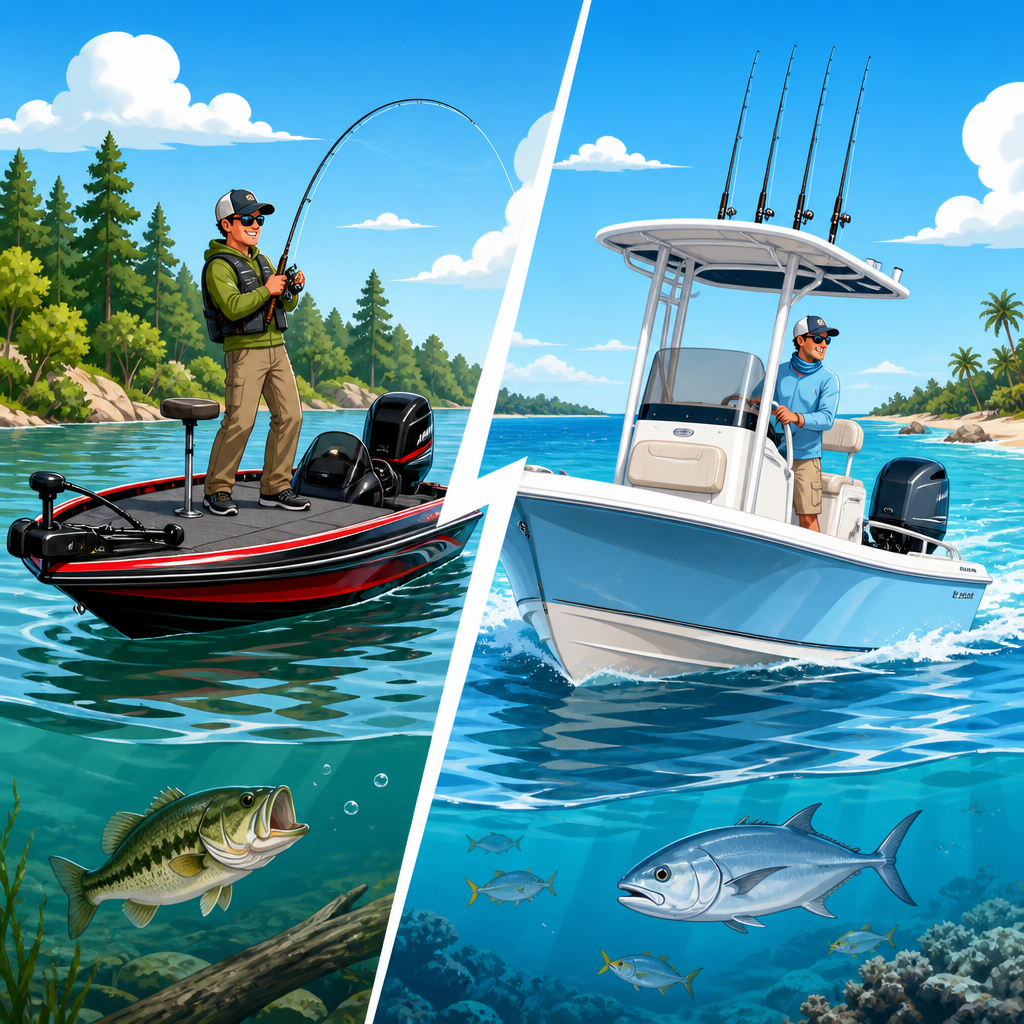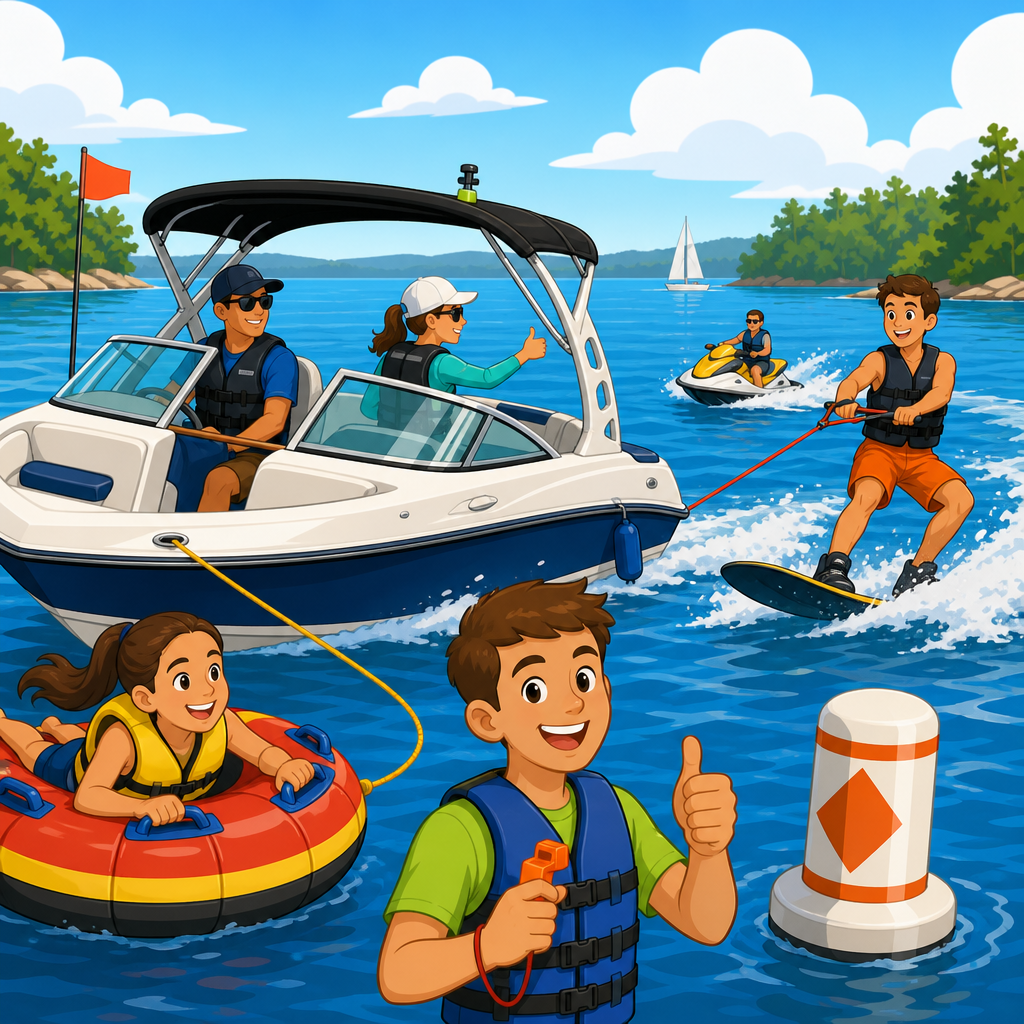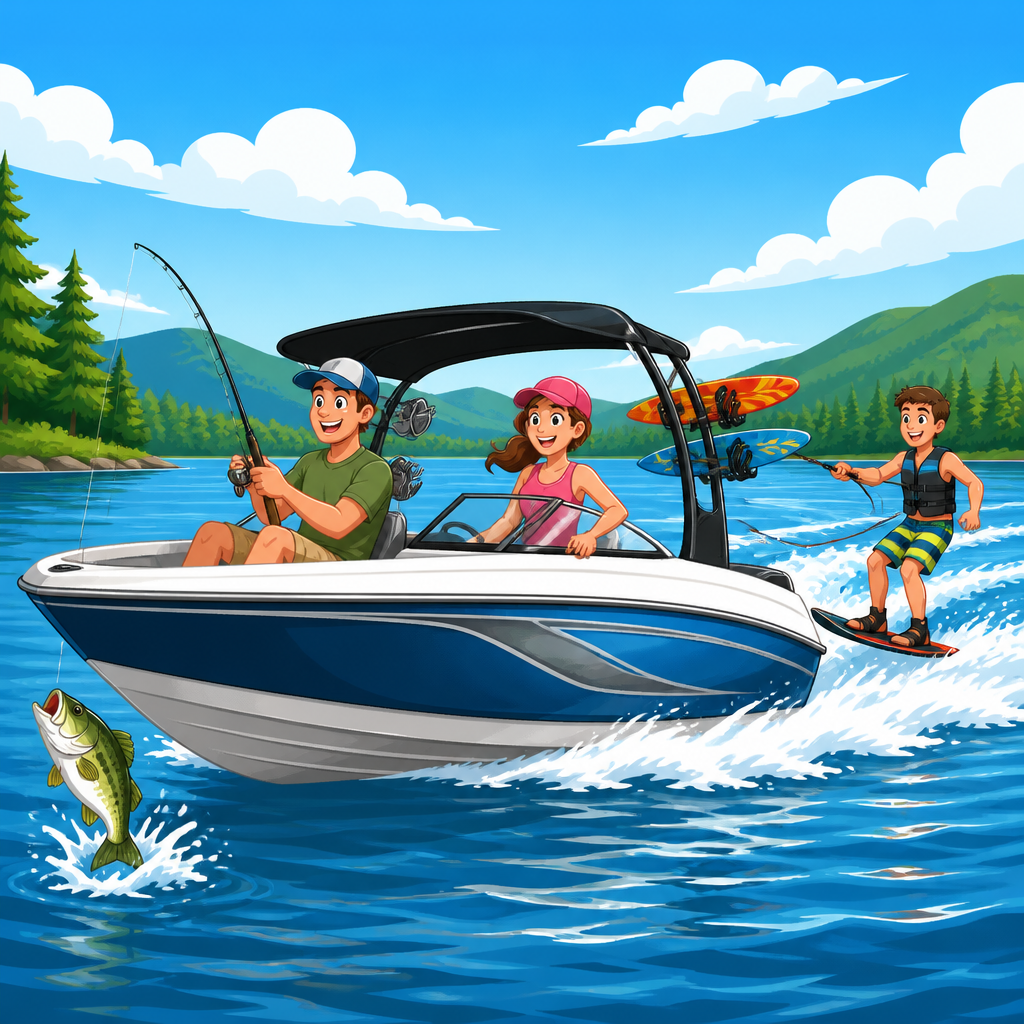
Choosing one boat that can handle sunrise fishing trips and afternoon wake sessions is possible, but only if you understand the compromises that define the best budget-friendly boats for both fishing and wakeboarding. In this category, “budget-friendly” usually means buying a used boat, prioritizing durable layouts over premium finishes, and focusing on hulls between about 17 and 22 feet that can be towed, stored, fueled, and maintained without full-time marina costs. “Multi-purpose boats for fishing and watersports” are exactly that: models built to cross over between casting, trolling, tubing, wakeboarding, and family cruising, even if they are not the absolute best at any single activity.
I have helped buyers compare aluminum fish-and-ski packages, compact bowriders, deck boats, and hybrid center consoles, and the pattern is consistent. The smartest purchase is rarely the cheapest listing. It is the boat with the right hull design, enough horsepower to pull a rider cleanly, seating that converts into usable fishing space, and ownership costs that stay predictable after the first season. That matters because many first-time owners underestimate three expenses more than purchase price: fuel burn, trailer upkeep, and replacing neglected electronics, pumps, upholstery, or outdrive components.
This subject matters because the overlap between fishing and wakeboarding is larger than many buyers think. A family may want pedestal seats and a trolling motor on Saturday morning, then switch to a tow rope and ballast bags by afternoon. If the boat has stable freeboard, practical storage, a livewell, a swim platform, and an engine in the 115 to 250 horsepower range depending on hull type, that crossover can work well. The key is selecting a platform designed for flexibility rather than forcing a dedicated bass boat or pure wake boat into a job it was never meant to do.
As a hub topic within Fishing & Water Sports, this guide covers the main boat categories, the features that matter most, the tradeoffs to expect, and the buying process that keeps a value-focused purchase from becoming an expensive mistake. If you are researching fish and ski boats, affordable wakeboarding boats, versatile family fishing boats, or used boats for watersports, the models and principles below will help you narrow the field quickly.
What makes a boat good for both fishing and wakeboarding?
A good crossover boat does four things well. First, it provides safe, uncluttered casting space at the bow or stern. Second, it creates enough pulling power and tow geometry for wakeboarding, usually through adequate horsepower and a tow pylon or tower. Third, it balances stability at rest with predictable handling on plane. Fourth, it offers seating, storage, and boarding access that make family use easy. If one of those pillars is missing, the boat becomes frustrating in one role.
Hull design is the foundation. Deep-V fiberglass boats cut chop better and usually provide a smoother ride for families on larger lakes, but they cost more to fuel and can sit deeper in the water. Aluminum modified-V boats are lighter, easier to tow, and often cheaper to own, though their wake shape and ride quality in rough water are less refined. For budget-conscious buyers, both can work. The better choice depends on where you boat. On small to mid-size lakes, a well-rigged aluminum fish-and-ski can be excellent value. On bigger reservoirs with afternoon chop, a fiberglass crossover usually feels more composed.
Power is equally important. For entry-level wakeboarding, underpowered boats are the most common regret I see. A 90 horsepower package may move the boat, but it often struggles to pull adult riders out cleanly, especially with passengers aboard. In practical terms, many 17 to 19 foot aluminum crossovers do best with 115 to 150 horsepower, while 19 to 22 foot fiberglass fish-and-ski, bowrider, or deck boat platforms often need 150 to 250 horsepower. More power also helps maintain consistent rider speed, which improves both wake shape and safety.
Layout determines whether the boat actually gets used for fishing. Anglers need rod storage, a livewell, easy access to a trolling motor battery, and seating that does not block casting lanes. Wakeboarders need a swim ladder, rear boarding area, places to store wet gear, and a secure tow point. The strongest multi-purpose layouts let you convert between these modes fast, without removing half the interior. That is why hybrid designs routinely outperform niche boats in family ownership.
Best budget-friendly boat categories for crossover use
The best budget-friendly boats for both fishing and wakeboarding usually fall into four categories: fish-and-ski boats, deck boats, bowriders with fishing packages, and hybrid center consoles or dual consoles. Each offers a different balance of price, fishability, wake performance, and family comfort. The used market is where most value lives, especially among brands with broad dealer networks and easy-to-source parts.
Fish-and-ski boats are often the strongest all-around answer. Models from Ranger, Lowe, Crestliner, Nitro, and Skeeter were designed specifically to bridge fishing and family recreation. They typically include raised casting decks, pedestal seat bases, livewells, ski pylons, and windshields. In real use, they are better for anglers than standard bowriders and better for watersports than bass boats. Their biggest limitation is wake quality. You can absolutely wakeboard behind them, especially at beginner and intermediate levels, but they do not create the steep, shaped wakes of purpose-built tow boats.
Deck boats from brands like Hurricane and Bayliner deserve more attention in this conversation. Their beam-forward design creates huge seating and storage capacity, which helps families carry tackle, coolers, tow ropes, life jackets, and boards without clutter. Many include outboard power, swim platforms, and enough thrust for tubing or wakeboarding. Some can be rigged with livewells, trolling motors, and fishing chairs. Their fishing ergonomics are not as clean as a true fish-and-ski, but for families who fish casually and prioritize social space, they can be the most practical budget option.
Bowriders with fishing packages are another value play. Models from Glastron, Stingray, Four Winns, and Sea Ray often show up on the used market at accessible prices, especially older sterndrive boats. Add removable pedestal seats, a transom livewell, and a trolling motor mount, and they become capable casual fishing platforms. The upside is excellent family comfort and easy tow-sports setup. The downside is maintenance, especially on aging sterndrives. Bellows, gimball bearings, manifolds, and outdrive service can erase a low purchase price quickly if inspections are skipped.
Hybrid center consoles and dual consoles, especially from brands like Key West, Sea Hunt, and Scout, can also work well in warmer climates. Outboard power is a major advantage for maintenance and shallow-water access. These boats are naturally fishable, and with the right horsepower and tow point they handle tubing and wakeboarding better than many anglers expect. Their tradeoff is seating comfort. Compared with deck boats and bowriders, they usually provide less plush family space, which matters on long mixed-use days.
How the main boat types compare on value and versatility
| Boat type | Typical used price range | Fishing strengths | Wakeboarding strengths | Main tradeoff |
|---|---|---|---|---|
| Fish-and-ski | $12,000 to $35,000 | Livewells, casting decks, rod storage | Ski pylon, solid acceleration, family seating | Wake shape is moderate, not specialized |
| Deck boat | $10,000 to $30,000 | Can support casual fishing setups | Roomy interior, good boarding access | Less efficient fishing layout |
| Bowrider with fishing package | $8,000 to $25,000 | Good for occasional lake fishing | Comfortable for tow sports and cruising | Sterndrive maintenance can be costly |
| Hybrid center or dual console | $15,000 to $40,000 | Excellent fishability and outboard simplicity | Strong pull with enough horsepower | Less lounge-style seating |
These price ranges vary by region, engine hours, trailer quality, and electronics, but they reflect what buyers commonly see in the used market. During peak spring demand, clean freshwater boats with service records command a premium. In late fall, prices often soften, particularly in northern states where sellers want to avoid winter storage. I generally advise buyers to compare at least ten similar listings before making an offer, because the spread between a fair deal and an overpriced one can be several thousand dollars.
When buyers ask which category gives the best value, my answer is usually a late-model fish-and-ski with an outboard, or a deck boat with a well-documented service history. Those two categories combine manageable operating costs with broad usability. A cheap sterndrive bowrider can still be worthwhile, but only after compression testing, drive inspection, and a water test. Otherwise the “budget-friendly boat” becomes a repair project.
Key features to prioritize before you buy
For fishing, start with the basics: a functioning livewell, usable rod storage, non-slip deck surfaces, and enough open floor space to cast safely. Elevated front casting platforms are helpful, but they are not mandatory if the cockpit is uncluttered. A 24-volt trolling motor setup is ideal on larger boats, though many smaller crossover packages do fine with a 12-volt system for casual use. Electronics matter too. A modern fishfinder from Garmin, Humminbird, or Lowrance adds real value, but only if it is installed cleanly and still supported.
For wakeboarding, focus on pull quality rather than marketing labels. The boat needs enough low-end torque to plane with passengers aboard, maintain speeds around 18 to 22 miles per hour consistently, and offer a safe, high tow point. Towers look great, but a strong ski pylon is often enough for recreational riders. A swim platform with a boarding ladder saves frustration and reduces falls while reentering. If you plan to shape a larger wake, check whether the hull tolerates added ballast without compromising scuppers, bilge performance, or visibility.
Storage is underrated in every multi-purpose boat. Loose tackle trays, anchors, ropes, fenders, and wake gear create chaos fast. I always look for long compartments that fit rods, deep bins for life jackets, and isolated dry storage for phones and wallets. Families use crossover boats more when setup is quick. If every transition from fishing mode to wakeboarding mode requires unloading the cockpit onto the dock, the novelty wears off in one season.
Trailer condition is another major value factor. Tires older than six years, rusty brake lines, failing bunks, and neglected wheel bearings can turn a good boat into a stressful one before it even reaches the ramp. A budget-conscious buyer should inspect the trailer as carefully as the hull. Replacing all four tires, hubs, brakes, lights, and bunks can cost enough to change which listing is truly the better deal.
Best used-boat buying strategy for families on a budget
The strongest buying strategy is to shop by total ownership cost, not headline price. That means adding purchase price, immediate repairs, insurance, registration, storage, fuel, and routine service. Outboards usually win this comparison because they are simpler to inspect, easier to winterize, and less vulnerable to the hidden corrosion issues that plague older sterndrives. That does not make every outboard boat a bargain, but it does reduce risk in the entry-level market.
Always request maintenance records, engine-hour readings, and a cold start. A seller who warms the engine before you arrive may be hiding hard-starting issues. On the water, verify idle quality, hole shot, wide-open throttle range, steering response, trim function, bilge pump operation, gauges, electronics, and trailer light performance. Inspect the transom closely, especially around mounting bolts and swim platforms. Soft spots in the floor, waterlogged foam, cracked stringers, and transom rot can make an attractively priced boat a nonstarter.
For engines, a compression test and professional inspection are worth the money. For outboards, check service intervals, lower unit oil, prop condition, and signs of overheating. For sterndrives, add bellows inspection, u-joints, manifolds, risers, and drive lube to the list. Upholstery tears and faded carpet are cosmetic. Structural issues, neglected cooling systems, and electrical problems are not. If the seller cannot demonstrate basic systems working, move on.
Two real-world examples illustrate the point. A 19-foot fish-and-ski with a Yamaha 150, good compression, clean trailer, and dated upholstery often beats a shinier bowrider with an unknown MerCruiser service history. Likewise, a ten-year-old deck boat with a documented Suzuki outboard and one-owner freshwater use can be a better family investment than a cheaper saltwater boat showing corrosion at wiring terminals and steering components. Price matters, but condition matters more.
Smart model choices and realistic expectations
Some of the most consistently solid choices in this segment include used Ranger Reata models, Lowe Fish & Ski series, Crestliner fish-and-ski boats, Hurricane deck boats with outboards, and practical bowriders from Bayliner or Glastron when maintenance is verified. On the hybrid side, compact dual consoles from Key West and Scout deserve consideration. These brands are common enough that parts, owner knowledge, and dealer familiarity are usually available, which lowers long-term ownership friction.
Set realistic expectations from the start. No budget-friendly multi-purpose boat will fish like a tournament bass rig and wakeboard like a ballast-loaded inboard tow boat. What it can do is unlock more days on the water with one payment, one trailer, and one maintenance schedule. For most families, that is the real win. The best crossover boat is not the one that dominates a niche. It is the one that gets launched often, fits the family’s skill level, and does both jobs safely without draining the budget.
If you are building out your Fishing & Water Sports plan, start by narrowing your preferred category, target horsepower range, and maintenance tolerance. Then compare used listings, book an inspection, and prioritize condition over cosmetics. A smart, versatile boat purchase can support fishing mornings, wakeboarding afternoons, and family cruising for years. Use this guide as your hub, then map your search around the features and boat types that match how you actually spend time on the water.
Frequently Asked Questions
1. Can one budget-friendly boat really work well for both fishing and wakeboarding?
Yes, but the key is understanding that a true dual-purpose boat is always a compromise. Boats built specifically for serious anglers usually prioritize open casting space, trolling setups, livewells, rod storage, and quiet fishability, while dedicated wake boats are designed around ballast, wake-shaping, tow points, and passenger comfort. A budget-friendly crossover model sits somewhere in the middle. For most buyers, that means looking at durable used boats in the 17- to 22-foot range that are versatile enough for early-morning fishing and still capable of pulling a rider in the afternoon.
The best options are usually fish-and-ski boats, versatile bowriders with fishing packages, certain deck boats, and some aluminum multispecies models with enough horsepower for watersports. These boats often include removable fishing seats, convertible layouts, livewells, and an elevated tow point or space to add a ski pylon. They will not deliver the same wake size and shape as a purpose-built wake boat, and they may not offer the expansive front deck or specialized gear storage of a dedicated bass or bay boat. However, they can deliver strong value for families who want one affordable platform for multiple types of recreation.
What matters most is matching expectations to the boat’s real strengths. If your wakeboarding is recreational and your fishing is casual to moderate, a well-chosen used crossover boat can be an excellent fit. If you want tournament-level angling performance or large, clean wakes for advanced riding, you will likely outgrow a hybrid boat quickly. Budget-friendly success in this category comes from buying versatility, not specialization.
2. What types of boats offer the best value for both fishing and wakeboarding on a budget?
The strongest value usually comes from used fish-and-ski boats, older runabouts with fishing features, practical deck boats, and a limited number of aluminum multi-use boats. Fish-and-ski models are often the most natural fit because they were designed specifically to bridge the gap between angling and watersports. Many include pedestal fishing seats, a trolling motor mount, livewell, rod storage, and a windshield walkthrough layout that still supports family cruising and towing activities. For buyers who want the most balanced “do both” experience, this category is often the first place to look.
Bowriders can also be smart choices, especially if wakeboarding and general family use rank slightly higher than fishing. A bowrider with a reliable outboard or sterndrive, enough horsepower, and room for a removable fishing setup can provide good towing performance while still supporting occasional angling. Deck boats deserve attention as well because they often offer generous seating, stable platforms, and strong all-around day-boat utility. Some deck boats include fishing chairs, livewells, and open bow space that can work surprisingly well for casual fishing trips.
Aluminum boats can be among the most economical long-term choices because they are often lighter to tow, simpler to store, and less expensive to maintain. That said, not every aluminum fishing boat is suitable for wakeboarding. You need enough engine power, stable passenger capacity, and a layout that is comfortable for towing and reboarding. In contrast, a deep-V or multispecies aluminum hull may offer a better blend of ride quality and fishability than a flat, bass-focused layout that is not designed for tow sports.
In the used market, value also depends on condition more than badge. A well-maintained older boat from a reputable manufacturer with service records, solid compression, clean wiring, and a healthy trailer is usually a better buy than a newer-looking model with hidden neglect. When shopping on a budget, layout, engine reliability, and maintenance history typically matter more than cosmetic upgrades or luxury finishes.
3. What features should I prioritize when shopping for a used boat that needs to handle both activities?
Start with the hull, engine, and layout, because those three factors determine whether the boat will actually be usable for both fishing and wakeboarding. In terms of hull size, many buyers find that 17 to 22 feet is the sweet spot. Boats in this range are generally easier to tow, store, fuel, and launch than larger models, yet still big enough to carry family, gear, and enough power for towing a wakeboarder. A stable hull with decent freeboard and a practical interior will make a much bigger difference than flashy upholstery or aftermarket accessories.
Engine power matters more than many first-time buyers realize. A boat that can fish perfectly well may still struggle to pull a rider out of the water if it is underpowered. Look for a setup with enough horsepower to handle a full crew, gear, and towing demands without feeling strained. Reliable acceleration, not just top speed, is what makes watersports enjoyable. At the same time, you do not need a massive engine if your goal is budget-friendly operation. The ideal balance is an engine with enough torque and proven dependability, paired with reasonable fuel consumption and accessible service support.
For fishing, prioritize features that improve usability without locking the boat into a single purpose. Removable pedestal seats, a livewell, lockable storage, rod holders, trolling motor compatibility, and open deck space are all useful. For wakeboarding, look for a ski pylon, wakeboard tower, boarding ladder, supportive rear seating, and enough open cockpit space to manage ropes, life jackets, and riders moving around safely. If the boat does not have a tower, that is not necessarily a deal-breaker, since some boats can be upgraded later with an aftermarket tower or pylon if the transom and layout support it.
You should also inspect practical ownership details. Check the trailer carefully, since trailer repairs can erase a budget deal quickly. Examine the transom, floor, stringers, bilge, electrical system, steering, gauges, and upholstery. Water intrusion, soft spots, corrosion, neglected maintenance, and poor wiring jobs are all red flags. A marine survey or mechanic inspection is especially worthwhile when buying used, because a cheap purchase price means very little if the boat immediately needs engine work, transom repair, or extensive rewiring.
4. Is an outboard, sterndrive, or inboard better for a budget-friendly fishing and wakeboarding boat?
For most budget-conscious buyers looking for versatility, an outboard is often the best all-around choice. Outboards are generally easier to maintain, offer good fuel efficiency, free up interior space, and work well for fishing because they simplify transom access and can be practical in shallower water. They are also common on fish-and-ski boats, deck boats, and many crossover-friendly hulls. In the used market, there is often a strong supply of outboard-powered boats, and parts and service can be more straightforward depending on brand and age.
Sterndrives can also make sense, especially in older bowriders and fish-and-ski boats that were designed with family watersports in mind. They often provide strong performance, solid towing ability, and a familiar layout for recreational boating. However, sterndrives can bring more maintenance complexity, especially on older used boats. Bellows, gimble components, corrosion risks, and engine access can become cost factors, particularly if the boat has not been cared for properly. For a buyer who finds a clean, well-maintained sterndrive boat at the right price, it can still be a very good option, but condition is critical.
Inboard wake boats are excellent for wakeboarding but are usually less ideal for a budget dual-purpose mission. They tend to be more specialized, often cost more to buy and operate, and are not typically optimized for fishing layouts or gear. Their wakes are better, but that advantage may not outweigh the compromises in fishing practicality and overall affordability. If the article’s goal is identifying budget-friendly boats that can do both jobs reasonably well, inboards are usually not the first recommendation unless wakeboarding is clearly the dominant priority.
The best answer comes down to how you plan to use the boat and what the local used market offers. If you want the broadest mix of easy ownership, fishability, and acceptable tow performance, outboards often lead the list. If you find a well-kept sterndrive fish-and-ski boat with strong maintenance records, that can also be a great value. What you want to avoid is choosing a propulsion type for image or assumptions rather than for actual condition, maintenance history, and intended use.
5. How can I keep ownership costs low after buying a boat for both fishing and wakeboarding?
Keeping costs low starts before you buy, because the most affordable boat to own is usually the one that was maintained properly by the previous owner. Service records, compression results, clean title paperwork, and evidence of routine care can save you thousands. Once you own the boat, focus on preventative maintenance. Change fluids on schedule, winterize correctly if needed, inspect the trailer regularly, keep batteries charged, and address small issues before they turn into major repairs. Neglect is what makes many “budget” boats expensive.
Storage and towing choices also have a major effect on total cost. One reason 17- to 22-foot boats are so appealing is that many can be kept at home instead of in a marina, which can dramatically reduce annual expenses. A lighter, trailerable boat usually costs less to transport, launch, and store. If