Serious anglers know that storage can make or break a day on the water, which is why the top 10 fishing boats with the best storage features deserve a closer look before you buy. In practical terms, storage means far more than a few hatches under the deck. It includes rod lockers that protect expensive tackle, insulated fish boxes that preserve the catch, dry compartments for electronics and clothing, livewell layouts that keep bait accessible, and cockpit organization that reduces clutter when the bite turns fast. I have spent enough time aboard center consoles, bass boats, bay boats, and hybrid family fishing models to see the same pattern repeatedly: the boats that fish best are usually the boats that store gear intelligently. For buyers researching the best boats for fishing enthusiasts, storage is not a minor convenience. It affects safety, efficiency, maintenance, and even resale value. A poorly planned layout forces anglers to stack gear on the deck, wastes time during lure changes, and increases the chance of damaged rods, wet tackle, or tripping hazards. A well-designed layout does the opposite. It keeps weight balanced, hides clutter, supports quick access, and allows one hull to handle offshore runs, inshore casting, tournament days, and family use. This hub article breaks down the leading fishing boat categories and highlights ten standout models known for excellent storage design, while also explaining what features matter most when comparing options.
What Storage Features Matter Most on a Fishing Boat
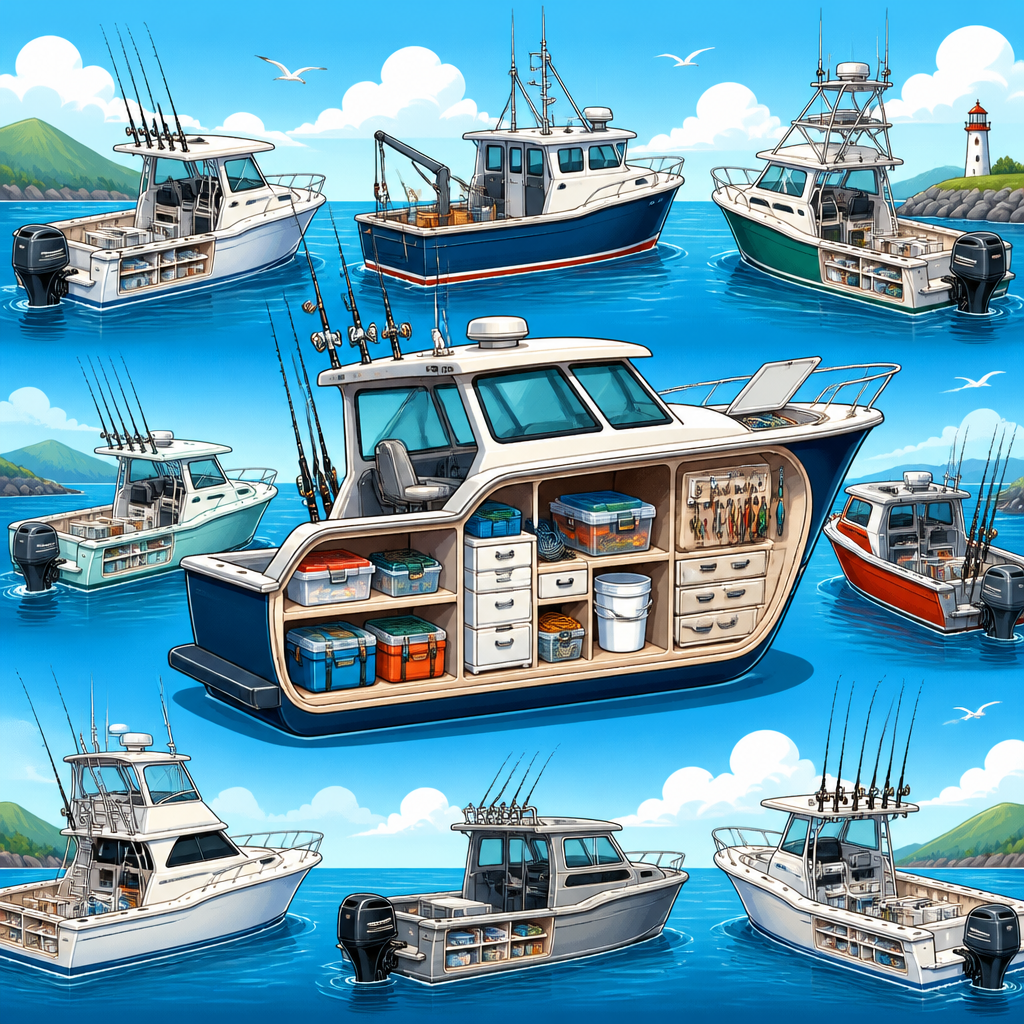
The best fishing boat storage systems share five traits: capacity, access, protection, balance, and purpose-built organization. Capacity is obvious, but raw volume alone is not enough. A huge compartment that requires moving three cushions and a cooler before you can reach it is not useful on the water. Access matters just as much. Quality boats use gas-assisted hatches, gutter systems, wide openings, finished interiors, and latch hardware that can be operated with one hand. Protection is equally important because marine storage must guard against water intrusion, corrosion, UV exposure, and impact damage. That is why premium builders use sealed compartments, molded liners, drainage channels, and dedicated dry boxes. Balance refers to how storage is distributed. Heavy items such as batteries, tackle, ice, and fuel affect trim, so smart builders place them with hull performance in mind. Purpose-built organization is the final differentiator. Rod tubes, tackle trays, leader spool holders, toe-kick compartments, under-gunwale racks, and transom access bins all show that the builder understands how anglers actually move around the boat. The following ten boats stand out because their storage systems are integrated into how they fish, not added as an afterthought.
Top 10 Fishing Boats with the Best Storage Features
These models consistently rank among the best boats for fishing enthusiasts because they combine fishability with storage layouts that solve real problems on the water. I chose them based on category fit, builder reputation, deck organization, locker design, and the practical experience of how crews use them during bass fishing, flats fishing, bay fishing, and offshore trips.
| Boat Model | Category | Standout Storage Feature | Why It Matters |
|---|---|---|---|
| Ranger Z521R | Bass boat | Center rod locker with multiple tackle compartments | Keeps tournament gear secure, dry, and immediately accessible |
| Skeeter FXR21 | Bass boat | Large organized front deck storage with integrated rod management | Supports fast lure changes and clean deck space |
| Tracker Pro Team 195 TXW | Aluminum fishing boat | Deep lockable boxes and efficient side storage | Strong value for anglers needing secure all-day gear capacity |
| Boston Whaler 280 Outrage | Offshore center console | Insulated fish boxes, console storage, and in-floor compartments | Handles offshore tackle, safety gear, and large catches cleanly |
| Grady-White Canyon 306 | Offshore center console | Massive insulated boxes and cockpit utility compartments | Excellent for crews carrying ice, bait, gaffs, and offshore tackle |
| Yellowfin 26 Hybrid | Hybrid bay/offshore | Forward seating storage plus flush deck fish boxes | Blends family comfort with serious fishing organization |
| Pathfinder 2600 TRS | Bay boat | Bow storage, under-seat compartments, and lockable console room | Versatile setup for inshore trips with substantial dry storage |
| Sportsman Masters 267 | Bay boat | Finished lockers, under-gunwale rod storage, and transom bins | Reduces deck clutter while keeping tools close at hand |
| Lund 2075 Pro-V Bass XS | Multi-species freshwater | Long rod storage and deep dry compartments | Ideal for northern fisheries with bulky seasonal gear |
| Sea Hunt Gamefish 25 | Center console | Bow boxes, console space, and transom storage integration | Gives coastal anglers a practical all-around storage layout |
Bass Boats That Set the Standard for Organized Gear
If your fishing revolves around rods, tackle trays, and repeated lure changes, modern bass boats still offer the most refined storage systems in the industry. Ranger’s Z521R is one of the clearest examples. Its center rod locker is designed for quick rod retrieval without stepping around loose equipment, and the surrounding compartments support a tournament workflow. Many bass anglers carry more than a dozen rods and a large assortment of terminal tackle, soft plastics, and hard baits. On lesser boats, that volume becomes chaos by midmorning. On the Ranger, storage is structured enough that each item has a logical place. Skeeter’s FXR21 follows the same philosophy, but with an especially efficient front deck arrangement that keeps frequently used equipment within reach of the casting position. In my experience, this matters most during competitive or high-tempo fishing when every second between casts counts. The Tracker Pro Team 195 TXW deserves mention because it brings smart storage to a more accessible price point. Its aluminum construction appeals to anglers who fish smaller lakes or want easier towing, yet it still offers lockable compartments and useful rod storage. For freshwater buyers, these three models show how storage supports actual fishing performance rather than simply adding brochure-friendly cubic footage.
Offshore Center Consoles Built to Carry Heavy Loads Cleanly
Offshore fishing stresses storage systems harder than almost any other style of boating. Crews bring larger tackle bags, safety gear, cast nets, extra lines, gaffs, fenders, dry clothes, food, and substantial ice. Add tuna, mahi, snapper, or kingfish to the equation, and compartment design becomes mission critical. The Boston Whaler 280 Outrage stands out because it separates functions effectively. Fish boxes are insulated and positioned for catch handling, while the console and below-deck storage areas support dry gear and personal items. Boston Whaler also has a long reputation for durable construction, and that matters because offshore storage lids, hinges, and seals take a beating from salt, spray, and constant use. The Grady-White Canyon 306 is another benchmark. Grady-White’s cockpit layouts consistently prioritize fishability, and the Canyon’s large insulated boxes and utility spaces work well for anglers who run with a full crew. In real use, details such as guttered hatches, overboard drains, and roomy passage around open lids make the difference between a clean cockpit and a frustrating one. Sea Hunt’s Gamefish 25 rounds out this category for buyers who want a versatile center console without moving into a much larger size and budget. Its integrated bow, transom, and console storage gives coastal anglers enough flexibility for trolling, bottom fishing, and family day trips.
Bay and Hybrid Boats That Balance Casting Space with Hidden Capacity
Bay boats and hybrids face a harder design challenge than many buyers realize. They need elevated casting platforms and open walkways, yet they also must store rods, safety equipment, cast nets, tackle, and often family gear. The Yellowfin 26 Hybrid solves this unusually well. It blends offshore-capable construction with flush deck storage and seating compartments that do not compromise fishability. That combination is valuable for owners who chase redfish in the morning and cruise with guests in the afternoon. Pathfinder’s 2600 TRS takes a broader recreational approach, but its bow storage, under-seat compartments, and lockable console room make it one of the best boats for fishing enthusiasts who want one platform to cover inshore angling and general boating. Sportsman’s Masters 267 also deserves attention because of its polished compartment finishing and practical placement of under-gunwale rod holders and transom bins. Builders in this segment have learned that anglers want gear hidden but instantly available. The best layouts allow you to stow cast nets, push poles, throwable flotation devices, tools, and dock lines without sacrificing a clean casting deck. When comparing bay and hybrid boats, buyers should examine not just the number of compartments but whether opening them interrupts movement around the boat during an active fight.
Freshwater Multi-Species Boats for Anglers Carrying Bulkier Equipment
Not every serious fishing boat buyer wants a dedicated bass platform or a saltwater center console. Multi-species freshwater boats remain a smart choice for anglers fishing walleye, pike, musky, salmon, and mixed inland waters where conditions and gear lists change constantly. The Lund 2075 Pro-V Bass XS is a strong example because it combines deep-V capability with extensive rod and dry storage. That matters in northern fisheries, where anglers may carry rain gear, trolling equipment, landing nets, electronics accessories, and larger tackle systems in the same trip. Deep compartments are especially useful in colder climates because clothing layers, boots, and safety gear take up real space. In practice, Lund’s long rod storage is a major selling point for anglers using species-specific setups that do not fit neatly in shorter lockers. This category also tends to attract buyers who prioritize durability and rough-water confidence, so storage hardware quality matters as much as the compartment count. Hinges, latch alignment, drainage, and gasket integrity are worth checking in person. A boat can look spacious at a boat show and still frustrate you later if the locker geometry wastes usable room or makes long items hard to load.
How to Judge Fishing Boat Storage Before You Buy
The smartest way to evaluate storage is to bring your own use case into the inspection. Count the rods you normally carry. Estimate how many 3600 or 3700 tackle trays you use. Think about whether you fish with a cast net, trolling gear, children’s life jackets, or overnight bags. Then test the boat physically. Open every hatch. Step around them while imagining a fish on the line. Check whether rod lockers protect guides and reel handles. Look for finished interiors that will not chew up gear. Inspect gutters, drains, compression latches, and seals. Ask where batteries, pumps, and onboard chargers are installed, because service access affects long-term ownership more than buyers expect. Also pay attention to weight distribution. Overloading one side with batteries, coolers, or tackle can hurt performance and list the boat at rest. Standards from the American Boat and Yacht Council provide useful guidance on systems and safety, while respected reviews from Boating, Salt Water Sportsman, and Bassmaster can help verify layout claims. Most important, avoid buying based only on total storage volume. Fishing efficiency comes from the right storage in the right place.
The best fishing boats for storage are the ones that let you focus on fishing instead of managing clutter, and that is the common thread across these ten models. Ranger and Skeeter show how tournament-oriented bass boats turn organization into speed and efficiency. Tracker proves practical storage does not have to come only with premium pricing. Boston Whaler, Grady-White, and Sea Hunt demonstrate why offshore and coastal boats need insulated, separated, and durable compartments that handle wet gear and heavy catches. Yellowfin, Pathfinder, and Sportsman excel at blending open decks with hidden capacity, which is exactly what many modern inshore buyers need. Lund reminds freshwater anglers that deep, secure, weather-conscious storage is just as important on inland waters as fish boxes are offshore. If you are building out your shortlist of the best boats for fishing enthusiasts, use storage as a primary filter, not a secondary perk. Walk the boats, open the hatches, and picture a full day of real fishing. The right layout will reveal itself quickly. From there, explore the related guides in this Fishing & Water Sports hub to match the right boat style to your species, water type, and budget.
Frequently Asked Questions
1. What storage features matter most when choosing a fishing boat?
The most important storage features are the ones that improve protection, access, and organization while you are actively fishing. For most buyers, that starts with rod storage. A well-designed rod locker should be long enough for the techniques you use, wide enough to prevent crowding, and built to keep rods secure, dry, and protected from damage during rough runs. Tackle storage is just as important. Dedicated compartments with removable trays, dividers, and easy cockpit access save time and keep gear from ending up scattered across the deck.
Beyond rods and tackle, serious anglers should pay close attention to insulated fish boxes, livewell placement, and dry storage. Insulated fish boxes help preserve your catch and are much more useful when they drain properly and are easy to clean. Dry storage compartments should be genuinely weather-resistant and large enough for electronics, wallets, phones, rain gear, and spare clothing. Many boat buyers also overlook cockpit organization, but it plays a major role in day-to-day usability. Cup holders, tool holders, leader spool storage, net storage, and designated places for pliers, knives, and gaffs can make a huge difference once the action starts.
Finally, consider how the storage system works as a whole. The best fishing boats do not just offer a lot of compartments. They place them intelligently so you can reach what you need without interrupting your workflow. A boat with fewer but better-designed compartments often performs better than one with lots of poorly located hatches. Layout, accessibility, drainage, and durability are every bit as important as total storage volume.
2. Why are rod lockers such a big deal on fishing boats?
Rod lockers are one of the most valuable storage features because rods and reels represent a major investment, and they are also among the easiest items to damage on the water. A proper rod locker protects your setups from stepped-on guides, tangled lines, weather exposure, and impact during trailering or running through chop. Instead of leaving multiple rods on deck where they can become hazards or get broken, a dedicated locker keeps them secure, organized, and ready when you need to switch techniques quickly.
The best rod lockers do more than just provide length. They are designed with angler convenience in mind. Features like individual tubes or separators help prevent rods from tangling together. Lockable lids add security at the ramp, marina, or roadside stop. Gas struts, finished interiors, and quality seals improve the user experience and help reduce moisture intrusion. In multispecies, bass, and bay boats especially, rod locker design can dramatically affect how efficiently you fish throughout the day.
When comparing boats, think about how many rods you realistically carry and what lengths they are. Long flipping rods, trolling rods, or inshore spinning outfits may require different locker dimensions. Also check whether the locker opens easily from the casting deck or cockpit, and whether its placement interferes with movement. A rod locker is not just a convenience feature. It is a core part of keeping your gear protected, your deck uncluttered, and your fishing more efficient.
3. How do insulated fish boxes and livewells improve overall boat storage functionality?
Insulated fish boxes and livewells are essential because they are specialized storage systems built around two of the most important parts of a fishing trip: preserving your catch and keeping bait or fish healthy. An insulated fish box is far more useful than a basic compartment because it helps maintain low temperatures longer, especially when paired with ice and proper drainage. This protects the quality of your catch and prevents the mess and odor issues that often come from using a non-insulated compartment as a makeshift cooler.
Livewells add another layer of practical functionality. For anglers who fish tournaments, use live bait, or practice catch and release, livewell layout matters as much as livewell size. A well-positioned livewell allows fast access without forcing you to cross the entire cockpit or deck while fighting a fish. Good systems also include features like aeration, recirculation, divided chambers, rounded corners, and durable lids. These details help reduce stress on bait and fish while also making the boat easier to fish from under pressure.
From a storage standpoint, these features improve organization because they separate wet, messy, high-priority functions from your dry gear and tackle. That means less clutter, less contamination, and fewer situations where coolers, bait buckets, or fish bags take over valuable deck space. In the best fishing boats, fish boxes and livewells are integrated into the layout in a way that supports safety, cleanliness, and efficient movement. They are not just add-ons. They are central to how a fishing boat manages space effectively.
4. What should buyers look for in dry storage compartments?
Dry storage compartments should be judged by more than their size. The first priority is whether they actually stay dry in real-world conditions. Quality seals, proper gutter systems, tight-fitting lids, and good drainage around the compartment opening all help keep water out when running in rain, crossing chop, or washing down the boat. If you plan to store phones, cameras, batteries, extra clothing, registration papers, or other valuables, dependable water resistance is absolutely critical.
Placement also matters. The best dry storage is easy to reach but protected from the busiest, wettest parts of the boat. A compartment may be technically large enough, but if you have to move tackle bags, step around passengers, or kneel awkwardly to open it, it will not be as useful as it should be. Many anglers benefit from a mix of dry storage types, such as a glove-box-style compartment near the console, larger deck hatches for bags and apparel, and smaller quick-access compartments for frequently used items.
Construction quality is another key consideration. Look for finished interiors, strong hinges, secure latches, and lids that feel solid underfoot if they are part of a casting platform or deck. Poorly built compartments can rattle, leak, warp, or become frustrating over time. The best boats combine durability with smart organization, offering dry storage that is not only protective but also practical. If your gear stays dry, easy to find, and out of the way, the entire boat becomes more comfortable and efficient to use.
5. Is more storage always better, or does layout matter more?
More storage is not always better. In fact, a boat with excessive but poorly arranged compartments can be harder to fish from than a boat with fewer, smarter storage solutions. Layout matters because fishing is about speed, movement, and access. If your most-used items are buried in awkward hatches, if lids block walkways when open, or if you need to constantly move gear to reach other gear, then storage volume alone is not helping you.
The best fishing boats use storage to support how anglers actually behave on the water. Frequently used tackle should be close to the main fishing positions. Tools and accessories should have designated places where they can be grabbed with one hand. Rods should be secure but quickly accessible. Fish boxes and livewells should fit the workflow of landing, managing, and storing fish without creating congestion. Even simple details like hatch direction, latch placement, and compartment depth can affect how smooth or frustrating the experience feels.
That is why serious buyers should evaluate storage as a system rather than as a numbers game. A well-designed boat creates order without slowing you down. It reduces deck clutter, protects expensive equipment, keeps essentials within reach, and makes cleanup easier at the end of the day. When comparing the top fishing boats with the best storage features, focus on usability as much as capacity. Thoughtful layout is what turns storage from a selling point into a real on-the-water advantage.