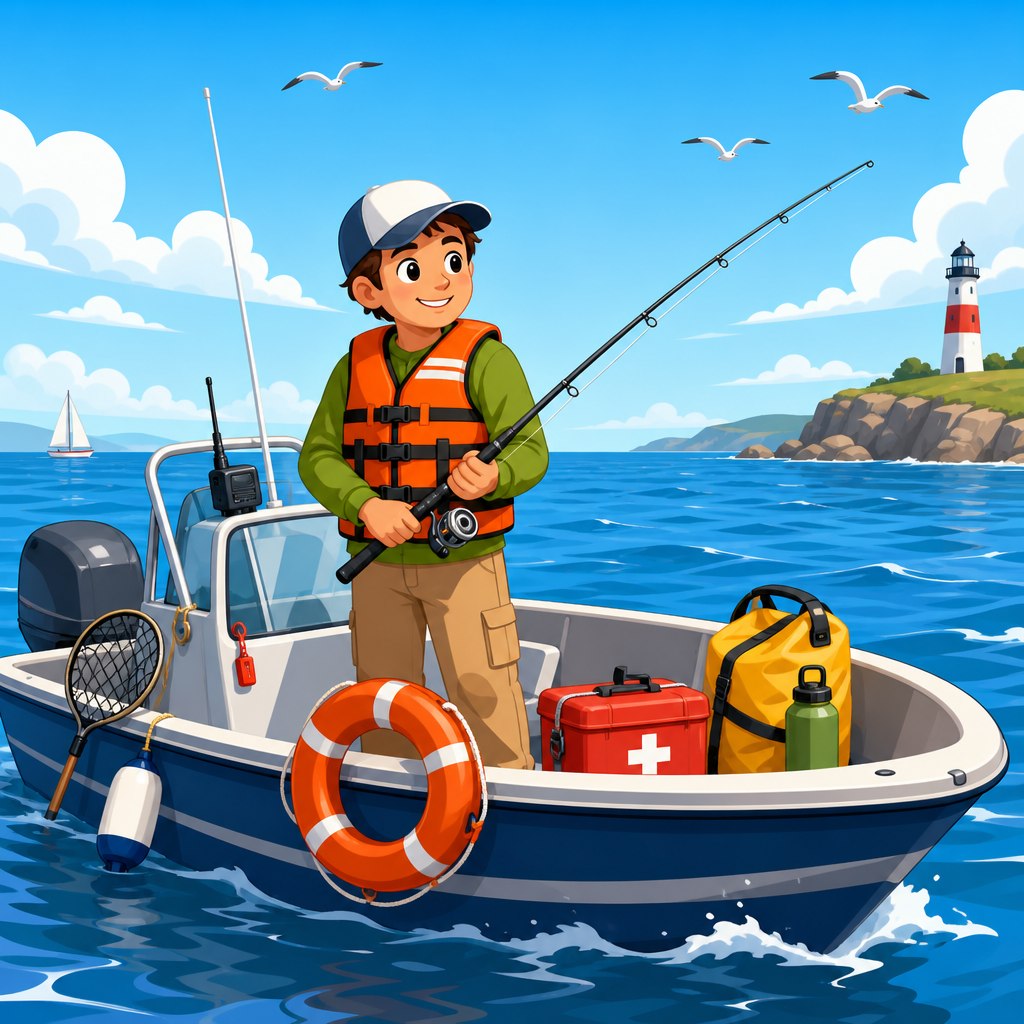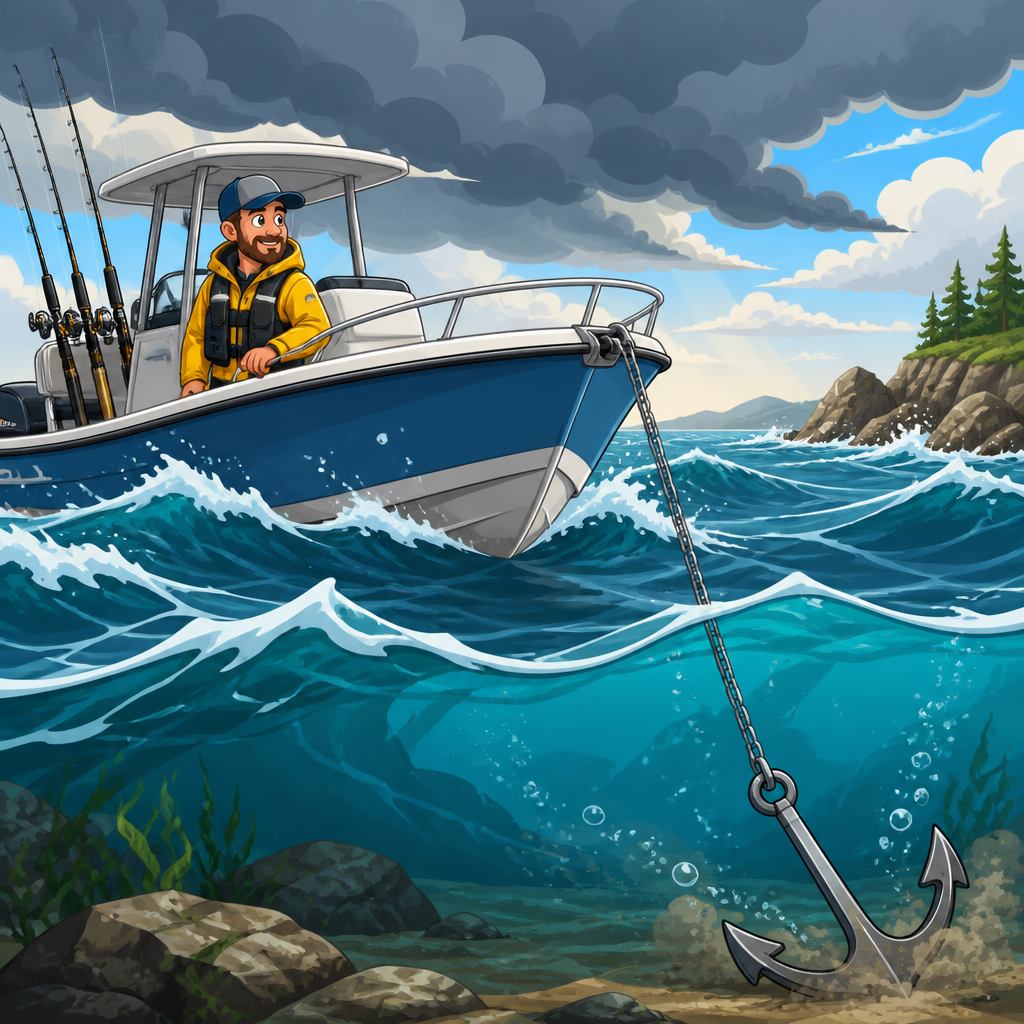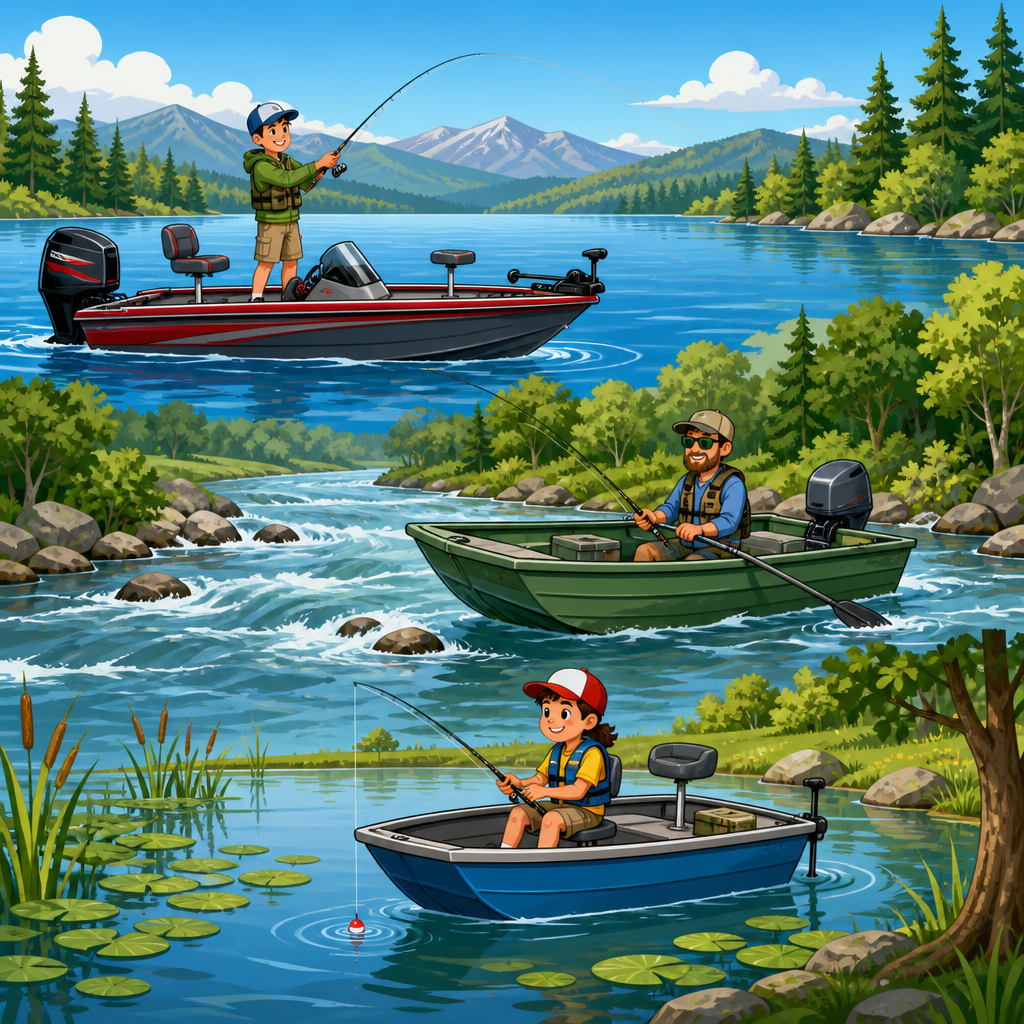
The best fishing boats for lakes, rivers, and ponds are not defined by price or brand alone; they are defined by how well their hull, layout, draft, power, and storage match the water you actually fish. In practice, the right boat for a stump-filled farm pond is very different from the right boat for a windswept reservoir, a shallow river channel, or a weed-edged natural lake. That is why anglers who buy carefully usually start by matching boat design to fishing environment before comparing electronics, trolling motors, or upholstery packages.
For fishing enthusiasts, “best boats for fishing” usually means a mix of stability, fishability, safety, efficiency, and ease of ownership. Stability matters when two anglers move to one side to net a fish. Fishability includes casting space, rod storage, livewell access, and clean deck layout. Safety covers freeboard, flotation, navigation lighting, and weather tolerance. Efficiency means the boat planes predictably, sips fuel appropriately for its size, and can be launched and retrieved without drama. Ease of ownership includes towing weight, maintenance, storage footprint, and whether the boat can handle the ramps and shorelines you use most often.
I have spent years around aluminum rigs, jon boats, small tiller setups, bass boats, and multi-species models, and one lesson repeats itself: compromises are unavoidable, but smart compromises save money and improve days on the water. A boat that excels on a narrow river may pound badly on a big open lake. A wide-deck bass boat that is ideal for casting can be inconvenient on tiny ponds with rough access. A compact cartop or electric-only skiff may be perfect for quiet water but limiting once wind builds or travel distances increase. Choosing wisely means understanding the tradeoffs before you sign paperwork.
This hub article covers the core categories anglers should know when selecting the best fishing boats for lakes, rivers, and ponds. It explains which hulls work where, how common boat types compare, what features truly matter, and how to build a setup around your style of fishing. If you are researching your first fishing boat or narrowing down an upgrade, this guide will help you identify the right platform for bass, panfish, walleye, catfish, trout, and all-around freshwater angling.
How to Match a Fishing Boat to Lakes, Rivers, and Ponds
The first decision is not horsepower. It is water type. Small ponds and electric-only lakes favor compact, lightweight boats with shallow draft. These include jon boats, micro-skiffs, small aluminum V-hulls, and pond boats that can be pushed by a trolling motor or a small outboard. In these environments, stealth, portability, and easy launching matter more than speed. You often fish close to cover, make short runs, and deal with soft banks or minimal ramp infrastructure.
Rivers require a different priority list. Current changes the game. In shallow rivers, draft and hull toughness are critical because gravel bars, wing dams, stump fields, and hidden rocks punish deep or delicate setups. A welded aluminum jon boat, mod-V aluminum boat, or specialized jet-powered river rig is often the right answer. On larger rivers, anglers may need more freeboard and better wave handling, especially where barge traffic or wind can stack chop quickly. Tracking in current also matters; some flat-bottom boats drift and slide more than anglers expect.
Lakes are the broadest category. A protected natural lake may reward a small aluminum tiller boat. A huge reservoir with long runs and afternoon whitecaps may justify a fiberglass bass boat or a deep-V aluminum multi-species boat. The larger and more open the lake, the more important hull shape becomes. Deep-V hulls cut chop better and keep passengers drier. Bass boats emphasize speed, deck space, and casting efficiency. Flat-bottom and mod-V boats remain useful on smaller lakes where shallow access and simplicity outrank rough-water comfort.
Depth, launch conditions, and storage also deserve equal weight. Many buyers focus on dream conditions and ignore real ownership constraints. A 20-foot boat with a tandem trailer may be excellent on the water but impossible in a standard garage. Some county ramps are steep and improved; others are rough, shallow, or crowded. If you fish before work or after storms, easy launch and retrieval can matter as much as top-end performance. The best fishing boat is the one you can use often, safely, and without constant frustration.
Best Boat Types for Fishing Enthusiasts
Most freshwater anglers end up considering five major categories: jon boats, aluminum V-hull boats, bass boats, deep-V multi-species boats, and small utility or pond boats. Each has a clear use case. The key is understanding where each category shines and where it gives ground.
| Boat type | Best water | Main strengths | Main limitations |
|---|---|---|---|
| Jon boat | Ponds, backwaters, shallow rivers | Shallow draft, simple layout, low cost, durable aluminum | Rough-water ride is harsher, can drift in wind |
| Aluminum V-hull | Small lakes, moderate rivers, mixed use | Versatile, lighter towing weight, better chop handling than flat bottom | Less deck space than bass boats, moderate speed |
| Bass boat | Lakes, reservoirs, calm large rivers | Fast, large casting decks, advanced electronics integration | Higher cost, limited in very shallow rocky water, larger storage footprint |
| Deep-V multi-species | Big lakes, windy reservoirs, northern fisheries | Excellent rough-water control, secure cockpit, versatile trolling setup | Heavier, more expensive, not ideal for skinny water |
| Small pond or cartop boat | Ponds, electric-only waters | Portable, quiet, easy to launch, minimal ownership cost | Low capacity, limited range, weather sensitive |
Jon boats remain one of the best boats for fishing enthusiasts who prioritize access. Welded aluminum models from brands such as Lowe, Alumacraft, Tracker, and G3 are common because they tolerate abuse and run in very little water. Add a casting deck, pedestal seats, a bow-mount trolling motor, and a simple fish finder, and a 14- to 16-foot jon boat becomes a highly effective tool for bass, crappie, bluegill, and catfish.
Aluminum V-hull boats are the practical middle ground. They handle lake chop better than true flat-bottom boats, remain relatively light to tow, and work well with tiller or side-console layouts. For anglers who fish a little of everything, including family outings, they are often the smartest one-boat solution. Bass boats dominate tournament-style fishing because their deck layout is purpose-built for casting, rod organization, and fast movement between spots. Deep-V boats are the right answer when weather changes quickly and long runs are routine. Small pond boats fill a niche that larger boats cannot touch: easy transport, low noise, and access to waters where trailers are inconvenient or motors are restricted.
Key Features That Actually Improve Fishing Performance
Once you choose the general boat type, focus on features that change how you fish, not just how the boat looks at a showroom. Hull material is first. Aluminum is lighter, more impact tolerant around rocks and stumps, and usually cheaper to own. Fiberglass generally delivers a smoother ride, cleaner fit and finish, and higher performance in bass boat designs, but it adds weight and usually costs more to maintain and repair. Neither material is universally better. The right choice depends on your water, towing capacity, and budget.
Boat length and beam influence stability, capacity, and fishable space. In real use, a 14-foot boat and a 17-foot boat feel dramatically different. Extra beam often adds confidence when standing, moving around, or fishing with a partner. Livewell design matters for anglers who keep fish healthy during long sessions. Recirculating systems, timers, and divided compartments are more than convenience features when water temperature rises. Storage matters too; rods longer than 7 feet need organized lockers or protected side storage to prevent damage during transport.
Electronics can improve efficiency more than many anglers realize. A modern sonar and GPS unit from Humminbird, Garmin, or Lowrance helps anglers find contour breaks, vegetation lines, bait, and repeatable waypoints. Side imaging and forward-facing sonar have changed how serious anglers search and present baits, though they raise cost significantly. A dependable trolling motor with enough thrust for the boat’s size is often more important than adding another screen. On small lakes and ponds, quiet boat control catches fish. On windy reservoirs, spot-lock anchoring can completely change how effectively you fish offshore structure.
Do not overlook trailer quality. A poor trailer can ruin ownership even if the boat itself is excellent. Look for properly sized bunks or rollers, sealed lights, reliable hubs, accessible tie-down points, and brakes where required by state law or towing weight. Galvanized trailers are especially useful around brackish environments, but even freshwater anglers benefit from rust-resistant hardware and disciplined bearing maintenance. Good boats become bad purchases when owners underestimate trailering and storage realities.
Best Choices by Fishing Style and Species
The best fishing boats for lakes, rivers, and ponds also depend on how you fish. Bass anglers who cast lures all day usually benefit from elevated decks, a strong trolling motor, large front casting space, and integrated electronics. That is why bass boats and modified jon boats dominate many warmwater fisheries. Crappie anglers often value boat control, multiple seat positions, spider-rigging room, and easy access to forward electronics. Catfish anglers may prefer open layouts, sturdy rod holders, and room to drift, anchor, or fish at night.
For trout and river smallmouth, maneuverability and shallow-water confidence often beat top speed. A tiller aluminum boat is excellent in this role because it keeps interior space open and allows precise control around current seams, riffles, and cut banks. Walleye and pike anglers on larger lakes often lean toward deep-V aluminum or fiberglass boats because they troll effectively, manage rough weather, and provide safer cockpits during long runs. Panfish anglers on small waters can do exceptionally well from compact utility boats with a simple electric setup and minimal draft.
Family use changes priorities again. If the boat will also handle casual cruising, kids, or occasional tubing, a pure tournament-style layout may not be ideal. Multi-species aluminum boats and certain side-console V-hulls offer the best compromise because they preserve fishing function without making every outing feel specialized. In my experience, buyers are happiest when they are honest about use frequency. If eighty percent of your trips are solo or with one fishing partner, optimize for fishing first. If the boat must regularly serve several roles, choose versatility over a narrow performance edge.
Buying New vs. Used and Avoiding Common Mistakes
New boats offer warranties, current electronics compatibility, and cleaner rigging, but used boats can deliver far better value if inspected carefully. For aluminum boats, check welds or rivets, transom integrity, floor softness, and signs of corrosion around fittings. For fiberglass boats, inspect for spider cracking, soft spots, trailer damage, and stress around the transom and jack plate area. Test pumps, lights, steering, electronics, and livewell systems. Compression checks on outboards are worth the cost, and service records are highly valuable. Brands matter, but condition matters more.
One common mistake is overbuying horsepower and underbuying layout. Another is choosing a boat that is too large for local ramps, garages, tow vehicles, or confidence level. Many first-time owners are better served by a 15- to 17-foot aluminum fishing boat than a large high-performance rig. Smaller boats cost less to insure, store, fuel, and maintain, and they often get used more often. A final mistake is ignoring local regulations. Some lakes are electric-only, some rivers have horsepower limits, and registration, safety gear, and life-jacket rules vary by state.
Choosing the Right Fishing Boat for Long-Term Satisfaction
The best boats for fishing enthusiasts are the ones that fit their home waters, target species, budget, storage space, and skill level without forcing constant compromise. For ponds and quiet backwaters, small utility boats and jon boats are hard to beat. For mixed freshwater use, aluminum V-hulls remain the most sensible all-around option. For dedicated bass anglers on lakes and reservoirs, bass boats offer unmatched casting efficiency and speed. For big-water safety and comfort, deep-V multi-species boats are the clear leaders.
If you are building out a complete Fishing & Water Sports plan, use this page as your hub and then narrow your research into specific categories such as jon boats for rivers, bass boats for tournament fishing, aluminum boats for beginners, and electric-only setups for ponds. Start with your most common water, not your occasional trip. Prioritize hull design, layout, and boat control before cosmetic upgrades. When your boat matches the places you fish most, every launch is easier, every hour is more productive, and every upgrade decision becomes clearer. Make a shortlist, compare real capacities and layouts, and choose the platform you will use most often.
Frequently Asked Questions
What type of fishing boat works best for lakes, rivers, and ponds?
The best fishing boat depends less on brand or price and more on where you fish most often. For small ponds and protected waters, compact jon boats, small aluminum utility boats, and basic skiffs are popular because they are easy to launch, simple to maintain, and well suited to calm water and short trips. Their lighter weight also makes them practical for anglers who tow with smaller vehicles or launch at unimproved access points. In these environments, a simple layout and shallow draft usually matter more than high horsepower or luxury features.
For rivers, the priorities change. Current, shifting depth, gravel bars, submerged timber, and narrow channels all reward boats that can run shallow, turn predictably, and handle obstacles with confidence. That is why many anglers prefer aluminum jon boats, mod-V hulls, jet-powered setups, or other boats built for skinny water and durability. In many river systems, a boat that drafts less water and can tolerate occasional bottom contact is far more useful than a larger fiberglass model designed for open-water speed.
For larger lakes and reservoirs, hull design becomes even more important. Wind chop, boat traffic, and longer runs often make a deeper V or more substantial mod-V a better choice because it improves ride quality, control, and safety. A bigger front casting deck, more dry storage, a stronger trolling motor setup, and larger fuel capacity also become more valuable on bigger water. In short, the right boat is the one whose hull, deck layout, draft, power, and storage match the water you actually fish most often, not the one that looks best in a showroom.
Is an aluminum boat better than fiberglass for inland fishing?
For many anglers fishing lakes, rivers, and ponds, aluminum is the more versatile and forgiving choice. Aluminum boats are typically lighter, easier to tow, easier to launch, and often better suited to shallow or obstacle-filled water. They tend to be practical for anglers who fish stump fields, rocky banks, river channels, and remote launches where durability matters. Because they weigh less, they also usually perform well with smaller outboards and can be paired with simpler trailers, which helps keep ownership costs manageable.
Fiberglass still has real advantages, especially on larger lakes where speed, stability, and rough-water ride quality matter more. A fiberglass bass boat often offers better deck space, smoother performance in chop, more integrated storage, and a more refined fishing layout. On a big reservoir with long runs and frequent wind, those strengths can make a noticeable difference in comfort and fishability. Fiberglass boats also tend to track well at speed and may provide a more polished overall feel for dedicated lake anglers.
The tradeoff is that fiberglass is generally heavier, more expensive, and less forgiving around stumps, shallow rock, or rough access areas. It may also require a larger tow vehicle and more careful handling around shoreline hazards. For anglers who split time between small lakes, rivers, and ponds, aluminum often wins on practicality. For anglers focused mainly on larger open lakes and bass-style fishing, fiberglass may be worth the extra cost. The better material is the one that matches your fishing environment, storage situation, and towing needs.
How important is shallow draft when choosing a fishing boat?
Shallow draft is one of the most important factors for inland fishing because it determines how little water your boat needs to float and operate effectively. In ponds, backwaters, stump flats, river edges, and weed-heavy shallows, a boat with minimal draft gives you access to areas that deeper boats simply cannot reach safely. That access can directly affect fishing success, especially when fish are holding in cover, along shallow feeding zones, or in areas protected from heavy pressure.
Draft also affects confidence and versatility. A shallow-running boat allows anglers to idle through narrow cuts, reach shoreline structure, and explore smaller or less developed waters without constantly worrying about grounding out. In rivers, this can be especially valuable because water levels change, sandbars move, and channels are not always clearly marked. A boat that floats shallow often expands the number of days and places you can fish, which matters just as much as top speed or electronics in the real world.
That said, shallow draft should not be considered in isolation. Extremely shallow-draft boats can give up some rough-water comfort and ride quality compared with deeper-hulled designs. If you regularly fish windy lakes or larger reservoirs, you may need to balance draft against safety, freeboard, and wave-handling ability. The ideal setup is not always the shallowest boat possible, but the shallowest boat that still handles your typical water conditions with stability and control.
What features should anglers prioritize besides boat size and motor power?
Serious buyers should look closely at hull shape, layout, storage, fishability, and overall usability before getting distracted by engine size or top-end speed. Hull design affects everything from stability at rest to ride quality in chop to how the boat performs in shallow water. A flat-bottom or jon-style hull may be excellent for ponds, protected coves, and slow-moving rivers, while a mod-V or deeper V may be better on larger lakes where wind and wakes are more common. The hull is the foundation of the entire fishing experience.
Deck layout is equally important. Anglers should think about where they cast from, how many people usually fish aboard, and whether they need open floor space, elevated decks, pedestal seating, or room for standing and moving around safely. Storage matters more than many first-time buyers expect. Rod lockers, tackle organization, dry compartments, battery access, and space for safety gear all affect how efficient and enjoyable a day on the water feels. A well-laid-out smaller boat can be more useful than a larger but poorly organized one.
Other high-value features include trolling motor compatibility, transducer and electronics mounting options, livewell design, trailer quality, and ease of launch and loading. If you fish rivers, impact resistance and bottom durability may matter more than upholstery or finish details. If you fish lakes, a stronger trolling motor, more stable casting platform, and better wind management may rise to the top. The best buying decision usually comes from evaluating how you actually fish: how far you run, what cover you target, how much gear you carry, and how often you launch alone.
Can one fishing boat handle ponds, rivers, and lakes, or is it better to specialize?
One boat can absolutely handle multiple types of inland water, but only if you choose a design with realistic versatility. For many anglers, a modestly sized aluminum mod-V or jon boat with a practical layout offers the best middle ground. It can be light enough for ponds and shallow launches, durable enough for rivers, and still capable of fishing many lakes when conditions are reasonable. This kind of boat is often the best choice for people who fish a little bit of everything and want flexibility more than specialization.
The limitation is that every multipurpose boat involves compromise. A boat ideal for tiny farm ponds may feel too small and exposed on a windy reservoir. A boat built to run rough open water may draw too much water or be too cumbersome for tight river channels. A river-optimized setup may sacrifice some deck space, ride quality, or storage compared with a dedicated lake boat. That does not make a versatile boat a bad choice; it just means buyers should be honest about which environment represents the majority of their fishing time.
If one type of water clearly dominates your schedule, specialization often makes more sense. Anglers who spend most of their time on stump-filled creeks, shallow rivers, or electric-only ponds usually benefit from a boat built specifically for those conditions. Anglers who fish larger lakes every weekend often appreciate the safety, comfort, and casting efficiency of a more substantial lake-oriented design. The smartest approach is to buy for your primary water first and accept secondary capabilities as a bonus, rather than buying for a theoretical “do-everything” scenario that leaves you under-equipped where you fish most.