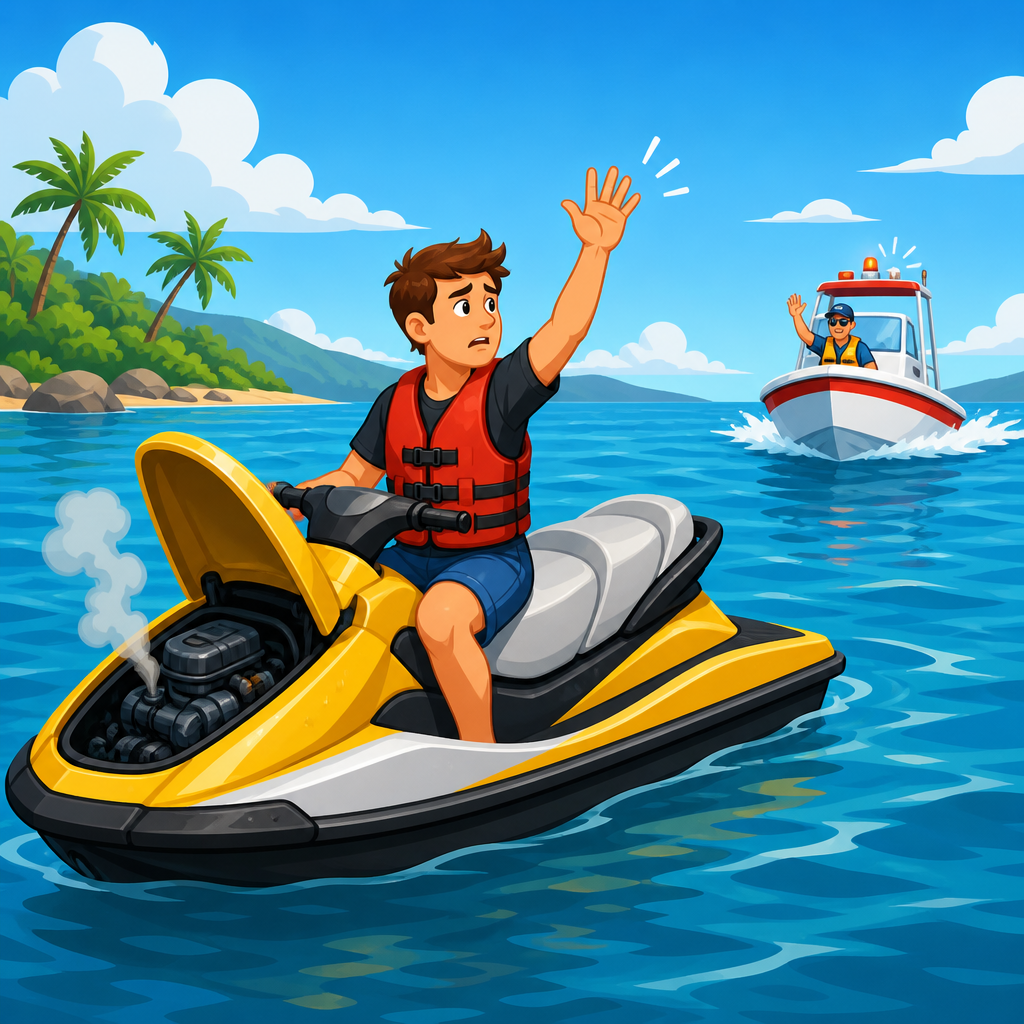
A jet ski breakdown on open water turns a fun ride into a safety problem fast, especially when wind, current, boat traffic, and weather start working against you. Knowing what to do if your jet ski breaks down on the water is part mechanical troubleshooting, part seamanship, and part emergency planning. In practice, the safest response follows a clear order: protect yourself and passengers, make the craft visible, assess whether the problem is simple or serious, call for help early, and avoid actions that turn a breakdown into a collision, capsize, or exposure incident.
In the personal watercraft world, a breakdown can mean several different failures. The engine may shut off and refuse to restart. The jet pump may ingest weeds, rope, or plastic and lose thrust. The battery may be too weak to crank the engine. The craft may take on water, overheat, or enter limp mode because a sensor detects a problem. Some issues leave the jet ski floating safely but powerless; others create immediate danger because you are drifting near rocks, inlets, shipping lanes, or cold water. The correct response depends on the type of failure, your location, and your gear.
I have worked around personal watercraft riders who assumed breakdowns were rare and preparation was optional, and I have seen how quickly that assumption fails when a simple fuel miscalculation or fouled intake strands a rider half a mile offshore. That is why this topic matters as a hub for safety and training for water sports and fishing. Jet ski riders, kayak anglers, tow sports participants, and small-boat operators all rely on the same fundamentals: wearing the right flotation, carrying communication tools, understanding local conditions, and making conservative decisions before minor trouble becomes a rescue call.
For this reason, breakdown response should be treated as a core riding skill, not a niche emergency procedure. It belongs alongside pre-launch inspection, weather planning, navigation basics, kill switch use, reboarding practice, and towing knowledge. Riders who train for these scenarios reduce the chance of injury, lower recovery costs, and make it easier for friends, marinas, and rescue services to help them. The rest of this guide explains exactly what to do, what to check, what equipment to carry, and how this single skill connects to broader water safety and training standards.
Immediate actions when your jet ski stops
If your jet ski breaks down on the water, start with three priorities: stay on the craft, stay visible, and stay calm. A personal watercraft is easier for rescuers to spot than a swimmer, and even a disabled jet ski provides flotation and some protection from waves. Unless the craft is on fire or sinking rapidly, do not abandon it. Account for everyone in your group, confirm that each rider is wearing a properly secured U.S. Coast Guard approved life jacket, and attach or retain the engine cutoff lanyard so the craft cannot restart unexpectedly during inspection.
Next, look around before you touch anything. Your real danger may be external, not mechanical. Check for fast-moving boats, shallow rocks, bridge pilings, surf, strong current, or drifting toward an inlet. If you are in a navigation channel, move the craft by paddling, kicking, or gentle towing from a companion rider if it can be done safely. Raise a hand, whistle, or signal flag if traffic is approaching. If you carry a waterproof VHF radio, call the local hailing channel or Channel 16 when conditions are unsafe. A charged phone in a waterproof case can work near shore, but VHF remains the standard tool on many waterways.
Then perform only basic troubleshooting. Many shutdowns come from ordinary causes: empty fuel, unsecured lanyard, battery weakness, overheating from clogged cooling passages, or weeds in the intake grate. Do not repeatedly crank the starter until the battery is dead. Do not swim underneath the craft in rough water or high traffic. If water conditions are stable, inspect visible areas, smell for fuel, watch for warning lights, and listen for whether the starter turns. Modern Sea-Doo, Yamaha WaveRunner, and Kawasaki Jet Ski models often display overheat, check engine, or low voltage alerts, which can narrow the problem immediately.
How to diagnose the most common on-water failures
The fastest way to solve a breakdown is to separate no-start problems from no-thrust problems. If the engine will not crank or cranks weakly, suspect the battery, lanyard, electrical connection, or starter circuit. If the engine runs but the craft barely moves, suspect debris in the pump, damaged impeller components, or limp mode. If the engine starts and then shuts down after a short period, overheating, fuel delivery issues, or sensor faults become more likely. On carbureted older models, stale fuel and fouled plugs are common. On fuel-injected models, electronic protection systems are more often involved.
One issue riders commonly misread is cavitation. Cavitation feels like the engine is revving without forward push, often after striking debris or during aggressive acceleration. Sometimes the cause is weeds or rope wrapped in the pump; sometimes wear in the wear ring or impeller reduces pump efficiency. Another frequent issue is overheating from sand, mud, or vegetation restricting intake and cooling flow. Many manufacturers program the engine to reduce power to prevent damage. If you ignore that warning and continue trying to ride hard, you risk escalating from a temporary clog to serious engine harm.
| Symptom | Likely Cause | What to Do |
|---|---|---|
| Engine will not crank | Dead battery, loose lanyard, electrical fault | Check lanyard, inspect battery terminals if accessible, avoid repeated starting attempts, call for assistance early |
| Engine runs but no movement | Weeds, rope, damaged impeller, cavitation | Shut engine off, inspect intake grate from a safe position, never reach into pump with engine able to start |
| Warning light and reduced power | Overheat, sensor alert, limp mode | Idle or shut down, check cooling telltale if equipped, let engine cool, seek tow if alarm persists |
| Engine starts then dies | Fuel issue, overheating, intermittent electrical problem | Confirm fuel level, look for obvious leaks or heat warnings, minimize battery use, arrange recovery |
When checking the intake area, safety matters more than speed. Shut the engine completely off and remove the lanyard before anyone reaches near the grate or pump entrance. In calm water, a rider may clear loose weeds by hand from the exterior grate, but wrapped rope or fishing line often requires trailer-side disassembly. If the craft has taken in a tow line or anchor line, do not keep trying to power out of it. That usually cinches the wrap tighter and can damage seals, bearings, and the driveshaft. At that point, the correct answer is assistance, not persistence.
How to call for help and get back safely
Calling for help early is one of the best decisions a stranded rider can make. Too many people wait until they have drifted farther offshore, lost daylight, or drained their phone battery. If you are near a marina or riding with others, contact them as soon as the problem appears likely to require a tow. Share your location with landmarks, channel markers, GPS coordinates, or a smartphone pin. Give the craft color, registration number, number of people aboard, and whether anyone is injured or in the water. Clear, specific information shortens response time and reduces confusion.
Use the right communication method for the conditions. A waterproof VHF radio is preferred on coastal water, large lakes, or busy boating areas because it does not depend on cell coverage and lets nearby vessels hear your call. A whistle and orange distress flag satisfy carriage requirements in many places and help during daylight traffic situations. At night or in reduced visibility, an all-round white light, signal mirror, and Coast Guard approved flares become far more important. If the situation is life threatening, use distress language immediately rather than downplaying the risk.
Towing a personal watercraft also requires care. Many rider manuals specify tow points, speed limits, and orientation because towing too fast can force water into the exhaust and engine. The safe rule is simple: use a proper tow line, tow slowly, keep the line clear of the pump, and follow the manufacturer’s guidance for your model. If another recreational rider offers help, make sure both operators understand hand signals and route choice before moving. In surf zones, rocky shorelines, or strong tidal passes, waiting for trained assistance is often safer than improvising a difficult tow.
Safety gear and training that prevent a breakdown from becoming an emergency
The best answer to a jet ski breakdown starts before launch with equipment and training. Every rider should wear a well-fitted life jacket designed for high-mobility water sports, not a loose general-purpose vest that rides up in the water. Carry a sound-producing device such as a whistle, a waterproof phone or VHF radio, and local-required visual distress signals. I also recommend a compact tow rope, basic tool kit, spare spark plugs for older models where relevant, sunscreen, drinking water, and a small anchor only if you know how to use it without creating entanglement hazards.
Training matters just as much as gear. Riders should know how to reboard from deep water, read weather radar, identify no-wake zones, understand right-of-way basics, and recognize cold-water risk. The National Association of State Boating Law Administrators approves boating safety courses that cover many of these fundamentals, and some states require education certificates for personal watercraft operators. Manufacturer orientation is also valuable because modern PWCs use different display systems, riding modes, and warning logic. A new rider who has never practiced a controlled shutdown or emergency tow is less prepared than a modestly experienced rider who has.
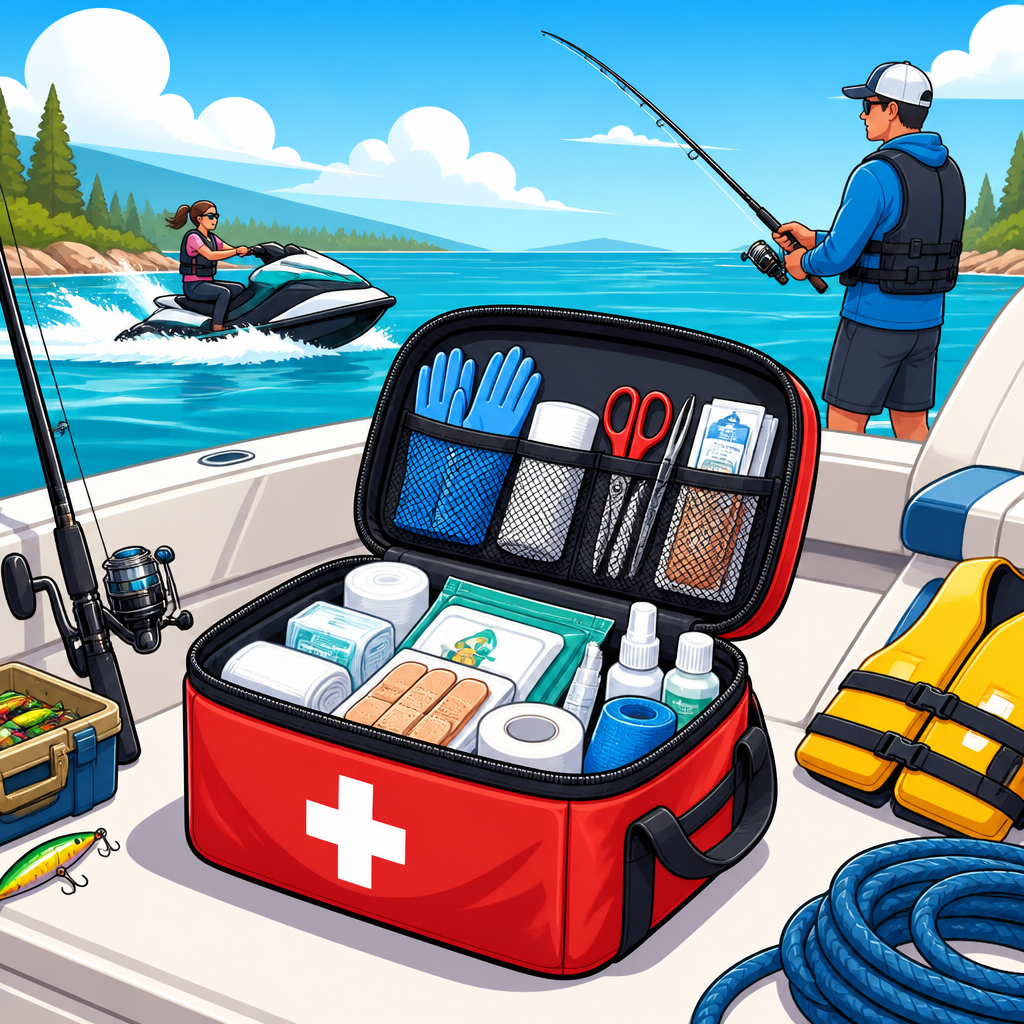
This hub topic connects directly to broader safety and training for fishing and water sports. Anglers using kayaks need the same communication discipline and weather planning. Wake sport participants need observer protocols, towline awareness, and rescue steps after a fall. Paddleboard users need flotation, leash judgment, and current awareness. In every case, the pattern is consistent: proper preparation gives you time, options, and visibility when something goes wrong. That is why breakdown planning should sit alongside fishing float plans, navigation lessons, first-aid readiness, and seasonal maintenance rather than being treated as an isolated jet ski issue.
Prevention, maintenance, and post-incident lessons
Most on-water jet ski breakdowns are preventable with routine maintenance and disciplined pre-ride checks. Before launch, confirm fuel level, battery condition, lanyard function, drain plugs, steering movement, and visible hose or clamp issues in the engine bay. Inspect the intake grate and pump area for damage from the previous outing. Flush and rinse the craft after saltwater use, follow the service intervals in the owner’s manual, and winterize correctly if you store the machine in freezing climates. Batteries, wear rings, spark plugs, and fuel quality cause enough real-world failures that ignoring them is false economy.
After any breakdown, document what happened while details are fresh. Note warning lights, sounds, last fueling point, water conditions, and whether the engine cranked, overheated, or lost thrust. This information helps a technician diagnose the fault faster and helps you refine your own process. If the breakdown exposed weak points in your preparation, fix them immediately. Upgrade your communication kit, replace an aging battery, add a float plan habit, or stop riding alone in remote areas. Good operators do not treat an uneventful rescue as proof that the risk was acceptable.
What should you do if your jet ski breaks down on the water? Stay with the craft, protect everyone with flotation and visibility, assess the surroundings, try only safe basic checks, and call for help before the situation worsens. The main benefit of training for this scenario is simple: you turn a stressful failure into a controlled recovery. Review your gear, practice your response steps, and build breakdown planning into every ride so your next day on the water is safer from the start.
Frequently Asked Questions
What should I do first if my jet ski breaks down on the water?
The first priority is safety, not repairs. If your jet ski suddenly loses power, stalls, or becomes difficult to control, stay calm and keep everyone with the craft. Do not jump into the water unless there is an immediate danger such as fire, collision risk, or the craft is sinking. If you have passengers, make sure everyone is wearing a properly fitted life jacket and is accounted for right away. A disabled personal watercraft can drift faster than many riders expect, especially in wind, current, or choppy conditions, so remaining with the jet ski gives you flotation, visibility, and a better chance of being found quickly.
Next, make the situation as visible as possible. Raise an arm to signal nearby boaters if needed, use a whistle or sound-producing device, and turn on any available lights if visibility is poor. If you have an anchor and conditions allow, deploy it to reduce drifting, particularly near channels, rocks, docks, or surf. Then assess your surroundings: how close are you to boat traffic, shoreline hazards, changing weather, or strong current? Your goal is to stabilize the situation before troubleshooting. Once you are safe and visible, perform a quick check for simple issues such as the engine shut-off lanyard being disconnected, the fuel selector being in the wrong position, a dead battery, overheating warnings, or debris in the intake. If the problem is not immediately obvious or conditions are worsening, call for help early rather than waiting until the situation becomes more dangerous.
Can I try to troubleshoot the problem myself, or should I call for help immediately?
You can do a brief, common-sense troubleshooting check, but only if conditions are stable and you are not putting yourself or others at risk. On a jet ski, some breakdowns are caused by very simple problems: the safety lanyard may have come loose, the battery may be too weak to restart the engine, the craft may be in a protection mode due to overheating, or the intake grate may be clogged with weeds, rope, or other debris. In calm water with no immediate hazards, it is reasonable to inspect these basics. Check the lanyard connection, look at your fuel level, review any warning lights or alarms, and confirm the craft is in a normal starting position. If you suspect debris in the intake, follow the manufacturer’s shutdown and clearing procedure exactly. Never reach into moving components, and never attempt repairs while the engine could restart unexpectedly.
That said, there is a big difference between a quick check and trying to “fix” a disabled watercraft offshore. If you are drifting toward a channel, rocks, bridge pilings, heavy traffic, or an exposed shoreline, do not waste critical time on repeated restart attempts. The same applies if the weather is deteriorating, daylight is fading, anyone is cold or injured, or your location is uncertain. Calling for help early is often the smartest move because assistance on the water can take time to arrive. A towing service, marina, patrol unit, or another boater may be able to reach you before the situation becomes urgent. As a general rule, spend a few minutes checking only the most obvious causes, then move quickly to communication and rescue planning if the problem is not resolved.
How do I call for help if my jet ski won’t restart?
The best method depends on what equipment you have with you, but the key is to contact help before you drift into a more dangerous situation. If you carry a fully charged phone in a waterproof case, call a local marine towing provider, marina, harbor office, or emergency services if the situation is serious. A VHF marine radio is even better in many boating areas because it can reach nearby vessels and authorities even when cell coverage is poor. If you are in immediate danger, such as drifting into traffic, facing severe weather, or dealing with injury, use emergency communication methods right away rather than waiting for the problem to solve itself.
When you call, give clear and useful information: your location, the type and color of your jet ski, the number of people with you, whether everyone has life jackets, the nature of the problem, and any immediate hazards around you. If you do not know your exact location, use your phone’s map, GPS, nearby markers, channel buoys, landmarks, or your direction and distance from a launch ramp or marina. Also explain whether you are anchored, drifting, or near boat traffic. If communication is limited, conserve your battery after sending essential details, but stay available for callbacks or instructions. If you cannot contact anyone electronically, use visual and sound signals to attract attention from nearby boaters while staying with your craft. The earlier you communicate, the more options rescuers and tow operators have to reach you safely.
Is it safe to swim my jet ski back to shore or let another boat tow it?
In most cases, trying to swim a disabled jet ski back to shore is not a good idea unless the distance is very short, conditions are calm, and there are no hidden hazards. People often underestimate how quickly fatigue, waves, current, cold water, and wind can turn a manageable situation into a dangerous one. Even if shore looks close, the bottom may drop off, currents may push you sideways, and the effort required to move a heavy personal watercraft can be much greater than expected. Staying with the craft is almost always safer than leaving it behind or attempting a long swim. The jet ski provides flotation and visibility, both of which matter greatly if help is delayed.
As for towing, it can be safe when done correctly, but an improvised tow by an inexperienced boater can also create new risks. If a commercial towing service or trained responder is available, that is usually the best option. If another boater offers assistance, make sure they understand they are towing a personal watercraft, not a small toy. The towline should be the proper length and attached at approved tow points according to the jet ski manufacturer’s guidance. Speed must remain low and controlled to prevent swamping, collision, or damage to the disabled craft. Passengers should follow safe positioning instructions, and no one should place hands or feet near the line or between vessels. If there is any doubt about the towing method, conditions, or attachment points, it is better to wait for professional help than to accept a risky tow that could injure someone or worsen the damage.
What can I do to prevent a jet ski breakdown from becoming an emergency in the future?
The best way to handle a breakdown is to prepare before one happens. Start with maintenance. Follow the manufacturer’s service schedule, inspect the battery, cooling system, fuel system, and jet pump area regularly, and never ignore warning lights, unusual vibrations, hard starting, or intermittent power loss. Before every ride, check fuel level, engine shut-off lanyard, life jackets, weather, and local water conditions. A simple pre-ride inspection can catch many common problems before you launch. It is also smart to understand your model’s basic warning indicators and emergency procedures so you are not trying to learn them for the first time while drifting.
Preparation also means carrying the right gear and making a plan. At minimum, bring a whistle, a charged phone in a waterproof case, required safety equipment, drinking water, and, ideally, a VHF radio in areas where one is practical. An anchor can be extremely useful if you break down near channels or windy open water. Let someone on shore know where you are launching, where you expect to ride, and when you plan to return. Avoid riding farther offshore than your experience, fuel range, weather window, and equipment support. Finally, know your limits. Many breakdowns become emergencies because riders wait too long to call for help, drift too far, or keep trying risky fixes in worsening conditions. Good seamanship on a jet ski means thinking ahead: stay visible, stay with the craft, call early, and treat every mechanical problem on the water as a potential safety issue until it is resolved.