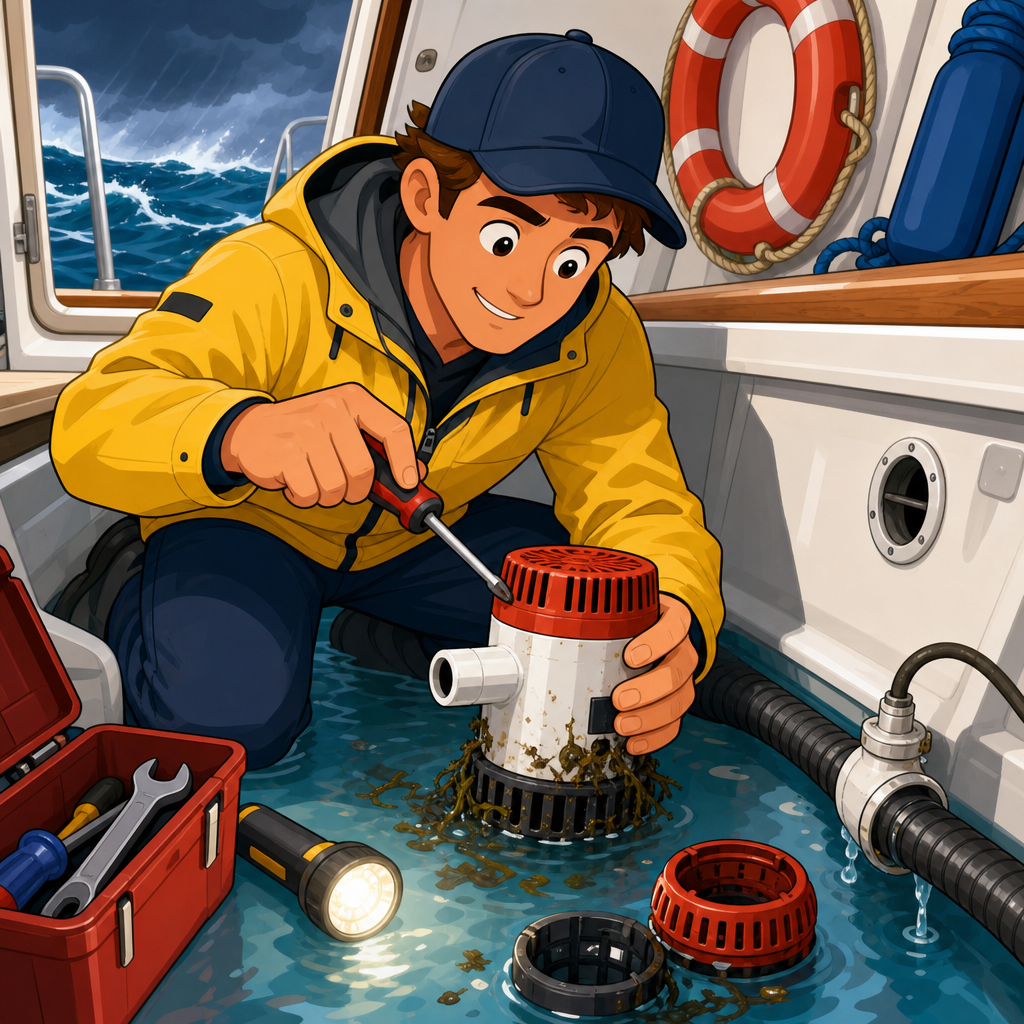
A broken bilge pump can turn a manageable leak into a flooding emergency within minutes, so every boat owner should know how to diagnose, stabilize, and temporarily fix the problem underway. In practical terms, the bilge is the lowest compartment inside the hull where water collects, and the bilge pump is the electric or manual device that removes that water overboard. When the pump fails, the real danger is rarely the pump itself; it is the combination of incoming water, lost time, depleted batteries, and rising panic. I have dealt with pump failures at the dock, on moorings, and in sloppy inshore conditions, and the same principle always applies: control water ingress first, then restore dewatering capacity fast. This guide explains how to fix a broken bilge pump in an emergency, while also serving as a hub for emergency boat repairs and quick fixes that every skipper should understand before they are needed.
Emergency boat repairs are not about perfect workmanship. They are about keeping the boat afloat, protecting people onboard, and buying enough time to reach safe harbor or await assistance. That means knowing the likely failure points: a dead battery, a blown fuse, a jammed float switch, a clogged strainer, a split discharge hose, a failed impeller, or wiring corroded by saltwater. It also means understanding related quick-fix skills, because bilge pump trouble often appears alongside other urgent issues such as hose leaks, failed seacocks, steering problems, dead navigation electronics, or temporary hull damage control. A skipper who can troubleshoot systems methodically can usually prevent a pump failure from becoming an abandonment scenario. The sections below break down the most important emergency repair actions, starting with the bilge pump itself and expanding into the wider set of on-the-water fixes that belong in any serious boat maintenance and repairs plan.
Immediate actions when a bilge pump stops working
If your bilge pump stops working and water is rising, treat the situation as a flooding response, not an electrical inconvenience. Put one person on damage control, another on helm if underway, and another on communications if conditions are deteriorating. Start by reducing the rate of water entering the boat. Close any suspect seacock that is not essential, inspect shaft seals, stuffing boxes, livewell lines, raw-water hoses, and transom fittings, and look for obvious cracks or disconnected plumbing. On planing boats, bringing the bow attitude down slightly can reduce stern flooding; on displacement boats, speed and trim changes should be conservative to avoid worsening the ingress path.
Next, add dewatering capacity by any means available. Use manual bilge pumps, buckets, high-capacity portable utility pumps, even a washdown pump if it can be safely repurposed. If another onboard pump still works, shift water toward that sump area if possible. In several real breakdowns I have seen, crews lost valuable minutes focusing on the failed automatic pump while ignoring a manual diaphragm pump that could have stabilized the water level immediately. If water is approaching batteries, electrical panels, or engine air intakes, the urgency rises sharply. Make a distress or urgency call early if you are unsure whether the flooding rate can be controlled. The goal is simple: stop the increase in water level first, then troubleshoot.
How to diagnose the failed bilge pump fast
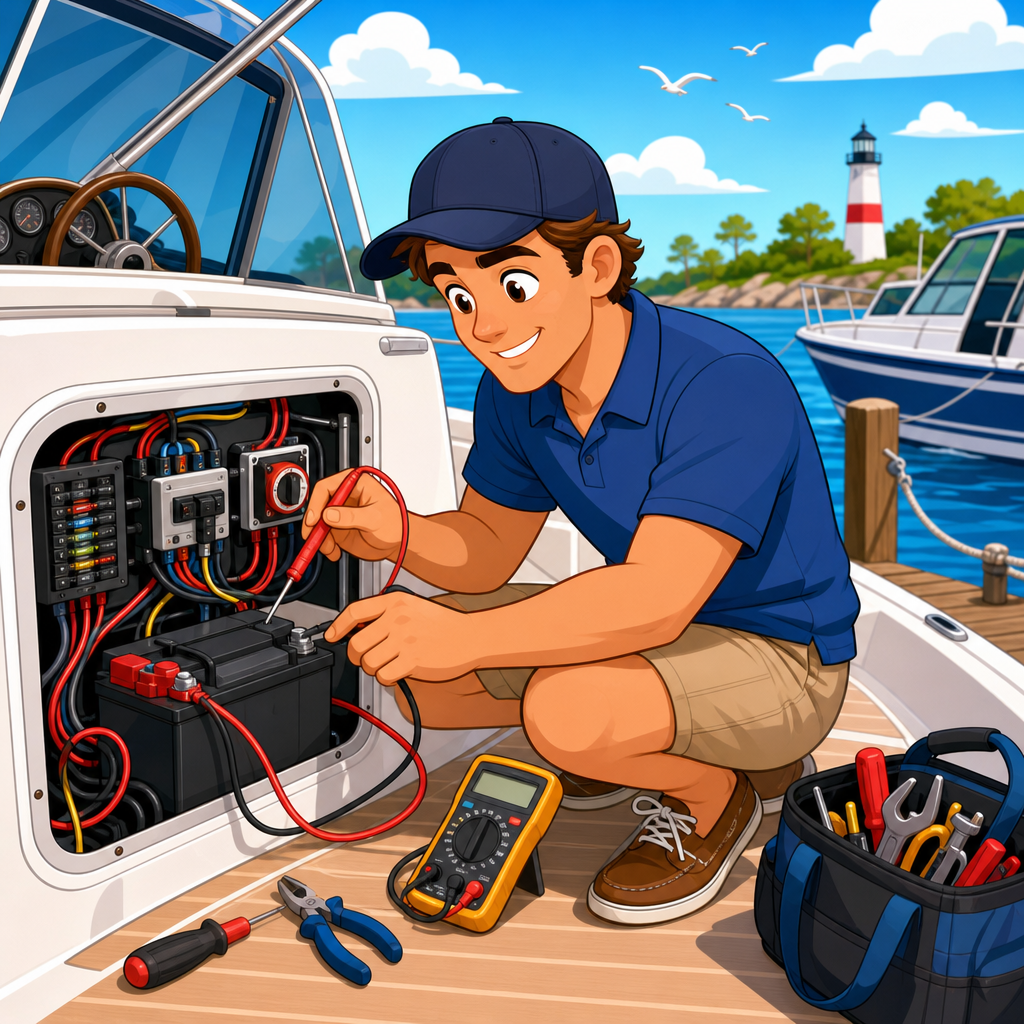
The fastest diagnosis follows a strict sequence: power, switch, pump, hose. First, verify that the battery bank feeding the pump has voltage. A bilge pump may fail because the house bank is deeply discharged, a battery switch was turned off, or a corroded terminal created too much resistance under load. If you have a multimeter, check voltage at the pump leads while the pump switch is on. Around 12.6 volts on a resting 12-volt battery is healthy; below roughly 12.0 volts indicates a weak state of charge, and under-load voltage sag can stop the motor from spinning with force. If you do not have a meter, use a known-good test light or temporarily power the pump from another circuit with proper caution.
Second, isolate whether the failure is in the manual switch, automatic float switch, or the pump motor. Many bilge systems have a three-position panel switch: auto, off, and manual. If the pump works on manual but not auto, the float switch or its wiring is the likely fault. If it works on neither, inspect the fuse or circuit breaker, then the wiring connections, especially butt splices in the bilge where corrosion is common. Third, check the pump body for debris. Small pumps often jam on zip ties, fish scales, mud, wood splinters, or hardened sludge. A seized impeller or blocked intake can blow a fuse or make the motor hum without pumping. Fourth, inspect the discharge hose for kinks, collapse, backflow, or a split that is sending water right back into the bilge. A broken bilge pump diagnosis is complete only when all four points are checked.
Emergency bilge pump fixes that work on the water
Most emergency bilge pump fixes are temporary, but temporary is enough if it restores pumping capacity. If the fuse is blown, replace it with the correct amperage from your spares kit. Do not install an oversized fuse; I have seen scorched wiring from skippers who used whatever fuse was available just to get home. If the float switch is jammed by debris, clean the hinge or lift arm and test it manually. If the switch has failed electrically, bypass it by running the pump in manual mode from the helm switch or by connecting the pump directly to a fused battery source with spare marine-grade wire and alligator clips. This is not elegant, but in a flooding event it is often the fastest safe workaround.
If the pump motor is clogged, remove the strainer base or access cover, clear debris, spin the impeller by hand if the design allows, and flush the area. If the discharge hose is split, cut out the damaged section and rejoin it with a hose barb and two stainless clamps, or wrap the rupture tightly with self-amalgamating tape as a get-home measure. A failed non-return valve should usually be removed rather than fought with, because check valves frequently reduce bilge pump performance and can stick with debris. When the pump itself is dead, swap in a spare cartridge motor if your system uses one, or drop in a portable submersible pump over the side connected to battery clips. The best emergency fix is the one that moves water now, even if the permanent repair waits until the dock.
| Failure symptom | Likely cause | Fast emergency fix | Longer-term repair |
|---|---|---|---|
| Pump silent in manual and auto | Blown fuse, dead battery, bad wiring | Replace fuse, jump from charged battery, clean terminals | Rewire with heat-shrink connectors and proper fuse protection |
| Pump works in manual only | Failed or jammed float switch | Clean switch or bypass to manual operation | Replace float switch or upgrade to electronic water sensor |
| Motor hums but no water discharges | Clogged intake, jammed impeller, blocked hose | Clear debris, straighten hose, flush system | Install strainer and inspect bilge cleanliness routinely |
| Pump runs but bilge stays full | Split hose, backflow, pump undersized for leak | Patch hose, add second pump, bucket/manual dewater | Replace hose, improve hose routing, recalculate capacity |
Related emergency boat repairs every skipper should know
A bilge pump failure is part of a bigger category: emergency boat repairs and quick fixes that keep the vessel operable long enough to get clear of danger. The most common companion problem is a leaking hose below or near the waterline. Raw-water intake hoses, livewell plumbing, cockpit drains, and head discharge lines can fail without warning. The quick fix is to close the seacock, cut back the damaged hose if possible, and reconnect it with double clamps. If the fitting itself cracks, use a soft wooden plug, tapered emergency bung, or even a wrapped rag forced into the opening until a proper repair is possible. Every through-hull on the boat should have a correctly sized plug attached nearby for exactly this reason.
Electrical quick fixes also matter because emergency pumps, radios, and navigation lights depend on power integrity. Corroded battery terminals can often be restored well enough for emergency service by disconnecting the bank, cleaning terminals with a wire brush or abrasive pad, tightening connections, and coating lightly with dielectric grease afterward. A failed navigation display may be less urgent than rising water, but if you are returning at night or in reduced visibility, basic backup capability matters. Keep a handheld GPS or charting app in a waterproof case, a handheld VHF, and a headlamp independent of the main panel. Steering and propulsion issues fit this hub topic too. A broken throttle cable, fouled propeller, or overheating engine can force a boat into conditions where flooding risk increases. Emergency readiness is about systems thinking, not one isolated component.
Tools, spares, and materials that make emergency repairs possible
The difference between a stressful incident and a mayday often comes down to what is in the onboard repair kit. For bilge pump emergencies, carry spare fuses of every rating used on the boat, a multimeter, waterproof crimp connectors, heat-shrink tubing, a ratcheting crimper, spare hose clamps, self-amalgamating tape, silicone rescue tape, utility knife, side cutters, spare bilge hose, marine wire, alligator-clip leads, and at least one portable submersible pump with battery clips. A manual diaphragm pump with a long hose is still one of the best backup tools because it works without battery power and tolerates dirty water better than many small electric pumps.
Beyond the pump itself, stock a damage-control kit: tapered softwood plugs, underwater epoxy putty, collision mat material, heavy rags, cable ties, spare through-hull caps, and absorbent pads. On cruising boats and offshore-capable fishing boats, I strongly recommend a high-water alarm independent of the primary bilge pump circuit. This small device changes everything because it alerts the crew before flooding becomes visible in the cabin sole. Reputable bilge equipment manufacturers such as Rule, Johnson Pump, Whale, and Attwood publish flow ratings, wiring guidance, and hose recommendations that should shape your spare-parts plan. Remember that advertised gallons per hour are laboratory numbers with minimal head height and ideal voltage. Real installed output is significantly lower, which is why redundancy matters more than brochure capacity.
Prevention: how to avoid another bilge pump emergency
The best way to fix a broken bilge pump in an emergency is to reduce the chance that the emergency happens again. Start with inspection intervals. At minimum, test automatic and manual pump functions before each trip, especially after heavy rain or washdowns. Lift the float switch by hand, verify that water discharges overboard, and listen for abnormal motor noise. Every few months, inspect hose runs for sagging loops, chafe, and restrictions; check anti-siphon arrangements where appropriate; tighten clamps; and clean the bilge so debris cannot clog the intake. Bilges should be dry, accessible, and free of loose hardware. A dirty bilge is not only unpleasant; it is one of the main causes of preventable pump failure.
System design matters too. Many production boats leave the factory with a single modest pump, but redundancy is the standard for prudent owners. A common setup is a smaller automatic pump mounted low for nuisance water and a second higher-capacity pump mounted slightly higher for real flooding, each on separate circuits where possible. The American Boat and Yacht Council sets recognized standards for wiring, overcurrent protection, and installation practices that reduce failure risk, and following those standards is worth the effort. Label battery switches clearly so someone can energize the pump circuit quickly. Record wire colors, fuse sizes, pump model numbers, and hose diameters in the maintenance log. Finally, practice the drill. The crew should know where the bilge compartments are, how to switch the pump to manual, where the damage-control kit lives, and when to call for help. Review your boat today, test every pump, and build the repair kit before the next departure.
Frequently Asked Questions
What should I do first if my bilge pump stops working and water is rising?
The first priority is to control the situation, not the pump itself. If your bilge pump fails in an emergency, immediately slow the rate of flooding if you can, and buy time. Put everyone in life jackets, reduce speed if that helps prevent more water from coming aboard, and assign jobs clearly. One person should monitor the water level, another should start manual dewatering if possible, and another should inspect likely failure points. If you are taking on water quickly, use a manual bilge pump, bucket, bailer, sponge, or any available container right away. At the same time, check for obvious causes such as a burst hose, failed hose clamp, leaking stuffing box, split livewell line, loose seacock fitting, or water entering from a damaged hull fitting. In many cases, stopping or slowing the incoming water matters more than restoring the pump immediately.
Next, verify whether the problem is electrical, mechanical, or a switch issue. Check the battery switch, fuse, breaker, wiring connections, float switch, and pump strainer for clogging. A surprising number of “dead” pumps are actually suffering from corroded terminals, a tripped breaker, a blown inline fuse, or debris jammed in the impeller. If the water level is rising to a dangerous point and you cannot control it, make a distress call early rather than late. Use your VHF radio to contact the Coast Guard or local marine rescue, give your position, the number of people aboard, and the nature of the emergency. Early communication is one of the smartest emergency steps a skipper can take.
How can I quickly tell whether the bilge pump failure is caused by a fuse, wiring problem, float switch, or the pump itself?
Start with the simplest and fastest checks. First, activate the pump using the manual helm switch if your boat has one. If the pump runs manually but not automatically, the float switch or its wiring is the most likely problem. If nothing happens at all, inspect the fuse or breaker that protects the bilge circuit. A blown fuse, popped breaker, or overheated connection is a common cause of sudden failure, especially under heavy load or after water intrusion. Look for corrosion on terminals, loose spade connectors, heat discoloration, broken wires, or signs that the wire has pulled free from vibration. Marine electrical systems live in a harsh environment, and bad connections are often the root issue.
If you have safe access and can do so without delaying dewatering, test the circuit logically. Listen for any hum or click from the pump motor. A hum without pumping may indicate a jammed impeller or clogged intake. No sound at all may mean no power is reaching the pump. If the pump housing is hot, the motor may have been running dry or straining against debris. Clear the strainer area and remove any sludge, zip ties, leaves, fishing line, insulation fragments, or oily residue that might be blocking the pump. If the float switch appears stuck, lift it manually to see whether it triggers the pump. In an emergency, you are not trying to perform a perfect bench diagnosis. You are trying to determine whether you can restore operation in seconds or whether you need to move immediately to temporary pumping and leak control measures.
Can I bypass the float switch or wire the bilge pump directly in an emergency?
Yes, in many cases you can temporarily bypass the float switch to get the bilge pump running, and this is a well-known emergency technique when the switch has failed but the pump motor still works. If your boat has a manual bilge switch at the helm, use that first. If the pump runs manually, leave it on and monitor the water level carefully. If there is no working manual override and you understand your boat’s wiring, you may be able to supply power directly to the pump using the correct positive and negative leads from a known-good 12-volt source. This should only be done if you can identify the wires confidently and make secure, dry connections as safely as conditions allow. A poor emergency connection can spark, fail under load, or worsen the problem.
The safest temporary bypass is one that is fused and controlled. Avoid twisting random wires together without understanding polarity or circuit protection. If you carry spare fuses, butt connectors, electrical tape, alligator clip leads, or a small length of marine wire, those can make a controlled emergency bypass much easier. Once the pump is running, remember that a direct-wired pump may not shut off automatically. That means someone must monitor it constantly so it does not run dry and burn out or drain the battery unnecessarily. This is a temporary survival measure, not a permanent repair. As soon as the immediate emergency is under control, the wiring, switch, and pump should be inspected and repaired properly.
What temporary fixes can keep water under control if the bilge pump cannot be restored right away?
If the bilge pump cannot be brought back online quickly, focus on reducing incoming water and increasing manual discharge. Start by finding the source of the leak. Check seacocks, raw-water hoses, shaft seals, transducers, through-hulls, livewell plumbing, and hull penetrations. Tighten hose clamps if one has loosened. Push a hose back onto its barb fitting if it has slipped off. Use soft wooden plugs, rags, repair tape, a collision mat, cushions, epoxy putty, or even clothing to slow water entering through a cracked fitting or damaged opening. On some boats, heeling or redistributing weight can move the leak partly out of the water or reduce pressure at the leak point. Even a small reduction in inflow can make a major difference when you are hand-bailing.
You should also maximize every available means of dewatering. Use a manual bilge pump, bucket brigade, cut-off jug, sponge, wet-dry vacuum connected to inverter power if safe, or any secondary pump aboard. Some boaters use an engine raw-water washdown pump or general-purpose utility pump as an improvised backup if hoses can be rerouted. Keep discharge hoses clear and make sure water is actually leaving the boat, not recirculating into another compartment. Shut off nonessential electrical loads to preserve battery power for radios, lights, navigation equipment, and any pump that can still operate. The key principle is simple: slow the leak, remove water any way you can, and avoid wasting precious battery capacity while the situation is still recoverable.
When is a broken bilge pump serious enough to call for help or abandon the trip?
A failed bilge pump should be treated as serious the moment rising water is no longer clearly under control. If the water level continues to increase despite manual pumping, if you cannot identify or slow the leak, if batteries are being depleted rapidly, or if the flooding is affecting engine operation, steering, or electrical systems, it is time to call for help immediately. Do not wait until the cabin sole is awash or the engine stalls. Marine flooding emergencies often worsen faster than expected because water damages wiring, shorts pumps, shifts gear, and reduces stability. A bilge pump problem that seems manageable at first can become a life-threatening situation within minutes if the inflow is significant.
You should also abandon the trip and head for the nearest safe harbor whenever the pump has failed and the cause is not fully corrected, even if you have temporarily stabilized things. A temporary bypass, hand-bailing routine, or patched hose is only meant to get you out of danger, not continue normal boating. Make a precautionary call if conditions are poor, you are offshore, nightfall is approaching, or there are vulnerable passengers aboard. If there is any doubt about your ability to keep up with the water, send a distress call early and prepare life-saving equipment. Good seamanship means acting before the emergency becomes irreversible. Once safely ashore, replace failed components, inspect all bilge wiring and plumbing, test automatic and manual pump modes, and make sure the boat is truly ready before going back out.