DIY boat repair tools save time, reduce breakdown risk, and help boaters handle routine maintenance before small faults become expensive failures. A practical DIY boat maintenance guide starts with the right equipment, because even simple jobs like tightening a hose clamp, tracing a voltage drop, or resealing a deck fitting become frustrating without tools designed for marine work. In my experience maintaining trailer boats, center consoles, and small cruisers, the difference between a quick dockside fix and a ruined weekend is usually preparation, not mechanical genius. Boat owners who stock a focused toolkit can diagnose common problems early, perform preventive service on schedule, and speak more confidently with marine technicians when a repair exceeds home-shop limits.
For boaters, “repair tools” means more than wrenches and screwdrivers. It includes diagnostic gear, corrosion-control supplies, sealant tools, electrical crimpers, moisture-management equipment, and safety items that support reliable work afloat or ashore. Marine systems live in a punishing environment of vibration, salt, ultraviolet exposure, and constant wet-dry cycles. That environment attacks fasteners, wiring, fuel lines, pumps, and bedding compounds faster than many first-time owners expect. A complete DIY boat maintenance guide therefore has two goals: equip you for frequent service tasks and help you recognize the warning signs that require immediate attention. This hub article covers the core tool categories every boater should own, why each matters, and how to build a kit that supports engine checks, electrical troubleshooting, hull care, plumbing fixes, and seasonal upkeep.
Core Hand Tools for Everyday Boat Maintenance
The foundation of any DIY boat repair tools kit is a compact set of corrosion-resistant hand tools. Start with combination wrenches, socket sets in both metric and SAE sizes, locking pliers, adjustable wrenches, nut drivers, hex keys, and screwdrivers with interchangeable bits. Many boats mix American hardware, imported accessories, and aftermarket electronics, so single-standard kits leave gaps. A 1/4-inch drive socket set handles tight spaces behind consoles and under gunwales, while a 3/8-inch drive set gives enough leverage for battery terminals, hose clamps, and engine covers. Choose tools with chrome vanadium or similar hardened steel, then rinse and dry them after use. Stainless tools resist rust but are not always as strong, so quality matters more than the label alone.
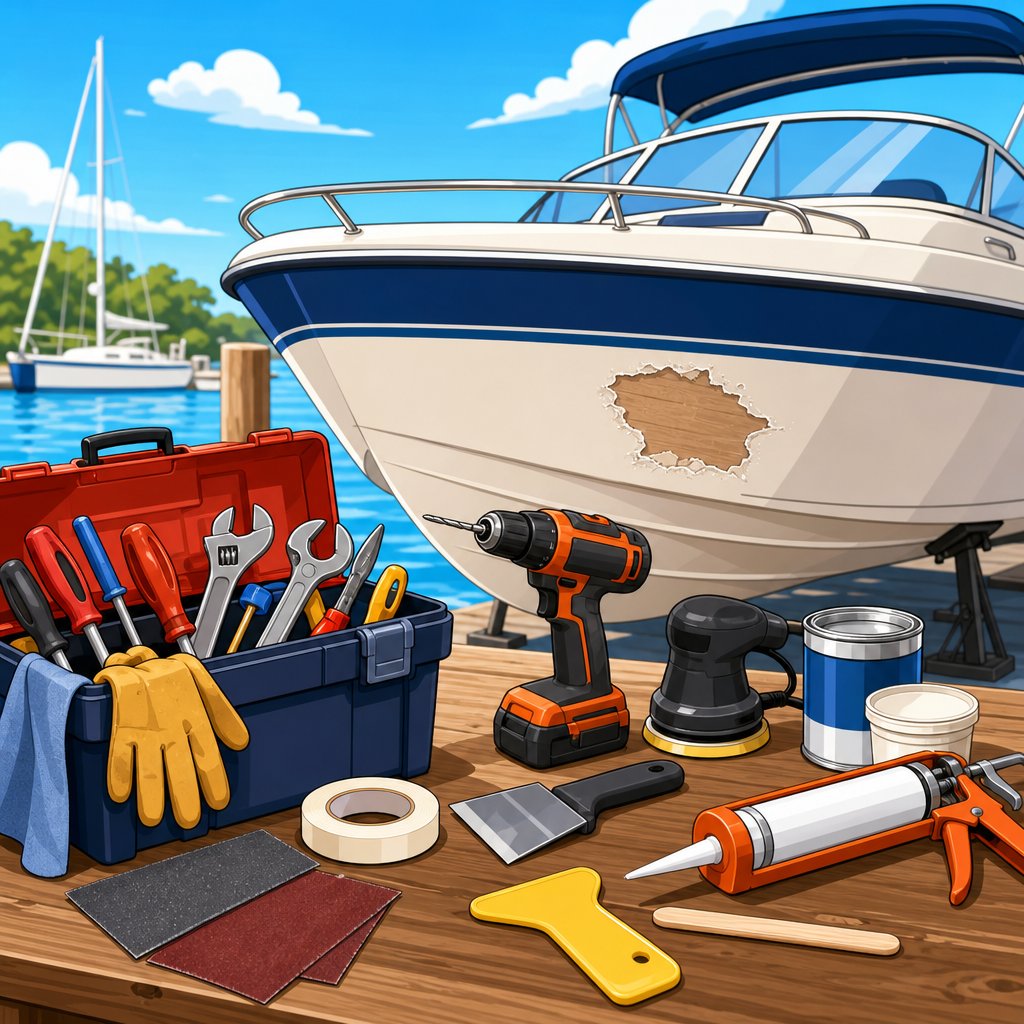
You should also carry specialty hand tools that match common marine fasteners and fittings. A good torque wrench protects aluminum threads on outboards and avoids over-tightening hose clamps, spark plugs, and steering components. Strap wrenches help with fuel filters and polished surfaces that conventional pliers would damage. Pick tools, side cutters, and needle-nose pliers are essential when replacing cotter pins, split rings, and wire ties in cramped bilges. I also keep a manual impact driver for seized screws on deck hardware and access panels; it often frees fasteners that would otherwise strip. For hull and interior work, add a utility knife, scraper set, putty knives, and a caulking gun rated for thick marine sealants. These simple tools support dozens of maintenance jobs from rebedding cleats to trimming hose and removing old gasket material cleanly.
Electrical Diagnostic and Repair Tools Every Boater Needs
Electrical issues are among the most common reasons boats fail to start or lose critical systems, so no DIY boat maintenance guide is complete without proper electrical tools. A digital multimeter is the single most important diagnostic instrument in the box. It lets you verify battery voltage, charging output, continuity, parasitic draw, and voltage drop under load. On a healthy 12-volt system, a resting fully charged lead-acid battery should read around 12.6 to 12.7 volts, while many charging systems produce roughly 13.8 to 14.4 volts when operating correctly. Those numbers tell you whether the fault is likely in the battery, alternator or stator, wiring, switch, fuse block, or connection point. Cheap meters work for basic checks, but a rugged meter from Fluke or Klein typically survives marine use better.
Beyond a meter, stock marine-grade wire strippers, ratcheting crimpers, a heat gun, adhesive-lined heat-shrink terminals, dielectric grease, and a circuit tester. The American Boat and Yacht Council standards have long reinforced the value of proper overcurrent protection, secure terminations, and marine-grade tinned copper wire, because poor electrical work causes failures and fires. Household connectors have no place on a boat. Use crimped and sealed terminations instead. A label maker is surprisingly helpful when tracing pumps, lights, and electronics in crowded helm areas. I have seen owners save hours during troubleshooting simply because battery switches, fuse holders, and accessory circuits were labeled clearly during previous maintenance. Add spare fuses, ring terminals, butt connectors, and terminal cleaning brushes so you can fix common faults immediately instead of improvising with unsuitable parts.
Sealants, Fastener Tools, and Corrosion Control Essentials
Water intrusion destroys boats quietly. It rots coring, stains interiors, weakens hardware mounting points, and creates expensive structural repairs. That is why sealant application and fastener management belong at the center of any DIY boat repair tools list. Keep a high-thrust caulking gun, sealant finishing tools, masking tape, solvent wipes approved for the product, and plastic scrapers for removing old bedding without gouging gelcoat. Marine owners should understand the difference between sealants and adhesives. Products such as 3M 4200 or Sikaflex 291 are commonly used where serviceable bedding is needed, while stronger adhesives like 3M 5200 are difficult to remove and should be reserved for specific structural or semi-permanent applications. Using the wrong compound turns future maintenance into destructive work.
Fastener care matters just as much. A cordless drill-driver with adjustable clutch, quality bits, left-hand drill bits, screw extractors, anti-seize compound, and thread locker are practical additions. Boats frequently combine stainless fasteners with aluminum frames, outboards, and T-tops, which can create galvanic corrosion if dissimilar metals stay wet and unprotected. Anti-seize helps prevent galling and seized threads, especially in stainless hardware. Corrosion inhibitors such as Boeshield T-9, CRC Heavy Duty Corrosion Inhibitor, or similar marine products add a protective barrier on electrical connections, steering components, and exposed metal. Keep a small inspection mirror and flashlight for checking hidden backing plates and fastener leaks. If you see brown water stains around a fitting, cracked sealant, or movement under load, rebed the hardware before moisture spreads into the laminate.
Cleaning, Surface Prep, and Hull Repair Equipment
Good repairs depend on good surface preparation. For fiberglass boats, that means keeping dedicated cleaning and abrasion tools rather than borrowing whatever is in the garage. An orbital sander, sanding blocks, wet-dry sandpaper in multiple grits, Scotch-Brite pads, acetone or manufacturer-approved surface prep solvents, and clean lint-free rags are baseline items. For gelcoat chips, small laminate repairs, and fairing work, add mixing cups, graduated syringes, spreaders, disposable brushes, and a digital scale for measuring resin and hardener accurately. Epoxy systems such as West System, TotalBoat, and MAS rely on correct ratios; guessing creates soft cures or brittle repairs. A moisture meter can also be valuable when evaluating suspect deck sections or older fiberglass structures, though readings must be interpreted carefully because laminate thickness and metal backing plates can affect results.
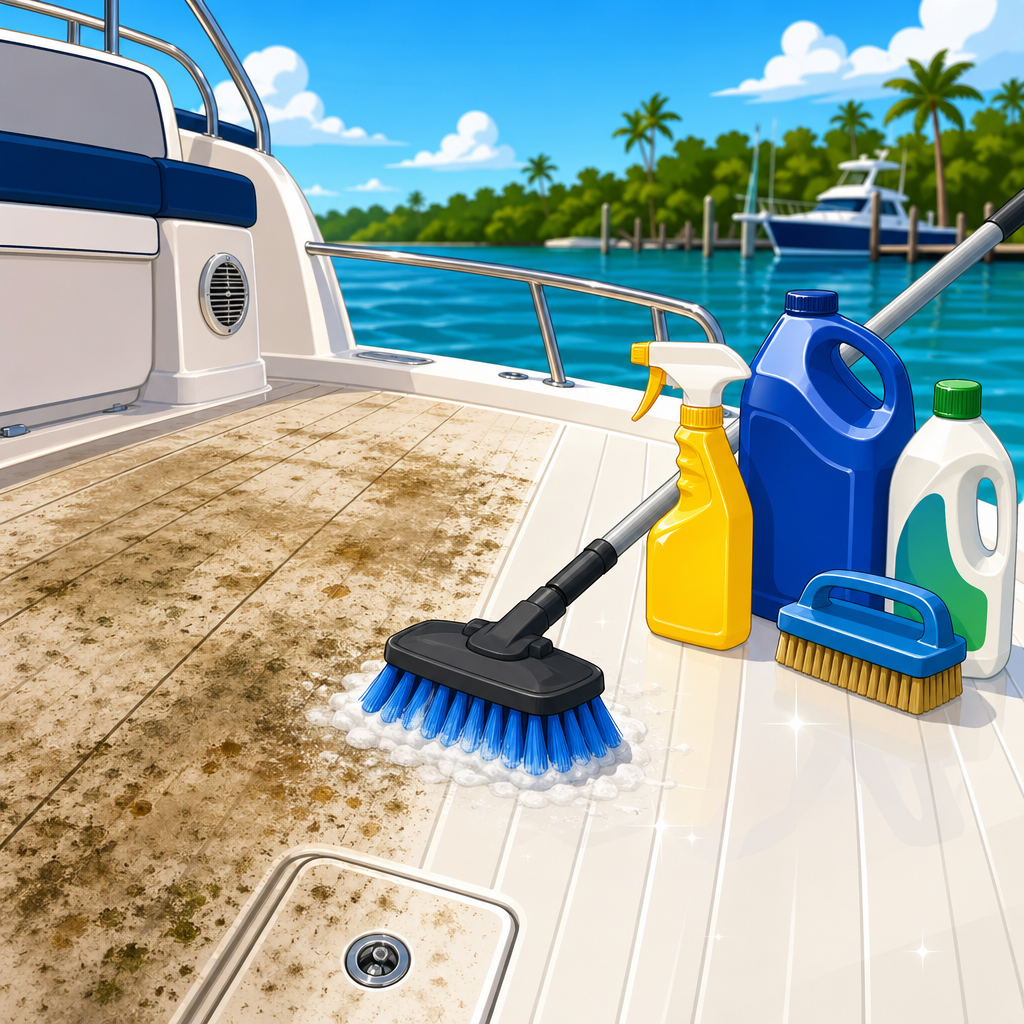
Hull maintenance tools should also support routine bottom and topside care. A pressure washer, hull brushes, extension poles, polishing pads, dual-action polisher, and compound-wax system help preserve gelcoat and reduce drag from marine growth. Even trailer-kept boats benefit from regular washing and protective wax because ultraviolet degradation oxidizes surfaces quickly. For small emergency repairs, keep underwater-curing epoxy putty, fiberglass repair tape, and temporary patch materials on hand, but treat them as short-term measures until a proper repair can be completed in controlled conditions. The table below highlights the most useful tool groups and their primary purpose within a reliable DIY boat maintenance guide.
| Tool Category | Key Items | Primary Use | Common Example |
|---|---|---|---|
| Hand tools | Sockets, wrenches, pliers, torque wrench | Mechanical service and hardware tightening | Replacing a bilge pump hose clamp |
| Electrical tools | Multimeter, crimper, heat gun, wire stripper | Circuit testing and wiring repair | Fixing a failed navigation light circuit |
| Sealant tools | Caulking gun, scrapers, masking tape | Rebedding fittings and stopping leaks | Resealing a leaking deck hatch |
| Surface prep tools | Sander, abrasives, solvent wipes, mixing tools | Fiberglass and gelcoat repair preparation | Repairing a chipped transom corner |
| Corrosion-control supplies | Anti-seize, inhibitor spray, terminal brushes | Protecting metal and electrical connections | Preventing rust on battery terminals |
Engine, Fuel, and Plumbing Service Tools for DIY Repairs
Whether your boat uses an outboard, sterndrive, or inboard, routine service requires task-specific tools. Keep an oil extractor or drain pump, filter wrench, spark plug socket, feeler gauges where applicable, grease gun, funnel set, hose pinch-off pliers, and a fluid transfer pump. An infrared thermometer is useful for checking thermostat housing temperatures, exhaust risers, wheel bearings on trailers, and suspicious hot spots in electrical panels. For outboard owners, lower-unit gear lube pumps and propeller tools are must-haves. Carry spare cotter pins, a prop nut kit, and fishing line removal picks, because line wrapped behind the prop can damage seals and lead to water intrusion in the gearcase. Compression testers and spark testers are also worth owning if you maintain your own engine seriously.
Fuel and plumbing systems need equal attention because leaks and clogs create safety hazards quickly. A fuel pressure gauge, inspection light rated appropriately for the environment, absorbent pads, hose cutters, and a selection of marine fuel hose clamps help when diagnosing hard starting or fuel starvation. Never use automotive fuel hose if the application requires USCG-rated marine hose, and always ventilate enclosed spaces before working around gasoline. For plumbing, add a hose pick set, spare sanitation or freshwater hose sections, thread sealant approved for the application, and a small wet-dry vacuum for bilge cleanup after pump or livewell service. Many “mystery leaks” are simply loose clamps, cracked elbows, or hardened O-rings. With the right tools, these problems are straightforward to identify and correct before they damage cabinetry, wiring, or flotation compartments.
Safety Gear, Storage, and Building a Smart Boat Tool Kit
The best DIY boat repair tools are useless if they are rusted, disorganized, or unsafe to use in marine conditions. Start with personal protective equipment: nitrile gloves, cut-resistant gloves, eye protection, hearing protection, a respirator for sanding or solvent work, and a basic first-aid kit. If you use lithium cordless tools on board or in a workshop, store batteries away from heat and inspect them for swelling or damage. Keep a fire extinguisher close during fuel-system service and disconnect battery power when working on major electrical circuits unless a live test is necessary. I strongly recommend waterproof headlamps and portable LED work lights because bilges, lazarettes, and console interiors are never lit well enough for accurate inspection.
Storage matters more than many boaters realize. Use compartmentalized waterproof boxes, zip pouches for electrical supplies, and rust inhibitor packs inside tool bags. Separate your onboard emergency kit from your larger dockside maintenance kit. The onboard set should focus on high-probability failures: screwdrivers, pliers, adjustable wrench, tape, spare fuses, knife, multimeter, flashlight, hose clamps, electrical connectors, and emergency repair compounds. The workshop or garage kit can hold bulkier items like polishers, sanders, pullers, and specialty engine tools. As this hub for the broader Boat Maintenance & Repairs topic, the best next step is to audit your current gear, build a list by system, and add tools before you need them. A disciplined DIY boat maintenance guide keeps repairs manageable, protects resale value, and makes every trip more reliable. Start with the essentials, learn your boat one system at a time, and turn routine maintenance into a habit rather than a crisis.
Frequently Asked Questions
What are the most important DIY boat repair tools every boater should keep on hand?
The most useful DIY boat repair tools are the ones that help you handle the jobs boat owners face most often: fastening hardware, tracking electrical problems, stopping leaks, and replacing worn service parts before they fail on the water. A solid starting kit should include marine-grade screwdrivers, a socket and wrench set, locking pliers, adjustable wrenches, needle-nose pliers, side cutters, a torque wrench, and a quality utility knife. These cover a huge percentage of routine tasks, from tightening hose clamps and battery terminals to removing corroded fasteners and servicing pumps or steering components.
Electrical tools are just as important as mechanical hand tools. A reliable digital multimeter is one of the best tools you can own because marine electrical issues often start small and then grow into frustrating no-start conditions, dead pumps, dim lights, or electronics failures. Add a wire stripper, crimping tool, heat gun, heat-shrink connectors, spare fuses, and a test light, and you can solve many common wiring problems without guessing. For fiberglass and sealing work, keep a caulking gun, scrapers, putty knives, sandpaper, masking tape, and a compact drill or driver with marine-use drill bits. A handheld flashlight or headlamp is also essential, since many repair points on boats are tucked into dark bilges, consoles, or under-gunwale compartments.
If you want a practical answer, think in terms of systems rather than tool categories. You need tools for fuel, electrical, plumbing, hardware, and sealing jobs. That means hose clamp drivers, inspection mirrors, a small pick set, Allen keys, a sealant removal tool, and a portable wet/dry vacuum can all earn their place quickly. The goal is not to carry a giant workshop onboard. The goal is to own a compact, dependable set of boat repair tools that lets you diagnose problems early, complete basic maintenance correctly, and avoid turning minor wear into expensive repairs.
Why do marine-specific tools and materials matter more than standard household tools?
Boats live in one of the harshest environments your tools will ever face. Salt air, moisture, vibration, UV exposure, and temperature swings all work against both the boat and the equipment used to maintain it. Standard household tools may work for a while, but they often rust quickly, lose precision, or damage marine hardware that requires a better fit and more controlled torque. Marine-specific or corrosion-resistant tools are designed to hold up better in wet conditions and to perform more reliably when you need them most.
The same idea applies to repair materials. A boater might be tempted to use generic electrical connectors, household silicone, or standard steel fasteners, but these substitutions often create bigger problems later. Marine-grade electrical components are built to resist corrosion and seal out moisture. Marine sealants are formulated for deck hardware, below-the-waterline applications, or flexible joints that move with the boat. Stainless fasteners and proper anti-seize compounds help prevent seized threads, staining, and galvanic issues. Using the wrong product may seem cheaper at first, but it can lead to leaks, electrical failures, and repeated repairs.
In real-world maintenance, the difference is usually seen in durability and confidence. When you use the right crimper, the right adhesive-lined heat-shrink connector, and the right sealant for a fitting, the job lasts longer and performs better in rough conditions. Marine work is rarely forgiving. A hose clamp that loosens, a wire connection that corrodes, or a hatch fitting that leaks can quickly become a breakdown, a safety problem, or a costly restoration project. That is why marine-specific tools and materials are not just nice upgrades. They are part of doing the repair correctly the first time.
What tools are best for diagnosing common boat electrical problems?
The single most valuable diagnostic tool for marine electrical work is a quality digital multimeter. It helps you measure battery voltage, charging output, continuity, resistance, and voltage drop, which are the core checks behind many common boat issues. If your bilge pump is intermittent, your outboard battery seems weak, your navigation lights flicker, or your electronics reboot unexpectedly, a multimeter helps you stop guessing and start testing. It allows you to tell whether the problem is the battery, a bad ground, a weak connection, a blown fuse, a faulty switch, or a damaged wire.
A test light is another useful addition, especially for quick confirmation that power is present in a circuit. While not as versatile as a multimeter, it can speed up simple troubleshooting on accessory circuits. A wire tracer or tone tool can also be helpful on boats with older wiring or undocumented modifications, where identifying which wire runs where can save a lot of frustration. Good lighting, a headlamp, inspection mirror, label maker or tape tags, and a basic circuit notebook are underrated tools as well, because electrical troubleshooting often depends on being organized and seeing exactly what is happening in tight spaces.
To actually repair what you find, you also need the right support tools. A marine-grade wire stripper and crimper are essential for building dependable connections, and heat-shrink tubing or adhesive-lined connectors protect those connections from moisture. Spare fuses, terminal cleaners, dielectric grease, and a battery terminal brush round out a very practical electrical kit. In many cases, electrical problems on boats are not caused by catastrophic component failure. They come from corrosion, loose terminals, poorly crimped connections, or hidden voltage drops. The right diagnostic tools help you catch these issues early, fix them properly, and restore reliability before they leave you stuck at the dock or stranded offshore.
How should I organize and store DIY boat repair tools to keep them effective and easy to use?
Tool organization matters more on a boat than many people realize. Space is limited, access can be awkward, and moisture can ruin good equipment if it is stored carelessly. The best approach is to separate your tools into categories based on how you use them: mechanical hand tools, electrical repair tools, sealing and fiberglass tools, and emergency onboard repair items. This makes it much easier to find what you need quickly, especially when dealing with a leak, battery issue, or loose fitting under time pressure.
Use sturdy waterproof or water-resistant cases, clear labeled bins, or roll-up tool bags that fit the storage spaces on your boat or in your tow vehicle. Keep corrosion-sensitive tools clean and lightly protected with a rust inhibitor, and avoid tossing loose metal tools into damp compartments where they will bounce around, chip gelcoat, or corrode faster. Silica packs, anti-corrosion tabs, and ventilated storage where possible can make a noticeable difference. For onboard kits, prioritize the tools most likely to be needed during a trip, such as screwdrivers, pliers, a socket set, spare fasteners, electrical repair basics, tape, a flashlight, and a knife. Reserve bulkier specialty tools for your home workshop or garage kit.
It also helps to think about access by job type. Keep electrical tools with connectors, heat-shrink, spare fuses, and a multimeter. Keep sealing tools with caulk, scrapers, gloves, and masking tape. Store fastener assortments in divided containers so you are not hunting for a single stainless screw in a pile of mixed hardware. A smart tool setup saves time, reduces stress, and encourages better maintenance habits because small jobs feel manageable instead of becoming all-day scavenger hunts. A well-organized tool kit does not just protect your investment in tools. It makes you more likely to fix minor boat problems before they turn into major ones.
Which DIY boat repairs can most boaters safely handle with the right tools, and when should a professional take over?
Most boaters with a sensible tool kit and a careful mindset can handle a wide range of routine maintenance and minor repairs. Common examples include replacing hose clamps, changing pumps, tightening hardware, resealing deck fittings, replacing corroded battery terminals, fixing simple lighting circuits, swapping fuel lines, servicing trailer wiring, installing new switches, and addressing minor leaks around hatches or hardware. These are the kinds of jobs where the right tools make the work straightforward: a good socket set, screwdrivers, multimeter, crimper, sealant tools, drill, torque wrench, and inspection light can take you a long way.
That said, there is a clear line between practical owner maintenance and work that requires advanced skill, specialized equipment, or safety oversight. Structural fiberglass repairs, major transom damage, extensive osmotic blister repair, complex outboard diagnostics, steering system rebuilds, fuel tank replacement, and high-amperage electrical reconfiguration are often best left to qualified professionals. The same goes for repairs involving critical safety systems if you are not fully confident in the diagnosis and repair procedure. A DIY mindset is valuable, but it should be matched with an honest assessment of the risks involved if the repair fails underway.
A good rule is this: if the repair affects flotation, structural integrity, fuel safety, steering control, or primary engine reliability, proceed carefully and know when to escalate. DIY boat repair tools are meant to help boaters become more capable and self-sufficient, not reckless. When you use the right tools for routine jobs, you save money, catch wear earlier, and learn your boat more thoroughly. When a problem moves beyond routine service into critical or specialized territory, bringing in a marine technician is