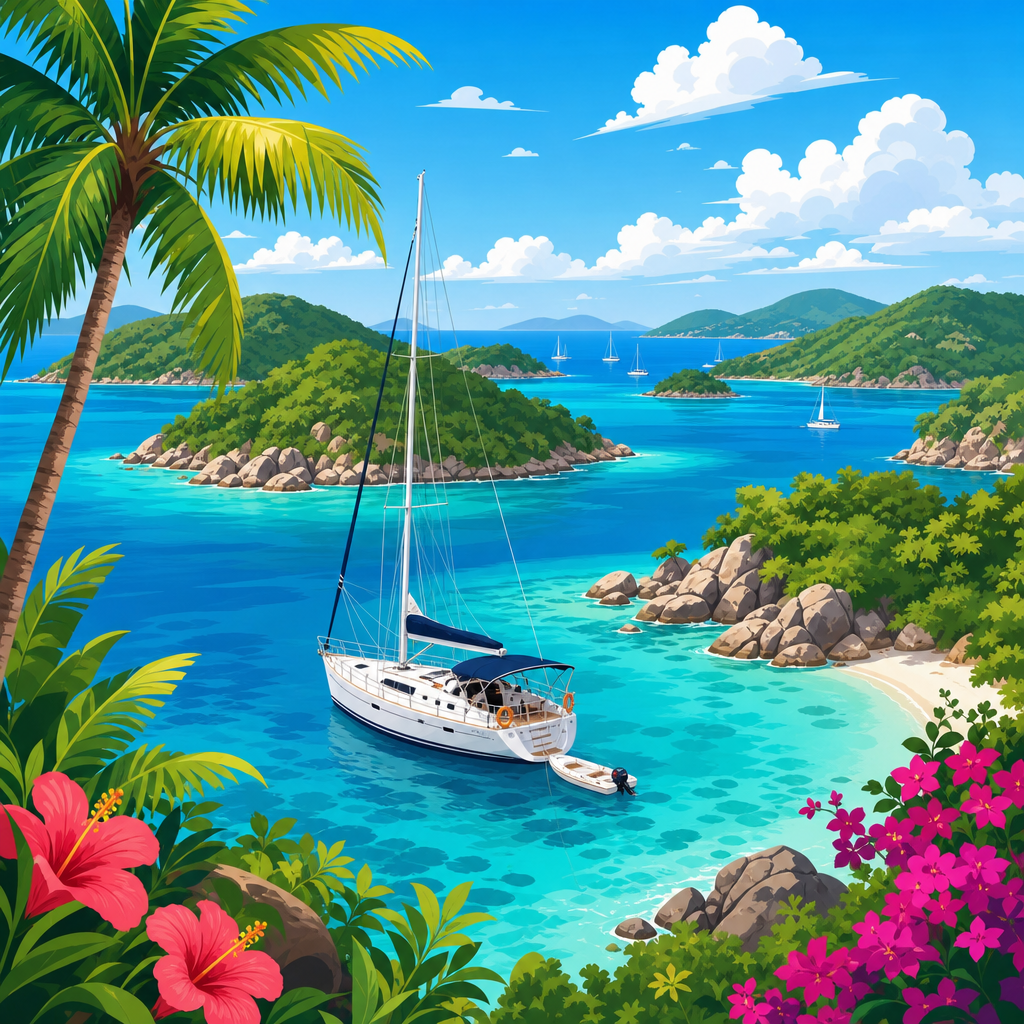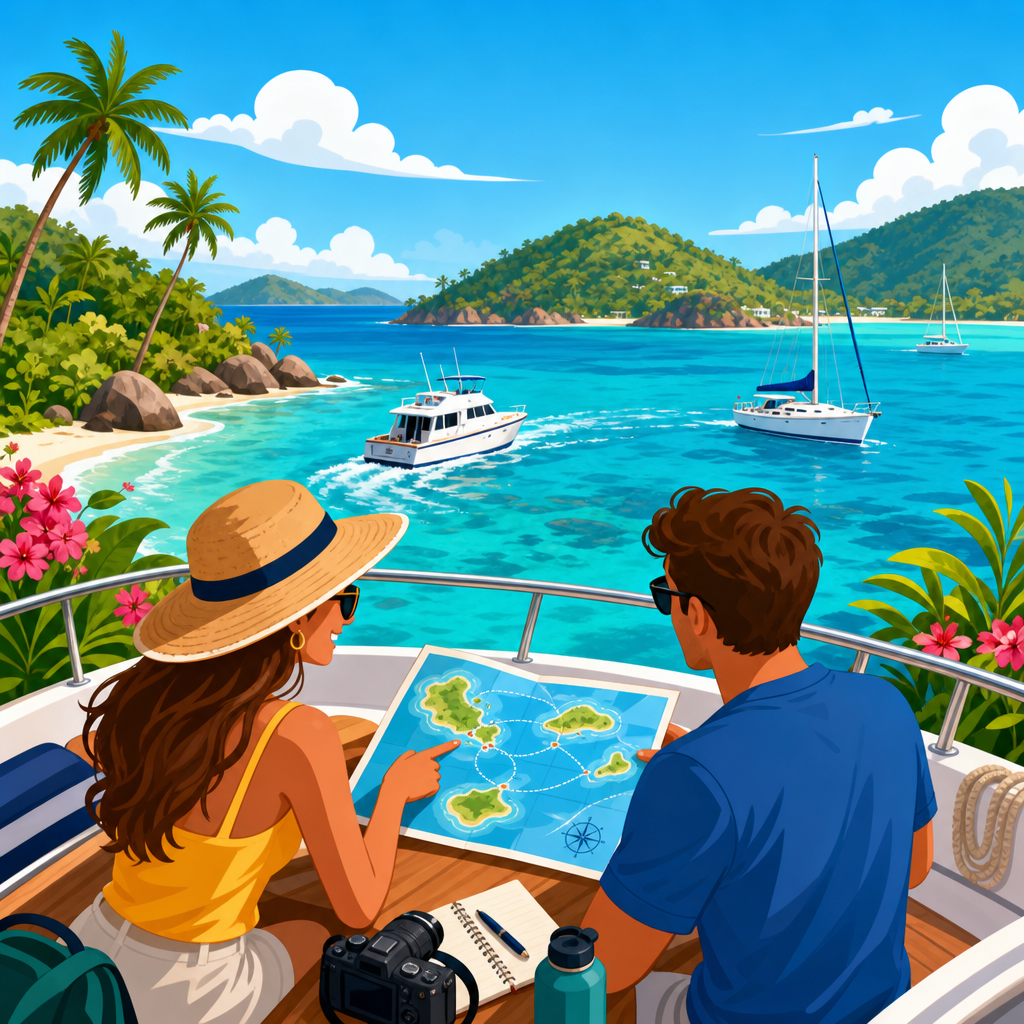
Planning an island-hopping boat trip in the Caribbean starts with matching your route, season, boat type, and paperwork to the way you actually want to travel. Coastal cruising and island hopping mean moving in short passages between nearby ports, cays, anchorages, and marinas rather than making long offshore crossings. In the Caribbean, that can mean a gentle week among the British Virgin Islands, a trade-wind run through the Grenadines, or a more advanced voyage linking Puerto Rico, the Spanish Virgin Islands, and the US Virgin Islands. I have planned these trips for mixed crews of sailors, first-time charter guests, and families, and the same lesson always applies: the best itinerary is not the longest one. It is the one that fits weather patterns, customs rules, provisioning capacity, crew skill, and the number of daylight hours available for safe arrivals.
The Caribbean matters for boat travel because it offers unusually dense cruising grounds, reliable seasonal demand, and a huge range of experiences within relatively short distances. You can snorkel reefs in the Tobago Cays, pick up a mooring below the Pitons in Saint Lucia, clear customs in Gustavia, or spend a quiet night behind a mangrove cay in the Bahamas depending on your chosen region. Yet the area is not interchangeable. Distances, swell exposure, hurricane risk, marina quality, and entry procedures vary sharply from one island group to another. A smart plan therefore answers practical questions upfront: Where are the shortest and safest legs? When do the Christmas winds strengthen? Which islands require advance cruising permits or online customs forms? How much fuel, water, and cold storage do you need? This guide covers the full coastal cruising and island-hopping planning process so you can build a realistic, efficient Caribbean itinerary and use it as the central starting point for deeper destination research.
Choose the right Caribbean cruising region
The first planning decision is region selection, because your route determines nearly everything else: passage length, sea state, customs workload, and whether your trip feels relaxed or demanding. For easiest island hopping, the British Virgin Islands remain the benchmark. The passages are short, line-of-sight navigation is straightforward, mooring fields are extensive, and charter infrastructure in Tortola is mature. A typical first trip might link Road Town, Norman Island, Cooper Island, Virgin Gorda, Anegada, and Jost Van Dyke with few legs over 15 nautical miles. That makes the BVI ideal for families, first-time bareboat crews, and travelers who want more swimming time than passage time.
The Leeward and Windward Islands offer a different rhythm. Antigua and Barbuda, Guadeloupe, Dominica, Martinique, Saint Lucia, Saint Vincent, and the Grenadines reward crews who enjoy longer sails and more varied cultures, food, and landscapes. The Grenadines are especially strong for classic island hopping because Mustique, Bequia, Canouan, Mayreau, Union Island, and the Tobago Cays sit within practical reach of one another. However, acceleration zones between islands can create stronger gusts and steeper seas than the chart suggests. If your crew is prone to seasickness, that matters more than brochure photos.
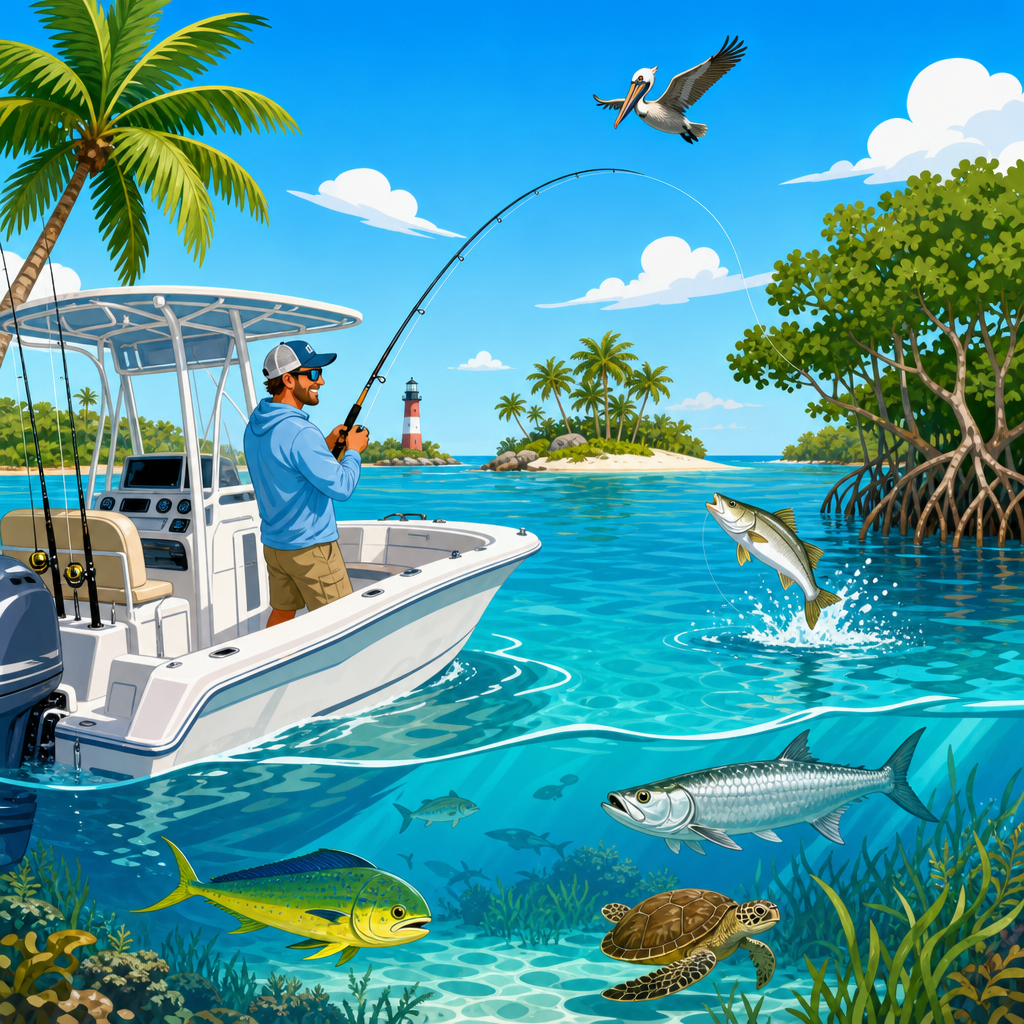
The Bahamas deserve separate treatment. They are technically Atlantic and Caribbean-adjacent in travel planning, but they belong in any island-hopping hub because they are one of the world’s great shallow-water cruising grounds. The Exumas, Abacos, and Eleuthera chains suit crews who value sandbars, tidal cuts, fishing, and anchoring over marina hopping. Navigation there depends heavily on light, tide, and water color. Deep-draft monohulls need more caution than catamarans or center-console boats. Finally, the Virgin Islands and Puerto Rico corridor is useful for mixed charter and hotel-style cruising, especially for US travelers who want easier flight access and familiar marina services while still reaching Culebra, Vieques, St. Thomas, and St. John.
Pick the best season and understand weather risk
The best time for a Caribbean island-hopping boat trip is generally December through April, when humidity is lower, cold fronts rarely reach the eastern Caribbean, and charter operations are running at full capacity. This is also peak pricing season. Trade winds are usually reliable from the east to northeast, often around 15 to 25 knots, though local funneling can push gusts higher between islands and around headlands. In practical terms, that means east-to-west or east-to-northwest legs can feel fast and efficient, while southbound or upwind returns may be much harder on crews that are inexperienced or sensitive to motion.
May and June can be excellent shoulder-season months. Water temperatures are warm, anchorages are less crowded, and rates often improve. I often recommend late spring for experienced crews willing to monitor forecasts closely, because you get many of the benefits of high season with fewer mooring shortages. The compromise is increased heat, more thunderstorms, and the beginning of tropical weather awareness. Hurricane season runs officially from June 1 through November 30, with the highest risk generally from August to October. Some islands lie outside the main hurricane belt more often than others, including parts of the southern Caribbean such as Grenada and Trinidad, but “outside” never means immune.
Forecasting should rely on more than one source. Use the National Hurricane Center for tropical systems, GRIB-based tools such as PredictWind or Windy for route-level wind trends, and local marine forecasts for squalls and swell. Pay attention not only to wind speed but also to wave period, direction, and the timing of overnight shifts. A 20-knot forecast can be manageable in a protected lee and unpleasant in a channel with opposing current. Conservative skippers plan shorter legs, aim for morning departures, and leave room to stop early if conditions deteriorate.
Select the boat and match it to your itinerary
Boat choice shapes comfort, fuel burn, anchoring options, and how many islands you can visit without turning the trip into a logistics exercise. For most Caribbean charter travelers, the main decision is monohull sailboat, sailing catamaran, power catamaran, or motor yacht. I have seen crews choose the wrong platform by focusing only on photos of cabins. The better method is to choose by draft, living space, motion comfort, and average daily distance. Sailing catamarans dominate many charter fleets because they offer shallow draft, wide decks, strong ventilation, and stable at-anchor behavior. Those advantages are real in places like the Tobago Cays or the Exumas, where anchoring depth and comfort matter daily.
Monohulls appeal to sailors who enjoy performance, lower charter costs in some markets, and better upwind feel. They heel, they can be wetter, and interior volume is smaller, but many experienced cruisers still prefer them for helm feedback and simpler marina handling in certain situations. Power catamarans suit guests who want space with less dependence on wind angles, though fuel planning becomes far more important. Traditional motor yachts can cover ground quickly and provide high-end comfort, but they usually draw more water, cost more to operate, and require stricter route management around fuel, slips, and weather windows.
| Boat type | Best for | Main advantages | Main limitations |
|---|---|---|---|
| Sailing catamaran | Families, mixed-skill crews, shallow anchorages | Space, stability at anchor, shallow draft, strong charter availability | Higher charter rates, windward performance can be weaker than monohulls |
| Monohull sailboat | Hands-on sailors, budget-conscious crews | Good sailing feel, often lower cost, better pointing ability | Less interior space, more heel, deeper draft on many models |
| Power catamaran | Flexible routing, comfort-focused groups | Large living areas, stable platform, easier schedule control | Higher fuel use than sailboats, still costlier than many monohulls |
| Motor yacht | Luxury trips, faster transfers, crewed charters | Speed, premium amenities, weather-routing flexibility within limits | Very high operating cost, marina dependence, draft constraints |
For bareboat charters, be realistic about certifications and experience requirements. Many companies ask for a sailing résumé detailing previous command time, boat size, and cruising area. Some destinations are more restrictive than others in strong trade-wind season. If your crew has limited experience, a skipper for the first day or two is often money well spent. For crewed charters or private captains, review licensing, insurance coverage, and local commercial compliance before you pay a deposit.
Build a realistic itinerary with short, safe legs
A strong island-hopping itinerary balances movement and stillness. New planners often overestimate how much ground they can cover because nautical miles on a chart look deceptively small. In reality, departure prep, customs stops, refueling, waiting for a bridge opening, picking up a mooring, and getting a tired crew ashore all consume time. For a one-week trip, I recommend choosing one island group rather than trying to “see everything.” In the BVI, five to seven stops are enough. In the Grenadines, a sensible loop might start in Saint Vincent or Bequia and prioritize Bequia, Mustique, Canouan, Mayreau, Tobago Cays, and Union Island without forcing long backtracks.
Use daylight arrivals as a planning rule. Reef entries, unlit markers, coral heads, and mooring-field congestion all become harder late in the day. In the Bahamas, sun angle is critical for reading the water; early afternoon with the sun high and behind you is often ideal. In the eastern Caribbean, morning departures usually provide flatter seas before thermal effects and daily gust cycles build. I also advise scheduling at least one weather cushion day on any trip longer than a week. That spare day can absorb a customs delay, a mechanical issue, or simply the decision to stay an extra night in the best anchorage of the trip.
Think in route types. A loop reduces repositioning hassle but may force an upwind final leg. A one-way itinerary can follow prevailing conditions more comfortably, but transfer logistics and charter fees may rise. Point-to-point private trips work well when guests prioritize experience over convenience. Whatever the structure, anchor the plan around non-negotiables: flight times, check-in deadlines, fuel range, and the least experienced member of the crew. The most successful itineraries are conservative on paper and flexible in practice.
Handle customs, permits, provisioning, and onboard systems
Cross-border island hopping in the Caribbean is never just about navigation. Customs and immigration procedures can be quick, but only if you prepare. Some territories require online pre-arrival systems, cruising taxes, park permits, or proof of onward travel. Crew lists, passport validity, vessel registration, insurance certificates, and charter contracts should be organized digitally and in print. Do not assume neighboring islands share rules; French territories, independent states, British Overseas Territories, and US jurisdictions all operate differently. Clearing in and out at the right ports matters, and penalties for skipping procedures can be severe.
Provisioning should match your route, not a generic checklist. Stock heavily at your base if you will spend several nights in remote anchorages, but avoid overbuying produce that spoils in tropical heat. Watermaker-equipped boats give more flexibility, yet many charter vessels still depend on tank capacity and marina fills. Ice is easier to buy in busy charter hubs than in outer islands. Fuel strategy also changes by boat type. Sailboats can often wait for planned refueling points, while powerboats must track burn rates, reserve margins, and the reliability of pumps in smaller ports. I always compare the boat’s published consumption with real-world numbers from the operator, because loaded cruising speeds rarely match brochure claims.
Before departure, inspect the anchor gear, windlass breaker, dinghy, outboard, navigation lights, VHF, bilge pumps, refrigeration, and battery monitor. On catamarans, verify bridge-deck clearance concerns in chop and confirm how the engines are isolated electrically. On any vessel, know the holding tank setup and discharge restrictions. Small systems failures ruin island-hopping schedules faster than most weather problems, because they force marina visits or maintenance stops that erase the flexibility you built into the route.
Budget accurately and prioritize safety on every leg
The real cost of a Caribbean island-hopping trip extends beyond the charter rate. Budget for insurance, security deposit reduction, fuel, mooring balls, marina fees, customs charges, provisioning, water, park permits, captain or crew gratuities if applicable, and airport transfers. In popular winter weeks, even simple moorings in high-demand anchorages can require advance booking or premium rates. Restaurants and beach bars can also distort budgets quickly, especially in destinations that import most food and drink. A realistic estimate prevents the common mistake of choosing a route that looks affordable until the add-ons appear.
Safety planning should be concrete, not ceremonial. Every crew member needs a briefing on life jackets, jacklines if used, reef hazards, swimmer protocols, VHF distress procedure, and man-overboard response. Files for local emergency numbers, marina contacts, and the nearest medical facilities belong both on paper and on phones. If you use a chartplotter, back it up with updated electronic charts on a secondary device and carry paper overview charts for orientation. In the Caribbean, visual navigation remains essential because coral, mooring congestion, fishing gear, and sudden squalls can create situations that no screen resolves alone.
Finally, respect fatigue and local knowledge. The skipper who pushes for one more island after a hard beat is usually solving the wrong problem. Harbor staff, park rangers, and experienced mooring attendants often know which anchorages roll in a northerly swell, where theft risk is elevated, and which customs offices close early on weekends. Use that information. A successful coastal cruising trip is not measured by the number of stamps in your passport or miles on the log. It is measured by smooth arrivals, secure nights, enjoyable shore time, and a crew that wants to do it again. Start with a manageable region, plan for the season you are entering, choose a boat that fits your crew, and let each leg serve the larger trip instead of complicating it. If you are building a Caribbean cruising plan now, map your first week on paper, confirm the formalities for each stop, and reserve only the route you can enjoy safely.
Frequently Asked Questions
What is the best way to choose a Caribbean island-hopping route for my experience level and travel style?
The best route is the one that fits how you actually want to spend your time on the water. Caribbean island hopping is usually about short passages between nearby islands, protected anchorages, beach bars, and easy marina stops, not nonstop offshore sailing. If you want a relaxed first trip, choose an area with short distances, straightforward navigation, and plenty of support services. The British Virgin Islands are a classic example because the islands are close together, the anchorages are well known, and you can build a rewarding itinerary without committing to long open-water legs. If you want a little more movement and a stronger sense of passage-making, the Grenadines offer scenic trade-wind sailing, lively local culture, and a string of islands that naturally lend themselves to a one-way or circular itinerary.
Your route should also reflect your priorities ashore. Some travelers want beach time, snorkeling, and calm overnight stops. Others care more about sailing quality, local food, or the ability to mix marinas with quiet anchorages. A smart planning approach is to decide how many hours you want to sail on a typical day, whether your crew enjoys motion, and how often you want access to fuel, groceries, restaurants, and shore excursions. It is usually better to build in fewer islands and more flexibility than to overpack the itinerary. Wind direction, sea state, customs procedures, and crew fatigue all matter, so a route that looks simple on a map may feel very different in real conditions. In practice, the strongest itineraries are realistic, seasonal, and focused on a manageable cruising area rather than trying to connect too many island groups in one trip.
When is the best season to plan an island-hopping boat trip in the Caribbean?
For most travelers, the most reliable season runs from roughly December through April, when weather tends to be drier, temperatures are comfortable, and steady trade winds support classic Caribbean cruising. This is the peak season for chartering and private boat travel because conditions are often favorable for short island-to-island passages, especially in well-traveled cruising grounds. That said, “best” depends on your tolerance for crowds, pricing, and wind strength. Peak winter months can mean busier anchorages, higher charter rates, and the need to reserve moorings, marina slips, and popular boats well in advance. If you want a balance between good weather and slightly lower demand, the shoulder periods can be very attractive.
Seasonality in the Caribbean is not just about comfort; it is also about safety and practicality. Hurricane season, generally from June through November, requires much more caution, especially for travelers booking farther ahead or visiting areas with limited storm shelter options. Even outside peak storm months, local weather patterns can affect sea conditions, inter-island comfort, and anchoring plans. A route that is easy in one season may become uncomfortable or inefficient when exposed to stronger winds and swell. Before finalizing dates, look at historical weather for your chosen island group, not just general Caribbean averages. Also consider water visibility for snorkeling or diving, marina availability, holiday traffic, and ferry or provisioning schedules if you plan to combine land travel with boating. The strongest seasonal plan is one that balances weather windows, budget, and the kind of experience you want day to day.
What type of boat is best for a Caribbean island-hopping trip?
The right boat depends on your budget, boating experience, crew size, and the style of trip you want. For many island-hopping vacations, catamarans are especially popular because they offer generous living space, a stable platform, shallow draft for accessing more anchorages, and an easy social layout for families or groups. They are often the first choice for travelers who prioritize comfort at anchor, outdoor lounging, and a less heeling sailing experience. Monohull sailboats, on the other hand, can be more affordable, sail more traditionally, and often appeal to travelers who care more about the sailing itself than maximizing interior volume. Power catamarans and motor yachts are another option if you want to cover distances quickly, minimize time under sail, or keep a highly structured itinerary, though fuel costs can be significantly higher.
You should also be realistic about whether you want a bareboat charter, a skippered charter, or a fully crewed boat. Bareboating gives you flexibility and privacy, but it requires the right qualifications and confidence in local navigation, anchoring, and weather decisions. A skippered charter can be an excellent middle ground, especially if you want local expertise without committing to a full crewed experience. Fully crewed charters are ideal if your priority is comfort, service, and a polished vacation with minimal logistics on your side. Beyond the hull type, pay attention to cabin layout, water capacity, air conditioning needs, dinghy quality, shade, refrigeration, and onboard electronics. On an island-hopping trip, comfort between stops matters just as much as the time underway, so the best boat is one that supports your route, your crew, and the pace of travel you actually want.
What paperwork, permits, and entry requirements do I need for a Caribbean boat trip?
Paperwork is one of the most important parts of planning because island hopping often means crossing between separate countries or territories, each with its own entry rules. At a minimum, every traveler should have a valid passport with sufficient validity for the trip, and in some cases onward travel documentation may also be required. Depending on your nationality and the islands in your itinerary, you may need visas, cruising permits, fishing permits, or pre-arrival customs and immigration forms. Boat-specific documents can include vessel registration, insurance certificates, radio licenses, crew lists, charter contracts, and, for bareboat charters, proof of sailing competence or a boating resume. Requirements can vary widely, so it is essential to verify them directly with official government and customs sources before departure.
For island-hopping itineraries, one of the most common planning mistakes is assuming that moving short distances by boat means the formalities are simple. In reality, even a short hop can trigger check-in and check-out procedures, fees, and restrictions on where and when you can legally enter. Some islands require arrival at designated ports of entry, and some systems now use online pre-clearance platforms that must be completed before you arrive. If you are chartering, the charter company will often guide you through the process, but you are still responsible for understanding your route’s legal requirements. It is wise to organize all documents digitally and in hard copy, confirm customs office hours, and leave enough time in your schedule for clearance days. Smooth paperwork planning reduces stress, prevents itinerary disruptions, and helps ensure your trip remains enjoyable rather than administratively complicated.
How far in advance should I plan a Caribbean island-hopping boat trip, and what details should I book first?
For the best selection and the least stress, it is smart to start planning several months in advance, and even earlier if you are traveling in peak season, want a specific boat type, or need flights that align with charter turnover days. The first priority is usually locking in your cruising region and travel dates, because those two choices shape nearly everything else: boat availability, weather expectations, marina demand, customs logistics, and how ambitious your itinerary can realistically be. Once your dates and region are set, the boat itself should usually be booked next, especially if you want a catamaran, a family-friendly layout, or a skippered or crewed option during the busiest months.
After securing the boat, focus on flights, arrival logistics, provisioning, and any route-specific reservations such as marina berths, park moorings, or popular overnight stops. It is also the right time to confirm passport validity, travel insurance, charter insurance terms, and any local entry requirements that may affect your plan. If you are bareboating, review charts, pilot guides, qualifications, and the operator’s briefing expectations well before departure. If you are hiring a skipper or crew, discuss your priorities early so the itinerary reflects your interests rather than becoming a generic loop. Good planning does not mean fixing every detail in place. In fact, the best Caribbean island-hopping trips leave room for weather adjustments and spontaneous stops. Book the critical pieces early, then keep the day-to-day schedule flexible enough to respond to conditions, crew energy, and the discoveries that make this kind of trip so memorable.