
National park lakes offer families a rare combination of safe boating water, dramatic scenery, wildlife encounters, and well-managed recreation areas, making them some of the best places in America for memorable trips on the water. In this guide, boating in national parks means using motorboats, pontoon boats, fishing boats, kayaks, canoes, or paddlecraft on lakes managed within or alongside units of the National Park System. Family boating trips involve more than simply launching a boat and cruising. They require matching a lake’s size, rules, weather patterns, marina services, and child-friendly access points to the ages and experience levels of everyone onboard. I have planned family boating itineraries across western reservoirs, alpine lakes, and shoreline parks, and the difference between a stressful outing and a rewarding one usually comes down to choosing the right lake. That choice matters because national park boating combines strict resource protection with world-class recreation. Families need clean facilities, clear regulations, dependable rental options, and water that rewards a half-day trip as much as a full weekend. The best national park lakes deliver all of that while giving children a direct connection to landscapes they might otherwise only see from overlooks and roads.
What Makes a National Park Lake Great for Family Boating
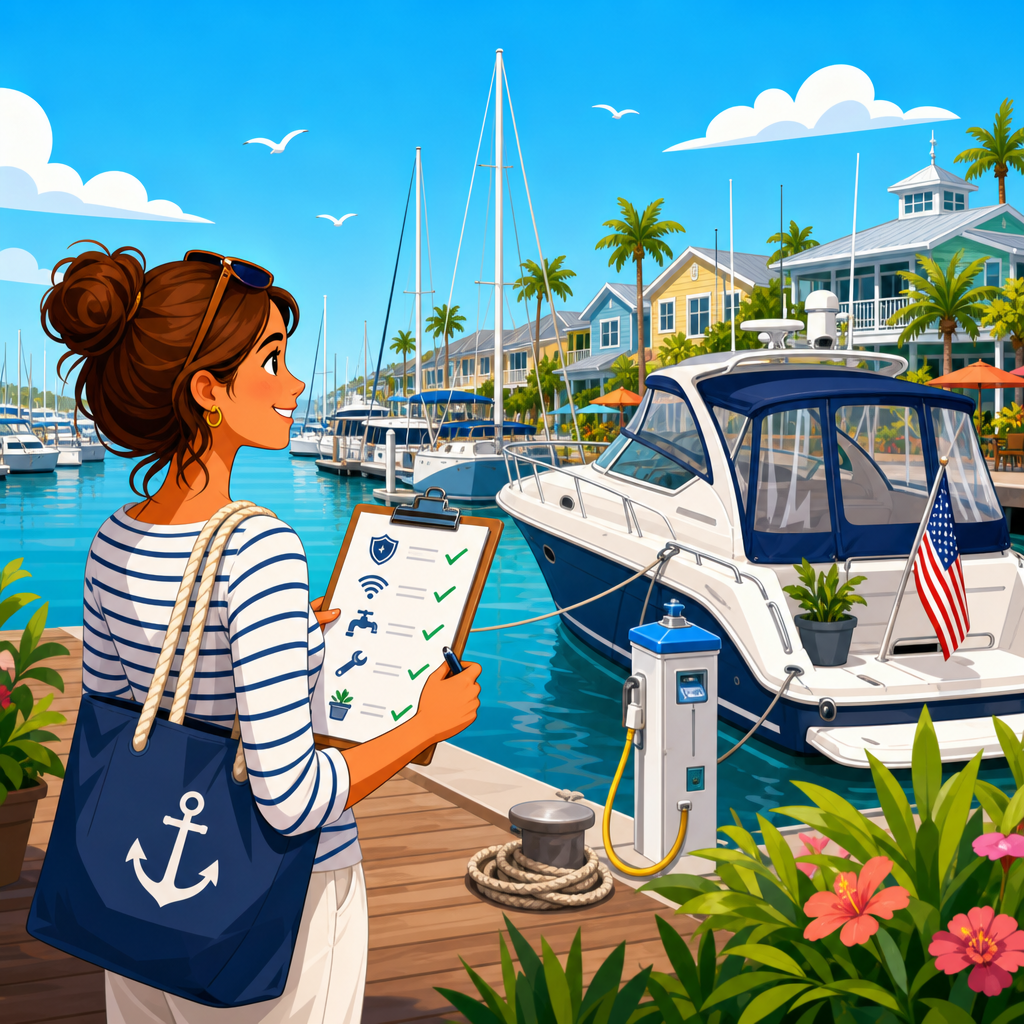
The best family boating lakes in national parks share a few defining traits. First, they have access infrastructure that reduces friction: paved ramps, courtesy docks, marina slips, fuel, restrooms, parking, and nearby campgrounds or lodges. Second, they offer boating zones suited to mixed skill levels. A huge open reservoir may be exciting for adults with experience, but it becomes far more useful for families when protected coves, no-wake areas, or short scenic routes let younger passengers enjoy the day without constant exposure to chop. Third, they have predictable regulations. National Park Service units often require invasive species inspections, life jacket compliance, horsepower limits in some zones, and weather-related closures. Lakes that post these rules clearly, staff their ramps well, and provide current conditions online are easier for traveling families.
Water temperature, elevation, and afternoon wind deserve special attention. Families often focus on postcard scenery and miss operational realities. An alpine lake can be beautiful in July and still remain dangerously cold if someone falls overboard. A desert reservoir can seem calm at breakfast and produce strong afternoon winds by early afternoon. High-elevation parks can also bring thunderstorms that build rapidly. For that reason, the best family boating destinations are not always the most famous lakes, but the ones where scenery, services, and conditions align. From experience, children remember jumping in a quiet cove, spotting bighorn sheep from the bow, or helping tie lines at a dock more than they remember the biggest landmark in the park.
Top National Park Lakes for Family Boating Trips
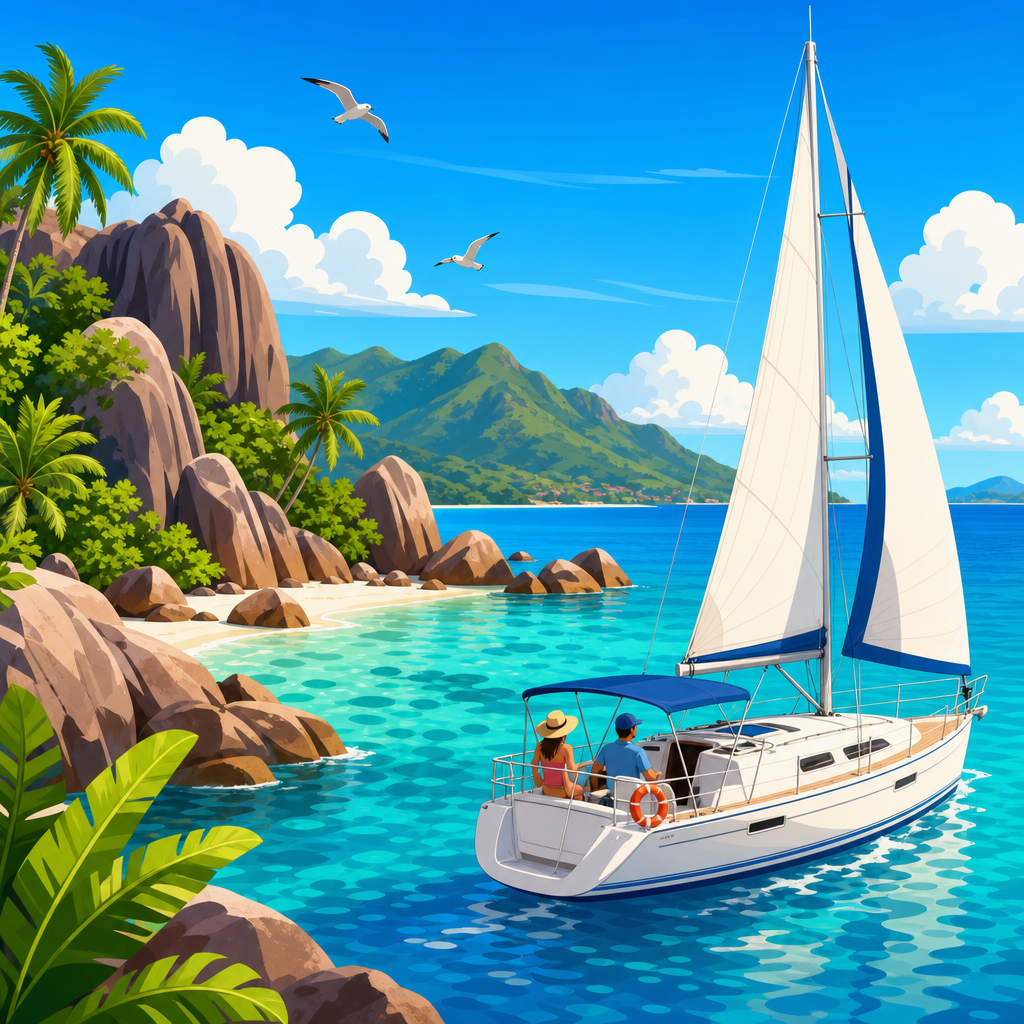
Several lakes consistently stand out for boating in national parks. Lake Powell, spanning Glen Canyon National Recreation Area and bordering key Southwest park destinations, remains one of the most versatile family boating lakes in the country. Its flooded canyon system creates thousands of miles of shoreline, countless sheltered coves, warm-season boating weather, and strong rental infrastructure at marinas such as Wahweap and Bullfrog. Families can choose houseboats, runabouts, or kayaks, and they can scale the trip from a short cruise to a multi-day itinerary. Crater Lake National Park is different: private boating access is tightly controlled, but the lake’s iconic setting shows why not every national park lake is primarily a motorboating destination. For families looking for classic boat rentals and broad access, Voyageurs National Park, Lake Mead National Recreation Area, and Yellowstone Lake are much stronger fits.
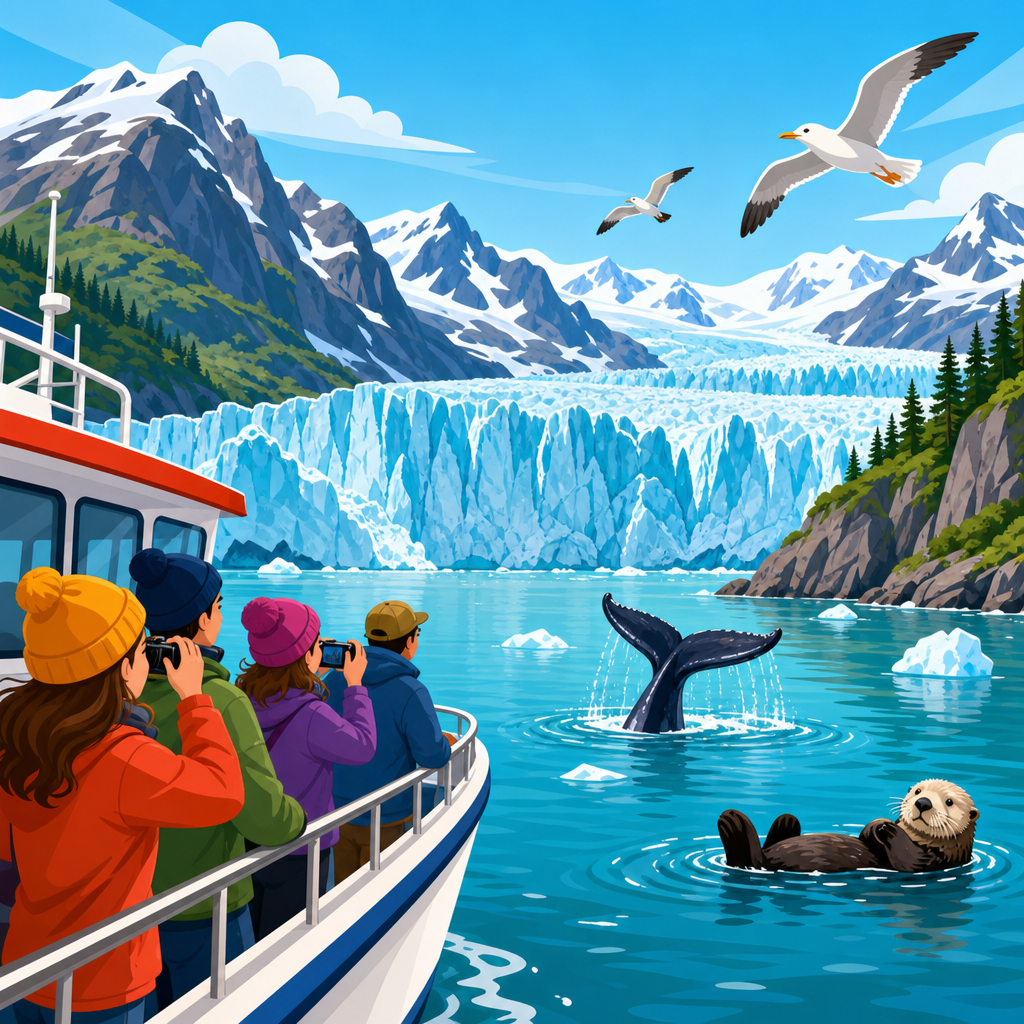
Yellowstone Lake is one of the largest high-elevation lakes in North America and gives families a boating experience unlike anywhere else in the park system. The setting is extraordinary, with mountain backdrops, geothermal features nearby, and regular wildlife viewing opportunities. Yet it also demands caution. Water is cold year-round, weather changes fast, and wind can build significant waves. Families who boat there successfully usually keep itineraries conservative, stay close to launch areas unless highly experienced, and treat immersion risk seriously. Voyageurs National Park in Minnesota offers the opposite advantage: a water-based park designed around interconnected lakes and islands. Families can explore protected channels, camp on boat-in sites, and enjoy a boating culture where navigation and island hopping are central to the visit. Lake Mead and Lake Mohave, within Lake Mead National Recreation Area, provide warm-water boating near Las Vegas with marinas, rentals, beaches, and broad options for families who want a combination of cruising, swimming, and watersports.
| Lake | Best For | Key Family Advantage | Main Caution |
|---|---|---|---|
| Lake Powell | Multi-day trips, rentals, houseboats | Sheltered coves and extensive marina services | Long distances and fuel planning |
| Yellowstone Lake | Scenic boating and wildlife viewing | Unmatched setting inside Yellowstone | Cold water and fast weather changes |
| Voyageurs lakes | Island exploring and boat camping | Protected routes and boat-centric park design | Navigation attention required |
| Lake Mead | Easy access and warm-weather recreation | Marinas, beaches, rentals, broad appeal | Heat and weekend congestion |
| Ross Lake | Quiet family paddling and small boats | Remote scenery and calmer exploration pace | Limited large-boat convenience |
Ross Lake National Recreation Area in the North Cascades is especially appealing for families who prefer a quieter, lower-speed trip. The long, narrow reservoir feels wild, but unlike some larger western lakes, it naturally encourages a slower pace. Families using small motorboats, canoes, or kayaks can explore forested shorelines and mountain views without the constant traffic common at major reservoirs. Other notable options include Grand Teton’s Jackson Lake, which offers spectacular scenery and well-known marina access, and Flaming Gorge National Recreation Area, which, while not a national park unit itself, is often considered alongside national park boating itineraries because of its size and family-friendly cruising. For a true hub view of boating in national parks, the best lake depends on whether a family prioritizes marina comfort, fishing, swimming, wilderness atmosphere, or easy beginner navigation.
Choosing the Right Lake by Boat Type and Family Skill Level
Boat type changes what “best” means. Families renting a pontoon usually need stable water, simple docking, and nearby beaches or picnic stops. That makes Lake Mead and some sections of Lake Powell ideal. Families bringing a fishing boat often prioritize early-morning launches, fish habitat, and regulations around live bait, invasive species, and catch limits. Yellowstone Lake, Jackson Lake, and Voyageurs all draw anglers, but they require very different preparation. Paddling families usually need shorter crossings, shoreline access, and low afternoon wind exposure, which makes places like Ross Lake or protected waters in Voyageurs much better than broad, exposed reservoirs. Houseboats create another category entirely. They work best on lakes with extensive overnight-friendly shoreline and marina ecosystems, a niche where Lake Powell remains the benchmark.
Skill level should guide route planning more than family enthusiasm. I have seen parents overestimate what children can handle on open water simply because a destination looked accessible online. A six-mile crossing in calm morning conditions can become miserable for younger kids if afternoon winds turn the return trip into pounding chop. For beginners, choose lakes where the launch is close to scenic reward. That might mean a one-hour cruise to a canyon beach on Lake Powell, a short island circuit in Voyageurs, or a protected bay on Jackson Lake. Intermediate families can expand to longer loops, towing watersports where permitted, or combining boating with shoreline hiking. Advanced boaters can safely use larger, more exposed lakes, but even they should treat national park waters differently from inland suburban lakes. Distances are longer, rescue access may be slower, and weather forecasts need to be checked repeatedly, not just once before departure.
Planning, Permits, Safety, and Seasonal Timing
Most problems on family boating trips begin on land, not on the water. National park boating often involves timed ramp operations, entrance fees, boat inspection lines, permit requirements, and local restrictions on aquatic invasive species. Western parks increasingly require quagga or zebra mussel prevention protocols, and some waters demand sealing, decontamination, or proof of inspection before launch. Families towing boats across state lines should verify rules directly with the park and its partner agencies because assumptions can ruin a launch day. Fuel availability is another practical issue. On very large lakes, the difference between one marina and the next can be substantial, and children are not ideal passengers for emergency fuel conservation decisions.
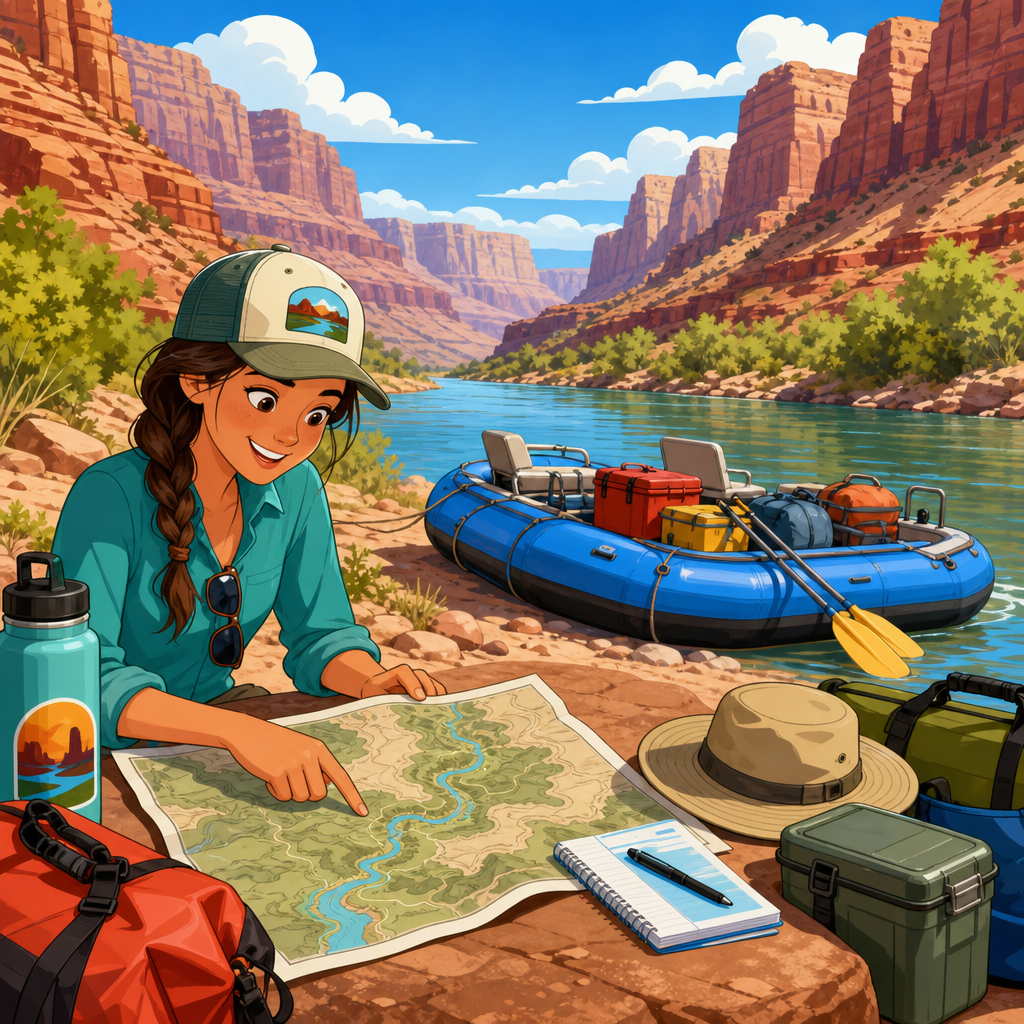
Safety standards are straightforward but nonnegotiable. Every child should wear a properly fitted U.S. Coast Guard approved life jacket whenever underway, and in cold-water parks I strongly recommend adults do the same. Carry redundant hydration in desert parks, layered clothing in alpine parks, a printed map even if you use GPS, and a float plan left with someone ashore. NOAA weather forecasts, park condition pages, and marina staff briefings are all valuable. For family scheduling, shoulder seasons are often better than peak summer holidays. Late spring and early fall can deliver lower boat traffic and easier camping reservations, though water temperatures may be cooler. Peak summer brings warmer swimming conditions and full marina operations, but also heat stress, crowded ramps, and limited last-minute lodging. The best timing depends on whether your family values warm water, solitude, or service availability most.
How to Build a Family-Friendly National Park Boating Itinerary
The strongest itineraries balance boating hours with shore time. Families usually do best with half-day blocks rather than ambitious sunrise-to-sunset runs. A practical model is launch early, cruise while water is calm, stop for swimming or a short trail by late morning, eat lunch in shade, and return before the most common afternoon wind window. On Lake Powell, that might mean leaving Wahweap, running to a nearby side canyon, anchoring in a sandy cove, and returning well before wake traffic builds. In Voyageurs, it may mean hopping between islands, having lunch at a designated site, and finishing with a short paddle from camp. In Yellowstone or Jackson Lake, it often means hugging a conservative route and treating sightseeing as the main event rather than trying to cover maximum distance.
It also helps to connect the boating day to the rest of the trip. Because this article serves as a hub for boating in national parks, the broader planning principle is simple: pair the lake with nearby family activities so the boat is part of the vacation, not the entire burden of it. Families on Lake Mead can combine a marina day with Hoover Dam stops or Red Rock Canyon drives outside the recreation area. Visitors at Grand Teton can boat Jackson Lake and still access scenic drives, ranger programs, and wildlife viewing turnouts. Voyageurs supports fishing-focused itineraries, aurora viewing in the right season, and boat-in camping that teaches self-reliance without requiring deep backcountry skill. Good itineraries leave margin for weather changes, tired kids, and the fact that some of the best moments happen while drifting in a quiet cove, not chasing the longest route on the map.
Common Mistakes Families Make When Boating in National Parks
The most common mistake is choosing a destination based on iconic scenery alone. A famous lake can be a poor fit if the family lacks the right boat, cold-water gear, or comfort with long runs. Another frequent error is underestimating launch logistics. At popular national park lakes, weekends can mean long ramp waits, tight parking, and stress before the engine even starts. Families also pack for the shoreline instead of the water. Sun exposure, windburn, dehydration, and cold spray are predictable boating problems, especially for children. Bring more layers, shade, drinking water, and snacks than you think you need.
A final mistake is ignoring park-specific rules in favor of general boating habits. National parks protect habitat, cultural resources, and visitor safety through local regulations, and those rules vary widely. Some lakes limit areas, some inspect every vessel, and some strongly shape where overnight use is feasible. Respecting these systems improves the trip. Families who prepare well spend less time troubleshooting and more time enjoying beaches, wildlife, fishing, and the simple novelty of seeing a national park from the water. The best national park lakes for family boating trips are not just beautiful. They are manageable, memorable, and matched to your crew’s real ability. Start with a lake that fits your family, review current regulations before you go, and use this hub as the foundation for deeper planning across the best boating destinations in the national park system.
Frequently Asked Questions
What makes a national park lake a good choice for a family boating trip?
A great national park lake for families usually combines calm or manageable water conditions, easy boat access, beautiful scenery, and well-maintained visitor facilities. Parents often do best on lakes with clearly marked launch ramps, nearby marinas, designated swimming or picnic areas, and ranger-managed recreation zones. These features make the day smoother, especially when traveling with younger children or first-time boaters. Lakes in and around national parks also tend to stand out because they pair boating with shoreline hiking, wildlife viewing, fishing, and scenic overlooks, so the trip feels like more than just time on the water.
Another major advantage is the quality of management. National Park Service areas and adjacent recreation lakes often have posted boating rules, safety guidance, seasonal updates, and staffed visitor centers that help families plan appropriately. That means you can usually find information on water levels, weather concerns, permit requirements, life jacket rules, invasive species inspections, and no-wake zones before you launch. For many families, the best lake is not necessarily the biggest or most famous one, but the one that offers a safe, organized, and memorable experience with enough amenities to keep the day comfortable and stress-free.
Which types of boats are best for families on national park lakes?
The best boat depends on your family’s experience level, the size of the lake, and the kind of outing you want. Pontoon boats are often one of the easiest choices for families because they provide stable seating, extra room for gear, and a comfortable ride for children, grandparents, or anyone who prefers a slower, more relaxed day on the water. Small motorboats and fishing boats can also work very well, especially on larger lakes where covering distance matters or when fishing is part of the plan. These boats can be ideal for families who want flexibility without giving up convenience.
Kayaks, canoes, and other paddlecraft are excellent options for families looking for a quieter, more nature-focused experience. They are especially appealing on smaller lakes, protected coves, and scenic shoreline areas where wildlife viewing is part of the fun. However, paddlecraft are usually best for families with older children or adults comfortable with basic paddling skills and changing conditions. For any boat type, families should match the vessel to the lake’s size, wind exposure, water temperature, and launch conditions. On a large mountain reservoir, a lightweight canoe may not be the safest choice in afternoon winds, while on a calm inland lake, it can be perfect. The key is choosing a boat that supports comfort, control, and safety for everyone on board.
How can families stay safe while boating on lakes in national parks?
Safety starts before the boat ever touches the water. Families should check the park’s official boating regulations, current weather forecast, water conditions, and any alerts related to storms, closures, or low water levels. Every person on board should have a properly fitted U.S. Coast Guard-approved life jacket, and children should generally wear theirs at all times, not just keep them nearby. It is also smart to carry drinking water, sun protection, a first-aid kit, dry clothing, navigation basics, and emergency communication tools such as a charged phone in a waterproof case. On many mountain or high-elevation lakes, families underestimate how quickly wind, cold water, and weather can change conditions.
Once on the water, safe boating means staying aware and boating conservatively. Keep speeds reasonable, follow wake restrictions, watch for paddlers and swimmers, and never assume open water is hazard-free. Submerged rocks, shallow areas, sudden wind gusts, and cold-water exposure can create risks even on calm-looking lakes. Families should also set a realistic itinerary and avoid trying to pack too much into one outing. A shorter, easier trip is often the best choice with children. If anyone in the group is tired, cold, sunburned, or uneasy, head back early. National park boating is most enjoyable when safety decisions are made proactively rather than reactively.
What should families pack for a successful day of boating on a national park lake?
A well-packed boat can make the difference between a relaxing family adventure and a frustrating one. Essentials include properly fitted life jackets for every passenger, plenty of water, snacks or meals, sunscreen, hats, sunglasses, and layered clothing suited to the lake’s weather pattern. Even in summer, mornings can be cool and afternoons can turn windy, especially on alpine or large open lakes. Families should also bring towels, a waterproof bag for valuables, a small first-aid kit, and any required permits or rental paperwork. If children are coming along, adding simple comfort items like extra dry clothes, familiar snacks, and a few quiet activities can help prevent meltdowns during longer outings.
It is also wise to pack with the destination in mind. For fishing trips, bring licenses, tackle, and a cooler if allowed and appropriate. For paddle trips, secure everything in dry bags and keep gear lightweight. For motorized outings, confirm fuel needs, safety equipment requirements, and whether the lake has restrictions on engine type, horsepower, or invasive species inspections. Families often forget shoreline essentials too, such as water shoes, insect repellent, picnic supplies, and a map of the lake or park. Thoughtful packing supports both safety and enjoyment, and it allows families to spend more time exploring coves, spotting wildlife, and enjoying the scenery instead of dealing with avoidable problems.
Are there special rules or planning considerations for boating on national park lakes?
Yes, and checking those details ahead of time is one of the smartest steps a family can take. National park lakes and adjacent recreation waters may have specific regulations on boat inspections, launch hours, wake zones, seasonal closures, fishing access, and allowable watercraft. Some lakes limit certain motor types, require invasive species screening, or enforce strict cleaning and draining rules before launch. Others may have designated areas for paddling, swimming, or wildlife protection where boat traffic is restricted. Because many of these waters are environmentally sensitive, families should expect a higher level of oversight than at a typical local lake.
Planning also includes logistics beyond the rules. Families should consider parking availability, marina services, restroom access, rental options, fuel, elevation, distance from lodging, and how crowded the lake becomes during weekends or peak season. Arriving early often leads to a better experience, with easier launching, calmer water, and more wildlife activity. It is also important to know whether the lake sits fully inside a national park or is managed in partnership with another federal or state agency, since regulations may vary. The most successful family boating trips happen when expectations match the location: choose a lake with facilities and conditions that fit your group, follow posted guidance carefully, and build the day around a pace that keeps everyone comfortable and engaged.