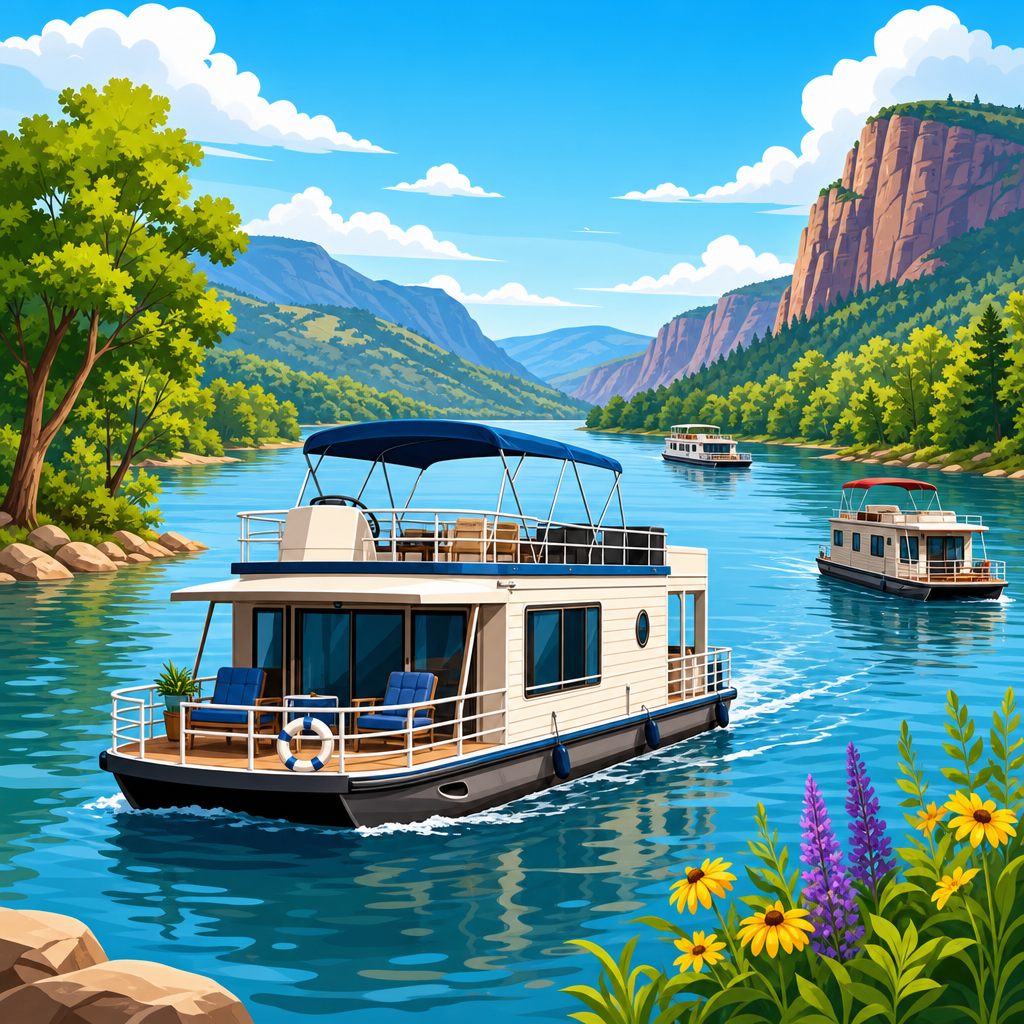
Choosing the right waterway can turn a simple trip into an unforgettable houseboat vacation, and the best rivers for houseboat vacations in the U.S. combine navigable channels, scenic shorelines, marina access, and regulations that support multi-day cruising. In boating travel, a houseboat vacation means living aboard a vessel designed for sleeping, cooking, and relaxing while moving through a destination at a slow, sightseeing pace. The appeal is obvious: you pack once, cast off, and your lodging travels with you. After years of evaluating boating destinations and planning itineraries for river and lake cruisers, I have found that travelers consistently ask the same questions. Which rivers are easiest for beginners? Which offer the best scenery? Where can families find marinas, fuel, and safe overnight options? This hub answers those questions while also pointing readers toward the broader landscape of the best boating lakes and rivers in the U.S., because river vacations and lake cruising often overlap within the same travel planning process.
Rivers matter in a different way than lakes. A good boating lake gives you open water, coves, and stable recreation zones. A great houseboating river adds movement, lock systems, waterfront towns, changing scenery, and a strong sense of journey. That progression is why many travelers who start by researching boating lakes eventually decide on a river-based route. In the United States, the top houseboat-friendly rivers are not always the most famous rivers overall. Some are prized because they have reliable marina networks, mild current, and shoreline camping; others earn their place because they connect to reservoirs and lake systems that dramatically expand cruising options. This article focuses on five rivers that stand out for practical vacation value, not just postcard appeal. Each offers a different experience, from wilderness solitude to city-to-city exploration, and each deserves consideration if you are building a shortlist for a U.S. houseboat trip.
When comparing the best boating lakes and rivers in the U.S., it helps to evaluate destinations using the same criteria that charter operators and experienced cruisers use: navigability, seasonal water levels, wake exposure, fuel availability, slip access, weather patterns, and the number of attractions reachable from the water. Those details shape your vacation more than broad reputation does. A beautiful river with strong commercial traffic or limited overnight services may suit skilled captains but frustrate first-time renters. By contrast, a less famous river with controlled flow, marked channels, and nearby marinas can deliver a far better houseboat vacation. The five rivers below are the standouts I recommend most often because they balance scenery, access, safety, and trip-planning flexibility.
1. Tennessee River: the most versatile houseboating river in the Southeast
The Tennessee River is one of the best rivers for houseboat vacations in the U.S. because it offers a rare combination of navigable length, developed marina infrastructure, and access to connected reservoirs that feel like inland seas. Stretching across multiple states and managed in part through the Tennessee Valley Authority system, it gives boaters controlled water levels and many cruising segments that are far calmer than people expect from a major river. In practical terms, that means easier helm handling, more predictable route planning, and more options for first-time renters.
The most vacation-friendly portions include areas around Chattanooga, Knoxville-adjacent waters, and linked reaches through Pickwick, Wheeler, and Kentucky Lake connections. Although some itineraries blend river and reservoir cruising, that is exactly why this system belongs in any hub covering the best boating lakes and rivers in the U.S. Families can idle into coves for swimming, stop at waterfront restaurants, and overnight in marinas with shore power, showers, and provisions. Anglers appreciate bass fishing, while sightseeing-focused crews enjoy bluffs, forested banks, and historic river towns.
One reason I frequently recommend the Tennessee River is that it scales well by skill level. New boaters can choose broader, calmer sections with full-service marinas. More experienced crews can build longer point-to-point routes that involve locks and varied shore excursions. Key planning considerations include lock schedules, summer thunderstorm patterns, and busy holiday weekends. Still, compared with many large rivers, the Tennessee is forgiving. If your goal is a comfortable, amenity-rich introduction to houseboating, this is often the smartest first choice.
2. Mississippi River: iconic scenery and serious route planning
The Mississippi River is the most famous river in the country, and selected sections can provide an excellent houseboat vacation, but this is a destination where choosing the right segment is everything. The river is vast, commercially important, and highly variable. Strong current, tow traffic, wing dams, and changing conditions make some stretches unsuitable for casual houseboat travel. However, upper sections of the Mississippi, especially where lock-and-dam pools create wider recreational zones, are far more approachable and can be outstanding for scenic cruising.
In the Upper Mississippi River corridor through Minnesota, Wisconsin, Iowa, and Illinois, boaters find a mix of backwaters, wildlife areas, river towns, and managed navigation. These pool sections feel less like a single, fast-moving channel and more like a connected system of broad water, side passages, and anchoring opportunities. Bald eagles, herons, wooded islands, and sandstone bluffs give the region a distinctly different atmosphere from the industrial image many travelers associate with the lower river. Towns such as Winona, La Crosse, Dubuque, and Galena-adjacent ports add culture and resupply stops.
I tell travelers to treat the Mississippi with respect rather than fear. Study U.S. Army Corps of Engineers navigation charts, confirm marina fuel availability in advance, and understand lock procedures before departure. If you do that, the reward is a classic American cruising experience rich in ecology and history. It is not the easiest river for beginners, but for travelers who want scale, heritage, and changing river landscapes, the right Upper Mississippi itinerary is memorable in a way few destinations can match.
3. Columbia River: dramatic landscapes and premium cruising in the Pacific Northwest
The Columbia River delivers some of the most dramatic scenery available on any U.S. houseboat vacation. Running through the Pacific Northwest and shaping the Columbia River Gorge, it combines broad navigable water, mountain views, vineyard regions, and a strong sense of place. For travelers who care as much about landscapes as they do about time on the water, the Columbia belongs near the top of the list. Wind, however, is the defining factor here. This river can be magnificent and demanding at the same time, so timing and route selection are crucial.
The most attractive cruising stretches for vacationers are generally those where marina support, fuel docks, and protected stopping points are available, particularly in areas linked to Hood River, The Dalles, and segments near the Tri-Cities. Some itineraries focus on day-cruise movement with marina overnights rather than long remote anchoring, which works well because the surrounding attractions are strong. Wineries, trails, waterfront dining, hydroelectric dam viewpoints, and small downtown districts create a rich off-boat experience. That matters because the best boating destination is not only about the water; it is also about what happens when you step ashore.
From a planning standpoint, the Columbia suits travelers who are comfortable reading forecasts carefully. Afternoon winds can build steep chop, especially in exposed reaches. I advise leaving early, shortening daily runs, and reserving moorings in advance during peak summer windows. Do that, and the Columbia rewards you with one of the most visually impressive river vacations in the country, especially in late spring and early fall when crowds ease and visibility is often excellent.
4. Ohio River: overlooked access to river cities, history, and manageable cruising
The Ohio River is often overlooked in national travel roundups, yet it is one of the most practical houseboating rivers in the eastern U.S. because it combines navigable depth, lock-managed flow, and direct access to historic riverfront communities. Extending along or through states including Pennsylvania, Ohio, West Virginia, Kentucky, Indiana, and Illinois, it offers a long corridor where recreational boaters can build trips around urban stopovers, heritage sites, and quieter scenic stretches. Compared with the Mississippi, the Ohio generally feels more manageable for leisure itineraries, though it still requires serious navigation awareness.
Good cruising areas include stretches near Cincinnati, Louisville, Madison, and Pittsburgh-connected waterways for experienced planners. Waterfront redevelopment in several river cities has improved dockage, dining, and visitor access, making this a compelling option for adults who want a mixed trip with cruising by day and town exploration at night. This is also a strong educational route for families. You can tie together themes of American westward expansion, river commerce, engineering, and Civil War-era geography without turning the vacation into homework.
The Ohio River’s key tradeoff is that its appeal is more cultural and route-based than wilderness-driven. You choose it for movement, towns, and history rather than for hidden coves and isolated beaches. Still, that profile fits many travelers perfectly. If your ideal trip includes lock transits, skyline views, museum stops, and a real sense of traveling through the American interior, the Ohio is far more rewarding than its low-profile reputation suggests.
5. St. Johns River: warm-weather houseboating with wildlife and easygoing pace
Florida is better known for coastal cruising and intracoastal routes, but the St. Johns River is one of the most enjoyable warm-weather houseboat rivers in the country. Flowing north through much of the state, it is unusually gentle in gradient and supports broad stretches of calm, scenic cruising. For travelers seeking an easier pace, abundant wildlife, and winter-season boating potential, the St. Johns is a standout. It feels less like a high-energy passage and more like a slow exploration of marshes, cypress-lined banks, springs, and classic Old Florida towns.
Popular cruising regions include segments near Sanford, Palatka, and Jacksonville-adjacent lower reaches, along with side trips toward connected lakes in the central basin. Manatees, alligators, ospreys, and migratory birds are major draws, and the river works especially well for photographers and nature-focused travelers. Because many sections are sheltered and relatively straightforward, the St. Johns can suit renters who want a lower-stress introduction to multi-day cruising. Marinas, public docks, and waterfront parks are common enough to make trip logistics manageable without sacrificing scenery.
The main planning concerns are seasonal weather, shallow side areas, and local boating regulations in manatee zones and no-wake corridors. Summer heat and thunderstorms can be intense, while winter and spring generally provide the most comfortable conditions. If you want a river vacation that favors wildlife, relaxed pacing, and accessible cruising over long-distance challenge, the St. Johns is one of the smartest choices in the U.S.
How to choose the best river for your houseboat vacation
The right destination depends less on rankings than on trip style. I recommend matching the river to your crew’s priorities, because a family with young children, a couple seeking quiet scenery, and a group of anglers may all need different things from the same week afloat. Use the factors below as your decision framework.
| River | Best For | Main Advantage | Key Watchout |
|---|---|---|---|
| Tennessee | First-time renters and families | Excellent marina network and flexible routes | Lock timing and summer storms |
| Mississippi | History lovers and experienced planners | Iconic American river scenery and culture | Commercial traffic and stronger current |
| Columbia | Scenery-driven travelers | Gorge landscapes and premium shore excursions | Wind and exposed chop |
| Ohio | City-to-city cruisers | Historic towns and manageable navigation | Fewer wilderness-style anchorages |
| St. Johns | Wildlife seekers and winter travelers | Gentle pace and warm-weather cruising | No-wake zones and seasonal heat |
Before booking, confirm whether you are chartering a true houseboat, a cabin cruiser with overnight capability, or a pontoon-based rental package. Operators use these terms differently. Review beam, draft, generator runtime, freshwater capacity, air-conditioning, and pump-out requirements. Check NOAA forecasts where applicable, Corps or local waterway notices, and state boating regulations. If this hub is your starting point, build outward by comparing river systems with the best boating lakes in the U.S., because some of the strongest vacations combine both environments in one itinerary.
Planning tips that improve any U.S. river houseboat trip
Successful houseboat vacations are won in the planning stage. Book peak-season charters months ahead, especially on routes with limited marina slips. Ask operators for sample itineraries based on your cruising speed, because brochures often understate travel time. Download offline charts in apps such as Navionics and carry official backups when required. Plan fuel stops conservatively. River current, wind, and idling time around docks can change consumption more than new boaters expect. Pack for line handling with gloves, quick-dry clothing, and shoes that grip wet decks.
Equally important, build margin into every day. On rivers, small delays compound. A late lock transit, thunderstorm, or crowded fuel dock can erase an afternoon plan quickly. I prefer one major movement per day with one shoreline objective worth skipping if conditions change. That approach keeps the vacation enjoyable instead of schedule-driven. Whether you choose the Tennessee, Mississippi, Columbia, Ohio, or St. Johns, the best outcomes come from respecting the river, matching the route to your experience level, and leaving room to slow down.
The top 5 rivers for houseboat vacations in the U.S. each deliver a distinct version of freedom on the water. The Tennessee River stands out for flexibility and beginner-friendly infrastructure. The Mississippi offers iconic scale and historical depth on carefully chosen upper sections. The Columbia pairs big-water cruising with some of the country’s most dramatic scenery. The Ohio rewards travelers who want culture, towns, and a true journey through America’s inland waterways. The St. Johns provides gentle pacing, wildlife, and reliable warm-weather appeal. Together, they form a strong starting point for anyone researching the best boating lakes and rivers in the U.S.
As a hub within boating destinations and travel, this guide is designed to help you narrow the field intelligently. Start with your priorities: easy handling, scenery, town access, fishing, wildlife, or shoulder-season weather. Then compare river conditions, marina support, and charter options with the same care you would use when choosing among the best boating lakes in the country. The right match will shape everything from daily stress level to how often your crew wants to repeat the experience. Pick a river that fits your crew, map a realistic itinerary, and start planning your next houseboat vacation.
Frequently Asked Questions
What makes a river ideal for a houseboat vacation in the U.S.?
An ideal river for a houseboat vacation offers a combination of easy navigation, attractive scenery, dependable marina infrastructure, and rules that make overnight cruising practical. Unlike a day-trip boating route, a houseboat-friendly river needs enough width and depth for safe travel, predictable channel markers, and steady access to fuel, pump-out services, and places to dock or anchor. These basics matter because a houseboat vacation is about living aboard for several days at a relaxed pace, not simply moving from one launch ramp to another.
The best rivers also provide variety. Travelers usually want calm stretches for leisurely cruising, scenic shorelines for sightseeing, and nearby towns, parks, or waterfront restaurants that make each stop feel distinct. A strong destination balances natural beauty with convenience. For example, rivers connected to larger recreational systems often have well-developed marinas and rental options, while still offering quiet coves, wooded banks, and wildlife viewing opportunities.
Another major factor is how beginner-friendly the waterway is. Some rivers have swift current, commercial barge traffic, frequent lock systems, or highly variable water levels, all of which can raise the learning curve. A top river for a houseboat vacation generally has manageable current, clearly marked routes, and enough support services that first-time renters can cruise confidently after a safety briefing. In short, the most rewarding houseboat rivers are those that let travelers focus on the experience of slow travel, onboard comfort, and changing scenery rather than constant technical challenges.
Are river houseboat vacations suitable for beginners, or do you need prior boating experience?
Many river houseboat vacations are very suitable for beginners, especially on waterways that are known for recreational cruising and have established rental operations. In the U.S., a large share of houseboat travelers are first-timers who receive orientation from the rental company before departure. That briefing usually covers steering, docking, onboard systems, safety equipment, local navigation rules, and what to do when approaching marinas, no-wake zones, or shallow areas. On beginner-friendly rivers, this introduction is often enough to help cautious travelers enjoy a successful trip.
That said, “beginner-friendly” does not mean “effortless.” Even on calm rivers, houseboats are larger and slower to respond than smaller pleasure boats. Wind, current, and docking angles can all affect handling. Beginners should choose a destination with well-marked channels, limited commercial traffic, and access to staff support if questions come up during the trip. It also helps to plan shorter cruising days, arrive at marinas early, and assign clear roles onboard so one person handles lines while another focuses on steering.
If you are new to boating, it is smart to ask detailed questions before booking. Find out whether the river has locks, whether anchoring is common or if marina docking is preferred, how busy the waterway gets in peak season, and whether any state boater education requirements apply. With realistic expectations and a river known for recreational travel, beginners can absolutely enjoy a houseboat vacation. In fact, many of the best U.S. rivers for houseboating are popular precisely because they combine scenic cruising with a manageable learning curve.
What should you look for when comparing the top rivers for a houseboat vacation?
When comparing rivers, start with the character of the cruising experience. Some waterways are prized for broad, scenic corridors and long, uninterrupted days on the water, while others are better known for charming river towns, fishing access, and frequent marina stops. The right choice depends on whether you want a quiet nature-focused trip, a social vacation with waterfront dining and entertainment, or a flexible mix of both. The best rivers for houseboat vacations typically offer enough route options to suit different travel styles.
Next, compare practical logistics. Marina spacing matters because it affects fuel planning, overnight stops, and access to supplies. Channel conditions matter because shallow areas, strong current, or seasonal water fluctuations can influence how comfortable and safe the trip feels. You should also review docking options, rental fleet quality, and whether the river has nearby launch points, airports, or major highways that make arrival easier for your group. A beautiful river can still be a poor fit if services are too limited for a multi-day liveaboard trip.
It is also important to consider regulations and seasonal patterns. Certain rivers may have speed restrictions, no-wake zones, lock schedules, permit requirements, or local rules related to anchoring and shoreline use. Water levels can vary by season, and weather patterns may affect current, visibility, and overall trip planning. Finally, think about group needs. Families may prioritize calm water and easy marina access, anglers may prefer rivers with productive fishing habitat, and couples may want more secluded scenery. The strongest river destinations stand out because they combine navigability, comfort, attractions, and dependable trip support.
How long should a river houseboat vacation be to fully enjoy the experience?
For most travelers, a river houseboat vacation is best enjoyed over three to seven days. A weekend trip can be enough to get a taste of the lifestyle, but it often feels rushed because houseboating is built around slow movement, flexible stops, and time spent enjoying the boat itself. Between the safety orientation, loading supplies, cruising to the first overnight stop, and getting familiar with docking and onboard systems, the first day usually goes by quickly. A longer trip gives you time to settle into the rhythm of life on the water.
A three- or four-day itinerary works well for first-timers who want a manageable introduction. It gives enough time to cruise scenic stretches, stop at a marina or two, cook onboard, and enjoy sunsets and mornings on the river without feeling pressured to cover too much distance. A five- to seven-day trip is often ideal for travelers who want a fuller experience. That longer window allows for side excursions, fishing, swimming in permitted areas, exploring river towns, and building in flexibility for weather or leisurely layover days.
The right trip length also depends on the river itself. On a waterway with many attractions packed closely together, a shorter vacation may feel complete. On a larger river system with longer distances between major stops, a week can make the trip much more rewarding. If your goal is not just to pilot the boat but to enjoy the full liveaboard experience—cooking, relaxing on deck, sightseeing, and waking up in a different setting each day—then planning more than a simple overnight outing is usually the better choice.
What should you pack and plan for before taking a houseboat on a U.S. river?
Preparation starts with understanding that a houseboat is both transportation and lodging. That means you should pack as if you are heading to a cabin that moves. Essentials include soft-sided bags for easy storage, weather-appropriate clothing in layers, non-slip shoes, toiletries, medications, chargers, sun protection, hats, polarized sunglasses, and any personal safety or comfort items your group needs. Food planning is equally important. Many travelers bring groceries for breakfasts, snacks, drinks, and simple dinners, then mix in occasional marina or waterfront restaurant meals if the route allows.
You should also plan around the river environment rather than just the boat. Check expected weather, current water conditions, marina locations, fuel availability, and local regulations before departure. Bring a printed or downloaded route plan in case connectivity is limited. If fishing or swimming is part of the trip, verify license requirements and designated areas where those activities are allowed. For families, think through sleeping arrangements, child safety, and entertainment during downtime. For adult groups, make sure everyone understands rules related to alcohol, navigation responsibilities, and quiet hours at marinas.
Finally, set realistic expectations about onboard living. Storage space is limited, freshwater and holding tanks have capacity limits, and power use may need to be managed carefully depending on the boat and rental setup. Ask the provider what is included, such as cookware, linens, cleaning supplies, life jackets, and basic navigation tools, so you do not overpack or miss something important. A successful river houseboat vacation is rarely about bringing more gear; it is about planning smartly for comfort, safety, and flexibility. When the basics are covered in advance, you can spend the trip doing what houseboat travel does best: cruising slowly, enjoying the scenery, and treating the river as your changing front porch.