Florida’s inland waterways offer one of the most varied boating landscapes in the United States, combining spring-fed rivers, vast natural lakes, cypress-lined chains, and quiet backcountry routes that feel a world away from the state’s busy coast. For boaters planning freshwater trips, these waterways matter because they deliver year-round access, protected cruising, and a remarkable mix of fishing, wildlife viewing, paddling, houseboating, and family day cruising. In practical terms, inland boating means navigating lakes, rivers, canals, and connected chains away from open-ocean conditions, where wind chop, tides, and inlet traffic are usually less severe. That makes Florida especially attractive for new boat owners, traveling anglers, and experienced cruisers who want easier route planning without sacrificing scenery or range.
I have planned and run inland routes across central and north Florida, and the same pattern holds up trip after trip: the best destination is not simply the prettiest water, but the one that fits your boat, draft, towing range, and on-water goals. A bass angler looking for vegetation edges and shallow flats will judge a destination differently than a family in a pontoon boat searching for waterfront restaurants, sandbar stops, and calm afternoon cruising. This hub article is designed to help you make those distinctions. It covers the best boating lakes and rivers in Florida’s inland waterways while also serving as a broader guide to what makes the best boating lakes and rivers in the U.S. worth visiting. Florida belongs at the center of that conversation because few states combine navigable distance, warm weather, boat-launch infrastructure, and biodiversity so effectively.
Several core terms shape smart trip planning. A spring-fed river usually runs clearer and cooler than a tannic blackwater river, and that affects visibility, wildlife, current strength, and propeller caution around swimmers or paddlers. A chain of lakes refers to interconnected lakes that allow longer cruising without repeated trailering. Lock systems, such as those on the Ocklawaha-connected routes and cross-state canal sections, determine vessel height, timing, and route reliability. Drawdown schedules, aquatic vegetation management, no-wake zones, and seasonal water levels also influence where larger boats can safely operate. When readers ask what the best boating destination in Florida is, the honest answer is that the state offers several top-tier inland options, each excelling for a different kind of trip.
For this hub, I focus on destinations with proven access, navigable interest, and strong trip value: the Harris Chain of Lakes, the St. Johns River, Lake George, the Kissimmee Chain, the Winter Haven Chain, the Suwannee River, and spring-fed standouts such as the Silver and Rainbow systems. These waterways deserve attention not just as local favorites but as nationally relevant freshwater boating destinations. Compared with many inland boating states, Florida adds manatee zones, alligator habitat, subtropical birdlife, and a climate that supports long seasons when northern lakes are frozen. That blend of accessibility and ecological variety is why inland Florida remains one of the strongest starting points for anyone researching the best boating lakes and rivers in the U.S.
What makes a Florida inland boating destination worth the trip
The best Florida inland boating destinations share five traits: reliable launch access, enough navigable water to justify the drive, scenery that changes along the route, clear rules for boaters, and nearby services such as fuel, food, or marinas. In my experience, destinations that check only one or two boxes become short novelty trips. The waterways boaters return to are the ones that support different activities in a single day. On the St. Johns River, for example, you can idle through wildlife-rich marsh, stop for lunch at a riverfront town dock, fish shell bars or grass edges, then run open stretches in the afternoon without feeling boxed into a tiny basin. That variety is the difference between a one-time outing and a dependable favorite.
Water clarity and depth deserve special attention. Clear spring runs like Rainbow River reward slower sightseeing, swimming, and snorkeling-adjacent recreation, but they often impose strict operating rules to protect habitat and paddlers. Darker rivers such as the Suwannee can be more forgiving visually for fishing-focused boaters, yet they demand local awareness around shoals, fallen timber, and fluctuating water. Lakes add another layer: wind exposure. A pontoon that feels perfect on a protected chain can become uncomfortable on a broad open lake by early afternoon. For that reason, route shape matters as much as route length. Interconnected waters with protected alternatives let boaters adjust quickly when weather shifts.
The strongest destinations also have identity. The Harris Chain is known for tournament bass fishing and easy cruising between waterfront communities. The Kissimmee Chain feels expansive and old Florida, with broad marsh edges and room to roam. Silver Springs is iconic for clarity and wildlife, while the Suwannee offers a more rugged, camp-and-cruise character. These differences matter when building a travel plan or choosing what article to read next in a broader boating destinations guide.
Top Florida inland waterways for day trips, long weekends, and extended cruising
The Harris Chain of Lakes in Lake County ranks among the most versatile inland boating destinations in Florida. The chain includes lakes Harris, Eustis, Dora, Griffin, Yale, and several connected waters, giving boaters meaningful mileage with marinas, launch ramps, canal passages, and restaurant access. It works especially well for pontoon boats, deck boats, bay boats, and freshwater fishing rigs. Tavares, Mount Dora, and Leesburg provide strong support infrastructure, making the chain easy for traveling boaters who want slip rentals, fuel, and nearby lodging. It is also one of the state’s most recognizable bass fisheries, with major tournament history that signals consistent habitat quality and angler appeal.
The St. Johns River is Florida’s premier inland river route for boaters who want scale. Running north through the state, it includes quiet upper-river marshes, broad middle reaches, and classic stops such as Sanford, DeLand, Astor, and Palatka. Lake George, technically part of the St. Johns system, deserves separate mention because it feels like an inland sea compared with narrower river sections. On calm days it offers huge cruising water, but wind can build steep chop quickly, so seamanship matters. The payoff is range: boaters can plan multi-day itineraries with marinas, waterfront dining, state parks, and spring side trips. For anyone asking where to take a cabin cruiser or trawler-style boat inland in Florida, the St. Johns is usually the first serious answer.
The Kissimmee Chain of Lakes is one of the best places in the country for anglers who also want scenic cruising. Lakes Tohopekaliga, Cypress, Hatchineha, Kissimmee, and connected waters create a large mosaic of open lake and vegetated shoreline habitat. This chain is famous in bass fishing circles, but even non-anglers appreciate the birdlife, broad horizons, and less-developed feel. The system rewards boaters who understand shallow-water navigation and vegetation lanes. It is not as restaurant-oriented as the Harris Chain, which is exactly why many people love it.
The Winter Haven Chain, divided into north and south systems, is ideal for families and casual cruisers. Canal-linked lakes, residential scenery, sandbar-style social stops, and straightforward navigation make it one of central Florida’s friendliest day-boating areas. Smaller runabouts, pontoons, and ski boats fit naturally here. It lacks the wilder feel of the St. Johns or Suwannee, but for accessible recreation it consistently performs.
| Destination | Best For | Boat Types | Main Advantage |
|---|---|---|---|
| Harris Chain | Fishing and dining cruises | Pontoons, bass boats, deck boats | Interconnected lakes with strong services |
| St. Johns River | Multi-day cruising | Cabin cruisers, center consoles, pontoons | Long navigable range and varied scenery |
| Kissimmee Chain | Serious freshwater fishing | Bass boats, bay boats, pontoons | Habitat-rich lakes with old Florida character |
| Winter Haven Chain | Family day boating | Runabouts, ski boats, pontoons | Easy access and protected canal links |
| Suwannee River | Remote exploration | Shallow-draft boats, jon boats | Natural scenery and camping appeal |
Florida rivers and spring systems that stand out nationally
Several Florida inland waterways are nationally significant because they offer experiences that are hard to duplicate elsewhere in the U.S. Silver Springs and the Silver River combine extraordinary clarity with abundant wildlife, including monkeys descended from a historic private attraction, plus manatees in cooler months and frequent bird activity. Boaters need to operate carefully here because the appeal of the destination is its fragile visibility and habitat. Excess speed, prop wash near shore, or careless anchoring can damage exactly what people come to see. When I advise first-time visitors, I stress that this is a place to slow down and observe, not just rack up miles.
Rainbow River near Dunnellon is one of the clearest and most visually striking freshwater boating routes in Florida. The water remains cool and transparent because it is spring-fed, and the setting feels almost unreal on bright days. That same clarity means boaters can spot grass beds, fish movement, and shallow areas, but it also brings stricter expectations. Depending on launch point and current local rules, some activities and vessel uses may be limited or managed to reduce congestion and protect the spring run. This is a destination where checking current county and state guidance before launching is not optional.
The Suwannee River offers a different kind of excellence. It is not defined by crystal clarity or lakeside dining; its value lies in distance, solitude, and a strong sense of wild Florida. Limestone banks, forested shorelines, tributary springs, and riverside campgrounds make it attractive for boaters who prefer exploration over convenience. Water levels can change trip quality significantly. A route that feels easy at one river stage can become technical at another, especially for larger outboards. For that reason, the Suwannee rewards preparation more than improvisation.
For boaters comparing Florida with other leading freshwater states, these systems help explain why Florida remains competitive nationally. Minnesota may offer sheer lake count, the Ozarks offer major reservoir recreation, and the Pacific Northwest offers dramatic mountain scenery, but Florida’s inland waterways combine biodiversity, climate, and long seasons in a way few states can match.
How to choose the right inland waterway for your boat and travel style
The right destination starts with hull type, draft, passenger expectations, and towing reality. Bass boats excel on the Kissimmee Chain, Harris Chain, and Lake George when conditions cooperate, but a family expecting shade, lounging, and easy boarding will usually have a better day on a pontoon. Deeper cabin boats shine on larger stretches of the St. Johns, where distance and overnight options justify their amenities. Shallow-draft aluminum boats and skiffs make the most of rivers with variable depth and undeveloped banks. Matching the boat to the water reduces stress, fuel waste, and avoidable damage.
Trip style matters just as much. If your group wants a destination lunch, a waterfront town walk, and a manageable afternoon cruise, choose the Harris Chain or parts of the St. Johns near developed stops. If the goal is birding, quiet shorelines, and sunset drifts, the Kissimmee Chain and upper St. Johns marsh sections are stronger fits. If the priority is swimming and extraordinary water color, spring systems belong at the top of the list, with the understanding that rules are tighter and speeds lower.
One mistake I see often is evaluating inland routes only by map size. A fifty-mile system with no fuel, no shade, and heavy wind exposure may deliver less usable boating than a smaller connected chain with better services and protected passages. Another is ignoring local restrictions. Manatee protection zones on the St. Johns and adjacent systems are enforced seriously. Springs often have no-wake or access controls. Aquatic vegetation can narrow routes seasonally. Smart planning means checking state park notices, county ramp updates, water levels, and weather before committing to a launch.
Planning tips, safety essentials, and the next places to explore
Every Florida inland boating trip should begin with three checks: current water conditions, ramp status, and route-specific regulations. The Florida Fish and Wildlife Conservation Commission, county parks departments, and state park systems regularly publish notices that can affect speed zones, access points, or habitat protections. I also recommend verifying fuel availability if you are cruising a full day on the St. Johns or moving through less-developed sections of larger chains. Do not assume marina hours from old listings; inland fuel docks can keep narrower schedules than coastal facilities.
Safety on inland waterways is different from offshore safety, not less important. Afternoon thunderstorms build quickly in central Florida, and open lakes such as George, Harris, and Kissimmee can become rougher than casual boaters expect. Carry a functioning VHF if your route supports useful monitoring, but do not rely on it alone; many inland skippers depend more on mobile coverage, which can still be inconsistent in remote areas. A good depth app, updated charts where available, polarized lenses, push pole or paddle for shallow situations, and conservative trim habits will prevent many common incidents. On spring runs, keep propellers clear of swimmers and paddlers. On rivers, watch for floating debris after rain events.
As a hub for the best boating lakes and rivers in the U.S., this guide points to a simple conclusion: Florida’s inland waterways are not a side note to the state’s boating identity. They are a major travel category of their own, with destinations suited to tournament anglers, families, explorers, and cruisers who want protected water without giving up memorable scenery. Start with the waterway that matches your boat and your day, then build outward to longer trips. If you are planning your next freshwater run, use Florida’s Harris Chain, St. Johns River, Kissimmee Chain, Winter Haven Chain, Suwannee River, and signature spring systems as your shortlist, and explore each destination in greater detail before you launch.
Frequently Asked Questions
What makes Florida’s inland waterways different from its coastal boating destinations?
Florida’s inland waterways offer a very different experience from the state’s beaches, bays, and open coastal routes. Instead of dealing with ocean swell, tidal currents, busy inlets, and rapidly changing offshore weather, inland boaters typically enjoy more protected water, calmer conditions, and scenery that feels quieter and more immersive. These routes include spring-fed rivers, natural lakes, cypress-lined chains, blackwater creeks, and backcountry passages where the focus shifts from big-water navigation to wildlife, relaxation, and exploration. For many families and freshwater boaters, that means easier day trips, more predictable handling, and a wider range of activities, from cruising and tubing to fishing and paddling.
Another major difference is the incredible ecological variety packed into Florida’s interior. In one trip, boaters may pass clear springs, shaded riverbanks, broad open lakes, and marsh systems filled with birds and fish. Inland destinations often feel more intimate than the coast, with slower speeds, tighter channels, and more opportunities to stop at parks, ramps, swimming spots, and small waterfront communities. They are also especially appealing for boaters who want year-round access without always committing to saltwater maintenance concerns such as corrosion, barnacle growth, and more demanding post-trip cleanup. For anyone looking for scenic freshwater boating with flexibility, comfort, and strong outdoor appeal, Florida’s inland waterways stand out as some of the best cruising environments in the country.
Which inland boating destinations in Florida are considered the best for scenery, wildlife, and overall variety?
Several inland destinations consistently rank among the best because they combine navigability, natural beauty, and multiple ways to enjoy the water. The Harris Chain of Lakes in Central Florida is a favorite for boaters who want interconnected cruising, waterfront dining, fishing, and a mix of open lake running and sheltered passages. It is accessible, boater-friendly, and well suited to pontoons, deck boats, and family day cruising. The St. Johns River is another standout because it offers a long, historic freshwater corridor with marsh views, birdlife, fishing opportunities, and numerous towns and parks along the way. Its size and reach make it ideal for boaters who want extended exploration rather than a short out-and-back trip.
For crystal-clear scenery, the spring-fed rivers are in a class of their own. Areas around Silver Springs, the Rainbow River, and portions of the upper Santa Fe and Withlacoochee systems are known for striking water clarity, lush vegetation, and a slower-paced style of boating that rewards careful navigation and time spent taking in the surroundings. Lake Kissimmee and the Kissimmee Chain appeal strongly to anglers and wildlife watchers, offering broad freshwater landscapes, excellent bass habitat, and a more natural, undeveloped feel than some of the busier recreational corridors. Boaters looking for old-Florida atmosphere often gravitate toward cypress-lined waterways where alligators, turtles, otters, wading birds, and osprey are part of the experience. The best destination ultimately depends on whether the priority is scenic spring water, broad-lake cruising, fishing, or relaxed backcountry exploration, but Florida’s inland systems are exceptional because they offer all of those experiences within one state.
What types of boats are best suited for Florida’s inland waterways?
The best boat for Florida’s inland waterways depends on the route, water depth, and style of trip you have in mind. Pontoon boats are among the most versatile choices because they provide stable, comfortable platforms for family cruising, sightseeing, swimming stops, and casual fishing. They perform especially well on chains of lakes, wider rivers, and protected inland routes where passengers want space and comfort. Center consoles and bay-style boats can also work well in many inland areas, particularly for anglers who want casting room and easy maneuverability, though draft and hull design should always match the waterway. For narrower rivers, stump-prone shallows, and areas with variable depth, smaller skiffs, jon boats, and shallow-draft utility boats are often practical choices.
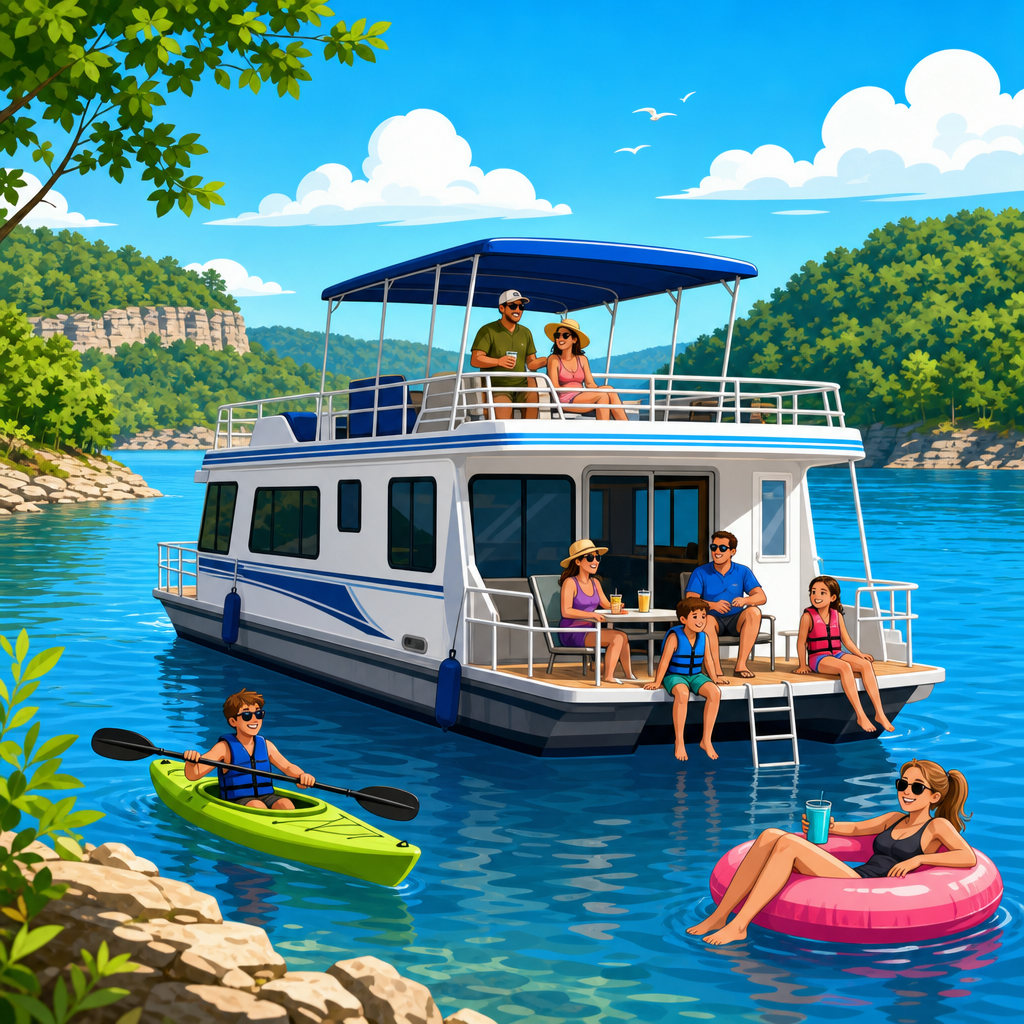
Paddlesports also belong in the conversation. Kayaks and canoes are ideal for spring runs, quiet creeks, and wildlife-heavy sections where slower movement enhances the experience. In some destinations, especially clearer or more environmentally sensitive waters, paddling may actually be the best way to appreciate the setting. Houseboats and cabin cruisers can be excellent on larger inland systems where overnight cruising is realistic and facilities support longer stays. Regardless of boat type, the most important factors are draft, local horsepower restrictions, ease of launching, and the ability to navigate vegetation, submerged obstacles, and sometimes narrow channels. Florida’s inland waterways reward boaters who match their vessel to the environment rather than assuming one boat fits every destination.
What should boaters know about safety, navigation, and seasonal conditions on inland routes?
Although inland boating is often calmer than coastal boating, it should never be treated casually. Florida’s freshwater routes can include shallow flats, submerged stumps, floating vegetation, tight turns, narrow channels, idle-speed zones, and rapidly changing depths, especially during seasonal water-level shifts. Local knowledge matters. Boaters should always review updated charts or mapping apps, check ramp conditions, and understand whether a route is spring-fed, riverine, or lake-based because each behaves differently. On some lakes, afternoon winds can build enough chop to affect smaller boats, while certain rivers may feature stronger current, low-clearance bridges, or areas where manatees and paddlers require heightened awareness and reduced speed.
Weather also remains a year-round factor. Summer thunderstorms in Florida can develop quickly, bringing lightning, strong wind, and reduced visibility even on protected inland water. In cooler months, fog can be a serious concern on lakes and rivers during morning launch windows. Boaters should carry life jackets for every passenger, monitor marine and local forecasts, keep navigation lights operational, and make sure safety gear is easy to access. It is also wise to launch with a float plan, sufficient fuel, drinking water, a charged phone or VHF where appropriate, and an understanding of wildlife regulations, no-wake zones, and spring or park-specific rules. Inland boating may feel more sheltered than the coast, but safe and enjoyable trips still depend on preparation, situational awareness, and respect for the unique conditions of each waterway.
How can families and first-time boaters choose the right inland destination in Florida?
Families and newer boaters should start by thinking less about famous names and more about the kind of day they want on the water. If the goal is easy cruising, swimming, lunch stops, and a comfortable introduction to freshwater boating, a well-serviced chain of lakes with good ramps, marinas, and clear channel markers is often the best choice. Destinations like the Harris Chain or other established Central Florida lake systems are popular because they reduce complexity while still delivering beautiful scenery and plenty to do. If your group prefers nature and clear water over distance cruising, spring-fed areas may be a better fit, especially where rentals, guided trips, or designated boating zones help simplify logistics. For children, quieter water with predictable conditions usually creates a more enjoyable and less stressful experience.
It also helps to match the destination to activity level. Anglers may prioritize fish habitat and access to productive freshwater systems such as Lake Kissimmee or the upper St. Johns region, while casual cruisers may prefer routes with waterfront parks and scenic shorelines. First-time boaters should look for destinations with reliable public ramps, nearby fuel, straightforward navigation, restrooms, and plenty of information from local marinas or park staff. Booking a rental or guided excursion can be a smart way to test a waterway before trailering your own boat there. In practical terms, the right inland destination is one that matches your boat, your passengers, your skill level, and the amount of planning you want to do. Florida makes that easy because its inland waterways range from beginner-friendly family lakes to more adventurous river and backcountry routes, giving almost every type of boater a place to feel comfortable and inspired.