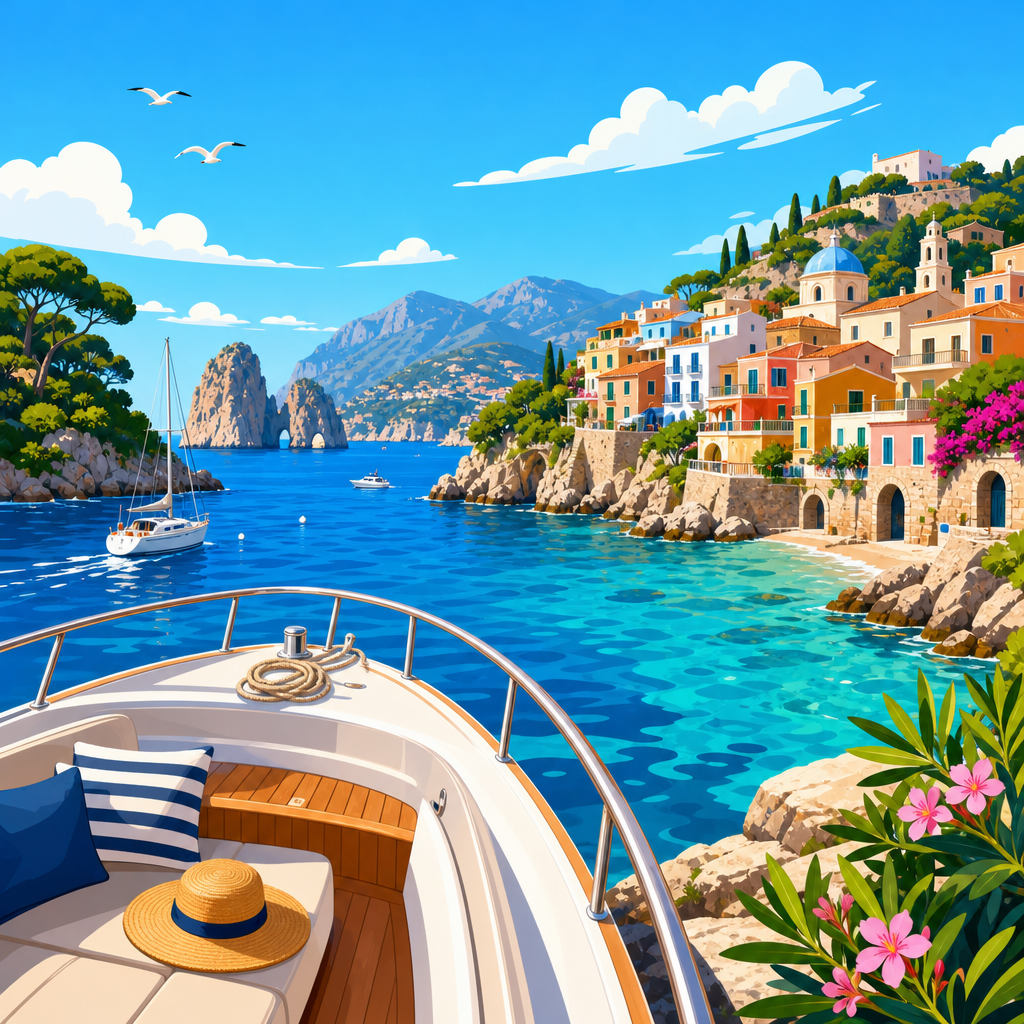
The Mediterranean rewards boaters with an unusual combination of short passages, deep history, and dramatic changes in scenery within a single voyage. In one week you can anchor below whitewashed villages in Greece, refuel in a modern Croatian marina, then tie up beside Venetian walls in Montenegro or southern Italy. For travelers planning top international boating destinations, this region stands apart because distances are manageable, weather patterns are well studied, and coastal infrastructure ranges from simple village quays to full-service superyacht harbors. I have planned routes here in both shoulder season and peak summer, and the same lesson always holds: the best Mediterranean boating itinerary balances marquee ports with quieter stops where the coastline, not the crowd, sets the pace.
Exploring the Mediterranean by boat means using a sailboat, catamaran, gulet, motor yacht, or bareboat charter to move between coastal towns, islands, coves, and cultural sites. Coastal stops are the ports, anchorages, marinas, fishing harbors, and protected bays that define the experience between longer crossings. Choosing them well matters because the Mediterranean is not one uniform cruising ground. The Meltemi in the Aegean can turn an easy plan into a demanding passage, while the mistral in southern France can close exposed anchorages with little warning. Berth availability, customs procedures, fuel access, mooring style, and seasonal congestion also vary sharply from country to country.
This hub article explains the strongest coastal stops across the region and shows how to think about them as part of a bigger boating plan. It covers the western Mediterranean, Adriatic, and eastern Mediterranean, highlighting what each area does best, who it suits, and where first-time visitors should prioritize their time. If you are researching the best Mediterranean boat trip, the goal is simple: identify destinations that combine navigational practicality, worthwhile shore experiences, and protected overnight options. The ports below are not just pretty postcards. They are proven bases, transit stops, and end destinations that consistently deliver good cruising days, memorable land excursions, and the kind of route flexibility every skipper values.
French Riviera and Provence: Glamour, Marinas, and Practical Cruising
The French Riviera remains one of the top international boating destinations because it pairs prestige with excellent marine infrastructure. Nice, Antibes, Cannes, Saint-Tropez, and the nearby Îles de Lérins create a compact cruising area where passage times are short and shore access is easy. Port Vauban in Antibes is one of the best-known yachting centers in Europe, useful not only for large yachts but also as a provisioning and technical stop. Cannes offers reliable marina services and immediate access to restaurants, chandlers, and transport links. For boaters who want to mix day cruising with polished waterfront towns, this coastline is hard to beat.
The best coastal stops here include the old port areas where you can step directly into walkable historic districts, but the real value often comes from nearby islands and roadsteads. The Îles de Lérins, just off Cannes, provide calmer, greener scenery and clear swimming water within a very short run from the mainland. Around Saint-Tropez, the appeal is strongest in shoulder season, when the harbor atmosphere stays lively without the midsummer berth pressure that can complicate arrivals. This section of coast is ideal for crews who want marina comfort at night and scenic lunch anchorages by day. The tradeoff is cost: fuel, berths, and waterfront dining are among the highest in the Mediterranean.
Italy’s Tyrrhenian Coast and Islands: Culture-Rich Stops with Varied Conditions
Italy offers some of the most rewarding Mediterranean boating destinations because every coastal stop combines seamanship decisions with serious cultural payoff. Along the Tyrrhenian coast, Portofino, the Cinque Terre gateways, Elba, the Amalfi Coast, Capri, Ischia, Procida, and Sicily all deserve attention, but they work differently. Portofino is iconic yet capacity constrained, so many experienced skippers treat it as a timed visit rather than a primary overnight berth. Elba is more versatile, with multiple anchorages, manageable distances, and a less performative atmosphere. Farther south, Amalfi and Positano are visually unmatched, though swell, ferry traffic, and tight mooring availability require early planning.
Capri is one of those places that earns its reputation from the water. Arriving by boat reveals the island’s cliffs and sea caves in a way day-trippers never fully experience. Yet practical boaters know that nearby Procida often makes the smarter overnight choice, with more authentic streets, easier pacing, and less pressure than Capri or Ischia in high season. Sicily deserves special mention as a cruising region rather than a single stop. Taormina roads, the Aeolian Islands, Syracuse, and Palermo each support different itinerary styles, from scenic island hopping to food-focused urban cruising. If your goal is a Mediterranean coastal route with historic ports, varied cuisine, and strong local character, Italy is usually the easiest recommendation.
Croatia and Montenegro: The Adriatic’s Most Complete Cruising Circuit
For boaters who want protected waters, frequent stopping points, and excellent charter logistics, Croatia is often the most practical entry into Mediterranean cruising. Split, Hvar, Vis, Korčula, Mljet, and Dubrovnik form a route network that works for first-timers and repeat visitors alike. Distances are moderate, line-of-sight navigation is common, and marinas are generally well equipped. Hvar Town is the headline stop, popular for nightlife and polished waterfront energy, but Vis often leaves the stronger impression with its military history, calmer feel, and nearby blue-water anchorages. Mljet National Park adds a slower, greener contrast that helps break up busy urban ports.
Montenegro extends the Adriatic itinerary with one of the Mediterranean’s most dramatic enclosed cruising areas: the Bay of Kotor. Entering the bay feels less like reaching another marina zone and more like boating into a fjord-like fortress landscape. Kotor and Perast are standout coastal stops because the setting delivers sheltered water, steep mountain backdrops, and historic architecture in a compact area. Porto Montenegro in Tivat provides top-tier services, maintenance support, and a clean customs entry process, making it especially useful for international routes. The main limitation in both Croatia and Montenegro is seasonal crowding. In July and August, popular berths can become transactional and rushed, so reserving ahead is not optional on headline routes.
Greece and Turkey: Island-Hopping at the Heart of Mediterranean Boating
Greece is the classic answer to the question, where is the best place to sail in the Mediterranean? The answer depends on conditions and experience. The Ionian, with Corfu, Lefkada, Ithaca, Kefalonia, and Zakynthos, is the gentler choice for mixed-skill crews because summer winds are usually more moderate and anchorages are forgiving. The Cyclades, including Mykonos, Paros, Naxos, and Milos, offer unforgettable scenery but demand respect because strong northerlies can build quickly. The Dodecanese and Saronic Gulf sit between those extremes, blending easier passages with substantial cultural interest. Hydra, Poros, Symi, and Rhodes are among the coastal stops that consistently justify a berth reservation.
Turkey’s southwestern coast, especially Bodrum, Göcek, Marmaris, and Fethiye, complements Greece perfectly and is one of the most underrated international boating destinations for route design. The coastline is indented with protected bays, pine-covered coves, and well-run marinas, giving skippers more weather fallback options than many Aegean sectors. Göcek is particularly valuable as both a charter base and a cruising ground because short daily legs lead to attractive anchorages without sacrificing service standards ashore. The Greek islands often win on postcard recognition, but Turkey frequently wins on berth value, marina quality, and anchorage comfort. Together, these coasts create the Mediterranean’s most versatile island-hopping environment.
Spain and the Balearics: Best for Mixed Charter, Family, and Lifestyle Itineraries
Spain’s Mediterranean coast and the Balearic Islands deserve hub-level attention because they serve multiple boating styles at once. Barcelona and Valencia are strong embarkation ports with international flight access, repair facilities, and provisioning depth. From there, many itineraries focus on Mallorca, Menorca, Ibiza, and Formentera. Mallorca is the all-rounder: Palma offers marina capacity, engineering support, and nightlife, while the island’s north and east coasts provide calas and anchorages that feel far removed from the city. Menorca is calmer and more nature oriented, making it ideal for families and crews who prefer scenic stops over club culture.
Ibiza and Formentera are often oversimplified as party destinations, but from a boating perspective they are much broader than that. Cala d’Hort, Espalmador, and the beaches around Formentera deliver some of the clearest water in the western Mediterranean, and outside peak weekends the cruising can feel surprisingly relaxed. The challenge is regulation and demand. Posidonia seagrass protections are rightly enforced, which means careful anchoring practices and, in some zones, the use of fixed moorings or designated areas. That framework is not a burden; it preserves the very seabeds and water clarity that make the Balearics so valuable for repeat cruising. For family charters, social flotillas, and weeklong bareboat trips, Spain offers one of the strongest balances in the region.
How to Choose the Right Coastal Stops for Your Itinerary
The best Mediterranean coastal stops are not simply the most famous. They are the places that match your boat type, crew experience, weather window, and shore priorities. When I build itineraries, I rank stops by five factors: protection from prevailing wind, berth reliability, shore access, fuel and provisioning convenience, and whether the stop adds something distinct to the route. A glamorous harbor that exposes you to surge or requires a difficult tender transfer may be worth a lunch visit, not a night. By contrast, a less famous town with a secure quay, good tavernas, and a morning bakery can become the highlight of the trip.
| Region | Best Known Stops | Best For | Main Watchouts |
|---|---|---|---|
| French Riviera | Antibes, Cannes, Saint-Tropez | Luxury marinas, short hops, shore lifestyle | High costs, summer berth scarcity |
| Italy | Capri, Procida, Elba, Sicily | Culture, food, varied cruising styles | Ferry wash, tight harbors, advance booking |
| Croatia/Montenegro | Hvar, Vis, Kotor, Tivat | Protected routes, charter ease, history | Peak-season congestion |
| Greece/Turkey | Hydra, Rhodes, Bodrum, Göcek | Island hopping, anchorages, scenery | Strong seasonal winds in some zones |
| Spain/Balearics | Palma, Menorca, Ibiza, Formentera | Family charters, beach cruising, mixed nightlife | Environmental anchoring restrictions |
Timing also changes everything. Late May, June, and September usually deliver the best mix of warm water, manageable crowds, and better berth availability. August is vibrant but operationally harder almost everywhere. If you are building a broader boating destinations and travel plan, use this Mediterranean hub as a starting point, then branch into country-level guides based on your priorities: marina comfort, sailing challenge, cultural access, nightlife, or family suitability. That is the real advantage of the region. It does not offer one perfect route; it offers many strong routes within a relatively compact sea.
The Mediterranean remains the benchmark for international boating because nowhere else combines navigational variety, dense coastal heritage, and developed marine services at the same scale. The best coastal stops are not only beautiful; they make a trip function smoothly. Antibes works because you can repair, provision, and enjoy shore life in one stop. Procida works because it offers authenticity without sacrificing practicality. Hvar, Kotor, Hydra, Göcek, Palma, and Formentera each succeed for similarly concrete reasons, blending shelter, access, atmosphere, and memorable scenery. When those elements align, a boat trip becomes more than transportation between famous names. It becomes a sequence of places that each justify arrival.
For most travelers, the smartest approach is to choose one Mediterranean subregion and cruise it well rather than trying to cover the whole sea in a single itinerary. Match your route to your crew’s confidence, book key berths early, respect weather patterns, and leave room for improvisation when a quiet cove or harbor proves more rewarding than the expected headline stop. If you are building a shortlist of top international boating destinations, start here: the French Riviera for polish, Italy for culture, Croatia and Montenegro for structure, Greece and Turkey for island-hopping, and Spain for balance. Use this hub to map your next route, then dive deeper into each destination before you cast off.
Frequently Asked Questions
What makes the Mediterranean one of the best regions in the world for a boating trip?
The Mediterranean is widely considered one of the world’s premier boating regions because it combines practical cruising conditions with an extraordinary range of cultural and scenic experiences. Distances between major stops are often manageable, which allows boaters to cover meaningful ground without committing to long offshore passages every day. In a relatively short itinerary, travelers can move from Greek island anchorages to Croatian marinas, then onward to fortified towns in Montenegro or the historic ports of southern Italy. That kind of variety is difficult to match elsewhere.
Another major advantage is the maturity of the region’s boating infrastructure. Much of the Mediterranean coast has been serving sailors and motor cruisers for generations, so marinas, fuel docks, provisioning options, repair services, and customs procedures are generally well developed in popular routes. Weather patterns are also comparatively well studied, which helps with voyage planning, seasonal timing, and route selection. While local winds such as the Meltemi, Mistral, and Bora must always be respected, experienced boaters appreciate that these systems are familiar and extensively documented.
Just as important, the Mediterranean offers a rare blend of natural beauty and historical depth. A day on the water can end beneath limestone cliffs, beside a fishing harbor, or under the walls of a medieval old town. For travelers interested in top international boating destinations, few places deliver such a strong mix of easy route building, memorable coastal stops, and access to centuries of architecture, food, and maritime history.
Which coastal stops are considered must-see highlights when exploring the Mediterranean by boat?
The best coastal stops depend on your route, vessel type, and travel style, but several areas consistently stand out. In Greece, the Cyclades and Ionian Islands are perennial favorites. The Cyclades are known for whitewashed villages, clear anchorages, and iconic island scenery, while the Ionian often appeals to boaters seeking greener landscapes, gentler cruising conditions, and charming harbor towns. Islands such as Paros, Naxos, Corfu, and Kefalonia frequently appear on well-designed itineraries because they combine navigational convenience with strong onshore experiences.
Croatia is another essential Mediterranean boating destination, especially along the Dalmatian Coast. Stops such as Split, Hvar, Korcula, and Dubrovnik offer a compelling mix of marina access, protected waters, and beautifully preserved old towns. The appeal here lies not only in the individual ports but also in the ease of island-hopping. Boaters can move through a dense network of harbors, coves, and historic settlements without needing to undertake long open-water runs.
Montenegro has also become increasingly popular for yacht travelers thanks to its dramatic geography and distinctive coastal atmosphere. Kotor Bay is the standout, with steep mountains dropping into calm, enclosed waters and medieval towns that feel especially striking when approached from the sea. In southern Italy, destinations such as the Amalfi Coast, Sicily, and parts of Puglia offer another dimension of Mediterranean cruising, blending ancient ports, excellent cuisine, and varied shore excursions. The strongest itineraries usually balance iconic headline destinations with quieter overnight stops, allowing travelers to experience both the region’s famous landmarks and its more intimate coastal character.
How much time should you plan for a Mediterranean boating itinerary?
A one-week trip is enough to experience the Mediterranean’s core appeal, especially if you focus on a single cruising zone rather than trying to cover too many countries at once. With seven days, many boaters can build an excellent itinerary around one concentrated area, such as the Greek Islands, the Dalmatian Coast of Croatia, Montenegro’s Bay of Kotor, or southern Italy. Because passages are often short, even a compact trip can include several very different stops, from secluded bays to sophisticated marinas and historic walled ports.
That said, ten days to two weeks is often the ideal range for a more balanced and rewarding voyage. This timeframe allows for weather flexibility, slower mornings at anchor, and time ashore to actually explore the destinations instead of simply arriving and departing. It also reduces the pressure to maintain a rigid schedule, which is particularly valuable in a region where local wind systems can influence daily plans. A longer itinerary gives you room to enjoy the rhythm of Mediterranean boating rather than treating the trip like a checklist.
If you are considering a cross-border route, extra time becomes even more important. Customs procedures, marina reservations, fuel stops, and sightseeing all take time, and the Mediterranean is best enjoyed at a pace that leaves room for spontaneity. In practice, the right duration depends on whether your goal is to see a handful of famous destinations efficiently or to immerse yourself in the region’s coastal culture. For most travelers, the best results come from choosing fewer stops and allowing enough time to experience each one well.
What is the best time of year to explore the Mediterranean by boat?
The prime Mediterranean boating season generally runs from late spring through early autumn, with May, June, September, and early October often considered the most comfortable months for many travelers. During these shoulder periods, conditions are usually pleasant, sea temperatures are improving or still warm, and major destinations tend to feel less crowded than in peak summer. Marinas, restaurants, and coastal services are typically fully operational, while the overall atmosphere is often more relaxed and manageable.
July and August bring the classic Mediterranean summer experience, including lively harbors, warm water, and a strong social scene, but they also come with trade-offs. Popular ports can become very busy, berth reservations may need to be made well in advance, and prices are often at their highest. Heat can also be intense in some cruising grounds, particularly for travelers spending significant time ashore in historic towns with limited shade. These months remain highly popular for good reason, but they require more planning and a greater tolerance for crowds.
From a seamanship perspective, timing also depends on regional wind patterns. For example, the Meltemi in the Aegean can strongly affect summer cruising plans in Greece, while the Bora and other local systems can shape conditions in the Adriatic. This does not make those areas unsuitable, but it does mean route planning should be informed by season, vessel capability, and crew experience. In general, shoulder season offers the best balance of favorable weather, easier logistics, and a more enjoyable pace for many Mediterranean boaters.
What should boaters know before planning a multi-stop Mediterranean coastal route?
Before planning a multi-stop Mediterranean route, boaters should think carefully about navigation, seasonal conditions, marina availability, and country-specific entry requirements. Although the region is often praised for short passages and accessible cruising, it is not a place to approach casually. Local winds can build quickly, popular marinas may fill well ahead of arrival, and crossing from one national jurisdiction to another can involve paperwork, passports, vessel documents, and customs formalities. Good planning is what allows the trip to feel easy once underway.
It is also important to match the itinerary to the boat and crew. A route that works well for an experienced skipper on a fully equipped yacht may be too ambitious for a casual holiday crew or for a charter with tighter turnaround constraints. Fuel range, anchoring equipment, docking confidence, and familiarity with local mooring practices all matter. In some Mediterranean ports, for example, stern-to mooring is standard, and crowded high-season conditions can make arrivals more demanding than first-time visitors expect. Building conservative passage times and backup stops into the schedule is a smart approach.
Finally, successful Mediterranean cruising is about balancing logistics with experience. The region’s greatest strength is its density of rewarding stops, but trying to see too much too quickly can diminish the trip. Prioritize a route with a mix of marinas, protected anchorages, and culturally significant towns. Reserve key berths in advance where possible, monitor forecasts daily, and leave room for discoveries that are not on the original plan. The Mediterranean consistently rewards travelers who arrive prepared but remain flexible, because some of the best memories come from the unplanned cove, harbor restaurant, or old-town promenade found between the headline destinations.