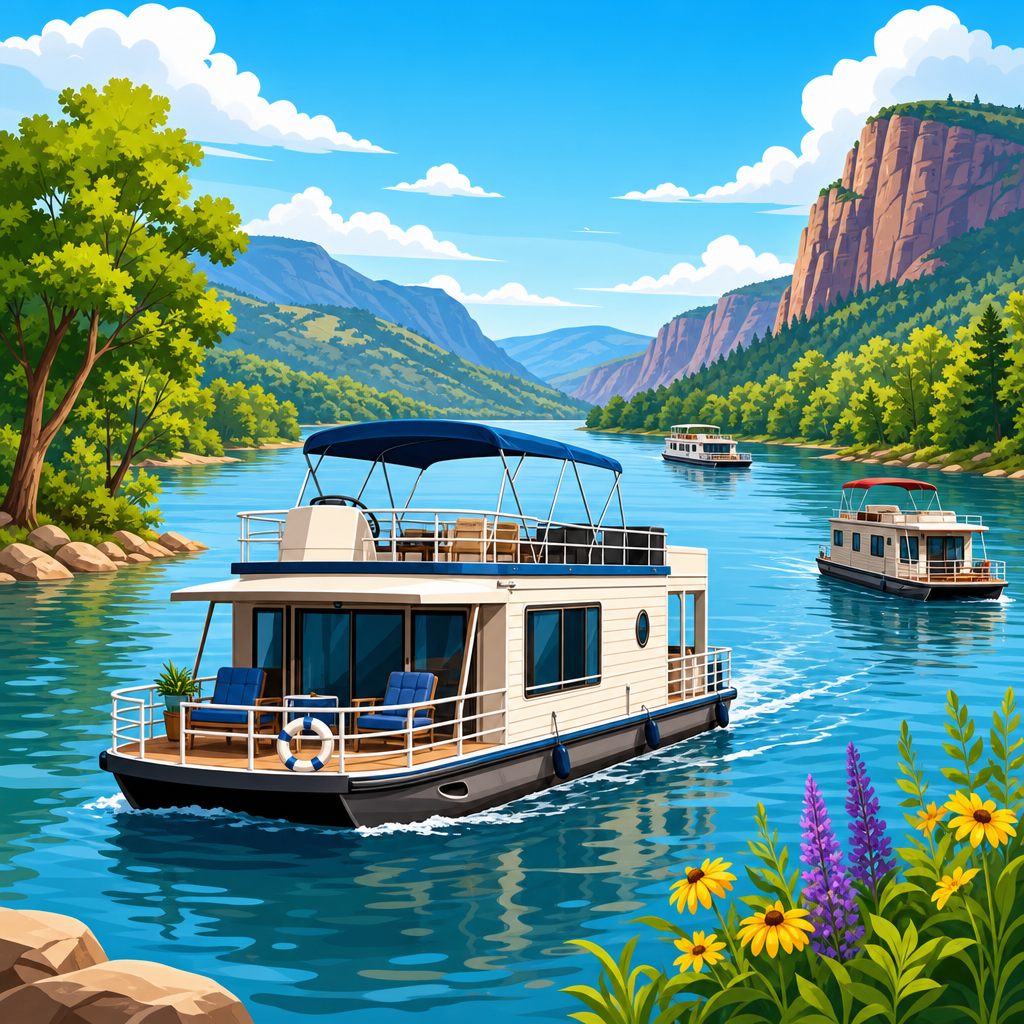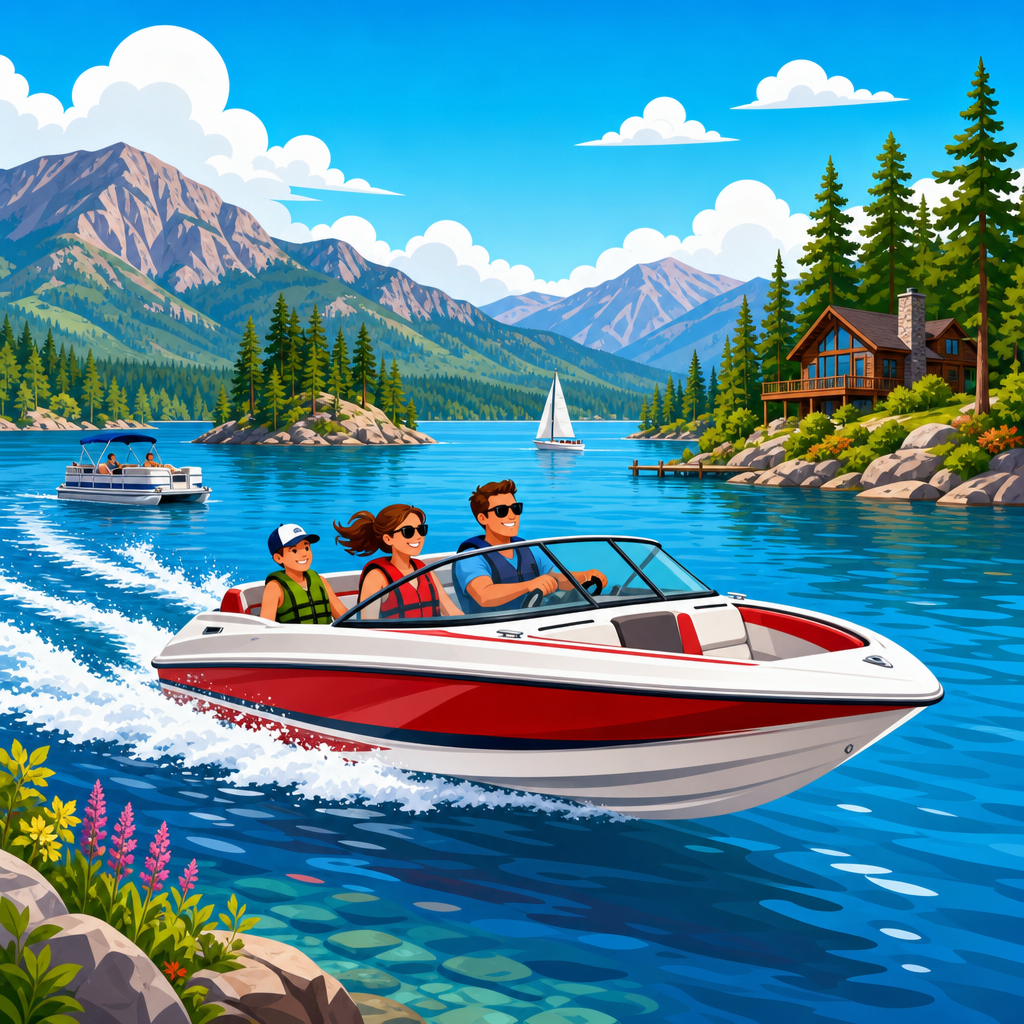
The best boating lakes in the United States combine navigable water, reliable access, varied shorelines, safe marinas, and the kind of scenery that keeps captains returning season after season. In this guide, “best” does not mean simply largest or most famous. It means a lake delivers a strong boating experience across multiple categories: cruising, watersports, fishing access, anchoring, fuel and repair availability, family friendliness, and the practical realities of launching, docking, and weather. After years of planning routes, inspecting ramps, and talking with marina operators from the Southwest to New England, I have learned that a great boating lake is defined as much by infrastructure and conditions as by postcard views.
This topic matters because choosing the right boating destination affects safety, cost, and enjoyment more than many new boat owners expect. A spectacular reservoir with poor launch facilities can ruin a weekend. A less publicized lake with clear channel markers, steady water levels, and nearby slips can turn into your favorite annual trip. As a hub for the broader subject of the best boating lakes and rivers in the U.S., this article highlights ten standout lakes while also showing what to look for when comparing destinations. Whether you run a pontoon, wake boat, center console, houseboat, or small fishing boat, the lakes below represent the most complete boating experiences in the country.
What Makes a Lake One of the Best for Boating
The strongest boating lakes share six traits. First, they provide dependable access through public ramps, marinas, dry storage, or rentals. Second, they offer enough size and protected coves to support different activities without every user fighting for the same water. Third, they maintain clear navigation through markers, maps, and predictable hazards. Fourth, they have supporting services such as fuel docks, pump-out stations where required, mechanics, and nearby lodging. Fifth, they offer attractive surroundings, because boating is also a travel experience. Sixth, they have a manageable risk profile, meaning boaters can understand local winds, traffic, and water-level changes before launching.
In practice, that means Lake of the Ozarks excels because marinas and shoreline services are everywhere, while Flathead Lake earns attention for water clarity and mountain views. It also means some famous lakes rank lower for beginners if they are routinely rough or extremely congested. I always advise boaters to match the lake to the vessel and crew. A family in a 22-foot bowrider often wants protected water and easy fuel access. An experienced cruiser with a trailerable cabin boat may prioritize distance, overnight slips, and shoreline towns. The top ten below reflect that broader view rather than a single-use ranking.
Top 10 Best Boating Lakes in the United States
Lake Powell, straddling Utah and Arizona, is the most distinctive boating lake in the country. Carved into sandstone canyon country, it offers nearly 2,000 miles of shoreline at full pool, endless side canyons, sandy beaches, and unmatched houseboating. The main advantage is exploration: you can run for hours and still find quiet coves for anchoring, swimming, or paddleboarding. Wahweap and Bullfrog provide major launch facilities, rentals, fuel, and marina services. Conditions can change quickly with afternoon wind, and long distances demand fuel planning, but for multi-day cruising and scenery, very few freshwater destinations compare.
Lake of the Ozarks in Missouri is one of the most developed recreational boating lakes in America. Its serpentine shoreline supports hundreds of waterfront restaurants, resorts, docks, and service businesses, making it exceptionally convenient. Boaters come for day cruising, social boating, poker runs, and easy access to slips and repairs. The downside is traffic. On peak summer weekends, heavy chop can challenge smaller boats, especially near the main channel. Still, if you want a lake built around boating culture, with strong marina infrastructure and plenty to do on shore, Lake of the Ozarks belongs near the top.
Lake Tahoe, on the California-Nevada border, delivers the cleanest visual drama of any alpine boating destination in the lower forty-eight states. Its deep blue water, granite shoreline, and high-elevation clarity create a premium cruising environment. Emerald Bay is the signature stop, and marinas such as Tahoe City, South Lake Tahoe, and Incline Village support visiting boaters. Tahoe demands respect because weather can build fast and cold water increases risk during shoulder seasons. Even so, for scenic day boating, luxury rentals, and calm morning runs, it remains one of the best boating lakes in the United States.
Table Rock Lake in Missouri and Arkansas is one of the most reliable family boating reservoirs in the country. Managed by the U.S. Army Corps of Engineers, it is known for clean water, numerous coves, modern marinas, and good ramp distribution. It works especially well for pontoons, ski boats, and mixed-use family trips because you can find smoother water away from busier stretches. Proximity to Branson adds lodging and entertainment without turning the lake itself into chaos. In my experience, Table Rock often outperforms more famous lakes for convenience, consistency, and broad appeal across different skill levels.
Lake Cumberland in Kentucky is a premier houseboating and cruising lake with more than 1,200 miles of shoreline and a strong network of marinas. The lake’s long reaches and protected coves make it ideal for extended trips, raft-ups, and overnight anchoring. It is large enough to spread out traffic, which matters on holiday weekends. Jamestown, Burnside, and State Dock are key service points. Water level management and spring debris require attention, but experienced planners appreciate how much room the lake offers. For boaters who want a spacious freshwater cruising ground east of the Mississippi, Lake Cumberland is a standout.
Flathead Lake in Montana is the best large natural lake for boaters seeking open water with exceptional scenery. Bordered by mountain views and charming lake towns, it offers sailing, cruising, fishing, and beach stops around Wild Horse Island. The water can turn rough when wind builds, especially on the larger central basin, so route planning matters. Bigfork, Polson, and Lakeside provide useful access and marina options. What separates Flathead is its combination of scale and beauty. It feels less commercial than major resort lakes, yet it still gives traveling boaters enough infrastructure for a comfortable summer trip.
Lake George in New York is a classic northeastern boating lake with a strong balance of tourism, regulation, and natural appeal. The long, narrow shape creates many attractive day-cruising routes, and the Adirondack setting gives the lake a polished vacation feel. Boat inspections and local rules are stricter than on many southern reservoirs, but that oversight helps preserve water quality and the overall experience. Marinas, village docks, island camping options, and nearby resorts make trip planning straightforward. For boaters who want clear water, historic shoreline communities, and a structured environment, Lake George consistently delivers.
Shasta Lake in California is one of the best western lakes for houseboats, family cruising, and protected anchoring. Its branched shape creates arms and coves that help boaters escape traffic and wind, while the surrounding forested hills give it a more sheltered feel than larger open reservoirs. Major marinas around Bridge Bay and Jones Valley support rentals, slips, and supplies. Low-water years can affect ramp access, so checking conditions before towing is essential. When levels are stable, Shasta offers one of the most practical combinations of space, scenery, and overnight boating convenience in the West.
Lake Havasu, on the Arizona-California border, is famous for warm weather, a long boating season, and energetic watersports culture. It attracts performance boats, pontoons, personal watercraft, anglers, and spring travelers looking for a social atmosphere. The Bridgewater Channel and London Bridge area are iconic gathering spots, while protected stretches off the main river-lake corridor allow easier cruising. Summer heat is intense, and holiday congestion can be significant, but the infrastructure is strong and the boating scene is unmistakably active. If your ideal lake trip includes sunshine, waterfront bars, and all-day action, Havasu is hard to ignore.
Priest Lake in Idaho rounds out the list because it offers something many top boating lakes no longer do: a more relaxed, less overbuilt experience. Known for clear water and a heavily forested shoreline, it is excellent for pontoons, runabouts, fishing boats, and families who value quieter coves over high-energy marina scenes. The upper and lower lake sections create variety, and the surrounding Selkirk landscape gives every cruise a wilderness feel. Services are more limited than at Ozarks or Cumberland, which is exactly why many boaters love it. For a peaceful northern boating destination, Priest Lake earns its place.
How These Lakes Compare for Different Boating Styles
Not every boater wants the same trip, so the right destination depends on use case. Houseboaters generally do best on Lake Powell, Lake Cumberland, and Shasta Lake because they combine substantial shoreline, overnight-friendly coves, and rental or marina support. Families with younger children often prefer Table Rock Lake or Priest Lake, where calmer pockets and cleaner shorelines make swim stops easier. Social and high-energy boaters usually gravitate to Lake of the Ozarks and Lake Havasu. Scenic cruisers tend to rank Tahoe, Flathead, and Lake George highest because the shoreline itself is the attraction.
| Lake | Best For | Main Advantage | Key Caution |
|---|---|---|---|
| Lake Powell | Houseboating, exploration | Immense shoreline and canyon cruising | Long distances and fuel planning |
| Lake of the Ozarks | Social cruising, marina access | Unmatched boating infrastructure | Heavy traffic and rough chop |
| Lake Tahoe | Scenic day boating | Clear alpine water and iconic views | Cold water and fast weather shifts |
| Table Rock Lake | Family boating, watersports | Clean water and protected coves | Busy sections near resorts |
| Lake Cumberland | Cruising, overnight trips | Huge scale with many coves | Debris and seasonal water changes |
That comparison also explains why a national “best boating lakes” list should never be read as a one-size-fits-all ranking. I have seen boaters disappointed at famous lakes simply because they chose a destination designed for a different style of boating. A wake boat crew may be underwhelmed by a scenic cruising lake with strict rules, while a couple in a tritoon may hate a crowded, performance-boat-heavy holiday scene. Before booking, compare not just scenery but also launch conditions, fuel spacing, tow distance, water temperature, and how easy it is to find protected water when weather turns.
What to Know Before Planning a U.S. Lake Boating Trip
The smartest lake trip planning starts with water-level and ramp-status checks. Reservoirs such as Powell, Shasta, Cumberland, and Havasu can fish differently, navigate differently, and even launch differently depending on seasonal conditions. State agencies, marina operators, and the U.S. Army Corps of Engineers publish updates that should be reviewed before towing. Next, confirm local requirements. Some lakes have invasive-species inspections, no-wake zones, horsepower restrictions in specific arms, or mandatory life-jacket rules for children that are actively enforced. On busy summer weekends, reserve slips early, especially at destination lakes where transient dockage disappears fast.
Weather deserves equal attention. Tahoe, Flathead, and Lake George can all look calm in the morning and become uncomfortable by afternoon. Wind direction matters more than many visitors realize because long fetch creates steep chop on open basins. Use NOAA forecasts where available, and pair them with real-time marine apps such as Windy, Navionics, and PredictWind. Navigation apps are useful, but they do not replace local knowledge. Ask marina staff about submerged hazards, debris fields, and low-water trouble spots. That five-minute conversation often prevents prop damage, trailer problems, or a long idle through an avoidable hazard zone.
For travelers exploring beyond lakes, the broader category of the best boating lakes and rivers in the U.S. includes connected river systems, impoundments, and destination waterways that deserve separate planning. Lakes generally offer easier route predictability and sheltered anchoring, while rivers introduce current, lock schedules, commercial traffic, and changing depths. As you build out your destination list, use this hub as the starting point: compare each lake by boating style, then expand into river-based trips only after matching your boat and crew to the operational demands. That approach leads to safer travel, lower costs, and more enjoyable days on the water.
Conclusion
The top boating lakes in the United States succeed because they pair natural beauty with practical usability. Lake Powell leads for exploration, Lake of the Ozarks for full-service boating culture, Tahoe for alpine scenery, Table Rock for families, Cumberland for long freshwater cruising, Flathead for mountain views, Lake George for classic northeastern vacations, Shasta for houseboat-friendly flexibility, Havasu for warm-weather energy, and Priest Lake for quiet escape. Each lake offers a distinct experience, and that is the central lesson: the best boating destination is the one that fits how you actually boat, not just the one with the biggest name.
If you are planning your next trip, start by narrowing your priorities: scenery, watersports, overnight cruising, social atmosphere, or solitude. Then match those goals to infrastructure, seasonal conditions, and your vessel’s capabilities. Use this page as your hub for the wider subject of the best boating lakes and rivers in the U.S., and build a shortlist before you book marinas, lodging, or rentals. A well-chosen lake turns boating from a simple weekend activity into a memorable travel experience. Pick the water that fits your crew, plan carefully, and make your next boating destination your best one yet.
Frequently Asked Questions
What makes a lake one of the best boating lakes in the United States?
A great boating lake is more than a big body of water with a popular name. The best boating lakes in the United States consistently deliver a complete on-the-water experience. That starts with navigable water and enough space to match different boating styles, from relaxed pontoon cruising to wake boating, sailing, fishing runs, and full-day family outings. Shoreline variety also matters. A lake with coves, open water, scenic bluffs, islands, sandy stretches, and protected anchorages gives boaters more ways to use the water safely and enjoyably.
Practical infrastructure is just as important as scenery. Top boating lakes typically offer well-maintained launch ramps, dependable marinas, fuel docks, transient slips, repair services, and easy access to nearby lodging, restaurants, and supplies. Safety and usability are major factors too. Water levels, marked channels, hazard signage, predictable conditions, and local enforcement all shape whether a lake is enjoyable for occasional visitors as well as experienced captains. In other words, the “best” lakes are the ones that combine beauty, access, reliability, recreation options, and real-world convenience in a way that makes people want to return year after year.
Are the best boating lakes better for cruising, watersports, or fishing?
The strongest boating lakes are usually the ones that support all three, but each lake tends to have a clear personality. Some are known for long cruising lanes, broad open water, and scenic shorelines that are perfect for pontoon boats, cabin cruisers, and leisurely day trips. Others stand out for watersports because they have calmer morning conditions, protected coves, and enough room for tubing, wakeboarding, waterskiing, and personal watercraft without feeling overcrowded. Then there are lakes that appeal heavily to anglers, especially where structure, coves, creek arms, and seasonal patterns create excellent access to bass, walleye, trout, crappie, or catfish.
That is why a “best boating lake” list should not focus on only one activity. A truly top-tier lake often lets one group cruise in comfort, another pull skiers or surfers, and another chase fish with minimal conflict. The best destinations balance these uses through layout, size, marina placement, and local boating culture. If you are choosing a lake for your own trip, the smart approach is to match the lake’s strengths to your priorities. Families may value calm coves and easy dock access, watersports enthusiasts may want reliable launch areas and less congestion, and anglers may prioritize boat-friendly shoreline structure and fishing-friendly marina services.
How important are marinas, boat ramps, fuel docks, and repair services when choosing a boating lake?
They are extremely important, and they often separate a famous lake from a truly boater-friendly one. A lake can be beautiful, large, and full of recreational opportunity, but if launching is difficult, slips are limited, fuel is inconvenient, or mechanical support is hard to find, the experience can quickly become stressful. The best boating lakes usually have multiple public ramps, organized marina networks, accessible fuel docks, pump-out services where needed, slip rentals, and nearby maintenance or emergency repair options. These features matter whether you own a small runabout, trailer a fishing boat, or operate a larger cruiser.
Good infrastructure improves both convenience and safety. Reliable marinas reduce the need to over-plan fuel range, and quality launch sites make it easier to get on and off the water efficiently, especially during peak season. Repair access is another major consideration that many first-time visitors underestimate. Even minor issues like battery trouble, prop damage, trailer problems, or electrical faults can disrupt an entire trip if local support is limited. Lakes that rank among the best tend to have enough boating services to support visitors, not just locals. For families and traveling boaters, that support network can be the difference between a memorable weekend and a logistical headache.
What should families look for when picking a boating lake for a vacation?
Families should look beyond postcard views and focus on comfort, safety, and flexibility. A family-friendly boating lake usually offers calm sections of water, clearly marked navigation areas, convenient marinas, nearby lodging, clean facilities, and multiple activity options both on and off the boat. Protected coves are especially valuable because they allow for swimming, floating, and beginner-friendly boating with less exposure to heavy chop and fast-moving traffic. Easy launching and docking also make a big difference when children, coolers, life jackets, and gear are part of the day’s routine.
It also helps to choose a lake with a range of shoreline experiences. Beaches, picnic areas, waterfront restaurants, island stops, fishing access, and short sightseeing routes can keep different age groups engaged without requiring a highly technical boating plan. Families should also pay attention to crowd patterns. Some lakes are excellent midweek or in shoulder season but become hectic on summer weekends. The best family boating destinations are the ones that offer room to spread out, clear local rules, dependable services, and enough variety that everyone can enjoy the day, from younger kids and beginner boaters to grandparents who simply want a scenic cruise.
When is the best time of year to visit the top boating lakes in the United States?
The best time depends on the region, the type of boating you enjoy, and how much traffic you are willing to tolerate. In many parts of the country, late spring through early fall is the prime boating season, but conditions vary significantly from one lake to another. Southern lakes often have long seasons with warm temperatures and extended marina operations, while northern and mountain-region lakes may offer shorter but spectacular peak windows with mild weather, clear water, and scenic shorelines. Summer is typically the most active season, which means the fullest marina services and warmest water, but also the biggest crowds.
For many boaters, the sweet spot is late spring or early fall. These shoulder seasons can offer easier launching, less wake congestion, better slip availability, and a more relaxed overall experience. Anglers may also prefer these periods because fish activity can be more favorable than during the hottest midsummer stretches. Before planning a trip, it is wise to check water levels, seasonal ramp conditions, marina operating dates, local weather patterns, and any known restrictions related to drought, flooding, or no-wake zones. The best lakes remain appealing across multiple seasons, but timing your visit well can dramatically improve everything from safety and fuel access to anchoring comfort and shoreline enjoyment.