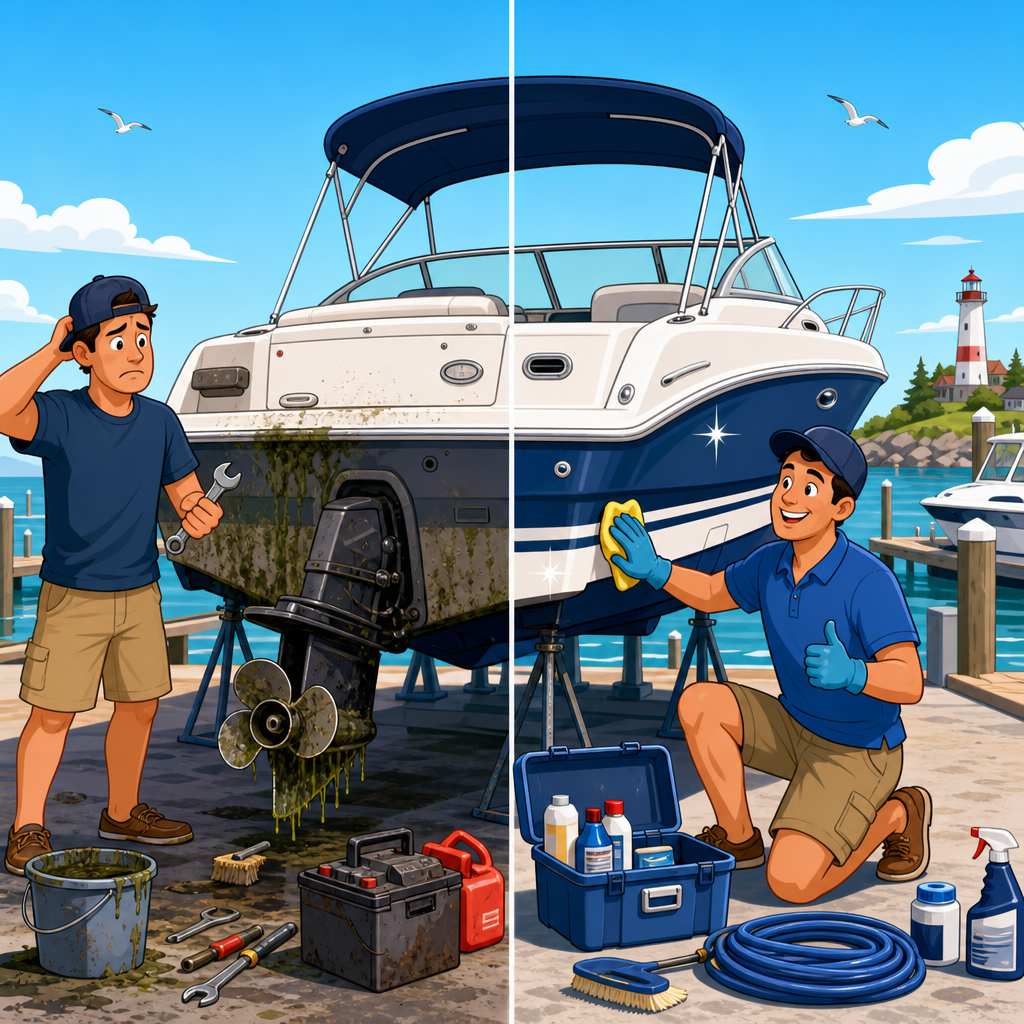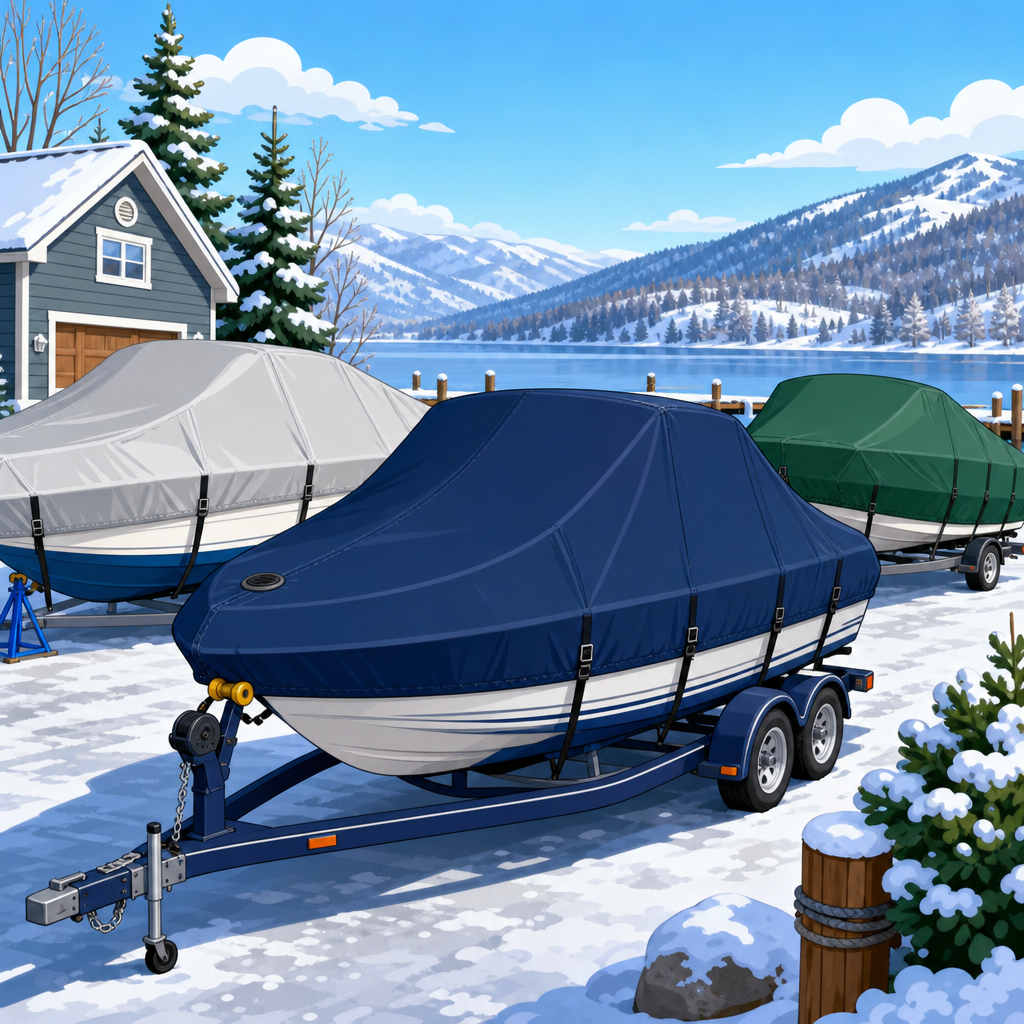
Best boat covers for winter storage and protection do far more than keep snow off a deck. A winter cover is a structural barrier against water intrusion, ultraviolet degradation, freeze-thaw cycles, dirt, and pests during the months when a boat sits idle. In boat maintenance and repairs, winterizing and seasonal prep start with engines, plumbing, batteries, and fuel systems, but the cover determines whether those efforts hold up until spring. I have seen well-winterized boats emerge with soaked interiors, mold, split seams, and cracked fittings simply because the wrong cover sagged, leaked, or chafed through at the windshield.
For this hub page, winter storage means the entire off-season protection plan: choosing a cover material, securing support poles or a frame, allowing ventilation, managing snow load, and checking the boat through storage. Protection means preventing damage to upholstery, electronics, gelcoat, brightwork, canvas, and hardware while reducing cleanup and repair costs. The best boat cover for winter storage is not a single universal product. It depends on boat type, climate, storage location, and whether you use a trailerable cover, a semi-custom cover, or a professionally fitted shrink wrap or custom canvas system. Getting that decision right matters because replacing one wet interior or rewiring corroded electronics often costs far more than buying the correct cover once.
What makes a boat cover suitable for winter storage
A true winter boat cover must do five jobs at once: shed water, resist tearing, survive abrasion, breathe enough to limit condensation, and stay secure in wind. Lightweight transport covers often fail because they were designed for highway dust and rain, not months of standing snow, repeated freezing, and wind-driven movement. When evaluating winter protection, start with fabric weight and weave. Solution-dyed polyester and marine-grade acrylics generally outperform thin generic poly blends because they hold tensile strength, resist UV breakdown, and maintain water repellency longer. Brands such as Sunbrella, Sharkskin, and Top Gun are widely recognized in marine canvas work because their fabrics balance durability and moisture management better than bargain tarps.
Fit matters as much as material. A cover that is technically waterproof but pools water becomes a failure point within days. Pooled water stretches fabric, loads seams, and eventually finds openings around cleats, rails, and windshield corners. Good winter covers are cut with enough shape to create runoff, and the best installations use a support system under the cover. On runabouts and pontoons, I prefer adjustable support poles with wide bases and reinforced stress patches. On larger fishing boats or cruisers, a ridge line or frame does a better job maintaining pitch. The principle is simple: water and snow must leave the cover quickly, not sit on it.
Ventilation is the other half of the equation. Many owners assume the tightest possible seal is ideal, but trapped moisture is a major cause of mildew, musty cabins, and corrosion. Proper vents, mesh air pockets, or a breathable fabric can reduce internal condensation while still keeping precipitation out. This is especially important after winterizing a boat with residual humidity inside lockers, bilges, and cushions. If you store outdoors, also check attachment methods. Web straps, ratchets, and reinforced hems should distribute tension evenly. Thin rope through grommets can work on small utility boats, but in stronger wind it often creates point loading and tears.
Choosing the right winter cover by boat type and storage method
The best cover for a bass boat is rarely the best cover for a pontoon, center console, or cuddy cabin. Low-profile fishing boats benefit from tightly patterned trailerable covers made from heavy polyester because their shapes are relatively simple and they often remain on the trailer through winter. A quality semi-custom bass boat cover from makers like Westland or Carver can work very well if the beam, motor profile, and console dimensions match the pattern. Add support poles at the cockpit and stern, and most rain and light snow will shed effectively.
Pontoons need a different approach. Their broad deck areas create a greater risk of water pooling, and fence rails can abrade fabric if the cover fits loosely. Winter pontoon covers should have a defined center rise, strong reinforcement around corners, and numerous tie-down points along the perimeter. In snowy climates, an internal frame or multiple support poles are almost mandatory. Center consoles and dual consoles have additional snag points such as leaning posts, rails, electronics boxes, and windshields, so custom or semi-custom patterns usually outperform generic covers. For cabin boats, a custom canvas cover or shrink wrap often provides the best protection because cabin geometry, rails, and deck hardware make universal fit unreliable.
Your storage method changes the recommendation. Indoor cold storage reduces UV and precipitation exposure, so breathability and dust protection matter more than extreme waterproof performance. Outdoor storage on a trailer demands stronger tie-downs and chafe protection because wind can move under the hull and work the cover continuously. Rack storage can complicate access for regular inspections, making durable fabric and secure venting especially valuable. Shrink wrap is common for marinas because it creates a drum-tight shell and handles snow well when installed correctly, but it is typically single-season, less breathable, and can become expensive over time compared with a reusable custom cover.
Materials, fit, and support systems that prevent winter damage
When owners ask what fabric is best for winter boat storage, the practical answer is marine-grade polyester for many trailered boats, marine acrylic for premium custom applications, and professionally installed shrink wrap when maximum weather sealing is needed for one season. Polyester is strong, dimensionally stable, and usually more water resistant out of the box. Acrylic breathes exceptionally well and holds color and UV resistance, which is why many high-end canvas shops use it, but it can cost more and needs precise fabrication. Polyethylene tarps sold in hardware stores are not a serious winter storage solution for most boats; they flap, trap condensation, and fail at grommets.
Support systems are often the difference between success and failure. A support pole should stand on a stable pad, not directly on vinyl flooring or unsupported hatches. For larger spans, use a strap ridge system from bow to stern, then place poles under reinforced sections to create multiple runoff angles. Foam padding or chafe guards should cover every contact point at windshield corners, rod holders, cleats, and rail stanchions. I have replaced too many covers that were structurally sound except where one stainless fitting rubbed through all winter. The cover itself was not poor; the setup was.
| Cover option | Best use | Main strengths | Main limitations |
|---|---|---|---|
| Semi-custom polyester cover | Bass boats, bowriders, small fishing boats | Reusable, strong, cost-effective, good water shedding with support poles | Fit varies by pattern, needs inspection for chafe and pooling |
| Custom canvas cover | Center consoles, cruisers, uncommon layouts | Precise fit, better abrasion control, easier access planning | Higher upfront cost, longer lead time |
| Shrink wrap | Outdoor seasonal storage in harsh winter climates | Excellent snow shedding, very tight fit, strong weather barrier | Usually single-use, less breathable, annual labor cost |
Seams and hardware deserve close inspection before winter begins. Double-stitched seams with rot-resistant thread last longer, but thread remains a common failure point after prolonged UV exposure. Reinforced hems, belly bands, quick-release buckles, and sewn-in vents add real value. If a product listing does not specify denier, coating type, venting, and reinforcement zones, assume it is built to a price, not to survive a full off-season. That is acceptable for short-term storage in a garage, not for an uncovered yard in Minnesota or Maine.
Winterizing and seasonal prep work the cover must support
A boat cover is the visible part of winterizing, but it only works when the rest of the seasonal prep has been done correctly. Start with the fuel system. Stabilize fuel according to the additive manufacturer’s dosage, fill or partially fill the tank based on engine and tank material guidance, and run the engine long enough to circulate treated fuel. On many modern gasoline systems, the key is preventing oxidation and phase separation issues while minimizing condensation. Diesel owners should focus on stabilizer, biocide where appropriate, and filter condition. The cover then protects deck fills, vents, and fittings from sitting in pooled water or packed snow.
Engines and cooling systems are next. Outboards should be fully drained and stored in the down position when possible. Sterndrives and inboards require the correct procedure for draining raw water circuits or introducing the proper antifreeze concentration. This step is where many expensive spring repairs begin. A poor cover worsens the risk because freeze-thaw cycles around wet engine compartments, bilges, and transom assemblies add moisture repeatedly. Batteries should be disconnected or maintained on a marine smart charger, depending on storage conditions and manufacturer guidance. Interior prep matters too: remove food, clean upholstery, dry compartments, prop cushions for airflow, and place moisture absorbers where needed. The cover should preserve a clean, dry baseline, not trap lingering dampness.
Think of this page as the hub for winterizing and seasonal prep. Each subtopic deserves deeper treatment: engine winterization procedures, fuel storage best practices, marine battery off-season care, dehumidification and mildew prevention, shrink wrap versus reusable covers, and spring recommissioning inspections. A good hub article connects those tasks because they interact. For example, a dehumidifier bag helps only if the cover vents properly. A fully winterized outboard can still suffer corrosion if snowmelt enters through a sagging cover and stands in the splashwell all season.
Common mistakes, maintenance checks, and buying advice
The most common mistake is buying by price alone. Cheap universal covers often look acceptable on day one, then fail under movement, not rainfall. Wind is the real enemy in winter storage. Flapping fabric abrades gelcoat, loosens hems, and widens openings around the motor, bow rail, or transom. The second mistake is skipping a support structure. Even a strong fabric will not survive repeated pooling. The third is sealing a damp boat too early. After final use, wash and dry the boat thoroughly before covering it. Moisture left under seats, in carpet, or inside lockers becomes mold when trapped in cold weather.
Inspect the cover at intervals during winter, especially after the first major storm. Check tension, straps, vents, and low spots. Remove heavy snow with a soft roof rake or by pushing gently upward from underneath if safe to do so. Do not chip at ice with hard tools. Look for signs of chafe where fabric crosses a sharp fitting. If needed, add adhesive chafe patches or temporary padding. In coastal areas, rinse salt deposits before long-term storage because salt crystals attract moisture and accelerate corrosion under a cover.
When comparing products, ask specific questions. Is the fabric solution-dyed? What is the denier or ounce weight? Are vents integrated or optional? Are there reinforcement panels at windshield corners and cleats? Does the pattern account for trolling motors, ski pylons, radar arches, or bow rails? Is there a warranty against material failure, and what does it exclude? The best boat cover for winter storage and protection is the one that matches your exact hull, climate, and inspection routine. For most owners, that means avoiding generic tarps, investing in a fitted marine cover or quality shrink wrap, and treating the cover as part of a full winterizing system rather than an accessory.
Winter storage protects a boat only when cover choice, support structure, ventilation, and seasonal prep work together. The best boat covers for winter storage and protection are durable marine-grade systems fitted to the hull, pitched to shed water and snow, reinforced against chafe, and vented to control condensation. Bass boats, pontoons, center consoles, and cruisers all need different solutions, and storage location changes the answer again. Indoor storage may allow a reusable semi-custom cover, while outdoor exposure in severe climates often justifies custom canvas or professional shrink wrap.
The practical lesson is simple: a winter cover is not just fabric. It is a risk-control tool that protects upholstery, electronics, finishes, and mechanical systems after you have already invested time in winterizing fuel, engines, batteries, and interiors. Spend money on fit, support, and material quality before you spend it on spring repairs. Then inspect the setup after storms, keep snow loads under control, and correct chafe points early. If you are building out your winterizing and seasonal prep plan, use this hub as the starting point and move next to the detailed guides on engine care, fuel stabilization, battery storage, moisture control, and spring recommissioning.
Frequently Asked Questions
What makes a boat cover good for winter storage instead of just everyday use?
A true winter boat cover is designed to handle long-term exposure to snow, rain, wind, ice, and months of inactivity without letting moisture pool or debris work its way into the boat. Everyday travel or mooring covers may protect against sun, light weather, and road grime, but winter storage demands more structural strength and weather resistance. The best winter covers use durable marine-grade fabrics such as solution-dyed polyester or other heavy-duty materials with strong water resistance, UV protection, reinforced seams, and secure tie-down systems. They also need enough shape and support to shed water and snow instead of sagging under the weight.
Fit is just as important as fabric. A winter cover should wrap the boat closely enough to block wind-driven rain, dirt, and pests, but not so tightly that it stresses cleats, windshield frames, or sharp hardware. Covers built for winter often include reinforced stress points, integrated vents, adjustable straps, and cut patterns tailored to specific hull styles. Those details matter because a loose, generic cover can flap itself apart over the winter, while a poorly vented one can trap condensation and encourage mildew, corrosion, and interior damage.
In practical terms, the best winter boat cover acts like the final protective shell over all your other winterizing work. You can stabilize fuel, drain systems, protect the engine, and disconnect batteries, but if the cover allows water intrusion or repeated freeze-thaw moisture cycles inside the cockpit and compartments, you can still end up with mold, soaked upholstery, damaged wiring, and wood rot by spring. That is why winter protection should be judged on weather performance, support, ventilation, and fit, not just price or thickness alone.
Should I choose a custom-fit boat cover or a universal cover for winter protection?
For winter storage, a custom-fit boat cover is usually the better investment because it is built around the dimensions and contours of your specific boat model. That closer fit reduces loose fabric, improves water runoff, limits wind whip, and creates fewer openings where snow, dirt, and pests can get in. Custom covers also tend to account for features such as consoles, towers, bow rails, trolling motors, and seat layouts, which helps prevent the cover from stretching awkwardly or wearing through at pressure points over the course of the winter.
Universal covers can work, especially for budget-conscious owners or short-term use, but they often require extra effort to perform well in true winter conditions. Because they are made to fit a range of lengths and beam widths, they may leave excess material that sags, holds water, or flaps in strong wind. That movement is not just noisy or inconvenient; it can wear down fabric coatings, abrade gelcoat, and loosen tie-downs over time. If you use a universal cover for winter storage, it becomes even more important to create a solid support system underneath and check the fit at all corners and stress points.
The decision often comes down to the value of the boat, local winter severity, and how long the cover needs to last. If your area gets heavy snowfall, repeated freeze-thaw cycles, or prolonged off-season storage, a custom-fit cover usually pays for itself in better protection and fewer repairs. If you do choose a universal cover, look for one made from high-quality marine fabric with reinforced hems, strong straps, vents, and enough adjustability to secure it tightly. The goal is not simply to cover the boat, but to create a stable, breathable, weather-shedding barrier that holds up month after month.
How do I prevent water pooling, mildew, and snow buildup under a winter boat cover?
The key is support and ventilation. Even an excellent waterproof or water-resistant cover can fail if it is allowed to sag. Low spots collect rainwater, melting snow, and ice, which increases stress on the fabric and can eventually force moisture through seams or openings. A proper support system creates a pitched shape so water and snow slide off instead of gathering in the middle. Depending on the boat, that may mean using a support pole system, a frame, bows, or a shrink-wrap style structure beneath the cover. The cover should look more like a tent than a tarp draped over furniture.
Ventilation matters because moisture does not only come from outside weather. It also develops inside the boat through trapped humidity and condensation, especially during temperature swings. Without airflow, that moisture can settle into carpet, vinyl, cushions, wood, and storage compartments, leading to mildew, odor, corrosion, and staining. The best winter covers include built-in vents or work with a support system that allows air to circulate while still shedding weather. You want enough airflow to reduce condensation, but not so many openings that driven rain or snow can enter.
Preparation underneath the cover also affects results. Make sure the boat is clean and dry before covering it, remove damp gear, open compartments if appropriate for airflow, and address any leaks around fittings, hatches, or windshields beforehand. Check the cover periodically through the winter, especially after storms, to remove excessive snow load and confirm the support structure is still doing its job. A winter cover performs best as part of a complete storage setup, not as a standalone fix for moisture problems that already exist.
What material is best for a winter boat cover?
There is no single perfect material for every boat, but for winter storage, the best fabrics balance water resistance, breathability, UV protection, tear strength, and long-term durability. Marine-grade polyester is one of the most common and dependable choices because it resists stretching, handles UV exposure well, and can be engineered with coatings that repel water while remaining reasonably breathable. Solution-dyed fabrics are especially valuable because the color and UV resistance are built into the fibers, which helps the cover last longer under harsh outdoor conditions.
Heavier fabric is not automatically better if it traps moisture or is difficult to secure properly. A winter cover needs to resist snow and wind without becoming so stiff or bulky that it cannot fit well. High-quality woven marine fabrics generally outperform cheap tarp-like materials because they hold their shape better, resist abrasion, and maintain protection over repeated seasons. Seam construction is also part of the material equation. Reinforced stitching, sealed or well-finished seams, and strengthened corners often matter just as much as the fabric itself.
For owners comparing options, it helps to think beyond marketing terms like “waterproof” or “heavy duty.” A completely non-breathable cover can create serious condensation issues, while a lightly built cover may breathe well but fail during a storm. The best winter material is one suited to your climate and storage method. In wet, snowy regions, prioritize durability, runoff, and reinforced structure. In sunny but dry winter areas, UV resistance and fabric longevity may be the bigger concerns. In all cases, marine-grade construction from a reputable manufacturer is usually the safest route for protecting the boat until spring.
Is a boat cover alone enough for winter storage, or do I still need full winterizing?
A boat cover is essential, but it is not a substitute for full winterizing. Think of the cover as exterior protection and winterizing as internal protection. The cover shields the boat from precipitation, UV exposure, dirt, and pests, but it does not protect engines from freezing, fuel from degrading, water systems from cracking, or batteries from discharging. If you skip winterizing and rely only on a cover, you may open the boat in spring to find that the interior looks acceptable while the mechanical systems have suffered expensive damage.
Complete winter prep usually includes stabilizing fuel, fogging or otherwise protecting the engine as appropriate, draining or antifreezing water systems, servicing lower units or cooling systems, removing or maintaining batteries, and checking bilges, pumps, and hoses. Once those systems are handled, the boat cover becomes the part that preserves that work by limiting water intrusion and reducing environmental wear during storage. Without a reliable cover, winterized boats can still end up with soaked interiors, mold growth, corroded connectors, and cosmetic damage caused by trapped moisture and debris.
The best results come from combining both approaches: mechanical winterization and a properly fitted, well-supported, ventilated cover. Whether the boat is stored outside on a trailer, on a lift, or in a yard, the cover should be viewed as the final layer in a full protection strategy. It is the difference between simply parking a boat for the season and actually preserving its condition, systems, and resale value through the winter months.