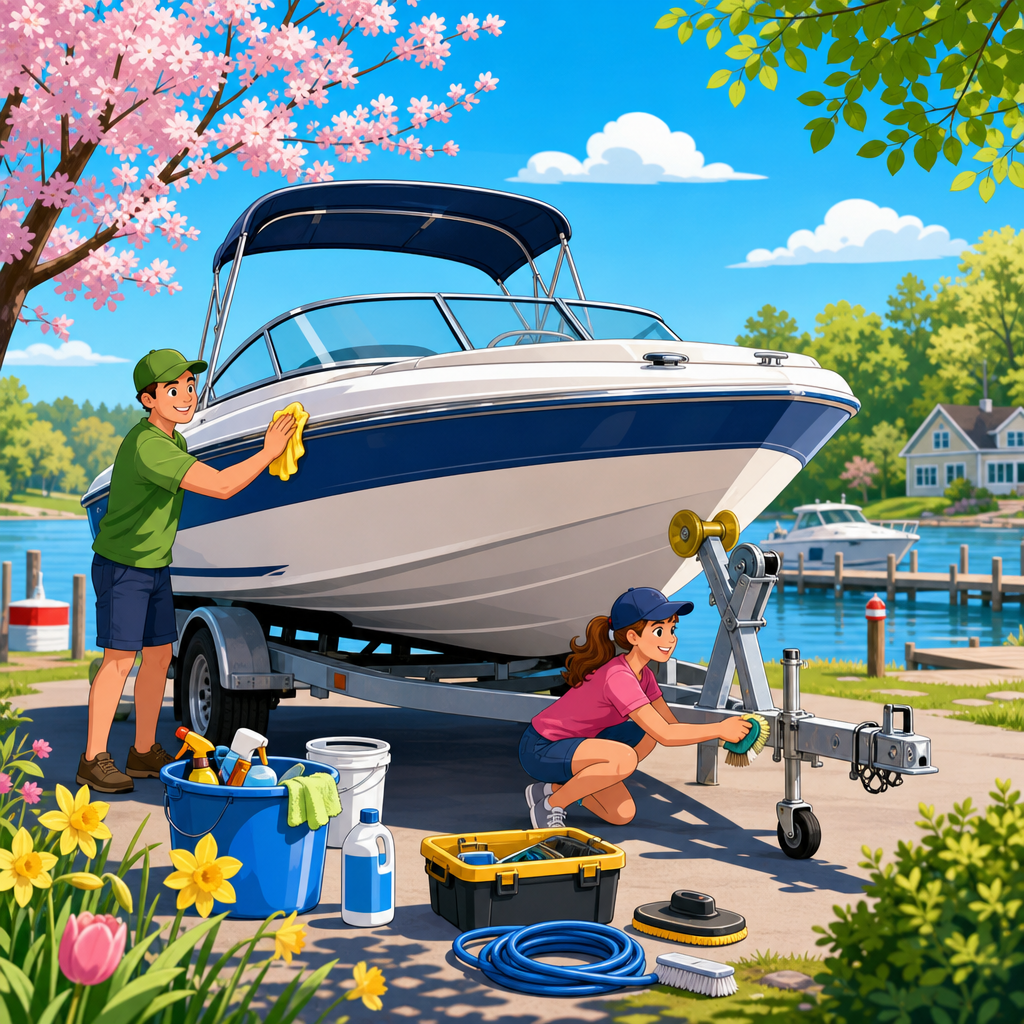
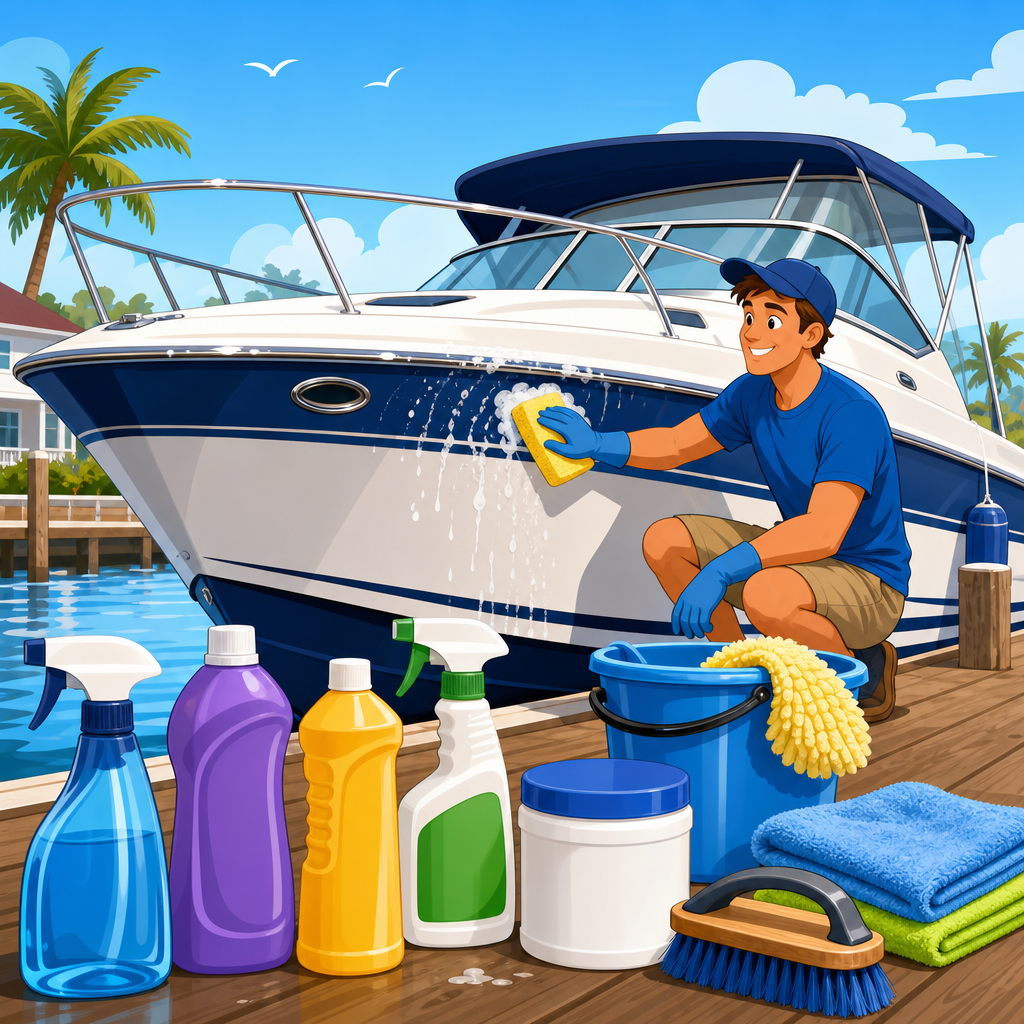
Keeping a boat clean is not just about appearance; it is one of the most practical forms of preventive maintenance a DIY owner can do. The best boat cleaning products for DIY maintenance protect gelcoat, slow oxidation, reduce corrosion, preserve vinyl and canvas, and make inspections easier because dirt no longer hides cracks, leaks, or hardware problems. In day-to-day ownership, I have found that a smart cleaning kit saves money twice: first by reducing professional detailing bills, and second by helping owners catch small issues before they become repair jobs.
DIY boat maintenance guide is a broad term, but in practice it means the routine tasks an owner can handle without hauling the boat to a service yard. That includes washing, stain removal, bilge cleaning, metal polishing, mildew control, canvas care, teak treatment, and the safe use of waxes or sealants. The key terms matter. A boat soap is a pH-balanced wash designed to lift grime without stripping wax. A hull cleaner is a stronger chemical formulated for waterline stains, rust drips, or algae marks. A protectant adds UV resistance to vinyl, rubber, or plastic. A polish refines the surface, while a wax or sealant protects it afterward.
This matters because marine surfaces fail differently than household surfaces. Salt crystals abrade finishes. Hard water leaves mineral spotting. Ultraviolet exposure breaks down plastics and dries vinyl. Organic growth stains fiberglass and creates slippery decks. Even freshwater boats deal with tannin stains, mildew, and bird droppings that etch neglected surfaces. Product choice is therefore not cosmetic trivia. The wrong cleaner can dull clear vinyl, strip wax from gelcoat, bleach stitching, or accelerate corrosion around fittings. The right cleaner, used in the right order, extends material life and reduces the frequency of deeper restoration work.
As a hub within Boat Maintenance & Repairs, this guide covers the full DIY workflow and the product categories that support it. If you are building a practical maintenance system, start here, then branch into related topics such as hull oxidation removal, marine metal polishing, boat upholstery care, teak maintenance, bottom cleaning, and seasonal commissioning checklists. A strong hub page should answer the immediate question—what are the best boat cleaning products for DIY maintenance—while also helping owners understand when to use them, what mistakes to avoid, and how to set up a repeatable process that fits real weekend use.
What makes a boat cleaning product worth buying
The best boat cleaning products share four traits: they match the material, solve a specific problem, rinse clean, and do not create new damage. In my experience, the most common DIY mistake is using a single aggressive cleaner for every surface. That might seem efficient, but boats combine fiberglass, anodized aluminum, stainless steel, vinyl, EVA foam, teak, acrylic, clear vinyl, painted panels, and rubber seals in a small space. One bottle rarely treats all of them safely. Owners get better results by separating products into a core kit: boat soap, spot cleaner, mildew remover, metal polish, vinyl cleaner, canvas cleaner, protectant, and wax or sealant.
Material compatibility should be your first filter. For example, Meguiar’s Flagship Premium Marine Wash is well regarded because it removes salt and general grime without stripping existing wax. Star brite Non-Skid Deck Cleaner includes chelating agents and surfactants meant for textured fiberglass, where grime lodges below the surface. Babe’s Boat Bubbles is another popular maintenance wash because it is gentle and easy on waxed finishes. These are safer routine choices than household degreasers, which can be too alkaline for repeated use.
Strength should be reserved for the right job. Sudbury Hull Cleaner, On & Off, and similar acid-based hull cleaners can erase yellow-brown waterline stains quickly, but they should not be treated like everyday soap. They work because acidic chemistry dissolves mineral and rust staining. Used carelessly, they can affect trailers, galvanized metal, concrete, and sensitive finishes nearby. Good DIY maintenance means knowing when a weak cleaner is sufficient and when a specialized product saves labor. Time matters, but surface preservation matters more.
The best brands also provide clear instructions, dilution guidance, and surface limitations. That sounds basic, yet it is where trustworthy products separate themselves from generic cleaners. If a label specifies dwell time, shade use, protective gloves, or a test spot on colored vinyl, follow it. Marine cleaning is chemistry plus process, not just elbow grease.
The core DIY boat cleaning kit and where each product fits
A complete kit supports the full wash-to-protection cycle. For general washing, use a dedicated marine soap such as Meguiar’s, Star brite Boat Wash, or 3M Boat Soap. For non-skid decks, keep a deck-specific cleaner and a medium-bristle deck brush. For stain removal, carry a hull cleaner for waterline discoloration, a rust stain remover for hardware runoff, and a mildew product safe for vinyl and fabric. For brightwork, use a marine metal polish such as Flitz, Collinite Metal Wax, or Mothers Marine. For protection, keep a marine wax or polymer sealant, plus a UV protectant for vinyl and plastics. Add microfiber wash mitts, color-coded microfiber towels, a telescoping brush, foam applicators, nitrile gloves, and separate buckets for wash and rinse.
Below is a practical comparison of product categories most DIY owners need during routine care.
| Product type | Best use | Common examples | Main caution |
|---|---|---|---|
| Marine boat soap | Weekly or post-trip washing | Meguiar’s Flagship, Star brite Boat Wash, 3M Boat Soap | Do not expect it to remove oxidation or heavy stains |
| Non-skid deck cleaner | Textured fiberglass decks and steps | Star brite Non-Skid Deck Cleaner | Avoid over-scrubbing soft deck pads |
| Hull stain cleaner | Waterline yellowing, rust drips, tannin stains | Sudbury Hull Cleaner, On & Off | Acidic; protect skin, trailers, and nearby metals |
| Vinyl cleaner/protectant | Seats, bolsters, coamings, cushions | 303 Marine Clear Vinyl Protective Cleaner, 303 Aerospace Protectant | Test first on older stitching and colored surfaces |
| Metal polish | Stainless rails, aluminum, chrome fittings | Flitz, Mothers Marine, Collinite Metal Wax | Use different towels than fiberglass towels |
| Canvas cleaner | Bimini tops, covers, enclosures | 303 Fabric Cleaner, Iosso | Rinse thoroughly before reproofing |
| Wax or sealant | Gelcoat protection after cleaning | Collinite 885, Meguiar’s Flagship Wax, Jescar Marine | Apply only to fully cleaned, cool surfaces |
If you maintain one trailerable family boat, this kit covers almost every common cleaning task. It also supports internal linking to deeper guides in a DIY boat maintenance guide series, including best marine waxes, how to remove boat oxidation, and how to clean boat seats without cracking vinyl.
Best product choices by surface: fiberglass, vinyl, metal, canvas, and teak
Fiberglass is the largest exterior surface on most boats, and it needs both cleaning and protection. For routine washing, use pH-balanced soap. For black streaks, bug marks, and grease around the transom, a fiberglass stain remover or diluted all-purpose marine cleaner can help, but rinse fast. If the gelcoat feels chalky, that is oxidation, not dirt. Cleaning alone will not fix it. You need a compound, polish, then wax sequence using a dual-action polisher or careful hand application. Owners often waste time scrubbing oxidation when it actually requires abrasive correction.
Vinyl upholstery requires more restraint. I recommend a soft brush, a dedicated vinyl cleaner, and a UV protectant. 303 products are widely trusted because they clean without leaving a greasy film and provide meaningful ultraviolet screening. Harsh bleach solutions can lighten mildew stains, but repeated use dries material and weakens threads. If mildew is severe, clean first, spot-treat carefully, then restore protection. Keeping seats covered and dry is still more effective than any chemical.
Metal care depends on the alloy. Stainless steel benefits from regular washing and occasional polishing to remove tea staining. Aluminum, especially anodized components, needs non-abrasive products unless you are intentionally restoring bare metal. Never assume a metal polish is safe across all trims. I have seen polished rails look excellent while adjacent anodized frames became patchy from the same cloth. Use separate towels and work small test areas first.
Canvas and clear enclosures need specialized products. Fabric cleaners should remove dirt without stripping water repellency too aggressively, and many tops benefit from retreatment with a fabric guard after deep cleaning. Clear vinyl panels scratch easily; use a cleaner meant for marine enclosure plastic, not glass cleaner with ammonia. Teak is its own category. Two-part teak cleaners work fast, but they are powerful. For regular DIY care, mild teak soap and a soft brush preserve wood better than frequent harsh brightening.
How to clean a boat the right way, step by step
The most efficient process starts with shade, cool surfaces, and a full freshwater rinse. Dry, hot gelcoat causes soap and minerals to flash off too fast, leading to spots and streaks. Rinse top to bottom, including hardware crevices, rub rails, scuppers, and under seat bases where salt collects. Next, wash from high surfaces down using the two-bucket method: one bucket for soap, one for rinsing the mitt or brush. This reduces grit transfer and lowers the chance of putting fine scratches into dark gelcoat.
Clean one zone at a time. Start with towers, rails, and windshield frames, then move to decks, seating, cockpit sides, and finally the hull. Use separate tools for greasy areas like the bilge hatch surround or transom exhaust residue. Non-skid should be brushed across the texture, not randomly, because that lifts trapped dirt more effectively. Rinse thoroughly before chemicals dry. After the wash, inspect for stains that remain. Treat those individually with the least aggressive product likely to work.
Protection comes last. Apply wax or sealant only after the surface is fully clean and, if needed, polished. Protect vinyl after it dries. Lubricate zippers lightly if your canvas manufacturer recommends it. Wipe metal dry to reduce spotting. Inside the boat, bilge cleaner should be used sparingly and according to label directions; excessive soap in bilges can create foaming and disposal issues. The right sequence matters because cleaning without protection means the surface soils faster the next time. Protection without proper cleaning seals grime underneath.
For most owners, a simple schedule works best: rinse after every saltwater outing, wash every two to four weeks in season, spot-clean stains immediately, protect vinyl monthly, and wax the hull and topsides at least once or twice a year depending on climate and storage. Boats kept in intense sun, warm humidity, or brackish water need more frequent attention.
Common mistakes, product safety, and when to stop DIY work
The biggest mistake in any DIY boat maintenance guide is treating cleaning as harmless. It is safer than engine work, but not risk free. Acid hull cleaners can burn skin and etch surrounding materials. Bleach can damage stitching and discolor fabrics. Magic eraser-type abrasives remove marks by removing material. Pressure washers can force water into seams, decals, bearings, and wood cores if misused. Even simple dish soap strips protective waxes and leaves gelcoat exposed to faster oxidation.
Another common error is using too much product. More cleaner does not always mean more cleaning. Concentrated soap can leave residue. Over-applied protectant makes vinyl slick and attracts dust. Excess polish can pack into hardware edges and textured surfaces. Follow dilution ratios, use clean applicators, and change towels often. Cross-contamination is real: the towel used on metal polish should never touch white vinyl or clear vinyl enclosure panels.
Know when not to keep scrubbing. Deep oxidation, widespread pink mold staining beneath vinyl, peeling clear coat on metal, or recurring rust from hidden fastener failure may require restoration or repair rather than cleaning. If a stain returns immediately, the source may be a leak, wet core, corroding fitting, or failing bedding compound. Cleaning should support inspection, not replace diagnosis. That is why a well-built hub in Boat Maintenance & Repairs connects cleaning to sealant replacement, corrosion control, upholstery repair, and seasonal inspection guides.
Build your kit around surfaces you actually own, use specialized marine products where chemistry matters, and follow a repeatable process. The best boat cleaning products for DIY maintenance are the ones that clean effectively without shortening the life of the boat. Start with a quality soap, add targeted stain removers, protect every surface after cleaning, and review your routine each season. If your current setup leaves stains behind or strips protection, upgrade the process now and make this DIY boat maintenance guide the foundation of your next maintenance weekend.
Frequently Asked Questions
What are the most important boat cleaning products every DIY owner should keep on hand?
A practical DIY boat cleaning kit should cover the major surfaces and maintenance needs on board without relying on harsh, one-size-fits-all chemicals. At a minimum, most owners should have a quality boat soap for routine washing, a dedicated hull cleaner for waterline stains and mineral buildup, a non-skid deck cleaner, a vinyl cleaner and protectant for seats and cushions, a canvas-safe cleaner for covers and enclosures, a metal polish or corrosion inhibitor for stainless and aluminum hardware, and a marine glass cleaner that will not haze clear plastics. It also helps to keep soft-bristle brushes, microfiber towels, wash mitts, a chamois or drying towel, and separate buckets so you do not transfer grime from the hull onto more delicate finishes.
The reason these products matter is that boats are built from a mix of materials, and each one reacts differently to cleaners. Gelcoat needs products that remove salt and grime without stripping wax. Vinyl needs cleaners that lift sunscreen, mildew, and body oils while helping prevent drying and cracking. Metal fittings benefit from corrosion-control products that displace moisture and salt residue before pitting starts. Using the right cleaner in the right place extends the life of surfaces and makes inspections easier because you are not looking through a layer of dirt, salt, or oxidation. For most DIY owners, the best products are not necessarily the strongest ones; they are the safest and most targeted products you will actually use consistently after every outing or at least on a regular schedule.
How do boat cleaning products help with preventive maintenance instead of just improving appearance?
Good boat cleaning products do much more than make a boat look polished at the dock. Regular cleaning removes salt, algae, fuel residue, bird droppings, hard-water deposits, and environmental grime that slowly attack finishes and hardware. Salt left on rails, hinges, latches, and electrical connections can accelerate corrosion. Dirt and oxidation on gelcoat can trap moisture and speed up surface deterioration. Mildew and embedded grime in vinyl can shorten the life of upholstery. When you use marine-specific cleaners routinely, you interrupt that cycle before small cosmetic problems turn into expensive repairs.
Clean surfaces also make inspections more accurate. It is much easier to spot hairline cracks, sealant failure, rust weeping from fasteners, loose hardware, soft spots, and developing leaks on a clean boat. That is one of the biggest hidden financial advantages of DIY cleaning. A smart cleaning routine can help you catch issues early, when they are still inexpensive and manageable. In that sense, cleaning products are maintenance tools just as much as engine oil or spare filters. They help preserve gelcoat, slow oxidation, reduce corrosion, protect fabrics and seating, and reveal problems that dirt would otherwise hide until they become more serious.
What should I avoid when choosing or using boat cleaning products?
The biggest mistake DIY owners make is using household cleaners that are too aggressive for marine materials. Products containing bleach, ammonia, strong degreasers, abrasive powders, or high-alkaline formulas can damage wax, dry out vinyl, dull gelcoat, discolor stitching, and haze plastic windows or instrument covers. A cleaner that works fine on a bathroom tile floor may be completely wrong for non-skid decking, eisenglass, painted surfaces, or marine upholstery. It is also important to avoid stiff brushes and rough pads unless a product specifically calls for them on a durable surface, because mechanical abrasion can do as much damage as the chemical itself.
Another common issue is overusing specialty products or letting them dwell too long. Hull stain removers and oxidation removers can be very effective, but they should be used carefully and only where needed. Always read the label, test in a small inconspicuous spot, and rinse thoroughly. It also helps to work in the shade when possible, since cleaners that dry too quickly on a hot surface can leave streaks or residue. Finally, do not assume “stronger” means “better.” The best results usually come from matching the product to the material, using the right brush or towel, and following a regular schedule instead of trying to fix months of neglect with one harsh deep-cleaning session.
How often should I clean my boat, and which products should be used most often?
For most DIY owners, the best routine is a light rinse and wash after each outing or at least after exposure to saltwater, followed by more focused cleaning as needed. A pH-balanced boat soap is the product you will likely use most often because it handles the routine buildup that causes long-term wear if left in place. Frequent gentle washing is easier on the boat than occasional aggressive scrubbing. Non-skid areas may need regular attention because they collect grime quickly, while vinyl seating often benefits from a wipe-down after every trip to remove sunscreen, spills, and moisture before stains set in. Glass, clear enclosures, and metal hardware also reward frequent light cleaning rather than infrequent heavy restoration.
On a monthly or seasonal basis, depending on use and storage conditions, you may need stronger specialty products such as hull stain remover, mildew treatment, metal polish, or oxidation remover. If your boat sits in the water, the hull and waterline usually need more frequent attention than a trailered boat. If it is stored under trees or in a humid environment, mildew and organic staining may become the bigger concern. The key is to build a routine around how the boat is actually used. A simple, consistent product lineup used regularly will outperform an oversized kit full of products that rarely leave the shelf. In practical terms, a boat that is lightly cleaned often is usually easier to maintain, cheaper to own, and easier to inspect than one that is only cleaned when it already looks neglected.
What is the best order for cleaning a boat to get professional-looking results at home?
The most effective method is to clean from top to bottom and from the least aggressive products to the most specialized ones. Start by removing loose debris and rinsing the entire boat to wash away salt, dust, and surface grit that could scratch finishes during scrubbing. Clean towers, rails, canvas, windshields, and upper structures first, because dirty water will run down onto lower surfaces. Then wash the general exterior and interior surfaces with a marine boat soap using soft brushes and mitts dedicated to those areas. After the main wash, focus on problem zones such as non-skid decks, vinyl seating, compartments, and hardware. Save hull stain removers, rust removers, and metal polishes for the final detailing stage so you only use them where they are actually needed.
Once the cleaning is done, dry the boat with microfiber towels or a chamois to prevent spotting, then inspect as you go. This is the moment to look closely for cracks, worn caulking, corrosion, loose fasteners, chafed lines, damaged stitching, and signs of water intrusion. If appropriate, follow up with protectants for vinyl, corrosion inhibitors for metal, and wax or sealant for gelcoat. That final protective step is what helps turn cleaning into maintenance rather than just cosmetic work. A systematic order saves time, reduces missed areas, and produces better results because each product is doing a specific job instead of competing with residue from the step before it. That is how DIY owners can get a clean boat that not only looks professionally cared for, but is genuinely better protected between trips.