Mold and mildew on boats are more than cosmetic stains. They signal persistent moisture, trapped organic debris, poor airflow, and maintenance gaps that can damage upholstery, weaken finishes, create odors, and make time on the water unpleasant. In boat maintenance, mildew usually refers to surface fungal growth that appears as black, gray, or brown spotting on vinyl, canvas, caulk lines, and compartment liners, while mold often describes deeper or fuzzier colonies that spread in damp lockers, cabin panels, carpet backing, life jackets, and wood trim. In practice, boat owners use the terms interchangeably, and the correct response is the same: remove the existing growth safely, eliminate the moisture source, and change conditions so it does not return.
I have dealt with this issue on center consoles, pontoon boats, ski boats, and small cruisers, and the pattern is always familiar. A cover leaks at one seam, a cockpit drain clogs with leaves, a wet rope goes into a locker, or the boat gets closed up after a rainy weekend. A week later there is a musty smell. A month later there are speckles under cushions and behind curtains. Left alone for a season, mildew becomes a recurring maintenance problem that stains materials permanently and shortens the life of soft goods. That is why prevention matters as much as cleaning.
This guide explains how to prevent and remove mold and mildew on boats as part of a complete DIY boat maintenance guide. It covers inspection routines, cleaning chemistry, safety, drying methods, ventilation upgrades, storage practices, and material-specific care. If you are building a practical boat maintenance routine, this topic belongs near the top because moisture affects nearly every system onboard, from bilges and batteries to canvas, electronics, and interior finishes.
Why Boats Get Mold and Mildew
Mold needs moisture, a food source, moderate temperatures, and time. Boats supply all four. Marine upholstery collects skin oils, sunscreen residue, fish slime, spilled drinks, and airborne dust. Canvas traps pollen and salt. Wooden trim and backing boards hold moisture. Foam cushions dry slowly. Enclosed cabins create pockets of humid air, especially when a boat sits covered in a hot marina or storage yard. Even boats stored on lifts are vulnerable because dew, rain intrusion, and temperature swings create condensation under covers and inside lockers.
The most common causes are straightforward. Standing water in the bilge raises humidity. Clogged scuppers leave the cockpit wet. Torn cover stitching allows rain entry. Wet towels, dock lines, and life vests are stored before drying. Air conditioning pans or refrigeration drains overflow in cabin boats. Shore power dehumidifiers fail during outages. In freshwater regions, tree shade and leaf litter make the problem worse. In saltwater regions, salt residue holds moisture on surfaces and fabrics, which is one reason a boat can feel damp even after it appears dry.
Some materials are naturally more susceptible. Vinyl itself is fairly resistant, but the dirt and oils on top of it are not. Cotton canvas mildews faster than synthetic marine fabrics. Untreated plywood under berth cushions can absorb humidity and become a hidden reservoir. Carpet backing, EVA foam pads, and sound insulation behind liners can harbor growth after a leak. Once spores establish in these areas, wiping visible spots alone will not solve the problem.
How to Inspect a Boat for Early Signs
The best time to find mold is before it blooms across visible surfaces. During routine DIY boat maintenance, inspect the boat methodically from top to bottom. Start with the cover, bimini, enclosure panels, and seams where water enters. Check hardware penetrations, snap bases, windshield frames, and caulk joints. Then move inside compartments: under seat bases, inside ski lockers, behind removable backrests, beneath berth cushions, and around battery trays. Use a bright flashlight and your sense of smell. A musty odor often appears before staining is obvious.
Pay close attention to hidden condensation zones. On cabin boats, inspect inside hanging lockers, under mattresses, around hull liners, and near portlights. On open boats, look inside console cavities, anchor lockers, fish boxes, and under removable deck panels. Moisture meters can help on wood-backed components, but a simple absorbent towel test is often enough. Wipe a suspicious area. If the towel picks up dark transfer and the surface feels clammy, you likely have active mildew.
A practical inspection schedule is monthly during the season and before and after storage. If your boat lives under a cover outdoors, inspect after heavy rain. If it sits on a trailer, raise the bow slightly so water drains completely. If it stays in the water, verify bilge pumps, float switches, and cockpit drainage routinely. Early detection saves hours of scrubbing and reduces the chance that stains become permanent.
Safe Cleaning Basics and the Right Products
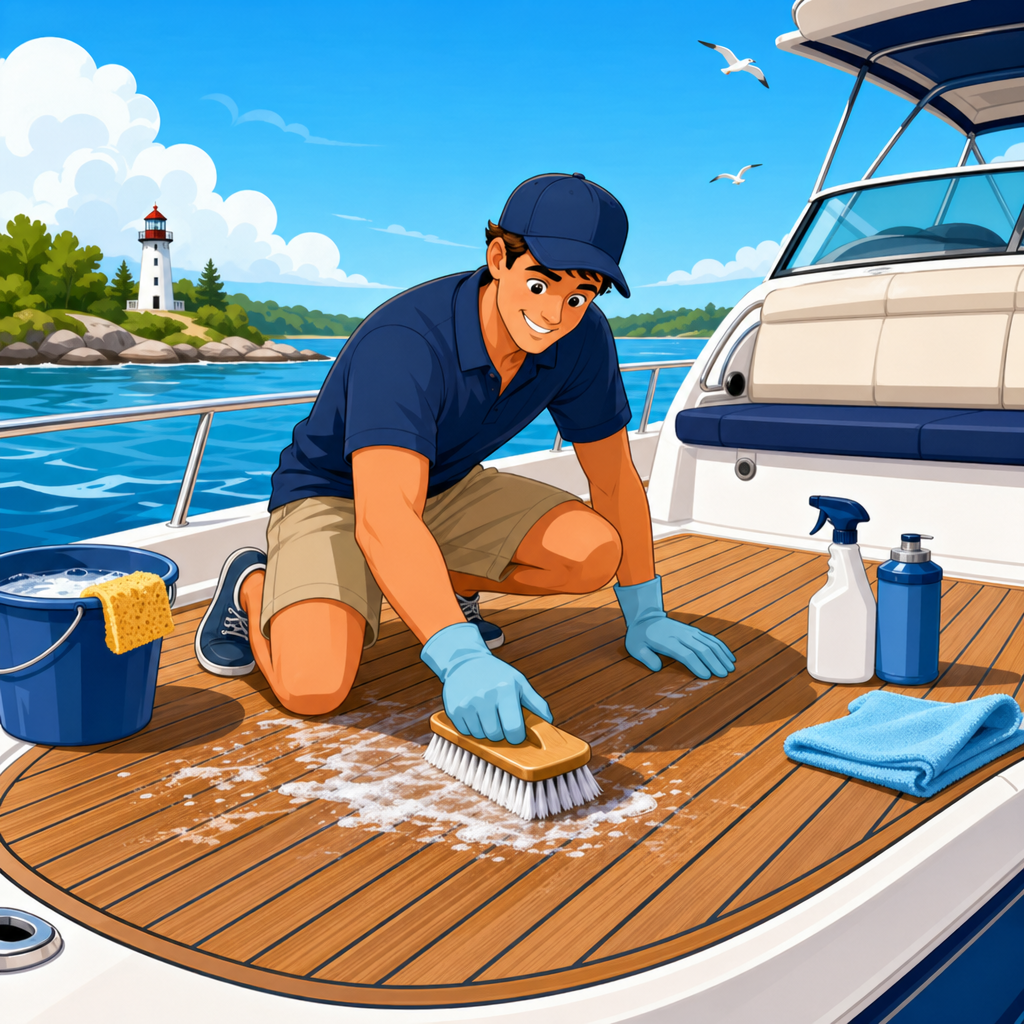
Before removing mold and mildew on boats, protect yourself and the materials. Wear nitrile gloves, eye protection, and at minimum a good respirator when working in enclosed spaces or disturbing heavy growth. Open the boat fully for ventilation. Never mix bleach with ammonia or acidic cleaners. Many marine surfaces are sensitive to harsh chemicals, and the strongest product is not always the best choice. On boats, cleaning is a process: dry removal, washing, targeted stain treatment, rinsing, then complete drying.
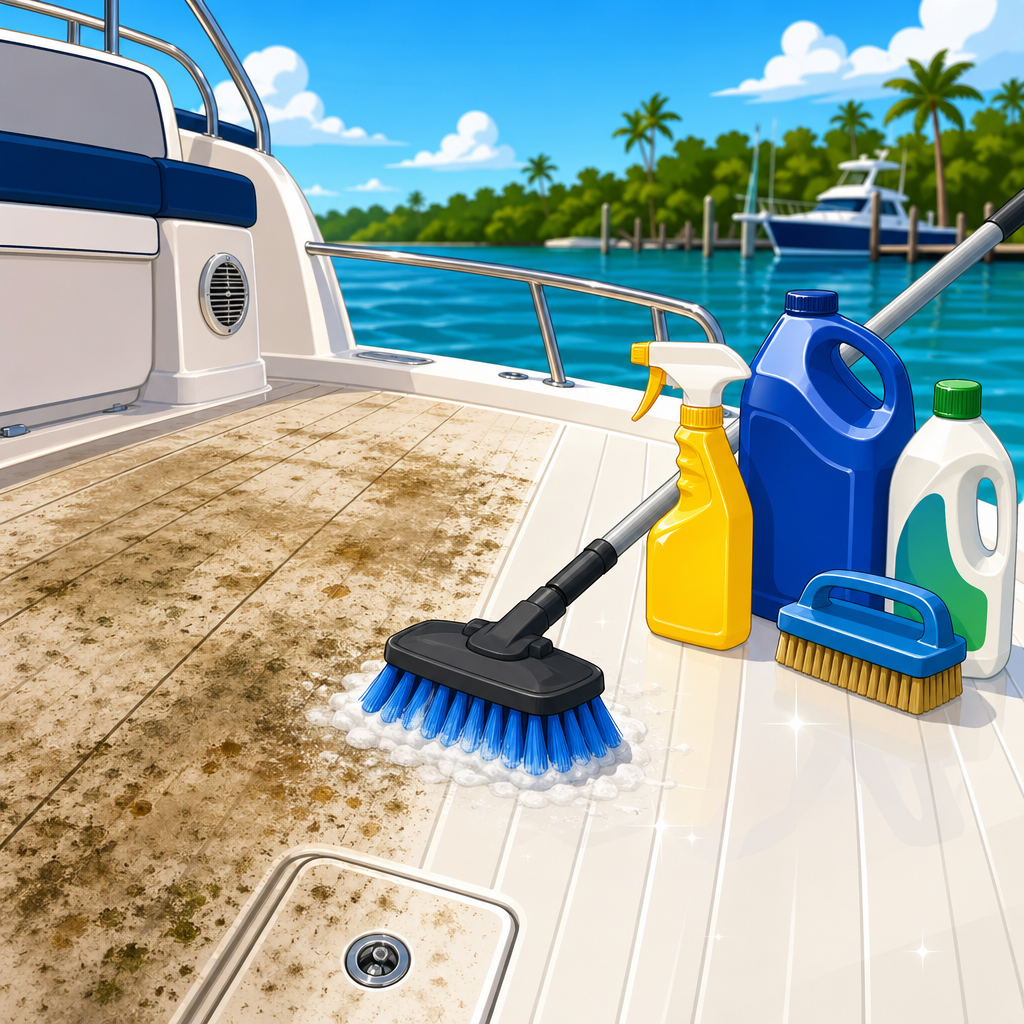
I start by vacuuming loose debris and spores with a vacuum fitted with a HEPA filter if available. This keeps dirt from turning into muddy streaks during washing. Then use a pH-balanced marine soap for general cleaning on gelcoat, nonskid, vinyl, and painted surfaces. For mildew stains, oxygen-based cleaners are often safer on fabrics and stitching than chlorine bleach. Dedicated mildew removers from marine brands such as Star brite, 303, BoatLIFE, and Meguiar’s Marine can be effective, but always test in an inconspicuous area first. For odor control after cleaning, enzyme-based products help break down organic residue in bilges, lockers, and carpeted areas.
Bleach has a limited role. It can whiten hard nonporous surfaces, but it may weaken stitching, discolor fabrics, corrode metals, and fail to penetrate porous materials fully. On vinyl upholstery, a diluted bleach solution is sometimes permitted by manufacturers for stubborn mildew, but concentrations and dwell times matter. Check the upholstery maker’s care guidance before using it. For canvas and clear vinyl enclosures, use only cleaners approved for those materials because aggressive chemistry can strip water repellency, cloud panels, or reduce seam life.
Material-Specific Removal Methods
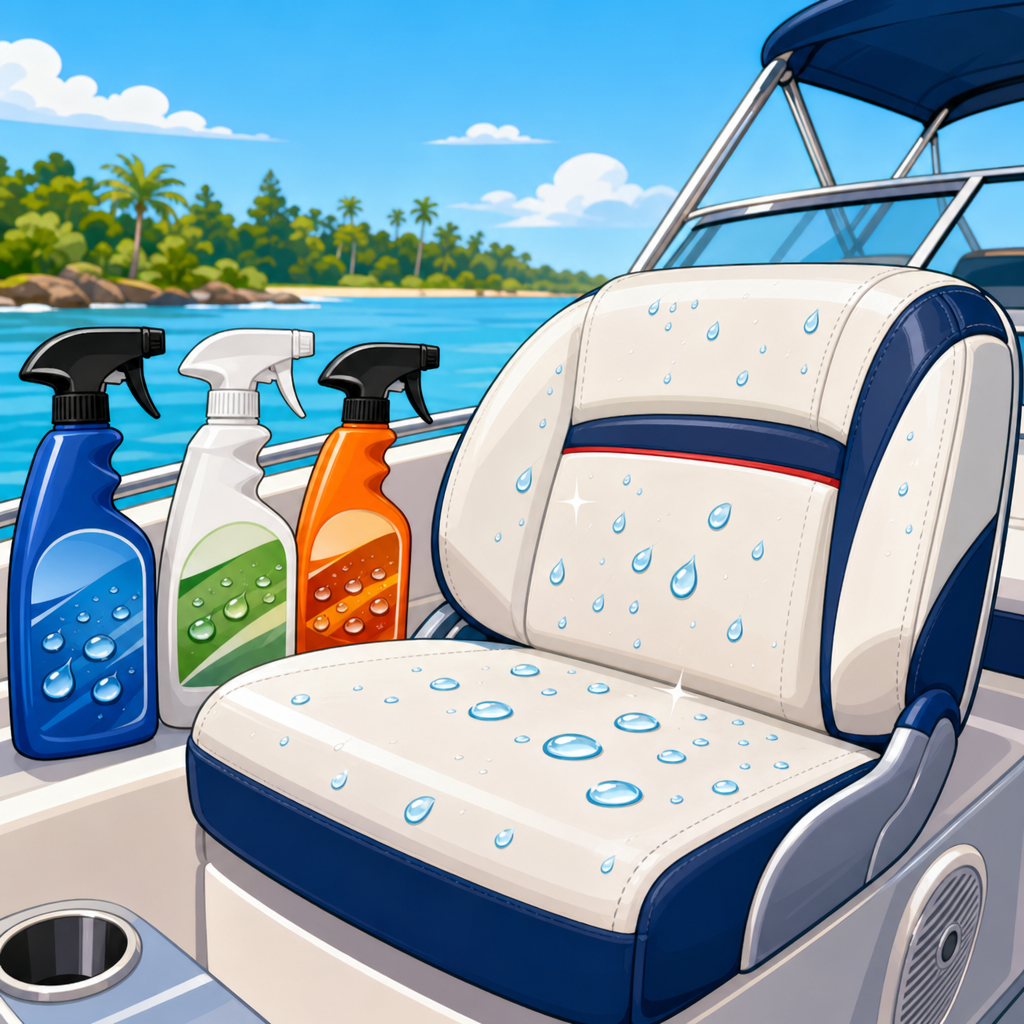
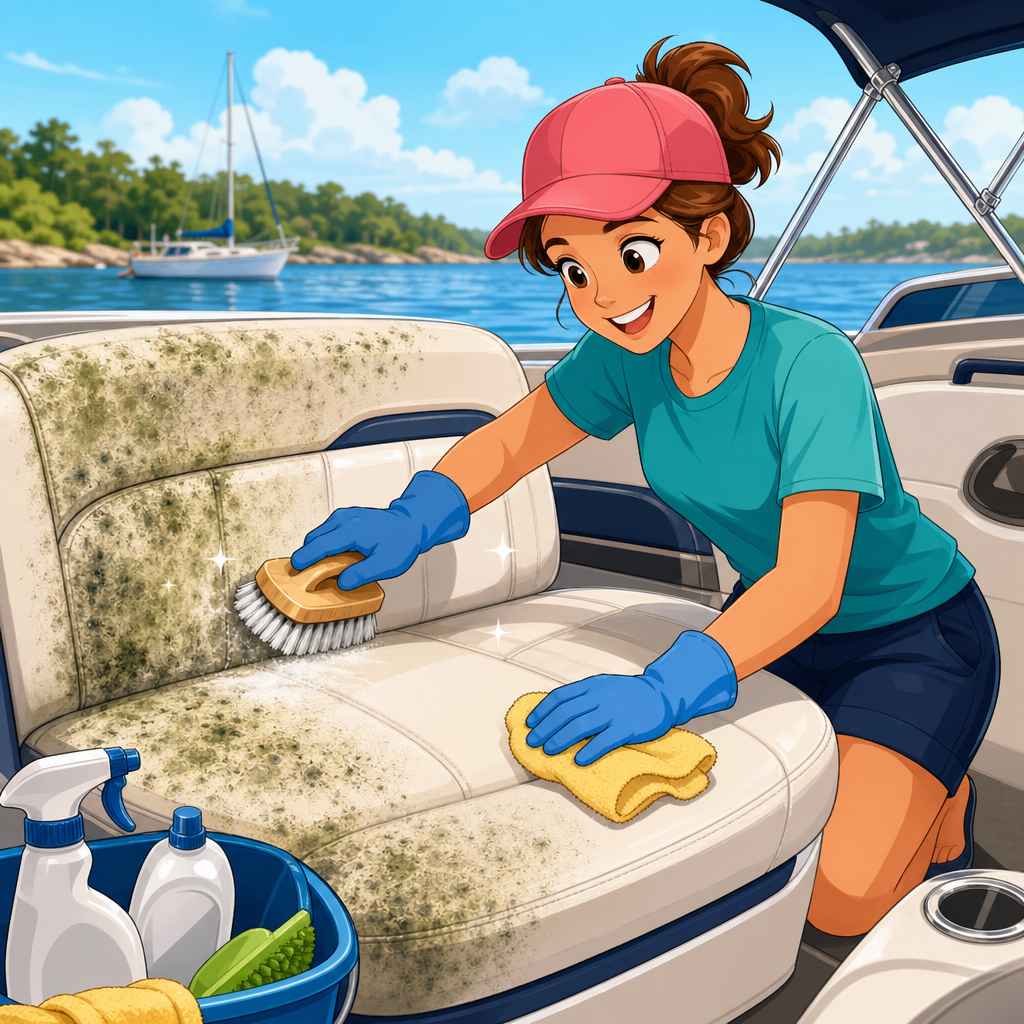
Different boat materials need different cleaning methods if you want good results without damage. Vinyl seats respond best to a soft brush, marine vinyl cleaner, and careful attention to seams and welting where spores hide. Avoid stiff brushes that can open the grain or damage protective topcoats. For stubborn spotting, use a vinyl mildew remover approved by the seat manufacturer, rinse thoroughly, and dry with towels before leaving compartments open.
Marine canvas should be brushed dry first to remove loose growth, then cleaned with a fabric-safe solution. Sunbrella, for example, publishes maintenance instructions that differ from generic canvas care. After washing and full drying, restore water repellency with a compatible fabric treatment if needed. Clear vinyl curtains require dedicated polish and cleaner, never household glass cleaner containing ammonia, which can haze or embrittle the material.
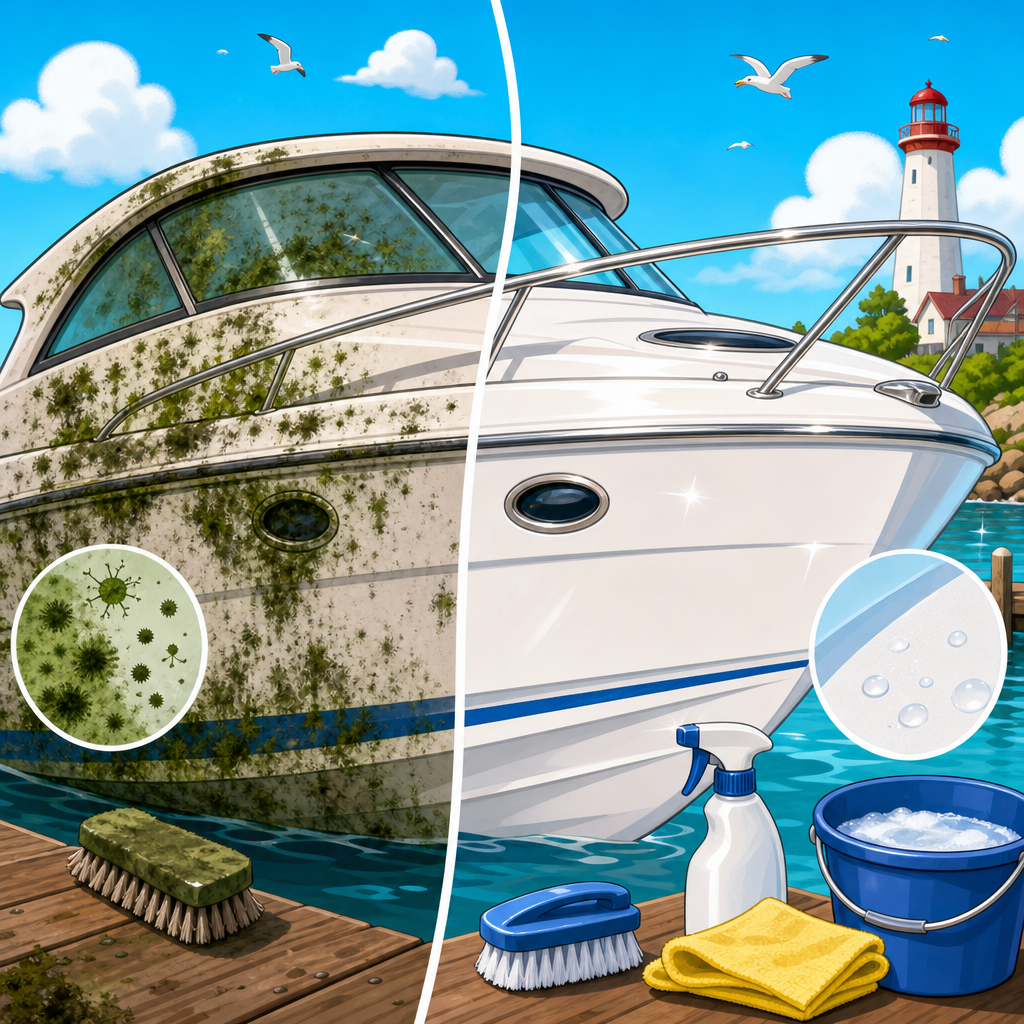
On fiberglass, gelcoat, and painted lockers, mildew usually sits on the surface film. A quality boat soap followed by a mildew stain remover works well. Rinse aggressively because cleaner residue attracts dirt. On teak or wood trim, avoid saturating the area. Clean gently with a wood-safe product, dry quickly, and address leaks or condensation immediately because repeated wetting causes both biological growth and finish failure. In bilges and storage compartments, remove wet gear, scrub with a degreasing cleaner if needed, rinse, then dry the space completely before returning equipment.
| Boat Material | Best First Cleaner | Avoid | Key Follow-Up Step |
|---|---|---|---|
| Vinyl upholstery | Marine vinyl cleaner with soft brush | Stiff brushes, strong solvents | Dry seams and leave cushions lifted |
| Canvas | Fabric-safe cleaner | High bleach concentrations | Reapply water repellent after drying |
| Clear vinyl panels | Approved clear-vinyl cleaner | Ammonia glass cleaners | Polish and store without creasing |
| Fiberglass and gelcoat | Boat soap then mildew remover | Abrasive pads on finished areas | Rinse thoroughly and ventilate lockers |
| Wood trim | Wood-safe cleaner | Overwetting, harsh bleach | Dry fast and correct leak source |
How to Prevent Mold and Mildew from Returning
Prevention comes down to moisture control, airflow, and housekeeping. First, keep water out. Repair leaking covers, reseal failed bedding around hardware, replace cracked hatch gaskets, and clear drains. If your boat sits bow-low on the trailer or lift, change that. Water must run aft and exit cleanly. Second, dry everything before storage. Towels, PFDs, ski ropes, mooring lines, and fenders should never be sealed in lockers while wet. Third, improve airflow. Slightly elevate cushions, prop open lockers when the boat is secured, and use vented covers where possible.
For cabin boats, active humidity control is often worth it. A small marine-safe dehumidifier, desiccant unit, or low-watt circulation fan can prevent chronic condensation in humid climates. In my experience, moving air is as important as removing moisture because stagnant pockets form behind cushions and inside cabinetry. Solar vents help in some installations, but they are not a cure for active leaks. If shore power is available, use equipment with automatic restart after outages and inspect condensate drains frequently.
Routine cleaning also matters. Mildew feeds on organic residue, so a boat that is wiped down after each trip stays cleaner longer. Rinse salt, wash sunscreen buildup from seats, remove fish blood promptly, and vacuum crumbs from cabins. During seasonal layup, clean every surface first, then store the boat dry, ventilated, and angled for drainage. If you use moisture absorbers, place them securely and check them before they overflow. Prevention is cheaper than replacing cushions, canvas, plywood backing, or interior panels.
Building Mold Prevention into a DIY Boat Maintenance Guide
If this article is the hub for your DIY boat maintenance guide, integrate mold prevention into every routine rather than treating it as a stand-alone task. During washdowns, inspect upholstery seams, caulk lines, and locker hinges. During bilge checks, note standing water, pump cycling frequency, and hose condition. During electrical maintenance, verify battery compartments remain dry and corrosion free. During canvas care, inspect stitching, zippers, and support bows so water does not pool. During winterizing or off-season prep, remove absorbent gear from the boat whenever possible.
It also helps to organize maintenance by interval. After every outing, wipe down wet surfaces, open compartments, and remove damp gear. Monthly, clean drains, inspect covers, and check under cushions. At midseason, deep clean canvas, upholstery, and compartments. Before storage, do a full interior dry-out, launder removable fabrics, service leaks, and document problem areas with photos so they can be rechecked. This kind of system prevents surprises and supports every other maintenance category in Boat Maintenance & Repairs because dry boats suffer fewer electrical issues, fewer odors, and less material deterioration.
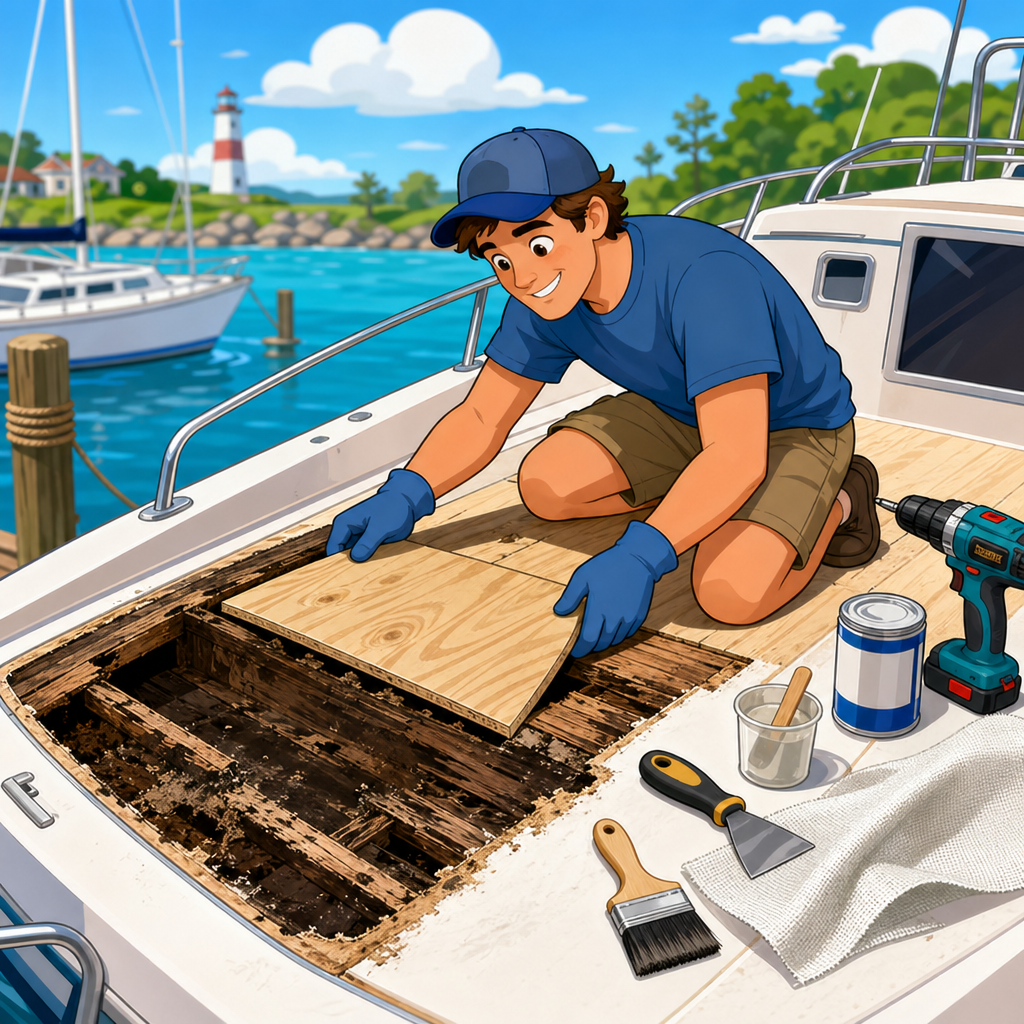
Know when DIY stops making sense. If mold has penetrated foam, saturated structural wood, or spread through air-conditioning ducting and insulation, replacement may be smarter than repeated cleaning. If anyone aboard has asthma, allergies, or immune concerns, treat heavy contamination seriously and consider professional remediation. Effective boat care is not about using the harshest cleaner. It is about identifying moisture pathways, cleaning with the right chemistry, drying thoroughly, and making repeat growth difficult. Start with one full inspection this week, correct the wettest problem first, and build the habit into your regular maintenance schedule.
Frequently Asked Questions
What causes mold and mildew to grow on boats in the first place?
Mold and mildew on boats almost always come down to one core issue: moisture that stays trapped long enough for fungal growth to take hold. Boats naturally deal with humidity, spray, rainwater, condensation, and temperature swings, so even well-kept vessels can develop problems if damp areas are not dried quickly. Mildew typically shows up first as surface spotting on vinyl seats, canvas, caulk lines, compartment liners, or other frequently damp materials. Mold often becomes a bigger concern when moisture penetrates deeper into cushions, carpeting, wood trim, storage lockers, or hidden corners with poor ventilation.
Several conditions make the problem worse. Organic debris such as dirt, sunscreen residue, food crumbs, fish scales, leaf matter, and body oils gives mold and mildew something to feed on. Poor airflow in closed cabins, covered cockpits, under-seat storage, and sealed compartments allows humidity to linger. Leaks around hatches, windows, rail fittings, plumbing connections, and deck hardware can keep materials damp without being obvious. Even a boat that looks clean on the surface may have enough trapped moisture under covers or inside lockers to support steady fungal growth.
In practical terms, mold and mildew are usually maintenance indicators rather than isolated cosmetic issues. If they keep returning, the boat likely has one or more underlying problems: insufficient ventilation, chronic condensation, standing water, wet gear being stored before drying, or cleaning routines that miss hidden moisture-prone areas. Effective prevention starts with identifying those moisture sources and reducing the conditions that allow growth to continue.
What is the safest and most effective way to remove mold and mildew from boat surfaces?
The safest and most effective approach is to clean by material type, remove the organic residue feeding the growth, and avoid using chemicals that can damage marine finishes. Start by moving the boat into a well-ventilated area if possible. Wear gloves, eye protection, and at minimum a mask if you are working around heavy fungal buildup, especially in enclosed cabins or lockers. Dry brushing or vacuuming loose material first can help, but use care not to spread spores unnecessarily.
For many non-porous or lightly porous surfaces such as fiberglass, gelcoat, hard plastic, finished metal, and some vinyl, begin with warm water, a soft brush or microfiber cloth, and a marine-safe soap or mildew cleaner. Let the cleaner dwell according to label directions, then scrub gently and rinse thoroughly. On vinyl seating, the goal is to remove stains without stripping protective coatings, so avoid overly aggressive scrub pads or harsh solvent-based products unless the manufacturer specifically approves them. On canvas, use a cleaner intended for marine fabrics and follow up with a retreatment if the water-repellent finish has been reduced by cleaning.
Bleach is often used by boat owners, but it should be handled carefully. It can lighten stains, yet it may also weaken stitching, damage fabrics, discolor surfaces, and fail to fully address deeper root growth in porous materials. In many cases, a dedicated marine mildew remover or a material-specific cleaner is a better choice. For teak, wood trim, headliners, and sensitive upholstery, always test any product in an inconspicuous area first. After cleaning, the most important final step is complete drying. If the surface stays damp, the mold or mildew will often return quickly no matter how strong the cleaner was. Fans, open hatches, dehumidifiers, and sunlight—when safe for the material—can all help finish the job properly.
How can I prevent mold and mildew from coming back after cleaning the boat?
Prevention depends on controlling moisture consistently, not just cleaning stains when they appear. The first priority is airflow. Open lockers, lift cushions, ventilate cabins, and use vents or solar-powered ventilators when the boat is stored. If the boat sits in a humid climate or remains closed for long periods, a dehumidifier or moisture-absorbing products can help reduce ambient dampness, especially inside cabins and enclosed storage areas. Boat covers should protect from rain while still allowing some air movement; a tightly sealed cover that traps humidity can make mildew worse rather than better.
Routine drying habits matter just as much. Wipe down wet surfaces after use, especially vinyl seats, cockpit cushions, canvas enclosures, and compartment lids. Remove life jackets, towels, dock lines, and other gear that were used wet, or dry them thoroughly before returning them to lockers. Check bilges regularly and keep them clean, because stagnant water and oily residue can increase humidity and odor throughout the boat. If you notice condensation on windows, under berths, or inside storage spaces, treat that as an early warning sign that ventilation needs improvement.
Regular cleaning also prevents recurrence by removing the invisible food sources mold and mildew need. Salt, grime, body oils, spilled drinks, bait residue, and general dust buildup all contribute. A simple maintenance schedule works well: quick wipe-downs after each trip, a more thorough weekly or biweekly cleaning during active season, and a deeper inspection before storage. Pay attention to caulk lines, seams, hinges, under cushions, and the backsides of enclosed panels, because these are common problem spots. Prevention is rarely about one miracle product; it is about consistent moisture management, cleanliness, and early intervention before colonies spread.
Are mold and mildew on a boat just cosmetic, or can they cause real damage?
They can absolutely cause real damage. At the early stage, mildew may appear to be only a cosmetic nuisance—small black, gray, or brown spots on seats, canvas, or liners. But those stains are evidence that moisture is persisting where it should not. Over time, that same environment can degrade upholstery, stain caulk, shorten the life of fabrics, and create odors that become difficult to remove. Mold and mildew can also work their way into stitching, foam, carpeting, unfinished wood, and hidden backing materials, where cleaning becomes more difficult and replacement more likely.
There is also a structural and maintenance dimension. Persistent dampness that supports fungal growth often points to leaks, failed seals, trapped water, or inadequate drainage. Left unresolved, those problems can contribute to wood rot, corrosion around hardware, deterioration of adhesives, and damage to interior finishes. In enclosed compartments, chronic moisture can affect electrical areas as well, not because mold itself attacks wiring directly, but because the same wet conditions that allow mold to flourish can accelerate broader deterioration.
Odor and comfort are major issues too. A musty cabin or sour-smelling upholstery can make the boat far less enjoyable to use and harder to sell. Some people are also sensitive to mold exposure, especially in poorly ventilated spaces. That means the issue goes beyond looks and into air quality and overall onboard experience. If mold and mildew keep recurring, it is best to treat them as symptoms of a moisture-control problem that deserves a full inspection, not just another round of stain removal.
When should I handle boat mold and mildew myself, and when is it time to call a professional?
Do-it-yourself cleaning is usually reasonable when the problem is light, localized, and limited to accessible surfaces such as vinyl seating, fiberglass, plastic trim, compartment liners, or small areas of canvas. If the staining is recent, the boat has no strong persistent musty odor, and there is no sign that moisture has penetrated deep into cushions, wood, or hidden cavities, a careful owner can often solve the issue with the right marine-safe cleaners, proper protective gear, and a thorough drying process. DIY is also practical when you already know the moisture source—for example, rainwater intrusion from an open hatch or damp gear stored in a locker—and can correct it right away.
It is time to call a professional when the growth is widespread, returns quickly after cleaning, or appears to involve porous materials and hidden spaces. Strong odors in cabins, repeated spotting under cushions, stained headliners, mold inside ducting or behind wall panels, saturated foam, or signs of water intrusion around windows, deck fittings, or interior joinery all suggest a deeper issue. Professionals can help identify leaks, assess the extent of damage, and clean or remediate contaminated areas without spreading spores through the boat. They may also know when materials like carpet backing, insulation, foam cushions, or compromised wood components need replacement rather than repeated treatment.
You should also consider professional help if health concerns are involved, if the boat has been closed up for a long time, or if heavy growth is present in confined spaces. In those cases, the value is not just stronger cleaning—it is proper diagnosis, safer containment, and a better chance of solving the moisture problem at its source. The best results usually come from combining remediation with repair: clean the contamination, fix the leak or ventilation issue, dry the structure thoroughly, and then put a prevention routine in place so the problem does not return next season.