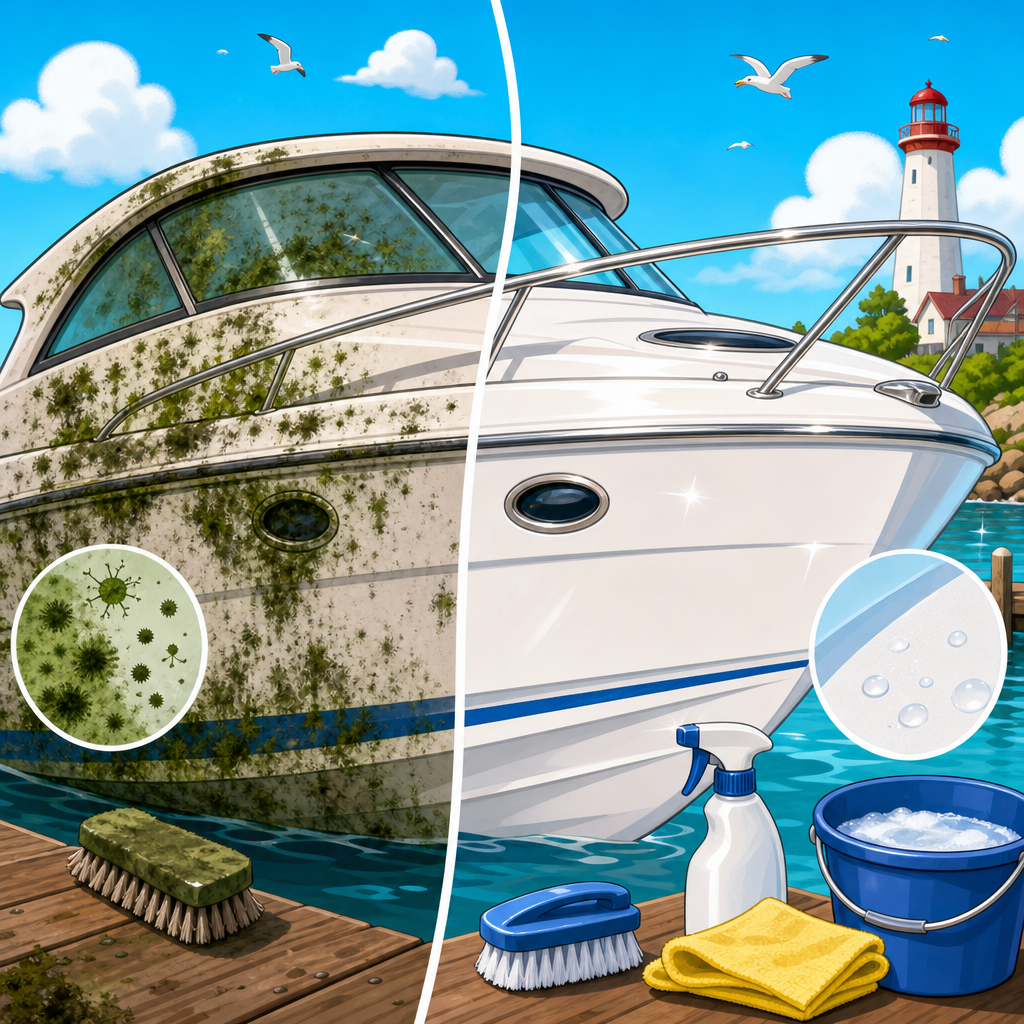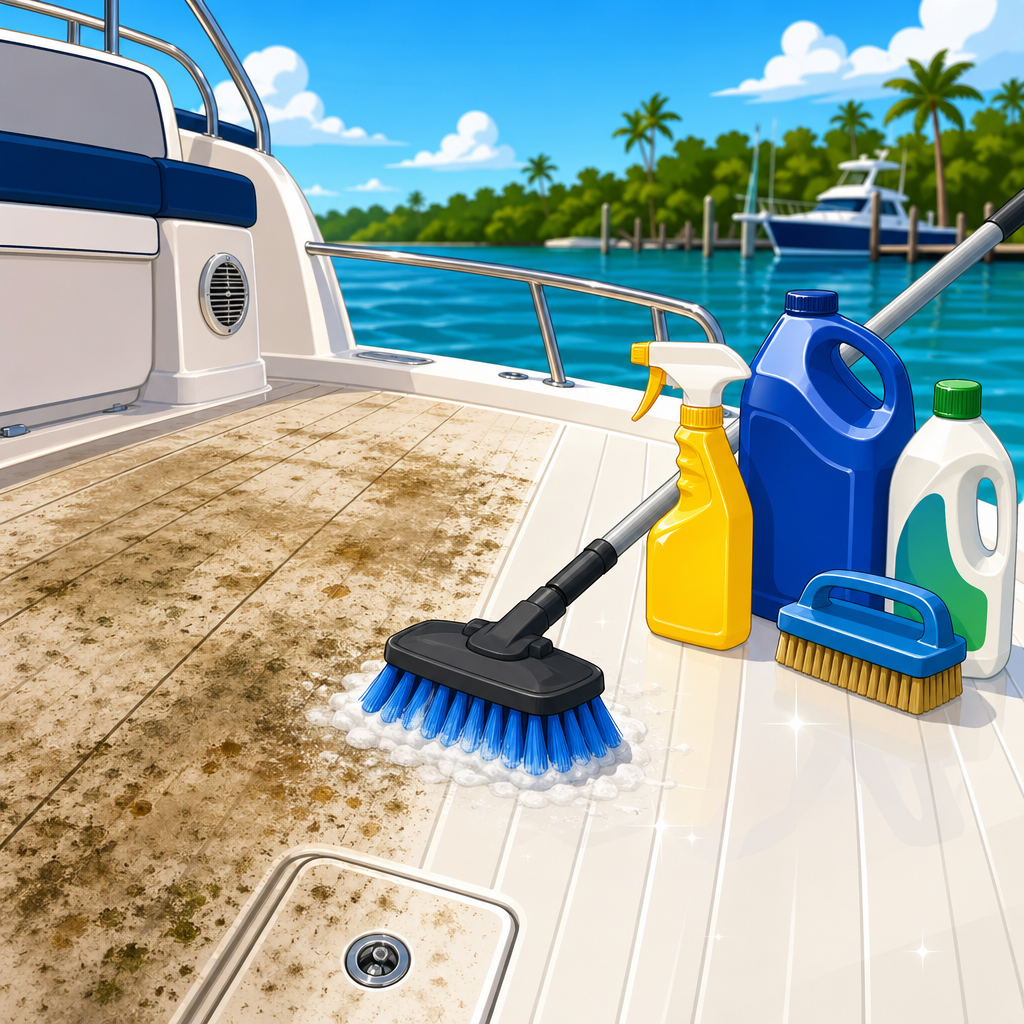
Boat deck cleaners do more than improve appearance; they protect traction, extend material life, and reduce the long-term cost of boat maintenance and repairs. In practical terms, a “deck cleaner” is any marine-safe product designed to remove dirt, fish blood, mildew, sunscreen residue, fuel film, oxidation, and tannin stains from walking surfaces without damaging gelcoat, non-skid texture, vinyl, teak, EVA foam, or adjacent upholstery. Choosing the best boat deck cleaners for removing stains and dirt matters because decks collect every contaminant onboard, and the wrong chemistry can strip wax, dry out seams, fade fabrics, or make surfaces dangerously slick. I have tested cleaners on center consoles, cruising sailboats, and pontoon boats, and the pattern is consistent: the best product is not the strongest one, but the one matched to the deck material, the stain type, and the rinsing conditions at your dock or launch ramp. This hub covers deck and upholstery maintenance as a complete system so you can clean faster, avoid preventable damage, and know when to use all-purpose soap, oxygen-based stain removers, mold treatments, teak-specific cleaners, protectants, or specialty brushes for a safer, better-looking boat.
What makes a boat deck cleaner effective
The best boat deck cleaners for removing stains and dirt share four traits: they cut organic grime, rinse completely, preserve surface texture, and leave behind no residue that attracts more soil. Marine decks are different from car interiors or home patios because they combine UV exposure, salt, standing water, bait, and textured non-skid patterns that trap dirt deep in peaks and valleys. A cleaner that works beautifully on smooth fiberglass can fail on molded non-skid, while a bleach-heavy product may whiten mildew but weaken thread on nearby upholstery seams.
For general washing, pH-balanced boat soaps from brands such as Meguiar’s, Star brite, Better Boat, and Shurhold are solid starting points. These are formulated to lift loose dirt and salt without aggressively stripping sealants. For heavier staining, dedicated non-skid cleaners like Star brite Non-Skid Deck Cleaner, Aurora Marine Non-Skid Deck Cleaner, and Woody Wax Non-Skid Deck Cleaner are better because they are designed to penetrate textured surfaces. On vinyl seating and bolsters, products such as 303 Multi-Surface Cleaner, Babe’s Seat Soap, and Marine 31 Mildew Remover can target body oils, mildew spots, and food stains without the harshness of degreasers meant for bilges or engines.
Effectiveness also depends on dwell time and agitation. I have seen owners blame a product when the real issue was hosing it off after fifteen seconds. A cleaner often needs two to five minutes on the surface, shaded from direct sun, then light brushing with a medium-bristle deck brush. That contact time lets surfactants break the bond between stain and substrate. If you scrub too aggressively with a stiff brush, especially across vinyl grain or EVA foam, you can do permanent cosmetic damage while removing only marginally more dirt.
How to choose the right cleaner for fiberglass, non-skid, teak, vinyl, and EVA foam
Material compatibility is the first rule of deck and upholstery maintenance. Fiberglass and gelcoat can tolerate a wider range of cleaners than unfinished teak or stitched marine vinyl. Non-skid fiberglass needs products that can reach texture without leaving a slippery gloss. Teak needs cleaners that remove gray weathering and grime while preserving natural oils and avoiding excessive fiber loss. Vinyl needs low-residue cleaners that will not pull plasticizers from the surface. EVA foam requires the gentlest approach because solvents and strong alkalis can cause discoloration or surface hardening.
For fiberglass cockpits and smooth gelcoat decks, use a pH-neutral wash weekly and escalate only when stains remain after rinsing and brushing. For molded non-skid, choose a cleaner labeled specifically for non-skid and use a deck brush with flagged bristles. For teak, products such as Star brite Premium Teak Cleaner or Snappy Teak-Nu can restore color, but use them sparingly; repeated harsh brightening shortens the life of the wood. For vinyl cushions and coamings, start with marine vinyl soap, then move to mildew removers only on affected spots. For EVA foam, use diluted soap, a soft brush, and plenty of rinse water, then avoid petroleum-based protectants entirely.
A useful buying test is to read the label for three things: approved surfaces, dilution guidance, and warning language about bleach, ammonia, or solvent content. If a cleaner does not clearly identify marine surfaces or says to avoid painted, finished, or synthetic materials, keep it off a mixed-material deck. On most family boats, you are cleaning around hatch gaskets, caulking, anodized rails, and stitched upholstery at the same time, so broad material safety is more valuable than brute cleaning power.
Best boat deck cleaners by stain type and maintenance goal
Different stains need different chemistry, and this is where many cleaning routines go wrong. Fish blood, food residue, and bird droppings are organic stains; oxygen-based cleaners and enzyme-style formulas are often effective because they break down proteins. Rust stains from hardware runoff respond better to acid-based specialty removers used carefully and only where needed. Black mildew spotting on vinyl usually needs a dedicated mildew remover, but the root cause is trapped moisture and poor ventilation, not weak cleaner. Tannin stains from leaves and river water may need repeated applications rather than stronger scrubbing.
If your main problem is embedded dirt in non-skid, a dedicated non-skid cleaner outperforms general soap. If the issue is sunscreen, diesel film, or greasy footprints, a marine degreasing cleaner diluted correctly can help, but it should be followed by thorough rinsing so the deck does not become slick. On pontoon vinyl flooring, mild detergent plus a soft deck brush usually removes ordinary dirt, while stubborn scuffs may require a vinyl-safe cleaner and a melamine pad used lightly on a test area first. On sailboats with textured cabin tops, I have had better results with repeated mild applications than a single strong one, because aggressive products can streak around hardware bases and bedding compounds.
| Surface or stain | Best cleaner type | Good product examples | Key caution |
|---|---|---|---|
| General fiberglass deck dirt | pH-balanced boat soap | Meguiar’s Boat Wash, Better Boat Soap | May not remove set-in stains alone |
| Molded non-skid grime | Non-skid deck cleaner | Star brite Non-Skid, Aurora Marine | Do not let dry on surface |
| Vinyl mildew spots | Marine mildew remover | Marine 31, 303 Multi-Surface | Test first near stitching and color panels |
| Teak weathering and dirt | Teak cleaner | Snappy Teak-Nu, Star brite Premium Teak | Overuse can erode soft grain |
| EVA foam deck pads | Mild soap solution | Boat soap diluted with water | Avoid solvents and harsh bleach |
| Rust or tannin stains | Targeted stain remover | Marine rust stain removers | Use only on compatible surfaces |
How to clean boat decks and upholstery without causing damage
A safe process matters as much as the product. Start by removing loose gear, mats, and cushions so dirt is not redeposited. Rinse the deck thoroughly to float off salt crystals and grit, because dry scrubbing drags abrasive particles across gelcoat and vinyl. Work in sections small enough to keep wet, usually four by four feet. Apply cleaner from low to moderate concentration based on label directions. More chemical does not automatically mean better results; it often means extra rinsing, greater risk to adjacent materials, and unnecessary cost.
Use the right brush for each surface. A medium deck brush is ideal for fiberglass and non-skid. A softer hand brush works around cup holders, hatches, and hardware bases. For vinyl upholstery, microfiber towels and soft interior brushes are safer than deck brushes. Agitate in the direction of texture or grain where possible. On teak, scrub across the grain only lightly and avoid wire brushes completely. On EVA foam, use minimal pressure and blot instead of grinding stains deeper into the cells.
Rinse generously and inspect while the surface is still wet. Residue often hides until the deck dries and turns tacky or streaked. If a stain remains after one proper application, identify the stain before escalating. I keep a simple progression: wash soap, specialty deck cleaner, spot treatment, then protectant after the surface is fully dry. That sequence prevents the common mistake of putting conditioner over dirt or mildew, which seals the problem in place and makes future cleaning harder.
For upholstery maintenance, dry cushions when possible before covering the boat. Mildew thrives under tight covers with poor airflow, especially in humid climates. A cleaner can remove visible spotting, but prevention comes from ventilation, drainage, and routine wipe-downs. Products such as 303 Aerospace Protectant on vinyl, used after cleaning, can reduce UV damage and make future dirt release easier, but they are not substitutes for washing.
Common mistakes, product limitations, and seasonal maintenance strategy
The biggest mistake boat owners make is using household cleaners that are not designed for marine materials. All-purpose kitchen sprays, chlorine bleach mixes, and strong degreasers may seem effective short term, but they can dry vinyl, attack thread, dull gelcoat, and harm waterways if rinsed directly overboard in concentrated form. Another mistake is letting cleaners bake in the sun. Heat speeds evaporation, reducing dwell time and increasing the chance of residue or spotting. Clean early or late in the day whenever possible.
There are also limits to what any deck cleaner can fix. Deep oxidation, permanent cushion staining, worn non-skid, torn vinyl, and teak that has been repeatedly over-cleaned often require restoration rather than washing. In those cases, cleaners are maintenance tools, not repairs. Knowing that boundary saves money and frustration. I often tell owners to stop chasing a stain after two well-chosen attempts and ask whether the problem is now cosmetic wear, not removable soil.
A strong seasonal plan keeps decks cleaner with less effort. During the boating season, rinse after every trip, especially after saltwater use or messy fishing days. Wash weekly or biweekly with pH-balanced soap. Spot-treat fish blood, sunscreen smears, and mildew immediately before they set. Monthly, inspect caulk lines, hatch corners, seat bases, and under-cushion storage where grime accumulates unseen. At haul-out or winterization, perform a deeper clean, let every surface dry fully, and apply surface-appropriate protectants before covering. In spring commissioning, start with the mildest cleaner first because winter dirt often looks worse than it actually is.
Building a complete deck and upholstery maintenance kit
A reliable kit makes routine care faster and prevents the temptation to use the wrong product because it is nearby. At minimum, keep a pH-balanced boat soap, a dedicated non-skid cleaner, a vinyl-safe cleaner, microfiber towels, a medium deck brush, a soft hand brush, a bucket, and a hose nozzle that can rinse thoroughly without blasting seals. Add a mildew remover if you boat in humid regions, a teak cleaner if your boat has natural wood, and a protectant for vinyl and UV-exposed plastics. Label dilution ratios on bottles with waterproof tape so anyone on board can mix them correctly.
Storage matters. Heat degrades some cleaning products, and freezing can separate others, so do not leave your entire supply in a dock box year-round unless the label says the product is stable in those conditions. Keep Safety Data Sheets or at least quick notes on compatibility, especially if family members or crew help with cleaning. That simple step prevents mistakes like spraying mildew remover on colored canvas or using teak cleaner on anodized trim. If you maintain multiple boats, separate kits by material type rather than buying one “miracle” cleaner for everything.
The best boat deck cleaners for removing stains and dirt are the ones that match the surface, solve the actual stain problem, and fit into a repeatable maintenance routine. For most owners, that means a pH-balanced wash for weekly cleaning, a true non-skid cleaner for textured decks, a vinyl-safe cleaner for seats and bolsters, and carefully chosen specialty products for teak, mildew, and rust. Clean with measured dwell time, correct brushes, and thorough rinsing, and you will get better results than you will from harsher chemicals and harder scrubbing. Treat deck and upholstery maintenance as part of your broader boat maintenance and repairs plan, not a cosmetic afterthought. Audit your current cleaners, replace any household substitutes, and build a simple marine-safe kit before your next trip.
Frequently Asked Questions
What should I look for when choosing the best boat deck cleaner for stains and dirt?
The best boat deck cleaner is not simply the strongest product on the shelf. It should match your deck material, the type of contamination you are dealing with, and how often you clean. A good marine-safe cleaner removes common messes like mud, fish blood, mildew, sunscreen residue, fuel film, bird droppings, oxidation haze, and tannin stains without harming gelcoat, non-skid texture, vinyl, teak, EVA foam, or nearby upholstery. That material compatibility is one of the most important factors because an aggressive cleaner may strip protective finishes, dry out surfaces, fade color, or reduce traction over time.
It also helps to consider whether you need a general-purpose cleaner or a stain-focused formula. Routine wash products are ideal for frequent upkeep and light grime, while specialized deck cleaners are better for embedded dirt, mildew spotting, greasy residue, or stubborn organic stains. Concentrated formulas can be cost-effective for larger boats, but ready-to-use sprays are convenient for quick spot cleaning. If your deck has textured non-skid, look for a cleaner that can reach into the pattern and lift dirt without leaving a slippery residue behind.
Finally, pay attention to ease of rinsing, environmental friendliness, and whether the cleaner requires heavy scrubbing. A quality product should reduce labor, not create more of it. The most effective choice is one that cleans thoroughly, preserves the surface, maintains safe footing, and helps prevent premature wear that leads to more expensive maintenance later.
Can I use household cleaners on a boat deck, or do I need a marine-specific product?
In most cases, a marine-specific product is the safer and smarter choice. Household cleaners may seem convenient, but many are too harsh, too slippery, or simply not formulated for the combination of materials found on a boat. Bleach-heavy products can weaken stitching, dry out vinyl, discolor fabrics, and create runoff concerns. Degreasers designed for garages or kitchens may strip wax, dull gelcoat, or damage protective coatings. Even some all-purpose cleaners leave behind a film that can make deck surfaces more slippery, which is the opposite of what you want on a walking surface.
Marine deck cleaners are designed with boat maintenance in mind. They are typically balanced to remove grime, salt deposits, mildew, sunscreen oils, fish residue, and fuel film while being gentler on sensitive surfaces and adjacent components. Because boat decks often include non-skid texture, caulk lines, trim, foam padding, and upholstery nearby, a cleaner needs to work effectively without causing cross-material damage.
There are exceptions for very mild household soap solutions used in a pinch, but relying on non-marine products regularly can shorten the life of deck materials and create avoidable cosmetic or safety issues. If you want consistent cleaning results while protecting traction and preserving the finish, a marine-safe deck cleaner is usually the better investment.
How often should I clean my boat deck to prevent stains and long-term damage?
For most boats, light deck cleaning after every outing and a more thorough cleaning on a regular schedule is the best approach. Salt, dirt, fish blood, spilled drinks, bait residue, sunscreen, and moisture can start setting into the surface quickly, especially in warm and humid conditions. If these contaminants are left in place, they do more than make the deck look dirty. They can encourage mildew growth, stain porous or textured surfaces, reduce traction, and contribute to material breakdown over time.
A quick rinse and light wash after each use helps prevent buildup from becoming embedded. This is especially important if the boat sees offshore use, fishing trips, or heavy foot traffic. A deeper cleaning weekly, biweekly, or monthly may be appropriate depending on how often the boat is used and where it is stored. Boats kept in the water, exposed to tree cover, or used in muddy or tannin-rich areas typically need more attention than trailered boats kept under cover.
The key is consistency. It is much easier and less expensive to remove fresh grime than to tackle old oxidation, mildew staining, or baked-in residue later. Regular cleaning helps preserve appearance, maintain safe footing on non-skid surfaces, and reduce the need for aggressive restoration products that can be harder on deck materials. In practical terms, good deck-cleaning habits are part of preventive maintenance, not just cosmetic upkeep.
What is the best way to remove tough stains like fish blood, mildew, fuel film, and tannin marks from a boat deck?
The best method depends on the stain, but the safest approach is to start with the least aggressive cleaner that is appropriate for the surface and work up only if needed. For fish blood, bait residue, and general organic messes, it is best to clean them as soon as possible before they dry and set. A marine deck cleaner with enough dwell time to break down proteins usually works better than immediate heavy scrubbing. Mildew often requires a product specifically labeled for mildew staining, but it should still be safe for the deck material and any nearby vinyl or upholstery.
Fuel film and greasy residue need a cleaner that can cut oily contamination without damaging gelcoat or stripping finishes. Tannin stains, which are common in freshwater environments and around leaf debris, may need a stain-targeting formula designed to lift discoloration rather than just surface dirt. On textured non-skid, use a medium-soft deck brush that can reach into the pattern without grinding the stain deeper. Avoid overly stiff brushes on delicate finishes, vinyl, EVA foam, or teak.
Always test a cleaner in a small, inconspicuous area first, follow dilution instructions, and avoid letting chemicals dry on the surface. Rinse thoroughly so no residue remains. In many cases, repeated gentle cleanings are safer and more effective than one harsh treatment. That approach protects traction, preserves the deck material, and still removes stubborn stains with less risk of fading, softening, or surface damage.
Do boat deck cleaners help protect the deck, or are they only for appearance?
Boat deck cleaners absolutely do more than improve appearance. A clean deck is a safer, longer-lasting deck. When dirt, mildew, oils, sunscreen residue, fuel film, and oxidation are allowed to build up, they can reduce grip on walking surfaces and make the deck more hazardous underfoot. This is especially important on non-skid areas, where traction is one of the deck’s most important functions. The right cleaner helps remove contaminants that interfere with that texture, so the deck remains safer to walk on in wet conditions.
Regular cleaning also supports the long-term health of deck materials. Embedded grime can accelerate wear, discolor surfaces, and make restoration more difficult later. Mildew and organic buildup may stain vinyl and caulk lines, while harsh contamination can contribute to premature aging of gelcoat, foam, and finishes. By removing debris before it has time to penetrate or react with the surface, deck cleaners help preserve both the structural and cosmetic condition of the boat.
From a maintenance-cost standpoint, this matters a great deal. Preventive cleaning reduces the likelihood of needing stronger chemicals, intensive scrubbing, stain removal treatments, refinishing, or early material replacement. So while a bright, clean deck certainly looks better, the bigger benefit is protection: better traction, better surface preservation, and lower long-term maintenance and repair costs.