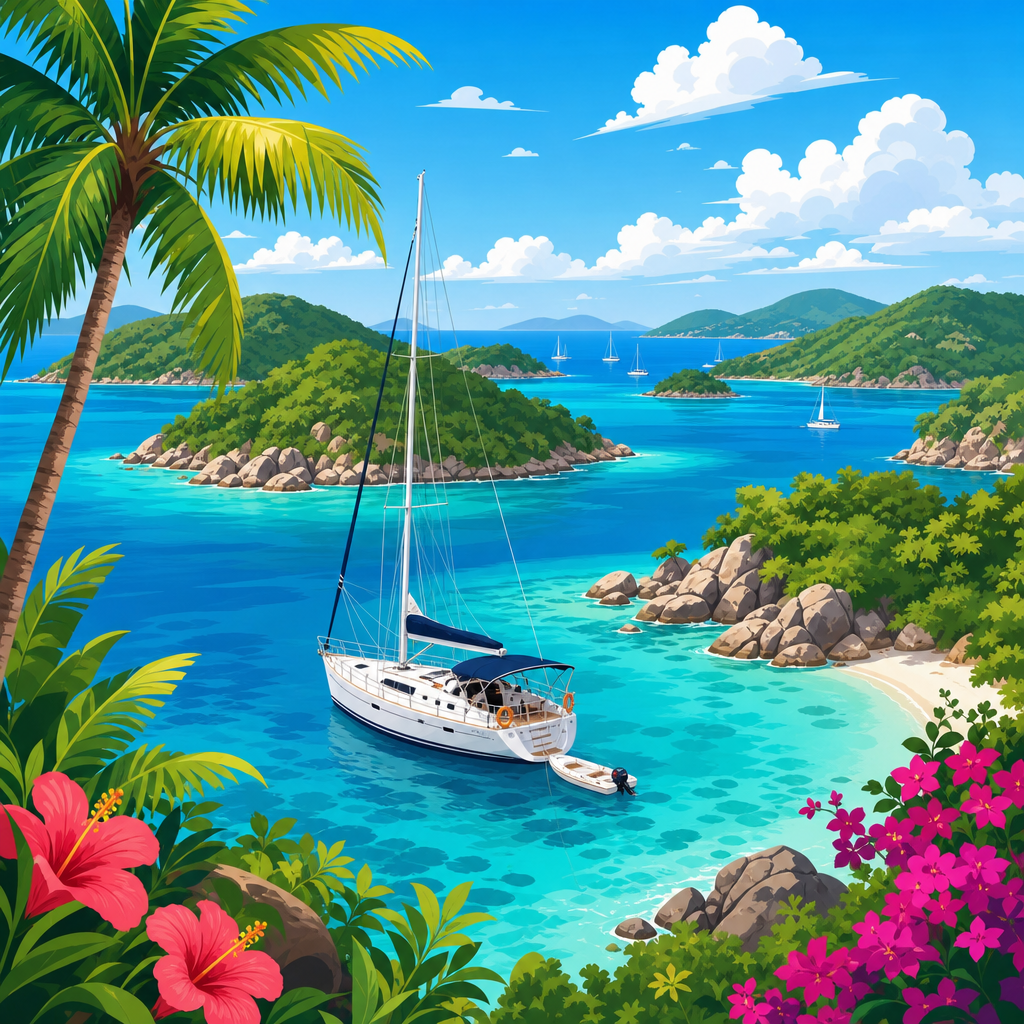
Sailing the British Virgin Islands is the benchmark Caribbean charter experience because the archipelago combines short line-of-sight passages, protected waters, reliable trade winds, and anchorages that suit everyone from first-time bareboat crews to experienced skippers planning longer island-hopping routes. The British Virgin Islands, usually called the BVI, sit northeast of the U.S. Virgin Islands and include Tortola, Virgin Gorda, Jost Van Dyke, Anegada, and dozens of smaller cays and rocks. In charter terms, the area is unusually forgiving: distances are manageable, customs are simple when staying within the territory, and most mooring fields are close to beaches, reefs, beach bars, hiking trails, and provisioning points. That mix matters because a great sailing destination is not only about wind and scenery. It is about whether a crew can safely move the boat, sleep well at anchor, get ashore easily, find fuel and groceries without wasting half a day, and still enjoy memorable swimming, snorkeling, dining, and shore exploration.
I have planned and sailed multiple BVI itineraries, and what stands out every time is how efficiently the islands deliver variety. You can snorkel the Indians in the morning, take a broad reach to Norman Island, then be settled on a mooring before sundown with time for a swim and dinner. Compare that with destinations where one rough open-water leg can consume an entire day and reshape the whole week. The BVI minimizes that friction. For charterers researching the best sailing and yacht charter destinations, this makes the islands an ideal hub topic because they show what people usually want from a cruising ground: easy navigation, scenic anchorages, good holding or organized mooring systems, protected routes, and enough options to build itineraries around weather, crew ability, and interests.
Understanding the basics helps. An anchorage is a place where a yacht can anchor or pick up a mooring with acceptable shelter, depth, and holding ground. A route is the sequence of passages and overnight stops that turns individual anchorages into a practical itinerary. In the BVI, route planning depends on wind direction, swell exposure, mooring availability, marine park rules, and the experience level of the crew. The best anchorages are not simply the prettiest bays. They are the bays that work well for the conditions, offer a clear approach, and align with what your crew wants to do ashore or in the water. That is why any useful guide to sailing the British Virgin Islands needs to go beyond postcard descriptions and explain where to stop, when each stop works best, and how to link those stops into smart routes.
Why the BVI remains the Caribbean’s easiest premium charter ground
The BVI has earned its reputation through geography and infrastructure, not marketing. Most charter fleets operate from Tortola, especially Road Town and nearby bases, which means crews can board, provision, and begin sailing quickly. The Sir Francis Drake Channel provides a protected east-west corridor that reduces ocean swell and keeps many passages comfortable even when the trade winds freshen to 15 to 20 knots. For less experienced skippers, this is crucial. You still need sound seamanship, a proper briefing, current charts, and close attention to reef-strewn areas, but the core route network is more manageable than in many Caribbean islands with longer offshore hops.
Mooring fields are another practical advantage. The BVI National Parks Trust and private operators maintain moorings at popular sites including the Bight, Cooper Island, the Baths area, and several marine parks. In busy season, especially December through April, arriving before midafternoon often determines whether you get a convenient ball. This is one of the first lessons I give crews: in the BVI, time of arrival is route strategy. Leave early, snorkel before excursion boats, and secure overnight spots before the fleet compresses into the same handful of famous bays. The reward is a week that feels calm instead of reactive.
The destination also works because each island delivers a different style of stop. Norman Island offers caves and lively evenings. Virgin Gorda combines iconic granite formations with upscale dining and protected sounds. Jost Van Dyke leans social and beach-focused. Anegada is flat, remote-seeming, and reef-fringed, with lobster dinners and huge beaches rather than dramatic peaks. Peter Island, Cooper Island, and Marina Cay serve as flexible connectors. This variety lets charter companies market the BVI to couples, families, flotillas, divers, and celebratory groups without changing the fundamental sailing area. Few yacht charter destinations support that range so well.
Best anchorages in the British Virgin Islands
The Bight at Norman Island is one of the best first-night stops from Tortola because the approach is straightforward, the mooring field is extensive, and the bay is reasonably protected in prevailing easterlies. It gives a new crew an easy settling-in evening. Nearby, the Caves provide a simple early snorkel stop, while the Indians, just southwest of Pelican Island, offer some of the best shallow reef snorkeling in the territory when conditions are calm. Because the Indians can be exposed and moorings are limited, treat them as a daytime stop, not a guaranteed overnight plan.
Cooper Island is a favorite because it combines an organized mooring field, clear water, and access to Cistern Point snorkeling. It also sits conveniently on the route between Norman or Peter Island and Virgin Gorda. Leverick Bay and North Sound on Virgin Gorda are strong choices when you want resort access, provisioning, watersports, and shelter with multiple dining options. For sailors who want the famous granite scenery, Devil’s Bay and the Baths area are essential, but overnight plans usually work better in nearby Spanish Town or North Sound than directly at the attraction, where day traffic is heavy and the stop is mainly about landing, walking, and swimming.
White Bay and Great Harbour on Jost Van Dyke serve different purposes. White Bay is the classic daytime postcard anchorage with brilliant sand and beach bars, but it can be rolly and crowded. Great Harbour is more functional for overnighting and shore access. Cane Garden Bay on Tortola is scenic and social, though northerly swell can make it uncomfortable. Smuggler’s Cove is beautiful but less practical for many charter itineraries. Then there is Anegada, which is unlike every other island in the chain. Setting into the moorings near Setting Point after the coral-fringed approach feels like reaching a separate cruising ground. The attraction is not dramatic topography but luminous water, endless beaches, flamingos, bonefishing flats, and seafood restaurants worth planning around.
| Anchorage | Best For | Main Caution | Ideal Use |
|---|---|---|---|
| The Bight, Norman Island | First or last night, easy moorings | Busy in peak season | Overnight and snorkeling nearby |
| Cooper Island | Clear water, quiet overnight | Limited late-arrival options | Mid-itinerary overnight |
| North Sound, Virgin Gorda | Resort access and shelter | Choose mooring area carefully | Provisioning and leisure stop |
| Great Harbour, Jost Van Dyke | Restaurants and easy dinghy landing | Can be lively at night | Reliable overnight |
| Anegada | Remote feel, beaches, seafood | Careful navigation required | Weather-dependent highlight stop |
Three proven BVI sailing routes for different crews
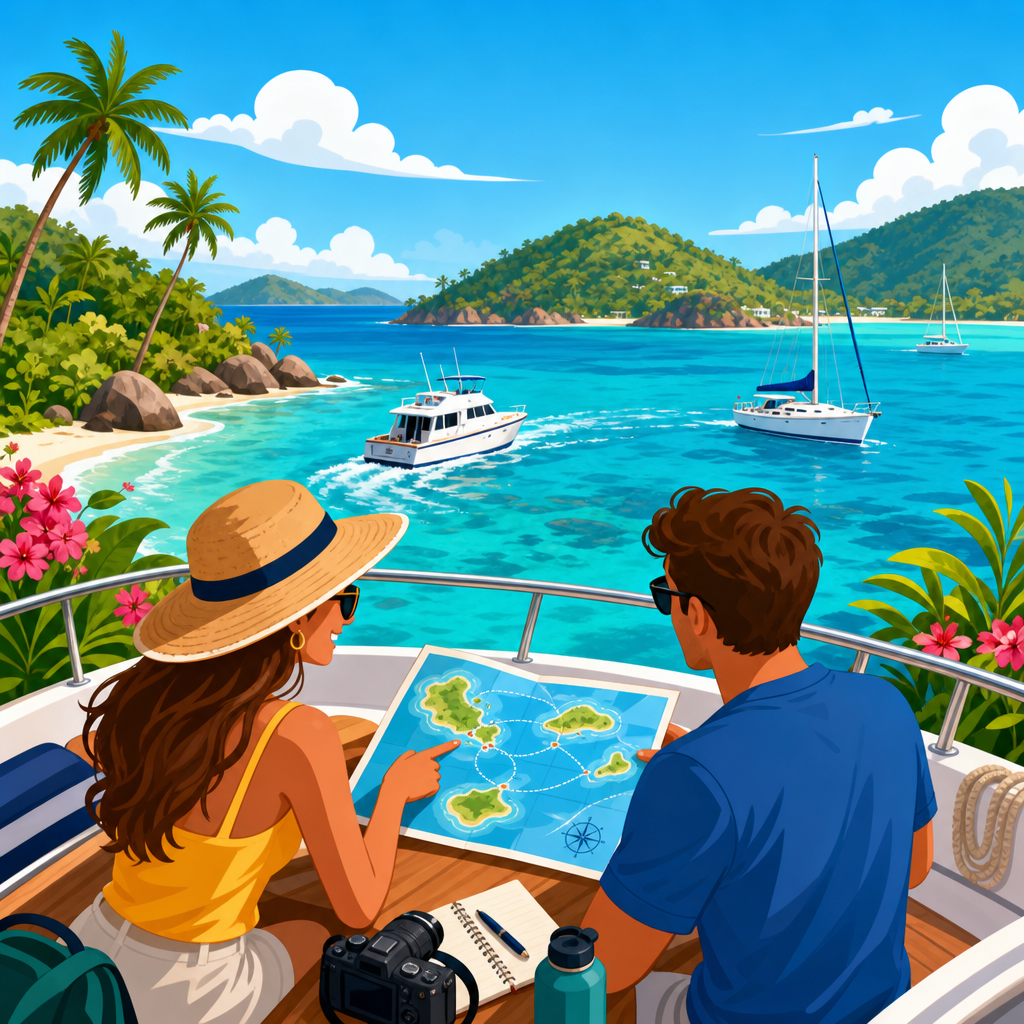
The classic seven-day route for mixed-experience crews usually starts at Tortola, then runs Norman Island, Cooper Island, Virgin Gorda or North Sound, Anegada if the forecast and skipper are suitable, then Jost Van Dyke before returning via Soper’s Hole or a final Tortola stop. This works because the early nights are protected and forgiving, while the more committing leg to Anegada comes only after the crew has settled into boat routines. If weather does not favor Anegada, substitute Marina Cay, Trellis Bay, or another Virgin Gorda night and enjoy a more sheltered loop.
For families or first-time bareboaters, a gentler route might be Tortola to Norman Island, Peter or Cooper Island, North Sound, Marina Cay, then Jost Van Dyke, with shorter daily runs and more emphasis on beaches and easy snorkeling. The advantage is flexibility. If a child gets seasick or you lose time on the first day because of chart briefing and provisioning, you can trim the route without sacrificing the holiday. In my experience, this is where the BVI outperforms many other yacht charter destinations. A route can shrink or expand without becoming disappointing.
For stronger sailors or repeat visitors, a route that intentionally avoids the most congested timing can feel far more refined. Depart early for the Indians before excursion traffic, spend a night at Benures Bay or less-hyped corners of Peter Island if available and permitted, use North Sound as a service stop, then target Anegada on a stable forecast and return via Guana Island or White Bay timed for a late-afternoon lull. The distances are still moderate, but the experience becomes less about ticking off famous names and more about using local knowledge to enjoy each place at its best hour.
Navigation, weather, and mooring strategy that shape every itinerary
The BVI is forgiving, but it is not a place to sail casually. Reefs, shoals, and rocky outcrops punish poor situational awareness, especially in glare or late-day light. The route to Anegada deserves particular respect because the island is low and hard to see from distance, while the Horseshoe Reef system has ended many overconfident plans. Follow buoyed channels, current chartplotter data, paper backup charts, and your charter company’s guidance. If a base manager advises against the leg for your experience level or current conditions, listen. Competent skippers treat local restrictions as risk management, not as challenges to overcome.
Weather is usually dominated by easterly trade winds, with lighter conditions in summer and stronger Christmas winds possible in winter. Northerly swell events are the major itinerary disruptor because they can make otherwise appealing north-facing bays uncomfortable or unsafe for anchoring and dinghy landings. I have seen Cane Garden Bay go from attractive lunch stop to poor overnight choice simply because a northerly set in. Tropical systems are a seasonal factor from June through November, though charter peaks generally occur outside the highest storm risk period. In all months, the best planning habit is to separate scenic preference from actual overnight suitability.
Mooring technique matters because many charters rely on picking up balls rather than anchoring each night. Approach slowly into wind, brief the bow team before entering the field, and have a backup plan if the first ball is occupied or looks overloaded. Use your own bridle correctly on catamarans, inspect the pennant visually, and verify swing room. This sounds routine, but smooth mooring work changes the whole tone of a charter. It reduces crew stress, gets everyone swimming faster, and leaves more margin if afternoon squalls or traffic increase.
How to choose the right season, boat, and charter style
The best time to sail the British Virgin Islands depends on your priorities. December through April brings the steadiest demand, lively atmosphere, and generally excellent weather, but prices are highest and popular mooring fields fill early. May and June often offer a sweet spot: warm water, good breezes, and slightly less pressure on anchorages. July and August can be pleasant, especially for crews comfortable with heat and a quieter social scene, while the late summer and fall period requires closer hurricane-season monitoring and stronger cancellation planning.
Boat choice changes the route more than many first-time charterers expect. Catamarans dominate the BVI because they provide shallow draft, large deck space, and easy living at anchor. They are ideal for families and social groups, though they may sail less sharply upwind and require earlier booking in peak season. Monohulls reward sailors who care more about helm feel and marina fit, and they can be more economical. Crewed charters suit guests who want a destination-led holiday with minimal logistics, while bareboat charters fit hands-on sailors comfortable with navigation, mooring, water management, and daily decision-making.
Provisioning style matters too. If your crew loves beach clubs and dinners ashore, you can carry less and rely on restaurants at North Sound, Jost Van Dyke, or Anegada. If you want secluded evenings, stock heavily at the start and top up selectively. I usually advise crews to pre-order the first provisioning load, board with lunch and drinks already aboard, and treat day one as a short sail. That single decision prevents rushed departures and sets up the entire route well.
Why this destination anchors any shortlist of best sailing and yacht charter destinations
The British Virgin Islands belong at the center of any guide to the best sailing and yacht charter destinations because they solve the biggest problems that ruin sailing holidays: difficult logistics, punishing passages, and too few worthwhile stops for the available time. In the BVI, even a one-week charter can include reefs, beach bars, quiet coves, resort marinas, easy hikes, and genuinely distinct islands. The best anchorages are not isolated highlights; they connect into routes that make practical sense under real cruising conditions. That is why the destination works for beginners, repeat charter guests, and owners testing what they value in a cruising ground.
If you are building a BVI itinerary, focus on three principles. First, choose anchorages for shelter and timing, not just reputation. Second, match the route to your crew’s confidence and interests, especially before adding Anegada. Third, leave enough flexibility to respond to mooring availability and swell. Do that, and the islands deliver exactly what sailors hope for: straightforward navigation, beautiful water, and days that feel full without feeling rushed. Use this hub as your planning foundation, then map your stops, book early, and sail the British Virgin Islands with a route built for the way your crew actually cruises.
Frequently Asked Questions
What makes the British Virgin Islands one of the best sailing destinations in the Caribbean?
The British Virgin Islands are often considered the gold standard for Caribbean cruising because they offer an unusually friendly mix of easy navigation, short daily passages, and consistently enjoyable sailing conditions. Unlike more exposed cruising grounds where long offshore legs and complex weather planning can make chartering stressful, the BVI are compact and naturally suited to line-of-sight sailing. In practical terms, that means crews can usually see their next island or anchorage from where they are, which builds confidence for first-time bareboat sailors while still giving experienced skippers plenty of variety.
Another major advantage is protection. Much of the sailing area is sheltered by the islands and surrounding reefs, so sea states are often more comfortable than in fully open water. The trade winds are generally reliable, which helps make passage planning straightforward and keeps day sails lively without being overwhelming for most crews. The result is a cruising ground where you can enjoy proper sailing rather than simply motoring from mooring to mooring, but without the same level of exposure you might encounter elsewhere in the Caribbean.
The anchorages are also a huge part of the appeal. The BVI offer everything from lively social stops with beach bars and restaurants to quiet coves for swimming, snorkeling, and overnight stays under the stars. You can spend one evening in the bustling atmosphere of Norman Island or Jost Van Dyke, then switch the next day to the dramatic scenery of Virgin Gorda or the remote feel of Anegada. That variety, combined with well-developed charter infrastructure, good charts, plentiful moorings, and a long-established sailing culture, is what makes the BVI such a benchmark destination for both relaxed vacations and more adventurous island-hopping itineraries.
What are the best anchorages in the BVI for a balanced one-week sailing itinerary?
For a classic one-week route, the best anchorages are usually the ones that combine easy access, scenic value, safe overnight conditions, and a different experience at each stop. Many crews begin around Tortola and then build an itinerary that includes Norman Island, Cooper Island, Virgin Gorda, Anegada, and Jost Van Dyke, with intermediate stops depending on weather and pace. This creates a well-rounded trip with a mix of protected anchorages, good snorkeling, beach time, and memorable sailing legs.
Norman Island is a favorite early stop because it feels like a proper introduction to the BVI. The Bight is popular for its moorings, calm overnight conditions, and social atmosphere, and nearby snorkeling sites such as The Caves and The Indians are often among the first underwater highlights of a charter. Cooper Island is another excellent anchorage, especially for crews who want a relaxed overnight stop with easy swimming and a straightforward approach. It works well as a transition point on the way toward Virgin Gorda.
On Virgin Gorda, North Sound is one of the standout sailing destinations in the entire chain. It is less about a single anchorage and more about a cruising area with multiple places to stay, dine, and explore. It also serves as a good jumping-off point for visiting The Baths, which remain one of the signature attractions in the BVI. Anegada is different from the rest of the islands and deserves special mention. It is flat, reef-fringed, and more remote, so the passage there requires more care and favorable conditions, but the reward is a completely different atmosphere, with wide beaches, excellent seafood, and a sense of distance from the busier charter loop.
Jost Van Dyke rounds out many itineraries because it offers iconic BVI energy. Great Harbour and White Bay are the names many sailors recognize first, but the best choice depends on wind, swell, and whether your priority is nightlife, beach bars, or a quieter evening. Cane Garden Bay on Tortola is another worthwhile anchorage when conditions are settled, especially if crews want a convenient stop with services nearby. The “best” anchorages ultimately depend on weather and crowd levels, but for a balanced week, these stops consistently deliver the strongest combination of scenery, practicality, and classic BVI character.
What is the best sailing route in the British Virgin Islands for first-time bareboat charter crews?
For first-time bareboat crews, the best route is usually a conservative clockwise or counterclockwise circuit that keeps passages manageable, avoids overly ambitious scheduling, and leaves flexibility for weather and mooring availability. A very popular approach is to start from Tortola, sail to Norman Island on the first day, continue to Cooper Island or Peter Island area, then head to Virgin Gorda or North Sound, and return via Marina Cay, Trellis Bay, or Jost Van Dyke depending on your base location and the conditions. This structure keeps the early legs short and allows the crew to settle into boat routines before attempting longer passages.
The reason this works so well is that the BVI reward moderate planning. New charterers often make the mistake of trying to see every famous stop in a week, but a smarter route focuses on quality rather than distance. Short hops mean less fatigue, easier arrivals, and more time for snorkeling, exploring ashore, and enjoying each anchorage. It also gives a new skipper room to adapt if winds increase, if moorings are full, or if the crew simply falls in love with one destination and wants to stay longer.
For many beginner crews, Anegada is the main decision point. It is absolutely worth visiting, but it sits outside the easiest inner-island rhythm and requires more careful navigation, especially because of surrounding reefs and the need for accurate approach planning. If the skipper is new, the forecast is unsettled, or the charter company advises against it based on experience level, skipping Anegada is often the right call. There is no loss of enjoyment in choosing a safer, more relaxed route through the central islands.
The best first itinerary is one that builds confidence. Pick anchorages with good holding or established moorings, arrive early in the afternoon, avoid forcing long upwind slogs late in the day, and keep one night uncommitted if possible. In the BVI, that approach usually leads to a better charter than a tightly packed plan. The islands are close enough together that a simple route still feels full and memorable, which is exactly why the region is so well suited to first-time bareboat sailing.
When is the best time of year to sail the BVI, and how do weather and trade winds affect route planning?
The BVI can be sailed year-round, but the best conditions for many charterers are typically found between December and May, when the weather is drier, the trade winds are more consistent, and the overall sailing experience tends to be at its most reliable. During these months, crews can usually expect warm temperatures, plenty of sunshine, and enough breeze to make passages enjoyable without constant motoring. This is also peak charter season, so the trade-off for ideal weather is that popular anchorages and mooring fields can be busier.
The trade winds are one of the defining features of BVI sailing. They generally blow from the east to east-northeast, which influences how comfortable different legs feel and which anchorages are best protected. A route that looks simple on the chart may be less pleasant if it means pounding into stronger easterlies and chop, while the same leg in the opposite direction can be an easy and enjoyable reach. That is why smart route planning in the BVI is never only about distance; it is also about wind angle, exposure, and the likely sea state between islands.
Summer can still be excellent, often with warm water, fewer crowds, and attractive charter pricing, but conditions may be lighter or more changeable, and crews need to stay alert to tropical weather patterns. The Atlantic hurricane season officially runs from June through November, with the highest risk typically later in the summer and into early autumn. Charterers during this period should monitor forecasts carefully, maintain flexibility, and understand the cancellation or rerouting policies of their charter company.
In practical terms, weather affects not just sailing comfort but also anchorage choice. A roadstead that is pleasant in settled conditions can become rolly if swell wraps in, and a famously social anchorage is not always the best overnight option if wind direction shifts. Experienced skippers in the BVI constantly compare the forecast with local shelter, rather than following a fixed itinerary too rigidly. That mindset leads to better nights at anchor, safer passages, and a much more enjoyable overall trip.
Should sailors choose moorings or anchor in the BVI, and what are the key safety and planning tips?
For most visiting charter crews, picking up moorings is the simplest and often the smartest option in the BVI. Many of the most popular overnight stops have established mooring fields, and using them reduces the uncertainty of anchoring depth, holding quality, and swinging room in crowded bays. Moorings are especially helpful for newer crews, for boats arriving later in the afternoon, and in areas where reef, traffic, or tight anchorage spacing make traditional anchoring more complicated. In busy charter season, they also streamline overnight planning because crews can target known stopping points rather than search for suitable anchor spots at the end of the day.
That said, anchoring still has its place and can be one of the most rewarding parts of sailing the BVI when conditions and local