The best sailing destinations in the U.S. for 2025 combine reliable wind, protected anchorages, modern marinas, and onshore experiences worth planning a full itinerary around. For sailors, yacht charter guests, and owners moving boats between cruising grounds, the right destination is not just scenic water. It is a place where weather patterns are readable, navigation is manageable, provisioning is straightforward, and every day under sail can be tailored to skill level, season, and budget. In practical terms, the strongest U.S. sailing hubs deliver three things at once: excellent time on the water, accessible charter infrastructure, and memorable coastal towns.
When I evaluate a sailing destination, I look at more than postcard appeal. I look at average wind windows, tidal current complexity, haul-out and repair access, the quality of mooring fields, and whether a week aboard feels easy or logistically tiring. A bareboat charter in the San Juan Islands requires very different planning from a crewed catamaran week in the Florida Keys or a performance monohull itinerary out of Newport. That distinction matters because “best” depends on whether you want forgiving day sails, bluewater passages, wildlife encounters, race culture, or luxury marina hopping.
For 2025, the top U.S. sailing regions stand out because they meet rising expectations from modern travelers. Charter guests increasingly want flexible trip lengths, strong marina amenities, easy airport access, and destinations that support both sailing and shore-based exploration. At the same time, more experienced sailors are seeking authentic routes with real navigational character rather than generic resort cruising. The best U.S. sailing destinations satisfy both groups. They offer a clear identity: New England’s historic harbors, the Pacific Northwest’s island passages, Southern California’s year-round comfort, Florida’s warm-water cruising, Hawaii’s trade-wind drama, and the Gulf Coast’s overlooked value.
This hub covers the best sailing and yacht charter destinations across the United States with an emphasis on real-world planning. You will find where each region excels, who it suits best, what weather patterns to expect, and what tradeoffs come with each choice. If you are deciding between a sailing vacation, a yacht charter, a flotilla-style trip with friends, or a longer owner-operated cruise, these are the U.S. destinations that deserve serious attention in 2025.
What makes a U.S. sailing destination truly great
A great sailing destination balances seamanship and simplicity. You want enough wind to sail consistently without turning every day into a weather dodge. You want protected waters or sensible bailout options. You want marinas, fuel docks, pump-out access, groceries, and marine services near the cruising route. Most of all, you want daily legs that feel purposeful rather than forced. In the best destinations, a three-hour sail can end at a nature preserve, a working waterfront, or a polished resort marina without needing an exhausting transit.
Seasonality is the first filter. New England is best from late June through September, with shoulder-season advantages for experienced crews comfortable with cooler nights and stronger systems. The Pacific Northwest peaks in summer when daylight is long and frontal weather is less disruptive. South Florida and the Keys shine in winter and spring. Southern California is broadly accessible year-round, though local wind patterns and summer crowds affect itinerary design. Hawaii can deliver spectacular sailing, but exposure, channels, and stronger trades make it better for confident crews or professionally crewed charters.
Boat type matters too. Catamarans are ideal in shallow-water cruising areas such as the Keys and parts of Florida Bay, where cockpit space and draft flexibility improve the experience. Monohulls often feel more at home in breezier venues such as Newport, San Francisco Bay, and open-coast passages around Hawaii. For charter guests, the local fleet mix is a clue to the destination’s character. A market dominated by crewed luxury catamarans usually emphasizes comfort and anchorage-hopping. A market rich in performance monohulls and club racing options points to a more sail-focused culture.
| Destination | Best season | Ideal trip style | Main advantage | Main caution |
|---|---|---|---|---|
| San Juan Islands, WA | June to September | Bareboat, wildlife cruising | Protected passages and anchorages | Currents and tidal planning matter |
| Newport and Narragansett Bay, RI | June to September | Classic monohull sailing | Strong sailing culture and short hops | Summer mooring demand is high |
| Florida Keys | November to April | Warm-water charter | Easy cruising and shallow exploration | Weather fronts can change plans quickly |
| San Diego, CA | Year-round | Weekend sailing and luxury charter | Predictable access and marina quality | Light-air days are common |
| Maui and neighboring channels, HI | April to October | Crewed adventure sailing | Powerful trade-wind conditions | Exposed waters suit advanced crews |
New England: the most complete summer sailing circuit
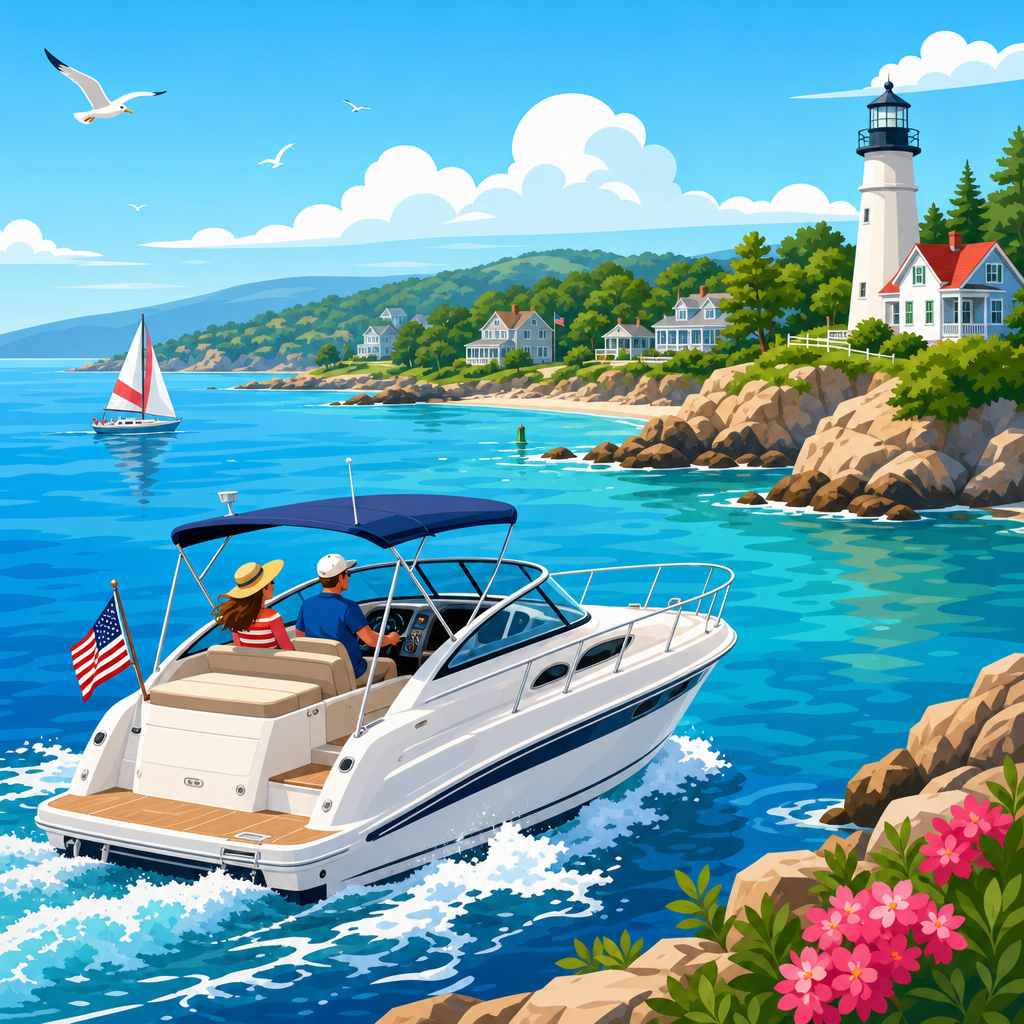
New England remains the most complete summer sailing region in the country because it combines navigational variety, deep maritime culture, and dense destination choice. Newport, Block Island, Martha’s Vineyard, Nantucket, Cape Cod, and Penobscot Bay all support distinct itineraries. You can build a trip around classic harbor towns, regatta history, seafood stops, and protected overnight anchorages without sacrificing serious sailing. In my experience, few U.S. cruising grounds reward a one-week charter as efficiently as Narragansett Bay paired with one or two offshore-style hops.
Newport is often the best starting point. It offers excellent marina infrastructure, yacht services, provisioning, and direct access to iconic routes. From there, crews can reach Jamestown, Bristol, Cuttyhunk, Martha’s Vineyard, or Block Island on manageable legs. Narragansett Bay itself is forgiving enough for mixed-skill groups, yet the area beyond the bay immediately opens into more demanding conditions for sailors who want a fuller challenge. That range is why Newport works equally well for celebratory charters and skill-focused sailing vacations.
Maine deserves separate mention for 2025 because demand is shifting northward among travelers seeking less crowded summer cruising. Penobscot Bay, Mount Desert Island, and Casco Bay reward careful chart work with exceptional scenery and cooler-weather comfort during hot summer periods. The tradeoff is that Maine asks more from the crew. Fog, lobster gear, stronger tidal influence, and longer distances between full-service facilities can complicate a relaxed charter. For experienced sailors, those same traits make it one of the country’s most satisfying cruising grounds.
Pacific Northwest: the best protected cruising in America
The Pacific Northwest, especially Washington’s San Juan Islands, is the best protected cruising ground in the United States for sailors who value scenery, wildlife, and manageable daily passages. The appeal is not tropical water or resort glamour. It is the rhythm of island sailing: short legs, evergreen shorelines, quiet coves, state marine parks, and a cruising culture built around charts, currents, and weather discipline. I have found that even sailors with broad offshore experience treat the San Juans with respect because timing matters here.
Friday Harbor, Anacortes, and Bellingham serve as practical charter gateways, each with good provisioning and access to route options. A typical week might include Sucia Island, Roche Harbor, Stuart Island, and Lopez or Orcas. Distances are comfortable, but current gates through places such as Cattle Pass or Rosario-adjacent waters require real planning. That is exactly why this region appeals to sailors who want decision-making, not just drifting between moorings. The learning curve is rewarding rather than punishing.
For 2025, the region also benefits from traveler preferences that favor cooler climates and outdoor wildlife experiences. Orca sightings, bald eagles, seals, and porpoises turn ordinary passages into memorable ones. The best months are June through early September, when days are long and frontal systems are less frequent. Water temperatures stay cold, and fog can still appear, so this is not carefree beach cruising. It is thoughtful, capable sailing supported by one of the strongest small-boat cruising networks in the country.
Florida Keys and South Florida: warm-water chartering with broad appeal
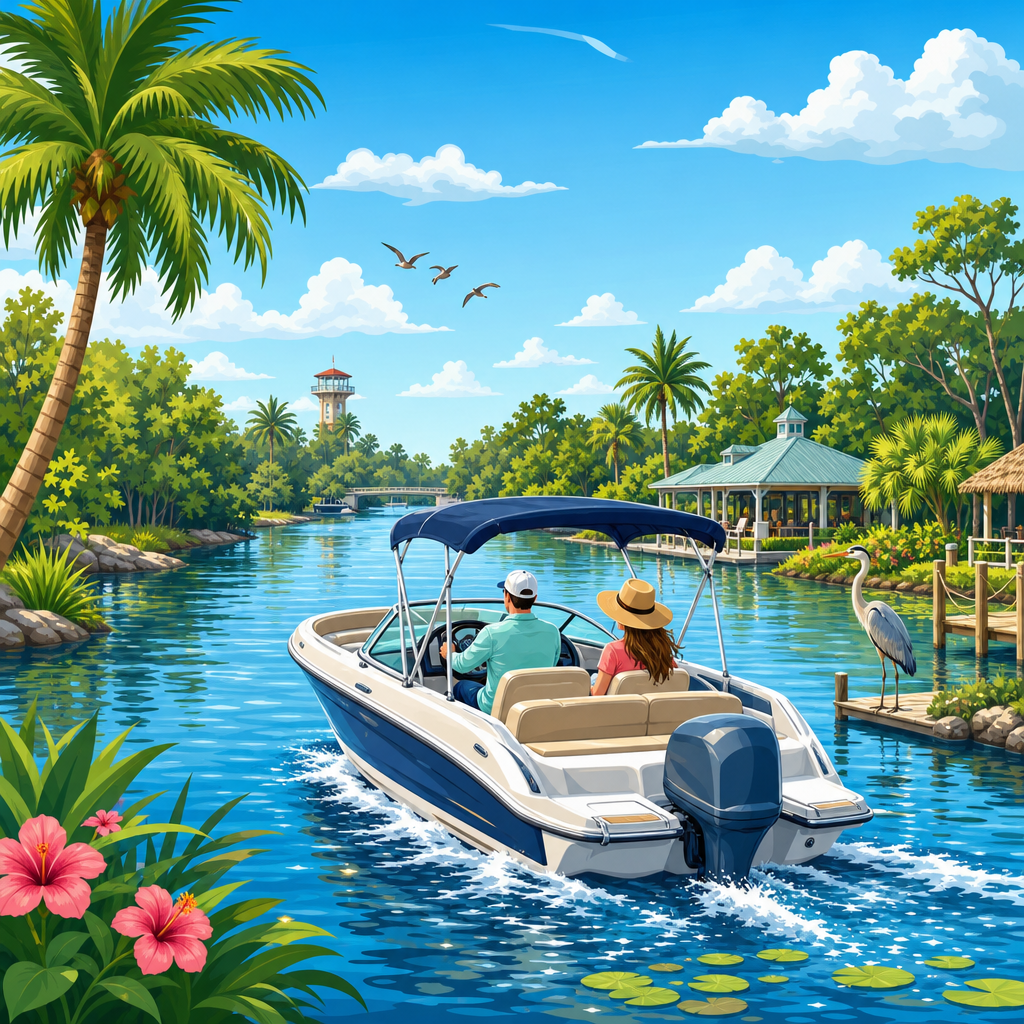
If New England is the best all-around summer circuit, the Florida Keys and South Florida are the strongest warm-weather charter destinations in the U.S. They excel because they are accessible, flexible, and attractive to both new charter guests and experienced sailors escaping winter. Miami, Fort Lauderdale, Key Largo, Marathon, and Key West each support different versions of a sailing trip, from luxury day chartering to weeklong bareboat itineraries through protected waters. For many travelers, the biggest advantage is simplicity: easy flights, familiar marinas, and plenty of support services.
The Upper and Middle Keys are especially useful for mixed groups. Shallow bays, reef access, and relatively short distances allow crews to combine swimming, snorkeling, fishing, and sunset sailing without committing to hard passages. Marathon is a practical hub because boot key access, marine services, and central location make route planning easier. Key West, by contrast, adds nightlife and a stronger sense of arrival, but it can involve more exposed water and busier approaches depending on the route.
The main caution is weather variability. Winter cold fronts can bring strong northerlies that change anchorage comfort and daily plans. Summer introduces heat, thunderstorm patterns, and hurricane season considerations. Still, from November through April, the Keys are among the easiest places in America to recommend. They suit families, first-time charterers, and experienced crews who want a warm, social cruising ground with good restaurants and straightforward logistics.
Southern California: easy access, polished marinas, and year-round sailing
Southern California, led by San Diego, Newport Beach, Marina del Rey, and Santa Barbara, is one of the most practical sailing regions in the country. It does not always deliver the strongest pure-cruising itinerary compared with New England or the San Juans, but it excels in convenience, charter quality, and shoulder-season reliability. For travelers who want a refined marina experience, consistent sunshine, and the option to sail without building a complicated weeklong route, Southern California is hard to beat.
San Diego is the standout hub because the harbor is sheltered, the marine infrastructure is excellent, and conditions are approachable for many crews. Day sails, weekend charters, whale-watching periods, and coastal runs toward Coronado or La Jolla fit easily into short trips. Newport Beach and Marina del Rey serve a similar market with strong luxury charter demand, polished waterfront amenities, and access to Catalina for those with more time. Catalina Island remains the region’s signature destination, offering moorings, clear water, and the feeling of a true escape just offshore.
The tradeoff is that some itineraries rely more on marina culture and destination dining than on varied anchorage-hopping. Wind can also be lighter than visitors expect, especially in summer mornings. For owners, couples, and small groups looking for a clean, comfortable charter experience with predictable logistics, that is not a weakness. It is exactly the product Southern California delivers well.
Hawaii and the Gulf Coast: high drama and high value
Hawaii offers some of the most visually striking sailing in the United States, but it is not the easiest destination. The state is best understood as a crewed-charter or advanced-sailing market rather than a casual bareboat playground. Maui, Oahu, and Kauai all provide exceptional scenery, whale season appeal in winter, and trade-wind reliability, yet inter-island channels can be rough, accelerated winds are common, and exposure is real. For confident sailors, the reward is dramatic: volcanic coastlines, clear water, and genuinely powerful sailing conditions.
The Gulf Coast, by contrast, is the country’s most underrated value sailing region. Areas around Pensacola, Mobile Bay, Mississippi Sound, and the Texas coast offer broad protected waters, comparatively lower marina costs, and less crowding than marquee destinations. The barrier-island geography creates attractive cruising for sailors who value space and affordability over prestige. While the Gulf lacks the brand power of Newport or Key West, it often delivers an easier reservation process and better value per day for larger groups.
Choosing between these two regions depends on priorities. Hawaii is for sailors chasing spectacle and wind with professional support. The Gulf Coast is for practical travelers who want room, lower costs, and accessible cruising. Both deserve more attention in 2025 than they usually receive.
How to choose the right sailing destination for your trip in 2025
The right choice starts with trip style, not map appeal. If you want a classic one-week summer sailing vacation with iconic harbors, choose New England. If you want protected cruising, wildlife, and meaningful navigation, choose the Pacific Northwest. If your priority is winter sun and easy charter logistics, choose the Florida Keys or South Florida. If you need year-round convenience and polished marinas, choose Southern California. If you want dramatic trade-wind sailing and are comfortable paying for expertise, choose Hawaii. If value matters most, look hard at the Gulf Coast.
Budget also shapes the answer. Newport and Nantucket itineraries can become expensive quickly when moorings, marina nights, and dining are added. The San Juans often reward sailors willing to anchor or use public facilities. South Florida offers the broadest range of charter styles, from premium crewed experiences to more accessible bareboat options. In every region, booking earlier for 2025 will matter because prime summer weeks and holiday windows continue to fill first.
The best sailing destination is the one that matches your crew’s skills, comfort level, and expectations. Start with weather, route complexity, and fleet type, then build from there. Use this hub as your planning base, narrow the region that fits your season and budget, and begin comparing specific marinas, charter operators, and itineraries now. The strongest U.S. sailing trips are not improvised at the last minute. They are chosen carefully, then enjoyed fully.
Frequently Asked Questions
What makes a sailing destination in the U.S. truly great for 2025?
The best sailing destinations in the U.S. for 2025 stand out because they offer much more than beautiful views. A strong sailing destination combines dependable wind patterns, safe and well-marked navigation, protected harbors or anchorages, quality marina infrastructure, and easy access to provisioning, repairs, and transportation. For many sailors, the ideal location is one where the weather is predictable enough to support itinerary planning without removing the sense of adventure that makes time on the water rewarding.
In practical terms, a top destination should work for different types of boaters. Charter guests may prioritize easy line-of-sight cruising, calm mooring fields, and waterfront towns with restaurants, beaches, and excursions. Boat owners may care more about haul-out facilities, slip availability, fuel docks, marine service providers, and whether the cruising ground fits a seasonal migration plan. Families often look for protected waters and short day sails, while experienced sailors may want offshore options, tidal strategy, or more technical passages.
For 2025 specifically, destination quality also depends on how well a region supports the full sailing experience onshore. That includes airport access, grocery delivery, dockside services, walkable towns, local attractions, and the ability to build a complete itinerary around the sailing itself. Destinations such as New England, South Florida, the Pacific Northwest, the Chesapeake, and parts of California continue to rank highly because they balance scenic cruising with real-world convenience. The best places are not just places you can sail through; they are places where each stop adds value to the trip.
Which U.S. sailing destinations are expected to be the top choices in 2025?
Several U.S. regions are expected to remain standout sailing choices in 2025, each for different reasons. New England, especially Newport, Nantucket, Martha’s Vineyard, and the coast of Maine, continues to attract sailors looking for classic harbors, summer breezes, historic ports, and varied cruising routes. These waters are ideal for those who enjoy picturesque anchorages, established yacht services, and a mix of lively waterfront towns and quieter island stops. Summer is the prime season, and careful planning is important because popular marinas and moorings fill quickly.
South Florida and the Florida Keys are also top contenders, particularly for winter and spring sailing. Biscayne Bay, Key Largo, Islamorada, Marathon, and Key West offer warm-weather cruising, relatively straightforward route planning, and an appealing mix of reef, bay, and island sailing. This region works especially well for charter travelers and seasonal cruisers because provisioning is easy, marine support is extensive, and there are many ways to customize trip length and difficulty. The trade-off is that sailors need to remain highly aware of seasonal weather windows, especially outside the most stable months.
The Pacific Northwest, including the San Juan Islands and greater Puget Sound, remains one of the most distinctive sailing grounds in the country. It is known for dramatic scenery, wildlife, excellent protected cruising, and a network of ports that reward slower, itinerary-driven exploration. While currents, tides, and cooler conditions require more planning than some other regions, experienced sailors often consider it one of the most satisfying places to cruise domestically. The Chesapeake Bay is another perennial favorite because of its long season, extensive sheltered waterways, maritime culture, and huge variety of stopovers. Meanwhile, Southern California, especially around San Diego, Newport Beach, Catalina Island, and the Channel Islands, appeals to sailors who want a combination of reliable sailing conditions, urban access, and island escapes. The best destination ultimately depends on the season, sailing experience, and whether the priority is easy cruising, technical navigation, or destination-focused exploration.
When is the best time to sail in the top U.S. destinations in 2025?
The best time to sail depends heavily on the region, because U.S. sailing destinations are shaped by very different weather systems, water temperatures, and seasonal crowds. In New England, the prime sailing season generally runs from late spring through early fall, with July through September often delivering the most consistent conditions for cruising and shore activities. Early summer tends to bring cooler water and occasional fog in some areas, while late summer often offers warmer temperatures and fuller marina calendars. For many sailors, shoulder-season cruising in June or September strikes the best balance between good weather and fewer crowds.
In Florida and the Keys, the strongest sailing windows are usually winter and spring, when temperatures are pleasant and humidity is lower. These months are especially attractive for travelers escaping colder climates and for boaters repositioning seasonally. Summer can still be navigable, but heat, afternoon thunderstorms, and hurricane-season considerations make planning more weather-sensitive. For 2025, anyone considering Florida should build flexibility into the itinerary and monitor marine forecasts closely, especially for longer passages or reef-oriented routes.
The Pacific Northwest is generally best from late spring into early fall, with many sailors targeting June through September for longer daylight, more settled conditions, and easier marina access. However, this area always rewards those who understand local currents, tide timing, and microclimates. The Chesapeake Bay often sees a broad sailing season from spring into fall, with shoulder months offering especially pleasant cruising temperatures. Southern California can provide sailing nearly year-round, though conditions vary by coastline, swell exposure, and local wind patterns. If the goal is to choose the best U.S. sailing destination for 2025, the smartest approach is to match the region to its natural season rather than simply picking a destination first and forcing dates around it.
How should sailors choose the right U.S. destination based on skill level, trip style, and budget?
Choosing the right sailing destination starts with an honest assessment of who is on board and what kind of trip you want to have. Beginners and casual charter guests usually do best in areas with protected waters, shorter passage options, clear navigation aids, and strong marina or mooring infrastructure. Places like the Chesapeake Bay, parts of Narragansett Bay, San Diego, and the Florida Keys can be excellent options because they allow sailors to build confidence while still enjoying high-quality scenery and shore access. These destinations also make it easier to adjust a route day by day based on weather, comfort, or available amenities.
More experienced sailors may prioritize destinations that reward technical planning or offer a wider range of conditions. The Pacific Northwest, Maine, the Channel Islands, and more complex parts of New England appeal to crews comfortable with currents, fog, colder water, tidal strategy, or longer legs between stops. These destinations can be deeply rewarding because they combine strong sailing character with memorable anchorages and landscapes, but they often demand a higher level of preparation and decision-making. For owners moving boats between regions, logistical factors such as transient slip access, repair support, weather windows, and insurance requirements may be just as important as the scenery.
Budget matters as well, and it can vary dramatically by destination and season. High-demand summer hubs such as Nantucket or Newport often come with premium mooring, dockage, dining, and transportation costs. More budget-conscious sailors may find better value in shoulder seasons, less publicized harbors, or cruising grounds with more anchoring opportunities and lower marina fees. Florida and the Chesapeake can sometimes offer flexible price points because they support both upscale and more practical cruising styles. To choose wisely, estimate the full cost of the trip rather than just charter or slip rates. Include fuel, dockage, provisions, launch service, transportation, dining, park fees, and contingency expenses. The best destination is not always the cheapest or the most famous; it is the one that aligns with your crew’s comfort level, the time available, and how you want each day on the water to feel.
What should travelers plan in advance before sailing one of the best U.S. destinations in 2025?
Advance planning is one of the biggest factors separating a smooth sailing trip from a stressful one. Start with the seasonal fundamentals: regional weather patterns, expected wind behavior, tide and current information where relevant, and any route-specific hazards such as shoaling, fog, commercial traffic, or exposed anchorages. Even in destinations known for manageable cruising, local knowledge matters. A harbor that looks simple on a map may have limited depth at low tide, difficult afternoon wind angles, or heavy weekend congestion. Reviewing pilot charts, cruising guides, marina notes, and current local advisories is time well spent.
Logistics deserve equal attention. Reserve marinas, moorings, or charter boats as early as possible in high-demand areas, especially in New England, the San Juan Islands, and popular Southern California or Florida ports. Confirm what services are actually available at each stop, including fuel, pump-out, water, shore power, groceries, laundry, and mechanical support. If you are flying in, consider proximity to airports and whether same-day boarding is realistic. Provisioning should be mapped out in advance, especially for itineraries that include remote anchorages or islands with limited supplies. It also helps to identify backup stops in case weather or availability changes the original route.
Finally, plan the trip around flexibility rather than assuming every stop will go exactly as scheduled. The best U.S. sailing destinations in 2025 will still be shaped by weather, local traffic, and changing marine conditions. Build a route with optional lay days, shorter alternatives, and realistic daily runs. Make sure safety equipment, navigation electronics, and communications tools are current and appropriate