Loading and unloading a boat safely depends on more than ramp etiquette or towing capacity; it depends on choosing the best winches for loading and unloading your boat and understanding how that winch fits into the broader demands of trailer maintenance and towing. A boat trailer winch is the geared or powered device that pulls the boat onto the trailer and controls movement during launch, while towing covers the hitch, coupler, wiring, tires, bearings, brakes, bunks, rollers, and tie-down systems that keep the rig stable on the road. In practice, these systems work as one. I have seen excellent trailers ruined by a cheap, undersized winch, and I have also seen premium winches made unsafe by rotted straps, neglected wheel bearings, or poor tongue weight. This guide serves as a hub for trailer maintenance and towing, helping you evaluate manual winches, electric winches, strap versus cable setups, capacity ratings, corrosion resistance, and the inspection routines that prevent ramp failures. If you trailer a fishing boat, bass boat, pontoon, aluminum skiff, or fiberglass runabout, the right winch reduces effort, protects the bow eye, and improves control in crosswind or current. Just as important, the right towing setup protects your boat before and after the ramp.
For most owners, the key questions are straightforward: what size winch do you need, should you buy manual or electric, how do you prevent corrosion, and what trailer maintenance matters most for safe towing? The short answer is this: choose a winch rated above the effective pulling load of your boat, favor marine-grade materials, inspect the entire trailer every trip, and match your setup to the steepness of ramps you actually use. Capacity matters because a 4,000-pound boat does not always need a 4,000-pound winch; rollers, bunks, launch depth, and friction change the real load. Material matters because galvanized steel, aluminum components, polyester webbing, and sealed gears survive saltwater better than bargain painted parts. Maintenance matters because the winch stand, strap, hook, safety chain, trailer jack, leaf springs, U-bolts, hubs, and lights all affect loading and unloading. If you want one practical rule, buy the winch as part of a trailer system, not as an isolated accessory. That mindset leads to better product choices, safer launches, fewer roadside failures, and a trailer that lasts years longer.
How to Choose the Best Boat Trailer Winch
The best boat trailer winch is the one that matches your hull weight, trailer geometry, and launch conditions while leaving a healthy safety margin. Start with total boat package weight, not dry brochure weight. Add fuel, batteries, trolling motor, gear, outboard, and any water trapped in livewells or ballast compartments. Then consider how your trailer supports the boat. Roller trailers reduce resistance, so a smaller manual winch often works. Bunk trailers create more friction, especially with carpeted wood bunks, so the pull load can be much higher. A common rule is to choose a winch rated for at least the boat’s weight on a roller trailer and more on a bunk trailer, but in the real world I prefer extra margin because steep ramps, wind, and imperfect launch depth quickly expose an undersized unit.
Gear ratio is just as important as advertised capacity. A single-speed manual winch may be compact and inexpensive, but a two-speed model provides much better control for heavier boats because it lets you switch from fast retrieval to high mechanical advantage near the bow stop. The handle length, drum size, and brake mechanism also affect ease of use. For electric boat trailer winches, look beyond peak line pull. Check duty cycle, amp draw, waterproofing, connector quality, and whether the motor housing and solenoids are actually suited for repeated marine exposure. Reputable names in this market include Fulton, Dutton-Lainson, Reese Towpower, Powerwinch, and WARN. Their better models tend to publish useful details such as gear material, strap length, braking design, and corrosion-resistant finishes, which is exactly the kind of information serious boat owners should expect.
Strap choice deserves attention because the connection between winch and boat sees shock loads and abrasion. Most recreational setups are better with a polyester web strap than with steel cable. Web straps are easier on hands, less likely to develop dangerous burrs, and generally kinder to a gelcoat bow. Cables still have a place on some heavy-duty or specialized rigs, but they demand closer inspection and careful winding. The hook should have a spring-loaded safety latch, and the trailer should also use a separate safety chain from the winch stand to the bow eye. Never rely on the winch alone while towing. Federal and state equipment rules vary, but redundant retention is basic good practice, especially on rough roads or long highway runs.
Manual vs. Electric Winches for Boat Loading and Unloading
Manual winches remain the best choice for many trailerable boats because they are simple, reliable, and easier to maintain. If your boat is a 14-foot aluminum fishing boat, a personal watercraft, or a moderate-size center console on a well-set trailer, a two-speed manual winch usually offers the best balance of cost and control. There is less wiring to corrode, fewer electronic failure points, and no dependence on a battery connection at the ramp. In my experience, manual winches also encourage better trailer setup because owners pay attention to bunk height, bow stop position, and launch depth instead of using brute motorized pull to compensate for a poor fit. When the trailer is adjusted correctly, loading should not require heroic effort.
Electric winches are worth considering when boat size, user strength, ramp conditions, or frequency of use make manual cranking impractical. They are especially useful for heavier fiberglass boats, pontoons, or owners who often launch alone in current or wind. A good electric unit provides steady pull and can reduce the temptation to power-load, a practice restricted or discouraged at many ramps because prop wash erodes the ramp base. The tradeoff is complexity. Electric winches require sound wiring, corrosion-resistant terminals, circuit protection, and a charging strategy. If the battery is weak or the connectors are wet and neglected, the winch can fail exactly when you need it. For saltwater use, sealed components and diligent rinsing are not optional.
| Winch Type | Best For | Main Advantages | Main Limitations |
|---|---|---|---|
| Single-speed manual | Small boats, light trailers, budget setups | Low cost, simple maintenance, dependable | More effort under heavy load, less fine control |
| Two-speed manual | Mid-size boats on bunk or roller trailers | Better leverage, safer final pull to bow stop | Still requires physical effort |
| Electric marine winch | Heavy boats, solo launching, frequent ramp use | Low effort, consistent pull, useful in wind/current | Higher cost, wiring upkeep, battery dependence |
Whether you choose manual or electric, prioritize a braking system that prevents backward spool-out when the handle slips or power is interrupted. Ratchet and pawl systems are common on manual models, while electric models may use dynamic braking or load-holding gear reduction. Read the manufacturer’s operating instructions carefully, because some winches are designed for intermittent pull only and are not intended to suspend or secure loads without secondary restraints. That distinction matters at the ramp and on the highway.
Trailer Maintenance and Towing Essentials Every Boat Owner Should Know
A trailer maintenance and towing hub should connect the winch to the rest of the hardware that determines safety. Start at the coupler. It must match the hitch ball exactly, latch fully, and use a correctly sized pin or lock. Safety chains should cross beneath the tongue so they can cradle it if the coupler disconnects. The trailer jack should raise smoothly and lock securely for travel. Tongue weight should usually land around 5 to 7 percent of gross trailer weight for many boat trailers, though specific tow vehicle and trailer designs can vary. Too little tongue weight invites sway; too much overloads the rear axle and reduces steering control.
Wheel bearings are one of the most common trailer failure points. Inspect for grease leakage, overheating, rumbling, or wobble. Many marine trailers use bearing protectors such as Bearing Buddy-style systems, but these are not a substitute for periodic bearing service. Brakes need equal attention. Surge brakes are common on boat trailers because they are simple and self-contained, while electric-over-hydraulic systems offer stronger control on larger rigs. Either way, inspect brake lines, actuator function, pads or shoes, calipers, and corrosion on mounting hardware. Tires age out before they wear out on many boat trailers, so read the DOT date code, monitor inflation cold, and replace cracked or weather-checked tires promptly. Trailer tires should be ST-rated, load matched, and inflated to the pressure specified for the working load, not guessed by appearance.
Lights and wiring deserve a disciplined routine. Submersible LED trailer lights are vastly more reliable than older incandescent assemblies, but the ground connections, harness routing, and plug condition still matter. I recommend checking turn signals, brake lights, running lights, and reverse function before every trip. Also inspect leaf springs, torsion axles, equalizers, winch stand bolts, bunk brackets, roller shafts, U-bolts, and frame rust. In saltwater regions, hot-dip galvanized or aluminum trailers significantly outlast painted steel, but even galvanized frames need rinsing, touch-up of damaged areas, and attention to dissimilar-metal corrosion around stainless fasteners. Good towing is not just driving skill; it is preventive maintenance performed consistently.
Ramp Technique, Winch Safety, and Setup Mistakes to Avoid
The safest loading and unloading routine starts before your tires touch the ramp. Remove transom straps in the staging area, install the drain plug, connect dock lines, and verify the winch hook and safety chain are ready. Back down only as far as needed for the trailer type. On a bunk trailer, too-deep immersion often makes loading harder because the boat floats above the bunks and drifts off center. On a roller trailer, deeper launch depth may work well, but the boat can also move unexpectedly, so control lines matter. When retrieving, center the bow, attach the winch strap to the bow eye, and pull the boat snug to the bow stop without using the winch to force a badly misaligned hull onto the trailer. If the boat is crooked, reset and try again.
Several common mistakes damage equipment. The first is using the outboard to power-load aggressively. Besides ramp erosion concerns, the boat can strike the bow stop too hard, overloading the winch stand and bow eye. The second is towing with only the winch strap attached. Road shock can loosen the pawl, fatigue the strap, or damage the hook. Always add a separate safety chain at the bow and secure the stern with transom straps. The third mistake is ignoring strap wear. Replace a frayed, sun-faded, cut, or chemically damaged strap immediately. Another frequent issue is poor trailer fit: bunks set too low, rollers not contacting correctly, or a bow stop positioned so the boat never reaches the designed support points. These problems turn every launch into a winch problem even when the real issue is setup.
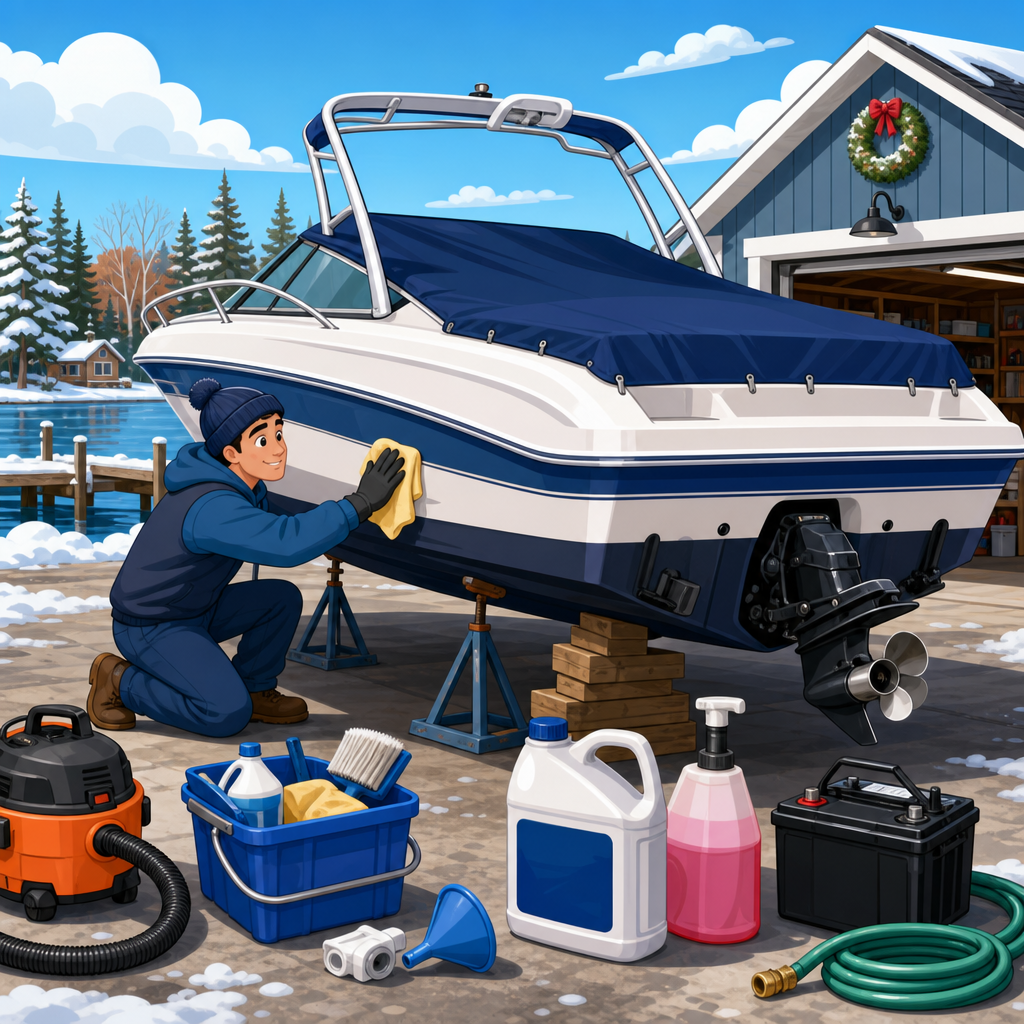
After retrieval, stop in the parking lot and perform a short post-ramp check. Confirm the bow eye is tight to the stop, safety chain is attached, transom straps are tensioned, lights are working, and wheel hubs are not unusually hot after a short drive. If you launch in saltwater, rinse the winch, hook, strap, brakes, axles, wheels, and frame with fresh water as soon as possible. Corrosion starts in hidden places, especially inside the winch drum, at fastener heads, and around brake components. Ten minutes of rinsing and inspection can prevent hundreds of dollars in repairs.
Best Practices for Long-Term Reliability and Smart Upgrades
If you want the best winches for loading and unloading your boat to last, think in service intervals, not emergencies. Inspect the strap, hook latch, pawl engagement, handle attachment, mounting bolts, and winch stand welds every trip. Lubricate only where the manufacturer recommends; over-greasing can trap grit or contaminate braking surfaces. Replace worn bow rollers, cracked bunks, loose U-bolts, and aging tires before they fail. Keep a spare hub kit, grease, jack, lug wrench, and wheel chocks in the tow vehicle. For owners upgrading a trailer, the smartest changes usually include a two-speed marine winch, new web strap, LED lighting, radial ST tires, fresh brake components, and properly adjusted bunks or guides.
This hub under Boat Maintenance & Repairs should also guide your next steps. If your concern is corrosion, focus next on trailer frame care, brake service, and bearing maintenance. If your concern is launch frustration, review bunk adjustment, ramp depth, and bow stop alignment. If your concern is highway safety, prioritize tire age, tongue weight, tie-downs, and brake inspection. The core takeaway is simple: the best boat trailer winch is not merely the strongest model on the shelf; it is the right-capacity, marine-grade winch installed on a trailer that is maintained as a complete towing system. Make a checklist, inspect the trailer before every trip, and upgrade weak points before the next launch. That approach saves effort at the ramp, protects your boat on the road, and makes every outing easier to start and safer to finish.
Frequently Asked Questions
What type of winch is best for loading and unloading a boat: manual, two-speed, or electric?
The best type of boat trailer winch depends on your boat’s weight, hull design, trailer setup, and how often you launch and retrieve. A manual winch is a solid choice for smaller and mid-size boats because it is simple, affordable, and dependable. It gives you direct control and has fewer electrical components to maintain, which is appealing if you launch in saltwater or want a low-maintenance setup. A two-speed manual winch is often the best upgrade for heavier boats because it combines pulling power with efficiency. The lower gear helps with the hardest part of retrieval when the boat is climbing onto bunks or rollers, while the higher gear speeds up the final cranking once resistance drops.
Electric winches are ideal when the boat is heavy, retrieval angles are steep, or you want to reduce physical strain. They are especially useful for frequent launching, solo boating, or situations where consistent pulling power makes the process safer and more controlled. That said, an electric model should not be chosen on convenience alone. It needs proper wiring, a battery setup that can handle the load, and weather-resistant construction. In many cases, the “best winch” is not simply the strongest one, but the one that matches the trailer, ramp conditions, and real-world retrieval demands. For many boat owners, a quality two-speed manual winch offers the best balance of price, control, and strength, while electric models make the most sense for larger boats or more demanding launch routines.
How do I choose the right winch capacity for my boat trailer?
Choosing the correct winch capacity starts with understanding that the rating should not be based only on the boat’s dry weight. You also need to account for fuel, batteries, gear, motors, water retention in compartments, and the added resistance created by bunks, rollers, ramp incline, and wind. A boat that weighs one amount on paper may require significantly more pulling force at the ramp. That is why selecting a winch with a comfortable safety margin is so important. In general, trailer winches should be sized to handle more than the actual retrieval load, not merely equal it. This helps the winch operate without constant strain and reduces wear on gears, straps, cables, pawls, and mounting hardware.
Hull style and trailer design also affect capacity needs. A boat resting on carpeted bunks usually creates more friction than one supported by rollers, so a bunk trailer may need a stronger winch than a roller trailer carrying a similarly sized boat. Steeper launch ramps and shallow loading conditions can increase the load even further because the boat may not float high enough onto the trailer before winching begins. As a practical rule, boat owners should review both the boat’s loaded weight and the trailer’s retrieval conditions, then choose a winch rated well above the expected working load. It is also wise to check the strength of the winch post, mounting plate, strap or cable, and bow stop assembly, because the overall system is only as strong as its weakest part.
Is a winch strap better than a steel cable for a boat trailer winch?
For most recreational boat trailers, a winch strap is the better choice. Straps are easier to handle, less likely to develop sharp burrs, and generally safer during normal use because they do not fray into needle-like strands the way damaged steel cable can. They also tend to sit flatter on the drum, reduce the chance of kinks, and are less likely to mar the boat’s finish if they contact the bow. High-quality polyester winch straps resist water reasonably well and are available in strengths suitable for many common fishing boats, runabouts, and pontoons. For boat owners who launch often, a strap is usually the more user-friendly and practical option.
Steel cable still has advantages in certain heavier-duty applications. It can be very durable under high loads and may be preferred for larger boats or setups where abrasion resistance is critical. However, it requires more careful inspection and handling. If a cable starts to corrode, kink, crush, or fray, it should be replaced immediately. A damaged cable is not just inconvenient; it is a safety hazard. Whether you choose strap or cable, the key is matching the material and load rating to the winch and the boat. Just as important, inspect the hook, safety latch, attachment points, and the first wraps on the drum regularly. In many trailer setups, the best answer is a heavy-duty winch strap paired with a separate safety chain, giving you both ease of use and an added layer of security during transport.
What features should I look for in the best winches for loading and unloading your boat?
The most important features are dependable braking or load-holding ability, appropriate capacity, corrosion resistance, and smooth gear operation. A good boat trailer winch should hold the load securely while loading and unloading, especially on ramps where the trailer angle changes the stress on the system. Look for a model with a reliable ratchet mechanism and a strong handle design on manual units, or dependable power delivery and weather-sealed controls on electric models. Two-speed gearing is a valuable feature for heavier boats because it gives you both leverage and efficiency. A comfortable handle grip, clean drum alignment, and solid mounting pattern also matter more than many buyers realize, because they affect real-world ease of use every time you launch.
Material quality is equally important. Galvanized or powder-coated finishes help resist rust, and stainless hardware can be a major benefit in marine environments. If you launch in saltwater, corrosion protection should be near the top of your checklist. You should also evaluate whether the winch includes or supports a high-quality strap or cable, a strong hook with a safety latch, and clear compatibility with your trailer’s winch stand. For electric models, look for sealed motor housings, circuit protection, durable connectors, and a reputation for reliable operation under load. Finally, pay attention to the full retrieval system, not just the winch itself. A premium winch cannot compensate for worn bunks, misadjusted rollers, weak bow stops, poor trailer balance, or damaged tie-down points. The best-performing setup is one where the winch works as part of a well-maintained trailer system.
How do I maintain a boat trailer winch so loading and unloading stays safe and smooth?
Regular maintenance starts with inspection before problems develop. Check the winch strap or cable for fraying, cuts, flattened areas, corrosion, kinks, or weakened stitching near the hook. Inspect the hook, safety latch, drum, gears, ratchet pawl, mounting bolts, and handle for signs of wear or looseness. If the winch feels rough, skips under load, or does not hold securely, stop using it until the issue is fixed. A small problem at the winch can quickly become a serious safety risk on a ramp. You should also make sure the strap winds evenly and is not bunching to one side of the drum, which can reduce efficiency and accelerate wear.
Cleaning and lubrication are just as important. After saltwater use, rinse the winch thoroughly with fresh water, but do not assume rinsing alone is enough. Periodically lubricate moving parts according to the manufacturer’s recommendations, especially the gears, shaft points, and pawl mechanism on manual winches. Electric units should be checked for wiring integrity, corrosion at terminals, and proper battery performance. Beyond the winch itself, inspect the trailer bunks, rollers, bow stop, coupler, tire condition, wheel bearings, brakes, and tie-down system, because loading and unloading performance depends on the entire trailer working correctly. A winch that is maintained as part of complete trailer care will last longer, operate more smoothly, and provide much better control when it matters most at the ramp.