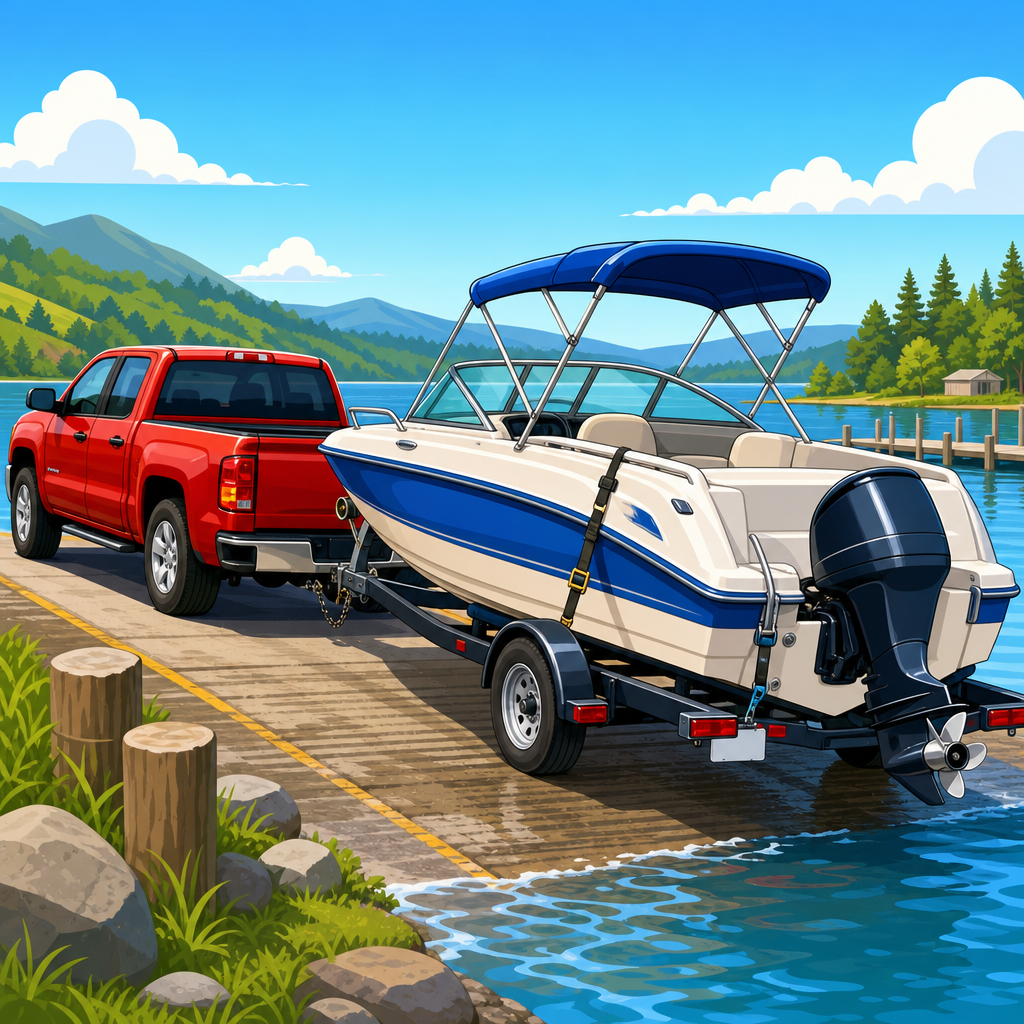
How to protect your boat’s bottom from corrosion and fouling starts with understanding that two different threats are attacking the same surface at once: marine growth on the outside and electrochemical damage within the underwater metals. In practical boat maintenance, “fouling” means the accumulation of slime, algae, barnacles, mussels, and weed on the hull and running gear, while “corrosion” refers to the deterioration of metal caused by chemical or electrical reactions in seawater or freshwater. Both problems raise operating costs, reduce speed, increase fuel burn, shorten component life, and create avoidable repair bills. A clean, well-protected bottom is not just about appearance. It affects safety, range, engine load, haul-out frequency, resale value, and the reliability of everything from propellers to through-hulls.
I have seen boats lose several knots of speed from a single season of neglected growth, and I have also inspected sterndrives destroyed by galvanic corrosion that began with a failed anode and a bad shore-power ground. Those outcomes are common because bottom care is often treated as a once-a-year paint job instead of an ongoing system. Effective hull cleaning and protection combines coating selection, surface preparation, corrosion control, routine inspection, and the right cleaning interval for the water your boat lives in. Saltwater, brackish water, and freshwater all behave differently. So do trailered boats, dry-stacked boats, and vessels kept in slips year-round.
This hub article explains the full picture of hull cleaning and protection in plain terms. You will learn how fouling forms, why corrosion accelerates around underwater metals, how antifouling paints work, when barrier coats are necessary, what zincs and other sacrificial anodes actually do, how to inspect the bottom without causing coating damage, and what maintenance schedule prevents small issues from becoming structural repairs. If you maintain a sailboat, fishing boat, pontoon, center console, cruiser, or houseboat, the principles are the same: keep the hull smooth, isolate vulnerable materials, and interrupt the electrical pathways that allow corrosion to feed on your equipment.
Why Hull Fouling and Corrosion Happen
Fouling begins within hours of immersion. First comes a biofilm, often called slime, made of bacteria and microscopic organisms. That layer creates a foothold for algae and soft growth. Over time, hard fouling such as barnacles or mussels can attach, especially in nutrient-rich marinas with warm water and low circulation. Even a light layer of slime increases drag. Naval architecture studies and field testing repeatedly show that roughness on the underwater surface can raise fuel consumption materially because the boundary layer around the hull becomes turbulent sooner. On planing boats, growth on trim tabs, outdrives, and propellers can also disrupt performance enough to affect time to plane and top speed.
Corrosion is different, but it often occurs in the same places. Galvanic corrosion happens when dissimilar metals are electrically connected in an electrolyte such as seawater. The less noble metal sacrifices itself to protect the more noble one. Stray current corrosion is more aggressive and far more destructive. It occurs when electrical current leaks into the water from onboard wiring faults, marina wiring problems, or improper bonding and grounding. In my experience, owners often blame all metal damage on “bad zincs,” but the pattern matters. If a propeller shaft anode disappears quickly while nearby metals remain sound, galvanic imbalance may be the cause. If aluminum parts show rapid pitting and paint blistering in localized areas, suspect stray current immediately.
Material choice affects risk. Fiberglass hulls do not rust, but they can still suffer osmotic blistering if water migrates into the laminate, which is why epoxy barrier systems matter on many boats. Aluminum hulls require strict paint compatibility and careful isolation from copper-based coatings. Steel hulls need disciplined coating maintenance because any break in the film can become active rust. Bronze hardware is durable but not immune. Stainless steel resists corrosion best when exposed to oxygen; in stagnant, low-oxygen seawater, crevice corrosion can develop unexpectedly around fasteners, shafts, and fittings.
Choosing the Right Protective Coatings
Antifouling paint is the main defense against marine growth, but the correct type depends on hull material, speed, use pattern, and water conditions. Ablative paints wear away gradually, exposing fresh biocide as the boat moves through the water. They are popular for cruising boats and vessels that remain in the water for long periods because buildup is reduced over time. Hard modified-epoxy paints create a more durable film and are often chosen for faster boats, boats that are scrubbed frequently by divers, and racing applications where a smooth finish matters. Hybrid copolymer coatings combine aspects of both. For freshwater lakes with lighter fouling pressure, lower-copper or copper-free formulations may be enough. In warm saltwater marinas, stronger antifouling systems are usually justified.
Barrier coats serve a different purpose. They are typically epoxy systems applied under antifouling to reduce water intrusion and, on fiberglass boats, to help prevent osmotic blistering. On metal boats or underwater appendages, primers and tie coats create adhesion and chemical isolation between the substrate and the antifouling layer. This is where many expensive mistakes happen. Copper-based bottom paint on aluminum can trigger severe galvanic attack if the manufacturer’s specified epoxy barrier and aluminum-safe system are not followed. The coating stack matters: surface prep, primer, barrier coat where needed, tie coat, then antifouling. Skipping one layer may not fail immediately, but it often shortens the service life dramatically.
Selection should also account for regulation and maintenance style. Many marinas and regions restrict in-water hull scraping or favor lower-toxicity coatings. Some owners prefer foul-release coatings, usually silicone- or fluoropolymer-based, which create a slick surface that makes it harder for organisms to adhere firmly. These systems can work well on faster boats that move regularly, but they are expensive and less forgiving of impact or poor prep. If your boat sits for long stretches, a conventional antifouling coating is usually the safer, more predictable choice.
Surface Preparation, Application, and Compatibility
Bottom protection fails early when the surface beneath it is not prepared correctly. Before any coating work, identify the existing paint, the hull material, and the manufacturer-approved overcoat options. A solvent wipe, adhesion test, or consultation with the coating maker can prevent incompatible layers. When I evaluate a bottom before repainting, I look for flaking edges, chalking, blistering, exposed laminate, rust staining, previous repairs, and any signs that the last owner mixed products from different systems. Sanding may be sufficient for a sound surface, but heavy buildup, poor adhesion, or unknown paint often requires stripping to a stable base.
Application conditions matter more than many owners realize. Epoxy and antifouling products have minimum and maximum temperature windows, humidity limits, and strict recoat schedules. Dew on the hull can ruin adhesion. Exceeding the overcoat interval may require additional sanding. Film thickness matters as well. Too little paint shortens protection. Too much can crack or mask fine fairing work. Manufacturers publish target dry film thickness for a reason; using the recommended nap roller, measuring coverage, and applying extra coats at the waterline, leading edges, trim tabs, rudders, and keel are standard best practices because those zones wear fastest.
| Boat condition | Recommended protection approach | Common mistake to avoid |
|---|---|---|
| Fiberglass hull with no blister history | Inspect laminate, spot-repair defects, apply compatible antifouling; add epoxy barrier if preventive protection is desired | Painting over moisture, wax, or loose previous coating |
| Fiberglass hull with prior blisters | Moisture assessment, blister repair, epoxy barrier coat, then antifouling system | Using antifouling alone as a moisture barrier |
| Aluminum hull or outdrive | Use aluminum-safe primer and copper-free antifouling exactly as specified by the manufacturer | Applying copper-based paint directly or through a damaged barrier layer |
| Steel hull | Abrasive prep, epoxy primer system, stripe coats on edges, antifouling topcoat | Ignoring rust blooms around welds and coating holidays |
Running gear needs specialized treatment. Propellers, shafts, struts, tabs, and outdrives do not always accept the same paint system as the hull. Prop speed coatings and etching primers are often used on bronze or stainless components, while aluminum drives require manufacturer-approved systems. Never assume leftover hull paint belongs on metals. The wrong coating can insulate an anode-protected part incorrectly, reduce paint adhesion, or create galvanic risk. Masking anodes before painting is essential because coated anodes cannot sacrifice effectively.
Managing Corrosion with Anodes, Bonding, and Electrical Checks
Sacrificial anodes protect underwater metals by corroding first. Zinc is common in saltwater, aluminum alloy anodes are versatile and increasingly preferred across many environments, and magnesium is typically reserved for freshwater because it is too active for saltwater use. The right choice depends on conductivity. Install the wrong anode metal and protection may be weak or excessively aggressive. Anodes must have clean electrical contact to the protected metal, enough exposed surface area, and a realistic inspection interval. Painting over them, mounting them on dirty surfaces, or replacing them only after they are almost gone defeats the system.
Bonding connects underwater metals so they share a common electrical potential and can be protected more uniformly by anodes. This system can reduce galvanic differences among fittings, shafts, rudders, and through-hulls, but it must be designed correctly. Randomly connecting hardware can create new problems. ABYC standards are the benchmark here. If your boat has unexplained anode consumption, pitting on one side, or recurring corrosion around specific fittings, testing with a qualified marine electrician is worth the cost. A silver/silver chloride reference electrode can measure hull potential and reveal whether protection levels are in range.
Shore power deserves special attention. Galvanic isolators and isolation transformers help prevent low-voltage DC galvanic currents from traveling through the AC safety grounding conductor between boats in a marina. In crowded marinas, your boat can suffer from neighboring electrical issues. I have seen owners replace props and trim cylinders repeatedly when the real culprit was improper dock wiring. If corrosion accelerates after plugging into shore power, investigate immediately. Check battery charger grounds, bilge pump circuits, inverter installations, and any aftermarket electronics. Corrosion control is not only a coatings issue; it is an electrical system discipline.
Cleaning, Inspection, and Seasonal Maintenance
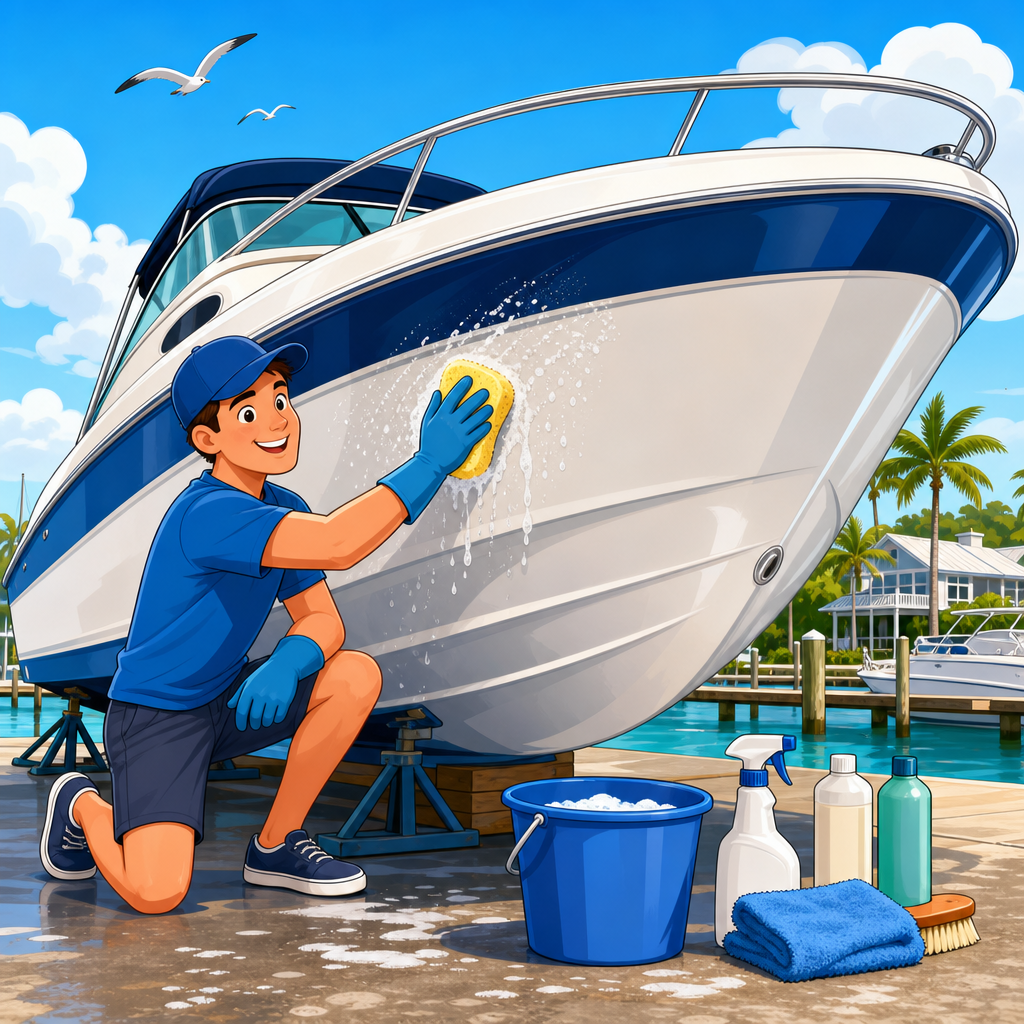
Routine bottom cleaning extends paint life and catches problems early, but the method must match the coating. Soft ablative paints can be damaged by aggressive brushing, while hard paints tolerate more frequent scrubbing. Divers should use the least abrasive pad that removes slime effectively. In-water cleaning intervals depend on location. A boat in a cool northern freshwater lake may need only periodic inspection. A boat kept in warm Gulf Coast saltwater may need monthly attention during peak growth season. If the bottom starts feeling fuzzy or the waterline develops a dark scum band, efficiency is already slipping.
Haul-outs should be used strategically, not just cosmetically. Pressure washing immediately after haul-out removes growth before it hardens. Once the hull is clean, inspect through-hulls, seacocks, transducers, trim tabs, keel joints, rudder bearings, shaft seals, cutless bearings, and the leading edges of appendages. Look for paint holidays, blisters, rust weeping, pinking in bronze, isolated pitting in aluminum, and fishing line wrapped behind prop hubs or shaft seals. These details matter. A small patch of coating failure on a steel skeg or aluminum lower unit can become structural damage in a short time.
Seasonal scheduling reduces cost. At minimum, owners should inspect anodes several times per season, clean growth before hard fouling anchors deeply, and renew bottom paint based on actual wear rather than habit alone. Boats that are trailered can avoid much of the fouling burden if they are rinsed thoroughly and stored dry, but they still need attention around bunks, rollers, and hidden pockets where moisture sits. For boats in slips, keep a maintenance log with dates for cleaning, anode replacement, paint application, and observed corrosion patterns. Good records make troubleshooting faster and reveal whether a change in marina, electrical setup, or coating brand improved results.
Building a Long-Term Hull Protection Plan
The best way to protect your boat’s bottom from corrosion and fouling is to treat hull cleaning and protection as a connected maintenance system, not a single annual task. Choose coatings based on hull material, local water conditions, and how often the boat moves. Prepare surfaces meticulously, apply the full compatible coating stack, and give extra protection to high-wear zones. Use the correct sacrificial anodes, keep them clean and exposed, and investigate unusual metal loss before replacing parts blindly. Pair that with regular bottom inspections, careful in-water cleaning, and prompt repair of any coating damage.
For most owners, the payoff is immediate: better fuel economy, more reliable performance, fewer haul-out surprises, and longer life for expensive underwater gear. The long-term benefit is control. When you know what paint is on the hull, when the anodes were changed, what the hull potential measured, and how quickly growth returns in your marina, maintenance stops being guesswork. That is the standard every well-kept boat should meet. Review your current bottom protection plan, schedule the next inspection, and address small signs of fouling or corrosion before they become major repairs.
Frequently Asked Questions
What is the difference between fouling and corrosion on a boat’s bottom?
Fouling and corrosion are often discussed together because they affect the same underwater areas, but they are very different problems and need different solutions. Fouling is the buildup of marine organisms such as slime, algae, grass, weed, barnacles, and mussels on the hull, propeller, shafts, trim tabs, and other submerged surfaces. It starts with a thin biofilm and can quickly progress into heavy growth that increases drag, reduces speed, hurts fuel efficiency, and places more strain on the engine and running gear. Even a light layer of slime can noticeably reduce performance over time.
Corrosion, by contrast, is the deterioration of metal caused by chemical or electrical reactions in water. This can affect propellers, shafts, struts, outdrives, thru-hulls, trim tabs, and other underwater metals. In saltwater especially, corrosion can happen surprisingly fast if the wrong metals are paired together, bonding is inadequate, sacrificial anodes are depleted, or stray electrical current is present. In practical terms, fouling is what grows on the outside of the boat, while corrosion is what slowly eats away at the metal components below the waterline.
Understanding this distinction matters because antifouling paint will not stop electrochemical metal loss, and sacrificial anodes will not prevent barnacles from attaching to the hull. A proper protection plan usually combines bottom paint suited to the boat’s use and local water conditions, regular cleaning and inspection, and a corrosion-control strategy that includes the correct anodes, sound bonding where appropriate, and checks for electrical faults. Treating both threats as part of one maintenance program is the best way to protect the boat’s bottom effectively.
How can I prevent marine fouling on my hull and running gear?
The most effective way to prevent marine fouling is to start with a bottom protection system matched to how and where the boat is used. Antifouling paint is the primary defense for the hull, and the right type depends on whether the boat stays in the water full time, is trailered between uses, runs at higher speeds, or is kept in freshwater versus saltwater. Ablative paints wear away gradually and continuously expose fresh biocide, making them a popular choice for many boats that are used regularly. Hard bottom paints can be a better fit in some applications, especially where a durable finish is needed. The key is not just applying paint, but applying the correct coating over a properly prepared surface.
Surface preparation is just as important as the paint itself. The hull should be clean, dry, and properly sanded or primed according to the coating manufacturer’s instructions. Existing coatings must be evaluated for compatibility before recoating. Skipping prep can cause poor adhesion, premature paint failure, and patchy protection that allows growth to take hold quickly. Running gear such as propellers and shafts often require specialized coatings because standard bottom paint may not bond well to polished metal or may interfere with performance if applied incorrectly.
Routine cleaning also plays a major role. In warm, nutrient-rich water, growth can appear quickly even on painted surfaces, so periodic in-water cleaning or haul-out inspection may be needed. Light slime is much easier to remove than heavy barnacles, and early cleaning helps preserve both paint life and efficiency. Boat usage matters too. Boats that sit idle for long periods tend to foul faster than boats that are run consistently. If your area has aggressive fouling pressure, it is smart to inspect the bottom on a schedule rather than waiting for performance loss. A combination of proper paint selection, careful application, regular movement, and timely cleaning gives the best long-term protection against fouling.
What causes corrosion below the waterline, and how do sacrificial anodes help?
Corrosion below the waterline usually comes from galvanic activity, stray current, or general chemical exposure in the water. Galvanic corrosion happens when two dissimilar metals are electrically connected in an electrolyte such as seawater or freshwater. One metal becomes more active and corrodes faster in order to protect the more noble metal. This can occur naturally in systems that include bronze, stainless steel, aluminum, or other underwater metals if they are connected and not properly protected. Stray current corrosion is even more serious and is caused by unintended electrical current leaking into the water from the boat or nearby sources. When that happens, metal loss can be extremely rapid.
Sacrificial anodes are designed to corrode first so more valuable metal components do not. They are made from metals such as zinc, aluminum, or magnesium, chosen based on the water type and the components being protected. These anodes are installed on outdrives, trim tabs, shafts, rudders, and bonding systems so they can give up material before the protected metals do. In simple terms, they are intentionally the most active metal in the system. As long as they are the right material, in good condition, and electrically connected as intended, they help reduce galvanic corrosion.
That said, anodes are not a cure-all. If they are painted over, installed incorrectly, heavily wasted, or made from the wrong alloy for the water conditions, they may provide little protection. They also cannot solve a stray current problem on their own. If anodes are disappearing unusually fast, or if underwater metals show severe pitting or rapid deterioration, the boat should be inspected for electrical leakage, marina-related current issues, and bonding problems. Good corrosion control means choosing the correct anodes, replacing them before they are fully consumed, keeping contact surfaces clean, and investigating any unusual wear patterns promptly.
How often should I inspect and maintain my boat’s bottom to avoid serious damage?
The right inspection schedule depends on where the boat is kept, how long it stays in the water, and how aggressive the local fouling and corrosion conditions are. As a general rule, any boat that remains in the water should have its bottom, running gear, and underwater metals checked regularly rather than only at annual haul-out. In high-fouling saltwater areas, visual inspections may be needed every few weeks or months, especially during warm seasons when growth accelerates. Boats in cooler water or freshwater may be able to go longer between checks, but they still benefit from a set maintenance routine.
At each inspection, look for signs of slime, weed, barnacles, paint failure, blistering, exposed substrate, and damage around high-wear areas. Pay close attention to propellers, shafts, struts, rudders, trim tabs, outdrives, and thru-hulls, because these areas can suffer from both fouling and corrosion at the same time. Anodes should be checked for wear and replaced before they are completely depleted. It is also wise to watch for changes in boat performance, such as slower top speed, higher fuel burn, vibration, or reduced responsiveness, because these can be early signs of bottom growth or running gear issues.
Annual haul-out remains one of the most important maintenance opportunities because it allows for a full bottom inspection, repainting if needed, moisture checks, hardware evaluation, and a closer look at corrosion patterns. However, waiting a full year between all inspections can be risky if your marina has strong fouling pressure or electrical issues. A smart approach is to combine scheduled haul-outs with in-water checks, diver cleaning when appropriate, and corrosion monitoring. Consistent maintenance is almost always less expensive than repairing heavily fouled bottoms, damaged coatings, or underwater metal loss after the problem has already become severe.
Can I use the same products and maintenance approach for both freshwater and saltwater boating?
Not always. Freshwater and saltwater present different challenges, and the best coatings, anodes, and inspection routines can vary significantly between the two. Saltwater is generally more aggressive when it comes to galvanic corrosion because it is a better conductor, and it often supports heavier marine growth depending on the region. Freshwater may be less conductive, but it can still cause corrosion and can support significant fouling in lakes and rivers with the right temperature and nutrient conditions. Assuming freshwater is harmless is a common mistake.
One major difference involves sacrificial anode material. Magnesium anodes are often used in freshwater, aluminum is widely used in many saltwater and brackish applications, and zinc is common in saltwater but not always the best choice for every setup. Using the wrong anode alloy can lead to underprotection or poor performance. Bottom paint selection also changes with environment, boating frequency, and local regulations. Some paints work better in heavy saltwater fouling conditions, while others are more suitable for freshwater use or for boats that are trailered and dried between outings.
Maintenance practices should also reflect the water type and storage pattern. A boat that lives in a saltwater slip year-round usually needs a more aggressive inspection schedule than one stored on a trailer and launched occasionally in freshwater. If the boat moves between freshwater, brackish water, and saltwater, it is worth reviewing the entire protection system rather than relying on a one-size-fits-all setup. The most reliable strategy is to match coatings, anodes, and service intervals to the boat’s exact environment, materials, and usage pattern. That tailored approach provides better protection, longer component life, and fewer surprises below the waterline.