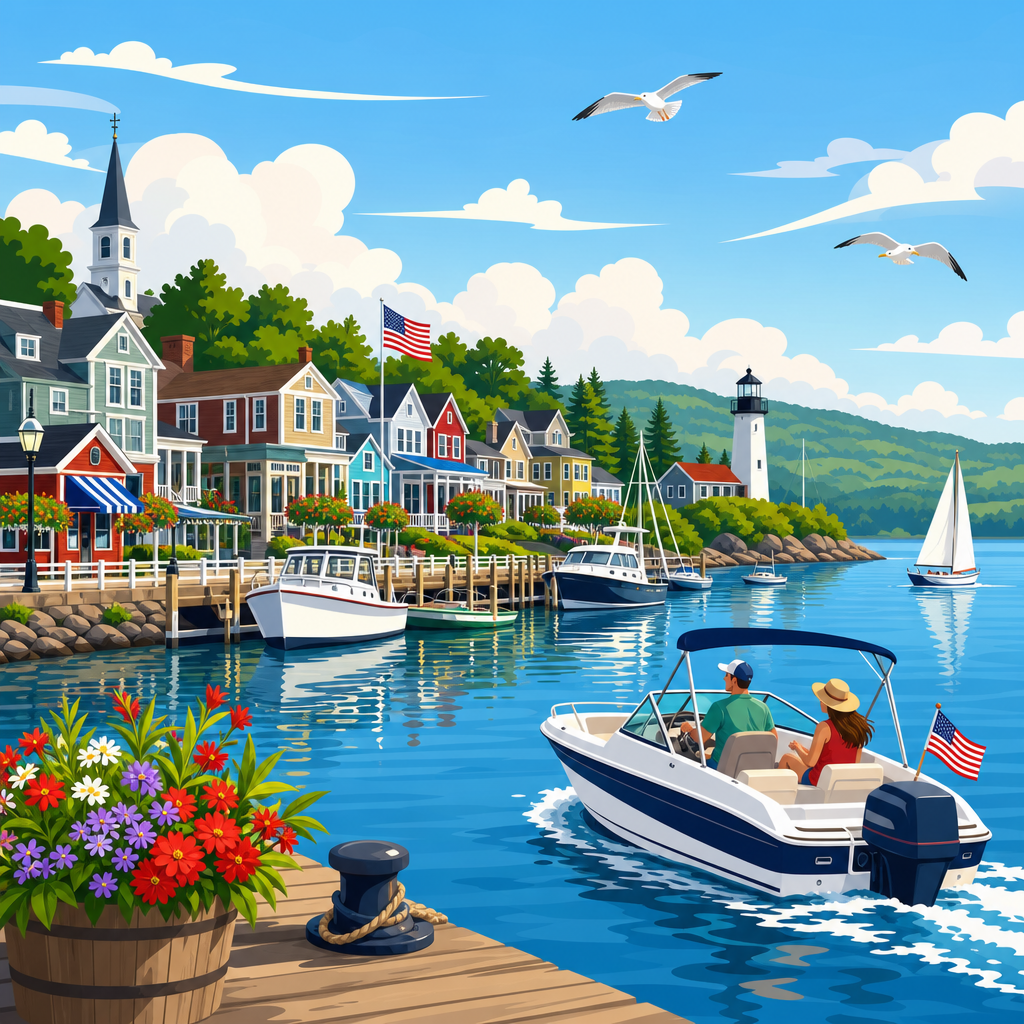
America’s best small towns for boating getaways offer something bigger than postcard charm: they combine easy water access, manageable crowds, practical marina infrastructure, and the kind of local character that turns a weekend afloat into a memorable trip. In this guide to the best small towns in the U.S. for boating getaways, the focus is on hidden and underrated boating destinations rather than the usual high-traffic resort ports. A small boating town, in practical travel terms, is a place where the waterfront still shapes daily life, visiting boaters can find slips, ramps, fuel, and provisions without fighting urban congestion, and nearby waters reward both casual cruising and experienced seamanship. That matters because many boaters are no longer looking only for famous coastlines. They want shorter tow distances, calmer anchorages, lower transient dockage costs, and communities where restaurants, chandlers, bait shops, and harbormasters still feel connected to the local waterfront economy. After years of planning cruising itineraries, trailering boats into unfamiliar ramps, and comparing marina towns across regions, I have found that the most satisfying boating trips are often in places that never dominate national travel lists. These destinations work as a hub for hidden and underrated boating destinations because they show the full range of American boating: freshwater lakes, tidal rivers, island chains, protected bays, and working harbors where visitors can still feel like participants rather than spectators.
What Makes a Small Town Great for a Boating Getaway
The best boating towns are not automatically the biggest or the most glamorous. They succeed because they solve the practical questions boaters ask first: Is the launch straightforward? Are there transient slips or moorings? Is fuel available on the water or nearby? Can you provision easily? Is the cruising ground sheltered enough for families but interesting enough for experienced operators? A great boating getaway town also gives crews something to do once they tie up. Walkable downtowns, seafood shacks, marine supply stores, and nearby beaches or trails matter because even dedicated boaters spend part of the day ashore.
Depth, weather exposure, tidal range, and seasonal traffic patterns also define whether a destination is genuinely underrated or merely overlooked. I generally rate a town higher when a 22- to 30-foot trailerable boat can operate comfortably there, because that usually means better public access and a lower barrier to entry. Towns with mixed-use waterfronts often perform best. They serve anglers, cruisers, paddlers, and day boaters at the same time, which usually leads to better ramps, clearer channel marking, and businesses that understand what visiting crews need.
For boat-trip planning, hidden destinations tend to fall into three categories: freshwater lake towns with broad cruising water and quiet coves, river towns with scenic day runs and dock-and-dine stops, and coastal towns with access to protected bays, sounds, or island groups. Each style supports a different kind of getaway. If your crew wants sandbars and swimming, look for protected coastal water. If you want easy handling and less concern about tides, inland lakes are usually simpler. If you want changing scenery every few miles, river towns often provide the best value.
Top Hidden and Underrated Small Towns for Boaters
One of the strongest underrated choices is Apalachicola, Florida. Better known for oysters than pleasure boating, it gives visiting crews access to Apalachicola Bay, barrier islands, and quiet estuarine water with a distinctly old Florida feel. The advantage here is variety. You can spend one day cruising the bay, another running toward St. George Sound, and another exploring marshy backwaters where birdlife is often as memorable as the shoreline. The town itself remains compact and walkable, with docks, seafood, and historic streets close together.
On the Chesapeake, St. Michaels, Maryland, deserves its reputation but still functions as an underrated boating town compared with Annapolis. It is easier to enjoy on a short getaway because the harbor is manageable and the Miles River opens into cruising water that feels expansive without becoming intimidating. Visiting boaters can dock near restaurants, marine services, and the Chesapeake Bay Maritime Museum, which adds real context to the trip rather than generic tourist activity. For anyone wanting classic Mid-Atlantic boating without major-city hassle, St. Michaels is a smart pick.
In the Northeast, Castine, Maine, is a standout for crews who value protected Penobscot Bay cruising and historic harbor scenery. It is quieter than better-known Maine ports, yet the surrounding water offers serious reward: islands, coves, changing tides, and the rugged visual appeal people travel north to find. This is not a beginner’s destination in every weather window, but prudent route planning and tide awareness make it excellent for experienced small-boat cruisers. Ashore, the town keeps its scale, which is exactly the point.
Bayfield, Wisconsin, is another excellent candidate. Sitting on Lake Superior, it serves as a gateway to the Apostle Islands, one of the most distinctive freshwater cruising grounds in the country. Boaters get sea-cave coastlines, island campsites, clear water, and a harbor town that understands seasonal marine traffic. Conditions on Superior can change fast, so this is a destination where forecasts matter, but on stable summer days Bayfield delivers a remarkably big-water experience from a genuinely small town base.
For river cruising, New Bern, North Carolina, is consistently better than many travelers expect. Located where the Neuse and Trent rivers meet, it offers broad water, attractive downtown docks, and straightforward day trips toward creeks and estuarine sections linked to the Intracoastal Waterway. It works especially well for couples or families who want a balanced trip: enough boating interest to justify the drive, enough downtown character that non-boating hours feel worthwhile.
In the Pacific Northwest, Gig Harbor, Washington, offers a protected harbor environment and quick access to South Puget Sound cruising. Unlike more congested marina centers, Gig Harbor still feels scaled to visiting crews arriving for a few days, not just long-term moorage holders. The harbor is scenic, services are close, and nearby cruising includes inlets, state parks, and island views that showcase why protected saltwater boating in Washington is so appealing.
How to Match the Destination to Your Boating Style
The right small town depends on the boat you own and the way you actually use it. Center-console owners often prioritize fishing access, easy launching, and fuel, while pontoon or deck-boat families usually care more about protected water, swimming spots, and simple navigation. Cruisers in pocket trawlers, sailboats, or cabin boats need transient slips, pump-out access, and shoreside provisions within walking distance. When I build a shortlist for a trip, I start with water conditions before scenery. A beautiful town is irrelevant if the nearest worthwhile cruising area requires a rough run your crew will not enjoy.
Use this framework when comparing underrated boating destinations:
| Boating style | Best town traits | Good destination examples |
|---|---|---|
| Family day boating | Protected water, beaches, easy ramps, dockside dining | St. Michaels, New Bern, Gig Harbor |
| Trailered fishing trips | Reliable launch access, bait, fuel, early parking, nearby flats or structure | Apalachicola, Lake Charles-area towns, Bayfield |
| Weekend cruising | Transient slips, walkable downtown, pump-out, scenic day routes | Castine, St. Michaels, New Bern |
| Adventure boating | Island hopping, weather-sensitive routes, anchorages, variable conditions | Bayfield, Castine, Gig Harbor |
This kind of matching prevents the most common planning error: choosing a destination for marketing photos instead of operational fit. If your crew includes young children or occasional boaters, moderate water and easy docking usually beat dramatic open exposure. If your goal is exploration, choose towns that sit next to branching waterways rather than a single crowded harbor. Hidden boating destinations become memorable when the local water suits your real habits, not your idealized ones.
Regional Patterns: Where Underrated Boating Towns Stand Out Most
The Southeast has the deepest bench of underrated boating towns because it combines long seasons, extensive estuaries, and many communities that still support working waterfronts. Beyond Apalachicola and New Bern, towns around coastal Georgia, the northern Gulf Coast, and inland Tennessee reservoirs often deliver excellent value. These places usually offer lower dockage costs than headline destinations and more flexible ramp access for trailer boaters.
The Northeast excels when you want concentrated character and short distances between notable harbors. The tradeoff is seasonality and, in some cases, mooring costs. Maine, coastal Massachusetts, and the Chesapeake’s lesser-known creeks all reward careful planning. Tides and afternoon winds can make a short run feel longer than expected, but the payoff is dense scenery and well-established maritime infrastructure.
The Great Lakes region is particularly strong for freshwater boaters who want coastal-style scenery without saltwater maintenance. Bayfield is the clearest example, but harbor towns in northern Michigan, Door County, and parts of upstate New York deserve attention within the broader hidden and underrated boating destinations category. These areas often provide excellent municipal marinas and surprisingly strong shoulder seasons.
On the West Coast, fewer towns feel truly hidden, but several remain underrated because travelers assume boating there is only for large yachts or expert local operators. In reality, protected sections of Puget Sound and some Northern California river towns are accessible to organized small-boat crews. The critical factor is local knowledge: currents, fog patterns, and ramp timing matter more here than in many inland destinations.
Planning Tips That Turn a Good Boating Town Into a Great Trip
Start with charts and marina calls, not lodging photos. Confirm ramp conditions, parking limits, bridge clearances, wake rules, and fuel hours before you leave home. Many small towns are wonderful once you are on the water but weak at communicating details online. A five-minute call to a harbormaster often gives you more useful information than an hour of web browsing. Ask specifically about weekend congestion, transient availability, and any shoaling near entrance channels. In several underrated destinations, channel changes happen faster than tourism pages get updated.
Check whether the town supports your entire trip cycle. You may need ice, ethanol-free fuel, bait, groceries, battery charging, or a spare prop. The best boating getaway towns make these tasks simple and nearby. Also verify weather patterns typical for that region. Afternoon thermal winds on Lake Superior, thunderstorms on southern reservoirs, and tidal currents in Maine all affect route choices in different ways. Good planning means setting conservative distances and backup stops before launch day.
Finally, travel in a way that respects the reason these towns stay appealing. Use no-wake zones properly, tip dock staff, buy from local marinas and waterfront businesses, and avoid treating working docks like resort scenery. Small towns notice how visiting boaters behave. Communities that feel welcoming usually remain that way because repeat visitors understand the local waterfront is both recreation space and livelihood. That mutual respect is one of the reasons hidden boating destinations can still feel authentic.
The best small towns in the U.S. for boating getaways are the places where access, scenery, and local waterfront culture still line up without the friction of major resort traffic. Hidden and underrated boating destinations such as Apalachicola, St. Michaels, Castine, Bayfield, New Bern, and Gig Harbor prove that memorable trips do not require famous marinas or oversized budgets. They require the right fit between your boat, your crew, and the water you want to explore. Some towns excel at family day boating, some at weekend cruising, and others at adventure runs shaped by weather, tides, or island geography. The common thread is usability: reliable launching, practical services, worthwhile routes, and enough town character to make time ashore count. If you are building a broader boating travel plan, use this hub as your starting point and shortlist two or three regions that match your style. Then dig deeper into local marina details, seasonal conditions, and nearby cruising routes. The reward for that extra research is simple: quieter docks, better value, and boating memories that feel discovered rather than packaged. Pick one underrated waterfront town, map your first route, and make your next getaway the trip that resets your idea of where great boating really happens.
Frequently Asked Questions
What makes a small town one of the best boating getaways in the U.S.?
The best small boating towns are not just pretty places on the water. What really sets them apart is how well they support an enjoyable, low-stress trip for visiting boaters. In practical terms, that usually means easy access to navigable water, a marina or public launch that is straightforward to use, reliable fuel and dock services nearby, and enough waterfront dining, lodging, or walkable attractions to make the destination feel rewarding once you tie up. A great small-town boating getaway also tends to avoid the biggest frustrations found in more crowded resort ports, such as long launch lines, heavy wake traffic, difficult docking conditions, and packed waterfronts.
Another major factor is balance. The best underrated boating towns typically offer enough infrastructure to be convenient without losing the local character that makes the trip memorable. You want a destination where you can find transient slips, bait and tackle, ice, provisions, and perhaps boat rentals or charter options, but where the town still feels like a real community rather than a purely tourist-driven marina district. That mix of accessibility, manageable crowds, scenic waterways, and authentic local atmosphere is what turns a simple weekend on the water into a true boating getaway.
Why choose an underrated small town for a boating trip instead of a famous resort destination?
Choosing an underrated small town often means a more relaxed and more practical boating experience. Famous resort ports certainly have name recognition, but they also tend to bring higher slip fees, busier channels, more competition for dock space, and a generally more hectic pace on the water. By contrast, a lesser-known boating town can give travelers the same core benefits people want from a getaway, including scenic cruising, waterfront dining, fishing access, swimming coves, and sunset anchoring, but with fewer crowds and less logistical hassle.
There is also a strong value argument. Hidden boating destinations frequently offer more affordable lodging, marina rates, rentals, and meals than high-profile coastal or lakefront hotspots. That matters whether you are trailering your own boat, booking a rental, or planning a multi-day stay. Just as importantly, underrated towns often deliver a more genuine sense of place. Instead of a waterfront filled only with chain restaurants and tourist shops, you are more likely to find family-run marinas, local seafood spots, historic downtowns, and residents who actually use the waterways year-round. For many travelers, that authenticity is exactly what makes a boating trip feel special rather than generic.
What should boaters look for before planning a weekend in a small boating town?
Before committing to a destination, boaters should evaluate both the water conditions and the town’s onshore support. Start with the basics: confirm whether the area is best suited for pontoons, runabouts, fishing boats, kayaks, sailboats, or larger cruising vessels. Water depth, tides, bridge clearances, current, wake rules, and channel markings can vary dramatically from one town to another. A quiet river town may be ideal for casual cruising but not appropriate for deeper-draft boats, while a coastal harbor may be scenic but require more confidence with wind, tide, and docking. It is also smart to check seasonal weather patterns, boat ramp conditions, parking availability, and whether reservations are needed for transient slips.
On land, look at how easy it is to provision and spend time ashore. The best boating getaways usually have fuel docks, marine services, nearby grocery options, and restaurants within a short walk or ride from the marina. If you are planning an overnight stay, verify whether the town has boater-friendly lodging, shower facilities, pump-out access, and safe dockage. If you are trailering a boat, pay attention to launch fees, trailer parking rules, and ramp hours. Doing this homework helps you choose a destination that matches your boating style and avoids surprises that can turn an easy weekend trip into a frustrating one.
Are small-town boating getaways better for beginners or experienced boaters?
They can be excellent for both, but the best destination depends on the boater’s skill level and the type of water involved. Many small towns are especially appealing to beginners because they offer calmer conditions, less marina congestion, and shorter distances between launch points, fuel, restaurants, and sightseeing areas. Inland lakes, protected bays, and slow-moving rivers near small towns can be ideal for boaters who want to practice docking, cruising, anchoring, or navigating without the pressure of dense boat traffic. These destinations also tend to be more approachable for families, first-time renters, and travelers who simply want a casual day on the water rather than a technically demanding trip.
Experienced boaters, however, often appreciate small towns for a different reason: they can serve as gateways to more varied and rewarding waterways. An underrated harbor town may provide access to barrier islands, fishing grounds, hidden coves, longer river routes, or scenic stretches of coastline that are far more interesting than the town itself first suggests. For seasoned boaters, the appeal is often in finding places that are functional, uncrowded, and strategically located. In other words, small-town boating destinations are not just “beginner spots.” The strongest ones are versatile enough to welcome newcomers while still offering enough range, beauty, and local knowledge to keep experienced boaters engaged.
What is the best time of year to visit small U.S. towns for boating getaways?
The best time depends on the region, but in many parts of the United States, late spring through early fall offers the best combination of comfortable weather, open marina services, and enjoyable water conditions. Summer is the classic boating season, especially in northern lake towns, New England harbors, and mountain reservoir communities, because water access is fully open and local businesses are operating at full pace. That said, peak summer also brings more weekend traffic, so travelers who want a quieter experience often find that late spring and early fall deliver the ideal mix of pleasant temperatures and lighter crowds.
Regional differences matter a great deal. Southern coastal towns and Gulf communities may be especially appealing in shoulder seasons, when temperatures are milder and humidity is lower. River towns and inland lake destinations often shine in early summer or early fall, when the scenery is excellent and the busiest holiday crowds have passed. It is also important to consider storm patterns, water levels, and local boating seasons before you go. Some towns have marinas or waterfront businesses that operate on limited seasonal schedules, and certain waterways may be affected by drought, flooding, or hurricane season. Checking local conditions in advance is one of the smartest ways to make sure your boating getaway is safe, scenic, and worth the trip.