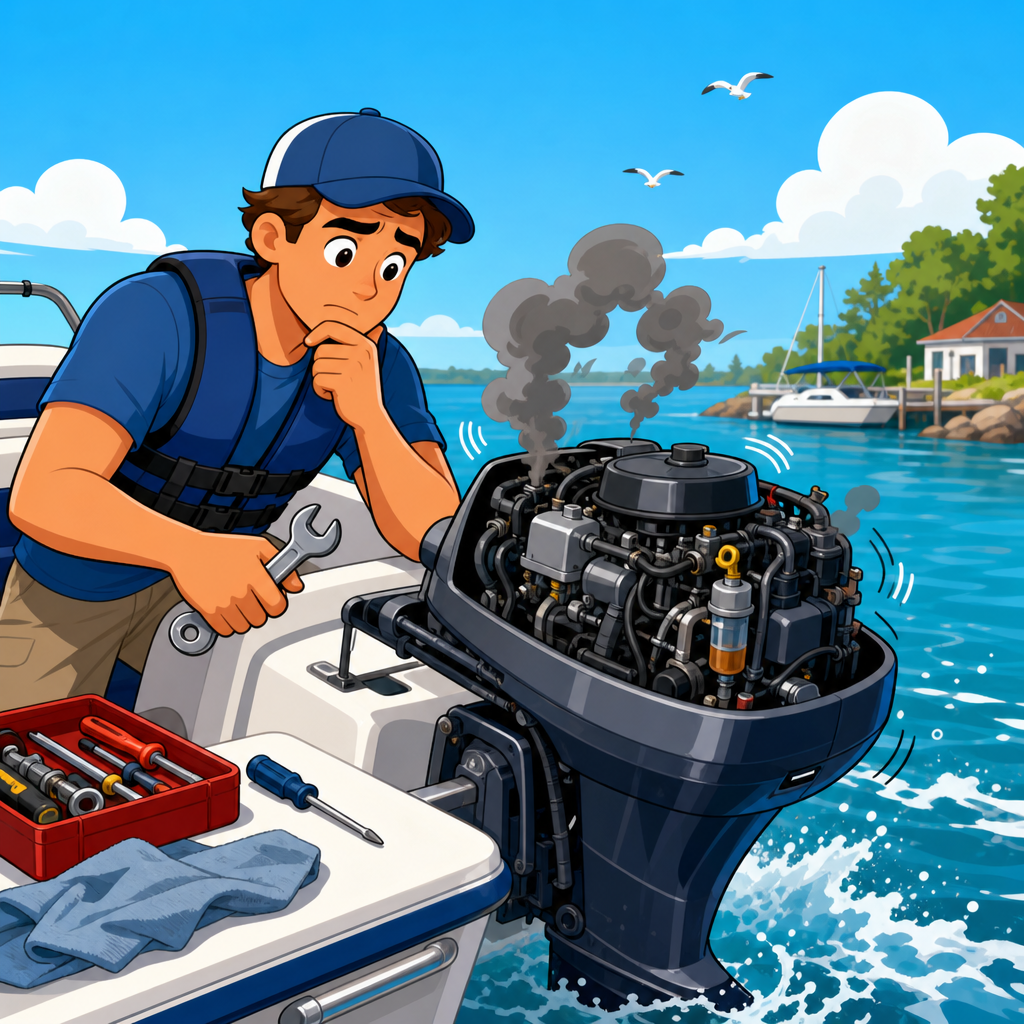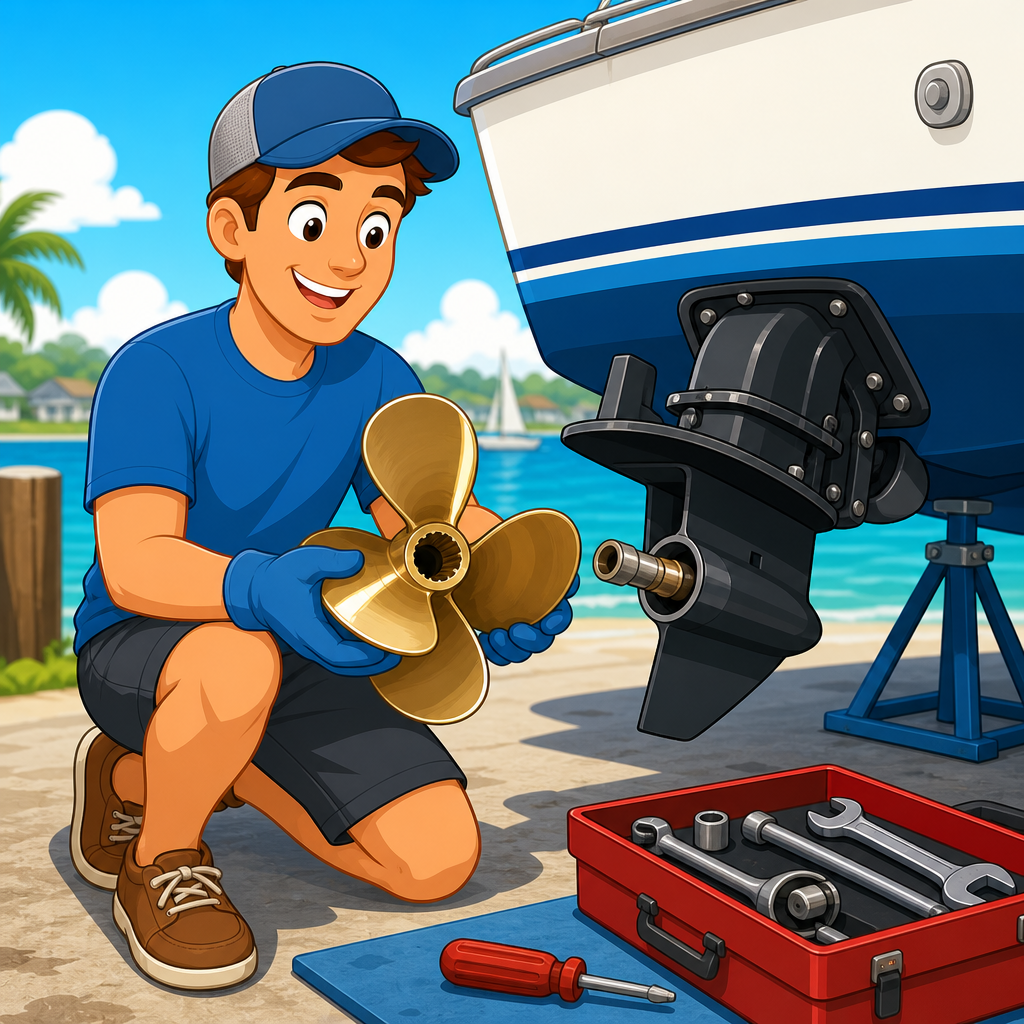
A damaged or poorly matched propeller can rob a boat of speed, fuel economy, and safe handling, which is why knowing how to replace a boat propeller in 5 easy steps is one of the most practical skills in boat maintenance and repairs. In simple terms, the propeller is the rotating blade assembly that converts engine power into thrust, while propeller and steering maintenance covers the connected systems that influence how the boat accelerates, tracks, turns, and responds under load. I have replaced props on aluminum fishing boats, center consoles, and sterndrives after grounding strikes, spun hubs, and seasonal upgrades, and the process is straightforward when you use the right parts and inspect the surrounding hardware instead of rushing the swap. This matters because an incorrect installation can damage the prop shaft, reduce performance, create vibration, or hide steering issues that get worse over time. As a hub for propeller and steering maintenance, this guide explains not only the five replacement steps, but also how propeller sizing, hub systems, cavitation symptoms, steering checks, and post-installation testing fit together so you can make better service decisions every season.
Understand the propeller, hub, and steering system before you start
Before removing anything, identify exactly what is on the boat. Most recreational boats use aluminum or stainless steel propellers, and each prop is defined by diameter, pitch, blade count, rotation, and hub style. Diameter is the width of the circle made by the blade tips. Pitch is the theoretical forward travel in one revolution, such as 19 inches. A higher pitch can increase top speed if the engine can still reach the manufacturer’s recommended wide-open-throttle range, while too much pitch often causes lugging and weak acceleration. Blade count affects lift, grip, and smoothness. Rotation matters because many twin-engine boats use counter-rotating props, and installing the wrong rotation will create severe handling problems.
The hub is equally important. Many modern props use a replaceable hub kit, including systems from Mercury Flo-Torq, Yamaha SDS, and Solas interchangeable hubs. The hub cushions shock and can fail sacrificially during impact, protecting the gearcase. If your old prop spun but the engine revved freely without proper thrust, the hub may have failed even if the blades look acceptable. When replacing a propeller, always confirm whether you need just the prop, just the hub kit, or both. I have seen owners order a new stainless wheel and then discover at the dock that the thrust washer or adapter from the old setup does not fit.
Steering maintenance belongs in the same conversation because propeller condition directly affects steering load, torque steer, and tracking. Bent blades or missing cup can pull the wheel off center. Cable steering systems should move smoothly lock to lock without binding, while hydraulic systems should show no fluid leaks at the helm, hoses, or cylinder. Also check the skeg, trim tab anode, and anti-ventilation plate for impact damage. A prop strike strong enough to nick the blades can also bend the shaft or knock steering components out of alignment. Replacing the prop without checking those related parts solves only half the problem.
Step 1: Gather the correct tools, parts, and safety gear
The first easy step is preparation, and it prevents most installation mistakes. At minimum, you need the replacement propeller that matches your engine and boating needs, a prop nut wrench or socket, a block of wood to hold the prop, marine grease, replacement cotter pin or locking tab hardware, and the correct thrust washer, spacer, nut, and hub components. Some setups also require a torque wrench. Your engine service manual is the authority for torque values and hardware order, especially on outboards and sterndrives where washer orientation is critical.
Safety gear should not be an afterthought. Shut off the battery switch or remove the key, place the engine in neutral unless the service procedure states otherwise, and wear gloves because damaged blade edges can be razor sharp. If the boat is on a trailer, chock the wheels. If it is on a lift or in the water at a dock, create stable working access and avoid leaning into an unsafe position. I prefer to trim the engine high enough for access but low enough that the lower unit is stable and does not swing unexpectedly.
Fitment verification is the most valuable preparation task. Confirm the engine make, horsepower, gearcase family, shaft spline count, rotation, and current prop specifications stamped on the barrel, such as 14.25 x 19. Then compare those numbers with the boat’s performance data. For example, if a 150-horsepower outboard is rated for 5000 to 6000 RPM and your current 21-pitch prop only allows 4700 RPM with a normal load, replacement is a chance to correct pitch rather than simply duplicating an unsuitable setup. Dealers, prop shops, and manufacturer prop selector tools from Mercury, Yamaha, and PowerTech can help narrow the right choice.
Step 2: Remove the old propeller and inspect for hidden damage
Once the tools are ready, straighten and remove the cotter pin or unlock the tab washer, then loosen the prop nut while holding the blades with a block of wood. Slide off the nut, spacer, prop, and thrust hardware in order, laying them out exactly as removed. If fishing line is wrapped behind the prop, cut it away immediately. Monofilament frequently works past the seals and can damage the prop shaft seals, allowing gear oil leaks that later destroy the lower unit. I have pulled props that looked merely scuffed from shallow-water contact, only to find several yards of braided line packed tightly around the shaft.
With the propeller off, inspect the shaft carefully. It should be clean, lightly greased, and free from deep scoring, corrosion buildup, or blue heat discoloration. Spin the shaft by hand and watch for wobble. A dial indicator is the proper tool to confirm shaft runout after a strike, and many shops recommend checking runout whenever vibration appears after impact. If the shaft is bent, replacing the prop alone will not cure the problem. Also inspect the old prop for clues: bent or cupped blade edges suggest impact, polished exhaust barrel marks can indicate ventilation issues, and a melted rubber smell may point to a spun hub.
This is also the right moment to inspect steering-related hardware. Look at the trim tab anode above or behind the prop, depending on engine design. If the boat previously pulled to one side under power, a misadjusted trim tab can contribute. Examine the skeg for bends, because even minor skeg damage affects tracking. On cable-steer boats, turn the wheel while observing engine movement for hesitation or unequal travel. On hydraulic systems, check for soft helm feel or cylinder seepage. A clean prop change coupled with a quick steering inspection gives you a much better baseline before sea trialing.
Step 3: Choose the right replacement propeller for your boat and engine
Propeller replacement is easy mechanically, but selecting the correct new prop is where real performance gains happen. If the old prop was damaged yet otherwise delivered correct RPM, fast planing, and acceptable fuel burn, replacing with the same diameter and pitch is usually sensible. If the boat struggled to plane, hit the rev limiter, or never reached rated RPM, adjust the specification. A common rule is that changing pitch by one inch alters engine speed by roughly 150 to 200 RPM, though hull design, gear ratio, and blade geometry influence the final result.
Material choice deserves careful thought. Aluminum props cost less, are easier to repair in some cases, and are suitable for many inland and moderate-power applications. Stainless steel props are stronger, flex less under load, and often improve grip, lift, and efficiency, particularly on heavier boats, high-horsepower outboards, and offshore hulls. The tradeoff is price and impact transfer. Because stainless is less forgiving, a hard strike may pass more force into the drivetrain than aluminum. For shallow rivers with frequent bottom contact, many owners intentionally stay with aluminum for that reason.
| Boating Need | Recommended Prop Direction | Typical Result |
|---|---|---|
| Engine below rated WOT RPM | Reduce pitch by 1 to 2 inches | Better acceleration and improved ability to reach proper RPM |
| Engine exceeds rated WOT RPM | Increase pitch by 1 to 2 inches | Lower RPM and potential top-speed improvement |
| Frequent towing or heavy loads | Consider 4-blade prop | Stronger hole shot, better grip, steadier midrange handling |
| General-purpose inland boating | Matched aluminum 3-blade | Lower cost and reliable all-around performance |
| Offshore or performance-focused setup | Matched stainless steel prop | Reduced flex, stronger bite, and sharper handling |
As a hub topic, propeller and steering maintenance extends beyond replacement to troubleshooting. If you feel vibration, think blade damage, spun hub, shaft runout, or marine growth. If the engine over-revs in turns, suspect ventilation from incorrect engine height, damaged cup, or poor prop selection. If steering torque is excessive, evaluate prop design, trim setting, trim tab adjustment, and hydraulic or cable condition together. The best replacement decisions are data-driven: record current WOT RPM, GPS speed, passenger and fuel load, and how the boat behaves in turns and chop before deciding what to install.
Step 4: Install the new propeller correctly and torque the hardware
Installation begins with cleaning the shaft and applying a thin, even coat of quality marine grease to prevent corrosion and future seizure. Do not pack the area excessively; too much grease attracts debris. Slide on the correct thrust washer first, making sure the tapered or stepped side faces the way the manufacturer specifies. Then install the hub components if your prop uses a replaceable hub kit, followed by the propeller, spacer, washer, and nut. Hardware order is not universal across brands, so use the exploded diagram for your exact engine and prop system.
Tighten the prop nut to the specified torque, not by feel alone. Under-torquing can let the prop work loose, damaging splines and hardware. Over-torquing can deform components or make future removal difficult. Once the nut is torqued, install a new cotter pin or secure the locking tab according to the system design. I never reuse a fatigued cotter pin, and neither should you; the part costs pennies and protects a propeller worth hundreds of dollars. After fastening, rotate the prop by hand to confirm it spins freely without contacting the gearcase or anode.
At this stage, complete a final surrounding inspection. Verify there is no leftover fishing line, all tools are removed from the splashwell or trailer frame, and the engine can turn fully left and right without interference. If your boat uses hydraulic steering, inspect the cylinder while someone turns the wheel. If it uses cable steering, confirm the tiller arm and link arm hardware are tight and secured with the correct locknuts or cotter devices. A prop replacement often puts you close to these components, making it the ideal time to catch wear before it becomes a control problem on the water.
Step 5: Test performance on the water and build a maintenance routine
The fifth step is the sea trial, and it is where you confirm the replacement was successful. Start at idle and listen for abnormal knocking, rattling, or exhaust note changes. Shift into gear smoothly and verify engagement feels normal. Then bring the boat onto plane and watch for vibration through the hull, seat, or steering wheel. Make gradual turns in both directions and note whether the prop holds cleanly or ventilates. Finally, run at wide open throttle with a typical load and compare engine RPM against the manufacturer’s recommended range. This single measurement tells you whether the pitch is fundamentally right.
Use the trial to evaluate steering maintenance conditions as well. The boat should track predictably, steering effort should be reasonable, and helm response should remain consistent through trim changes. If the wheel pulls heavily to one side on an outboard, adjust the trim tab incrementally according to the engine manual. If hydraulic steering feels spongy, bleed the system. If cable steering binds, inspect the cable, tilt tube, and pivot points for corrosion. These are not separate chores from prop care; they are linked symptoms in the same control system, and solving them together saves time and repeat diagnosis.
Long-term reliability comes from routine checks. Remove the prop at least annually, more often in saltwater or weedy environments, to clear line, renew grease, and inspect seals. Watch for dings, pitting, and erosion, especially if you run sandy shallows. Keep a spare prop, nut kit, and cotter pins onboard for longer trips. Record your prop model, pitch, WOT RPM, and seasonal observations in your maintenance log so future troubleshooting starts with real data rather than guesswork. Replace a boat propeller carefully, and you improve not just thrust, but fuel efficiency, steering feel, drivetrain protection, and confidence every time you leave the dock. If your current prop is damaged or your boat is missing its performance target, inspect the system this week and plan the right replacement before your next outing.
Frequently Asked Questions
What signs indicate that a boat propeller needs to be replaced instead of repaired?
A boat propeller should be replaced when damage goes beyond minor cosmetic wear and begins to affect performance, safety, or drivetrain health. Common warning signs include bent blades, large nicks, cracks, missing blade material, excessive vibration, poor acceleration, reduced top speed, and a noticeable drop in fuel efficiency. If the boat suddenly struggles to get on plane, feels less responsive in turns, or the engine revs unusually high or low compared to normal operation, the propeller may be damaged or incorrectly matched.
In many cases, small dings or light edge damage on a metal prop can be repaired by a qualified prop shop, but replacement is usually the better option if the hub is failing, the blade geometry is significantly distorted, or the prop has suffered repeated impact. Cracks are especially serious because they can spread under load and lead to complete blade failure. For aluminum props, severe impact damage often makes replacement more cost-effective than repair. For stainless steel props, repair may be possible, but only if the structure remains sound.
It is also important to think beyond visible damage. A propeller that is technically intact but has the wrong pitch, diameter, or blade design for your boat can still create major problems such as engine over-revving, lugging, steering pull, and poor handling under load. If you have recently changed engines, boating conditions, or typical passenger and gear weight, replacing the prop with a better-matched model may be just as important as replacing a damaged one.
What tools and parts do I need to replace a boat propeller correctly?
To replace a boat propeller properly, you should have the correct replacement propeller, the proper hardware kit, and a few basic hand tools. Most installations require a wrench or socket sized for the prop nut, needle-nose pliers for removing a cotter pin if your setup uses one, marine grease for the prop shaft, and a clean rag for wiping away debris and old grease. Depending on the outboard or sterndrive model, you may also need a thrust washer, spacer, tab washer, lock nut, or a castle nut with a fresh cotter pin. It is always best practice to use new locking hardware rather than reusing worn or fatigued parts.
One of the most common mistakes in propeller replacement is assuming all props and all hardware are interchangeable. They are not. The prop must match your engine’s shaft type, spline count, horsepower range, gearcase design, and intended boating use. The thrust washer is especially important because it centers and supports the propeller correctly. Using the wrong washer can lead to improper fit, vibration, and even gearcase damage. If your replacement prop did not come with a hub kit and your system requires one, make sure you install the exact hub recommended by the prop or engine manufacturer.
It also helps to have your owner’s manual nearby so you can confirm the manufacturer’s torque recommendations and installation order. A block of wood can be useful for preventing the prop from turning while loosening or tightening the nut, but use it carefully to avoid blade damage. Before beginning, shift the engine off, remove the key, and make sure the boat is secure on the trailer or lift. Having the correct tools and parts ready before you start makes the process much faster and reduces the risk of installing the propeller incorrectly.
How do I choose the right replacement propeller for my boat?
Choosing the right replacement propeller starts with understanding that propellers are not one-size-fits-all. The correct prop depends on your boat type, engine specifications, normal load, boating environment, and performance goals. The most important factors include diameter, pitch, number of blades, material, hub compatibility, and manufacturer recommendations. In simple terms, pitch affects how far the boat moves forward with each revolution, while diameter influences how much water the prop can push. A prop with too much pitch can overload the engine and hurt acceleration, while too little pitch can let the engine over-rev and reduce efficiency.
A very practical way to choose a new prop is to begin with the specifications stamped on your current propeller, then compare that setup to how the boat actually performs. If your current prop allowed the engine to operate within the manufacturer’s recommended wide-open-throttle RPM range and the boat handled well before it was damaged, replacing it with the same size and style is often the safest option. If performance was never ideal, this is a good opportunity to make an adjustment. For example, boaters looking for better hole shot and towing performance may prefer slightly lower pitch, while those focused on cruising efficiency or top-end speed may consider a different design that still keeps the engine in the proper RPM range.
Material matters too. Aluminum propellers are more affordable and common for general recreational use, while stainless steel propellers offer better durability, reduced flex, and stronger overall performance, especially on higher-powered boats. Three-blade props are often chosen for speed and efficiency, while four-blade props can improve grip, lift, and low-speed handling. The smartest approach is to match the prop not just to the engine, but to how you actually use the boat. If there is any doubt, confirm fitment and performance targets with your engine manual, dealer, or a trusted marine propeller specialist before installation.
What are the basic steps to replace a boat propeller safely and properly?
The process is straightforward when done carefully. First, turn off the engine completely, remove the ignition key, and ensure the boat is stable on a trailer, lift, or otherwise secure position. Shift according to the manufacturer’s guidance for prop removal, and inspect the area around the propeller for fishing line, corrosion, or visible shaft damage. Second, remove the retaining hardware, which may include a cotter pin, tab washer, locking nut, or prop nut retainer. Keep track of the order of every component as you remove it so you can reinstall the new prop in the correct sequence.
Third, slide the old propeller off the shaft and inspect the shaft thoroughly. This is an important maintenance moment that many boat owners rush through. Check for wrapped fishing line behind the prop, because line can cut into seals and eventually cause gear lube leaks. Wipe the shaft clean and apply a light coat of marine grease to help prevent corrosion and make future removal easier. Fourth, install the new propeller with the correct thrust washer, hub components, spacers, and hardware. Make sure the prop seats fully and evenly on the shaft without forcing it.
Fifth, tighten the prop nut to the manufacturer’s specified torque and secure it with the correct locking method, such as a fresh cotter pin or tab washer. Never guess on tightness if a torque spec is available. Once installed, spin the prop by hand to confirm it turns smoothly and does not wobble. After launching, do a cautious on-water test to verify smooth acceleration, normal RPM, no unusual vibration, and predictable steering response. If anything feels off, stop and recheck the installation before continuing regular use.
After replacing a propeller, what maintenance checks should I perform to protect performance and steering?
After replacing a boat propeller, it is smart to do more than just confirm that the new prop spins. Start with a full visual and performance check. On land, verify that the hardware is properly seated, the propeller is secure, and there is no side-to-side play that suggests an installation issue. During the first water test, pay close attention to vibration, steering feel, acceleration, reverse engagement, and engine RPM. The boat should feel smooth, predictable, and appropriately responsive. If the steering suddenly pulls harder than before, ventilation increases in turns, or the engine falls outside its normal operating range, the prop may not be the correct match or may not be installed with the right components.
It is also wise to inspect the surrounding systems that influence propeller and steering performance. Check the lower unit or sterndrive for leaks, confirm there is no fishing line around the shaft after your test run, and monitor trim response and handling under different loads. If your boat has mechanical or hydraulic steering, make sure it feels consistent and free of binding. A new propeller can reveal pre-existing issues such as worn steering cables, engine alignment problems, or engine mounting concerns that were harder to notice before.
Finally, make propeller inspection part of your regular boat maintenance routine. Recheck the prop nut after initial use if recommended by the manufacturer, and look at the blades frequently for new dings, debris strikes, or signs of hub slippage. Keep a record of your prop size, pitch, material, and hardware configuration so future replacements are easier and more accurate. Good propeller maintenance is not just about speed. It directly affects fuel economy, engine life, safe handling, and the overall reliability of your boat on the water.