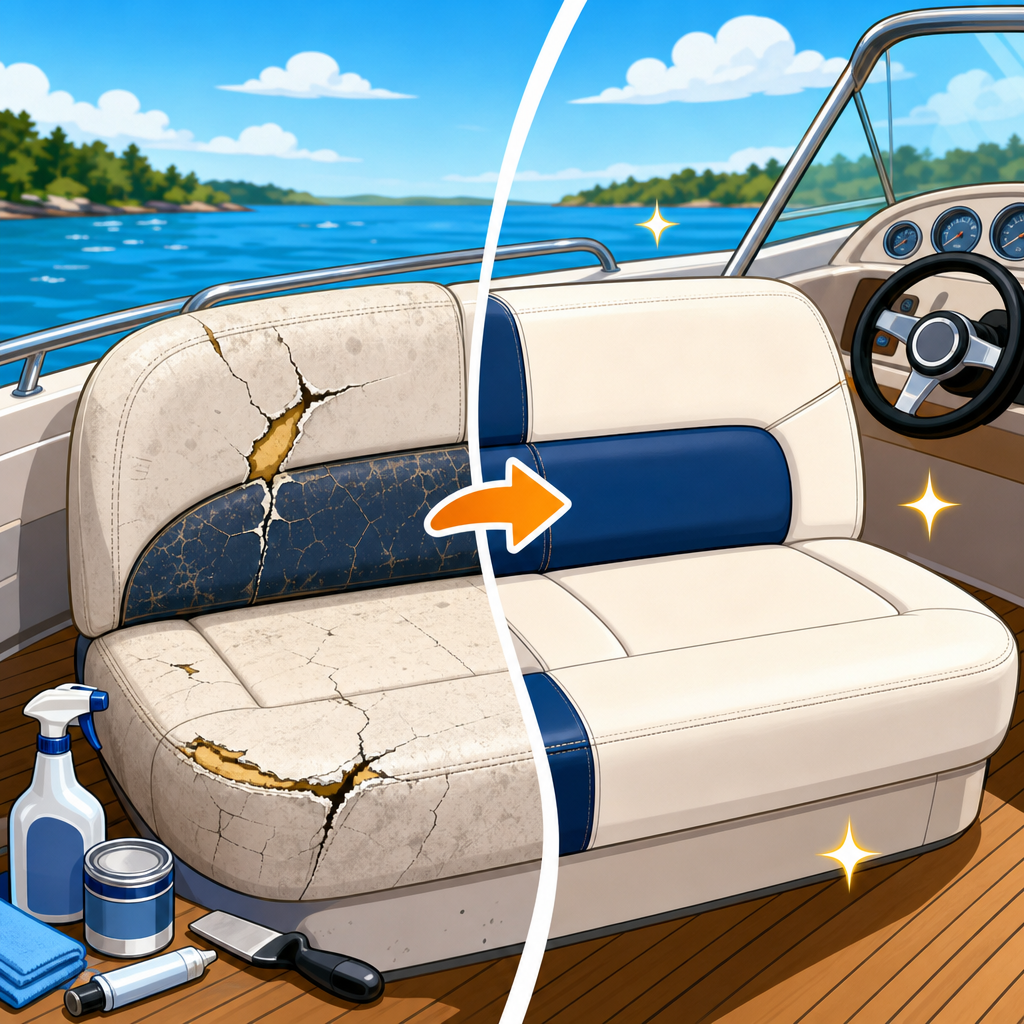
Boat seats and cushions fail long before the rest of the boat if deck and upholstery maintenance is ignored. Sun, salt, rain, fish slime, sunscreen, and constant flexing attack vinyl, stitching, foam, fasteners, and backing boards every season. I have repaired enough split helm seats, cracked sun pads, and mildew-soaked cockpit cushions to know that most damage starts small: a seam opens, a pinhole forms, water gets into the foam, and a manageable repair turns into a full rebuild. Fixing cracks and tears in boat seats and cushions matters because good upholstery protects comfort, resale value, safety, and the deck hardware beneath it. This guide explains how to assess damage, choose between repair and replacement, restore marine vinyl correctly, and build a practical deck and upholstery maintenance plan that extends the life of every cushion on board.
Assess the damage before choosing a repair
The first step in any boat seat repair is diagnosis, not glue. Surface cracks in marine vinyl are different from full-thickness tears, seam failures, foam collapse, or rotten seat bases. A repair that works on a two-inch split in a backrest will fail quickly if the underlying plywood is soft or if waterlogged foam keeps pushing moisture into the cover. When I inspect boat cushions, I press around the damaged area, check for discoloration, smell for mildew, and test whether the vinyl still has elasticity. If it feels brittle like dry plastic, patching may buy time, but replacement is usually the durable answer.
Look closely at where the damage sits. Cracks on the top of a sun pad usually come from ultraviolet exposure and heat cycling. Tears near corners often come from stress concentration where vinyl stretches over sharp edges. Open seams on leaning posts and bolster seats usually point to failed thread, often from UV degradation. If staples are rusted, backing boards are swollen, or the foam leaves moisture on your hand when compressed, the issue is not just cosmetic. Marine upholstery should shed water, dry quickly, and resist abrasion. Once the inside structure is compromised, covering the outside alone is a temporary fix.
A useful rule is this: repair localized damage when the vinyl around it is still flexible, the foam is dry, the seam construction is sound, and the substrate is solid. Replace the panel or the full cushion when damage is widespread, the material is chalky, there are multiple cracks radiating from one point, or the seat has already been repaired several times. This is the decision point that saves money. Small, targeted repairs can extend service life by one to three seasons. Trying to rescue a seat that has aged out often wastes materials and labor.
Use the right materials for marine upholstery repairs
Successful boat seat repair depends on using marine-grade materials rather than automotive or household substitutes. Marine vinyl includes mildew inhibitors, cold-crack resistance, and UV stabilizers that common vinyl does not match. For adhesives, I rely on products designed for flexible vinyl and foam, not brittle super glue. Vinyl repair kits can work for minor cracks and punctures, especially where appearance matters less than waterproofing, but they vary widely. The best kits include a flexible filler, grain paper, color compounds, and a heat-curing method. For larger tears, a backing patch bonded from behind with marine vinyl adhesive creates a stronger repair than surface filler alone.
Thread matters more than many owners realize. Standard polyester thread degrades in sun and salt much faster than PTFE thread, which is widely used in premium marine upholstery because it resists UV almost indefinitely. If you are restitching a seam, using low-grade thread means the surrounding seam may fail again even if the vinyl remains good. Foam selection matters too. Closed-cell foam resists water absorption but is firm and not ideal for every seat. Open-cell polyurethane foam is comfortable but must be paired with proper drainage and a moisture barrier strategy. Reticulated dry-fast foam is often the best middle ground for cockpit cushions exposed to repeated wetting.
The substrate under the upholstery is another common failure point. Plywood can work if it is exterior grade and fully sealed, but starboard-style marine board or composite backing panels last longer in wet environments. Stainless steel staples, Monel staples, and corrosion-resistant fasteners are not optional on boats. Ordinary steel staples rust, stain vinyl, loosen the cover, and eventually cut through the material. If you only remember one maintenance principle from this hub article, remember this: marine environments punish shortcuts faster than almost any other setting.
Fix small cracks, punctures, and surface tears correctly
For small cracks and punctures, the goal is to restore flexibility, seal out water, and keep the damage from spreading. Start by cleaning the area with mild soap and water, then a manufacturer-approved vinyl prep solvent. Avoid harsh degreasers, bleach, or acetone; they can dry the vinyl, strip plasticizers, and enlarge the damaged area. Once the surface is clean and dry, trim any lifted edges carefully with small scissors or a razor so the repair sits flat. If there is a hole, place a thin backing fabric under the opening. Many vinyl repair kits provide this piece because filler alone has no structure.
Apply flexible repair compound in thin layers, not one thick blob. Thick applications trap solvents, shrink unevenly, and crack when the cushion flexes. If the kit includes grain paper, match the surrounding texture as closely as possible while the top layer is still workable. Color matching is rarely perfect on weathered seats because sun exposure fades vinyl unevenly, but a close match on a small repair is usually far less noticeable than an untreated split. After curing, test the area by pressing and bending lightly. A good repair moves with the seat instead of feeling like a hard scab on top of it.
Owners often ask whether vinyl paint or refinishing products can hide repaired cracks. They can improve appearance on older cushions, but they are not structural fixes. If you use a marine vinyl coating after repair, apply it to the entire panel for a consistent finish and follow the prep steps exactly. Coatings fail quickly on sunscreen residue and mildew contamination. For high-flex areas such as seat fronts and bolster edges, patches and coatings should be viewed as service-life extenders, not permanent restorations. On premium boats or highly visible helm seating, replacing the panel often delivers a cleaner long-term result.
Repair larger tears, split seams, and damaged cushion panels
Larger tears require a stronger method than surface filler. If the tear is accessible from the underside, remove the cushion cover or open the nearest seam so you can install a backing patch behind the damaged panel. Cut a patch of matching marine vinyl with rounded corners, larger than the tear by at least one inch in every direction. Bond it behind the torn area with a flexible marine adhesive, then align the tear edges carefully and press them into place. In some cases, a top patch is acceptable on utility seating, but hidden backing repairs usually look better and resist peeling.
Seam failures should be repaired by sewing, not by adhesive alone. When thread has failed from UV exposure, the vinyl along the seam may still be usable. Re-stitch with the same hole line when possible to avoid perforating the material further, and use a walking-foot sewing machine if available because marine vinyl is thick and slippery. If the seam allowance has torn out or the vinyl has shrunk, replace the entire panel. This is where many seat repairs become upholstery jobs. Patterning the old panel, transferring the layout to new marine vinyl, and sewing in welting or pleats can restore the seat to near-factory appearance when done carefully.
| Damage type | Typical cause | Best repair approach | When replacement is better |
|---|---|---|---|
| Hairline cracking | UV exposure, drying | Clean, flexible filler, optional coating | Cracks cover most of the panel |
| Small puncture | Hook, tool, fastener | Backing fabric and vinyl compound | Foam is wet or torn underneath |
| Large tear | Stress, impact, brittle vinyl | Backing patch or panel replacement | Vinyl is stiff or split in multiple places |
| Open seam | UV-damaged thread, tension | Re-stitch with marine thread | Seam allowance has ripped out |
| Collapsed cushion | Foam fatigue, water intrusion | Replace foam and inspect cover | Base board is rotten too |
Seat panels mounted to bases deserve extra attention. If a captain’s chair or flip-up bolster has torn vinyl and loose hinges, fix the hardware at the same time. Movement at the frame puts repeated stress on the cover. I regularly find stripped screws, cracked plastic seat pans, and loose pedestal mounts causing upholstery failures that look like simple wear. Repairs last longest when mechanical causes are corrected before the new cover is stretched and stapled back into place.
Address foam, mildew, and backing board problems beneath the cover
Boat cushion repair often fails because the visible damage gets fixed while the hidden moisture problem remains. If foam is wet, compressed, or smells musty, replace it. Drying old foam in the sun may reduce odor temporarily, but once mildew colonizes deep inside, the smell often returns, especially in humid weather. Wet foam also keeps the vinyl cooler and damp underneath, which encourages mold growth on the surface and corrodes staples and seat hardware. Reticulated foam is worth the higher cost in many deck applications because it drains quickly and dries faster after rain or washdown.
Backing boards deserve equal scrutiny. Marine seats are commonly built on plywood, plastic, or composite. If plywood edges were never sealed, water enters through staple holes and cutouts, causing swelling and rot. The classic symptom is a seat that feels soft around fasteners even though the foam seems fine. Replace rotten boards, seal all edges if using plywood, and pre-plan drainage so water does not pool between the cushion and deck. Ventilation mesh under removable cushions can help reduce trapped moisture on boats kept covered for long periods.
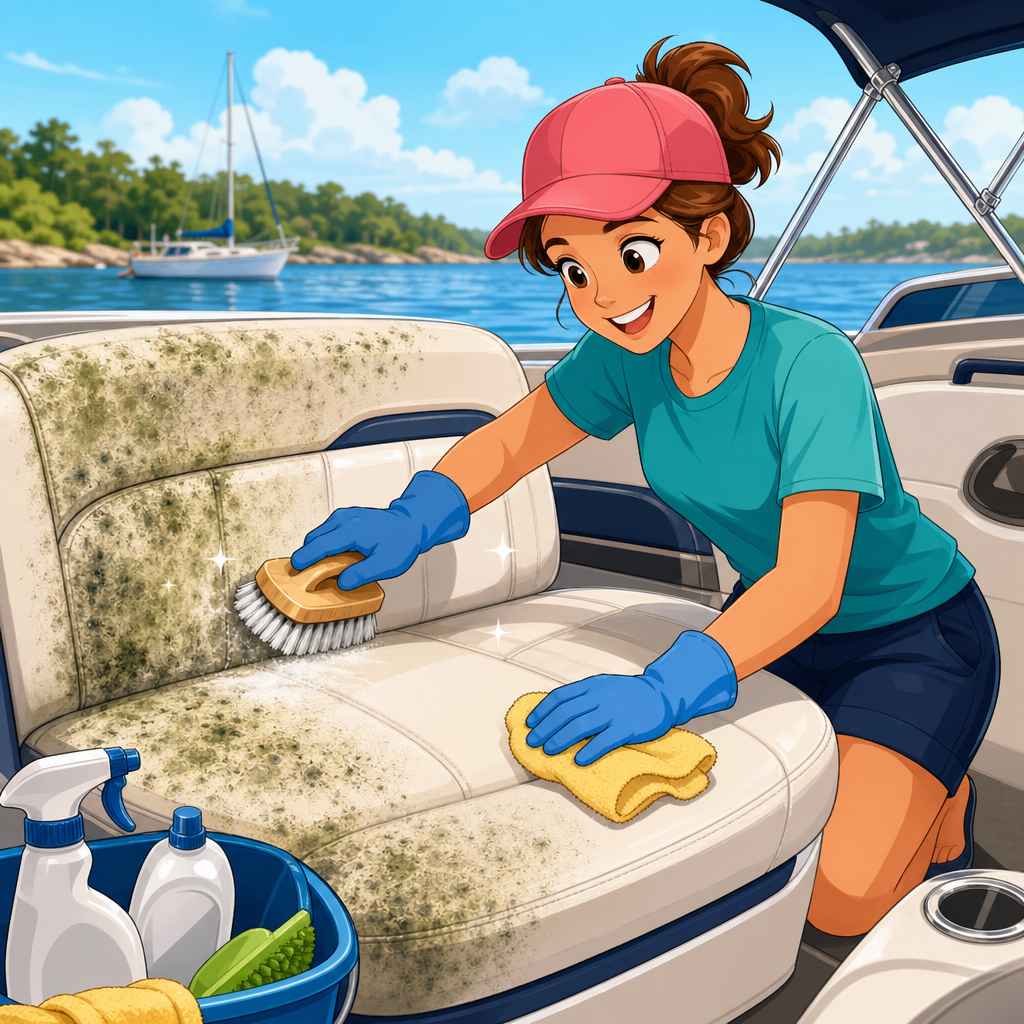
Mildew removal should be effective without damaging the material. Use a marine mildew cleaner approved for vinyl, test in an inconspicuous area, and rinse thoroughly. Strong chlorine solutions can whiten stitching, weaken thread, and strip color from some vinyl surfaces. Enzyme-based odor treatments can help after foam replacement when mildew odor has migrated to adjacent compartments. Prevention is better than remediation: ventilate storage, remove cushions when practical, and avoid sealing damp upholstery under tight covers at the end of the day.
Build a deck and upholstery maintenance routine that prevents repeat damage
Deck and upholstery maintenance is the broader system that keeps boat seat repairs from becoming a yearly expense. Clean vinyl regularly with pH-neutral soap, fresh water, and a soft brush. Wipe sunscreen spills promptly; many lotions stain and accelerate plasticizer loss. Use a marine vinyl protectant with UV inhibitors, but avoid greasy dressings that leave the surface slick and attract dirt. On non-skid decks around upholstered areas, rinse away salt crystals and abrasive grit because these particles grind into seat edges when passengers slide in and out.
Inspect seams, hinges, snaps, and pedestal mounts at least monthly during heavy use. Small issues become upholstery failures when hardware starts moving. Tighten loose screws, replace missing rubber bumpers, and correct misaligned latch points that force cushions to twist as they close. If your boat uses removable backrests or filler cushions, label their locations and store them flat. Stacking them on corners creates pressure marks and can crack vinyl in hot weather. During winter layup, clean and dry every cushion thoroughly, elevate them off cold concrete, and maintain airflow around stored pieces.
This hub page connects naturally to related work across boat maintenance and repairs. Owners dealing with seat damage often also need guidance on mold removal, deck hardware rebedding, gelcoat cleaning around seating bases, canvas care, and hatch leak diagnosis. Treat upholstery as part of the deck system, not a separate cosmetic item. Most recurring cushion problems start with water management, UV exposure, and neglected mounting hardware. When those causes are controlled, even repaired seats last noticeably longer.
Know when professional upholstery service is the smart choice
Some boat upholstery repairs are excellent do-it-yourself projects, especially small cracks, isolated punctures, and basic cushion recover jobs on simple rectangular bases. Professional help is the better choice when the seat has complex contours, embossed panels, French seams, logos, integrated bolsters, or matching requirements across the whole cockpit. Marine upholsterers use walking-foot machines, steamers, hog-ring tools, patterning materials, and commercial vinyls that are difficult to replicate with home equipment. They also know how to tension covers without creating stress points that lead to early splitting.
Cost should be weighed against lifespan, not just the immediate bill. A low-cost patch on severely aged vinyl may look acceptable for a few months and then fail mid-season. A professionally rebuilt cushion with new foam, marine vinyl, PTFE thread, sealed backing, and stainless fasteners can last many years if maintained. Get estimates that separate foam replacement, cover fabrication, hardware repair, and installation so you can compare value accurately. Ask what vinyl brand will be used, what thread is specified, and whether the shop warranties seam work. Clear answers usually indicate a shop that understands marine service conditions rather than treating the job like indoor furniture.
Cracks and tears in boat seats and cushions are rarely just cosmetic problems. They are early warnings that sun, moisture, movement, and age are affecting the entire deck and upholstery system. The most effective fix starts with accurate diagnosis: identify whether you are dealing with a surface crack, a structural tear, failed stitching, wet foam, or a rotten backing board. Then match the repair method to the damage. Small cracks respond well to careful cleaning, flexible filler, and proper curing. Larger tears need backing support or full panel replacement. Open seams demand marine-grade thread and correct sewing, while mildew and collapsed foam require work beneath the cover, not just on top of it.
The long-term benefit of proper boat seat repair is not only a better-looking cockpit. You get drier cushions, fewer odors, safer seating, stronger resale appeal, and lower total maintenance cost over time. Consistent deck and upholstery maintenance makes that possible. Clean gently but regularly, protect vinyl from UV, inspect hardware before it starts shifting, improve drainage, and store cushions so they can dry and breathe. If the materials are too far gone, replace them with marine-grade vinyl, quality foam, sealed backing boards, and corrosion-resistant fasteners instead of repeating short-term fixes.
Use this hub as your starting point for every deck and upholstery maintenance decision. Inspect your seats this week, repair small damage before it spreads, and make a seasonal plan that keeps your boat’s cushions comfortable, clean, and serviceable for years.
Frequently Asked Questions
What causes cracks and tears in boat seats and cushions in the first place?
Most cracks and tears in boat upholstery do not happen overnight. They usually begin with a combination of sun exposure, moisture, contamination, and repeated flexing. Marine vinyl is constantly expanding and contracting in the heat, then cooling off at night, and that cycle slowly dries the surface and makes it brittle. Add salt, rain, sunscreen, fish slime, cleaning chemicals, and abrasion from people climbing in and out, and the outer layer starts to weaken. Small stress points often show up first along seams, corners, hinge areas, and high-traffic spots like helm seats and leaning posts.
Once the vinyl is compromised, water can get through pinholes, seam gaps, or small surface splits and soak into the foam underneath. That is when minor cosmetic damage becomes a more serious upholstery problem. Wet foam can hold odor, mildew, and bacteria, and if the seat base uses plywood or backing board, trapped moisture can also rot the structure from the inside. In many cases, what looks like a simple top-surface crack is really the visible sign of deeper deterioration below. That is why catching damage early matters so much. A tiny split that is cleaned, dried, and repaired promptly may stay manageable, while the same split ignored for one season can turn into a full panel replacement or complete seat rebuild.
Can cracked or torn boat seat vinyl really be repaired, or does it always need to be replaced?
Many boat seat cracks and tears can be repaired successfully, but not every damaged cushion is a good candidate for a simple patch. Small cracks, punctures, seam separations, and short tears in otherwise healthy marine vinyl are often repairable with a quality marine-grade vinyl repair kit, flexible adhesive, patch material, or color-matched filler. If the surrounding vinyl still has some flexibility and the foam underneath is dry and supportive, a repair can buy you meaningful time and restore the appearance well enough for everyday use.
Replacement becomes the better option when the vinyl is brittle across a large area, when multiple cracks are forming at once, when the backing or stitching has failed, or when the foam is waterlogged, moldy, or collapsing. Another warning sign is when a tear sits in a high-load area, such as the front edge of a helm seat or the hinge point of a flip-up bolster, where the material is under constant tension. In those spots, a surface repair may look good briefly but fail quickly if the underlying stress is not corrected. The most practical way to decide is to inspect the entire cushion, not just the visible tear. If the damage is isolated, repair is often worthwhile. If the seat is generally aged out, recovering or rebuilding it is usually the smarter and longer-lasting investment.
How do you properly fix a small crack or tear in a boat seat cushion?
The right repair starts with preparation, not adhesive. First, clean the damaged area thoroughly using a marine-safe vinyl cleaner to remove sunscreen residue, salt, fish slime, mildew film, and body oils. Then dry the seat completely. Any moisture trapped in or under the vinyl can interfere with adhesion and lead to a repair that peels or bubbles later. If the tear has allowed water into the foam, the cushion should be opened or otherwise dried before sealing the surface. Repairing wet foam is one of the most common mistakes because it locks moisture inside and accelerates mildew and internal breakdown.
After cleaning and drying, trim any frayed edges carefully so the repair area is stable. For a small split, use a marine vinyl adhesive or repair compound designed to remain flexible. For a larger tear, a sub-patch placed behind the damaged vinyl helps support the repair and reduces stress on the seam line. Then apply the repair material according to the manufacturer’s instructions, keeping the surface level and smooth. Color matching matters if the seat is visible, but durability matters more than a perfect cosmetic blend. Once cured, the repaired area should be protected with a UV vinyl protectant to slow future drying and cracking. The key is to think beyond simply covering the damage. A proper repair addresses contamination, moisture, support, and flexibility so the seat holds up in real marine conditions.
When is a DIY repair enough, and when should you call a marine upholstery professional?
A do-it-yourself repair is usually appropriate when the damage is limited, the seat structure is still sound, and you are dealing with a straightforward issue such as a small puncture, a short tear, or an early seam split. If the foam feels firm, the vinyl around the damage is still supple, and the seat base shows no signs of softness, swelling, or rot, a DIY approach can work well. It is especially practical for older fishing boats, utility boats, and working areas where function matters more than showroom appearance. A careful owner using the right marine products can often stop damage from spreading and get several more seasons out of a cushion.
You should consider a professional when the seat has multiple failures, complex contours, decorative stitching, embossed panels, or structural issues under the upholstery. Professional help is also the better choice if the foam is soaked, the plywood or plastic backing is damaged, staples and fasteners are rusted out, or the original panel needs to be pattern-matched and re-sewn. On premium boats, visible seating areas benefit from professional color matching, seam construction, and marine-grade material selection. In short, DIY is great for early intervention and contained repairs. A professional is worth it when longevity, appearance, or hidden structural damage becomes part of the equation.
How can you prevent boat seat cracks, tears, and cushion damage from coming back after the repair?
Prevention comes down to reducing the constant abuse that marine upholstery takes every season. The most important step is routine cleaning. Salt, grime, sunscreen, bait residue, and mildew feed surface breakdown and can work their way into seams and texture grain. Wash seats regularly with a cleaner made for marine vinyl, rinse thoroughly, and let them dry completely. After cleaning, apply a UV protectant that is safe for boat upholstery. Sun exposure is one of the biggest causes of hardening and cracking, so shielding the material from ultraviolet damage dramatically extends seat life.
Storage and moisture control matter just as much. Use boat covers, seat covers, or at least shaded storage whenever possible. Make sure water is not pooling on cushions, and do not leave damaged seams open where rain can wick into the foam. If a cushion gets soaked, dry it fully instead of letting it stay damp between trips. Also inspect stitching, staple lines, hinges, and mounting points a few times each season. Most major failures start as small ones, and early signs are easy to miss unless you are looking for them. If you catch a pinhole, loose seam, or small crack early, you can clean it, seal it, and prevent a manageable repair from turning into a full upholstery replacement. Consistent maintenance is what keeps boat seats and cushions from failing long before the rest of the boat does.