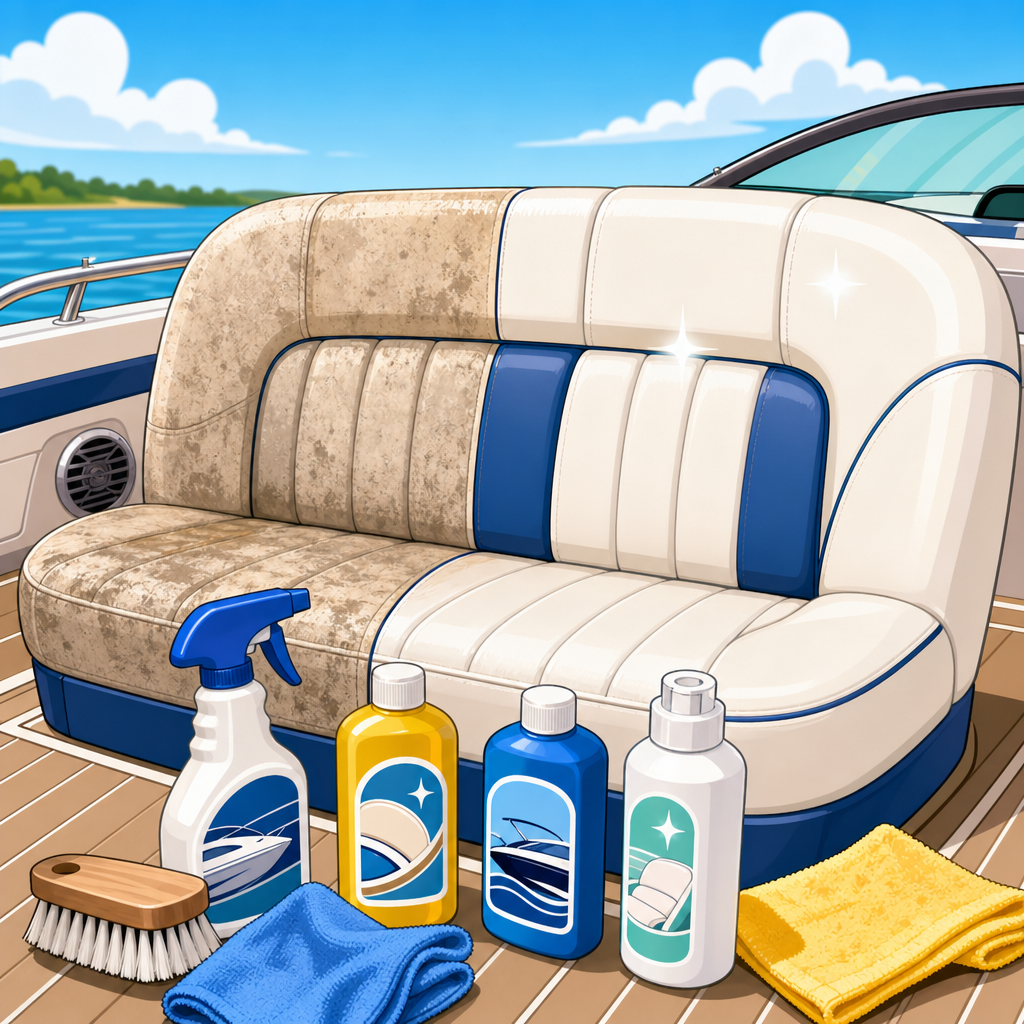
Best vinyl cleaners for restoring faded boat seats are the products and methods that remove embedded grime, body oils, sunscreen residue, mildew staining, and light oxidation without stripping plasticizers or damaging marine-grade upholstery. In boat maintenance, that distinction matters. Many seats look faded when they are actually coated with salt, oxidation, and ground-in dirt; others are truly degraded by ultraviolet exposure, heat cycling, and neglected protectant. I have cleaned cockpit cushions, helm seats, bolsters, and sun pads on fishing boats, wake boats, pontoons, and center consoles, and the same lesson repeats: the right cleaner can dramatically improve color, texture, and lifespan, but no cleaner can reverse cracked vinyl or rebuild material that has lost its topcoat.
This guide serves as a hub for deck and upholstery maintenance within a broader boat maintenance and repairs plan. That means it does more than list products. It explains how to evaluate faded boat seats, choose a cleaner by soil type, use safe tools, and know when cleaning should be paired with protectants, mildew treatment, seam repair, or full reupholstery. Marine vinyl is engineered differently from household upholstery. It usually includes mildew inhibitors, UV stabilizers, embossed top surfaces, and stitched or heat-sealed seams designed for wet environments. Yet it still fails quickly when owners use bleach-heavy mixes, stiff brushes, magic-eraser-style abrasion, or petroleum dressings that leave the surface brittle or slippery.
If you want the short answer, the best vinyl cleaners for restoring faded boat seats are pH-balanced marine vinyl cleaners, dedicated mildew stain removers made for marine upholstery, and gentle all-purpose cleaners diluted correctly for routine maintenance. Leading options include 303 Marine Multi-Surface Cleaner, Meguiar’s Marine/RV Vinyl & Rubber Cleaner/Protectant used with proper cleaning prep, Star brite Vinyl Cleaners, Babe’s Seat Soap, and Boat Bling products designed for marine interiors. For severe mildew staining, targeted products from Star brite or 3M often outperform general cleaners. The best choice depends on whether the seat is dull from dirt, spotted by mildew, greasy from sunscreen, or genuinely sun-faded. Understanding that difference saves time, money, and upholstery.
How to tell whether boat seats are dirty, mildewed, oxidized, or permanently faded
Before buying any vinyl cleaner, diagnose the problem. Dirt and sunscreen buildup create a gray or tan cast that makes white and pastel seats look faded. Mildew often appears as black, brown, pink, or yellow specks, especially in seams, piping, and under cushions where ventilation is poor. Oxidation is less obvious: the surface loses richness, feels chalky, and may look uneven after drying. Permanent UV fading usually shows up on top-facing panels while side panels remain deeper in color. If the top surface is cracked, flaking, or sticky, cleaning will improve appearance only slightly because the material itself has degraded.
The fastest test is a controlled spot clean. Choose a hidden area, rinse with fresh water, spray a marine vinyl cleaner, let it dwell for the label-recommended time, then agitate lightly with a soft bristle brush or microfiber towel. If color returns evenly, the seat was dirty. If black specks remain but lighten, mildew is the main issue and needs a targeted mildew stain remover. If the area cleans but still looks flat compared with a protected section under a cushion, UV fading is likely. I also look at stitching and substrate condition. If thread is brittle or foam is waterlogged, cleaning alone is not the repair priority.
This inspection step matters because harsh products are often chosen out of frustration. Owners see faded boat seats, reach for bleach, acetone, household degreasers, or abrasive pads, and permanently damage the embossed grain. Marine upholstery manufacturers such as Spradling and Morbern publish care guidance that consistently favors mild soap, approved vinyl cleaners, soft brushes, and non-abrasive cloths. Their logic is simple: marine vinyl relies on a protective top finish. Once you scour through that finish, the seat soils faster, loses stain resistance, and ages more quickly under sun and salt exposure.
What makes a vinyl cleaner effective on marine upholstery
The best vinyl cleaner for boat seats balances cleaning strength with material safety. Effective formulas use surfactants to lift oils and grime, chelating agents to handle mineral residue, and controlled solvents that break down stubborn contamination without swelling or drying the vinyl. On boats, salt spray, fish slime, spilled drinks, tanning products, and engine soot create layered soil. A good marine vinyl cleaner has enough dwell time to loosen that buildup and enough lubricity to let a brush move across the grain without scuffing it.
pH balance matters more than most owners realize. Extremely alkaline cleaners can strip protectants and weaken stitching over time. Acidic products can stain surrounding materials and are unnecessary for routine upholstery care. That is why established marine brands formulate separate products for vinyl, mildew stains, non-skid decks, and metal polishing. One bottle should not do everything. The cleaner that safely removes sunscreen from a bolster is not the same chemistry you want for waterline stains or teak brightening.
Foam behavior also tells you something. Thin, runny cleaners evaporate quickly on hot seats and reduce dwell time. Clinging sprays and gels work better on vertical seat backs and stitched contours. Fragrance is irrelevant; residue is not. If a cleaner leaves a glossy dressing behind, it may temporarily deepen color, but it can also attract dirt and make seating slippery. In my experience, the best restoration result comes from a two-step process: first clean thoroughly, then apply a separate marine UV protectant after the surface is dry.
| Cleaner type | Best use | Strengths | Limitations |
|---|---|---|---|
| pH-balanced marine vinyl cleaner | Routine soil, body oils, salt film | Safe for frequent use, preserves finish | May not remove heavy mildew stains alone |
| Marine mildew stain remover | Black, pink, or yellow spotting | Targets biological staining quickly | Needs careful rinsing and spot testing |
| Vinyl cleaner with protectant | Light cleaning plus short-term UV defense | Convenient for maintenance | Usually weaker on deep grime |
| All-purpose marine cleaner, diluted | Mixed dirt on adjacent surfaces | Versatile around cockpit areas | Not always ideal for dedicated upholstery restoration |
Best vinyl cleaners for restoring faded boat seats: top product categories and standout options
For routine restoration cleaning, 303 Marine Multi-Surface Cleaner is one of the safest and most consistent choices. It cuts sunscreen residue, grime, and general staining without leaving a slick dressing, which is useful when you plan to follow with 303 Aerospace Protectant or a marine-specific UV treatment. On newer upholstery or premium seats with textured grain, this type of cleaner is where I start because it gives a clear read on how much discoloration is dirt versus permanent fading.
Star brite offers several vinyl-focused cleaners, and the lineup is useful because it separates general vinyl cleaning from mildew stain removal. Their regular vinyl cleaner works well on routine buildup, while the mildew stain remover is better for older pontoon lounges and aft benches that stay damp under covers. Meguiar’s Marine/RV Vinyl & Rubber Cleaner/Protectant is a solid maintenance product when seats are not heavily contaminated. It is convenient, readily available, and leaves a finished look, though for serious restoration I usually prefer a standalone cleaner first and a protectant second. Babe’s Seat Soap is another dependable option, especially for owners who clean regularly and want a product gentle enough for repeated use on tow boat upholstery.
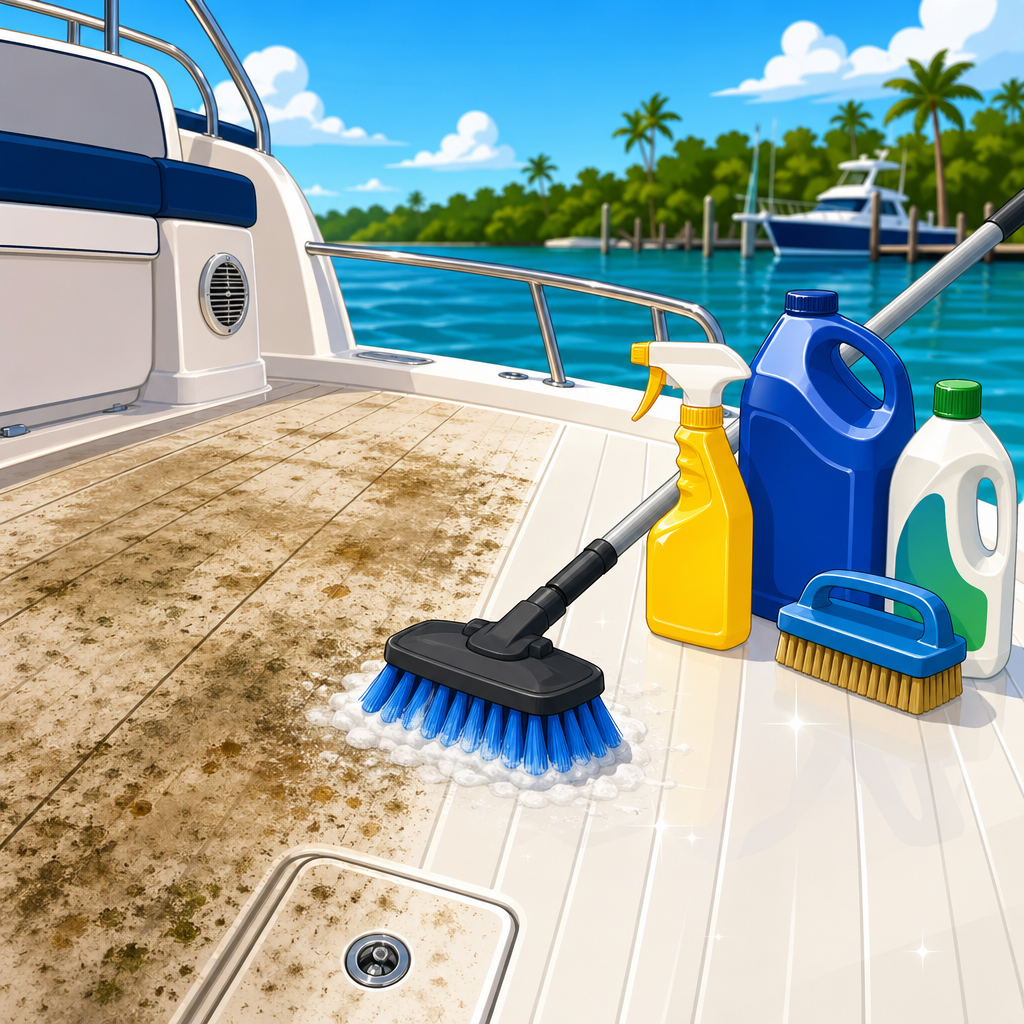
For heavily neglected interiors, 3M marine cleaning products and certain professional-detailing APCs diluted carefully can help, but this is where judgment matters. Stronger products can pull impressive dirt from white vinyl, yet repeated aggressive cleaning shortens material life. If you are buying one system, choose a gentle cleaner, a mildew-specific remover, soft brushes, microfiber towels, and a high-quality protectant. That setup handles most deck and upholstery maintenance needs and links naturally with related work such as cover ventilation, seam inspection, storage moisture control, and non-skid deck wash routines.
How to clean faded boat seats without causing more damage
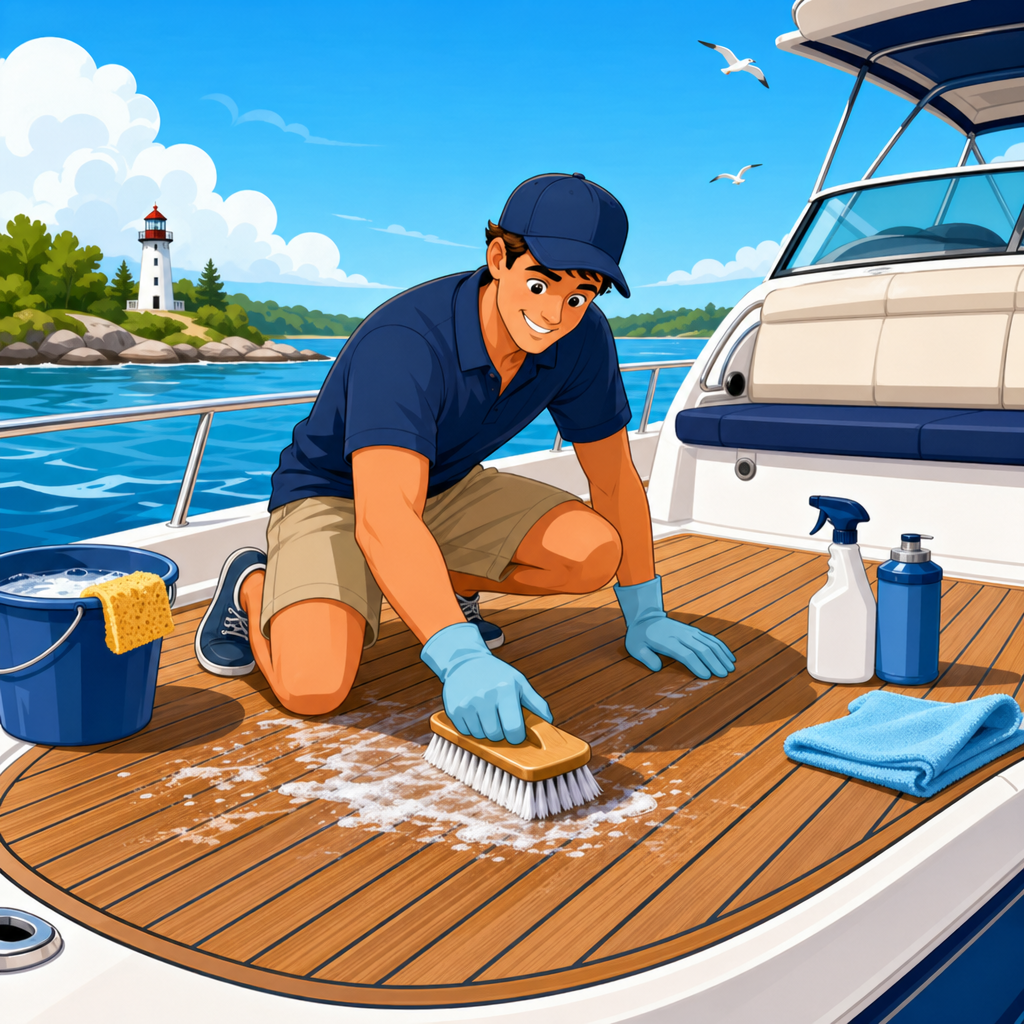
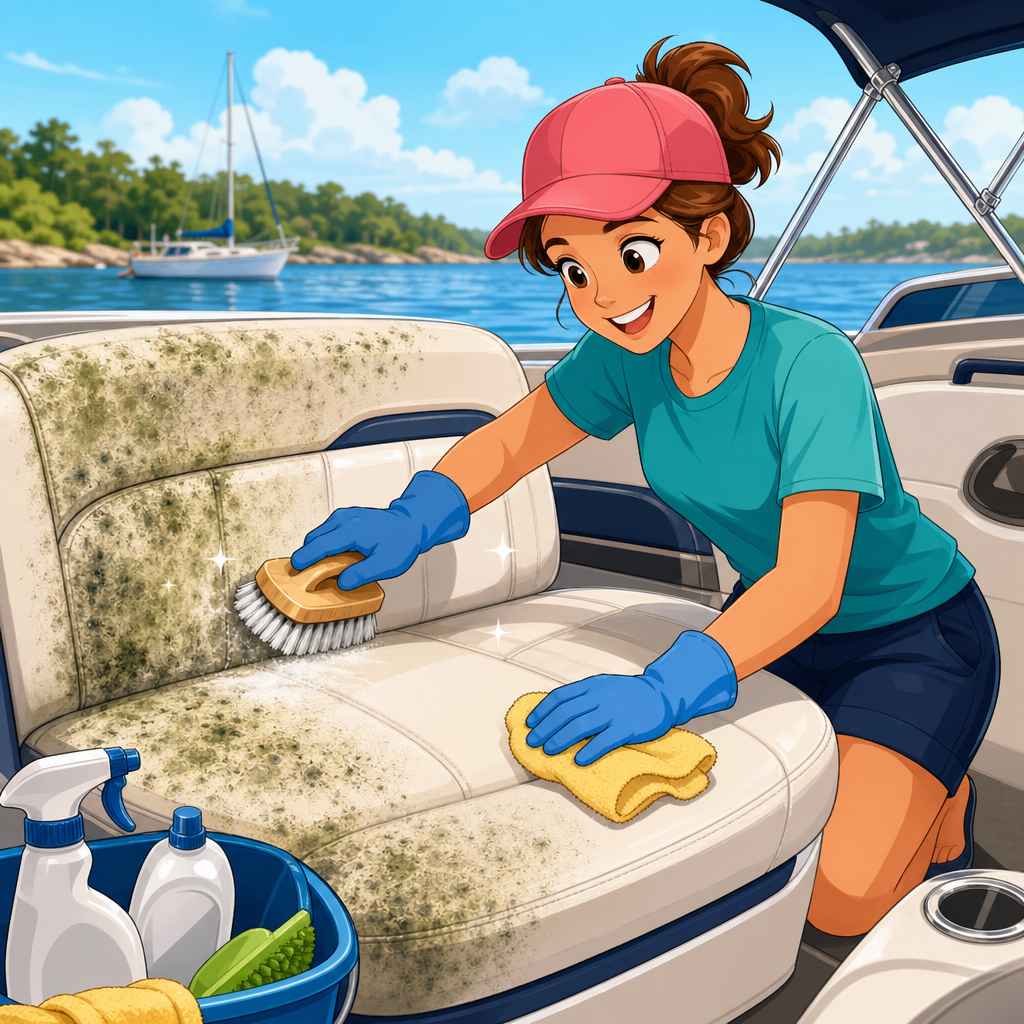
Start by cooling the upholstery. Cleaning hot vinyl in direct sun causes products to flash too quickly and increases blotching. Rinse seats with fresh water to remove salt crystals and loose grit. Spray the cleaner onto a towel or directly onto the seat depending on label instructions, then work in small sections. Use a soft horsehair-style or flagged synthetic detailing brush, not a stiff deck brush. Agitate with light pressure, paying attention to seams, welting, and textured grain where dirt hides.
Let the cleaner dwell for the recommended time, but do not allow it to dry. Wipe with a damp microfiber, then rinse lightly or wipe again with clean water to remove residue. For stubborn areas, repeat instead of scrubbing harder. Mildew stains usually need a dedicated second step. Apply the mildew remover to the affected area, allow short dwell time, gently agitate, and rinse thoroughly. On older seats, I always test a hidden spot first because previous coatings, aftermarket dyes, and bargain upholstery replacements can react unpredictably.
After the seat dries fully, inspect under natural light. If color improved but still looks uneven, repeat with a milder second pass before escalating chemistry. Once clean, apply a non-greasy UV protectant according to directions. This is critical in deck and upholstery maintenance because UV exposure is what turns a successful cleaning job into a short-lived result if the surface is left unprotected. Recleaning every few weeks in season is easier and safer than trying to rescue deeply neglected vinyl once or twice a year.
When cleaners are not enough: restoration limits, repair options, and maintenance planning
Even the best vinyl cleaners for restoring faded boat seats cannot fix structural failure. If the surface is cracking, if the color coat has worn through, or if the vinyl feels hard and brittle, replacement or professional reupholstery is the correct solution. The same is true when mildew returns immediately because the foam and backing are saturated. In those cases, cleaning the visible surface treats the symptom, not the cause. You need to address ventilation, cover fit, drainage, and storage moisture before installing new upholstery.
For moderate cosmetic fading, some owners consider vinyl dyes or marine color restoration products. These can work, but they are not cleaners and they require careful prep, adhesion compatibility, and realistic expectations. A recoloring product may improve appearance on older helm seats, yet it will not perform like factory-finished marine vinyl if the substrate is already failing. I recommend them only after thorough cleaning and only when replacement is not yet justified. If you go that route, follow the upholstery manufacturer’s surface prep guidance and keep the boat covered and ventilated afterward.
The most effective long-term plan is simple. Wash seats with fresh water after use, especially in saltwater. Clean monthly during peak season with a marine vinyl cleaner. Treat mildew at first appearance. Apply UV protectant regularly. Keep cockpit covers tight but ventilated, and never store wet towels, life jackets, or fenders on seats for extended periods. If you are building out a complete boat maintenance and repairs schedule, deck and upholstery maintenance belongs beside hull washing, canvas care, bilge drying, and hardware corrosion checks. Start with one high-quality cleaner, use it correctly, and your boat seats will stay brighter, softer, and more valuable for years.
Frequently Asked Questions
What is the best vinyl cleaner for restoring faded boat seats without causing damage?
The best vinyl cleaner for faded boat seats is one specifically formulated for marine-grade vinyl and designed to remove oils, sunscreen buildup, salt residue, mildew staining, and embedded dirt without drying the material out. That matters because many harsh household cleaners, degreasers, bleach-based products, and strong solvents can strip away plasticizers that keep vinyl flexible. Once that happens, seats may look cleaner at first, but they often become stiffer, more prone to cracking, and harder to protect over time.
In practical terms, the right cleaner is usually a pH-balanced or marine-safe vinyl cleaner that lifts contamination from the grain instead of aggressively attacking the surface. Seats that appear faded are often not truly color-faded at all; they may just be coated with oxidation, body oils, lake grime, and old protectant residue. A good cleaner can dramatically improve appearance by exposing the original finish underneath. If there is only light oxidation or surface dullness, a dedicated vinyl cleaner followed by a marine UV protectant can make the seats look noticeably richer and more even in color.
It is also smart to choose a cleaner based on the condition of the upholstery. For routine maintenance, a mild vinyl cleaner is ideal. For neglected seats with deep grime or mildew spotting, a stronger marine vinyl cleaner may be needed, but it should still be labeled safe for boat upholstery. The safest approach is to test any product on a small hidden area first, use a soft brush or microfiber towel, and avoid over-scrubbing seams. In short, the best product is not the strongest one on the shelf; it is the one that cleans thoroughly while preserving flexibility, finish, and long-term durability.
Can vinyl cleaner actually restore faded boat seats, or is the fading permanent?
Vinyl cleaner can restore the look of boat seats when the “fading” is really contamination, oxidation, or residue buildup rather than true material breakdown. This is extremely common on boats. Seats are exposed to sunscreen, sweat, fish slime, salt spray, humidity, airborne pollution, mildew, and constant sun. Over time, those layers sit in the texture of the vinyl and create a chalky, gray, or uneven appearance that mimics permanent fading. In those cases, a proper deep cleaning can produce a surprisingly dramatic improvement.
However, there is a limit to what cleaners can do. If the vinyl has been genuinely degraded by years of ultraviolet exposure, heat cycling, and neglect, the pigment and top surface may already be compromised. Signs of true irreversible damage include hardening, cracking, flaking, rough texture, split seams, or areas where the finish has worn thin. A cleaner can remove dirt and make those seats look somewhat better, but it cannot rebuild lost color or structural integrity. At that stage, restoration may require a vinyl recoloring product, repair kit, or full reupholstery depending on severity.
The best way to tell the difference is to clean a small section thoroughly and compare it to an untreated area. If the cleaned section becomes brighter, smoother, and more uniform, you are likely dealing with surface contamination and light oxidation. If there is little improvement and the material still looks flat, brittle, or patchy, the fading is probably permanent. Even then, cleaning is still worthwhile because it prepares the surface for protectants or repair products and helps prevent further deterioration.
How should I clean boat vinyl seats step by step for the best restoration results?
Start by removing loose debris with a dry microfiber towel or a soft vacuum brush attachment. This step is often overlooked, but it prevents grit from being ground into the vinyl during cleaning. Once the surface is free of crumbs, sand, and dust, spray the vinyl cleaner onto a towel or directly onto the seat according to the product instructions. Work one small section at a time so the cleaner does not dry before you can agitate it properly.
Use a soft-bristle brush or microfiber cloth to gently work the cleaner into the textured grain. Focus on high-contact zones such as seat bottoms, bolsters, and backrests where body oils and sunscreen tend to accumulate. For stubborn dirt, let the cleaner dwell briefly, but do not let it bake in direct sunlight. Wipe away the loosened residue with a clean damp cloth, then follow with a dry microfiber towel. If the seats are heavily soiled, a second cleaning pass is often more effective and safer than trying to scrub aggressively during the first pass.
After the vinyl is fully clean and dry, inspect the surface in good light. If the color looks more even and the material feels cleaner but not tacky, apply a marine-safe vinyl protectant with UV inhibitors. This is a key step in the restoration process because cleaning alone removes grime but does not shield the vinyl from future sun exposure. Choose a protectant that leaves a natural finish rather than a greasy shine, since overly slick products can attract dirt and make seats uncomfortable. With proper cleaning, gentle tools, and consistent protection, you get the best chance of restoring the appearance of faded boat seats while extending their lifespan.
What cleaners or methods should I avoid when trying to restore marine vinyl upholstery?
Avoid harsh all-purpose degreasers, straight bleach, strong solvents, acetone, lacquer thinner, and abrasive powders. These may seem effective because they cut through grime quickly, but they can also dry the vinyl, weaken stitching, damage the protective topcoat, and accelerate cracking. Marine upholstery is built to handle moisture and sun, but it is still vulnerable to chemical abuse. If a cleaner feels overly aggressive on your skin or has a strong solvent smell, it is usually not a good match for routine vinyl care.
You should also be cautious with magic eraser-style melamine pads and stiff brushes. These can work on some stubborn stains, but they do so by mechanically abrading the surface. On textured marine vinyl, repeated use can dull the finish, alter the grain, and remove protective layers. The same goes for pressure washers used too closely or steam applied too aggressively. Excessive force may drive moisture into seams and foam, leading to mildew issues beneath the surface or premature seam failure.
Another common mistake is mixing cleaners or using homemade combinations without knowing how they interact with vinyl. Products that are safe individually may become too harsh when combined. It is also best to avoid applying dressings that leave a heavy, oily, or glossy coating. Those products can attract dust, make seats slippery, and sometimes trap heat in direct sun. The safest restoration method is simple: use a marine-labeled vinyl cleaner, soft tools, careful spot testing, and a quality UV protectant afterward.
How often should boat seats be cleaned and protected to prevent fading and keep vinyl looking new?
For most boats, vinyl seats should be wiped down after each outing and cleaned more thoroughly every few weeks during the boating season. If your boat sees heavy use, saltwater exposure, intense sun, or frequent contact with sunscreen and food spills, more frequent cleaning is a good idea. Light, regular maintenance is much easier on vinyl than waiting until stains, oxidation, and embedded grime become obvious. A quick post-trip wipe can remove salt, moisture, and oils before they settle into the surface and create the dull, faded look many owners notice later.
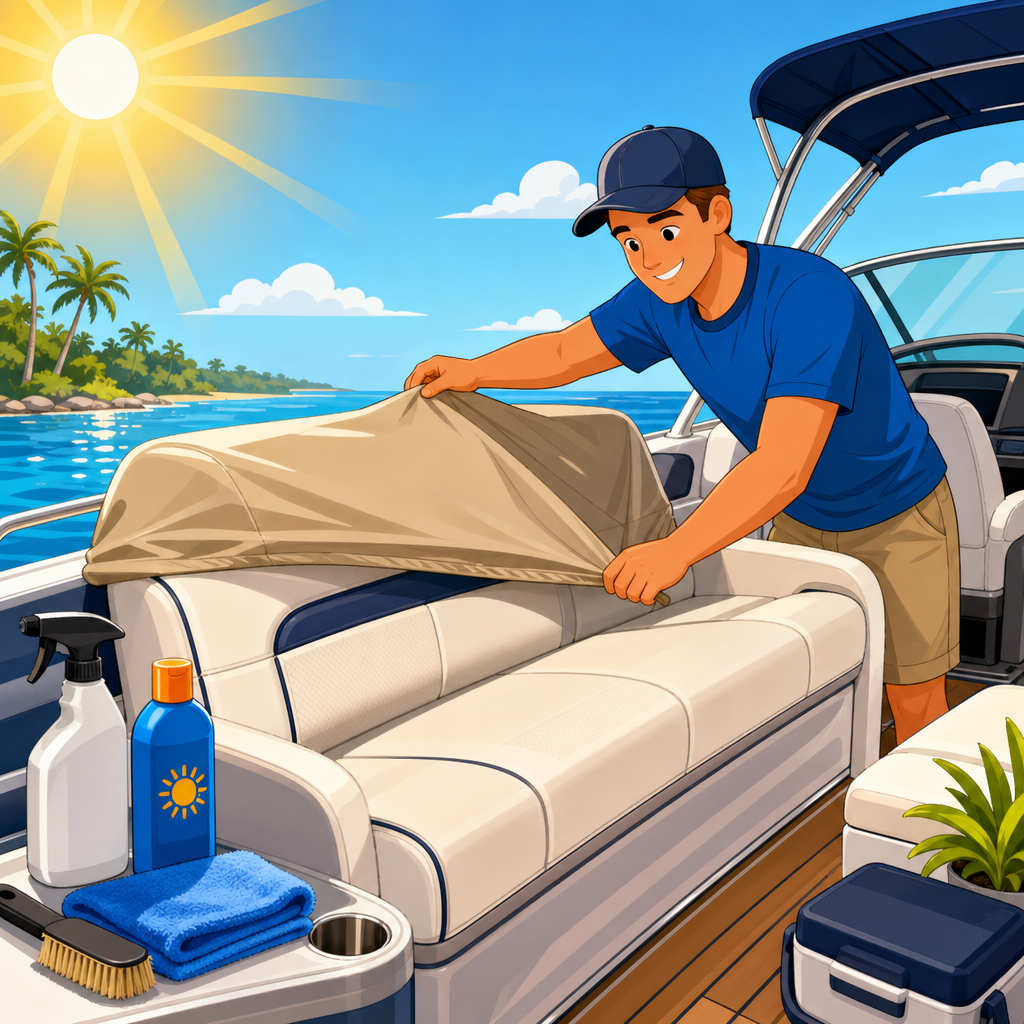
Protectant should generally be reapplied every few weeks in peak season, or according to the product label, especially on boats stored outdoors. UV exposure is one of the biggest reasons marine vinyl ages prematurely. Even the best cleaner cannot compensate for prolonged sun damage if the seats are never protected. If your boat is uncovered or stored in a hot climate, using a breathable cover and reapplying UV protection consistently can make a major difference in color retention and flexibility.
Seasonal deep cleaning is also important. At the start and end of the boating season, do a more detailed cleaning that includes seams, undersides of cushions, and overlooked corners where mildew can begin. Addressing residue early helps preserve the original finish and reduces the need for aggressive restoration later. In other words, the best strategy for keeping boat seats looking new is not occasional heavy scrubbing; it is steady, preventive care with the right marine vinyl cleaner and protectant.