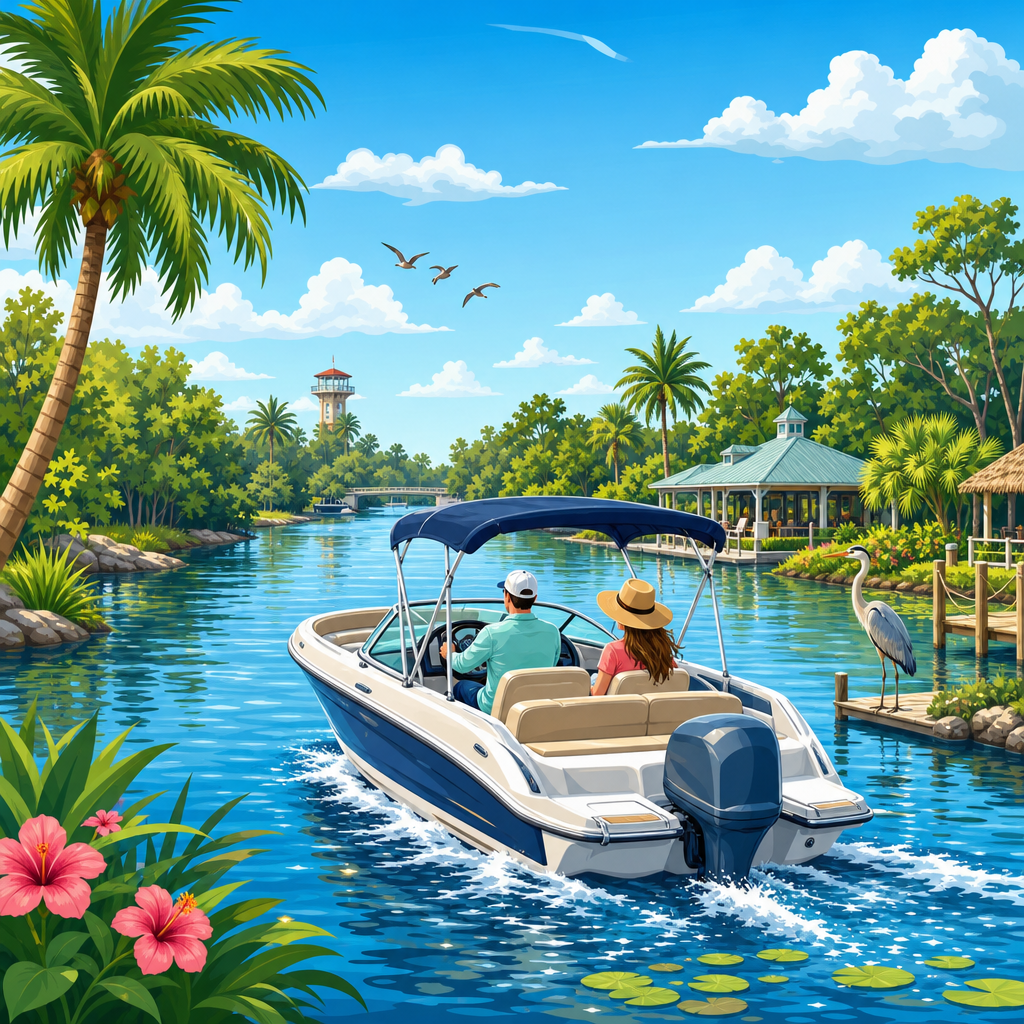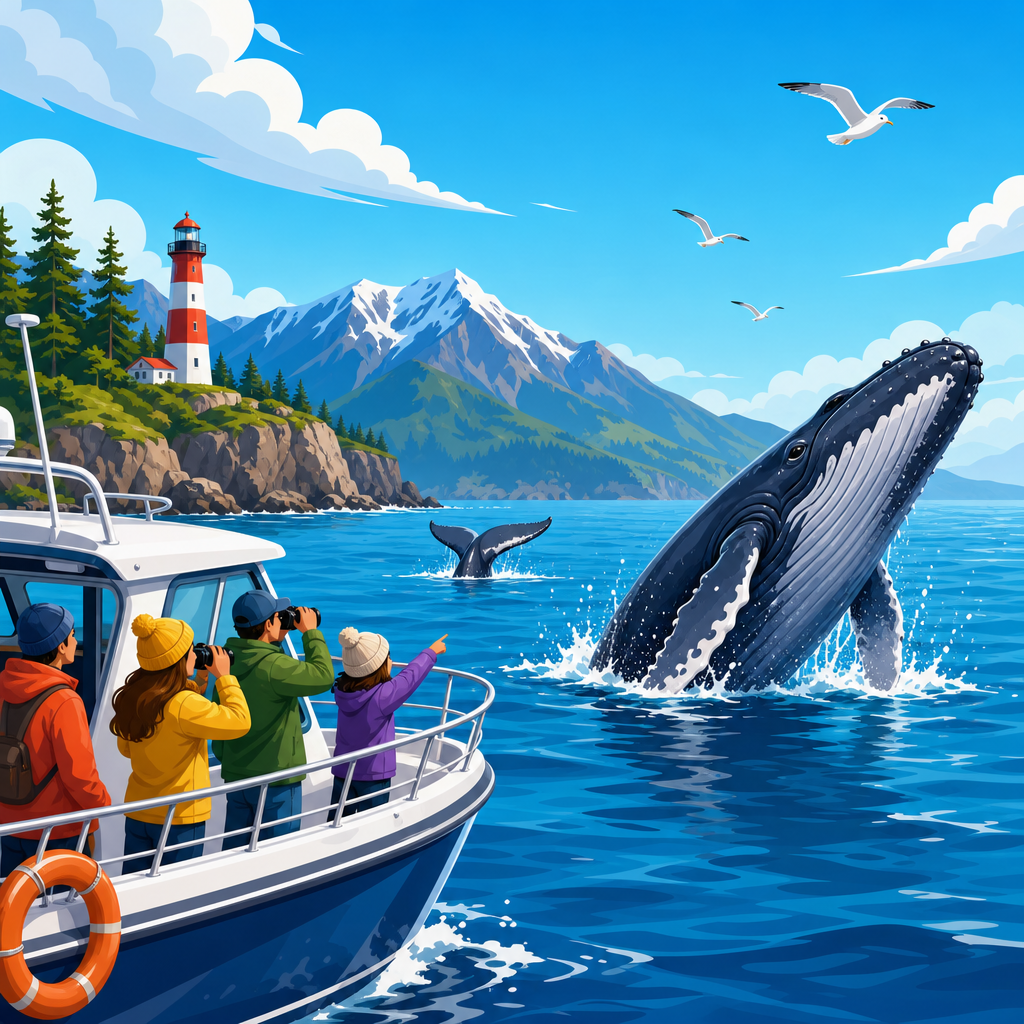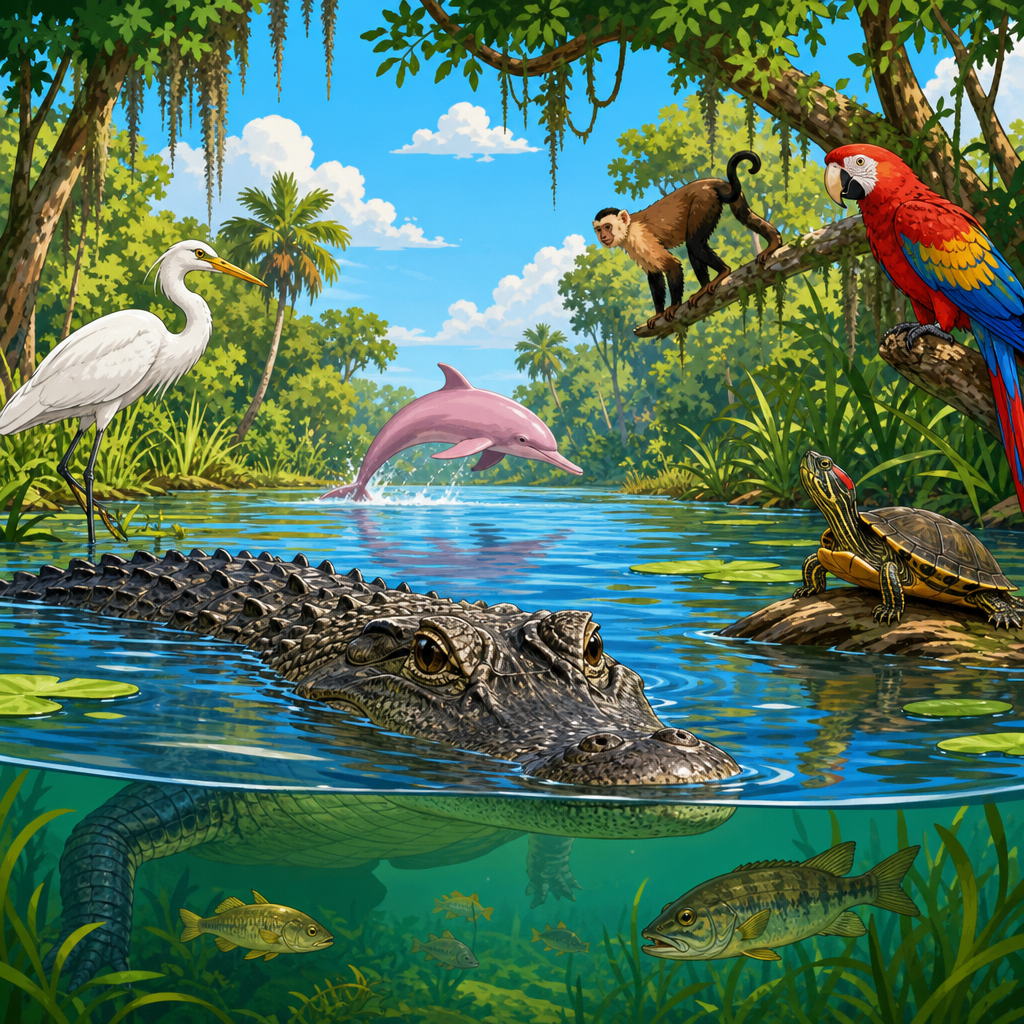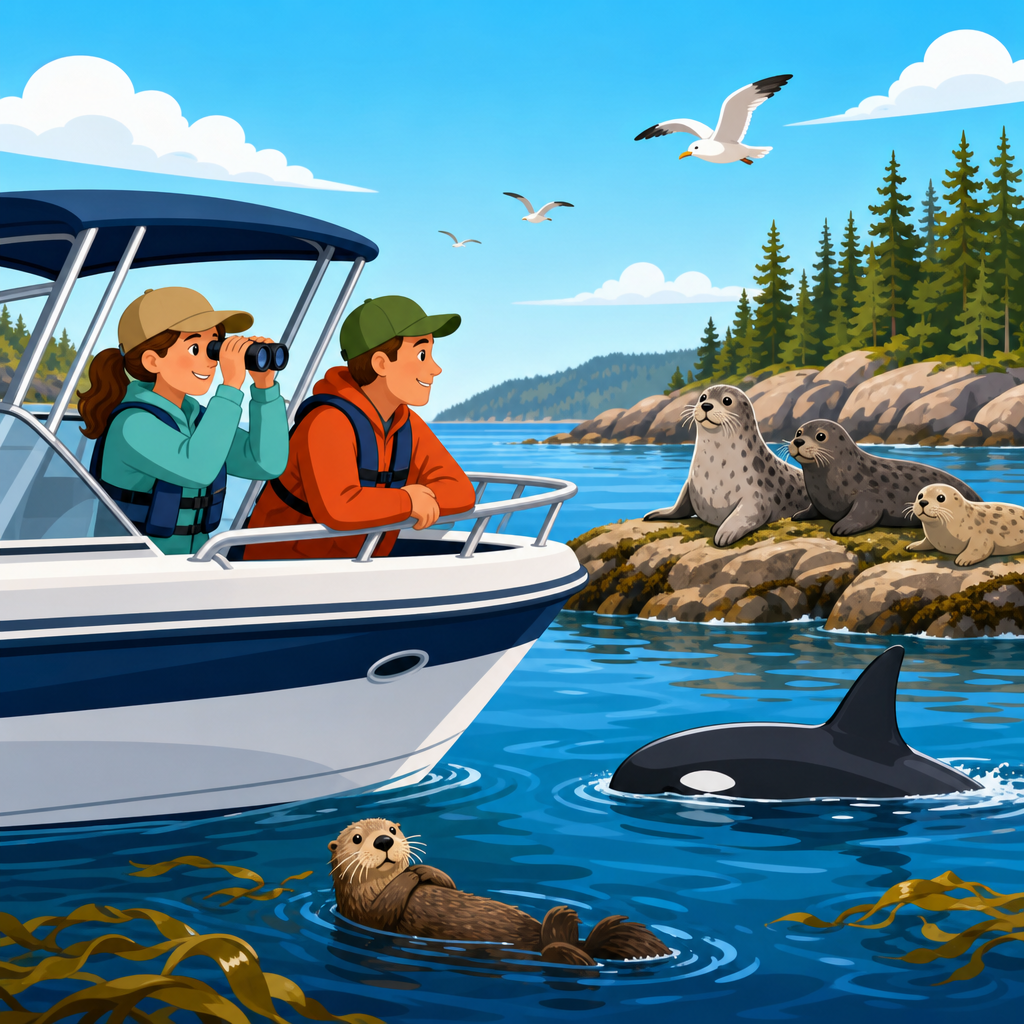
How to safely observe wildlife from your boat starts with understanding a simple rule: the best encounters happen when animals control the distance, not you. Wildlife watching by boat includes everything from scanning marsh edges for herons to drifting offshore near feeding dolphins, and it sits at the intersection of seamanship, conservation, and trip planning. In practice, that means your engine choice, wake speed, viewing angle, camera setup, local regulations, and even your sunscreen can affect animal behavior. I have found that boaters who prepare for wildlife observation the same way they prepare for weather and navigation have calmer trips, better sightings, and far fewer close calls.
This topic matters because more people are combining recreation with nature travel, especially in coastal bays, estuaries, lakes, and river systems where wildlife is visible from small powerboats, pontoons, skiffs, sailboats, and kayaks launched from larger craft. Demand has increased at the same time many species face pressure from habitat loss, vessel strikes, discarded fishing gear, noise pollution, and chronic human disturbance. Responsible boating for adventure and wildlife watching helps protect migration corridors, nesting colonies, haul-out sites, and feeding grounds. It also protects passengers. A sudden whale surfacing near the bow, an aggressive swan during nesting season, or a manatee beneath a propeller are not just memorable moments; they are risk-management scenarios.
Key terms shape good decisions on the water. Standoff distance is the minimum legal or recommended space you keep from an animal. No-wake speed reduces shoreline erosion and underwater noise while giving you more time to react. A haul-out is a place where seals or sea lions rest ashore. A rookery is a breeding colony for birds, often highly sensitive to disturbance. Feeding, chasing, touching, and intercepting wildlife are forms of harassment in many jurisdictions, even if the boater means no harm. The most useful mindset is observation without influence: if your presence changes the animal’s path, posture, breathing pattern, or group behavior, you are too close or too persistent.
As a hub within boating destinations and travel, this guide covers the full picture of boating for adventure and wildlife watching: route planning, species-specific cautions, photography, ethics, legal compliance, gear, and regional factors that affect where and how to watch safely. Whether you are planning a sunrise trip through mangroves, a whale-watch transit along a rocky coast, or a slow river run to spot otters and eagles, the same principles apply. Know the habitat, anticipate animal movement, operate predictably, and leave enough space that the wildlife can keep doing what it was doing before you arrived.
Plan the trip around habitat, season, and regulations
The safest wildlife watching trips are built before the trailer leaves the driveway or the lines come off the dock. Start with charts, tide tables, weather windows, and official wildlife guidance for your area. National parks, marine sanctuaries, fisheries agencies, and local harbor authorities often publish species alerts, seasonal closures, no-entry zones, and speed restrictions. In Florida, manatee protection zones and idle-speed areas are clearly defined and strictly enforced because propeller injuries are a major risk. In the Pacific Northwest, voluntary and mandatory whale viewing distances are updated as conditions change, especially around Southern Resident killer whale habitat. In seabird nesting areas, temporary buffer zones may protect colonies during breeding months.
Planning around season matters as much as destination. Spring often means nesting birds and aggressive territorial behavior near shorelines. Summer can bring crowded waterways, which increases cumulative stress on wildlife and raises collision risk. Fall migration creates brief windows for exceptional viewing, but also means birds may flush suddenly from marshes or sandbars. Winter can concentrate animals in predictable warm-water refuges or feeding grounds. Time of day matters too. Dawn and dusk are productive because many species feed actively then, but low sun angles can hide floating hazards and make animals harder to see against glare. Build routes that give you room to slow down in likely encounter zones rather than racing from spot to spot.
A practical planning framework is to identify species, habitat, restrictions, and fallback options. If dolphins commonly feed at an inlet on an outgoing tide, approach the area on a parallel track outside the main activity zone. If your target is a marsh full of wading birds, choose a skiff or kayak-friendly route that avoids plowing wakes into reed beds. If offshore visibility drops, have a non-wildlife backup plan such as a protected cruise to scenic coves. Boat-based nature travel works best when wildlife viewing is one objective among several, not the only reason to push weather, fuel range, or local rules.
Boat handling techniques that reduce disturbance and prevent accidents
Good seamanship is the foundation of safe wildlife observation. In real-world conditions, the most common mistake is approaching too fast and then trying to salvage the encounter with a sharp throttle-down near the animal. That creates wake, underwater noise, and unpredictable motion. Instead, reduce speed early, keep your course steady, and watch for behavior changes. A bird lifting its head repeatedly, a seal bunching its body to enter the water, or dolphins altering direction are all signals that your boat is affecting them. Back off before the scene escalates.
Operate as if every wildlife area contains hidden hazards. Shallow grass flats may hold manatees, rays, and grounding risks. Kelp beds can foul propellers. Riverbanks may conceal submerged timber where otters and turtles surface unexpectedly. In whale habitat, post a dedicated lookout on the bow and maintain a 360-degree scan, especially if animals are traveling. Vessel strikes often happen because operators fixate on one visible animal and miss another surfacing ahead. Neutral is often better than constant gear changes when drifting near wildlife, but you still need enough control to avoid drifting into the animals or onto shoals.
The table below summarizes practical operating choices that consistently improve both safety and sighting quality.
| Situation | Best boat handling response | Why it works |
|---|---|---|
| Whales or dolphins ahead | Slow early, hold a parallel course, never cut across travel direction | Reduces strike risk and avoids interrupting movement |
| Bird raft or feeding flock | Approach from outside, stop well short, drift or use trolling motor | Prevents flushing and preserves feeding behavior |
| Seal or sea lion haul-out nearby | Maintain wide berth, minimize noise, no circling | Keeps resting animals from stampeding into water |
| Manatee zone or shallow grass flat | Idle speed, trimmed motor, constant lookout | Lowers propeller injury risk and protects habitat |
| Narrow creek with alligators or nesting birds | Center channel transit, no shoreline crowding, avoid repeated passes | Reduces territorial disturbance and bank erosion |
Noise control deserves more attention than it gets. Two-stroke engines, hard accelerations, music, and shouted conversation can disrupt wildlife before you are visually close. Electric trolling motors, paddles, sails, or a simple drift can transform the encounter. If you run a larger powerboat, use idle speed long before the viewing area and avoid rapid course corrections. Passengers should stay seated or move carefully; a boat that rocks suddenly can force the operator to correct helm and throttle at exactly the wrong moment.
Know species-specific behavior before you approach
Different animals require different tactics. Marine mammals are highly regulated in many regions because repeated disturbance changes feeding efficiency, calf care, and resting patterns. Whales should never be boxed in by multiple vessels. If one surfaces unexpectedly near you, put the engine in neutral and let the animal choose its path. Dolphins may ride bow waves, but that is not an invitation to pursue them. Chasing to create a bow-riding moment often separates mothers and calves and increases strike risk. Manatees are slow, difficult to see, and vulnerable to propellers, especially in turbid shallows and warm-water aggregations.
Birds demand attention to flight distance and breeding season. Wading birds, pelicans, terns, puffins, cormorants, eagles, ospreys, and loons all have different tolerance thresholds, but one pattern is consistent: repeated flushing burns energy and can expose eggs or chicks to heat, cold, gull predation, or falls from nests. Boaters often underestimate how much disturbance a camera burst, drone launch, or second close pass can create. If birds stop feeding, call loudly, crouch, or take flight, you are too close. In marshes and estuaries, keep wakes low because nest success can be reduced by shoreline wash as well as direct disturbance.
Reptiles and large fish also deserve caution. Alligators near boat ramps may appear habituated, but feeding them is dangerous and illegal in many states because it teaches approach behavior. Sea turtles can surface abruptly in channels and are difficult to spot in chop. Manta rays, basking sharks, and whale sharks attract attention from photographers, yet propellers and crowded approaches can injure them quickly. In freshwater systems, moose, bears, and deer sometimes swim between islands or across coves. Give them room to complete the crossing without forcing a retreat.
Use viewing and photography practices that keep the encounter natural
The safest and most ethical viewing method is to let the scene come to you. Position the boat where currents, wind, and sun support observation, then wait. In many estuaries, that means drifting along a channel edge rather than nosing into reeds. Offshore, it may mean stopping outside a bait ball and watching birds and marine mammals work through the area without trying to center yourself in the action. Patience consistently beats pursuit. I have seen ten-minute drifts produce better photos and calmer wildlife than an hour of repositioning under power.
Optics matter more than proximity. A quality pair of 8×42 or 10×42 binoculars, image-stabilized binoculars on larger boats, and a camera with a 300mm or longer equivalent lens let you stay outside the animal’s comfort zone. Fast shutter speeds are useful on moving decks, while polarized sunglasses help spot fins, manatee backs, and birds against glare. If children are aboard, give them simple observation tasks such as logging species, behavior, and location. Structured watching reduces the urge to rush closer and turns the trip into active learning.
Avoid baiting, playback calls, and drones unless specifically allowed and used far from wildlife. Artificially attracting animals changes behavior, increases conflict, and can violate park or sanctuary rules. Playback can disrupt territorial birds during breeding season. Drones are especially problematic because they approach from above, where many species perceive predators. Even where legal, they rarely improve the trip enough to justify the disturbance. Better fieldcraft does. Approach with the sun behind you when possible, stop talking during the critical moments, and take fewer, longer looks instead of repeated close passes.
Protect passengers, habitat, and your access to future wildlife trips
Safe wildlife watching also means protecting the people on board. Everyone should know where life jackets, throwable flotation, first aid gear, VHF radio, whistle, and emergency position devices are stored. In remote bays or offshore routes, a float plan is not optional. Wildlife-focused trips often involve distraction, and distraction can lead to grounding, dead batteries from long drifts with electronics running, sun exposure, dehydration, and missed weather changes. Assign one person to navigation, one to lookout duty, and one to photography or species spotting. Separation of tasks prevents the operator from trying to do everything at once.
Habitat protection is inseparable from observation ethics. Seagrass scars from propellers can persist for years. Anchors dropped into coral, oyster beds, or submerged vegetation do lasting damage. Use marked channels where required, choose sandy anchoring spots when appropriate, and rely on moorings in sensitive areas. Pack out monofilament, food wrappers, and drink containers; entanglement and ingestion are preventable harms. Even sunscreen deserves consideration. Reef-safe labeling is inconsistently regulated, but zinc oxide and protective clothing are generally better choices than heavy reapplication of products that wash off in the water.
Finally, follow local guidance and support operators and destinations that do the same. Responsible whale-watch companies, eco-charters, and marinas often publish distance rules, naturalist notes, and species calendars that improve your own trip planning. If you witness harassment, feeding, or obvious injury, report it to the relevant wildlife authority with location, time, and vessel description. Boating for adventure and wildlife watching stays viable only when boaters act like stewards rather than spectators. The reward is better than a close approach: you get to see animals behaving naturally in the places they are meant to be. Before your next trip, check the regulations, tune your route to the habitat, and commit to watching without interfering. That approach keeps wildlife safer, protects your crew, and makes every destination more worth returning to.
Frequently Asked Questions
What is the safest way to approach wildlife when observing from a boat?
The safest and most responsible approach is to let wildlife set the terms of the encounter. In practical boating terms, that means slowing well in advance, reducing wake, approaching at an angle rather than head-on, and stopping far enough away that the animal never has to react to your presence. If a bird lifts its head repeatedly, a seal slips off a haul-out, or dolphins change direction abruptly, you are already too close. A good rule is to treat any visible change in behavior as a signal to back off immediately.
Boat handling matters just as much as distance. Sudden throttle changes, hard turns, and repeated repositioning can create stress even if you think you are staying “far enough away.” Idle speed or drifting is usually best, especially in marshes, estuaries, and near shorelines where wildlife may be feeding, nesting, or resting. If possible, approach from the side with a predictable course so the animal can track your movement easily. Avoid cutting off travel paths, surrounding animals with multiple boats, or placing your boat between adults and young. The goal is not simply to see wildlife, but to do so without altering natural behavior or putting your passengers, the animals, or other boaters at risk.
How far away should I stay from birds, dolphins, manatees, seals, and other marine wildlife?
There is no single universal distance because regulations vary by species, location, season, and whether animals are breeding, nesting, or caring for young. The best practice is to research local and federal rules before you launch and then choose the more conservative option if different guidelines overlap. In many areas, protected species such as whales, manatees, sea turtles, seals, sea lions, and nesting seabirds are covered by laws that prohibit harassment, pursuit, or close approach, even if contact seems accidental. “Harassment” can include causing an animal to flush, dive, stop feeding, separate from offspring, or abandon a resting area.
Even where no exact number is posted, distance should be based on behavior, not just yards or meters. Use binoculars, a zoom lens, and patience instead of horsepower. If you can observe feeding, resting, or social behavior without the animal changing course or posture, you are more likely in a safe range. If it starts looking at you repeatedly, bunching together, diving suddenly, or moving away, increase distance at once. Also remember that sensitive areas such as rookeries, haul-outs, oyster bars, marsh edges, and shallow grass flats often deserve extra space because your wake, hull noise, or prop wash can affect far more than the one animal you first noticed.
What boating practices help prevent disturbing wildlife during a trip?
Responsible wildlife viewing starts long before the first sighting. Route planning is one of the biggest factors. Study charts, tide tables, no-wake zones, seasonal closures, and known habitat areas so you are not improvising in sensitive places. In shallow habitats, choose routes that avoid seagrass scarring, nesting shorelines, and narrow channels where animals have limited room to move away. If your boat allows it, use the quietest propulsion option available for the conditions, such as drifting, paddling, poling, or an electric trolling motor in calm inshore areas. Lower noise generally means less stress for wildlife and more opportunities for natural observation.
On the water, maintain a steady, predictable course and keep voices, music, and unnecessary deck noise down. Minimize wake near shorebirds, floating vegetation, roosting areas, and mammals resting at the surface. Never feed wildlife, throw food scraps overboard, or use your boat to herd animals into better viewing positions. Feeding can condition animals to approach boats, increasing collision risks and encouraging dangerous behavior. It is also wise to secure trash, fishing line, hooks, and loose gear so nothing blows overboard. Good stewardship includes what you put on your body as well: if you swim or handle gear in the water, reef-safer and water-conscious products may reduce chemical impacts in sensitive areas. Every low-impact choice adds up to safer encounters and healthier habitat.
How can I take good wildlife photos from a boat without getting too close?
The key is to build your photography around distance rather than forcing distance to suit your camera. A telephoto or zoom lens is far more wildlife-friendly than trying to close the gap with the boat. Image stabilization, fast shutter speeds, and burst mode are especially helpful on the water because even gentle drift creates motion. If you are using a phone, a clip-on telephoto lens, binocular adapter, or simply shooting wider and cropping later can still produce strong results without pressuring the animal. Good photos usually come from patience, light, and positioning—not proximity.
Boat control is equally important. Instead of chasing wildlife for a perfect angle, set up ahead of likely movement, then drift or idle predictably and let the scene develop. Morning and late afternoon often provide softer light and more active animal behavior, which improves both viewing and photography. Keep your body movements calm, avoid leaning suddenly over the gunwale, and be mindful of passenger balance and safety while shooting. If the choice is between getting the shot and keeping the encounter low-stress, choose the animal every time. Ethical wildlife images are better for conservation, better for your reputation as a boater, and often more compelling because they show natural behavior rather than a disturbed response.
What should I do if wildlife approaches my boat on its own?
If an animal approaches voluntarily, your job is to become as neutral and predictable as possible. Slow to idle or place the engine in neutral when safe to do so, keep your hands and gear inside the boat, and resist the urge to move closer for a better look. Do not feed, touch, call to, or try to interact with the animal. Wild creatures often investigate boats out of curiosity, travel alongside naturally, or surface unexpectedly in productive feeding areas. That does not mean they want contact, and it does not remove your responsibility to avoid harassment or collision.
Continue scanning all around the vessel, because one visible animal may be part of a larger group nearby. This is especially important with dolphins, manatees, and other marine mammals that can surface unpredictably. If you need to get underway again, do so slowly and only after you are certain the animal is clear of the propeller and hull. In some regions, the law specifically requires boaters to avoid sudden acceleration when protected species are near. Think of a close approach by wildlife as a privilege, not an invitation. The best outcome is an encounter where the animal remains calm, your boat remains controlled, and everyone leaves without the wildlife changing its behavior because of your presence.