The America’s Cup is the most famous sailing race in the world, but travelers who want to watch it well need more than a date and a livestream link. They need to understand how the event works, where races are staged, which host cities deliver the best viewing, and how the Cup fits into the wider calendar of boating events and festivals around the world. This guide serves that purpose. It explains where to watch the America’s Cup sailing race in person and remotely, while also positioning the event within the broader travel category of global boating spectacles.
At its core, the America’s Cup is an international match racing competition between the defending yacht club and a challenger that survives a qualification series. Modern editions typically feature foiling monohulls capable of extraordinary speed, turning the race into a waterfront show as much as a pure sporting contest. For travelers, the key terms matter. “Race village” usually means the public fan zone with sponsors, exhibits, hospitality, and giant screens. “On-water viewing” refers to spectator boats operating in designated exclusion zones outside the racecourse. “Official broadcast” means the rights-holding stream or television partner, often the most reliable option for tactics, graphics, and commentary.
Why does this matter for a boating travel audience? Because the America’s Cup sits at the top of a larger ecosystem that includes SailGP weekends, classic regattas, superyacht events, tall ship festivals, offshore races, and local harbor celebrations. I have planned race-week itineraries around regattas in Europe and North America, and the same lesson always applies: your experience is shaped less by the race alone than by shoreline access, transport, weather, ticket structure, and how much a city embraces the festival atmosphere. A great host venue lets casual travelers enjoy the spectacle without deep sailing knowledge; a weak one leaves you staring at distant sails through binoculars.
That is why a hub article on boating events and festivals should begin with the America’s Cup. It is a benchmark event for destination planning. If you learn how to choose viewing areas, book hospitality, and pair racing with local maritime culture here, you can apply the same framework to Cowes Week, Les Voiles de Saint-Tropez, Rolex Sydney Hobart lead-up events, Antigua Sailing Week, and countless harbor festivals. Start with the Cup, and the rest of the boating events world becomes easier to navigate.
How the America’s Cup works and why venue choice changes the experience
The America’s Cup is not a single afternoon race. It is a campaign that usually includes preliminary regattas, a challenger selection series, youth and women’s racing in associated circuits, training days, and the final match itself. For visitors, that distinction is crucial. A preliminary event can be easier to access and less expensive, while the final match offers the highest stakes and the most crowded waterfront. If your priority is atmosphere, fan villages and opening weekends are ideal. If your priority is seeing elite boat-on-boat tactics, target decisive race days later in the series.
Venue choice matters because modern Cup racing is staged close to shore when possible, but not every shoreline is equal. Natural amphitheaters, promenades, breakwaters, and elevated hills create better public views than industrial docks or fragmented marinas. Wind reliability also affects the trip. Inconsistent breeze can postpone racing for hours, so destinations with appealing museums, beaches, old ports, and food districts are safer choices for travelers building a full vacation around the event. Barcelona, for example, has obvious advantages as a host city because visitors can combine racing with urban sightseeing, beaches, and extensive public transport.
Another factor is access control. Security perimeters, team bases, and sponsor hospitality can limit spontaneous viewing. I always tell travelers to check three layers before booking: official race schedules, city mobility plans, and local port notices. A hotel that looks close to the harbor on a map may sit behind restricted roads on race day. Conversely, a neighborhood slightly farther away may have a metro stop that delivers a much smoother arrival. For major regattas, convenience beats raw proximity almost every time.
Best ways to watch in person: shore viewing, spectator boats, and hospitality
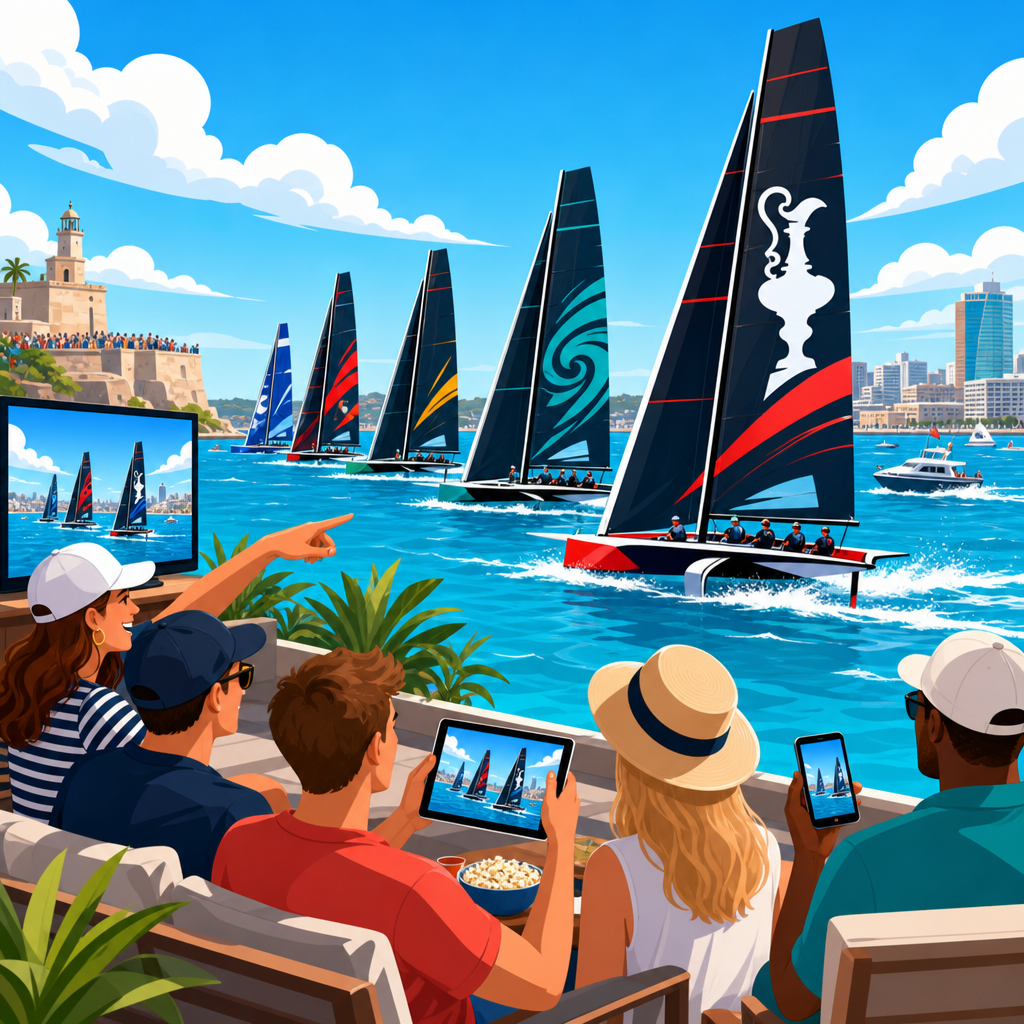
The best place to watch the America’s Cup sailing race depends on your budget, tolerance for crowds, and level of sailing knowledge. Shore viewing is usually the simplest option. It works best in host cities with broad waterfront promenades, beaches, headlands, or port edges where giant screens supplement the live action. Because racecourses are marked on open water, boats can appear farther away than new spectators expect. Screens and commentary bridges fill in the tactical story, especially during pre-start maneuvers and boundary penalties.
Spectator boats provide the most immersive experience, but they are not all equal. Official operators usually receive approved access windows and understand exclusion zones, safety protocols, and likely race angles. Smaller unofficial charters may promise closeness yet deliver poor positioning if restrictions tighten. Ask specific questions before booking: How many passengers are aboard? Is there shaded seating? Are drinks and restrooms included? Will the captain remain on station for multiple races? In choppy conditions, a well-run catamaran with good sightlines is worth far more than a crowded party boat.
Hospitality packages appeal to travelers who want certainty. Premium viewing terraces, yacht-club lounges, and sponsor suites can include reserved seating, race commentary, food service, and easier access to transport. These packages cost more, but they solve several common frustrations at once. They also suit mixed groups where some people love sailing and others mainly want a stylish event day. The tradeoff is that not every premium area has the closest race view; sometimes the best-value experience is still a public shoreline paired with a good pair of binoculars and an early arrival.
| Viewing option | Best for | Main advantage | Main limitation |
|---|---|---|---|
| Public shore zone | Budget travelers and first-time spectators | Low cost, easy atmosphere, access to fan village | Distant boat views and crowding |
| Official spectator boat | Fans wanting immersive race-day action | Closer feel to speed, sound, and maneuvering | Weather exposure and variable comfort |
| Hospitality terrace or club | Couples, corporate guests, premium travelers | Reserved space, catering, structured experience | Higher cost and sometimes less flexible timing |
| Nearby rooftop or waterfront restaurant | Travelers prioritizing ambiance | Combines city views, dining, and event energy | Often indirect race sightlines without screens |
Where to watch the America’s Cup remotely and how to follow it intelligently
If you cannot attend in person, the best way to watch the America’s Cup is through the official broadcast ecosystem. Rights vary by country, but the pattern is consistent: an official event website or app provides schedules, highlights, team news, and in some markets a live stream, while national sports broadcasters carry full coverage. The official feed matters because sailing is difficult to interpret without overlays. Wind direction, laylines, boat speed, and starting-box positioning are not obvious from raw camera shots. Advanced graphics turn what could look chaotic into a clear tactical contest.
For reliable remote viewing, build a simple watch stack. Start with the official schedule in local race time and convert it to your home time zone. Use the event app for notifications because postponements are common. Watch on the largest screen available if you care about tactics; mobile is fine for highlights but poor for reading overlays. Keep the live tracker or race data tab open alongside the video if offered. That combination recreates some of the depth you would get from binoculars and commentary on site.
Remote viewing also opens the door to broader boating travel research. When I scout new regattas, I pay attention to how a host city is presented on broadcast: shoreline density, access roads, marina activity, crowd areas, and whether the event integrates local culture or feels isolated inside a commercial compound. The same method helps readers compare future travel options across the wider boating events calendar. A strong television product often signals a well-organized waterfront experience for visitors too.
Host cities that make the race worth the trip
Not every America’s Cup host city offers the same travel value. The best ones combine close racing waters, walkable waterfront districts, strong transport, and genuine maritime identity. Barcelona stands out because it offers urban beaches, a large port setting, dense hotel inventory, and a culture that supports long stays beyond race hours. A visitor can spend the morning at the race village, the afternoon in the Gothic Quarter or Barceloneta, and the evening at a harbor restaurant without needing a car.
Auckland has also been a superb America’s Cup city in past cycles because sailing is woven into daily life there. Viaduct Harbour and the broader waterfront have historically created a natural stage for fans, with high local engagement and strong marine services. Valencia earned a similar reputation when it hosted, thanks to broad public access and a purpose-built event area that translated the race into a tourism product. Bermuda delivered dramatic visuals and clear water, though some travelers found logistics and cost more challenging than in larger mainland cities.
When choosing a future host destination, use a practical checklist. Look for an airport with strong international connections, public transit to the waterfront, hotel options in multiple price bands, and enough non-race attractions to absorb weather delays. Also consider local boating culture. Cities with active yacht clubs, sailing schools, chandlers, and working marinas usually create a more authentic atmosphere than destinations treating the event as a one-off spectacle. That local marine backbone improves everything from side events to restaurant conversations after racing.
The America’s Cup within the wider world of boating events and festivals
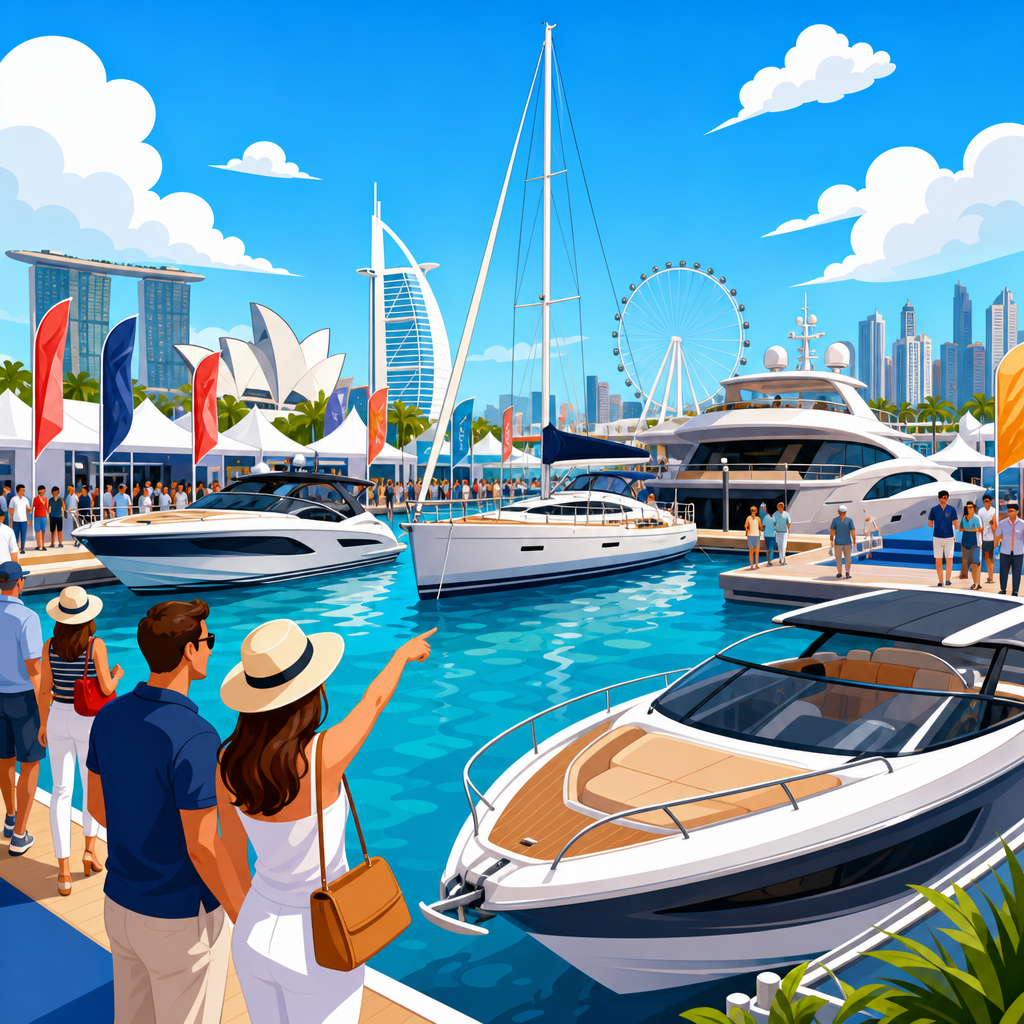
As a hub page under boating destinations and travel, this guide should help readers see the America’s Cup in context. It is the headline act, but it is only one part of a year-round global circuit of boating events and festivals around the world. Some events focus on elite racing, such as SailGP, the Rolex Fastnet Race, and the Sydney Hobart start. Others are lifestyle-led, including the Monaco Yacht Show, Cannes Yachting Festival, and Fort Lauderdale International Boat Show. Still others celebrate heritage, such as tall ships festivals, wooden boat gatherings, and harbor parades.
Each category serves a different traveler. Competitive sailing fans often prefer regattas with tactical racing and official commentary. Families may enjoy maritime festivals where dockside access, food stalls, and ship tours matter more than race rules. Luxury travelers may prioritize yacht shows and hospitality-driven marina events. Adventure-oriented visitors often gravitate toward offshore starts and finish-line celebrations, where the emotion is stronger than the viewing precision. Understanding that distinction helps you choose the right trip rather than simply the biggest name.
This hub page is the starting point for exploring that broader landscape. From here, readers should branch into destination-specific guides on Mediterranean regattas, Caribbean sailing weeks, classic boat festivals, superyacht shows, and major race starts. The planning logic remains consistent across all of them: know the format, understand the waterfront, book access early, and choose destinations that reward you even if conditions interrupt the headline event.
How to plan a race trip: timing, lodging, transport, and budget
Planning well is what separates a memorable America’s Cup trip from an expensive near miss. Book lodging as soon as race windows are confirmed, especially if you want a walkable base near the waterfront. Rates rise sharply during final-match periods, and flexible cancellation terms are valuable because sailing schedules can shift. I usually recommend staying one transit stop away from the main race zone rather than directly beside it. You often save money, sleep better, and avoid road closures while still reaching the action quickly.
Transport planning is equally important. Use rail, metro, ferries, or park-and-ride systems when available. Waterfront roads clog early on race days, and taxi surge pricing can be severe after racing ends. Pack for a full day outdoors: sun protection, layers, a light waterproof shell, and a portable phone battery are not optional. If you are watching from shore, binoculars materially improve the experience. If you are going afloat, confirm seasickness policy, footwear requirements, and boarding times well in advance.
Budget for more than the ticket. The real cost of a sailing event trip often lies in accommodation, food near the venue, local transport, and premium last-minute upgrades once you realize the public view is limited. A disciplined budget includes one “certainty purchase,” such as a reserved terrace or official boat day, and leaves other sessions flexible. That approach gives you at least one guaranteed high-quality viewing experience without overcommitting the entire trip.
Conclusion: use the America’s Cup as your gateway to global boating travel
Where to watch the America’s Cup sailing race comes down to matching the viewing method with the right host city and a realistic travel plan. Shore zones suit many first-time visitors, official spectator boats bring you closest to the action, and hospitality packages reduce friction for travelers who value comfort and certainty. Remote coverage is better than ever, especially when paired with official schedules, alerts, and live graphics. Most importantly, the event rewards travelers who think beyond the race itself and choose destinations with strong waterfront culture, transport, and off-water appeal.
That is also why this article matters as a hub for boating events and festivals around the world. The same planning principles you use for the America’s Cup apply across regattas, yacht shows, classic boat gatherings, offshore races, and maritime festivals. Learn the format, study the venue, book smart, and choose places where the harbor experience is rich even when the wind changes. Use this page as your starting point, then explore the wider world of boating travel one event, one port, and one unforgettable waterfront at a time.
Frequently Asked Questions
Where is the best place to watch the America’s Cup in person?
The best place to watch the America’s Cup in person depends on the host venue, the course layout, and the kind of experience you want. In general, the most rewarding viewing locations are host cities with natural harbors, waterfront promenades, elevated lookout points, and dedicated spectator zones. These settings can give you a much better sense of the speed, tactics, and atmosphere than simply trying to follow the race from a random stretch of shoreline. Cities that build a strong event village around the regatta are often the best overall choice because you can combine race viewing with team bases, sponsor exhibits, big screens, commentary feeds, food, and marina-side festival activity.
For many travelers, the ideal setup is to stay close to the official race village or central waterfront district. That gives you flexibility if race schedules shift because of weather or wind conditions, which is common in elite sailing. You can watch from shore, then move to hospitality areas, fan zones, or public viewing platforms as conditions change. If your budget allows, official spectator boats or hospitality cruises can provide the closest and most dramatic views, but shoreline viewing in a well-designed host city can still be excellent. Before booking, it is smart to study the expected race area, transportation options, ticketing structure, and whether the venue has a history of delivering easy public access to the water.
Can you watch the America’s Cup for free, or do you need tickets?
Yes, you can often watch parts of the America’s Cup for free, but the quality of the experience varies a lot by host city and by how the organizers set up public access. Many editions of the event include free waterfront viewing areas, harborfront promenades, beaches, breakwaters, or public parks where spectators can see the racing or at least feel close to the action. Free fan zones are also common, and these usually include large screens, race commentary, schedule updates, and a lively atmosphere even when the boats are racing farther from shore than expected.
Tickets typically become important if you want a premium experience. Paid options may include grandstands, hospitality lounges, official spectator boats, VIP terraces, or access to restricted areas with better sightlines. These can be worthwhile because modern America’s Cup racing is extremely fast and highly tactical, and it can be difficult to understand everything from shore without commentary or a direct line of sight. If you are traveling specifically for the event, compare the cost of paid access against how much certainty you want. A free public zone can be excellent for atmosphere, but a ticketed platform or boat usually provides a more immersive and reliable viewing day. It is also wise to reserve early, especially for final races, weekend sessions, and practice days that overlap with local festivals or holiday travel periods.
How can I watch the America’s Cup if I am not traveling to the host city?
If you are not attending in person, the best way to watch the America’s Cup is through the official broadcast and streaming partners for your region. The event is usually covered through a mix of live television, official digital streams, sports streaming platforms, and highlight packages on the event’s own channels. Checking the official America’s Cup website first is the smartest move because broadcast rights can differ by country, and schedules sometimes change due to wind windows or race postponements. The official site and social channels are also the most reliable places to confirm start times, race status, and replay availability.
For remote viewers, a good viewing experience is about more than just finding a stream. It helps to follow the event with live tracking, team updates, and course graphics so you can understand penalties, maneuvers, wind shifts, and tactical positioning. Many fans pair the live video feed with race explainers, previews, and social media commentary from sailing outlets. If you are new to the sport, look for broadcasts that include strong commentary and onboard footage, because these make the technical side of the race much easier to follow. Replays and condensed race recaps are also valuable if the event is taking place in a difficult time zone. In practice, remote viewing can be excellent, especially when the production includes drone shots, onboard cameras, and data overlays that even in-person spectators may not get in full.
What should travelers know before planning a trip around the America’s Cup?
Travelers should understand that the America’s Cup is not a typical stadium event with fixed conditions and guaranteed start times. Racing depends heavily on weather, wind strength, and sea state, so flexibility is essential. If you are building a trip around the event, plan for multiple viewing days rather than a single race window. That approach gives you a much better chance of seeing meaningful racing if one session is delayed, shortened, or canceled. Booking accommodations near the waterfront or near transit links to the race village is usually more valuable than simply choosing the cheapest hotel farther away.
It is also important to think beyond the race itself. The best host cities turn the America’s Cup into a broader waterfront festival with sailing culture, public programming, marina activity, and related boating events. That makes the trip more worthwhile even on non-race days. Check whether practice sessions, youth regattas, challenger series racing, or supporting marine festivals are happening during your stay, because these can add depth to the experience. You should also research crowd levels, local transportation, harbor access, weather patterns, and whether reservations are needed for boats, hospitality venues, or waterfront restaurants. In short, the most successful America’s Cup trips are planned like major event travel: book early, allow schedule flexibility, stay close to the action, and treat the host city itself as part of the attraction.
How does the America’s Cup fit into the wider calendar of sailing and boating events?
The America’s Cup sits at the top of the sport in prestige, but for travelers it often makes the most sense as part of a broader sailing and waterfront travel calendar. Depending on the year, the build-up may include preliminary regattas, challenger races, youth competitions, women’s events, training periods, and associated marine festivals that make the destination worth visiting even before the headline match begins. For dedicated sailing fans, the Cup can be paired with other major regattas, boat shows, and coastal festivals around the world, creating a much richer itinerary than a single race day would offer.
This broader context matters because the best sailing trips are often built around atmosphere as much as competition. A host city staging the America’s Cup may also be showcasing its marinas, yacht clubs, waterfront redevelopment, and tourism appeal. That means visitors can often combine elite racing with harbor tours, charter experiences, sailing museums, maritime culture, and related events in the same region. If you are comparing destinations, look at what else is happening in the boating calendar during your travel window. The America’s Cup may be the centerpiece, but the surrounding regattas, public celebrations, and marine experiences are often what turn a good trip into a memorable one. That is why many experienced travelers evaluate the Cup not just as a race to watch, but as part of a larger international circuit of sailing events and coastal festivals.