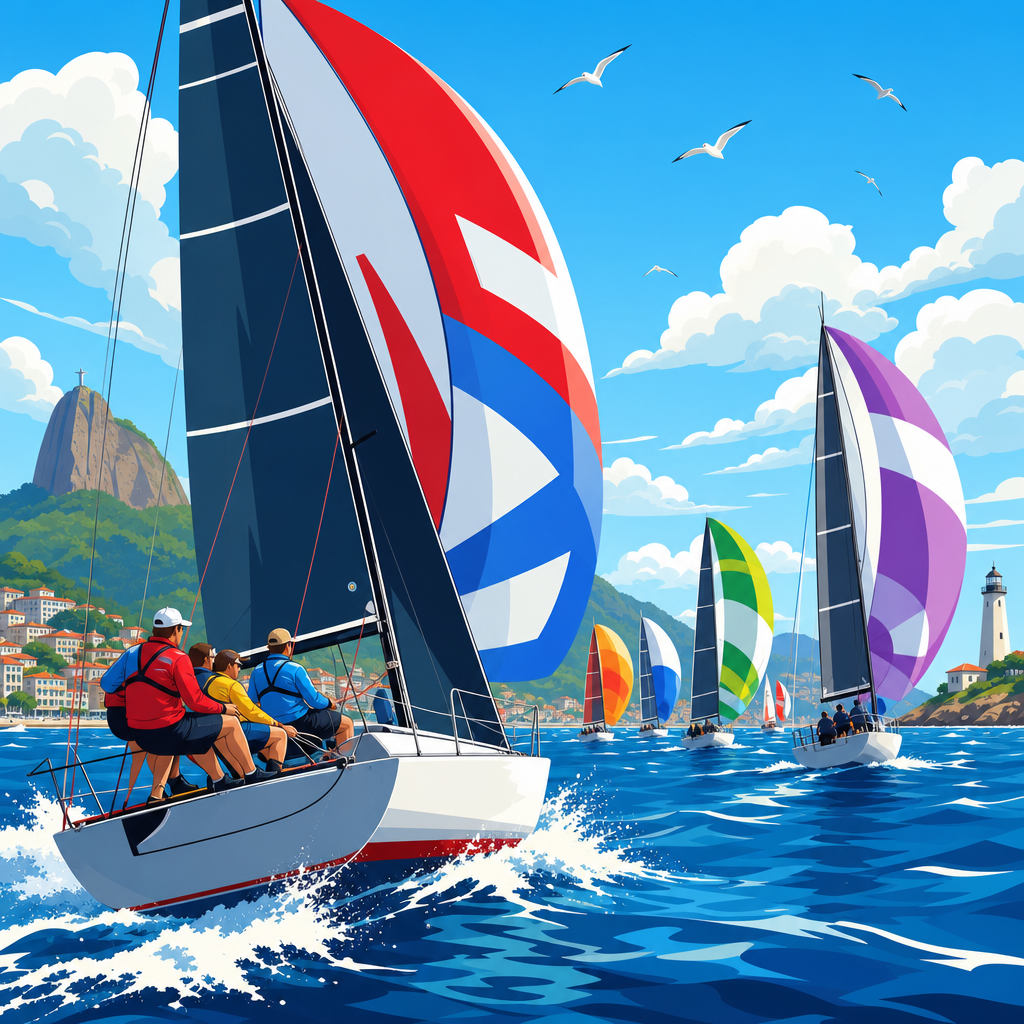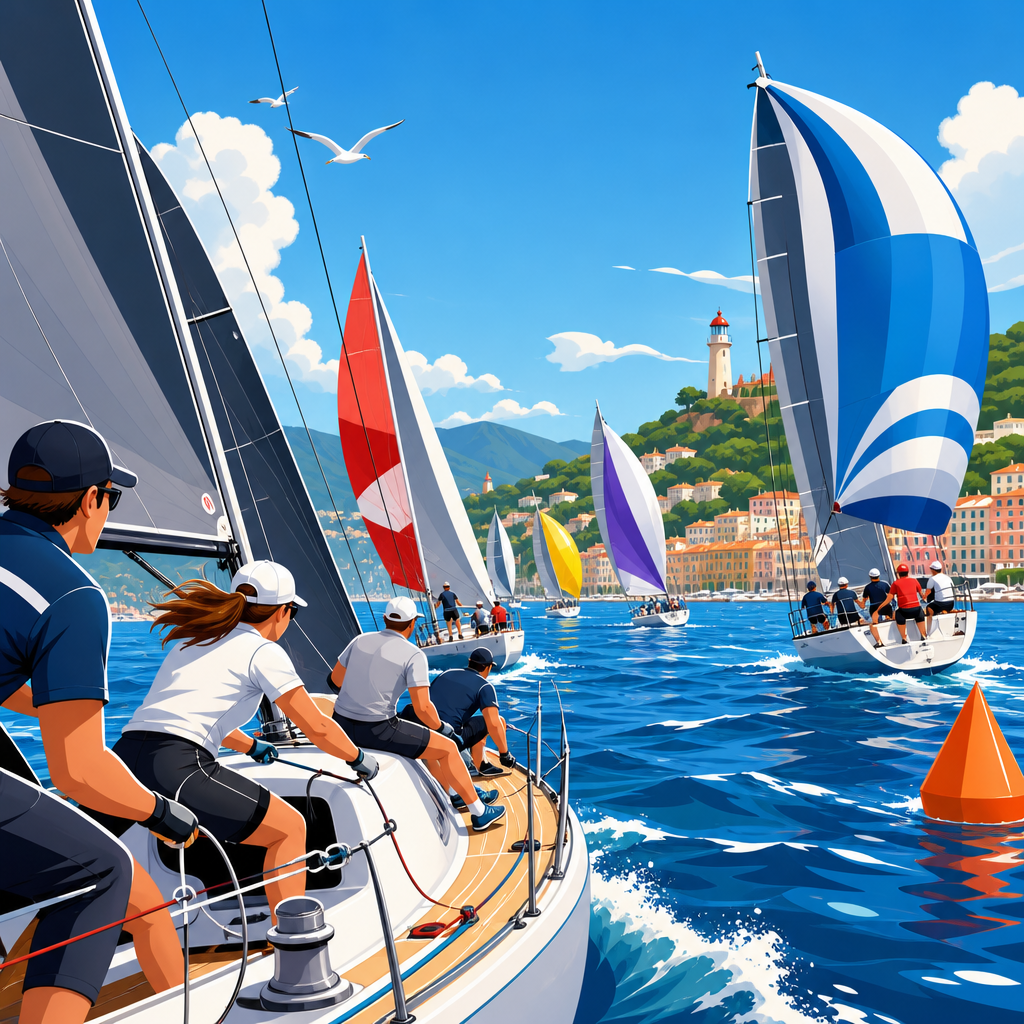
The best yacht races for amateurs and professionals combine adventure, seamanship, travel, and community in a way few sporting events can match. A yacht race is any organized competition between sailing yachts over a defined course, but that simple definition hides enormous variety. Some races are short inshore contests held close to marinas and spectators. Others are offshore passages that demand night sailing, weather routing, fatigue management, and precise boat handling over hundreds or thousands of miles. Within the broader world of boating events and festivals around the world, yacht racing stands out because it attracts newcomers, club sailors, charter crews, campaign teams, and elite professionals to the same harbors, often during the same week.
I have seen first-time crews arrive intimidated by sail inventories and protest flags, then leave with a deeper understanding of navigation, teamwork, and destination cruising. That is why this subject matters for a travel-focused boating audience. Racing is not only about trophies. The best regattas double as destination experiences, drawing sailors to Antigua, Cowes, Key West, Sydney, Chicago, and the Mediterranean for shore programs, local culture, technical seminars, and marine industry showcases. For many boaters, a race week becomes the gateway to a wider cruising itinerary, making yacht races a practical entry point into boating travel planning.
For amateurs, the right event offers safe race management, sensible divisions, strong social programming, and access to charter options or pickup crew spots. For professionals, the best races are defined by fleet quality, tactical complexity, reliable wind, international prestige, and strict adherence to recognized rules such as the Racing Rules of Sailing administered by World Sailing. Handicap systems also matter. IRC, ORC, PHRF, and one-design class rules each shape the competition differently, affecting fairness, boat choice, preparation, and budget. Understanding those distinctions helps sailors choose an event that fits their skill level and travel goals rather than chasing a famous name that may not suit their crew.
This hub article covers the most important yacht races and regattas that belong on any serious boating events and festivals around the world itinerary. It explains which races are most welcoming to amateurs, which are benchmark events for professionals, what makes a host destination successful, and how to evaluate safety, cost, logistics, and race format before committing. If you are building a season around iconic sailing destinations, this guide will help you identify where to start, where to progress, and which events deliver both competitive value and memorable travel experiences.
What makes a yacht race ideal for amateurs or professionals
The best yacht race for an amateur is not necessarily the easiest. It is the event where challenge is balanced by support. In practice, that means clear sailing instructions, competent race officers, responsive safety procedures, realistic class splits, and a culture that welcomes less-experienced crews. Races such as Antigua Sailing Week, Round the Island Race, and many major club regattas succeed because they offer multiple divisions and social entry points. A crew can race hard during the day and still find dockside briefings, sailmaker advice, and informal debriefs in the evening. Those details reduce the intimidation factor and help sailors improve quickly.
For professionals, race quality is measured differently. The benchmark events attract deep fleets, strong tacticians, advanced weather strategy, and flawless event management. The Rolex Sydney Hobart Yacht Race, the Fastnet Race, and the TP52 Super Series are respected because results are earned against serious competition under closely scrutinized rules. Professionals also look for reliable media coverage, sponsor visibility, accurate tracking, and established technical standards around measurement, inspections, and offshore safety compliance. A prestigious event can shape careers for navigators, boat captains, sailmakers, and shore teams, not just helms.
Destination quality matters to both groups. A race becomes a travel event when the host port has good marine infrastructure, haul-out access, chandlery support, transport links, and enough accommodation to handle crews and families. Cowes works because it has sailing heritage, service density, and a walkable social scene. Antigua works because racing conditions are excellent and the island understands visiting yachts. Key West has long been successful because race areas are close to shore support, weather is reliable in season, and the regatta atmosphere extends throughout town.
Budget is another dividing line. Amateurs often prefer events where chartering is straightforward and crew spots are widely available. Professionals may travel with full shore teams, containerized gear, and campaign schedules, making customs procedures and logistics critical. If you are choosing a race as part of a boating travel plan, ask practical questions first: What rating system is used? Are safety certifications required? Can you charter locally? Is there a novice-friendly division? How much weather risk is normal at that time of year? The best event is the one your crew can complete safely and competitively while still enjoying the destination.
Top yacht races and regattas worth traveling for
Several events consistently rank among the best yacht races for amateurs and professionals because they combine sporting credibility with strong destination appeal. Antigua Sailing Week is one of the clearest examples. Held in the Caribbean trade winds, it offers excellent racing conditions, bareboat and crewed charter opportunities, and an atmosphere that welcomes both ambitious amateur teams and polished race programs. The island’s beaches, anchorages, and hospitality make it one of the strongest boating events and festivals around the world for sailors who want equal parts competition and travel experience.
Cowes Week remains essential because of its history and breadth. Thousands of sailors have learned fleet craft there, while top-end teams still value the Solent’s tide, traffic, and tactical complexity. It is especially good for advancing amateurs because the racing is serious, but the event ecosystem is mature. Shore support, training opportunities, and class variety are all excellent. Nearby cruising grounds also let visiting sailors extend the trip beyond the regatta itself.
The Rolex Sydney Hobart Yacht Race belongs on every professional shortlist and on many amateur bucket lists. It is famous for its demanding offshore conditions, especially in the Bass Strait, where weather systems can turn a tactical race into a true test of offshore discipline. This is not an introductory event, but experienced Corinthian crews and campaign amateurs do participate successfully when preparation is strong. For travel value, few races match the contrast between the festive build-up in Sydney Harbour and the dramatic finish in Hobart.
The Rolex Fastnet Race is another defining offshore event. Organized by the Royal Ocean Racing Club, it has evolved into a global benchmark for offshore capability. The course, fleet depth, and safety expectations make it especially relevant to sailors who want to step from coastal racing into serious offshore competition. Amateurs with the right qualifying miles and training can join, but they must treat the race as an offshore project rather than a casual destination event.
Round the Island Race in the United Kingdom is one of the best mass-participation choices. The format is accessible, the scenery is excellent, and mixed-skill crews can experience big-fleet racing without committing to a multi-day offshore campaign. In North America, the Chicago Yacht Club Race to Mackinac and the Newport Bermuda Race hold similar status. Both reward preparation, weather judgment, and endurance while connecting iconic sailing communities. In the Mediterranean, Les Voiles de Saint-Tropez and PalmaVela merge elite competition with glamorous shoreside culture, making them attractive to professional teams, classic yacht enthusiasts, and destination-focused sailors alike.
| Event | Best for | Format | Destination strength |
|---|---|---|---|
| Antigua Sailing Week | Amateurs and mixed crews | Inshore/regatta series | Caribbean sailing holiday with strong charter market |
| Cowes Week | Developing racers and experienced teams | Inshore/tidal racing | Historic sailing town with excellent support services |
| Rolex Sydney Hobart | Professionals and experienced offshore amateurs | Offshore passage race | World-class start and iconic Tasmanian finish |
| Fastnet Race | Serious offshore sailors | Offshore classic | Prestige event tied to major European sailing hubs |
| Chicago Mackinac | Great Lakes racers | Freshwater offshore | Combines city departure with resort-island finish |
| Les Voiles de Saint-Tropez | Professionals, classic yacht fans | Regatta series | Mediterranean glamour and strong spectator appeal |
How to choose the right race destination and format
Choosing among boating events and festivals around the world starts with matching the race format to your actual experience. I advise crews to separate inshore, coastal, and offshore racing before looking at destination marketing. Inshore regattas favor boat handling, mark-rounding discipline, sail changes, and short tactical decisions. Coastal races add navigation, headland effects, shipping awareness, and longer watches. Offshore races require all of that plus heavy-weather preparation, personal safety gear, medical planning, and disciplined fatigue management. A crew comfortable around buoys can still struggle badly offshore if systems and watch routines are weak.
Seasonality is equally important. Caribbean regattas often deliver warm water, trade winds, and social energy during the northern winter, but travel and charter demand can push prices up. Northern European events may offer stronger tactical racing because of tides and changeable weather, though conditions can be cold and logistically less forgiving. Mediterranean regattas attract premium fleets and glamorous hospitality, yet summer light-air patterns can make race outcomes hinge on patience and local knowledge. In freshwater venues such as the Great Lakes, sailors often underestimate the effect of temperature swings, thunderstorms, and lake-breeze instability.
Boat choice changes everything. One-design racing is the clearest path for skill comparison because identical boats reduce equipment variables. That is why J/70, Melges 24, and other strict classes are so effective for developing racecraft. Handicap racing is more common for traveling crews because it accommodates varied yachts, but the rating system matters. IRC tends to dominate many major international events, ORC is widely respected for data-driven handicapping, and local systems such as PHRF can be practical but less portable between regions. Ask how often results are protested, how measurements are verified, and whether the fleet size in your division is large enough to justify the trip.
Travel logistics should be reviewed as carefully as sail inventories. If the event is a hub for your broader boating itinerary, check marina depth, tender access, customs rules, airport frequency, and whether non-racing companions will enjoy the destination. The strongest race destinations provide enough onshore value that the trip still feels worthwhile even if weather disrupts part of the schedule. That is one reason events in Antigua, Palma, and Sydney attract repeat participation. They work as travel experiences first and race venues second, which is exactly what many sailors need when planning around family, charter windows, or extended cruising routes.
Preparation, safety, and travel planning for race week
Preparation decides whether a race week feels rewarding or chaotic. Start with entry documents, rating certificates, crew declarations, and any required qualifications. Offshore races frequently require World Sailing Offshore Special Regulations compliance, life raft servicing records, AIS or tracking devices, jacklines, personal locator beacons, and man-overboard recovery plans. Even in shorter regattas, many organizers require proof of insurance and equipment checks. I have watched capable crews lose competitive focus because paperwork and inspections were left until arrival day. Good teams treat administration as part of seamanship.
Crew organization is the next priority. Define roles early: helm, mainsail trim, headsail trim, pit, mast, bow, navigator, tactician, and watch leaders if the race is overnight. Amateurs often improve fastest by keeping roles stable through practice days. Professionals rotate only when there is a strategic reason. Shore packing should be equally disciplined. Bring spare shackles, tape, battens, telltales, blocks, sail repair materials, navigation backups, charging systems, hydration plans, and weather-appropriate clothing. In warm destinations, sun fatigue is as real a performance issue as wind shifts. In cold venues, poor layering can slow maneuvers and increase mistakes.
Weather strategy deserves special attention because race destinations are defined by local patterns. The Solent’s tide gates, Sydney’s sea-breeze interactions, the mistral in southern France, Caribbean acceleration zones between islands, and Great Lakes thunderstorm development all reward local knowledge. If you are traveling to a new event, budget for a practice session with a local coach or weather router where allowed. That small investment often produces more improvement than buying another sail. It also helps amateur crews understand whether the destination’s reputation matches the actual challenge they will face.
Finally, build the trip around recovery and flexibility. Book accommodation close to the marina when possible, arrive early enough for rig checks, and leave margin for delayed flights or lost gear. If this article is your starting point for exploring boating events and festivals around the world, use it as a hub: shortlist your event by format, research the host destination, then drill into race-specific guides for charter options, class rules, and local cruising extensions. The best yacht races reward preparation, but they also reward curiosity. Choose one event that fits your current ability, commit to doing it properly, and let that experience shape the next destination on your sailing calendar.
The best yacht races for amateurs and professionals are the ones that align challenge, destination, and preparation. A newcomer may gain more from Antigua Sailing Week or Round the Island Race than from an elite offshore classic, while an experienced crew seeking credibility may target the Fastnet, Sydney Hobart, Newport Bermuda, or Mackinac. What matters is not the label attached to the event but the fit between your crew, your boat, the rules in use, and the conditions you are likely to face.
As a hub within boating events and festivals around the world, this guide highlights a simple truth: great yacht races are travel experiences as much as competitions. The strongest events offer dependable race management, clear class structures, worthwhile shore programs, and destinations that justify the journey even beyond the starting line. They also create a progression path. Sailors can begin with accessible regattas, move into larger fleets, then step into offshore racing once training, safety systems, and confidence are in place.
If you are planning your season, start by identifying your preferred format, budget, and destination style. Then compare race calendars, charter availability, and qualification requirements before committing. Pick one event that stretches your skills without exceeding your preparation. Done well, yacht racing will improve your seamanship, expand your cruising horizons, and introduce you to some of the most memorable harbors in the world. Use this hub to choose your next regatta, then turn that race entry into a smarter, richer boating journey.
Frequently Asked Questions
What makes a yacht race suitable for amateurs versus professionals?
The best yacht races for amateurs and professionals often differ in intensity, technical demands, course length, and the experience expected from the crew. Amateur-friendly races usually feature shorter courses, more protected waters, straightforward logistics, and race management that welcomes first-time competitors. These events are ideal for sailors who want to build confidence, practice starting sequences, improve sail trim, and learn tactical decision-making without committing to a major offshore campaign. Many local regattas, club races, and coastal events fall into this category because they offer a competitive environment while still being accessible to less experienced crews.
Professional-level races, by contrast, tend to involve higher-performance boats, larger budgets, more complex rules compliance, and significantly tougher physical and strategic challenges. Offshore and endurance races often demand advanced navigation, weather analysis, round-the-clock watch systems, emergency preparedness, and a crew capable of maintaining performance under fatigue. That said, the line between amateur and professional is not always rigid. Many famous yacht races welcome mixed crews, Corinthian teams, and owner-driven programs competing alongside elite sailors. In practice, the right race depends less on the label and more on your preparation, your crew’s seamanship, your boat’s suitability, and your goals for the event.
Which yacht races are considered the best for beginners who want real racing experience?
For beginners, the best yacht races are usually well-organized events that combine competitive sailing with a supportive atmosphere. Club regattas, one-design fleet racing, and shorter coastal races are often the smartest entry points because they teach the fundamentals of racing without overwhelming new sailors. In these formats, beginners can gain hands-on exposure to race starts, mark roundings, sail handling under pressure, right-of-way rules, teamwork, and tactical positioning. Because these races are often conducted close to shore, they also make it easier to manage safety, logistics, and post-race debriefing, all of which accelerate learning.
Events such as popular regatta weeks, harbor races, and established coastal competitions are especially valuable because they expose sailors to a broader fleet and a higher standard of race organization. A beginner does not necessarily need to helm the boat to benefit. Serving as crew on an experienced team can be one of the fastest ways to develop racing instincts and seamanship. The most important factor is choosing a race that stretches your abilities without placing you in conditions beyond your training. A good beginner race should feel challenging, structured, and exciting, while still leaving room to learn from mistakes and improve with each outing.
What are the main challenges sailors face in offshore yacht races?
Offshore yacht races introduce a very different level of complexity compared with inshore or day racing. The first major challenge is endurance. Once a race extends over many hours or several days, performance depends not just on speed but on managing sleep, nutrition, hydration, and watch rotations. Fatigue can affect judgment, sail changes, navigation decisions, and onboard safety, so successful offshore teams treat stamina and discipline as seriously as boat speed. Weather is another major factor. Unlike short races where conditions may remain relatively stable, offshore sailors often need to anticipate fronts, squalls, shifting wind systems, sea state changes, and temperature drops that can alter strategy dramatically.
Navigation and risk management are equally important. Crews must constantly evaluate the fastest route against the safest route, taking into account currents, commercial traffic, equipment loads, and the likelihood of sail or gear damage. Night sailing adds another layer of difficulty because visibility is reduced and every maneuver requires sharper communication. Even routine tasks, such as reefing, changing headsails, or trimming for changing angles, become more demanding in darkness and rough conditions. Offshore racing is also mentally intense. Teams must remain composed when plans change, gear breaks, or the weather fails to match forecasts. That combination of seamanship, resilience, strategy, and teamwork is exactly why offshore yacht racing is so respected by both amateurs and professionals.
How should someone choose the right yacht race to enter?
Choosing the right yacht race starts with an honest assessment of your experience, your crew, and your boat. The most successful race campaigns begin by matching the event to your current skill level rather than chasing prestige alone. If you are new to racing, look for shorter courses, reliable race management, and events known for welcoming less experienced teams. If your crew already has strong coastal or offshore miles, you may be ready for a more demanding race with overnight passages, open-water navigation, and more advanced tactical requirements. Boat suitability matters just as much. A race may be famous and exciting, but if the course, expected conditions, or rating system do not suit your yacht, the experience may be frustrating or even unsafe.
It is also wise to evaluate logistical factors such as transport, entry fees, safety requirements, crew availability, accommodation, and required certifications or inspections. Some races require specialized gear, survival training, or qualifying passages, particularly in the offshore category. Weather patterns and time of year should also influence the decision, especially if your team is still building experience. Finally, consider your purpose. Some sailors want intense competition and podium ambitions, while others prioritize adventure, skill-building, and camaraderie. The best yacht race for you is the one that aligns with your goals, respects your limits, and still pushes you to become a better sailor.
Why do yacht races appeal to both competitive sailors and people seeking adventure and community?
Yacht races have a rare ability to combine sport, travel, problem-solving, and shared experience in a single event. For competitive sailors, racing provides measurable goals, tactical depth, and the constant pursuit of improved performance. Every start, sail change, weather shift, and mark rounding presents opportunities to gain or lose ground, which creates a level of engagement that is both technical and deeply rewarding. For professionals, this environment showcases refined skills in helming, trimming, navigation, and race strategy. For amateurs, it offers a structured pathway to improve seamanship and experience the thrill of genuine competition.
At the same time, yacht racing is about much more than results. Many of the best races take sailors to beautiful coastlines, historic ports, and open-water passages that would be memorable even without the competition. Crews often form strong bonds through shared preparation, long watches, difficult conditions, and post-race celebrations. That sense of community is one of the defining strengths of the sport. Yacht races bring together seasoned professionals, passionate club sailors, boat owners, friends, families, and international teams in a setting where knowledge is exchanged and lasting relationships are built. This blend of challenge, adventure, travel, and camaraderie is what makes the best yacht races so compelling across every level of the sport.