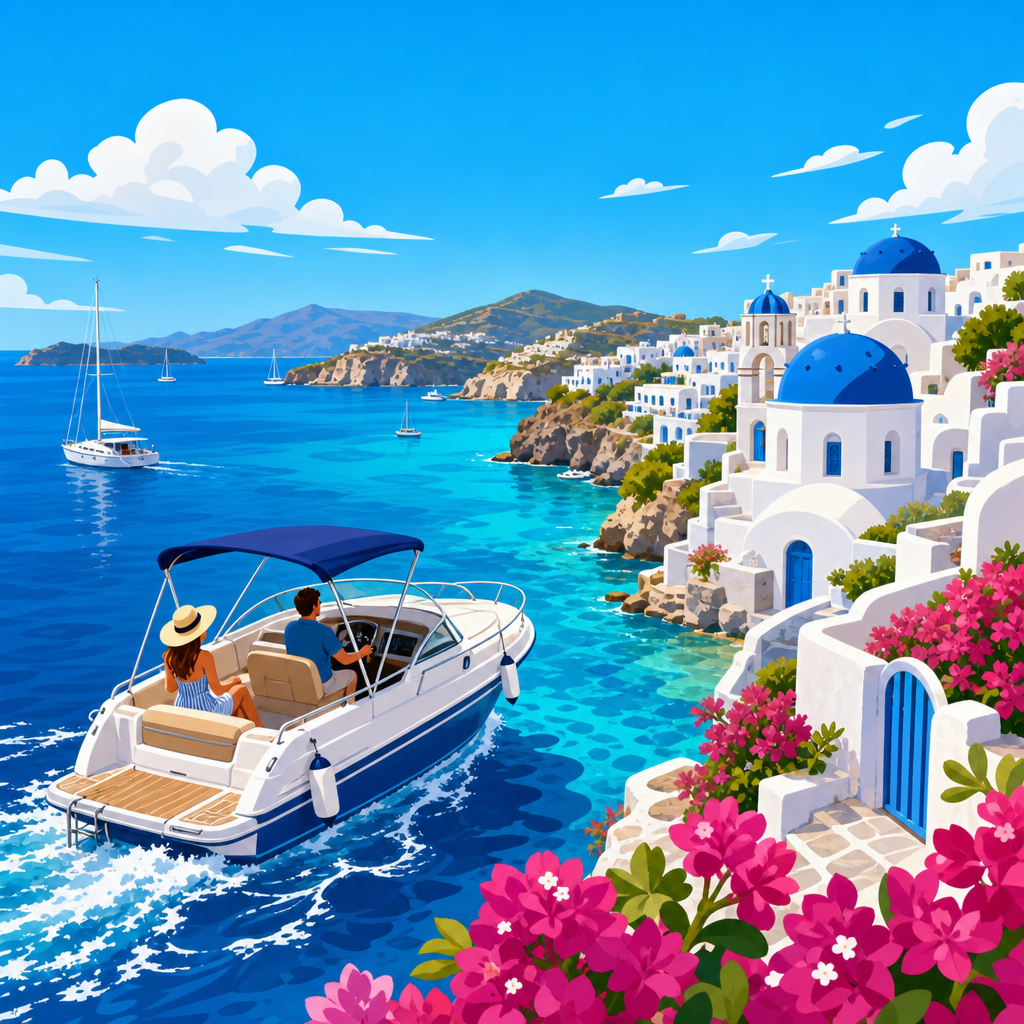
Boating the Greek Islands is one of the most rewarding ways to experience the Mediterranean, combining short sailing legs, historic ports, clear anchorages, and a concentration of cultures that changes from island to island. For travelers researching top international boating destinations, Greece deserves hub-level attention because it offers unusual variety within one cruising ground: cosmopolitan marinas near Athens, wind-swept Cycladic passages, green Ionian bays, volcanic calderas, and Dodecanese harbors shaped by Byzantine, Ottoman, and Italian influence. Island hopping simply means moving by boat between multiple islands on a single itinerary, but in Greece the concept carries practical decisions about charter style, season, licensing, weather windows, marina access, and regional route planning. I have planned Greek itineraries for first-time bareboat crews and experienced skippers alike, and the same pattern always emerges: people arrive focused on famous names like Santorini and Mykonos, then leave talking about a quiet taverna quay in Sifnos, a dawn swim off Antipaxos, or a sheltered cove in the Small Cyclades. That range is why Greece matters. With more than 6,000 islands and islets, of which roughly 227 are inhabited, the country gives boaters a dense network of destinations without requiring long offshore passages. Distances are manageable, services are widespread, and the boating season is long compared with northern Europe. At the same time, Greece is not effortless. Summer meltemi winds can transform a scenic crossing into a demanding passage, popular harbors fill early, and rules around transit logs, charter contracts, and skipper qualifications need attention before departure.
A complete guide therefore needs to answer the questions travelers actually ask: Which Greek islands are best for boating? When should you go? How expensive is it? Do you need a license? Should you choose a monohull, catamaran, gulet, or crewed yacht? And how does Greece compare with other top international boating destinations such as Croatia, Italy, Turkey, the British Virgin Islands, French Polynesia, and the Whitsundays? The advantage of Greece is balance. It can serve families wanting easy day hops, couples seeking boutique ports and beach clubs, and serious sailors looking for stronger wind and more technical route planning. This article acts as a hub for the broader boating destinations and travel topic by mapping the major Greek cruising regions, explaining logistics in plain terms, and showing how to choose an itinerary that fits your experience level and travel goals. If you understand the regions, seasonal patterns, boat options, and on-water etiquette before you book, you will make better decisions and enjoy more of what makes Greek island hopping exceptional.
Why Greece Leads the List of Top International Boating Destinations
Greece stands out among top international boating destinations because it offers diversity at a scale few countries can match. The Cyclades deliver iconic whitewashed villages and stronger wind; the Ionian offers greener scenery and gentler conditions; the Saronic Gulf gives convenient short cruises from Athens; the Dodecanese blends larger islands with medieval history; and the Sporades are known for pine-covered coastlines and clear water. In practical terms, that means one country can support many different boating styles. A first charter from Lavrion to Kea, Kythnos, and Hydra is very different from a high-summer run through Paros, Naxos, Ios, and Santorini, yet both are recognizably Greek experiences.
The infrastructure is another reason Greece performs so well as a boating destination hub. Charter bases are established around Athens, Lavrion, Corfu, Lefkada, Kos, Rhodes, Skiathos, and Volos. Operators such as Sunsail, The Moorings, Dream Yacht, Navigare, Istion, and local fleet companies provide bareboat, skippered, and crewed options. Marinas vary in polish, but refueling, provisioning, water, and shore access are generally straightforward. Tavernas often sit directly on harbor fronts, making the transition from berth to dinner simpler than in many cruising grounds.
Greece also rewards boaters with concentrated cultural value. Within a week, you can visit an ancient temple on Aegina, a Venetian castle on Astypalea, a UNESCO-listed medieval town on Rhodes, and a volcanic winery on Santorini. That density matters because boating is not only about navigation and scenery; it is about the quality of each stop. Compared with some tropical charter areas where the emphasis is almost entirely beach and water sports, Greece layers archaeology, cuisine, religion, village life, and living maritime tradition into each route.
Choosing the Right Greek Cruising Region
The best Greek island hopping route depends on your confidence, timing, and priorities. New charterers usually do best in the Saronic Gulf or Ionian Sea, where distances are moderate and shelter is easier to find. The Saronic is especially efficient for travelers flying into Athens because embarkation points at Alimos, Lavrion, or Piraeus reduce transfer time. Common one-week itineraries include Aegina, Poros, Hydra, Spetses, and Ermioni. These ports combine good services with attractive waterfronts, and the sea state is often more forgiving than the open Cyclades.
The Ionian, reached through Corfu, Lefkada, Kefalonia, or Zakynthos, is often the easiest answer to the question, “Where should beginners charter in Greece?” Summer winds are usually lighter and more predictable, with sea breezes building in the afternoon rather than the prolonged stronger patterns found farther east. Lefkada to Meganisi, Ithaca, Fiskardo, and Paxos is a classic route because each leg is manageable and the scenery is lush rather than arid. Families appreciate the swimming conditions, line-of-sight navigation, and abundance of protected anchorages.
The Cyclades are the image many travelers carry in mind, but they demand more respect. Mykonos, Paros, Naxos, Milos, Sifnos, Serifos, and Santorini are spectacular, yet summer meltemi can produce Force 6 to 8 conditions with stronger gusts in acceleration zones between islands. That does not make the region off-limits; it means crews need realistic itineraries, early departures, and alternate ports. Experienced sailors often love the Cyclades precisely because they feel more dynamic and challenging.
The Dodecanese, stretching near the Turkish coast, offers a compelling middle ground. Kos, Kalymnos, Leros, Patmos, Symi, and Rhodes combine larger passages with culturally rich stops and relatively warm shoulder-season conditions. The Sporades, including Skiathos, Skopelos, and Alonissos, are greener and often less crowded, while parts of the North Aegean appeal more to independent sailors than first-time charter holidaymakers.
| Region | Best For | Typical Conditions | Signature Stops |
|---|---|---|---|
| Saronic Gulf | First charters, short trips from Athens | Moderate winds, shorter hops | Hydra, Poros, Aegina, Spetses |
| Ionian Sea | Families, beginners, relaxed cruising | Lighter winds, protected waters | Paxos, Ithaca, Fiskardo, Meganisi |
| Cyclades | Experienced sailors, iconic scenery | Stronger meltemi, open passages | Paros, Naxos, Milos, Santorini |
| Dodecanese | History-focused cruising, shoulder season | Warm, mixed conditions | Rhodes, Symi, Patmos, Leros |
| Sporades | Scenic nature, lighter crowds | Generally moderate summer cruising | Skopelos, Alonissos, Skiathos |
When to Go, What It Costs, and How to Book Smartly
The Greek boating season typically runs from April through October, with the best balance of weather, water temperature, and crowd levels often found in late May, June, September, and early October. July and August bring the highest charter rates, busiest ports, and strongest meltemi in the Aegean. If your goal is relaxed swimming, lower marina pressure, and easier restaurant reservations, shoulder season is usually better. Sea temperatures around much of Greece often become comfortable by June and remain pleasant well into October, especially in the southern islands.
Budget planning should separate boat cost from trip cost. A bareboat monohull in shoulder season may start around €2,500 to €4,500 per week for a modest modern yacht, while catamarans often begin around €5,500 and can rise well above €12,000 in peak summer depending on size and age. Add fuel, end cleaning, marina fees, water, possible outboard or linen charges, and a damage deposit or deposit waiver. Provisioning varies widely, but many crews spend less than expected because breakfast and lunch are often simple onboard and dinners happen ashore. Crewed yachts and gulets increase comfort dramatically but move the budget into a different category altogether.
Book early for July and August, especially if you want a newer catamaran, air conditioning, or a one-way itinerary. Read charter contracts closely. Check cancellation terms, embarkation time, inventory lists, and whether a second certified skipper is required by the operator or port authority. For international travelers comparing Greece with Croatia or Italy, one of Greece’s advantages remains value. Berthing fees are often lower than in major Italian marinas, and meals in non-glamour ports can still be notably affordable by Mediterranean resort standards.
Boat Types, Licensing, and On-Water Practicalities
Choosing the right boat starts with an honest assessment of your crew. A monohull usually sails better upwind, costs less to charter, and fits smaller quays more easily. A catamaran provides greater beam, more stable living space, and shallower draft for some anchorages, but it can be harder to berth in crowded Greek harbors and is more expensive in both charter fee and marina charges. For multi-generational groups or travelers prioritizing comfort over active sailing, a crewed catamaran or motor yacht can be ideal. Traditional gulets are less common in Greece than in Turkey but still available for relaxed, service-oriented cruising.
Licensing matters. Requirements can change, and charter companies apply their own standards, but bareboat renters generally need an accepted skipper certificate or evidence of competence, plus a second crew member listed as competent to assist. The International Certificate of Competence is commonly recognized, and many companies also accept national sailing licenses or resumes demonstrating sufficient command time. If documentation is weak, a professional skipper is the simplest solution and often improves the trip for groups that want local knowledge without navigational pressure.
Greek mooring methods are a practical skill many visitors underestimate. In town quays, Med-mooring is common: approach stern-to or bow-to, drop anchor while reversing, and secure lines ashore. Crosswinds, limited space, and neighboring anchors can make this stressful. I always advise crews to practice communication before arriving, rig fenders early, and enter harbors before the late-afternoon rush. Apps and tools such as Navily, Navionics, Windy, PredictWind, and local port guidance help, but they do not replace cautious pilotage, updated forecasts, and visual judgment on the day.
Must-See Islands and Route Ideas for One or Two Weeks
If you only have one week, keep your route tight. From Athens, a high-quality Saronic itinerary might run Alimos to Aegina, Poros, Hydra, Spetses, and back via Ermioni or Epidaurus. That sequence delivers swimming, classic harbor life, and major landmarks without overcommitting. For the Ionian, a Lefkada loop to Meganisi, Kastos, Ithaca, Fiskardo, and Paxos is a proven crowd-pleaser. You get calm anchorages, photogenic villages, and excellent tavernas with manageable daily legs.
For ten days to two weeks, the options expand. In the Cyclades, experienced crews can link Kea, Syros, Paros, Antiparos, Naxos, Koufonisia, Ios, and Santorini, though weather may require dropping one or more open-water legs. Milos and Sifnos make an excellent pair for boaters who prefer dramatic geology and less party emphasis than Mykonos. In the Dodecanese, Kos to Leros, Lipsi, Patmos, Kalymnos, and Symi offers a strong mix of monasteries, climbing culture, sponge-diving history, and elegant harbors.
Some islands are famous for good reason. Hydra bans most private cars in the main town, preserving a harbor scene that feels almost theatrical at sunset. Milos has extraordinary coastal formations, including Kleftiko, where white volcanic cliffs and sea caves create one of the best day-anchor settings in Greece. Paxos and nearby Antipaxos are prized for turquoise water that rivals many Caribbean anchorages in good light. Santorini is visually unmatched from the sea, but space, swell, and commercial traffic make it better approached as a highlight stop than a leisurely base. Mykonos offers nightlife and luxury beach culture, yet nearby Delos adds archaeological weight that transforms the visit from fashionable to historically significant.
Safety, Weather, and Responsible Island Hopping
The most important safety fact in Greek boating is that weather should shape the itinerary, not the other way around. The meltemi, strongest from roughly June through September, is a persistent northerly pattern affecting the Aegean. Forecasting it is not difficult, but underestimating its local effects is common. Channels can accelerate wind, capes can create gusts, and otherwise attractive anchorages can become untenable overnight. Conservative planning means shorter legs, earlier departures, backup harbors, and a willingness to stay put. That judgment is a mark of seamanship, not hesitation.
Anchoring technique also matters because many Greek bays have variable holding, weed patches, and summer crowding. Set the anchor with enough scope, dive it if conditions allow, and monitor position carefully. Respect no-anchor zones near seagrass where local protection measures apply, especially around Posidonia oceanica, an ecologically important Mediterranean seagrass meadow. Responsible boaters minimize generator use in crowded bays, manage black water according to local rules, avoid blasting music in anchorages, and support island economies by using local chandlers, bakeries, and tavernas rather than treating ports as disposable backdrops.
Connectivity and emergency support are generally good in popular regions, but not uniform. Mobile coverage is widespread, pharmacies are common on inhabited islands, and the Hellenic Coast Guard is active, yet medical facilities on smaller islands are limited. Carry a practical first-aid kit, sun protection, hydration supplies, and backup charging for instruments and phones. Before departure, inspect life jackets, flares, VHF, bilge pumps, seacocks, and ground tackle. These checks take minutes and prevent the problems that most often derail otherwise memorable holidays.
Greek island hopping rewards preparation more than bravado. Choose a region that matches your experience, travel in the shoulder season if flexibility and value matter, book a boat that fits your crew rather than your fantasy, and let weather guide daily decisions. Greece earns its place among the world’s top international boating destinations because it combines reliable charter access, manageable distances, standout food, layered history, and scenery that changes constantly without ever feeling repetitive. Few places let you breakfast in a pine-lined bay, tour an ancient sanctuary at midday, and dock under a medieval skyline for dinner.
For travelers using this page as a hub within boating destinations and travel planning, the key takeaway is simple: there is no single best Greek itinerary, only the best match for your skills and goals. The Ionian suits gentle family cruising, the Saronic excels for convenient first charters, the Cyclades reward experienced sailors, and the Dodecanese balances culture with warm-weather range. Start by defining your season, budget, crew confidence, and must-see islands, then narrow the route accordingly. If you are building a broader shortlist of international boating trips, keep Greece near the top. Compare bases, review weather patterns, and secure your charter early—the best island-hopping weeks are planned, not improvised.
Frequently Asked Questions
What makes boating the Greek Islands such a standout destination for island hopping?
Boating the Greek Islands stands out because few cruising grounds offer so much variety within relatively short distances. In one trip, boaters can move from the organized marinas and provisioning hubs near Athens to the whitewashed villages and windier passages of the Cyclades, then on to the calmer, greener waters of the Ionian or the history-rich harbors of the Dodecanese. That concentration of contrast is what makes Greece so compelling. You are not simply traveling from island to island; you are moving through distinct local cultures, cuisines, landscapes, and sailing conditions, often in the span of a few days.
Another major advantage is the rhythm of the cruising itself. Many routes feature manageable day passages, which makes Greece attractive for both experienced sailors and travelers newer to multi-stop boating itineraries. You can spend the morning underway, dock in a harbor by lunch or late afternoon, and still have time to explore ruins, beaches, tavernas, and village squares. Add to that the Mediterranean climate, famously clear water, and a long maritime tradition, and Greece becomes more than a scenic destination. It becomes one of the most practical and rewarding places in the world for a true island-hopping boating trip.
Which Greek island groups are best for different types of boaters?
The best island group depends on the kind of boating experience you want. The Cyclades are often the most iconic, known for dramatic landscapes, cube-shaped villages, lively summer atmospheres, and classic Aegean scenery. They are ideal for travelers who want postcard views and energetic island culture, but they also require respect because Meltemi winds can create demanding conditions, especially in summer. These islands are often best for confident sailors, crews with some offshore experience, or charterers working closely with local route advice.
The Ionian Islands, on Greece’s western side, are generally considered one of the most approachable areas for relaxed cruising. Waters are often more sheltered, distances between stops can be short, and the setting is greener than many first-time visitors expect. This region is excellent for families, newer skippers, and travelers who want scenic anchorages and easygoing harbor towns. The Saronic Gulf, close to Athens, is another practical choice, especially for shorter charters. It combines convenience with attractive islands, historic towns, and manageable passages. The Dodecanese offer a more expansive feel with a strong blend of Greek, Ottoman, and Italian influences, making them especially rewarding for boaters interested in culture and longer itineraries. For dramatic geology and unforgettable scenery, volcanic islands such as Santorini have enormous appeal, though they are often better included as part of a wider route rather than treated as simple sailing stops due to exposure, crowding, and berth limitations.
When is the best time to go boating in the Greek Islands?
The main boating season in Greece typically runs from late spring through early autumn, with May, June, September, and early October often considered the sweet spots for many travelers. During these shoulder-season months, conditions can be pleasant, temperatures are warm without always being extreme, and popular ports are often less crowded than they are in peak summer. Water temperatures also improve as the season progresses, making late summer and early autumn especially attractive for swimming and anchoring-focused itineraries.
July and August bring the height of activity, with lively harbors, a full social scene, and long sunny days, but they also come with the busiest marinas, stronger competition for berths, and in some areas stronger winds. In the Cyclades in particular, the Meltemi can significantly shape route planning during midsummer. For some sailors, that is part of the appeal; for others, it is a reason to choose a different region or season. Spring can be beautiful, especially for sightseeing and more comfortable daytime exploration ashore, while autumn often delivers a satisfying mix of warm seas and a slightly slower pace. The right timing depends on whether your priority is nightlife, sailing challenge, cultural exploration, swimming conditions, or easier access to moorings and anchorages.
Do you need sailing experience to explore the Greek Islands by boat?
No, you do not necessarily need to be an experienced sailor to enjoy boating the Greek Islands, but the right level of support matters. Travelers with the proper licenses and practical skills may choose a bareboat charter, which offers maximum freedom and flexibility. However, Greece includes areas with changing winds, busy summer harbors, ferry traffic, and anchoring conditions that reward confidence and preparation. For that reason, first-time charterers or holidaymakers with limited experience often have a better trip by hiring a skippered yacht or joining a crewed charter.
A skippered option allows you to enjoy the route, scenery, and island culture without taking on full navigational responsibility. It also gives you access to local knowledge about weather windows, harbor procedures, quiet anchorages, and worthwhile stops that may not be obvious on a map. Even experienced sailors benefit from regional familiarity, especially in places where wind patterns can affect comfort and timing. If your goal is a seamless island-hopping holiday rather than a technically focused sailing trip, a skipper can dramatically improve the experience. In short, Greece is accessible to a wide range of travelers, but matching the boat, route, and support level to your comfort and skill is essential.
How should you plan a practical island-hopping itinerary in Greece?
The key to planning a successful Greek island-hopping itinerary is to build around realistic daily distances, weather patterns, and the character of the islands you most want to experience. Rather than trying to cover too much territory, it is usually better to focus on one cruising region and leave room for flexibility. A well-designed route balances lively ports with quieter anchorages, cultural sightseeing with swimming stops, and easy sailing days with the occasional longer passage if conditions allow. Starting from a major charter base near Athens or from a regional hub in the Ionian or Dodecanese can simplify provisioning, transfers, and embarkation logistics.
Practical planning also means thinking beyond the map. Popular islands can have limited docking space in high season, so berth strategy matters. Weather should guide your route, especially in windier areas, and backup options should always be part of the plan. It is wise to identify fuel stops, grocery access, water availability, and a few safe harbors for overnight shelter. Many successful itineraries also include at least one slower day to enjoy an island fully rather than constantly moving. The best Greek boating trips feel unhurried, even when they are well organized. A strong itinerary gives you structure, but it also preserves the freedom that makes island hopping in Greece so memorable in the first place.