Exploring the Norwegian fjords by boat is one of the rare travel experiences that fully justifies its reputation, combining dramatic geology, quiet navigation, and access to communities that still face the water as their main roadway. For anyone researching top international boating destinations, Norway belongs near the top because its fjord coast offers scale, safety infrastructure, and extraordinary variety within a single cruising region. A fjord is a long, narrow sea inlet carved by glaciers and bordered by steep mountains; in Norway, these waterways create a network of passages that let boaters travel past waterfalls, fishing villages, orchards, and high alpine ridgelines in a single day. I have planned routes here with charter crews and independent skippers, and the appeal is consistent: the scenery is world class, but the real advantage is how well the destination works on the water. Reliable charts, marked channels, guest harbors, and local maritime culture make the landscape accessible without reducing its wild character.
This matters for travelers building a broader boating bucket list because the Norwegian fjords represent a benchmark against which other international cruising grounds are often judged. The Mediterranean offers warm-water island hopping; Croatia excels in density of ports; New Zealand delivers remote coastal drama; Alaska provides wildlife and wilderness. Norway stands apart by giving boaters protected passages, deep-water anchorages, and iconic scenery with a level of navigational support that lowers risk when compared with many other high-latitude destinations. The best-known fjords include Geirangerfjord, Nærøyfjord, Sognefjord, Hardangerfjord, and Lysefjord, each with a different cruising personality. Geirangerfjord is famous for sheer walls and falls such as the Seven Sisters. Sognefjord is the longest and deepest, stretching more than 200 kilometers inland. Hardangerfjord mixes mountain views with farms and spring blossom. Together they form a practical and inspiring hub for understanding what makes an international boating destination truly exceptional.
Why Norway ranks among the top international boating destinations
Norway consistently ranks highly because it solves the three questions serious boaters ask first: Is it beautiful, is it navigable, and can I actually build a workable itinerary? On all three, the fjords deliver. The coastline is heavily indented, creating sheltered routes that reduce exposure to open-ocean swell. The Norwegian Coastal Administration maintains aids to navigation, while official charting from the Norwegian Mapping Authority and updated plotter data from C-MAP or Navionics give skippers solid route-planning tools. Harbors from Bergen to Ålesund are equipped for visiting vessels, and many marinas provide shore power, fuel, showers, and waste facilities. Even small settlements often have guest berths because boating is not a niche activity here; it is part of daily life.
Compared with other leading boating destinations, Norway is less about nightlife and more about immersion. The draw is not a beach club but a morning transit through still water under 1,000-meter cliffs. That distinction helps travelers choose correctly. If your priority is swimming in warm coves, the Amalfi Coast or the Cyclades may fit better. If you want long daylight hours, glacier-fed scenery, and a sense of moving through a landscape shaped on a continental scale, the fjords are hard to surpass. UNESCO recognition adds credibility: Geirangerfjord and Nærøyfjord are listed as part of the West Norwegian Fjords World Heritage Site because of their geological significance and scenic integrity. In destination terms, that means the views boaters see are not simply attractive; they are globally recognized reference points for natural grandeur.
Best fjord regions to explore by boat
Choosing a base area is the most important planning decision because “the Norwegian fjords” covers a very large geography. Bergen is the classic gateway for western fjord cruising and works well for charter clients who want urban services before moving into quieter water. From there, boaters can reach Hardangerfjord, known for fruit farms, Folgefonna glacier views, and manageable village-to-village passages. This region suits travelers who want a balanced itinerary with culture, scenery, and relatively straightforward logistics. In spring, the orchards around Ulvik and Lofthus add a visual layer that few boating destinations can match.
Farther north, the Alesund area is ideal for reaching Geirangerfjord, Hjørundfjord, and Sunnmøre’s alpine landscapes. These routes feel more dramatic and rugged, with steeper mountains dropping directly into deep water. Geiranger is the headliner, but Hjørundfjord often leaves the stronger impression on experienced cruisers because it is less crowded and feels more intimate. Sognefjord, meanwhile, is for travelers who like distance and depth. As the largest fjord system, it can support a longer itinerary with side arms, historic villages such as Balestrand, and excursions toward Flam or Gudvangen. Lysefjord, near Stavanger, is shorter and more compact, but landmarks such as Preikestolen make it a strong option for travelers adding boating to a broader Norway trip.
| Fjord region | Best for | Typical highlights | Ideal trip style |
|---|---|---|---|
| Hardangerfjord | First-time fjord cruisers | Orchards, villages, glacier views | Relaxed multi-day charter |
| Geirangerfjord | Iconic scenery | Waterfalls, cliffs, UNESCO status | Short scenic passage or expedition cruise |
| Sognefjord | Longer itineraries | Deep fjord arms, historic towns, Flam access | Weeklong cruising route |
| Lysefjord | Add-on to southern Norway travel | Preikestolen, dramatic compact route | Day trip or short charter |
What a fjord boat trip is actually like
A typical day on the fjords is quieter and more visually intense than boating in most warm-weather destinations. Water conditions are often calm inside the fjord systems, but wind can funnel through narrow sections and katabatic effects can build suddenly near steep terrain. The light changes constantly as clouds move over mountain walls, and that changes navigation as well as photography. You spend less time searching for a swimmable cove and more time observing waterfalls, seabirds, porpoises, and shoreline settlements built wherever small shelves of flat ground exist. Sound carries differently too; one reason people remember these trips so clearly is that engine noise can echo off the cliffs, then disappear into immense stillness once you throttle back.
Boat choice shapes the experience. Small RIB excursions are common for travelers who want speed and commentary from a local guide. Ferries and sightseeing boats work well for visitors without boating experience. Bareboat or skippered sailboats offer the richest sense of progression through the landscape, though power catamarans and displacement motor yachts are increasingly popular because they provide stable platforms and enclosed saloons in cool weather. In my experience, first-time visitors often underestimate how valuable that weather protection is. Summer temperatures can be comfortable, yet rain and wind remain part of the package. A well-equipped boat with heating, good visibility from the helm, AIS, radar, and reliable communication gear turns changing conditions from a problem into a manageable part of the adventure.
When to go and how to plan safely
The main boating season runs from late May through early September, with July and August offering the warmest temperatures and the longest service hours in many marinas. June is especially attractive because of extended daylight and generally lighter crowds than peak midsummer. Early autumn can be beautiful, but days shorten quickly and weather windows narrow. The Gulf Stream moderates coastal Norway, yet conditions are still cooler and more variable than Mediterranean boaters expect. In Bergen, average summer highs often sit in the mid-teens to low twenties Celsius, and rainfall is common throughout the season. That means clothing systems matter: waterproof outer layers, thermal mid-layers, nonmarking deck shoes with grip, gloves, and dry bags are standard gear, not overpacking.
Safe planning starts with route realism. Distances on a chart can look modest, but progress slows when you stop for weather, sightseeing, harbor entry, or strong tidal streams in exposed passages. Use official forecasts from the Norwegian Meteorological Institute, monitor local wind development, and build alternatives into every leg. In narrow fjords, avoid assuming calm water means zero hazard; commercial traffic, ferry movements, floating debris after rain, and cold-water immersion risk all deserve attention. File a float plan with your charter base or a shore contact, verify life jackets for all passengers, and confirm VHF procedures before departure. Norway rewards preparation. It is not a difficult destination when handled properly, but the margin for complacency is smaller than in benign summer cruising grounds.
Routes, ports, and onshore experiences worth adding
The strongest itineraries blend marquee scenery with time ashore. A Bergen to Hardangerfjord route can include Rosendal, with its barony and mountain backdrop, plus Eidfjord for access to the Vøringsfossen waterfall. In the Sognefjord system, many crews stop at Balestrand for its historic hotel atmosphere and continue toward Flam, where the steep valley setting and rail connection make it one of Norway’s most visited inland ports. Around Geiranger, arriving early or staying overnight helps avoid the busiest sightseeing periods created by cruise traffic. Smaller side fjords and neighboring villages often become the favorite memories because they reveal the lived-in character behind the postcard image.
Food and culture are a major part of the boating case for Norway. Menus often feature cold-water seafood, cod, salmon, shellfish, and regional specialties such as brown cheese or cured meats. Farm visits in Hardanger connect the maritime route to the agricultural landscape, while museums in Bergen and Ålesund add context about trade, fishing, and seafaring. For travelers comparing global boating destinations, this is where Norway performs especially well as a hub topic: it offers not just cruising, but integrated travel. You can combine rail journeys, hiking, historic towns, and boutique stays with time on the water. That flexibility makes the fjords suitable for families, photographers, couples, and experienced sailors who want a destination with depth rather than a single headline attraction.
How Norwegian fjords compare with other global boating hubs
As a sub-pillar within boating destinations and travel, the fjords work best when understood in relation to other leading regions. Croatia is easier for novice summer charterers because distances between ports are short, marinas are dense, and weather is generally warmer. Greece offers iconic island culture but can present stronger open-water Meltemi conditions in some areas. French Polynesia delivers lagoon cruising and coral colors that Norway cannot match. Alaska rivals Norway for scale and wildlife, but logistics, remoteness, and fuel planning are often more demanding. New Zealand’s Marlborough Sounds and Milford Sound share some fjord-like drama, though the overall cruising network is smaller.
Norway’s comparative advantage is concentration of scenic impact plus marine infrastructure. Few places let a recreational boater move through protected water beneath glacial landforms, dock in functional waterfront communities, and rely on strong public navigation systems all within the same trip. The tradeoff is climate. You usually wear a jacket, you plan around rain, and swimming is not the centerpiece. For the right traveler, those are not drawbacks but defining qualities. If your goal is to see what boating can unlock that road travel cannot, the Norwegian fjords are a compelling answer. Start with one region, charter conservatively, and use this hub as the foundation for exploring the wider world of top international boating destinations. Norway will set a very high standard for everything that follows.
Frequently Asked Questions
Why are the Norwegian fjords considered one of the best places in the world to explore by boat?
The Norwegian fjords stand out because they combine exceptional natural scenery with the practical advantages boat travelers care about most: protected waterways, excellent marine infrastructure, and remarkable cruising variety. These long, narrow sea inlets were carved by glaciers over thousands of years, which is why the landscape feels so dramatic from the water. Steep mountains rise directly from the shoreline, waterfalls drop into deep blue channels, and small villages appear in places that would be difficult to reach any other way. From a boater’s perspective, that means every leg of the journey offers constantly changing views without requiring long open-water crossings.
Another reason the region is so highly regarded is accessibility. Norway has a strong maritime culture, and many coastal communities still treat the waterfront as a primary route for transport, trade, and local life. That creates a boating environment that feels authentic rather than staged for tourism. Harbors, docks, navigation systems, and safety services are generally well developed, which helps both experienced cruisers and first-time visitors feel more confident on the water. In short, the fjords deliver a rare combination of grandeur, navigability, and cultural connection, making them one of the most rewarding international boating destinations available.
What is the best time of year to explore the Norwegian fjords by boat?
The main boating season in the Norwegian fjords generally runs from late spring through early autumn, with June, July, and August being the most popular months. During summer, travelers benefit from longer daylight hours, milder temperatures, and more predictable access to marinas, guided excursions, and local services. In many areas, the extended daylight is a major advantage because it allows boaters to cruise at a relaxed pace, stop for sightseeing, and still have plenty of time to reach an overnight harbor safely. Summer is also when the landscape feels especially vibrant, with green hillsides, flowing waterfalls fed by snowmelt, and active waterfront communities.
That said, the ideal timing depends on the kind of experience you want. Late May and early June can be excellent for travelers hoping to avoid peak crowds while still enjoying beautiful scenery and favorable conditions. Early autumn may appeal to those looking for quieter routes and a slightly more reflective atmosphere, though weather can become less stable and daylight begins to shorten. Regardless of the month, conditions in Norway can change quickly, so careful planning is essential. Checking local marine forecasts, harbor availability, and route-specific advice will always be part of a smart fjord cruising plan.
Do you need boating experience to enjoy the Norwegian fjords, or are there options for beginners?
You do not necessarily need advanced boating experience to enjoy the Norwegian fjords, but the right approach depends on your skill level and comfort on the water. For experienced sailors and motor cruisers, the fjords can be an outstanding independent cruising region thanks to their marked channels, sheltered passages, and generally strong support network. However, Norway is still a serious boating environment, and visitors need to respect local weather, cold water, changing visibility, and navigation rules. Even in protected fjord waters, seamanship matters.
For beginners, there are several excellent alternatives. Many travelers choose organized boat tours, private charters with local skippers, or small-ship cruises that allow them to experience the fjords without managing the vessel themselves. This is often the best option for people who want to focus on photography, sightseeing, and learning about local history rather than handling navigation. Some visitors also opt for guided day cruises from larger fjord gateway towns, which can provide a safe and memorable introduction to the region. In other words, the Norwegian fjords are accessible to a wide range of travelers, but beginners are usually best served by relying on licensed operators or experienced local crews.
What should you expect to see and experience while cruising through the Norwegian fjords?
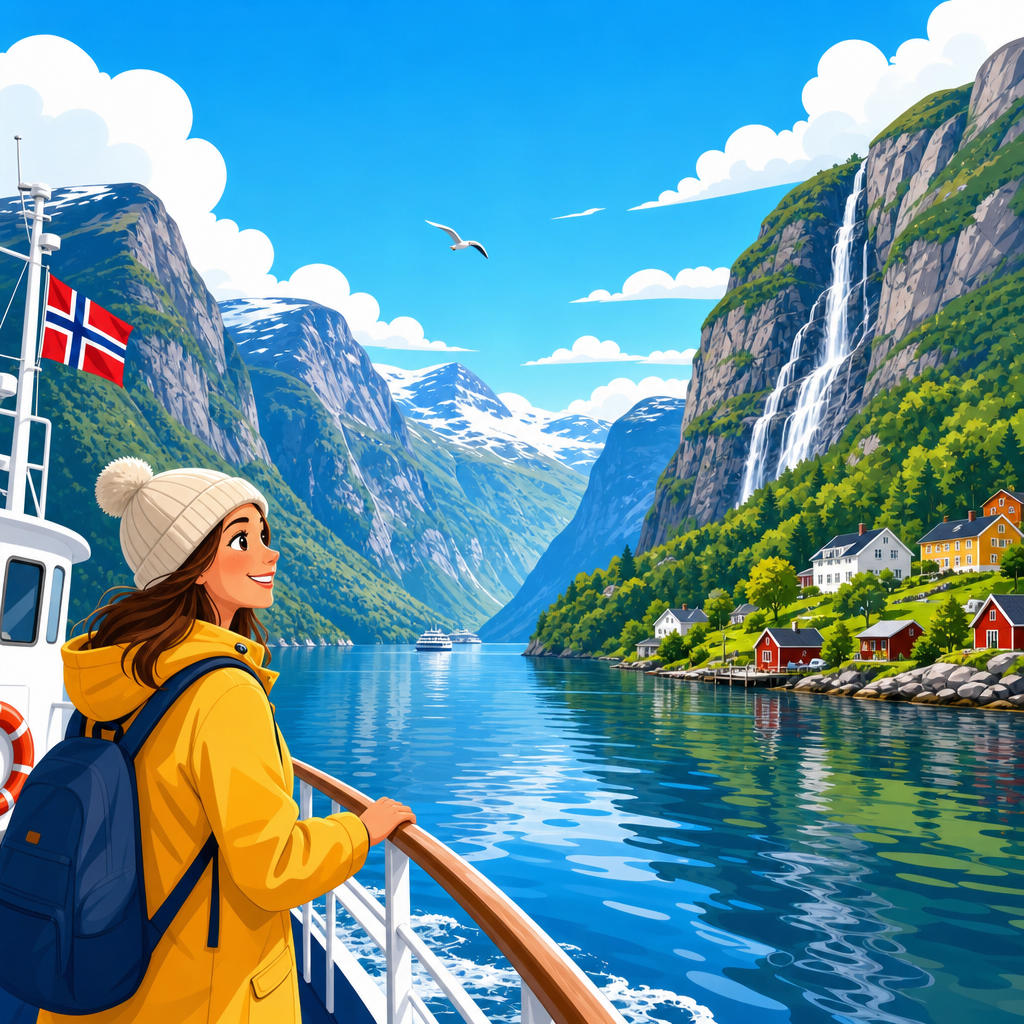
A boat journey through the Norwegian fjords is as much about atmosphere as it is about scenery. Visually, you can expect towering cliffs, glacier-shaped valleys, snow-dusted peaks in some seasons, and waterfalls cascading down rock faces into calm saltwater channels. Because a fjord is a glacially carved sea inlet, the scale often feels surprising in person; the water can be quiet and narrow while the surrounding terrain feels immense and vertical. This contrast is one of the defining features of fjord travel and one of the reasons exploring by boat is so compelling. From the deck, you get a low, immersive perspective that roads and viewpoints cannot fully replicate.
Beyond the landscape, the cultural experience is equally important. Many fjord communities developed in close relationship with the water, so arriving by boat provides insight into how people have moved, traded, and lived along these shores for generations. You may pass fishing villages, waterfront farms, ferry crossings, and small harbors where maritime life still shapes the rhythm of the day. Wildlife sightings can also add to the journey, depending on the region and season. Most of all, visitors often remember the sense of quiet: the slow movement through protected water, the echo of distant falls, and the unusual feeling of being inside a landscape that seems carved on a monumental scale.
How can travelers plan a safe and enjoyable boat trip in the Norwegian fjords?
Planning well is essential, because the fjords reward preparation. Start by choosing the style of trip that matches your experience level, timeline, and budget. Some travelers prefer a self-skippered yacht or motorboat, while others are better suited to a guided charter, local excursion boat, or multi-day cruise. Once you know the format, research routes carefully. Distances that look short on a map can take time because fjords twist inland, weather can influence speed, and you will likely want to stop often. It is wise to build a flexible itinerary that allows for slower travel, overnight harbor choices, and changes in conditions.
Safety should remain a top priority throughout the trip. Always review marine forecasts, understand local navigation requirements, and be realistic about the effects of wind, rain, fog, and cold water. Equip the boat properly, confirm communication options, and make sure everyone on board understands basic procedures. If you are renting or chartering, use a reputable provider with strong local knowledge and clear safety standards. It is also smart to reserve marina space or accommodations in advance during the busiest part of the season. The best fjord journeys are rarely rushed; they combine careful planning with enough freedom to pause in a quiet inlet, visit a waterside village, or simply appreciate the extraordinary setting from the boat itself.