Europe hosts some of the world’s most memorable boating festivals, blending seamanship, culture, tourism, and maritime heritage into experiences that appeal to sailors, yacht owners, families, and curious travelers alike. A boating festival can mean a classic regatta, a superyacht show, a tall ships gathering, a harbor celebration, or a citywide event built around life on the water. In practical terms, these festivals matter because they shape travel calendars, influence marina demand, showcase marine innovation, and create ideal entry points for people exploring boating destinations and travel across the continent.
I’ve planned trips around several of these events, and the pattern is consistent: the best European boating festivals offer more than boats on display. They combine local food, walkable waterfronts, sailing demonstrations, charter opportunities, and a strong sense of place. For travelers researching boating events and festivals around the world, Europe is the logical hub because distances are manageable, transport links are strong, and maritime traditions vary dramatically from the Mediterranean to the Baltic. This guide serves as a central resource, highlighting the top boating festivals in Europe worth visiting, what each event is known for, and how to choose the right one based on your boating interests, budget, and travel style.
Why Europe Dominates the Boating Festival Calendar
Europe dominates the boating festival calendar because it concentrates historic ports, modern marinas, yacht-building centers, and tourism infrastructure within relatively short travel distances. In one season, a traveler can move from a polished superyacht event on the French Riviera to a traditional sailing regatta in the United Kingdom or a public maritime festival in Scandinavia. That density creates a richer event ecosystem than most regions can match. It also means visitors can compare boat types, cruising cultures, and waterfront destinations without crossing oceans.
The variety is another advantage. Mediterranean festivals often focus on luxury yachts, brokerage, and glamorous harbor life, while northern European events tend to highlight maritime heritage, classic vessels, sail training, and community participation. Both formats are valuable. If you are shopping for a yacht, chartering a catamaran, or networking in the marine industry, events in Cannes, Monaco, and Genoa are hard to beat. If your goal is to understand traditional boatbuilding, watch tall ships under sail, or experience port cities at their most authentic, festivals in Brest, Amsterdam, and coastal Britain deliver a very different reward.
European events also benefit from strong institutional support. Major shows align with organizations such as Superyacht Builders Association members, recognized marina groups, national tourism boards, and city authorities that understand the economic impact of maritime events. Standards for visitor services, exhibitor management, and port logistics are generally high. That does not mean every festival is polished; weather disruptions, crowded docks, and expensive accommodation are common tradeoffs. Still, Europe offers the broadest and most reliable range of boating festivals for travelers who want both spectacle and substance.
Luxury Yacht Shows on the Mediterranean
For travelers interested in modern yacht design, brokerage, marine technology, and aspirational waterfront travel, the Mediterranean’s luxury yacht shows are the headline events. The Cannes Yachting Festival in France is one of the strongest starting points. Held across the Vieux Port and Port Canto, it typically presents hundreds of boats, from tenders and dayboats to sailing yachts and large motor yachts. What makes Cannes especially useful for visitors is the split between in-water displays and equipment-focused exhibits, which allows casual travelers and serious buyers to navigate the event differently. The city itself helps: hotels, beaches, and rail connections make the show accessible even if you are not arriving by boat.
The Monaco Yacht Show is more exclusive and more concentrated at the top end of the market. It is known for superyachts, luxury tenders, high-end suppliers, and the networking that surrounds the event. Even for visitors who are not buyers, Monaco offers a close look at how the global superyacht sector operates. You see design trends, crew services, refit specialists, and innovations in propulsion, stabilization, and onboard systems. The limitation is cost. Rooms, dining, and local transport during the event can be expensive, so Monaco works best for travelers who treat it as a premium research trip or once-in-a-lifetime maritime experience.
Italy adds another essential stop with the Genoa International Boat Show. Genoa is one of Europe’s most established marine trade events, and it has long reflected Italy’s strength in yacht construction, equipment manufacturing, and naval design. I like Genoa because it feels less like pure spectacle and more like a working event where buyers, builders, and boating enthusiasts overlap naturally. Visitors interested in practical cruising boats, marine accessories, and sailing hardware often find more breadth here than at heavily luxury-focused shows. For anyone building an itinerary around boating events and festivals around the world, these Mediterranean shows represent the commercial, design-driven core of Europe’s boating scene.
Historic Regattas and Classic Sailing Festivals
Not every great boating festival is about the newest yacht. Some of Europe’s most rewarding events center on classic craft, racing heritage, and traditional seamanship. Les Voiles de Saint-Tropez in southern France is a standout example. It combines modern racing yachts with elegant classic sailboats in one of the Mediterranean’s most recognizable ports. Spectators get more than a dockside display; they can watch starts, mark roundings, and harbor arrivals that reveal how differently these boats perform. Saint-Tropez can be crowded and expensive, but the visual impact of varnished classics under sail is hard to match anywhere else in Europe.
The Cowes Week tradition in the United Kingdom remains one of sailing’s defining events. Hosted on the Solent, it is both a competitive regatta and a social institution, bringing together professional crews, club racers, and shore-based visitors. What makes Cowes important in a hub article like this is its accessibility to different levels of interest. Experienced sailors appreciate the tactical complexity of the Solent’s tides and traffic, while first-time visitors enjoy race viewing from the shore, waterfront pubs, and the concentration of marine businesses in the town. It is a practical choice for travelers who want a true sailing atmosphere rather than a display-focused boat show.
Antigua Sailing Week belongs outside Europe geographically, but it helps explain why European regatta culture matters globally: many owners, crews, and sponsors who appear in Caribbean or transatlantic events are deeply connected to the European season. That crossover influences everything from yacht preparation schedules to charter demand. Within Europe itself, classic sailing festivals show the sport at its most human scale. You can study sail handling, hull shapes, weather strategy, and restoration craftsmanship in ways no showroom can replicate.
Maritime Heritage Festivals and Tall Ships Gatherings
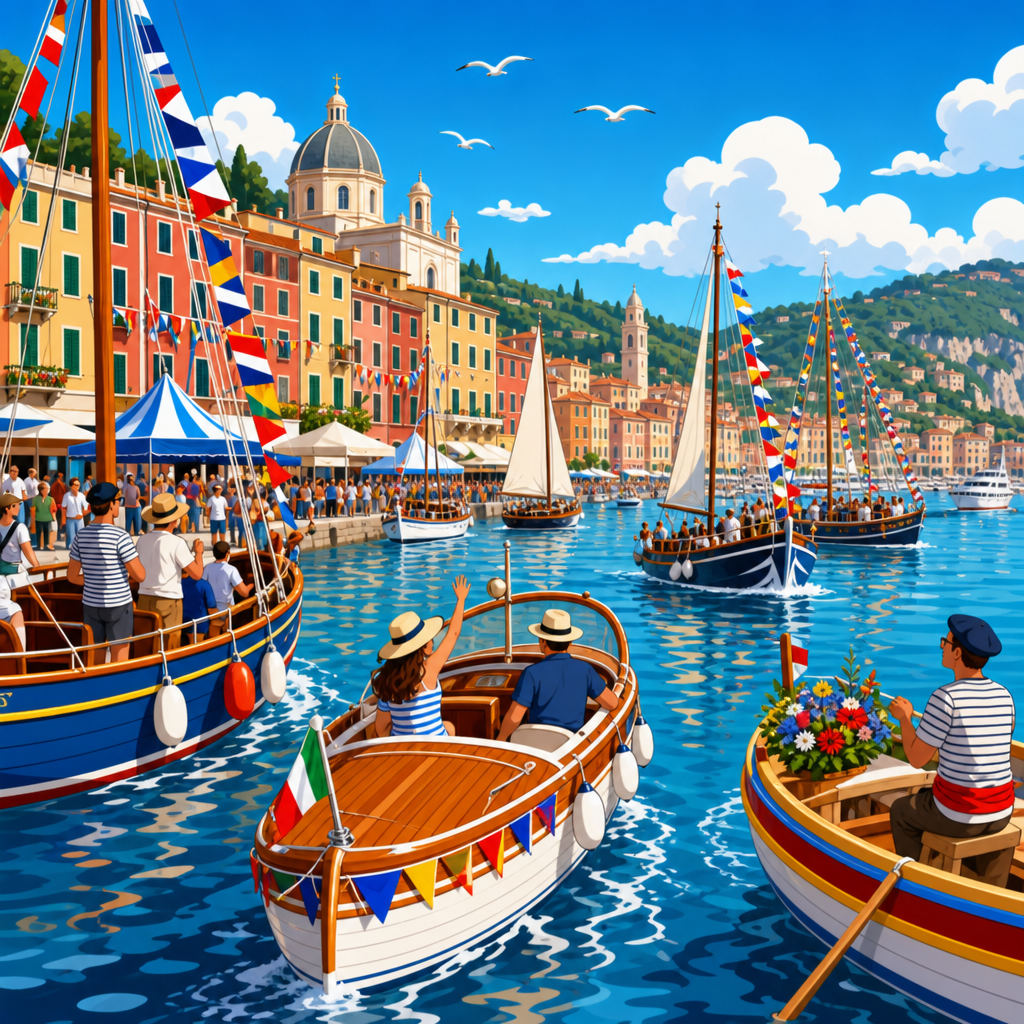
If your priority is public access, family appeal, and maritime history, Europe’s heritage festivals and tall ships gatherings are often better value than elite yacht shows. Brest’s major maritime festival in Brittany has built a formidable reputation by assembling traditional vessels, working craft, naval heritage displays, and international crews in a city with deep Atlantic connections. The festival atmosphere extends well beyond the docks, with music, food, and educational programming that makes it easy for non-sailors to engage. I’ve found that heritage events like Brest answer a question many travelers have: what does boating culture look like beyond luxury marinas? The answer is communal, technical, and deeply tied to regional identity.
SAIL Amsterdam is another signature event, famous for bringing tall ships and historic vessels into one of Europe’s most water-oriented cities. Amsterdam’s canal network and public transport make the event unusually navigable for visitors, and the visual experience is exceptional because the city itself frames the ships. Tall ships festivals also have educational weight. They showcase sail training, rigging practice, navigation traditions, and the international cooperation required to operate large heritage vessels safely. For younger travelers or families, these gatherings can be the most inspiring introduction to maritime life.
Harbor festivals in cities such as Hamburg and other North Sea or Baltic ports add another dimension. They may include naval visits, rescue demonstrations, classic ships, and public cruises. These events are less focused on boat sales and more on the working relationship between a city and its waterfront. That makes them especially useful for travelers exploring boating destinations and travel from a cultural perspective rather than a buyer’s perspective.
Best Festivals by Travel Style, Budget, and Boating Interest
The right boating festival depends on what you want to experience, not just which event has the biggest name. If you want luxury, design trends, and premium marina settings, choose Cannes or Monaco. If you want a broader equipment mix, practical boating products, and strong industry depth, choose Genoa. If your interest is sailing itself, Cowes Week and Les Voiles de Saint-Tropez provide much more action on the water. If you are traveling with children, prioritizing history, or trying to keep costs under control, public maritime festivals like Brest or SAIL Amsterdam usually offer more inclusive programming and easier sightseeing around the event.
| Festival | Best For | Typical Strength | Main Tradeoff |
|---|---|---|---|
| Cannes Yachting Festival | Luxury boat discovery | Wide range of new yachts | High seasonal prices |
| Monaco Yacht Show | Superyacht market insight | Top-end vessels and suppliers | Most expensive overall |
| Genoa International Boat Show | Practical buyers and enthusiasts | Strong equipment and builder presence | Less glamorous setting |
| Les Voiles de Saint-Tropez | Classic sailing fans | Iconic racing atmosphere | Crowds and limited availability |
| Cowes Week | Authentic regatta experience | Competitive sailing culture | Weather can disrupt plans |
| SAIL Amsterdam | Families and heritage travelers | Tall ships and city access | Large visitor volumes |
Budget planning is critical. In my experience, accommodation availability shapes the trip more than ticket prices. During major festivals, hotel rates can double or triple, and marina berths may be reserved far in advance. Booking nearby secondary towns and using rail or ferry links often saves significant money without sacrificing the event experience. Shoulder-day travel also helps. Arriving one day before opening and leaving after the peak weekend can reduce stress, lower costs, and improve dock access.
How to Plan a European Boating Festival Trip
Start with the event’s official dates, venue map, and audience profile. Some festivals are genuinely public; others are trade-oriented or require registration for certain zones. Then check local transport before booking accommodation. Cannes and Genoa are manageable with rail links, while island or small-port regattas may require ferries, rental cars, or carefully timed transfers. If you want to photograph boats, review sunrise direction, harbor access points, and spectator boat options. If you want sea trials or exhibitor meetings, request appointments early because the best time slots disappear quickly.
Weather preparation matters more than many first-time visitors expect. Mediterranean sun can be punishing on open docks, while Atlantic and Channel events can shift from calm to wind and rain within hours. Wear non-marking deck-friendly shoes if boarding is allowed, carry a light waterproof layer, and keep documents accessible. A portable battery pack is useful because event apps, maps, and digital tickets drain phones quickly. For major yacht shows, bring a clear plan: list brands you want to see, note berth locations, and group meetings by marina zone. Otherwise, large events become exhausting before they become productive.
Finally, use these festivals as gateways into wider regional cruising research. A show in Cannes can lead to charter planning along the Côte d’Azur or Corsica. A stop in Genoa can connect to Ligurian and Tuscan boating itineraries. Cowes can anchor a broader Solent sailing holiday, while Amsterdam can open routes through Dutch inland waterways. That hub value is why boating festivals matter so much in travel planning: they let you evaluate not only boats, but also destinations, marina culture, and the style of boating that fits you best.
Why These Events Matter for Boating Travel Worldwide
The top boating festivals in Europe are worth visiting because they condense the region’s maritime strengths into a few highly visible, information-rich experiences. In one trip, you can compare luxury yacht markets, study sailing traditions, visit historic ports, and test whether a destination suits your future cruising plans. Few travel categories offer that blend of inspiration and practical value. These events are also the clearest hub for anyone researching boating events and festivals around the world, since European calendars influence boat launches, charter demand, crew movement, and international media coverage across the wider marine sector.
The strongest approach is to match the festival to your goal. Choose Monaco or Cannes for superyacht exposure, Genoa for broad boating insight, Cowes or Saint-Tropez for racing culture, and Amsterdam or Brest for heritage and public access. Book early, budget realistically, and leave room to explore the surrounding destination rather than treating the festival as a single-day stop. The boats are the draw, but the port, coastline, and local maritime culture are what make the trip memorable.
If you are building a shortlist of boating destinations and travel ideas, start with one European festival that fits your interests, then use it as a base for deeper research into charters, marina networks, coastal routes, and regional boating seasons. That first event often turns casual curiosity into a much more informed boating journey.
Frequently Asked Questions
What types of boating festivals can travelers expect to find across Europe?
Europe’s boating festivals are remarkably varied, which is one reason they attract such a broad mix of visitors. Some are historic regattas centered on competitive sailing, where spectators can watch everything from classic wooden yachts to elite racing crews. Others are major yacht and superyacht shows that highlight new vessel launches, marine technology, brokerage opportunities, marina services, and luxury waterfront experiences. Travelers will also find tall ships festivals, which celebrate maritime heritage with grand sailing vessels, naval traditions, onboard tours, parades of sail, and family-friendly harbor entertainment.
In many destinations, boating festivals go beyond the marina itself and become full cultural events. Coastal cities and island towns often build programs around waterfront concerts, seafood markets, local crafts, fireworks, sailing demonstrations, and historical reenactments. Some festivals are highly polished and international, drawing yacht owners, industry professionals, and affluent travelers, while others feel more local and community-driven, with fishing boats, traditional seamanship, and regional customs taking center stage. That range is exactly what makes Europe so compelling: a visitor can move from a glamorous Mediterranean yacht show to a heritage harbor celebration in Northern Europe and have two completely different but equally memorable experiences.
When is the best time of year to visit Europe for boating festivals?
The peak season for boating festivals in Europe generally runs from late spring through early autumn, with the busiest period often falling between May and September. During these months, weather conditions are more favorable, marinas are fully active, and many coastal destinations schedule their flagship events to align with holiday travel and strong visitor demand. Summer festivals in the Mediterranean are especially attractive for travelers who want warm temperatures, lively waterfront nightlife, and the chance to combine a boating event with beach time, island hopping, or a longer coastal vacation.
That said, the “best” time depends on the kind of experience you want. Spring can be ideal for major boat shows and classic regattas because conditions are pleasant and destinations may feel less crowded than at peak summer. Midsummer brings the biggest crowds, the most energetic atmosphere, and the fullest event calendars, but also higher hotel rates and stronger competition for marina berths and restaurant reservations. Early autumn is often an excellent sweet spot, particularly in Southern Europe, where the weather is still attractive, the sea remains warm, and some high-profile yachting events continue with a slightly more relaxed pace. For travelers focused on tall ships festivals or maritime heritage events, Northern European schedules may differ, so checking regional calendars early is important.
Are boating festivals in Europe only for sailors and yacht owners?
Not at all. While some events are important gathering points for sailors, captains, brokers, shipyards, and yacht owners, many of Europe’s most popular boating festivals are designed to appeal to general travelers as much as marine enthusiasts. In fact, one of the strengths of these festivals is that they blend life on the water with food, music, heritage, tourism, and destination culture. A visitor does not need technical boating knowledge to enjoy harbor parades, public dockside exhibitions, open-deck tours, sailing displays, waterfront dining, or evening celebrations. Families, photographers, couples, and first-time coastal travelers often find these events highly accessible.
For non-boaters, the appeal usually comes from the atmosphere and setting. These festivals tend to showcase some of Europe’s most scenic waterfronts, from Mediterranean ports to Atlantic harbors and Baltic maritime cities. They can also provide an easy introduction to boating culture without requiring charter experience or sailing credentials. Many festivals include educational exhibits, heritage programming, children’s activities, and local tourism offerings that make the event feel like a citywide celebration rather than a niche industry gathering. Even if someone has no intention of ever owning a boat, attending one of these festivals can still be a rewarding way to experience coastal Europe.
How should travelers plan for accommodations, marina space, and tickets during major boating festivals?
Advance planning is essential, especially for well-known events in major yachting destinations. Popular boating festivals can dramatically increase demand for hotels, waterfront apartments, ferry services, rental cars, and restaurant reservations. In destinations with limited harbor infrastructure or strong seasonal tourism, nearby accommodations may sell out months in advance. If you are traveling by boat, the need for early planning becomes even more important, since marina berths during headline festivals are often limited, expensive, and booked well before the event begins. Yacht owners and skippers should confirm berth availability, entry procedures, local navigation notices, and support services as early as possible.
For land-based visitors, it helps to decide whether you want to stay in the center of the action or slightly outside the main harbor area. Staying close to the marina offers convenience and atmosphere, but usually comes with higher prices and more congestion. Some travelers prefer nearby towns connected by train, ferry, or shuttle, especially if the festival takes over a compact historic port. Ticketing also varies widely. Certain harbor festivals are largely public and free to attend, while premium yacht shows, grandstand regattas, onboard experiences, and hospitality programs may require paid entry or advance registration. The smartest approach is to review the official event schedule early, book the essentials first, and then build your sightseeing, dining, and transport plans around the festival calendar.
What makes Europe’s boating festivals worth adding to a travel itinerary?
Europe’s boating festivals stand out because they combine maritime spectacle with a strong sense of place. These are not isolated trade events or generic waterfront gatherings; they are often deeply tied to the identity of the destination. A regatta may reflect centuries of local sailing tradition, a harbor festival may revive working-port heritage, and a yacht show may reveal how a coastal city has evolved into a global luxury marine hub. For travelers, that means the experience extends beyond the boats themselves. You are also engaging with regional cuisine, architecture, local craftsmanship, seafaring history, and the rhythms of communities shaped by the water.
They are also worth visiting because they create a uniquely layered travel experience. In a single trip, you might watch world-class racing, tour historic vessels, sample seafood on the quay, explore a medieval old town, and take a short cruise along the coast. These events influence marina demand, seasonal tourism flows, and even how destinations present themselves internationally, so attending one can provide a revealing snapshot of both local culture and the broader European marine scene. Whether your interest is sailing performance, classic boats, luxury yachting, photography, family travel, or simply the atmosphere of a lively waterfront city, Europe’s top boating festivals offer a memorable and highly distinctive reason to travel.