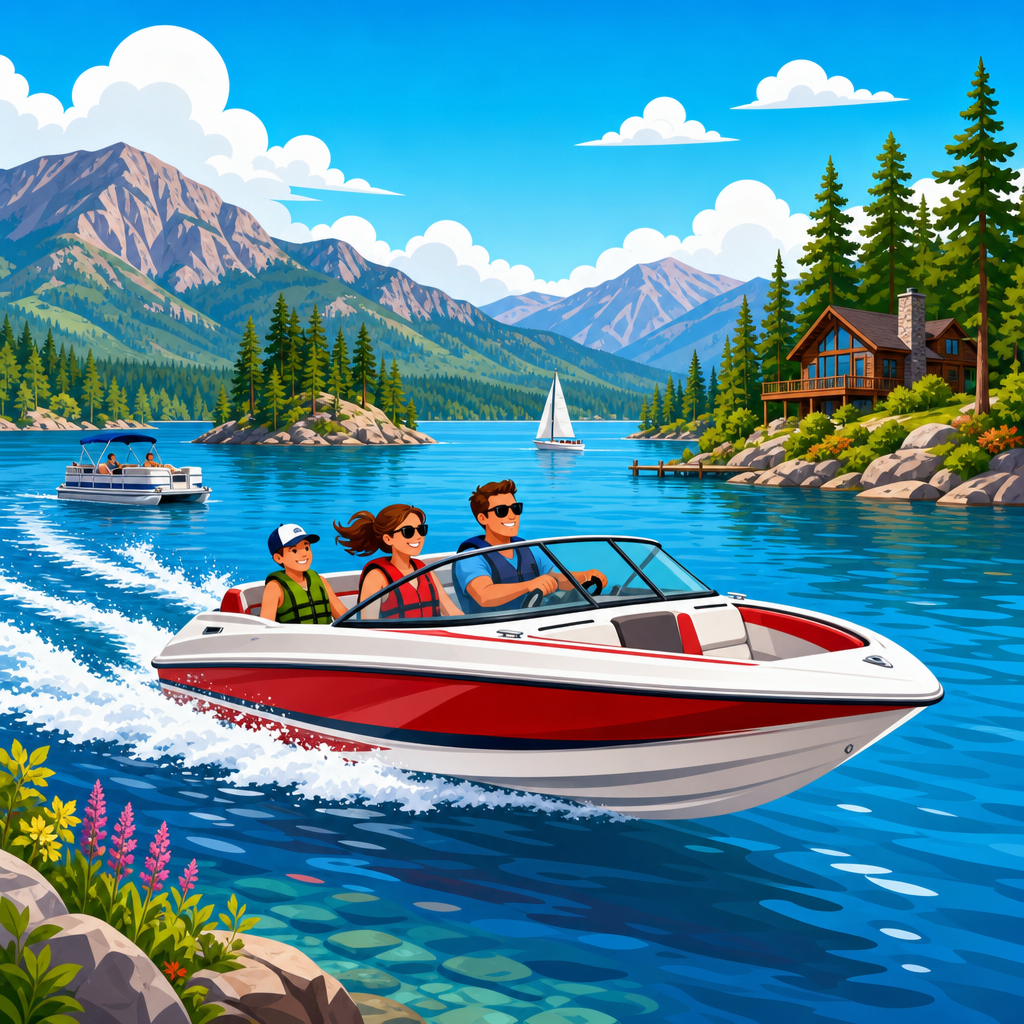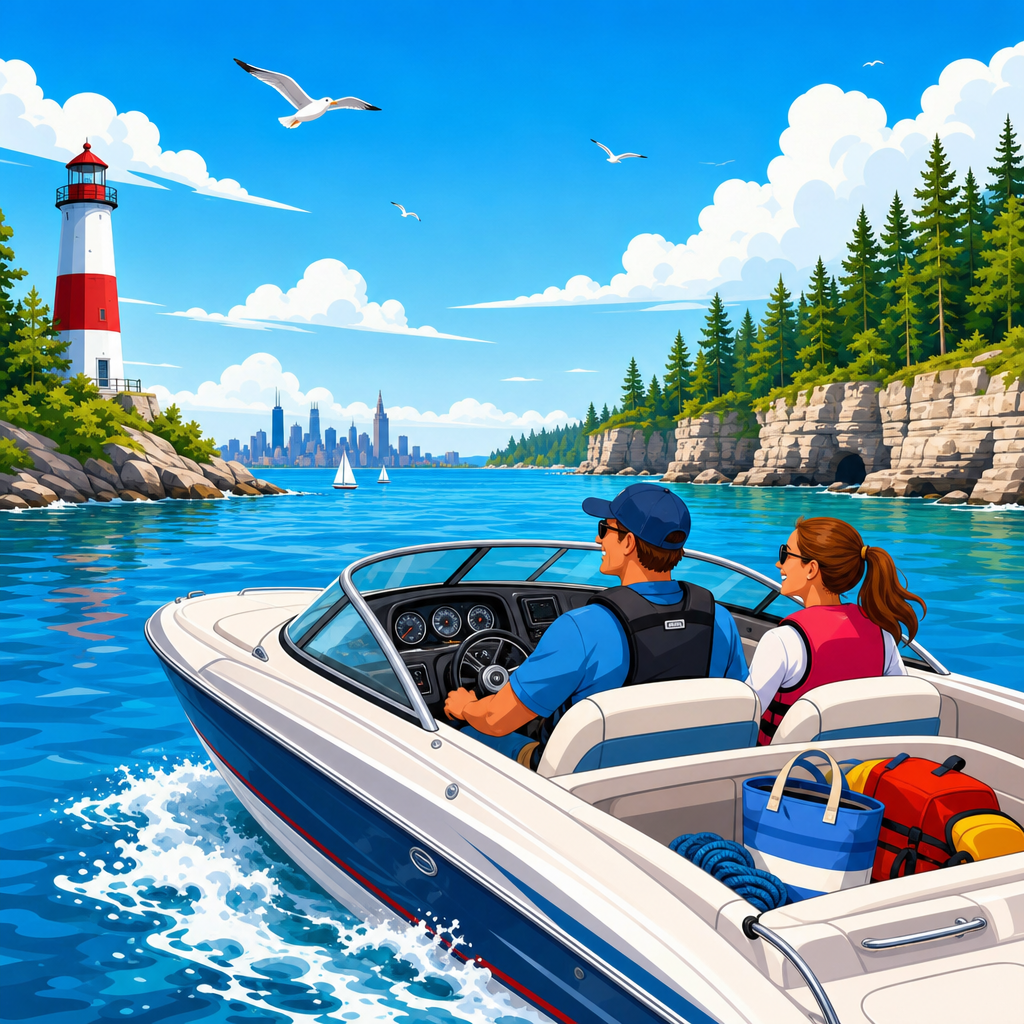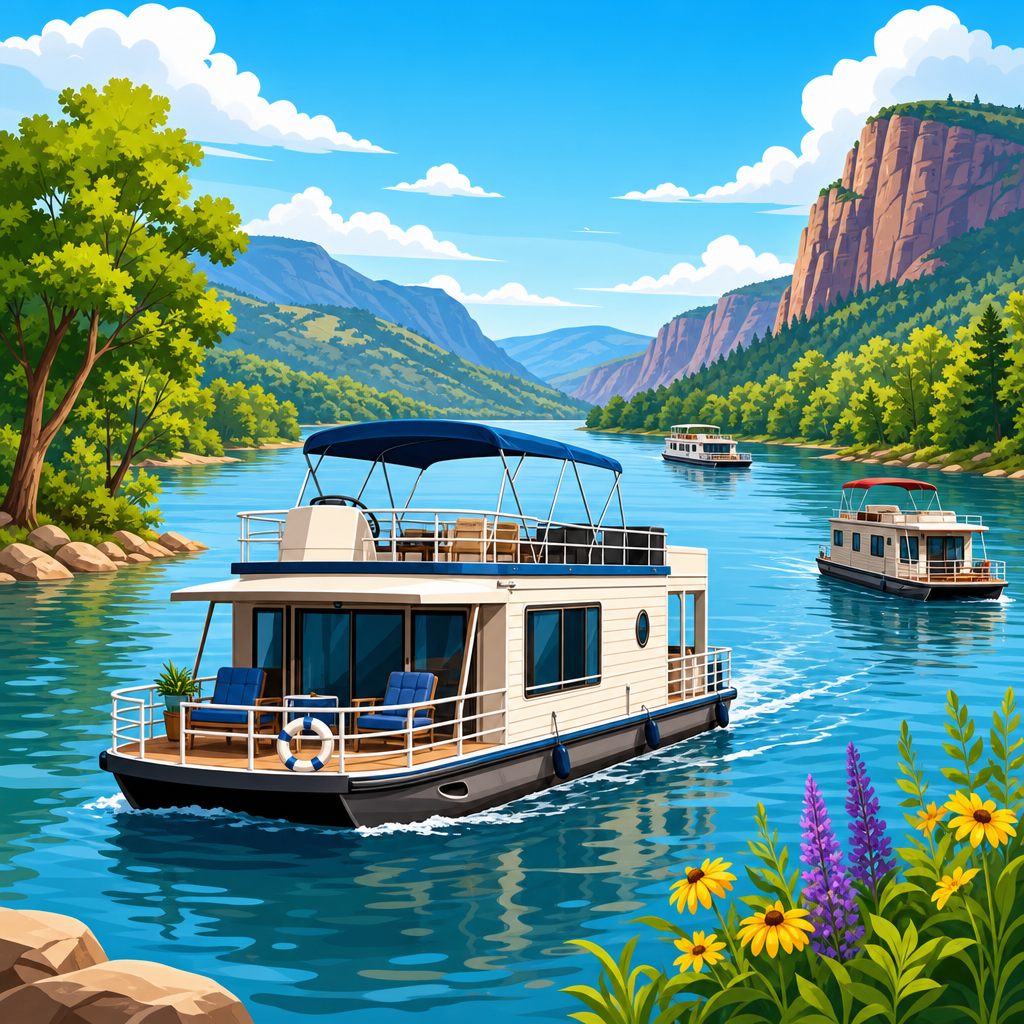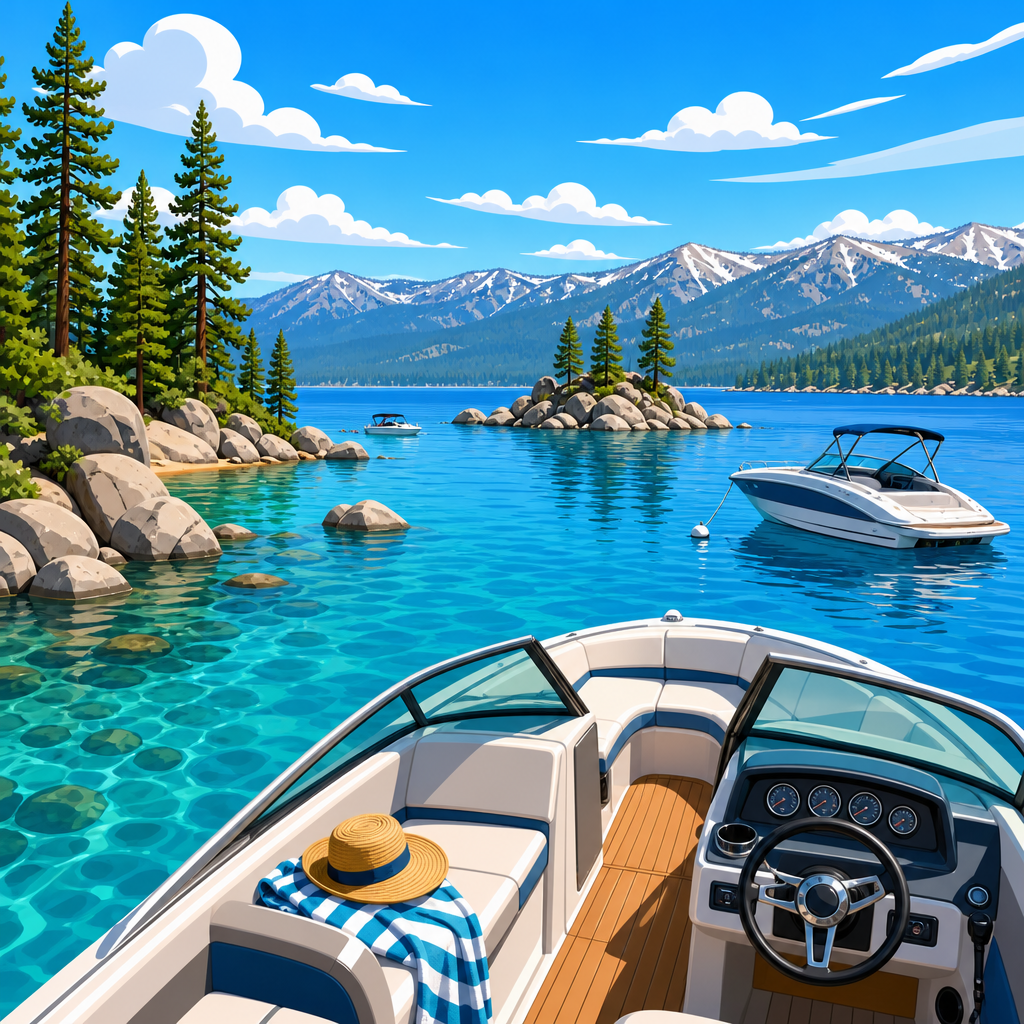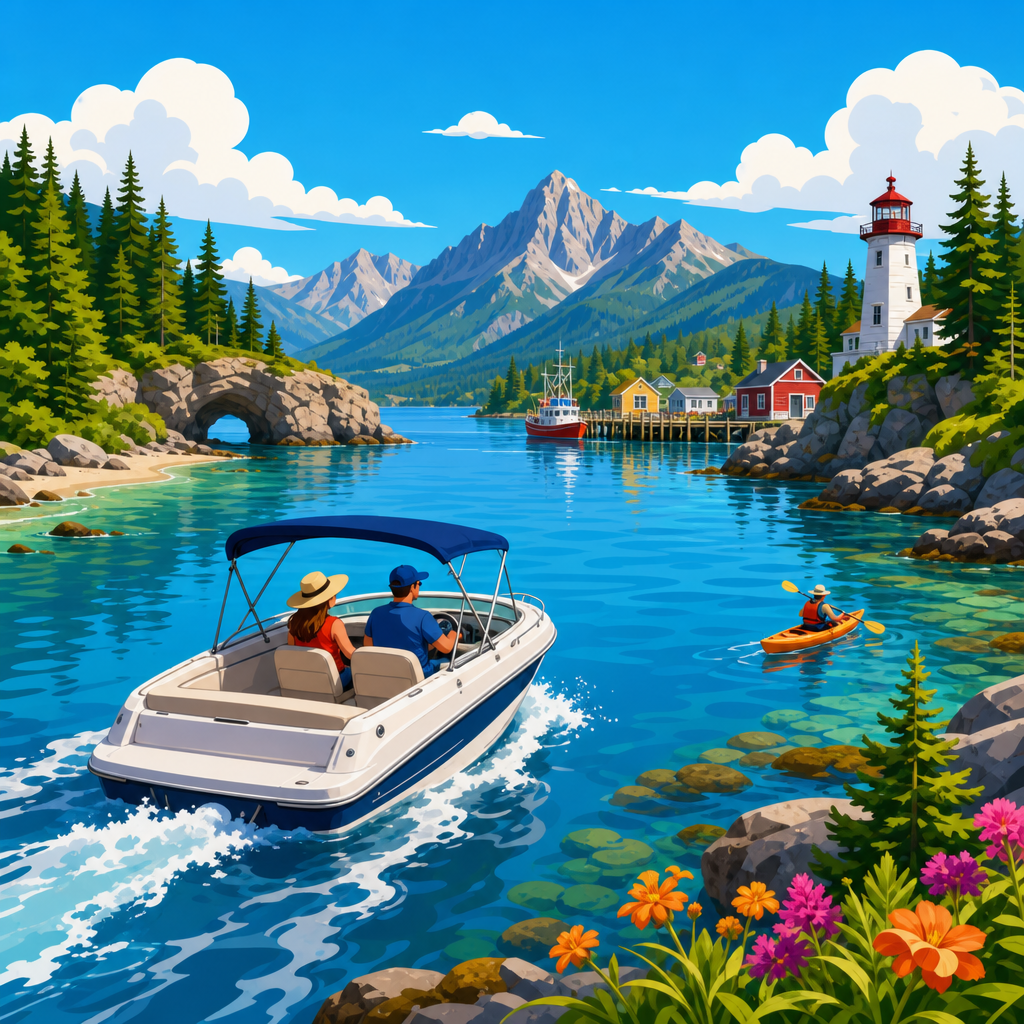
North America’s best boating memories are often made far from marquee harbors, where shorter fuel lines, quieter anchorages, and less crowded launch ramps turn an ordinary cruise into a genuinely restorative trip. Hidden and underrated boating destinations are waterways that deliver strong scenery, navigability, and access to local culture without the saturation, pricing pressure, and heavy traffic found in better-known names like Lake Tahoe, the Florida Keys, or the San Juan Islands. For boaters planning future itineraries under the broader Boating Destinations & Travel umbrella, this hub on hidden and underrated boating destinations maps the places worth serious consideration, from inland lake systems to tidal sounds and protected coastal passages.
I have planned routes, checked chart books, compared marina reports, and talked with local captains long enough to know that “underrated” does not mean undeveloped or difficult. It usually means the destination has a strong boating base but limited mainstream travel coverage. The result is practical value: easier transient dockage, cleaner approaches to marinas, better chances of securing a mooring, and more time actually cruising instead of idling in wakes. These destinations matter because they widen the boating map for trailer boaters, sailors, trawler owners, anglers, and paddlers alike. They also help spread tourism spending to smaller waterfront towns that depend on marinas, boatyards, bait shops, marine mechanics, and family-run restaurants.
When evaluating an underrated boating destination, I look at six factors: navigable water, shelter from prevailing weather, launch and marina infrastructure, chart quality, seasonal crowding, and onshore appeal. A beautiful bay is not enough if slips are scarce, shoaling is poorly marked, or fuel is unreliable. Likewise, a technically excellent boating area may disappoint if there is nowhere meaningful to stop ashore. The strongest hidden boating destinations balance seamanship and experience. They offer protected coves, scenic runs, workable weather windows, and towns where provisioning or spending a night feels worthwhile. The locations below stand out because they repeatedly deliver that balance across different boat types and trip lengths.
What Makes a Boating Destination Underrated
An underrated boating destination succeeds by combining access, scenery, and usability in a way that exceeds its reputation. In practice, that means reliable charts from NOAA or the Canadian Hydrographic Service, marinas with transient options, fuel within workable cruising range, and enough shoreline variation to support day trips and multi-day itineraries. It also means the place is not overbuilt around one narrow boating style. The best hidden destinations welcome center consoles, pontoons, trailerable cruisers, sailboats, and kayaks, each for slightly different reasons. A sailor may value predictable afternoon breezes, while a family in a runabout may care more about beach access, no-wake creeks, and easy dock-and-dine options.
These places also tend to offer a favorable complexity curve. They are interesting enough to reward planning but not so demanding that every leg feels like a delivery passage. For example, sections of Georgian Bay require real respect for rock hazards and route-finding, yet they also provide extraordinary shelter and endless anchorage choices once you understand the charts. In contrast, a destination can be beautiful and still not qualify as broadly useful if access depends on rare tide windows, advanced local knowledge, or a long exposure to open water that deters average recreational crews. Underrated does not mean unsafe; it means overlooked relative to the quality of the experience.
Freshwater Escapes Worth the Tow
Lake of the Ozarks in Missouri is often associated with party coves, but that stereotype obscures how useful the wider waterway is for boaters seeking long cruising distances, sheltered side coves, and an extensive marina network. Outside holiday peaks, the lake supports relaxed exploration, especially on weekday shoulder seasons. Its serpentine shoreline creates countless protected pockets for swimming and overnighting, and the service ecosystem is mature: haul-out facilities, fuel docks, marine service yards, and dockside restaurants are plentiful. For trailer boaters, it works because access is straightforward and trip planning is simple. For cabin boat owners, it offers enough water and infrastructure to justify longer stays.
The Thousand Islands region along the St. Lawrence River deserves more attention from U.S. boaters who default to the Great Lakes or coastal New England. This borderland cruising ground offers island-hopping, historic waterfront architecture, and a navigation environment that feels rich without becoming chaotic. You can cruise among castle views, dock in compact river towns, and find protected routes suitable for modest vessels. Because the current, channel traffic, and cross-border rules require some preparation, the region rewards disciplined planning. Yet that same structure keeps the experience engaging. For families, it combines sightseeing and manageable runs. For experienced skippers, it offers route variety and strong anchoring options.
In British Columbia, Shuswap Lake remains overshadowed by Okanagan Lake, even though it is one of western Canada’s most satisfying inland boating systems. Its branching arms create the feel of a water-based road network, with beaches, provincial parks, and houseboating opportunities spread through mountain scenery. The lake is large enough to support genuine exploration but protected enough for a broad range of recreational boaters when weather is respected. This is a destination where daily trip design matters. One arm may suit wake sports and beach stops, while another favors quiet cruising and overnight moorage. That diversity is exactly why returning boaters tend to rate it highly.
Protected Coastal Routes That Stay Off the Radar
North Carolina’s Albemarle and Pamlico sounds are among the most underrated boating destinations on the Atlantic seaboard. They are vast, shallow in places, and weather-sensitive, but they also provide a remarkable mix of fishing grounds, barrier island access, maritime history, and working waterfront communities. Boaters who only know the state for the Intracoastal Waterway often miss the broader cruising potential. Towns such as Washington, New Bern, and Manteo create practical stopovers, while anchorages near the Outer Banks open up beach access and wildlife viewing. The key is understanding fetch and wind direction. With good forecasts and route discipline, these waters deliver serious cruising value.
On the Gulf side of Florida, Charlotte Harbor receives far less national attention than Sarasota or Naples, yet it is one of the state’s most versatile boating areas. It connects river cruising, protected harbor passages, island beaches, and access to Pine Island Sound. The harbor supports anglers, sailors, and power cruisers because conditions vary by route. One day can include sheltered cruising through mangrove-lined channels; the next can focus on tarpon water or a run to Cayo Costa. Marina options around Punta Gorda and nearby communities are practical rather than flashy, which helps keep the experience grounded in boating instead of resort congestion.
In Atlantic Canada, the Bras d’Or Lake system on Cape Breton Island is a standout hidden cruising ground. Technically an inland sea with brackish water, it offers protected passages framed by highland scenery and small communities where marine culture still feels lived-in rather than staged for visitors. Sailors value the open reaches and manageable harbor options, while powerboaters appreciate the calm alternatives available when conditions change. The defining strength here is range. You can spend a weekend exploring one cluster of coves and villages or build a much longer itinerary without feeling repetitive scenery. For crews seeking scenery and low-density traffic, few places outperform it.
Top Hidden Boating Destinations at a Glance
| Destination | Best For | Why It Stands Out | Watchouts |
|---|---|---|---|
| Thousand Islands, NY/Ontario | Island cruising, history, family itineraries | Protected routes, scenic towns, varied anchorages | Current, border procedures, channel awareness |
| Shuswap Lake, British Columbia | Trailer boaters, houseboating, beach stops | Multiple lake arms, mountain views, provincial parks | Summer wind shifts, busy holiday ramps |
| Albemarle-Pamlico, North Carolina | Coastal cruising, fishing, maritime heritage | Large-scale exploration, barrier island access | Shallow areas, weather exposure, fetch |
| Charlotte Harbor, Florida | Angling, sailing, island day trips | Protected harbor network, mangrove routes | Seasonal shoaling, afternoon storms |
| Bras d’Or Lake, Nova Scotia | Sailing, scenic cruising, multi-day trips | Inland-sea protection, low traffic, cultural stops | Changeable weather, longer travel logistics |
| Georgian Bay, Ontario | Experienced cruisers, granite-island anchorages | Exceptional scenery, endless coves, iconic freshwater cruising | Rock hazards, chart precision required |
Island Networks and Archipelagos That Reward Careful Navigation
Georgian Bay, especially the eastern side and the Thirty Thousand Islands area, is one of North America’s finest examples of a destination being underrated only because it sits outside mainstream travel conversation. Among seasoned cruisers, it is revered. Among general vacation planners, it remains underexposed. The appeal is unmistakable: pink granite shorelines, pine-fringed islands, clear freshwater, and an almost inexhaustible supply of anchorages. This is not casual water, though. Accurate charting, route adherence, and attention to rock markers are essential. For that reason, Georgian Bay tends to attract boaters who enjoy real piloting. The reward is an anchoring experience few freshwater destinations can equal.
Maine’s Muscle Ridge and Merchant Row areas, south of the state’s more frequently discussed Down East routes, also qualify as underrated for coastal boaters who want classic New England scenery without committing to the longest offshore-feeling passages. The island-studded coast here provides lobster village character, protected passages, and enough navigational texture to keep a cruise engaging. Fog, tides, and ledges mean preparation matters, but those are standard Maine disciplines rather than prohibitive barriers. What I like most about this area is its scale. You can design a long weekend with meaningful harbor changes, good shoreside meals, and photogenic anchorages without forcing marathon travel days between stops.
In Mexico’s Sea of Cortez, Bahía Concepción on the Baja peninsula remains one of the most beautiful less-publicized cruising grounds accessible to trailer boaters and small cruisers willing to plan carefully. It offers warm water, desert-meets-sea scenery, and numerous coves with strikingly clear conditions. Calling it underrated within North America is fair because many U.S. boaters still focus on Southern California or mainland Mexico marinas instead. Bahía Concepción is simpler, quieter, and more self-reliant. Provisioning and weather planning require discipline, and summer heat can be intense, but the payoff is exceptional anchoring and paddling in a landscape that feels both expansive and intimate.
How to Choose the Right Underrated Destination for Your Boat
The right destination depends less on hype and more on fit. Start with your boat’s operating profile: draft, fuel range, weather tolerance, and overnight capability. A center console excels in places like Charlotte Harbor or the Albemarle-Pamlico system, where day runs and fishing flexibility matter. A trawler or pocket cruiser can turn the Thousand Islands or Bras d’Or into an extended itinerary. Houseboats and deck boats fit naturally on Shuswap Lake or Lake of the Ozarks, where protected water and marina frequency reduce stress. Matching the waterway to the vessel prevents the common mistake of choosing a scenic destination that constantly exposes your crew to conditions your boat is not designed to handle.
Second, assess access and support. For trailer boaters, launch ramp grade, parking, and turnaround room matter as much as scenery. For larger cruisers, transient slip reservations, pump-out availability, and fuel dock hours matter more. I always check Navionics or C-MAP against official charts, review recent marina notices, and confirm local hazards with harbor staff before arrival. Third, align expectations with seasonality. Shoulder seasons often reveal the true value of underrated boating destinations: lower rates, more dock space, and calmer shore experiences. Finally, think like an itinerary builder. The best hidden destination is not just a pretty basin. It is a place with enough route options to support weather changes, energy levels, and crew interests.
Planning, Safety, and Why These Places Make Better Trips
Underrated boating destinations often produce better trips because they reduce the friction that crowds create. You spend less time waiting for bridge openings stacked with traffic, circling for dock space, or abandoning anchorages because wakes never stop. That does not remove risk. In fact, hidden destinations often demand better preparation because local knowledge matters more than mass tourism signage. Check forecast models, not just a single app. Review Notices to Mariners where relevant. In Canada, confirm customs and reporting requirements if crossing borders. Carry paper backups for complex waters, especially in Georgian Bay or the Thousand Islands, where precision still matters even with modern chartplotters.
The broader benefit is that these places return boating to its core strengths: mobility, self-directed travel, and access to shorelines that look different from the water than they do from a road. They let crews trade spectacle for substance. A less famous harbor with a competent dockmaster, quiet mooring field, and walkable town often beats a celebrated stop packed with raft-ups and reservation headaches. As a hub for hidden and underrated boating destinations, this guide should help you narrow your next route by water type, boating style, and planning complexity. Pick one destination, study the charts, book the essentials early, and give yourself room to explore slowly. That is where the best boating days still happen.
Frequently Asked Questions
What makes a boating destination in North America truly underrated?
An underrated boating destination is not simply a place that is less famous; it is a waterway that consistently delivers a high-quality on-the-water experience without the congestion, pricing pressure, and logistical headaches of headline boating regions. In practical terms, that usually means easier launch access, more available transient slips or anchorage options, shorter waits at fuel docks, less wake-heavy traffic, and a better chance of finding quiet water for cruising, fishing, paddling, or swimming. These places often combine strong scenery with workable navigation, dependable marina support, and appealing nearby towns, but they remain outside the standard “must-visit” lists that concentrate boaters into the same few destinations every season.
In North America, many underrated boating areas are overlooked because they lack the brand recognition of famous lake and coastal markets, not because they lack substance. A river town in the Thousand Islands corridor, a protected bay on Lake Huron, a reservoir with dramatic canyon walls in the Southwest, or a maritime community in Atlantic Canada may offer exceptional cruising and memorable shore access while still feeling relaxed. For many boaters, that balance is the real luxury. You are not spending your day jockeying for dock space, navigating around heavy rental traffic, or anchoring shoulder to shoulder with other crews. Instead, you get room to move, time to explore, and a much more personal connection to the waterway and its local culture.
Which types of boaters tend to enjoy underrated destinations the most?
Underrated boating destinations appeal to a wide range of boaters, but they are especially rewarding for people who value experience over status. Cruisers who prefer scenic passages, quiet anchorages, and walkable waterfront towns often get the most out of these places because the atmosphere is less rushed and less commercialized. Anglers also benefit, since lighter traffic can improve access to productive water and reduce pressure on fish. Families tend to appreciate underrated spots because calmer launch ramps, more manageable marina environments, and lower crowd levels make the day less stressful from start to finish. Paddlers, sailors, trailer boaters, and pontoon owners can all find value in destinations where the water is accessible and the shoreline experience still feels authentic.
These locations are also ideal for boaters who want flexibility. If you trailer your boat, an underrated destination can make spontaneous route changes easier and help you avoid the long reservations and seasonal bottlenecks common in major boating hubs. If you cruise for multiple days, you may find that dockage, mooring, and provisioning are more affordable and available. Even experienced boaters who have already visited the marquee destinations often come to prefer hidden waterways because they offer something increasingly rare: the ability to slow down. You can actually linger in a cove, spend time in a small harbor, or talk with marina staff and locals without feeling like you are moving through a tourism machine.
How can I evaluate whether a lesser-known boating destination is still safe and practical?
The key is to separate “less crowded” from “underdeveloped” and do your planning accordingly. Start with the fundamentals: current charts, water-depth information, aids to navigation, launch ramp conditions, marina availability, fuel access, weather patterns, and communication coverage. A destination can be beautifully quiet and still be entirely practical if it has reliable charting, manageable hazards, and enough support infrastructure for your boat’s range and draft. Review official hydrographic charts, local boating guides, marina directories, and recent boater reports. For inland lakes and rivers, pay special attention to seasonal water levels, lock schedules if applicable, no-wake zones, and any submerged hazards that may not be obvious from shoreline views alone.
It is also smart to look beyond the water itself. Evaluate how easy it is to trailer in, park, launch, retrieve, and resupply. Check whether there are repair services nearby, what the prevailing afternoon winds tend to do, and whether storms build quickly in the region. Some of the best underrated destinations are remote enough to feel peaceful but established enough to support a safe visit if you plan responsibly. If you are heading to a quieter area for the first time, build in margin. Carry extra lines and fenders, keep fuel reserves conservative, confirm marina hours in advance, and have a backup stop in mind. In other words, treat it with the same seriousness you would give a famous cruising ground. The reward is that you often get all the beauty and navigational interest with far less friction.
What are some common characteristics of the best hidden boating spots in North America?
The strongest hidden boating destinations usually share a few traits. First, they offer visual payoff: clear water, dramatic shoreline, island chains, marsh habitat, canyon walls, mountain backdrops, or historic waterfronts that make every mile feel worthwhile. Second, they are navigationally enjoyable without being punishing. That might mean protected bays for relaxed cruising, river systems with charming stopovers, or inland lakes with enough scale to feel adventurous while still being manageable for day boaters. Third, they have enough local infrastructure to support the trip. Even a low-key destination benefits from having a dependable marina, a practical launch facility, fuel within range, and a town where you can eat, resupply, and spend time off the boat.
Another defining characteristic is cultural texture. The most memorable underrated places tend to connect the boating experience to something local and specific, whether that is a fishing village, Indigenous heritage, regional cuisine, historic architecture, wildlife viewing, or small-town festivals tied to the water. That layer matters because underrated destinations are rarely just substitutes for famous places; they are compelling on their own terms. A boater may arrive for the quiet anchorage and stay for the waterfront market, lighthouse trail, or family-run marina where the advice is better than any brochure. The result is a trip that feels less standardized and more discovered, which is exactly what many boaters are looking for when they search beyond the marquee names.
When is the best time to visit underrated boating destinations, and how can I avoid crowds even there?
The best time depends on the region, but shoulder season is often where underrated destinations really shine. In many northern U.S. and Canadian waterways, late spring and early fall can deliver excellent boating with comfortable temperatures, active wildlife, and significantly lighter traffic than midsummer weekends. In southern destinations, spring and late fall often provide the best mix of pleasant weather and manageable marina activity. Midweek travel is another simple advantage. Even relatively quiet places can feel busy on holiday weekends, during local fishing tournaments, or at the height of school vacation periods, so timing matters if your goal is a more restorative trip.
To stay ahead of crowds, think in layers. First, choose the right season. Second, launch or arrive midweek if possible. Third, plan your day around local patterns, such as early-morning departures, afternoon winds, and the times when popular sandbars or lunch docks fill up. It also helps to target destinations with multiple anchorages, side channels, coves, or nearby towns rather than one obvious focal point. That gives you options if one area is unexpectedly busy. Finally, research local events before you go. A hidden harbor can become temporarily crowded during regattas, festivals, or holiday fireworks. With a little planning, however, underrated boating destinations usually reward you with what famous ones increasingly struggle to provide: more open water, more breathing room, and a boating day that feels genuinely unhurried.