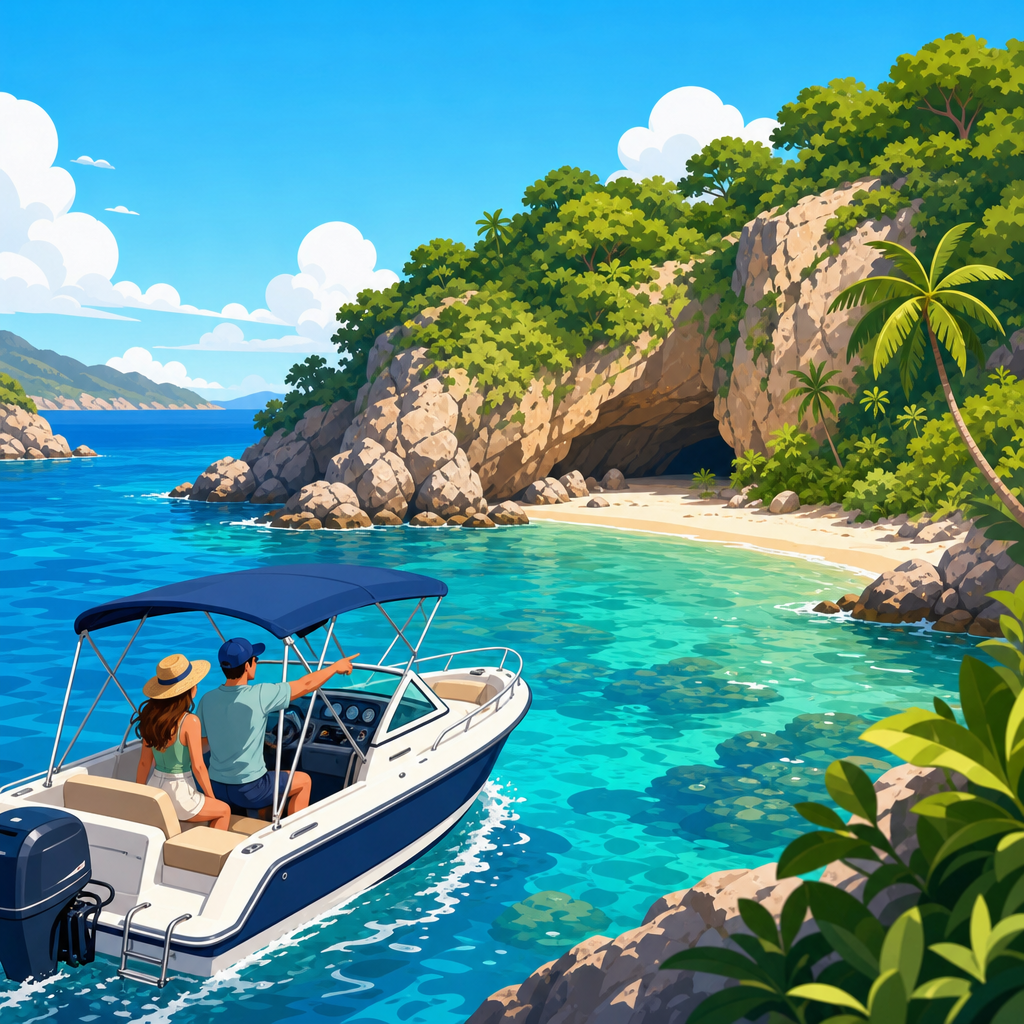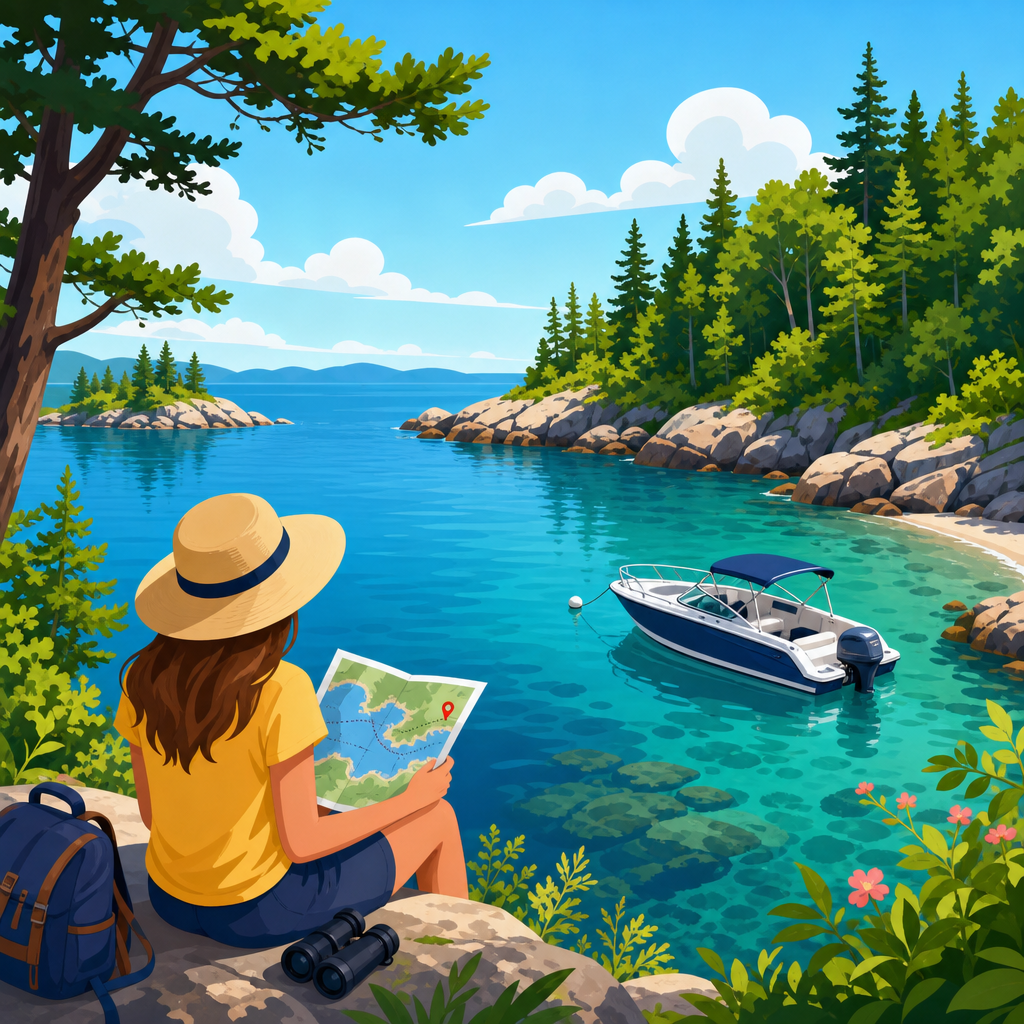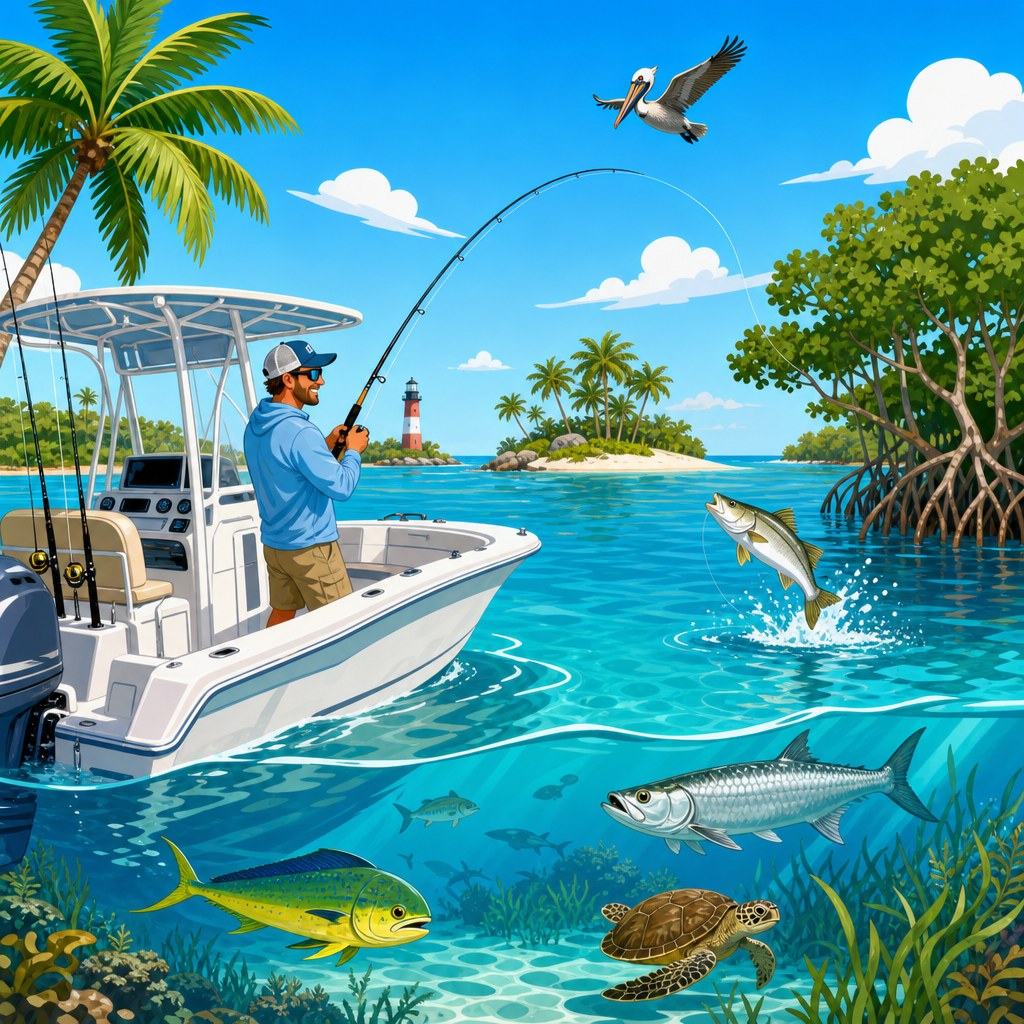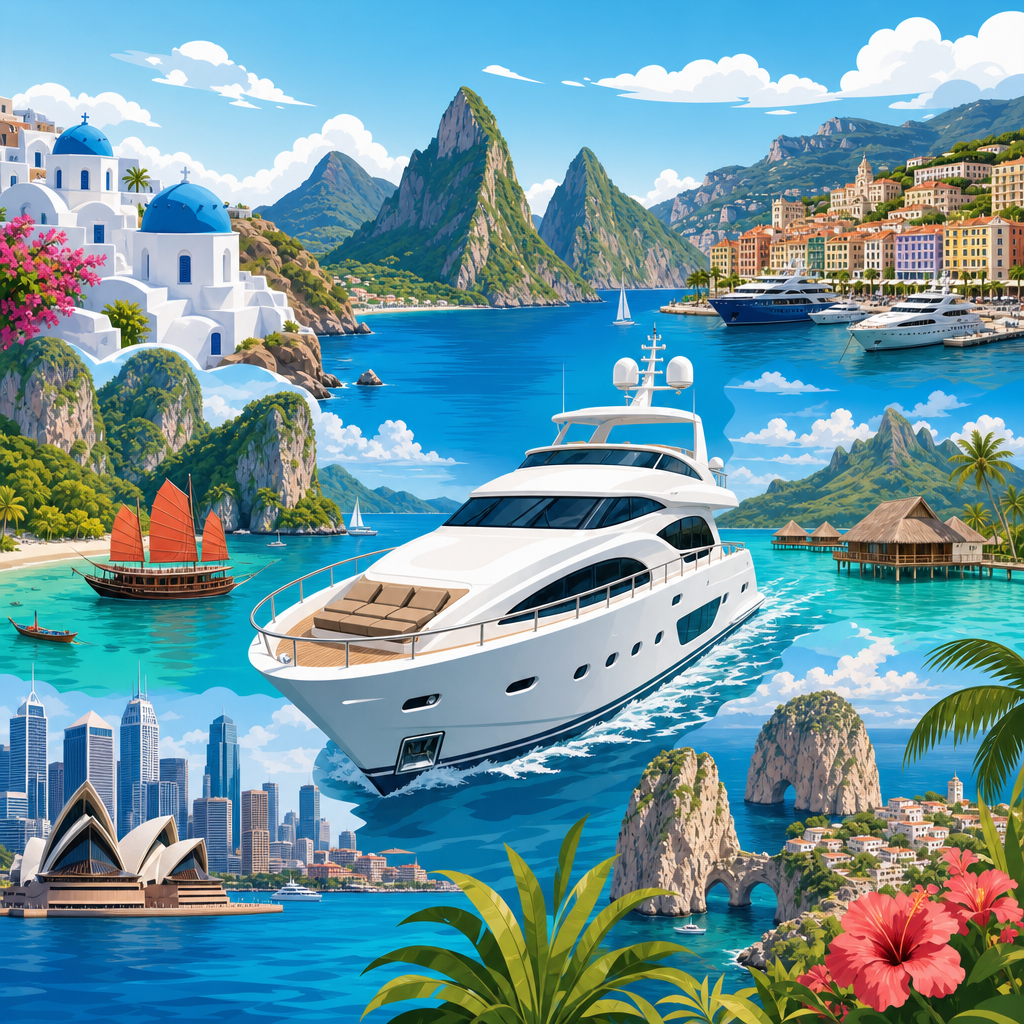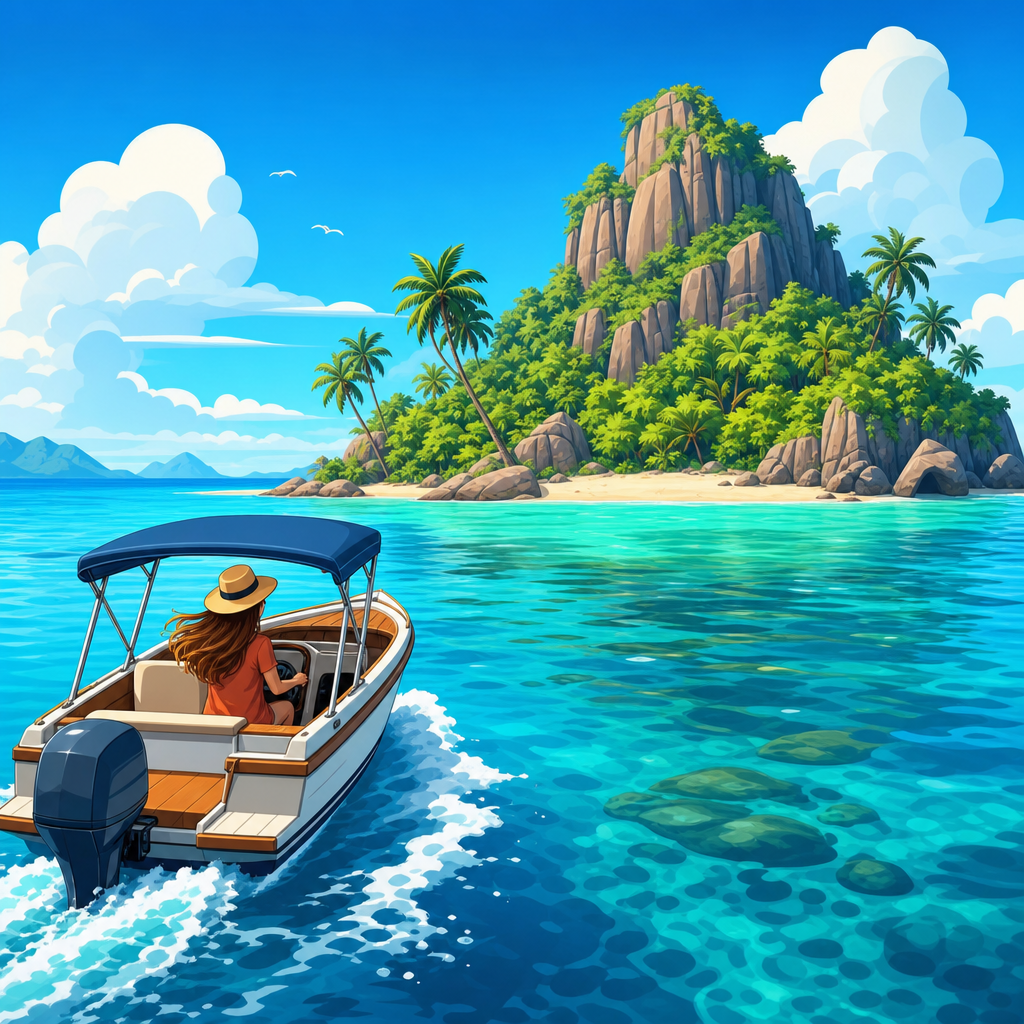
Some of the most memorable boating destinations are not marquee harbors or cruise ports, but secret islands you can only reach by boat, where the approach itself becomes part of the experience. In practical travel terms, a “secret island” does not always mean unknown or uncharted; it usually means an island with limited road access, no bridge connection, controlled visitor numbers, or geography that favors private boats, ferries, water taxis, or small-ship tenders over cars. I have planned routes to dozens of lesser-known anchorages, and the pattern is consistent: when access is harder, crowds thin out, local character survives longer, and the shoreline often feels remarkably intact. For travelers researching hidden and underrated boating destinations, these islands matter because they deliver something increasingly scarce in coastal travel: quiet coves, authentic fishing villages, dark skies, and beaches that still feel discovered rather than consumed.
Boat-only islands also sit at the center of smart trip planning for cruisers, sailors, and charter guests. They reveal how navigation, weather windows, marina capacity, and local regulations shape a trip far more than hotel star ratings do. A secluded island may require timing your passage around tide, swell, or afternoon katabatic winds; another may need advance permits because its beaches sit inside a marine protected area. Understanding those details is what separates a frustrating day from an exceptional one. This hub article covers hidden and underrated boating destinations comprehensively, defining what makes an island “boat access only,” showing how to evaluate destinations, and highlighting standout regions from the Mediterranean to Southeast Asia, the Caribbean, and North America. If you are building an itinerary around secret islands you can only reach by boat, this guide gives you the practical framework to choose the right place, the right season, and the right kind of vessel.
What Makes an Island Truly Boat Access Only
An island qualifies as boat access only when water transport is the primary realistic way to arrive. That can include public ferries, scheduled water taxis, charter catamarans, rigid inflatable boats, sea kayaks, or private motor yachts. The key distinction is not glamour; it is logistics. Some islands have no airstrip and no bridge. Others technically allow helicopter access, but for most travelers the only workable route is by sea. In my route planning, I break these places into four categories: inhabited islands with basic harbors, resort islands served by launch boats, protected islands with landing restrictions, and undeveloped islets best visited as day stops. Each category changes what you need aboard, from fuel reserves and mooring lines to garbage storage and shore tender strategy.
Boat-only access changes the travel experience in ways travelers often underestimate. Supplies cost more because everything arrives by vessel. Medical services may be limited. Moorings can be first come, first served, and anchoring may be prohibited over seagrass meadows such as Posidonia in the Mediterranean. Weather can trap you for a day or two, which is romantic only if you planned for it. Yet those same constraints create the appeal. Fewer day trippers mean cleaner water at dawn. Local restaurants depend on fresh catch rather than bus tours. Noise falls away after the last ferry departs. For boaters seeking hidden and underrated boating destinations, those realities are not drawbacks; they are often the reason to go.
How to Choose the Right Hidden Island Destination
The best secret islands are not universally the most remote; they are the best fit for your boat, skills, budget, and expectations. Start with sea conditions. A sheltered archipelago like Croatia’s Kornati fringe is dramatically different from open-ocean passages in the Exumas or the San Blas Islands. Next, assess infrastructure. Do you need a marina with shore power, or are you comfortable anchoring overnight and using a dinghy landing? Then review regulations. National parks may limit overnight stays, drone use, fishing, waste discharge, or even sunscreen ingredients in fragile reef zones. Serious trip planners also check charts from Navionics or C-MAP, cruising guides such as Imray or Waterway Guide, and local notices to mariners before committing to an island-hopping route.
Seasonality matters just as much as scenery. In the Mediterranean, shoulder season often delivers the best combination of stable weather and fewer crowds. In the Caribbean, hurricane season can change insurance requirements and anchorage decisions. In Thailand and Indonesia, monsoon patterns can reverse the comfort level of a route entirely, turning a calm lee anchorage into an exposed roll-fest. Cost is another filter. An “underrated” island can become expensive quickly if fuel docks are sparse or mandatory resort transfers replace public ferries. I advise travelers to compare not just nightly berth rates, but total access cost: provisioning, park fees, mooring charges, tender fuel, customs clearance, and contingency nights. Hidden islands reward careful preparation more than spontaneous guesswork.
Mediterranean Secret Islands Worth the Detour
The Mediterranean remains one of the richest regions for secret islands you can only reach by boat because thousands of islands share a long maritime culture, yet attention concentrates on a handful of famous names. In Croatia, islands around the Kornati archipelago and parts of Vis County offer classic examples. Tiny coves, stone houses, and protected inlets create ideal short-hop cruising, but the real appeal lies in the contrast between busy gateway towns and almost silent overnight anchorages. Biševo, for example, is often visited for the Blue Cave, yet boaters who stay later and explore smaller bays find a very different island rhythm than day-tour marketing suggests. Limited berths and park rules require planning, but that is exactly why these places retain their character.
Greece offers another strong cluster of underrated boating destinations. While Santorini and Mykonos dominate search interest, lesser-known islands in the Small Cyclades, parts of the Dodecanese, and tiny satellite islets near larger ferry routes can feel astonishingly peaceful. On charter itineraries, I have seen crews skip a famous caldera to spend an extra day on Koufonisia-adjacent anchorages or quiet bays near Schinoussa, and nobody regretted the trade. Italy also hides excellent boat-access islands beyond Capri. The Aeolian archipelago includes pockets where timing your arrival outside peak ferry hours reveals black-sand beaches, sulfur cliffs, and villages that remain oriented toward working boats. Across the region, the formula is consistent: look one island beyond the marquee stop, and access by boat becomes the advantage that keeps the experience intimate.
Caribbean and Atlantic Islands with Genuine Seclusion
The Caribbean is often portrayed as uniformly developed for yachts, but that is misleading. Many islands still feel remote because distance, shallow banks, customs procedures, or limited provisioning naturally filter visitor numbers. The Exumas in the Bahamas are the classic example. Popular anchorages get attention, yet dozens of lesser-known cays remain lightly visited because they lack marina infrastructure or require confidence in reading water color over sandbars and coral heads. Reaching a tiny cay with no road, no shop, and only a strand of beach grass can be the purest version of boat-only travel. Similar dynamics apply in the Grenadines, where small islands between the better-known ports reward sailors who understand trade-wind exposure and pick anchorages with protection from swell.
Farther east and south, boat-only islands in Belize, Panama, and the BVI orbit can also feel genuinely secret when approached with realistic expectations. In Belize, many small cays are accessed by skiff, dive boat, or liveaboard rather than independent road travel, and marine reserve rules shape where you can anchor or land. In Panama’s Guna Yala, visitors need to recognize that cultural protocol matters as much as navigation; island access often depends on local permissions and community-run visitor systems. Atlantic archipelagos add another dimension. Parts of the Azores and Madeira region include offshore islets and protected coastal pockets where sea state dictates access more than distance does. In all of these places, the reward is the same: clear water, minimal light pollution, and the rare sense that arrival by boat still means arrival on the island’s terms.
Asia-Pacific Islands for Adventurous Boaters
Southeast Asia may offer the broadest variety of hidden and underrated boating destinations because its island geography ranges from limestone karsts to reef-rimmed atolls and volcanic outliers. Thailand’s better-known routes around Phuket and Krabi still hide quieter corners if you cruise outside the standard day-boat circuit and overnight near lesser-used islands with ranger stations or mooring fields. Indonesia is even more expansive. Raja Ampat has become famous among divers, but the region still contains hundreds of sparsely visited islands where access depends on liveaboards, local longboats, or expedition yachts. Here, “secret” does not mean unregulated freedom. It means understanding permits, village marine tenure, fuel scarcity, and the need to carry spares because support may be a day away.
In the Philippines, Palawan and neighboring island groups showcase the practical beauty of boat-only travel. Hidden lagoons, sandbars that vanish with tide, and tiny barangays without road networks create genuine isolation, but route design matters. Squalls build quickly, mobile signal can fade, and some anchorages are usable only in specific wind directions. The South Pacific offers another tier of seclusion. In French Polynesia and parts of Fiji, small motu and outer-island anchorages are unforgettable precisely because they are not easy add-ons from a resort schedule. You need a capable vessel, a weather eye, and a respectful approach to reef navigation. For experienced boaters, these regions deliver the strongest argument for seeking secret islands you can only reach by boat: some of the world’s most extraordinary coastlines are still best entered slowly, over water, with intention.
Best Hidden Boat-Access Islands by Travel Style
Not every traveler wants the same kind of seclusion. Matching destination to travel style is the most reliable way to avoid disappointment and to discover underrated boating destinations that feel tailored rather than random.
| Travel style | Best fit | Why it works |
|---|---|---|
| First-time charter | Small Cyclades, sheltered Croatia routes | Short passages, reliable provisioning, manageable weather patterns |
| Adventure sailor | Exumas, outer Grenadines, Raja Ampat | Navigation challenge, remote anchorages, high payoff scenery |
| Wildlife focused | Belize cays, Sea of Cortez islands, Galápagos-adjacent cruises | Marine life, bird colonies, snorkeling and conservation zones |
| Luxury escape | Aeolian boutique stops, private Bahamian cays, select Fijian motu | Low-density stays, premium tender service, privacy |
| Family boating trip | Protected Adriatic islands, calm Thai anchorages | Safer swimming, shorter transfers, easier shore access |
I use this framework when helping travelers narrow options because it forces honest tradeoffs. A family that wants easy beach landings and simple meals ashore should not choose an exposed outer reef route just because photos look dramatic. Likewise, an experienced crew seeking true remoteness may find a ferry-served “hidden gem” underwhelming. The right island is the one whose access pattern, risk profile, and daily rhythm fit how you actually travel.
Planning, Safety, and Responsible Access
Reaching secret islands safely requires more than plotting a course. Before departure, confirm entry rules, marine park permits, fuel range, potable water capacity, and communications backup. Standard practice on serious itineraries includes checking tide tables, local weather models, paper-chart redundancy, and anchor suitability for seabed type. Sand holds differently from weed, coral rubble, or volcanic shelf. If mooring balls are provided, use them rather than dropping anchor on sensitive habitat. Carry cash for remote harbormasters and village fees, and assume card terminals may fail. When I brief crews, I emphasize one rule above all: arrive with enough daylight to evaluate the anchorage visually. Many hidden islands look inviting online but contain poorly marked rocks, surge-prone landings, or narrow turning space once you see them in person.
Responsible access matters because many boat-only islands are fragile precisely because they remain lightly developed. Follow no-discharge rules, minimize generator use at night, and treat freshwater as scarce even when a dock hose is available. Support local operators where possible: community-run moorings, family tavernas, island guides, and licensed park boats keep tourism revenue on the island and usually provide better local knowledge than generic booking platforms. Also respect cultural boundaries. In indigenous territories and fishing communities, beaches are not empty backdrops; they are working spaces and homes. Ask before wandering, photographing, or landing on private jetties. If this hub article does one thing, it should shift the idea of hidden islands away from conquest and toward stewardship. Choose one region, build a realistic route, and let the boat access be the filter that leads you somewhere quieter, richer, and far more memorable.
Frequently Asked Questions
What qualifies as a “secret island” you can only reach by boat?
A secret island is not necessarily a place that is literally undiscovered. In travel planning, the term usually refers to an island that feels hidden because access is limited and the journey requires the water itself. That can mean there is no bridge, no practical road connection, no airport, or strict controls on visitor arrivals. In many cases, these islands are reached by private boat, scheduled ferry, water taxi, charter, or small-ship tender rather than by car. What makes them memorable is the sense of separation: once you leave the mainland, the pace changes, crowds usually thin out, and the arrival becomes part of the experience rather than just transportation.
These islands often stand apart because of geography, conservation rules, or local infrastructure. Some are protected nature reserves with limited docking rights. Others are inhabited but intentionally low-impact, with small harbors instead of large ports. A few are well known in their region yet still feel exclusive because visitors must plan around tide windows, ferry schedules, weather patterns, and boat availability. That combination of limited access and strong sense of place is exactly why secret islands appeal to boaters and travelers looking for something more intimate than a standard cruise stop or roadside beach town.
Why are boat-only islands often more memorable than typical coastal destinations?
Boat-only islands tend to stay with travelers because the approach creates anticipation in a way that road travel rarely does. You do not simply arrive; you cross into the destination. The coastline gradually appears, coves reveal themselves slowly, and details such as cliffs, mooring fields, pine-lined shores, fishing docks, or turquoise shallows come into view from the water. That process gives the destination a stronger sense of identity. Even before you step ashore, you have already had an experience, whether that is a calm ferry ride at sunrise, a tender weaving into a tiny harbor, or a private boat anchoring in a protected bay.
There is also a practical reason these places often feel more special: limited access naturally reduces overdevelopment. Without heavy vehicle traffic or large-scale port infrastructure, many islands retain quieter villages, cleaner shorelines, more walkable settlements, and a closer relationship to the sea. Restaurants may receive seafood directly from local boats, hiking paths may begin right above the dock, and daily life may still revolve around tides, weather, and ferry timing. For travelers, that creates a stronger feeling of being somewhere distinct rather than at a generic resort coast. In other words, the boat is not just how you get there; it is part of why the island has preserved its character.
How should I plan a route to secret islands that are only accessible by boat?
The smartest way to plan a route is to start with access logistics before focusing on attractions. Confirm exactly how the island is reached: scheduled ferry, passenger-only shuttle, water taxi, charter boat, or a private cruising route. Then verify the operating season, frequency of departures, reservation rules, luggage limits, and whether weather regularly causes disruptions. On many boat-access islands, the biggest planning mistake is assuming transportation works like a road transfer. It does not. A missed ferry or canceled crossing can affect hotel check-in times, onward connections, meal planning, and even whether you can visit at all on a certain day.
Next, build your route around realistic time buffers. If you are combining multiple islands, avoid overly tight same-day connections unless the schedules are specifically designed to link. Look at harbor locations, walking distances from the pier to accommodations, and whether local transport exists once you arrive. Some islands are compact and pedestrian-friendly, while others require advance-arranged transfers from the dock. It also helps to plan by sea conditions and local rhythm: morning crossings may be smoother, certain anchorages may be protected only in specific wind directions, and some islands are best visited midweek when ferry demand is lower. A strong route plan balances romance with practicality, giving you enough flexibility to enjoy the place instead of constantly racing the timetable.
What should I pack and prepare for a boat trip to a remote or boat-access island?
Pack with the assumption that both the crossing and the island itself may be less convenient than a standard city arrival. Soft-sided luggage is usually easier to carry on ferries, small docks, tenders, and water taxis than hard-shell cases. Keep valuables, medication, identification, chargers, sun protection, and a light waterproof layer in a day bag you can access quickly. Even short crossings can involve spray, wind, strong sun exposure, or uneven boarding conditions. Non-slip shoes, a reusable water bottle, and motion-sickness remedies are also wise, especially if the route uses smaller vessels or open-water passages.
Preparation matters just as much as packing. Download tickets, maps, and confirmations in advance in case mobile service is limited. Check whether the island has ATMs, pharmacies, fuel, grocery supplies, or reliable card acceptance. If you are arriving by private boat, review mooring options, anchorage depth, holding conditions, local regulations, waste disposal rules, and whether reservations are required for marina berths or park permits. It is also helpful to confirm meal options and grocery availability, because some smaller islands have highly seasonal services. The best mindset is simple: travel light, expect a little variation, and prepare enough that minor weather or schedule changes do not become major problems.
Are secret islands reached by boat suitable for all travelers, including families and first-time boaters?
Yes, many are, but suitability depends on the type of boat access and the level of infrastructure on the island. A secret island reached by a stable scheduled ferry with frequent departures, a straightforward pier, and walkable accommodations can be perfectly manageable for families, older travelers, and first-time boaters. In fact, these destinations can be ideal for travelers who want a sense of adventure without needing sailing experience. The key is to match the island to the traveler. A protected harbor with easy boarding and basic services is very different from an exposed landing reached by small taxi boat or a private anchorage that requires a dinghy transfer.
Families should look at crossing duration, restroom availability onboard, shade, stroller practicality, and how far accommodations are from the dock. First-time boat travelers may prefer calm-water routes, short ferry legs, and islands with clear arrival procedures rather than informal charter transfers. Anyone with mobility concerns should verify boarding steps, gangway stability, luggage assistance, and dock-to-hotel transportation ahead of time. When chosen carefully, a boat-only island can be less stressful than a busy mainland resort because there are fewer crowds, fewer cars, and a slower pace overall. The best approach is not to avoid these islands, but to select one whose access style matches your comfort level and travel priorities.