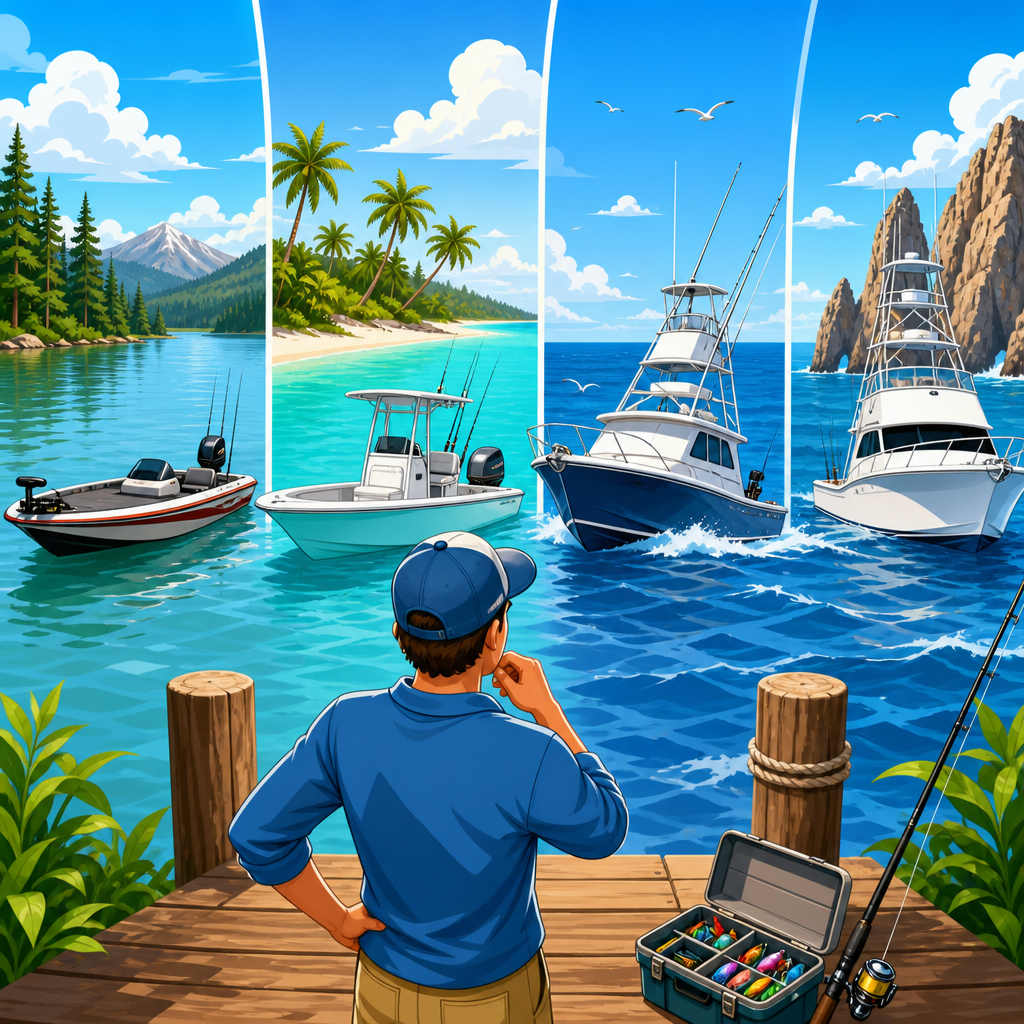
Florida rewards boat anglers with extraordinary range: shallow grass flats, mangrove estuaries, oyster bars, inshore passes, nearshore reefs, bluewater ledges, and freshwater lakes that fish differently by season, tide, and weather. When people search for the best fishing spots in Florida accessible by boat, they usually want more than a list of names. They need to know what species are available, where boats provide a real advantage, what conditions improve success, and which destinations deserve a place on a larger boating travel plan. This hub article answers those questions by covering Florida’s strongest boat-access fishing destinations in plain terms, with practical context I have learned from planning and running trips across both coasts and inland waters.
In this guide, “accessible by boat” means waters where a skiff, bay boat, center console, flats boat, pontoon, or bass boat opens meaningful access to productive habitat that shore anglers cannot consistently reach. “Best fishing destinations by boat” refers to places that combine fish abundance, navigable water, launch infrastructure, and seasonal reliability. Florida matters because few states offer this combination at scale. You can sight-fish for redfish at sunrise, run offshore for mahi by noon, or work freshwater hydrilla lines for largemouth in the evening. For trip planning, understanding each region’s structure, target species, and ideal boat setup is what turns a good day into a repeatable destination strategy.
Florida Keys: flats, reef, and offshore range from one launch corridor
The Florida Keys are the most versatile boat-fishing destination in the state because they offer three distinct fisheries in close reach: backcountry flats, Atlantic patch reefs, and deep offshore water. From Islamorada to Marathon and Key West, a boat lets you move with conditions instead of forcing one plan. On calm mornings, I have poled or drifted flats for bonefish, permit, and tailing barracuda, then switched to reef edges for yellowtail snapper when the sun got high, and finished with a deeper run for blackfin tuna or mahi when current and weed lines lined up.
Islamorada is especially strong for anglers who want variety without long runs. Florida Bay and nearby oceanside access support tarpon, snook, redfish, sea trout, mangrove snapper, permit, and bonefish depending on month and tide. Spring and early summer are famous for tarpon migration, but winter can be just as productive for patch reef snapper and grouper when fronts stabilize. A technical skiff shines on the flats, yet a 24- to 30-foot center console is ideal for anglers who want to fish reef and offshore in one trip. The Keys also benefit from extensive marinas, tackle shops, and charter infrastructure, which lowers planning friction for visiting boaters.
Everglades and Ten Thousand Islands: unmatched backcountry water for snook, redfish, and tarpon
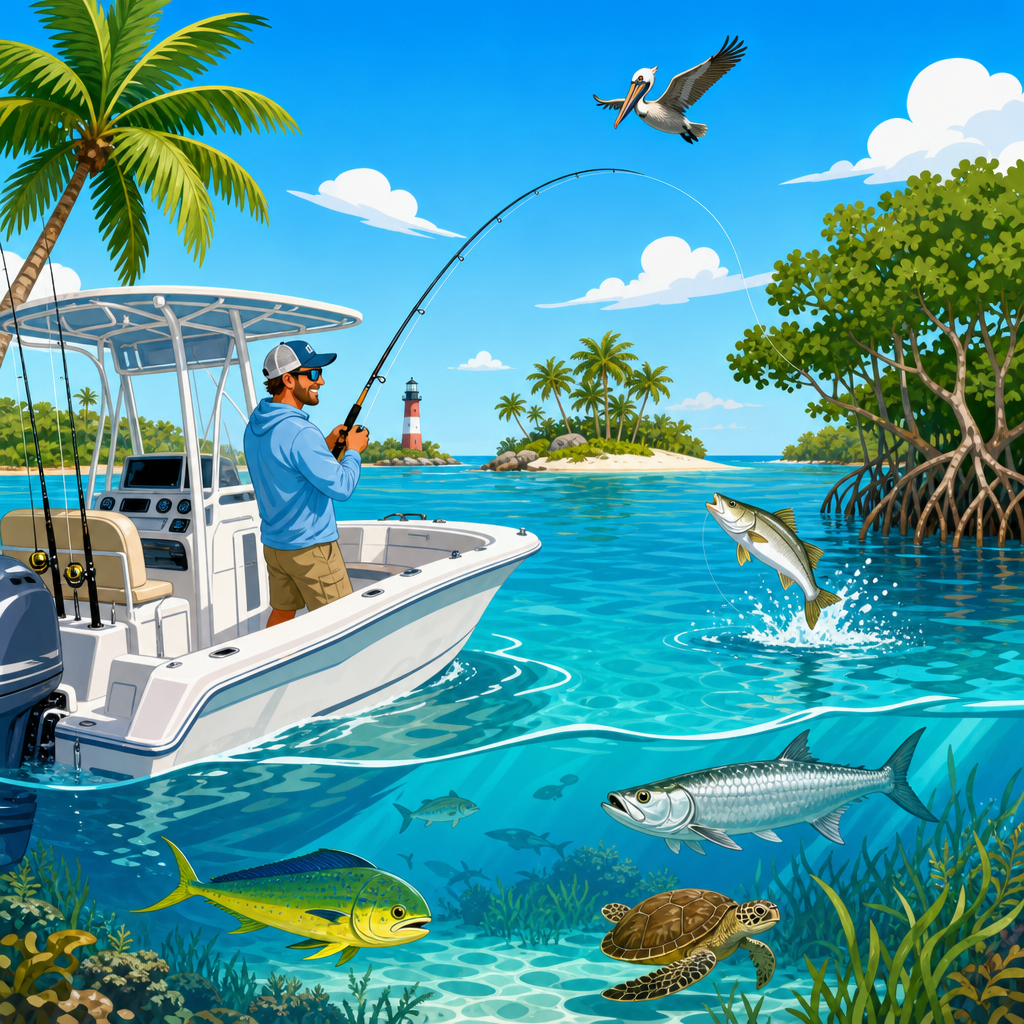
If your priority is inshore fishing by boat, the Everglades and Ten Thousand Islands belong near the top of the list. This immense maze of mangrove creeks, oyster points, bays, and island shorelines offers habitat that simply cannot be covered effectively from land. Boats matter here because fish move with tide through drainage cuts, creek mouths, and shoreline current seams spread across miles of protected water. On well-timed outgoing tides, snook stack where bait flushes from interior creeks; redfish push onto oyster bars and shorelines; juvenile tarpon roll in calm back bays; and sea trout hold open grass flats.
The region rewards shallow-draft boats and careful navigation. Water depth, tidal swings, and unmarked shoals change rapidly, and experienced operators always watch charts, tide tables, and weather. Chokoloskee, Everglades City, and Flamingo are common launch bases, each with different route logic. Flamingo gives broad access to Florida Bay and Whitewater Bay, while Everglades City opens toward outer islands and passes. What makes this destination special is consistency across seasons. Snook fishing peaks in warm periods, tarpon become headline fish in spring and summer, and winter still offers redfish and trout opportunities when cold fronts cool interior waters but leave afternoon windows.
Tampa Bay and the central Gulf coast: big-water inshore fishing with urban convenience
Tampa Bay is one of Florida’s most dependable boat-fishing hubs because it combines expansive grass flats, bridges, shipping channels, spoil islands, and mangrove shorelines inside a highly developed boating region. For anglers traveling with family or splitting time between fishing and city amenities, it offers rare convenience without sacrificing fish quality. Seatrout, redfish, snook, mangrove snapper, sheepshead, cobia, tarpon, and Spanish mackerel are all realistic targets. A bay boat is the all-around tool here, able to run open water in wind while still accessing shallower edges and potholes.
Spring brings bait movement and aggressive feeding on flats and around markers. Summer is prime for tarpon along beaches, passes, and bridge approaches. Fall often gives excellent redfish action on low-light tides, especially around mangroves and oyster edges. Winter shifts effort toward deeper edges, residential canals, and structure where snook and sheepshead shelter from temperature swings. Tampa Bay’s major advantage is pattern diversity. If one area is crowded or windblown, another usually remains fishable. Anglers can launch near Fort De Soto, Upper Tampa Bay, or the Skyway area and choose between nearshore structure, flats drifts, or bridge fishing depending on conditions.
Mosquito Lagoon and the Indian River system: technical sight-fishing and shallow-water precision
Mosquito Lagoon, the Banana River, and the wider Indian River Lagoon system are elite destinations for shallow-water anglers who value precision over volume. These waters are famous for redfish, sea trout, black drum, and seasonal tarpon, and they are particularly well suited to technical poling skiffs, flats boats, and very shallow bay boats. The appeal is not just species count; it is the visual nature of the fishing. On clear, calm days, boat anglers can sight-cast to redfish schools, tailing fish, or laid-up singles over grass and potholes in ways that shore access rarely allows.
This region demands awareness of boat draft, prop scarring concerns, and seagrass protection. Responsible anglers trim up, pole where appropriate, and avoid running across skinny flats. Water quality challenges have affected parts of the broader lagoon in recent years, yet many sectors still produce exceptional fishing when bait, clarity, and weather align. Titusville, New Smyrna Beach, and Merritt Island give practical access points, and winter through spring often provides some of the clearest water for sight-fishing. For anglers willing to slow down, scan carefully, and make accurate casts, few Florida boat-fishing spots are more rewarding.
Destin, Pensacola, and the Panhandle: offshore structure, snapper grounds, and clear Gulf water
Northwest Florida stands apart because the Panhandle’s Gulf fishery is driven by artificial reefs, natural bottom, bridges, and clear-water seasonal pelagics. Destin and Pensacola are famous among private boaters for red snapper, grouper, amberjack, king mackerel, cobia, vermilion snapper, and triggerfish, with inshore opportunities for speckled trout, redfish, and flounder. Boats are essential here because productive bottom structure often sits miles from shore, and the ability to choose specific coordinates, depth ranges, and current lines directly affects catch rates. Electronics matter more in this region than in many shallow inshore fisheries.
For visiting anglers, federal and state regulations are a major planning factor, especially for red snapper seasons and reef species limits. Good captains and experienced private boaters treat the Panhandle as a data-driven fishery: they monitor weather windows, sea state, bottom composition, and pressure changes before committing to long offshore runs. The reward can be outstanding. On calm summer days, I have seen private boats move from nearshore cobia sight-casting to bottom fishing over artificial reefs and finish by trolling for kingfish on the way home. That variety makes the Panhandle one of Florida’s strongest boat-based destination regions.
Northeast Florida and Jacksonville to St. Augustine: tides, jetties, creeks, and nearshore migration
Northeast Florida deserves more attention in statewide fishing roundups because it offers highly productive tidal water that favors boat anglers who understand current. The St. Johns River mouth, Jacksonville’s jetties, the Intracoastal Waterway, and the creeks around St. Augustine create a fishery built around moving water, structure, and seasonal bait migration. Redfish, flounder, seatrout, sheepshead, black drum, tarpon, and bull reds are all realistic targets. Boat access is critical because many productive zones sit along oyster-lined banks, inlet edges, bridge pilings, and creek mouths that change dramatically by tide stage.
Fall is especially strong for oversized redfish near inlets and jetties, while spring and summer improve tarpon and nearshore kingfish opportunities. Winter can be excellent for sheepshead and black drum around structure. The learning curve here is reading tide speed and positioning the boat to present baits naturally instead of fighting current. A trolling motor, shallow-water anchor, and strong chart awareness help. St. Augustine also serves boaters who want a destination trip beyond fishing, with marinas, historic waterfront access, and easy runs to both inshore and inlet habitats.
Lake Okeechobee and major freshwater fisheries: bass destinations built for boats
Any serious hub on the best fishing destinations by boat in Florida must include freshwater, and Lake Okeechobee is the anchor. Known as one of the premier largemouth bass lakes in the United States, Okeechobee offers immense vegetated habitat, shallow spawning zones, and forage-rich marsh edges that strongly favor bass boats and shallow-running aluminum rigs. A boat is not optional if you want to fish the lake effectively; productive reed lines, hydrilla sections, outside grass edges, and isolated cuts are spread across a vast area. Seasonal movement matters greatly, especially from late fall through spring when spawning patterns sharpen.
Florida’s freshwater list does not stop there. The Harris Chain, Kissimmee Chain, Rodman Reservoir, and Stick Marsh also belong on a boater’s radar for trophy bass potential or numbers fishing. Forward-facing sonar has changed how some anglers approach open-water fish, but traditional flipping, punching, lipless crankbait patterns, and shiner fishing remain effective in Florida vegetation systems. Wind can make large lakes difficult, and navigation through marked trails is essential in low water. Still, for anglers targeting bass from a boat, Florida offers a destination network few states can match.
How to choose the right Florida fishing destination by species, season, and boat type
The best fishing spot in Florida accessible by boat depends less on hype and more on fit. Match your destination to your target species, season, and hull. Here is a practical breakdown:
| Destination | Best Targets | Ideal Boat | Prime Window |
|---|---|---|---|
| Florida Keys | Tarpon, permit, snapper, mahi | Skiff or center console | Spring to summer |
| Everglades/Ten Thousand Islands | Snook, redfish, juvenile tarpon | Shallow-draft bay boat | Spring through fall |
| Tampa Bay | Snook, trout, tarpon, redfish | Bay boat | Year-round, peak summer tarpon |
| Mosquito Lagoon | Redfish, trout, black drum | Flats boat | Winter through spring |
| Panhandle | Snapper, grouper, cobia, kingfish | Offshore center console | Late spring through summer |
| Lake Okeechobee | Largemouth bass | Bass boat | Late fall through spring |
Use this table as a starting map, then refine your plan with tide charts, weather models, seasonal regulations, launch options, and fuel range. Florida rewards anglers who stay flexible. If wind ruins an offshore plan in the Keys or Panhandle, nearby inshore water may still fish well. If a winter front slows snook, redfish or sheepshead may become the better target. The smart destination choice is the one that gives your boat and your crew the highest odds of fishable water, safe travel, and species you actually want to catch.
The best fishing spots in Florida accessible by boat are not interchangeable, and that is exactly why the state is such a powerful travel destination for anglers. The Florida Keys offer unmatched variety across flats, reef, and bluewater. The Everglades and Ten Thousand Islands provide world-class backcountry fishing where boats unlock enormous habitat. Tampa Bay delivers reliable inshore action with excellent infrastructure. Mosquito Lagoon rewards technical sight-fishing. The Panhandle excels for reef and offshore structure. Northeast Florida shines where tides and inlets concentrate fish. Lake Okeechobee and other freshwater systems complete the picture for bass anglers who travel with boats.
As a hub for best fishing destinations by boat, the key lesson is simple: choose your Florida destination based on species, season, water depth, and the type of boat you run. Do that well, and Florida stops being overwhelming and starts becoming a repeatable roadmap for better trips. Use this page as your planning base, then build out each region with local launch details, seasonal patterns, and trip-specific gear decisions before you go. Pick one destination, study the conditions, and put your boat where Florida’s fisheries are built to shine.
Frequently Asked Questions
What are the best fishing spots in Florida that are truly worth accessing by boat?
Some of the best fishing spots in Florida become significantly more productive when you can reach them by boat rather than from shore. Florida Bay and the Lower Keys are prime examples, offering expansive shallow flats, basins, channels, and mangrove shorelines where anglers can target tarpon, bonefish, permit, redfish, snook, and sea trout. On the Gulf Coast, Tampa Bay, Charlotte Harbor, Pine Island Sound, and the Nature Coast provide a huge mix of grass flats, oyster bars, potholes, and creek mouths that are difficult to fish efficiently without a skiff, bay boat, or technical poling boat. Boat access lets you move with the tide, cover scattered structure, and fish areas that receive far less pressure than bridges, piers, and public shorelines.
In Northeast Florida, the St. Johns River, Mosquito Lagoon, and the Indian River Lagoon system stand out for inshore species such as redfish, trout, flounder, and seasonal tarpon. Along the Panhandle, Pensacola Bay, Choctawhatchee Bay, Apalachicola Bay, and the passes around Destin and Panama City offer excellent opportunities for redfish, speckled trout, flounder, sheepshead, Spanish mackerel, king mackerel, and cobia depending on the season. For anglers who want offshore variety, South Florida and the Atlantic side are especially compelling because boats can quickly reach reefs, wrecks, and bluewater drop-offs where snapper, grouper, mahi-mahi, sailfish, tuna, wahoo, and kingfish are all realistic targets. Destinations like Miami, Islamorada, Palm Beach, and Jupiter are famous because deep water is relatively close to shore, making a boat not just helpful but essential if you want access to the full range of species Florida is known for.
Which fish species can anglers expect in Florida’s top boat-accessible fisheries?
Florida offers one of the broadest species lineups in the country, and that diversity is a major reason boat fishing is so rewarding here. Inshore anglers commonly target redfish, snook, spotted sea trout, flounder, black drum, sheepshead, mangrove snapper, tarpon, and jack crevalle. In the Keys and parts of South Florida, shallow-water specialists can also pursue bonefish, permit, and barracuda. The exact mix depends on region, salinity, and habitat. Grass flats often produce trout and redfish, mangrove shorelines hold snook and snapper, oyster bars attract redfish and drum, and inshore passes may concentrate tarpon, jacks, mackerel, and sharks during moving tides and bait migrations.
Nearshore and offshore opportunities expand the list dramatically. On reefs and wrecks, anglers can encounter lane snapper, yellowtail snapper, mutton snapper, vermilion snapper, gag grouper, red grouper, black grouper, amberjack, cobia, king mackerel, Spanish mackerel, and triggerfish. Farther offshore, especially from the Atlantic coast and the Keys, bluewater anglers may hook mahi-mahi, sailfish, wahoo, blackfin tuna, and occasionally marlin depending on season and water conditions. Freshwater boat anglers are not left out either. Lakes such as Okeechobee, Kissimmee, Tohopekaliga, and the Harris Chain are famous for largemouth bass, while the St. Johns River can produce bass, crappie, catfish, and panfish. What makes boat access so valuable is that it allows anglers to follow seasonal movements and changing feeding zones rather than being limited to whichever species happen to pass within casting distance of shore.
Why does fishing by boat make such a big difference in Florida compared with shore fishing?
In Florida, boats provide a real tactical advantage because so many productive areas are spread out across changing habitat. The state’s best fisheries are shaped by tides, water clarity, bait movement, and seasonal shifts, and those factors can reposition fish quickly. A shoreline angler may only have access to one dock, bridge, jetty, or bank section, but a boater can move from a windblown flat to a protected mangrove edge, from a shallow oyster bar to a nearby channel drop, or from an inshore pass to a nearshore reef in the same trip. That mobility is often the difference between fishing where fish used to be and fishing where they are actively feeding right now.
Boat access also opens water that simply cannot be reached effectively from land. Shallow backcountry shorelines, island points, sand holes in grass flats, creek mouths deep in mangrove systems, and offshore ledges all fish better when you can approach from the correct angle and present bait or lures naturally with the current. In many Florida destinations, water depth and bottom composition change constantly, and fish often position on subtle transitions that shore anglers cannot cover. Boats also let anglers match their approach to the environment. A flats skiff can pole quietly over skinny water for redfish and bonefish, a bay boat can handle open estuaries and nearshore runs, and a center console can reach reefs and bluewater grounds. In short, the boat is not just transportation; it is what gives you access to the structure, depth, current lines, and habitat diversity that make Florida fishing exceptional.
What conditions improve success when fishing Florida’s best boat-accessible spots?
Success in Florida often depends less on a single “best” location and more on timing conditions correctly. Tide is one of the biggest factors in saltwater. Moving water generally creates feeding activity because it pushes bait over flats, around mangrove points, through passes, and along reef edges. Incoming tides may flood backcountry shorelines and let fish move into new feeding zones, while outgoing tides can concentrate bait and predators at creek mouths, cuts, and channel edges. Water clarity matters too. In clear flats fisheries, calm weather and good visibility help with sight fishing for redfish, permit, and bonefish. In estuaries or tidal rivers, slightly stained water can be ideal because predator fish feel more comfortable and ambush bait more aggressively.
Weather and season are equally important. In summer, many inshore and nearshore fish feed early and late when temperatures are lower and bait is active. In winter, sunny afternoons may improve shallow-water action because dark bottoms and mud warm more quickly. Wind direction can either help or ruin a spot by changing water level, clarity, and boat control. On the Atlantic side, sea conditions and current can determine whether offshore runs are safe and whether trolling, live baiting, or bottom fishing is most effective. Bait presence is another major clue. Schools of mullet, pilchards, threadfin herring, shrimp activity, diving birds, and surface nervous water often signal productive areas. Experienced Florida anglers rarely pick a location based on reputation alone; they combine habitat, season, tide stage, bait concentration, and weather to decide where a boat gives them the greatest edge that day.
How should anglers choose the right Florida boat-fishing destination for their target species and skill level?
The best destination depends on what you want to catch, how far you are comfortable running, and the kind of boat you have. Beginners often do best in protected bays, estuaries, and large inshore systems where multiple species are available and weather limits are less severe. Places like Tampa Bay, Charlotte Harbor, Indian River Lagoon, Pensacola Bay, and the St. Johns River offer plenty of structure, solid access points, and realistic chances at redfish, trout, snook, flounder, sheepshead, and seasonal tarpon without requiring a long offshore run. These areas also let newer anglers adapt if conditions change, because there are usually nearby flats, docks, channels, creeks, and shorelines to rotate through.
More advanced anglers may prefer specialized destinations that reward technical boat positioning and local knowledge. Mosquito Lagoon and Florida Bay are famous for shallow-water sight fishing but can be demanding because of skinny water, changing weather, prop-scar-sensitive habitat, and fish that spook easily. Offshore destinations such as Miami, Palm Beach, Islamorada, and Destin can be world-class, but they require careful attention to sea state, navigation, fuel range, and safety planning. Freshwater anglers chasing trophy largemouth bass may prioritize Lake Okeechobee or the Kissimmee Chain, where seasonal vegetation, water levels, and spawning cycles heavily influence patterns. A smart way to choose is to start with your main goal: inshore variety, flats fishing, reef fishing, bluewater pelagics, or freshwater bass. Then match that goal to your boat type, experience level, and the season of your trip. Florida has elite fisheries for every style of angler, but the most rewarding destination is the one that fits your target species, your equipment, and the conditions you are most prepared to fish well.