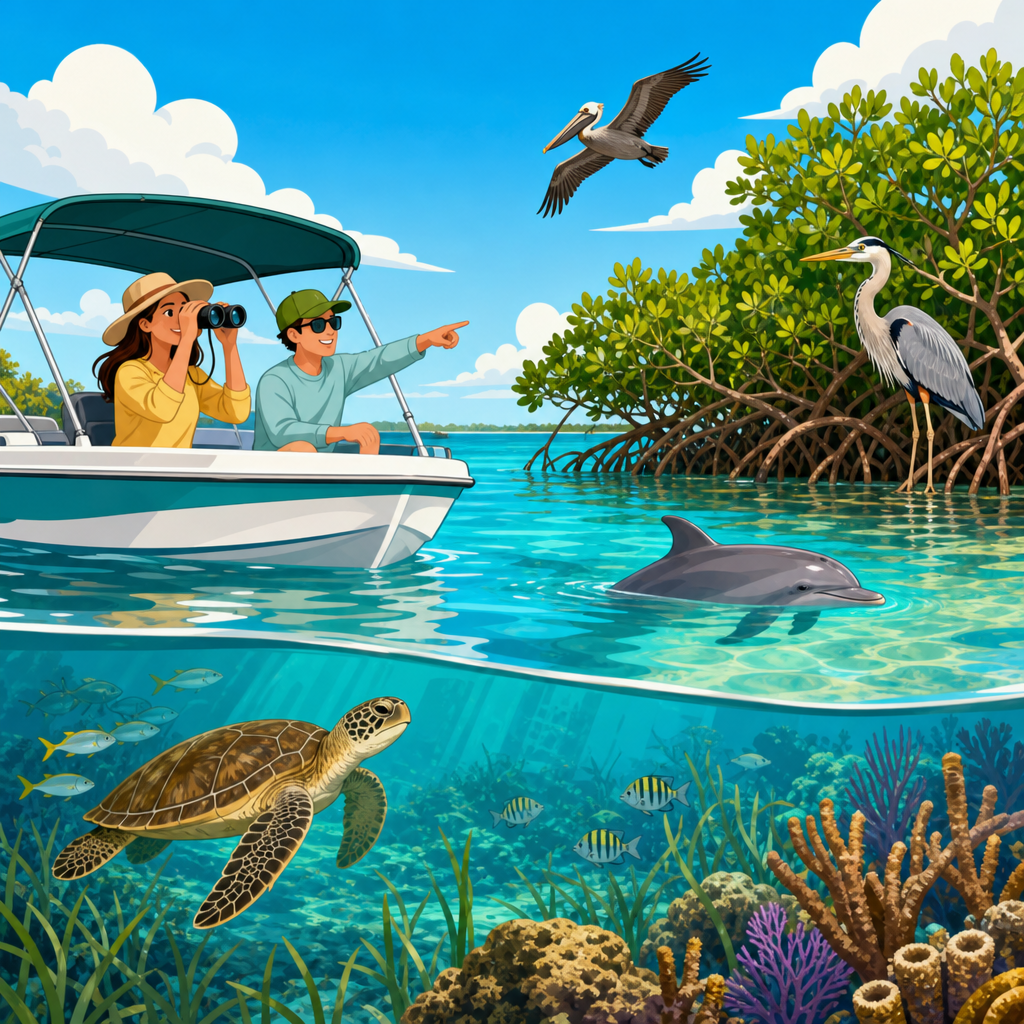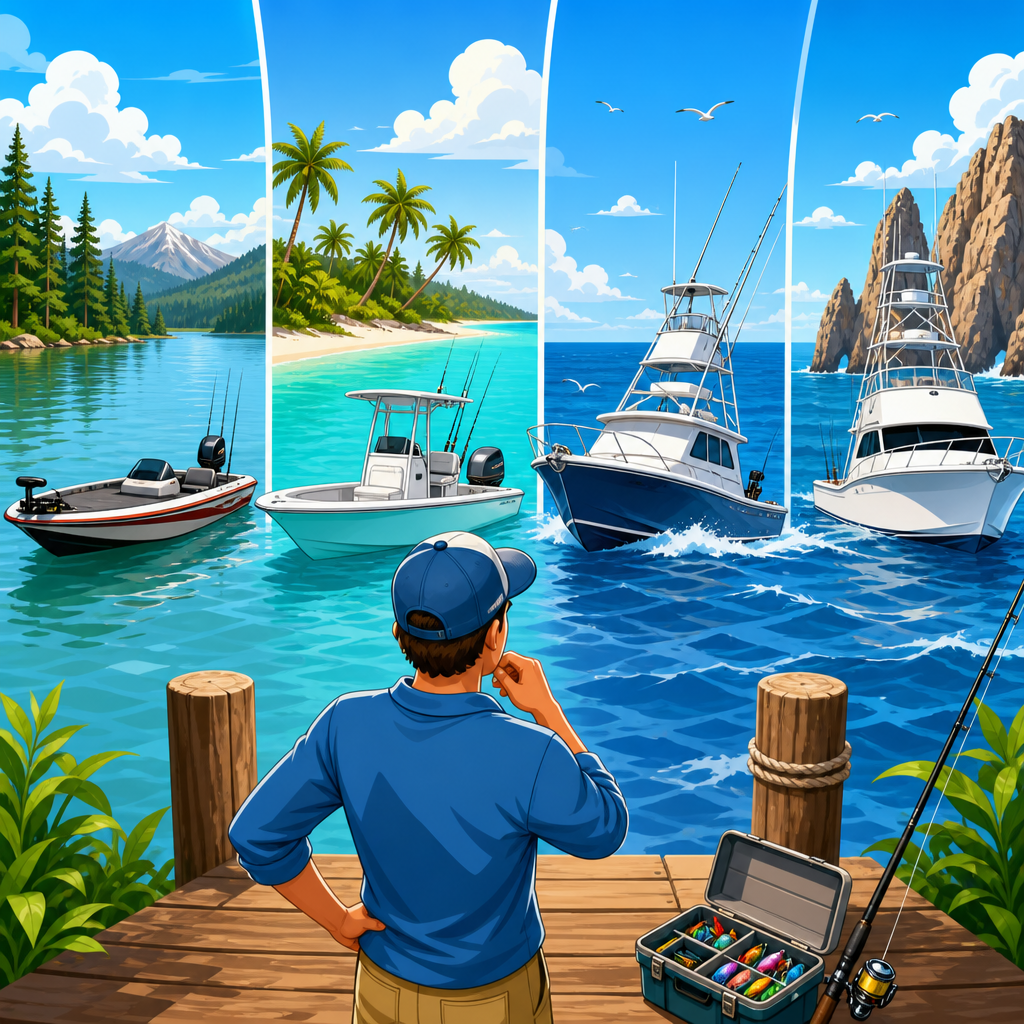
Choosing the best fishing boat for your destination starts with a simple truth: the right hull, layout, and power package can make the difference between a productive, safe day on the water and a frustrating, expensive mismatch. In boating travel, “destination” means more than a point on a map. It includes water depth, wave conditions, current, launch access, target species, fuel range, weather volatility, and how far you must run before lines go in. “Best fishing destinations by boat” also means matching your vessel to the demands of inshore marshes, big inland lakes, nearshore reefs, offshore canyons, rivers, reservoirs, and remote island waters. I have helped anglers plan trips from flats in the Florida Keys to salmon runs in the Pacific Northwest, and the same lesson repeats: anglers often overbuy for image and underbuy for conditions. This hub article explains how to evaluate boat types, destination variables, and practical tradeoffs so you can choose a fishing boat that performs where you actually travel, not just where brochures were photographed.
A fishing boat should be selected around use case before brand. Length matters, but so do deadrise, draft, beam, freeboard, fuel capacity, storage design, and trailerability. A 17-foot aluminum mod-V can be ideal for stump-filled reservoirs yet completely wrong for windy coastal chop. A 32-foot center console may be perfect for tuna grounds but excessive for narrow rivers and expensive to move, store, and maintain. Destination-based boat selection matters because the wrong setup reduces casting access, burns excess fuel, limits launch options, and can become unsafe when sea state or weather changes. The best choice is not universal; it is conditional. If you understand your destination’s water profile and align it with the right category of fishing boat, you improve comfort, efficiency, and catch potential while avoiding the most common purchasing mistake: buying for occasional fantasy trips instead of primary destinations.
Start with the destination, not the boat brochure
The most reliable way to choose a fishing boat is to profile the destination in detail. Ask five questions first. How shallow is the water where you will actually fish? How exposed is the route from launch to fishing grounds? How far must you travel on a typical day? What species are you targeting, and what techniques do they require? How easy is launching, towing, and overnight storage at that destination? These questions reveal whether you need shallow draft, high freeboard, a smooth-riding deep-V, long fuel range, or a layout optimized for trolling, casting, drifting, or bottom fishing.
For example, a flats angler in the Gulf Coast marsh values a skiff that drafts inches, poles quietly, and reaches back lakes inaccessible to larger boats. A Great Lakes salmon troller needs tracking stability, weather protection, rod spread management, and enough displacement to handle steep wind-driven waves. An angler heading to the Bahamas must think about range, redundant systems, weather windows, and a hull suited to open-water crossings. Each destination imposes constraints. Your boat should solve those constraints directly.
I recommend building a destination profile sheet before shopping. List average depth, maximum fetch, common wave height, launch type, tow distance, crew size, and one primary species group. Add one sentence on your real travel pattern, such as “80 percent freshwater reservoirs within two hours” or “monthly inshore trips plus two offshore runs a season.” That profile prevents emotional buying and guides you toward the boat class that fits your boating destinations and travel habits.
Match common fishing destinations to the right boat type
Different boat designs exist because different waters demand different strengths. Flats skiffs and technical poling skiffs excel in shallow saltwater, where low draft and stealth matter more than rough-water comfort. Bay boats bridge the gap between skinny water and open bays, usually offering elevated casting decks, moderate draft, and enough bow flare for afternoon chop. Center consoles are the most versatile coastal fishing boats because they allow 360-degree fishability, carry substantial fuel, and handle nearshore to offshore work depending on size and hull design.
Freshwater anglers often do best with bass boats, multi-species deep-V boats, or aluminum jon and mod-V boats. Bass boats prioritize speed, deck space, electronics integration, and casting efficiency on lakes and reservoirs. Deep-V aluminum or fiberglass models suit northern waters where wind and cold are common, offering safer cockpit depth and better rough-water manners. Jon boats and mod-V rigs are practical for rivers, backwaters, and electric-only lakes because they are simple, affordable, and easy to launch in marginal conditions.
For offshore destinations, walkarounds, pilothouse boats, and larger center consoles become logical choices. They offer more protection, storage, fishbox volume, and range. Catamarans deserve attention for anglers running long distances in mixed seas, as twin hulls can provide excellent stability and deck space, though they require wider storage and can behave differently in quartering conditions. The point is not that one style is best overall. The point is that the best fishing destinations by boat are unlocked when the hull form matches the water and the fishing method.
| Destination Type | Best Boat Categories | Why They Fit |
|---|---|---|
| Shallow flats, marsh, back bays | Flats skiff, technical skiff, shallow bay boat | Minimal draft, quiet approach, easy sight-fishing access |
| Large inland lakes, windy reservoirs | Bass boat, deep-V multi-species boat | Fast runs, stable casting decks, better chop handling |
| Rivers, creeks, stump fields | Jon boat, mod-V aluminum, jet boat | Shallow operation, impact tolerance, simple launching |
| Nearshore reefs, coastal bays | Bay boat, center console | Versatile draft, fishability, moderate offshore capability |
| Offshore canyons, bluewater grounds | Large center console, walkaround, pilothouse, catamaran | Range, seaworthiness, storage, crew protection |
| Cold-water trolling destinations | Pilothouse, hardtop deep-V, multi-species trolling rig | Weather protection, downrigger room, tracking stability |
Understand hull design, draft, and ride quality
Hull design is the technical core of destination matching. Deadrise, the angle of the hull bottom at the transom, strongly affects ride. Higher deadrise generally cuts waves better offshore but can reduce static stability and require more power. Lower deadrise improves stability at rest and often drafts less, which helps in bays and lakes, but it can pound in steep chop. Beam influences interior space and stability, while hull weight affects fuel burn, tow requirements, and how the boat reacts in rough water.
Draft is critical and frequently underestimated. If your destination includes flats, oyster bars, creek mouths, or low-water reservoirs, every inch matters. A boat that drafts 10 to 14 inches opens far more water than one drawing 18 to 24 inches. Conversely, chasing offshore species in open water places a premium on freeboard, sharp entry, self-bailing decks, and the ability to maintain control in deteriorating conditions. No specification should be viewed in isolation. A shallow-draft hull that reaches your spot may still be a poor choice if you must cross an exposed bay in a sharp afternoon wind.
Ride quality is also destination-specific. Great Lakes rollers, Gulf chop, and tidal inlets all feel different. Sea trials should happen in representative conditions, not sheltered marinas. If possible, run into chop, quarter into waves, and drift beam-to-sea. Watch how dry the ride stays, how the hull lands, and whether crew can move safely. These observations reveal more than marketing language ever will.
Choose layout, range, and equipment around how you fish
Once hull type fits the destination, the next decision is layout. Anglers often focus on horsepower first, but fishability comes from deck design. Casting anglers need open decks, flush hatches, secure rod storage, and trolling motor integration. Trolling anglers need rod holders, track systems, live bait access, clean transom space, and room for downriggers, planer boards, or kite fishing equipment. Bottom fishermen value cockpit space, insulated fishboxes, easy washdown, and stable drift characteristics.
Fuel range matters most for offshore and remote destinations. Use real cruise burn data, not optimistic brochure numbers. A practical standard is to plan around conservative fuel consumption and maintain substantial reserve. Long runs in current, heavy load, or rough seas can materially change range. Electronics should also reflect destination. On inland lakes, a bow-mounted trolling motor, side imaging, and detailed contour mapping may provide more benefit than radar. In coastal fog, offshore darkness, or crowded inlets, radar and AIS significantly improve situational awareness. Established systems from Garmin, Simrad, Lowrance, Humminbird, and Furuno all have strong use cases depending on fishing style.
Do not ignore storage and service access. I have seen otherwise excellent travel boats become exhausting because batteries, pumps, and filters were buried under gear. If you travel to multiple boating destinations, choose a layout that makes maintenance, tackle organization, and overnight packing simple. Reliability is part of fishability.
Factor in towing, launching, regulations, and total ownership cost
The best fishing boat for your destination must fit your life off the water too. Trailer weight, beam, tow vehicle capacity, ramp conditions, and storage rules determine how often you actually use the boat. Many anglers buy at the edge of their tow rating, then avoid distant trips because highway towing is stressful. A slightly smaller, easier rig often produces more real fishing days than a bigger boat that stays parked. If your destinations include primitive ramps, tidal launches, or long dirt access roads, weight and trailer setup become decisive.
Ownership cost is broader than purchase price. Include fuel, insurance, storage, electronics updates, trailer tires and brakes, corrosion prevention, bottom paint when applicable, and annual engine service. Saltwater destinations demand more stringent washdown and anti-corrosion routines than freshwater use. Outboards dominate many trailerable fishing categories because they are efficient, easier to service, and free cockpit space, while inboards still make sense in some larger offshore or specialized applications. Regulations also matter. Some destinations have horsepower limits, no-wake zones, invasive species inspection rules, or restrictions on live wells and bait transport.
Before buying, map the first five trips you realistically plan to make. Check marina depths, bridge clearances, fuel dock availability, parking length, and local weather patterns. This simple exercise often narrows choices quickly. It also turns a broad search into a practical buying framework. The best boat is the one that reaches your preferred waters safely, launches without drama, and remains affordable enough to use often.
Choosing the best fishing boat for your destination is ultimately an exercise in honest prioritization. Start with where you fish most, not the rare trip you imagine taking once a year. Match water depth, exposure, distance, and target species to the correct hull type. Then refine the choice through layout, range, electronics, towability, and ongoing cost. When those factors align, the boat feels purpose-built because, in effect, it is.
As a hub for best fishing destinations by boat, this guide should help you evaluate every subtopic that follows, whether you are comparing boats for flats fishing, inland reservoirs, river systems, nearshore reefs, or offshore runs. The consistent rule is simple: destination drives design. A smart match improves safety, efficiency, comfort, and fishing success, while a poor match creates limitations every time conditions change.
If you are shopping now, make a destination profile sheet, sea-trial only in realistic conditions, and compare your top options against the waters you actually travel. That process will lead you to the right fishing boat faster than any sales pitch.
Frequently Asked Questions
How does my fishing destination affect the type of boat I should choose?
Your destination should be the starting point for every boat-buying decision because it determines the conditions your boat must handle. A shallow inshore bay, a tidal river, a large inland lake, and an offshore canyon all place very different demands on hull design, draft, fuel capacity, storage, and ride quality. If you regularly fish skinny water for redfish, snook, or trout, a shallow-draft bay boat or flats boat is usually a better fit than a deep-V offshore model. On the other hand, if your destination involves running miles into open water for tuna, mahi, or bottom species, you need a boat with enough length, freeboard, stability, and fuel range to handle changing seas safely and comfortably.
Destination also includes practical logistics, not just the body of water itself. Consider launch access, trailerability, marina availability, bridge clearances, tidal fluctuations, and how far you need to travel before you begin fishing. A boat that performs beautifully offshore may be frustrating to launch at primitive ramps or difficult to store and tow long distances. Likewise, a compact aluminum boat might be perfect for sheltered lakes and river systems but unsuitable for coastal runs in rough afternoon chop. The best fishing boat for your destination is the one that matches real conditions consistently, not just ideal days on the water.
What hull type is best for different fishing destinations?
Hull type has a major impact on performance, comfort, efficiency, and fishability, so it should always be matched to the water you plan to fish most often. Deep-V hulls are favored for offshore and rough-water destinations because they cut through chop more effectively and provide a smoother ride in larger waves. They are often found on center consoles and larger walkarounds designed for coastal and bluewater use. Their tradeoff is that they typically require more power, draft deeper, and can be less efficient in shallow environments.
Modified-V hulls offer a middle ground and are a popular choice for anglers who split time between lakes, bays, rivers, and nearshore waters. They can handle moderate chop better than flatter hulls while still remaining relatively stable and efficient. Flat-bottom and tunnel hulls are ideal for very shallow destinations where access matters more than rough-water capability. They can run where deeper boats cannot, but they tend to ride harshly in waves and are not the right tool for exposed offshore conditions. Catamarans are another option worth considering for some destinations because they provide excellent stability, deck space, and a soft ride in certain sea states, though their handling, storage, and cost characteristics differ from monohulls. The key is to choose the hull form that fits the conditions you will face most often, not the occasional trip you might make once or twice a year.
How important are range, fuel efficiency, and engine setup when choosing a fishing boat?
They are extremely important because destination fishing often means travel time is part of the trip, and a boat that cannot reach the grounds efficiently can limit both safety and success. If your destination requires long runs across open water, through tidal systems, or to remote fishing structure, fuel capacity and efficiency matter just as much as rod storage or livewell size. You need enough range not only to reach your destination and return comfortably, but also to account for current, weather changes, detours, idle time, and a proper fuel reserve. Underestimating this can turn a fishing trip into a serious planning mistake.
Engine setup should reflect the demands of the destination. A single outboard may be perfectly adequate for inland lakes, sheltered bays, and shorter coastal trips, especially on boats built for efficiency and easy maintenance. Twin outboards are often preferred for larger offshore boats because they provide redundancy, stronger performance under load, and better confidence when running far from shore. Jet drives, trolling motors, kicker motors, and shallow-water anchors may also be valuable depending on where and how you fish. For example, trolling motors can be essential in freshwater reservoirs and shallow inshore environments, while higher-horsepower outboards may be more important when carrying heavy gear to distant offshore grounds. The best engine package is not simply the most powerful one available; it is the setup that supports safe, efficient travel in the conditions your destination demands.
What boat layout features should I prioritize for specific types of fishing destinations?
Boat layout matters because the right deck design improves efficiency, safety, and comfort once you arrive at the fishing grounds. For inshore and flats destinations, anglers often prioritize open casting space, elevated casting decks, shallow draft, quick access to rods, and livewells sized for baitfish commonly used in those waters. Bay boats and technical poling skiffs are built with this style of fishing in mind. For freshwater bass and multispecies destinations, large front decks, integrated tackle storage, electronics mounts, and trolling motor compatibility are often high priorities. In these settings, deck organization and fishability may matter more than weather protection or offshore seating.
For nearshore and offshore destinations, priorities usually shift toward higher freeboard, secure movement around the boat, insulated fish boxes, larger livewells, raw-water washdowns, hardtops, comfortable seating for long runs, and enough cockpit space to fight fish around the boat. If your destination regularly exposes you to sun, spray, or sudden weather changes, shelter and dry storage become far more valuable than they might be on a calm inland lake. Family use can also influence layout. If your boat will double as a travel and recreation platform, features like enclosed heads, extra seating, swim access, and shade may be worth including without sacrificing core fishing functionality. The best layout is one that supports your most common style of fishing while still making the journey to and from the destination practical and enjoyable.
Should I choose a boat for one primary destination or try to buy a model that does everything reasonably well?
In most cases, it is smartest to choose a boat around your primary destination and your most frequent fishing conditions. Boats that attempt to do everything often involve compromises in draft, ride quality, deck space, fuel economy, and storage. A true offshore boat may be overbuilt, expensive to operate, and inconvenient in shallow backwaters, while a dedicated shallow-water skiff can feel limited and unsafe when conditions turn rough outside the inlet. If you spend 70 to 80 percent of your time in one environment, selecting a boat optimized for that use usually leads to better long-term satisfaction, lower operating frustration, and a more productive experience on the water.
That said, many anglers need versatility, and there are excellent crossover designs that perform well across multiple destinations. Bay boats, hybrid center consoles, modified-V aluminum boats, and certain dual-purpose layouts can handle a broad mix of rivers, lakes, inshore bays, and nearshore coastal trips when used within their limits. The right decision comes down to honest self-assessment. Think about where you fish most, how many people usually come along, what species you target, how often conditions are rough, whether you trailer frequently, and how far you typically run. If your destinations truly vary, look for the boat that handles your most demanding common scenario safely while remaining efficient and practical for everyday use. That balanced approach usually produces the best real-world result.