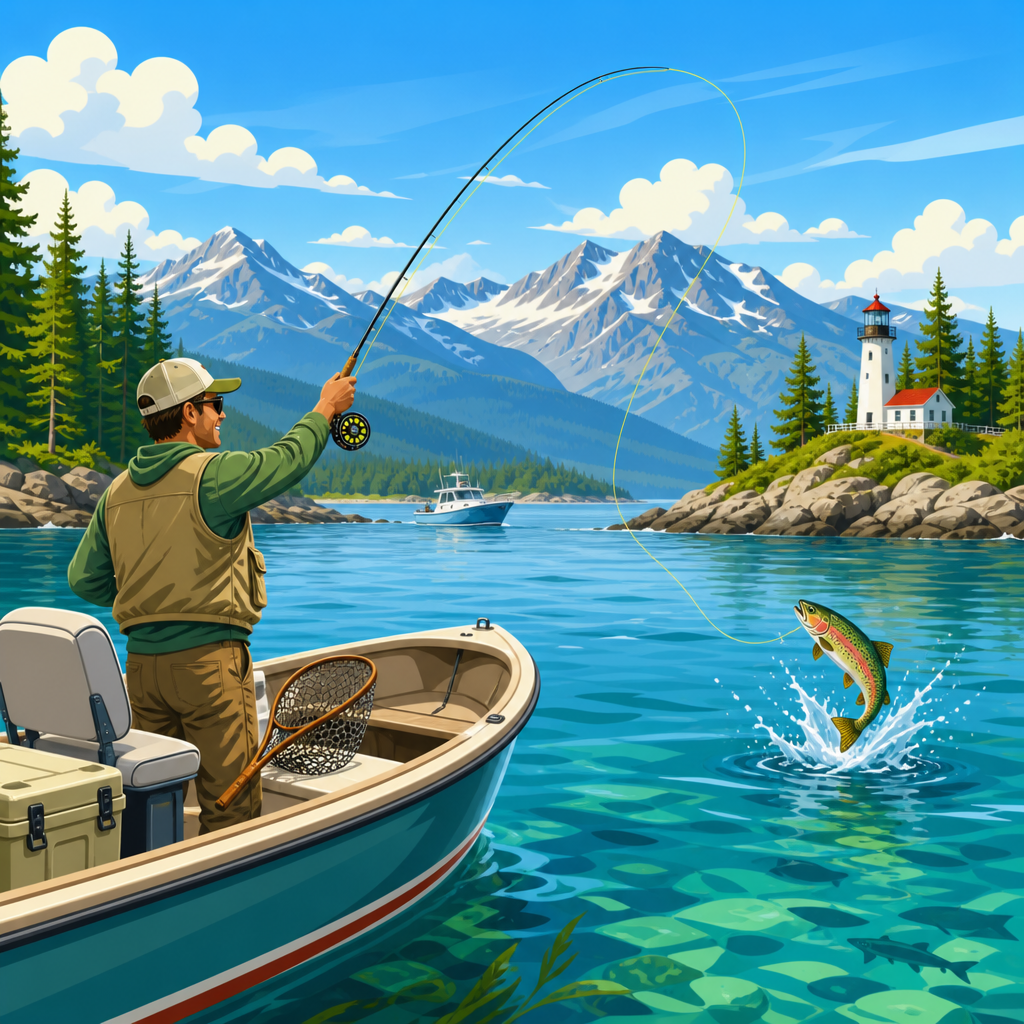
Fly fishing from a boat opens water that shore anglers never reach, combining precise presentation with the mobility to follow hatches, tides, and migratory fish across larger systems. In boating destinations and travel, the best fishing destinations by boat are not simply scenic places with fish; they are waters where access, seasonal patterns, boat type, regulations, and local knowledge come together to create consistently productive trips. For fly fishing enthusiasts, that distinction matters because technique changes dramatically between poling a shallow skiff over a salt flat, drifting a dory through a western river, and running a center console to offshore structure where pelagic species crash bait. I have planned and fished trips in each setting, and the destination itself often determines success more than the fly box.
Best boating destinations for fly fishing enthusiasts usually share five traits: reliable fish populations, boat-friendly infrastructure, clear seasonal windows, navigable water suited to fly presentation, and nearby guide services or marinas that reduce guesswork. Species also shape the experience. Trout demand controlled drifts and drag-free drifts on rivers and lakes. Bonefish, permit, and tarpon require shallow-draft boats and strong visual spotting. Striped bass, redfish, salmon, pike, and musky each push anglers toward different hulls, electronics, and casting systems. Because this page serves as a hub for best fishing destinations by boat, it covers freshwater, saltwater, inshore, offshore, and mixed-use locations that reward travel-minded anglers who want to build complete boating trips, not just book a single charter day.
Choosing the right destination matters financially and practically. A poor match between season and fishery can turn a premium trip into an expensive boat ride. Wind can ruin flats fishing, low water can limit drift launches, and local rules on nonresident access, invasive species inspection, or guide licensing can change logistics overnight. The strongest destinations solve these problems with predictable windows, launch options, marina services, fly shops, and guide networks that help visiting boaters adapt. The sections below break down the leading places, what makes each one work, and how to decide which fishery best fits your boat, skills, and travel goals.
What makes a boating destination excellent for fly fishing
A great fly fishing boating destination begins with access. Public ramps, marina slips, shuttle services, and protected harbors determine how much fishable time you actually get. On western rivers such as the Missouri in Montana or the Green in Utah, quality ramps and professional shuttle systems allow anglers to float productive reaches without logistical chaos. In coastal destinations like Islamorada or South Andros, skiff launches, fuel docks, and guide dockage are equally important because a short run to productive water preserves calm-morning sight-fishing conditions. If a place has fish but poor boat access, it is not a top-tier destination for traveling fly anglers.
Water characteristics come next. The best boat fisheries allow a fly to be presented naturally and repeatedly. Clear flats help guides spot bonefish before the fish spot you. Moderate river gradients allow controlled drifts and effective nymphing, streamer fishing, or dry-fly coverage. Large lakes with stable structure and forage support trolling-adjacent search strategies followed by precision casting to shoals, weed edges, or drop-offs. Electronics matter more on larger water, but visibility, drift control, and current seams still decide whether a destination feels made for fly fishing rather than merely open to it.
Seasonality is the final filter. Prime timing is not interchangeable. Louisiana redfish can be available much of the year, but fall often offers cleaner water and concentrated fish. Florida tarpon migration peaks in spring and early summer. Alaska salmon and trout windows vary by river system and run timing. Patagonia rewards anglers during the Southern Hemisphere summer, while northern pike in Canada may fish best around warming shallows and post-spawn feeding periods. Serious trip planning starts with hatch charts, migration calendars, tide tables, and historical weather, not a generic destination list.
Top freshwater boating destinations for trout, salmon, and pike
Montana remains one of the best freshwater boating destinations for fly fishing enthusiasts because it combines iconic drift-boat rivers, strong guide infrastructure, and multiple species. The Madison, Yellowstone, Bighorn, and Missouri each offer distinct boating experiences. The Missouri below Holter Dam is famous for technical dry-fly fishing, nymphing, and dependable trout numbers, while the Yellowstone delivers broader freestone character and excellent hopper fishing in late summer. Drift boats dominate because they balance maneuverability, shallow draft, and casting space. For anglers building a western boat-fishing trip, Montana works especially well because several world-class rivers sit within reasonable driving distance.
Alaska offers a different model: fewer easy logistics, but extraordinary returns in fish size and diversity. Bristol Bay, the Kenai Peninsula, and Southeast systems attract boat-based fly anglers for salmon, rainbow trout, Dolly Varden, and char. Jet boats, skiffs, and river rafts are common depending on water depth and current. What sets Alaska apart is biomass. Salmon runs fuel trout growth, and fly anglers can target resident fish with beads, flesh flies, streamers, and mouse patterns from boats that move between gravel bars and side channels. Weather and regulations demand planning, but few destinations match Alaska for sheer biological productivity.
For pike and mixed-species fly fishing, northern Saskatchewan, Manitoba, and parts of Ontario stand out. Boat travel is central because vast lakes, bays, and weed flats spread fish over huge areas. Casting large streamers from tiller boats, deep-V aluminum rigs, or lodge skiffs lets anglers cover emergent vegetation, current neck-downs, and warming back bays efficiently. These destinations are ideal for anglers who want visual eats and explosive follows without the technical drift management required on trout rivers. They also appeal to traveling groups because walleye and lake trout often provide backup fishing when weather pushes pike off shallow structure.
Leading saltwater flats and inshore destinations by boat
If the goal is sight-fishing from a boat, the Florida Keys deserve their reputation. Islamorada in particular is a premier hub for bonefish, permit, tarpon, and seasonal barracuda. Technical skiffs with polling platforms are standard because stealth is essential over shallow turtle grass, sand, and ocean-side flats. What makes the Keys exceptional is variety. An angler can look for early tarpon at dawn, pole for permit through the morning, and finish by casting channels or bridges if wind limits the flats. The fish are educated and the skill ceiling is high, but few destinations showcase advanced boat-based fly fishing better.
The Bahamas remain the benchmark for bonefish, with Andros, Abaco, and Grand Bahama offering expansive wadable and boat-access flats. From a travel perspective, South Andros is especially strong because the island supports large, relatively less pressured bonefish habitat and productive skiff routes. The key boating advantage is range. Guides can run to lee-side water when wind shifts, giving visiting anglers more fishable options than shore-based trips. Bonefish here reward simple, direct presentations, but weather, tidal stage, and bottom type still matter. A skiff effectively converts a large flat system into multiple targeted fisheries in one day.
Louisiana should be near the top of any inshore fly list because redfish are highly compatible with sight-casting from boats. The marsh around Venice, Hopedale, and Delacroix offers endless ponds, drains, and shorelines where shallow skiffs or bay boats can locate tailing or cruising fish. Compared with permit or Keys bonefish, redfish are more forgiving targets, making Louisiana an outstanding destination for anglers transitioning into saltwater fly fishing. The tradeoff is environmental volatility. Wind, river sediment, tropical weather, and coastal erosion can quickly change water clarity and fish location, so local guide knowledge is essential.
Offshore and bluewater options for adventurous fly anglers
Bluewater fly fishing is more specialized than flats or river fishing, but the right boating destination can make it accessible and highly rewarding. Baja California Sur, especially around La Paz and Los Cabos, is one of the best places to start. Panga captains routinely find dorado, roosterfish, skipjack, and seasonal tuna within practical casting range, and teaser techniques can raise fish close enough for accurate fly presentations. The appeal of Baja is not just species diversity; it is the consistency of small-boat access to productive coastal structure, beaches, and offshore temperature breaks where fly gear remains practical.
North Carolina’s Outer Banks offer another respected bluewater fly fishery, especially for false albacore, bonito, and seasonal tuna. Center consoles are the workhorses because runs can be longer and conditions less forgiving than in protected flats environments. For fly anglers, false albacore are the headline species: fast, surface-oriented, and often available in autumn when bait schools stack near shore. Successful trips depend on quick boat positioning, dense shooting heads, and accurate casts into moving feeds. This is not casual casting from a drifting platform; it is coordinated boat handling and rapid execution, which is why destination quality depends so heavily on captain experience.
Ascension Bay in Mexico deserves mention as a crossover destination. It is famous for permit, tarpon, and bonefish, but nearby channels, reefs, and deeper edges also create chances for larger migratory fish. That versatility matters because weather can shift a plan in hours. In strong wind, guides may move from open flats to protected mangroves or interior lagoons. For traveling fly anglers who want one destination with technical sight-fishing and occasional bigger-game opportunities, this kind of boat-enabled flexibility is a major advantage.
How to match destination, boat type, and trip goals
The right destination depends on how your boat, or your preferred charter platform, matches the water. Drift boats excel on productive trout rivers with established launches and moderate gradients. Technical poling skiffs are purpose-built for shallow saltwater sight-fishing. Bay boats bridge the gap, handling marshes, beaches, and nearshore structure with more range than a skiff. Center consoles dominate offshore and mixed-use coastal trips because they carry fuel, electronics, and safety gear for longer runs. Inflatable rafts and jet boats unlock remote rivers where prop boats are impractical. In my experience, anglers often choose destinations by species first and regret it later when the local boat style does not suit their casting comfort or group needs.
| Destination type | Best boat style | Primary species | Best fit for |
|---|---|---|---|
| Western trout rivers | Drift boat or raft | Trout | Controlled drifts, dry flies, nymphing |
| Saltwater flats | Technical poling skiff | Bonefish, permit, tarpon | Sight-fishing in shallow water |
| Coastal marsh | Skiff or bay boat | Redfish, snook | Short runs, sight-casting, versatility |
| Large northern lakes | Aluminum tiller or deep-V | Pike, lake trout | Covering water and casting big flies |
| Bluewater coastlines | Center console or panga | Dorado, tuna, albies | Fast repositioning and offshore range |
Trip goals matter just as much. If you want numbers and skill-building, Louisiana redfish or Bahamian bonefish usually provide more repetition than permit fishing in the Keys. If your priority is scenery and classic freshwater techniques, Montana or Patagonia may outperform higher-catch destinations because the overall float experience is richer. Families or mixed-skill groups often do better in destinations with backup options, such as lodges on Canadian lakes or Keys operations that can switch between flats, channels, and reef edges. The best fishing destinations by boat are the ones that match expectations before you ever launch.
Planning, regulations, and common mistakes to avoid
Boat-based fly fishing travel rewards preparation. Start with seasonal timing, then confirm license rules, launch reservations, invasive species requirements, weather norms, and guide availability. Western states may require aquatic invasive species inspections for trailered boats. Saltwater destinations can involve customs paperwork, cruising permits, or country-specific tackle restrictions. Weather planning should be concrete, not hopeful: check prevailing wind by month, average river flows, water temperatures, and hurricane or runoff patterns. A destination that is excellent in one six-week window may be mediocre outside it.
The most common mistake is underestimating local complexity. Visiting anglers assume fish will be where online photos suggest, but current, tide, bait movement, and water clarity shift daily. Hiring a guide for the first day often saves the rest of the trip by teaching productive runs, fly colors, launch etiquette, and navigation hazards. Another mistake is bringing the wrong tackle for the boat environment. Long rods can be awkward in low-sided aluminum boats; oversized coolers and loose stripping baskets clutter skiffs; and river anchor systems require strict safety habits. Good destinations support learning, but they do not forgive poor preparation forever.
Best boating destinations for fly fishing enthusiasts are the places where fish, access, seasonality, and boat design align with the way fly anglers actually fish. Montana, Alaska, the Canadian north, the Florida Keys, the Bahamas, Louisiana, Baja, the Outer Banks, and Ascension Bay each belong on a serious shortlist because each delivers a distinct boat-based experience rather than a generic promise of fish. Use this hub as your starting point for best fishing destinations by boat, then narrow your choice by species, season, skill level, and vessel type. Plan carefully, ask local questions early, and book the destination that fits your fishing style so every mile on the water counts.
Frequently Asked Questions
What makes a boating destination especially good for fly fishing enthusiasts?
The best boating destinations for fly fishing are defined by much more than beautiful scenery or a high fish count. What truly sets them apart is how well the water, the fishery, and the boating access work together. A strong fly fishing destination usually offers reliable seasonal fish movements, healthy forage, manageable water conditions, and enough room to position a boat effectively for casting. For fly anglers, boat control is everything. Whether you are drifting a river seam, poling a flats skiff over shallow water, or using a skiff or center console to reach inshore structure, the destination needs to support precise presentation rather than simply allowing general access.
Another important factor is the match between the water and the boat type. Some of the best places for boat-based fly fishing are shallow flats that demand technical skiffs, while others are large lakes, estuaries, or coastal bays where a more versatile boat is the smarter choice. Productive destinations also tend to have dependable launch facilities, marinas, guides, tide and weather information, and regulations that are clear and easy to follow. Local knowledge matters tremendously in fly fishing because timing often determines success. A destination may fish brilliantly during a hatch, tidal shift, or migration window and feel average outside of it. The best boating fly fishing destinations are the ones where access, boat suitability, seasonal patterns, and local expertise align to create consistent opportunities, not just occasional luck.
Which types of waters are best for fly fishing from a boat?
Fly fishing from a boat can be highly productive in several types of water, but the best option depends on your target species and your preferred style of fishing. Flats and shallow coastal bays are excellent for anglers who enjoy sight fishing for species such as redfish, bonefish, permit, and striped bass in the right regions. These destinations reward stealth, accurate casting, and good boat positioning, and they are often considered some of the most exciting places to combine boating and fly fishing. Driftable rivers are also outstanding, especially for trout, salmon, and steelhead. In these systems, a drift boat, raft, or jet boat can help anglers cover long stretches of productive water, reach less pressured runs, and adapt to changing insect activity throughout the day.
Lakes and reservoirs are another overlooked but excellent category for boat-based fly fishing. They allow anglers to follow bait, locate temperature breaks, work shoals, and fish drop-offs that are impossible to reach effectively from shore. In these destinations, mobility can make the difference between a slow day and a great one. Estuaries, marsh systems, and tidal creeks are especially appealing because they combine moving water, structure, and seasonal fish migrations. These waters often concentrate feeding fish around oyster bars, grass edges, creek mouths, and current lines. Ultimately, the best waters for fly fishing from a boat are those where mobility creates a real advantage: reaching fish that move with tides, hatches, weather, or bait. That is the key difference between a destination that is merely fishable by boat and one that is truly exceptional for fly anglers.
How important are seasons, tides, and hatches when choosing a fly fishing boating destination?
They are absolutely central to the decision. In fly fishing, a destination can transform dramatically based on timing, and that is even more true when a boat is involved because boating allows you to track fish movements across a much larger area. In saltwater destinations, tides often dictate everything. Water depth, current flow, bait positioning, and fish behavior can all change within hours. A marsh that looks empty on one tide stage may come alive with redfish or sea trout on another. On coastal flats, tarpon, bonefish, and permit often move according to tide height, water clarity, and light conditions. Choosing the right destination means understanding not just where the fish are found, but when the water conditions make them accessible and feedable to a fly rod angler.
In freshwater systems, seasonal timing can be just as important. Trout lakes may fish best during chironomid activity, damselfly migrations, or cooler shoulder seasons. Rivers can hinge on caddis hatches, mayfly emergences, salmon runs, or steelhead windows. Water temperature, runoff, lake turnover, and wind exposure can all affect whether fish are active and reachable. One of the major advantages of boating is the ability to follow those conditions in real time, but that advantage only helps if you are traveling during a productive period. That is why experienced anglers often plan boating fly fishing trips around specific seasonal events rather than general vacation dates. If you want to choose the best boating destination, study the calendar as closely as the map. The right place at the wrong time can underperform, while the right place during a prime hatch, migration, or tidal cycle can be unforgettable.
What kind of boat is best for a fly fishing trip in top boating destinations?
The best boat for fly fishing depends entirely on the destination, and matching boat type to water conditions is one of the most important decisions an angler can make. In shallow saltwater environments such as flats, backcountry bays, and marshes, a technical poling skiff is often ideal because it offers shallow draft, quiet operation, and stable casting space. Those qualities allow anglers to approach fish without spooking them and to make accurate presentations in skinny water. For larger inshore systems, a bay boat may be a better fit because it balances fly casting room with range, safety, and versatility. In freshwater rivers, drift boats and rafts are prized for controlled drifts and quiet presentations, while jet boats are often used where shallow runs or long river distances demand powered access.
On lakes and reservoirs, a stable skiff, tiller boat, or multi-species boat can work well if it provides enough deck space for casting and enough mobility to cover structure and changing fish locations. The most important features for fly anglers are usually stability, uncluttered casting decks, smart line management, shallow-water capability where needed, and a layout that supports quiet, efficient boat control. Fly line catches on cleats, rails, and gear can ruin a shot at feeding fish, so practical deck design matters more than many traveling anglers realize. Safety and local conditions also need to guide the choice. Big, windswept water may require a larger, more seaworthy setup than a protected creek system. In the best boating destinations, the “right” fly fishing boat is not the flashiest one; it is the one that lets you present flies effectively, move with the fish, and navigate the local water confidently and legally.
Should travelers hire a local guide when visiting a boating destination for fly fishing?
In most cases, yes. Hiring a local guide is one of the smartest ways to shorten the learning curve and improve the quality of a fly fishing trip, especially in unfamiliar boating destinations. Fly fishing success often depends on details that are difficult to learn quickly on your own: how fish use a tide stage, where a hatch starts first, which shoals are safe to run, which channels become inaccessible at low water, and what fly patterns are producing at that moment. A good guide brings much more than navigation. They provide timing, water interpretation, presentation adjustments, fish-handling knowledge, and current information on regulations, access, and conditions. That insight is especially valuable in destinations where boating and fly fishing intersect in technical ways, such as shallow flats, tidal marshes, large estuaries, or complex river systems.
Even experienced anglers benefit from local expertise because every destination has its own rhythm. A guide can help you understand whether fish are feeding on the up-current side of structure, sliding onto flats only during a specific light window, or responding better to one retrieve style than another. For travelers bringing their own boat, booking a guide for the first day can be especially effective. You can learn safe routes, productive zones, launch logistics, and seasonal fish behavior before fishing independently. In destinations known for variable weather, tides, or regulations, that knowledge can prevent costly mistakes and save valuable vacation time. While self-guided trips can be rewarding, the best boating fly fishing destinations often reveal themselves fastest through local knowledge. If your goal is to fish more effectively, safely, and confidently, hiring a guide is usually an excellent investment.