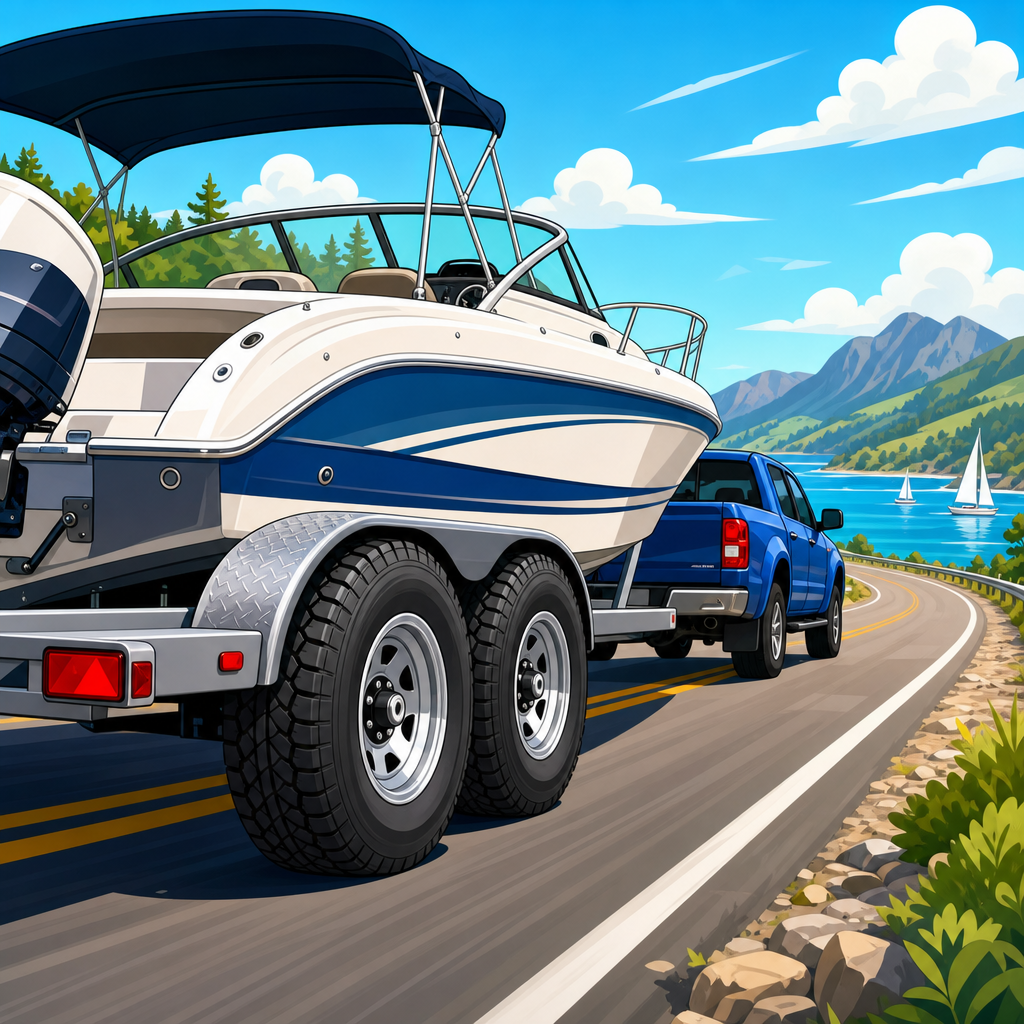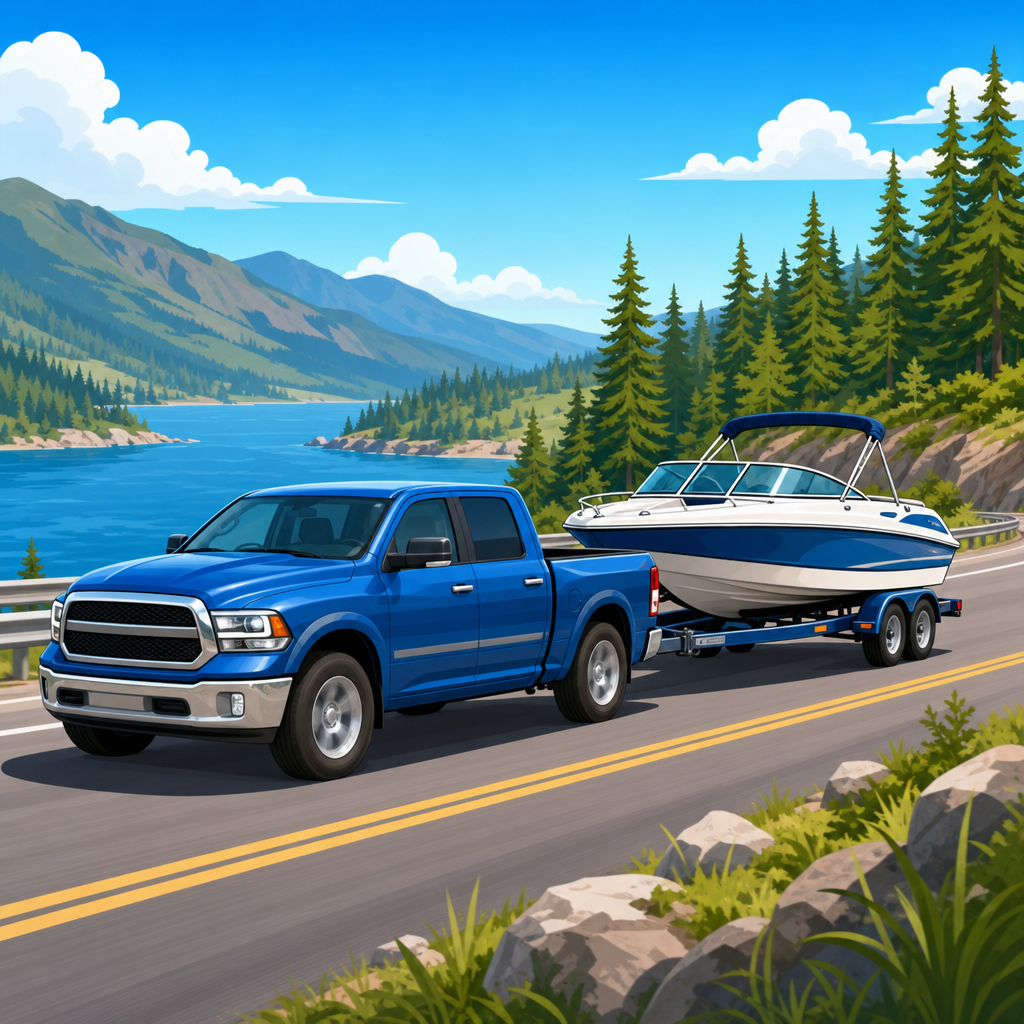
Towing a boat on the highway looks simple from the launch ramp, but safe, legal, and efficient trailering depends on matching the right boat trailers and towing equipment to the load, the tow vehicle, and the road conditions. In practical terms, towing means moving a boat on a trailer behind a vehicle while keeping weight distribution, braking, tire performance, lighting, and tie-down security within designed limits. A proper setup protects the boat, reduces wear on expensive gear, and lowers the risk of sway, blowouts, jackknifing, and roadside breakdowns. It also matters because trailering is where many boating trips begin and end; if the trailer fails, the day is over before the boat reaches the water.
I have worked through enough launch days, interstate runs, and shoulder-side repairs to know that most towing problems are predictable. They usually start with a mismatch: too much boat for the trailer, too much trailer for the hitch, too little tongue weight, old tires, weak straps, corroded connectors, or brakes that have not been serviced since last season. This hub article covers the full scope of boat trailers and towing equipment, from capacity ratings and hitch classes to wheel bearings, trailer brakes, lights, mirrors, and loading procedure. If you want to tow a boat on the highway properly, start by treating the trailer as critical safety equipment, not as an accessory that only matters at the ramp.
Match the Boat, Trailer, and Tow Vehicle Correctly
The first rule of highway towing is capacity matching. You need to know the boat’s dry weight, then add the outboard or sterndrive, fuel, batteries, water, anchors, coolers, fishing gear, and any aftermarket equipment. A “3,500-pound boat” can easily become a 4,500-pound towing load once it is trip-ready. Then add the trailer’s own weight to determine gross trailer weight. Compare that number to the tow vehicle’s manufacturer-rated towing capacity, the hitch receiver rating, the ball mount rating, and the trailer coupler rating. The weakest rated component sets the limit.
Trailer fit matters just as much as raw capacity. Bunk trailers support the hull along carpeted or synthetic bunks and are common for fiberglass and aluminum fishing boats because they spread weight well. Roller trailers can simplify launching in shallow ramps but concentrate load at more points and require careful adjustment. A proper fit centers the hull, supports major load areas, and keeps enough tongue weight on the hitch for directional stability. As a working rule, tongue weight should generally be about 7 to 10 percent of gross trailer weight for many boat trailers. Too little tongue weight invites sway. Too much can overload the rear axle of the tow vehicle and lighten steering control at the front axle.
Drivers also need to understand wheelbase and payload. A midsize SUV might technically tow a certain weight, yet still feel unsettled with a tall boat in crosswinds if the vehicle is short, lightly sprung, or loaded with passengers and cargo. Payload includes people, luggage, hitch weight, and accessories in the tow vehicle. Exceeding payload is common and dangerous because it affects tire loading, braking distance, and suspension geometry. For larger boats, a half-ton truck with factory tow package, transmission cooling, and integrated trailer brake controller is often the practical minimum, not because the engine cannot pull, but because the chassis must control the trailer at highway speed.
Choose the Right Boat Trailers and Towing Equipment
Boat trailers and towing equipment should be selected as a system. The hitch receiver class must match the load, and the ball size must match the coupler exactly, commonly 1-7/8 inch, 2 inch, or 2-5/16 inch. Safety chains should cross under the coupler so they can cradle the tongue if the coupler disconnects. Coupler latches need a secondary pin or lock. If the trailer uses electric brakes, a brake controller with proportional output is the correct choice because it applies braking force in step with vehicle deceleration. If the trailer uses surge brakes, inspect the actuator, fluid, and sliding mechanism regularly.
Tires deserve more attention than they get. Trailer tires are engineered with stiffer sidewalls than passenger car tires and should be replaced with the proper Special Trailer designation, load range, and speed rating. Check sidewall date codes; age alone can justify replacement even when tread looks usable. I advise owners to inspect for cracking, uneven wear, sidewall bulges, and heat damage before every long trip. Wheels should be torqued to specification, spare tire pressure should match service tires, and the trailer jack must be strong enough to lift a loaded tongue on uneven roadside surfaces.
Bearings, hubs, and brakes form the core of reliable towing equipment. Boat trailers are routinely submerged, which accelerates corrosion and contamination. Bearing protectors can help maintain grease pressure, but they do not eliminate the need for periodic repacking or inspection. Disc brakes generally outperform drums in marine environments because they shed water better and are easier to rinse and service, though drum systems remain common on lighter trailers. Functional breakaway systems are mandatory where required and are simply good practice everywhere, because a detached trailer without emergency braking becomes an uncontrolled hazard.
| Component | What to Check | Why It Matters on the Highway |
|---|---|---|
| Coupler and ball | Correct size, fully latched, pinned, no abnormal wear | Prevents disconnects and poor articulation |
| Safety chains | Crossed under tongue, rated, secured, not dragging | Provides backup retention if coupler fails |
| Tires and wheels | Pressure, tread, age, torque, spare condition | Reduces blowouts and handling instability |
| Brakes | Actuation, fluid, pads, lines, breakaway function | Shortens stopping distance and controls trailer |
| Lights and wiring | Turn signals, brake lights, grounds, connector corrosion | Keeps trailer visible and legal |
| Straps and winch | Stern tie-down tension, winch strap condition, safety chain | Keeps the boat fixed to the trailer over bumps |
Inspect Before Every Trip and Load the Boat Securely
A consistent pre-trip inspection prevents most trailer incidents. Start at the hitch and work back in the same order every time. Confirm the coupler is fully seated on the ball, the latch is pinned, chains are crossed, and the electrical plug is locked in place. Test brake lights, turn signals, running lights, and reverse lights if equipped. Pull forward a few feet and manually confirm the trailer brakes engage as expected. On surge-brake trailers, watch for smooth actuator movement and no fluid leaks. On electric systems, verify gain and output before entering traffic.
Then check how the boat is secured. The winch strap is not enough by itself for highway travel. The bow eye should be snug against the stop or roller, backed up by a safety chain or secondary strap. At the stern, use transom tie-down straps rated for the load and tightened evenly so the hull cannot bounce independently of the trailer. Remove loose gear from decks and cockpits. Secure outboard support brackets when recommended by the engine manufacturer, especially on long runs. Covers should fit tightly; a loose cover can shred in airflow and create visibility hazards for vehicles behind you.
Weight distribution inside the boat affects towing behavior. Heavy coolers, extra fuel tanks, toolboxes, and batteries should not all sit aft, because rear-heavy loading can reduce tongue weight and trigger sway. Store dense gear low and near the trailer axle line when possible. If the trailer is adjustable, set the axle position and winch stand so the boat rides level and stable. I also recommend checking hub temperature by hand at fuel stops. A hub that is noticeably hotter than the others often signals bearing or brake trouble before a full failure occurs.
Drive Differently When Towing a Boat
Safe highway towing is as much about driving technique as equipment. Accelerate gradually, leave much longer following distance, and plan lane changes early. A trailer increases stopping distance significantly, even with properly functioning brakes. Speed control matters more than most owners realize. Many trailer tire failures occur after long periods at excessive speed on hot pavement. Unless local laws require lower limits, a conservative cruising speed often falls in the 55 to 65 mph range for average recreational boat trailers, with reductions in wind, rain, traffic, or rough pavement.
Sway is the handling problem drivers fear most, and the correct response is specific. If the trailer begins to sway, do not steer sharply and do not accelerate to “pull out” of it. Ease off the accelerator, hold the steering wheel straight, and apply trailer brakes manually if your controller allows independent activation. Then stop safely and identify the cause, which is often insufficient tongue weight, underinflated tires, improper loading, or speed too high for conditions. On lighter open trailers, crosswinds from passing trucks can start a mild oscillation that becomes severe if the setup is already marginal.
Turning, braking, and descending grades all require planning. Boats track inside the tow vehicle in turns, so take corners wider and watch curbs, bollards, and fuel-pump islands. Brake earlier than normal, especially on downhill grades where surge systems may cycle heavily and electric brakes can overheat if gain is set too aggressively. Use lower transmission gears on descents to spare brakes. When reversing down a ramp or into storage, use small steering corrections and stop to reset rather than chasing the trailer. Even experienced drivers improve quickly when they practice backing in an empty lot before a busy launch weekend.
Understand Legal Requirements, Maintenance, and Seasonal Risks
Towing laws vary by state, but the common requirements are clear: valid registration, visible plate, working lights, safety chains, and brakes above certain trailer weight thresholds. Some jurisdictions require breakaway brakes, mirrors extending the driver’s rear view, or specific speed limits for trailers. Width limits, lighting rules for overhanging loads, and tie-down standards also differ. Because enforcement happens on the road, not at the ramp, owners should verify requirements before interstate travel. The best source is the state department of transportation or motor vehicle agency, not a forum post or dealership anecdote.
Maintenance is not seasonal in theory, but it is seasonal in practice because boat trailers often sit for months. Before spring launch season, inspect tires for flat-spotting and weather cracking, test all lights, service wheel bearings, flush and bleed brakes if needed, and check the winch, jack, bunks, rollers, and frame for corrosion. Galvanized and aluminum trailers resist rust better than painted steel in saltwater use, yet all trailers suffer from neglected rinsing. Salt trapped inside frame channels, behind brake components, and in wiring connections causes expensive failures that often appear far from home.
Different environments change the towing risk profile. Summer heat raises tire and bearing temperatures. Mountain routes punish brakes and transmissions. Saltwater launching accelerates corrosion. Long-distance tournament anglers may log thousands of highway miles a season, while occasional coastal boaters may face more rust than wear. Matching maintenance intervals to use pattern is smarter than following a generic calendar. As this hub for boat trailers and towing equipment, the essential lesson is simple: proper towing comes from preparation, correct hardware, disciplined inspection, and calm driving habits. Review your setup before the next trip, replace weak components before they fail, and treat every highway mile like part of safe boating.
Frequently Asked Questions
What is the most important thing to check before towing a boat on the highway?
The most important step is confirming that your tow vehicle, trailer, and boat are properly matched by weight and capacity. Start by checking the boat’s wet weight, which includes the hull, motor, fuel, batteries, gear, water, and any accessories. Then add the trailer weight to determine the total load. That total must stay within the tow vehicle’s rated towing capacity, the trailer’s gross vehicle weight rating, and the tire and axle limits. It is also critical to make sure the trailer tongue weight is in the proper range, typically around 5% to 7% of the total trailer weight for many boat trailers, so the trailer tracks correctly without overloading the rear of the vehicle.
Once the weight match is confirmed, inspect the entire towing system. Check the hitch ball size, coupler latch, safety chains, trailer jack, winch strap, bow eye connection, transom tie-downs, trailer lights, brake lights, turn signals, running lights, brake system, and tire pressure on both the tow vehicle and trailer. Look closely at wheel bearings, lug nut torque, and tire condition, especially if the trailer has been sitting for a while. A boat trailer that appears fine at the ramp can still have dry-rotted tires, weak straps, or corroded wiring that becomes a major problem at highway speed. A thorough pre-trip check is the single best way to prevent sway, blowouts, braking trouble, and roadside breakdowns.
How should weight be distributed when towing a boat trailer?
Proper weight distribution is one of the biggest factors in safe highway towing. The boat should sit on the trailer so that the load is balanced over the axles while still maintaining adequate tongue weight at the hitch. If too much weight sits too far back, tongue weight becomes too light and the trailer is much more likely to sway, wander, or fishtail at speed. If too much weight is forward, the hitch and rear suspension of the tow vehicle can become overloaded, steering can feel light at the front axle, and braking performance may suffer.
In practice, proper distribution means the boat should be positioned according to trailer manufacturer guidance, with bunks or rollers supporting the hull correctly and the bow snugged firmly against the bow stop. Heavy loose gear should be stored low and centered, not piled at the stern or stacked unevenly on one side. Fuel tanks, coolers, batteries, anchors, and water sports equipment all affect balance more than many owners realize. After loading, the trailer should sit level or very close to level when connected to the tow vehicle. If the trailer nose points too high or too low, handling and tire wear can be affected. A balanced trailer tows straighter, brakes more predictably, and puts less stress on the frame, suspension, and tires over long highway miles.
What equipment and safety features are required for towing a boat legally and safely?
The exact legal requirements vary by state, but several items are essential almost everywhere and should be considered non-negotiable for safe towing. Your trailer needs fully functioning tail lights, brake lights, turn signals, and side markers. Safety chains must cross under the coupler and be attached securely to the tow vehicle. The hitch ball must match the coupler size exactly, and the coupler latch should be locked or pinned so it cannot bounce open. If the trailer is equipped with brakes, which many are required to have above certain weight thresholds, the braking system must be operational, and a breakaway cable should be connected independently to the tow vehicle so the trailer brakes can activate if it detaches.
Beyond legal basics, several additional features significantly improve safety. Trailer tires should be rated specifically for trailer use and inflated to the pressure listed on the tire or manufacturer label. Wheel bearings should be greased and protected with bearing caps or bearing protectors. Transom straps and a secure bow winch strap or chain should hold the boat tightly to the trailer. Extended mirrors may be needed if the boat blocks rearward visibility. Registration, license plates, and in some jurisdictions safety inspections must also be current. Because regulations differ, it is smart to review state requirements for trailer brakes, speed limits, trailer width, and lighting before a long trip, especially if crossing state lines. A legal setup is important, but a truly safe setup goes a step further by making every component road-ready before the first mile.
How fast should you drive when towing a boat on the highway?
You should drive at a controlled speed that matches the trailer, load, weather, traffic, and posted laws, not simply the normal flow of cars. Many states set lower speed limits for vehicles pulling trailers, and even where they do not, towing a boat usually requires more caution than everyday driving. Higher speeds increase stopping distance, magnify trailer sway, raise tire temperatures, and put more strain on bearings, suspension parts, and tie-downs. For many boat owners, a moderate, steady pace is safer and easier on equipment than trying to keep up with fast-moving traffic.
Just as important as speed itself is how you drive. Leave extra following distance, brake early and smoothly, and make lane changes gradually. Avoid sudden steering corrections, especially if the trailer starts to sway. If sway begins, do not accelerate sharply or jerk the wheel. Instead, ease off the throttle, keep the steering wheel straight, and allow the rig to slow down in a controlled way. On hills, use lower gears as needed to reduce brake overheating and maintain control. In strong crosswinds, rain, or heavy traffic, slowing down even more is the right call. Towing safely on the highway is not about reaching the ramp quickly; it is about staying stable, predictable, and in control the entire trip.
How can you prevent trailer sway and other common towing problems?
The best way to prevent trailer sway is to build stability into the setup before you ever leave the driveway. That means correct tongue weight, proper boat positioning, a level trailer attitude, healthy tires inflated to specification, and suspension and bearings in good condition. Sway is often a symptom of an underlying issue such as underinflated tires, too little tongue weight, uneven cargo placement, worn suspension parts, or excessive speed. Even simple mistakes, such as storing heavy gear at the back of the boat or towing with the hitch set too high, can make the trailer unstable.
Other common towing problems can also be prevented with regular inspection and disciplined loading habits. Blowouts are often tied to old trailer tires, overloading, or low pressure. Brake issues usually trace back to poor maintenance, corroded components, or lack of adjustment. Lighting failures are frequently caused by bad grounds, damaged connectors, or corrosion from repeated water exposure. To stay ahead of these problems, inspect the trailer before every trip and perform deeper maintenance on a schedule, including checking brakes, bearings, wiring, straps, and tire age. It is also smart to stop after the first few miles of a trip to recheck coupler security, straps, lights, and hub temperatures. A stable, trouble-free towing experience is rarely accidental; it comes from careful setup, moderate driving, and routine attention to the details that keep the entire rig safe on the highway.