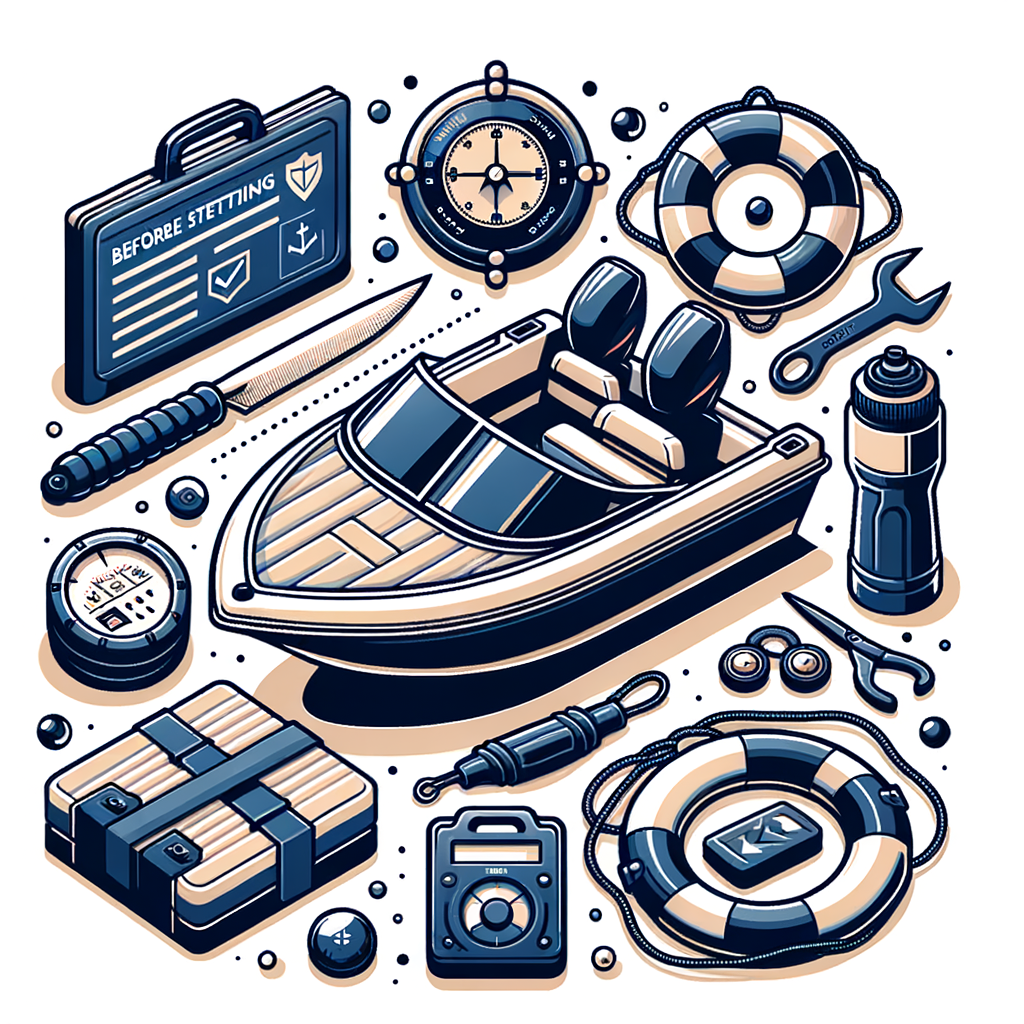
Venturing into the world of boating can be an exhilarating experience, but it often comes with a steep learning curve. Whether you’ve just purchased your first vessel or you’re renting for a weekend trip, one thing is certain: preparing adequately before setting sail is crucial. It’s not just about grabbing a life jacket and a few snacks; it’s about ensuring safety, comfort, and compliance with maritime regulations. Understanding what you need for a smooth journey is the difference between sailing with peace of mind and facing unexpected mishaps. In this comprehensive guide, we’ll walk you through every essential item you should consider as part of your beginner boating checklist. Whether you’re sailing on a serene lake, venturing into the open ocean, or navigating a bustling harbor, having the right equipment and knowledge is pivotal. We aim to equip you with the insights required to make every trip not only memorable but also safe and enjoyable. Remember, proper preparation reflects responsible boating. Let’s embark on this journey together, exploring everything a novice boater needs to know before leaving the dock.
Safety Equipment
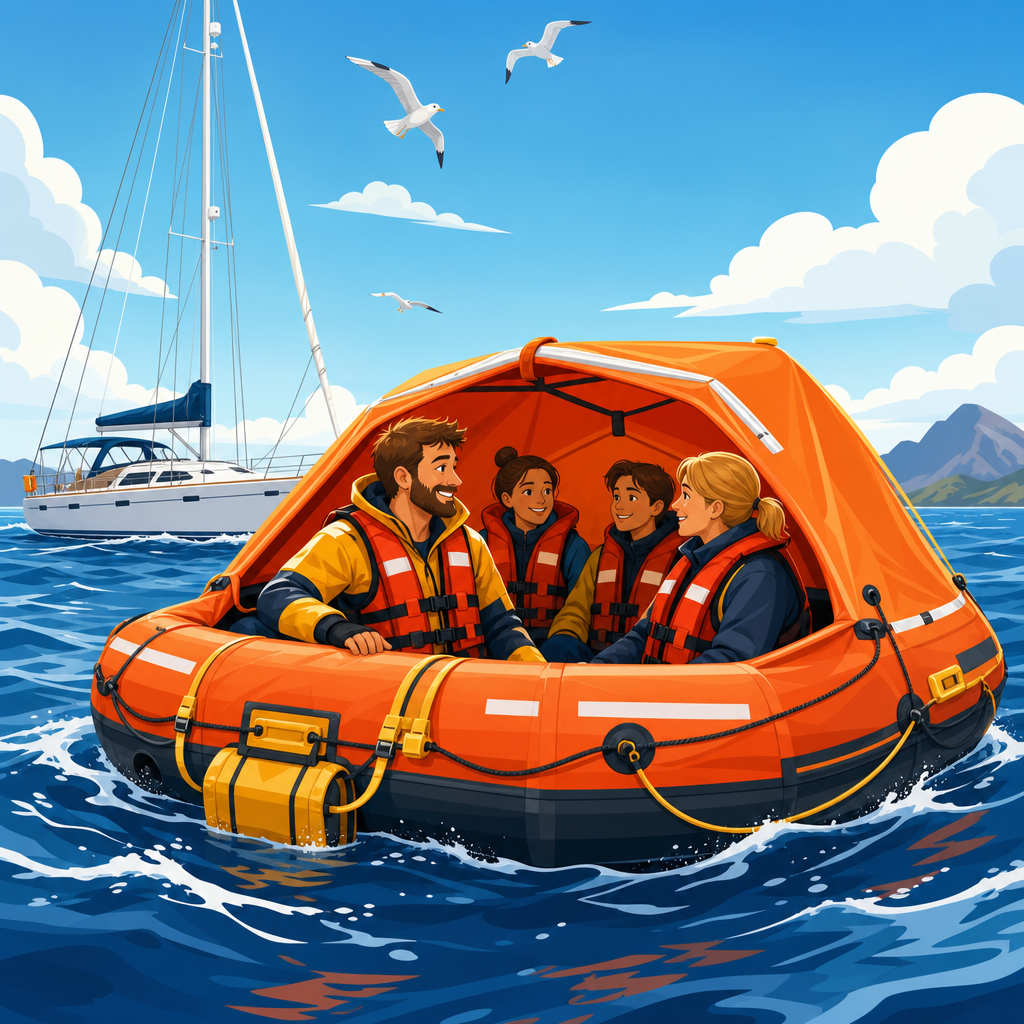
Safety should always be your top priority when setting sail. The first and most significant item on your checklist should be a life jacket for every person on board. They must be the appropriate size for the intended wearer, and you should conduct periodic checks for wear and tear. Moreover, it’s worthwhile to practice donning the jackets regularly to ensure everyone is comfortable using them. Besides life jackets, consider investing in a throwable flotation device, such as a life ring or cushion, readily accessible in case of emergencies.
A fire extinguisher is another critical item. Although it’s tough to imagine a fire happening on a boat surrounded by water, engine fires are possible and need quick action. Familiarize yourself with the type approved for maritime use, typically labeled as “marine fire extinguishers.” Visual distress signals like flares or smoke signals are essential, especially if you’ll be out on large bodies of water. Besides, a working sound signal, such as a boat horn or whistle, is necessary for effective on-water communication.
Don’t forget a well-stocked first aid kit tailored for boating. The kit should be waterproof and contain essentials like adhesive bandages, antiseptic wipes, seasickness remedies, and basic medications. Furthermore, if you plan to go far offshore, carrying an Emergency Position Indicating Radio Beacon (EPIRB) can be a lifesaver. This device sends a distress signal to local authorities, enabling them to locate you quickly.
Navigational Tools
While modern technology offers a suite of electronic navigation options, having traditional navigational tools as a backup is a good practice. A reliable compass and a set of current paper charts for the areas you will be traveling are indispensable. Weather can affect electronic devices, and having non-electronic backups ensures you won’t get lost should technology fail.
A GPS unit is nearly indispensable in today’s boating environment, providing accurate location data and mapping capabilities. Coupled with a depth finder, it offers vital information on water depth, an essential factor in avoiding underwater hazards. Make sure your GPS has updated maps and sufficient battery life or is connected to the boat’s power systems. Binoculars are also handy for spotting landmarks, obstacles, or navigating through inclement weather.
Communication Devices
Communication is vital for safety and coordination on the water. A VHF marine radio tops the list for effective communication. Unlike a cell phone, which may not receive signals far from shore, a VHF radio ensures you’re in contact with other boaters or the Coast Guard. It’s not just for emergencies but also useful for weather updates, navigation alerts, and coordinating with marinas.
Cell phones have limitations on the water due to signal issues, but they shouldn’t be entirely discounted. Keeping one in a waterproof pouch ensures it stays dry and functional. A secondary portable power bank for charging is always prudent. In addition to the VHF radio, investing in a personal locator beacon (PLB) can be crucial for offshore trips. This handheld device sends your location to rescue services when activated in emergencies.
Essential Gear
Besides safety and navigation, your boat needs gear to handle everyday operations and contingencies. An anchor with enough line is essential, providing a way to stop when you desire or if the engine fails. Ensure you know how to deploy and retrieve the anchor properly. Ropes, also known as lines, are necessary for mooring and docking. You’ll need multiple lines, each properly coiled and maintained to prevent tangling or fraying.
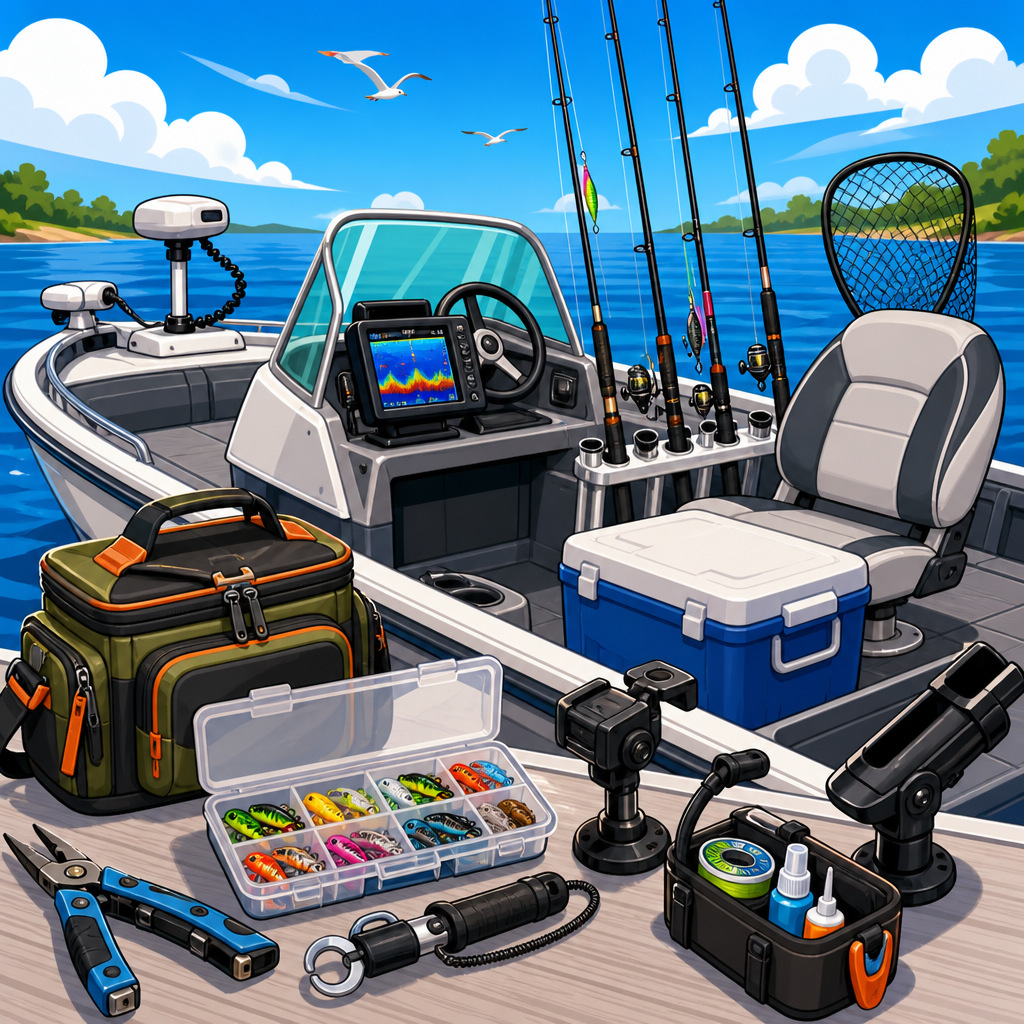
Paddles or oars can save the day if your engine fails unexpectedly, especially if you’re on a smaller craft. A toolbox with essential tools like pliers, a multi-tool, tape, and spare parts can help you fix minor issues on the go. Fenders are crucial to protect your boat from damage when you’re docking or mooring closely with other vessels. Make sure they’re inflated properly and adjusted to the correct height. Boating lights, including navigation lights and a powerful flashlight, are necessary for night or poor visibility conditions. Check that all bulbs are functional and consider carrying spare bulbs and batteries.
Clothing and Personal Items
Packing appropriate clothing can’t be overlooked. Weather conditions can change rapidly on the water, so layers are key. Waterproof jackets and pants protect against spray and rain, while a hat and polarized sunglasses will shield you from the sun. Don’t forget sunscreen with a high SPF rating to protect against sunburn, even on cloudy days. Choose non-slip shoes with good grip for stability on deck.
Bring enough food and water for your entire trip, including extra in case of delays. Opt for non-perishable snacks and meals that don’t require cooking. Additionally, having a cooler or insulated bag helps preserve perishable goods. Consider motion sickness medication if you or your passengers are prone to seasickness. Lastly, pack an emergency whistle on your person at all times. Being prepared for unforeseen events makes the experience more enjoyable.
Conclusion
Embarking on a boating adventure is exhilarating, but it comes with the responsibility of being adequately prepared. From safety gear and navigation tools to personal items and communication devices, having a comprehensive checklist ensures you’re ready for any situation. Remember, proper preparation not only guarantees safety but also allows you to fully enjoy your time on the water without unwanted stress or interruptions. Equip yourself with essential knowledge and gear before heading out, and you’ll transform potential challenges into seamless sailing experiences. After all, the goal is to create lasting memories while exploring new waters, worry-free. Review and update your checklist regularly, adapting as you become more seasoned in your maritime adventures. This not only optimizes your safety measures but also enhances your overall boating experience.
Understanding the intricacies of your vessel and the environment in which you’re operating is pivotal. For beginner boaters, taking the time to be thorough with your preparation translates into a more enjoyable, secure, and memorable excursion each time you set sail. Keep this beginner boating checklist handy, and with each trip, you’ll become more confident and proficient in handling your boat. As you gain experience, you can refine your checklist to suit your specific needs and preferences, making every nautical adventure a true pleasure.
Frequently Asked Questions
1. What should I include in my boat safety checklist before setting sail?
Embarking on a boating adventure is exciting, and having a comprehensive safety checklist ensures both peace of mind and protection on the water. First, ensure you have personal flotation devices (PFDs) for everyone aboard, and make sure each fits securely and is comfortable. It’s essential to test your boat’s navigation lights and have extra batteries on hand, especially if you’re planning an evening outing. Fire extinguishers are a must; check that they are in accessible locations and in working order. Don’t forget your sound-producing devices, like a horn or whistle, to meet regulations and signal for help if needed.
Visual distress signals are crucial for both day and night, including flares or signal mirrors. A well-stocked first aid kit tailored for boating incidents is non-negotiable. Make sure your VHF radio is operational, and consider having a backup in case it fails. Additionally, it’s wise to bring a fully charged portable phone, preferably in a waterproof case. Make a practice of reviewing local weather forecasts before departure, and maintain a weather-alert radio on the boat.
2. What kind of tools and spare parts should I have on my boat?
A well-prepared boater is a happier boater, and having a toolkit on board can save you from a host of headaches. Include basic tools like screwdrivers, pliers, a wrench set, and a multi-tool. Having spare parts can make a big difference; focus on common replacement items such as spark plugs, fuel filters, and an extra propeller. Duct tape and electrical tape are valuable for quick fixes, and a pair of sturdy gloves will protect your hands while making repairs.
It’s also wise to have spare fuses, hose clamps, and engine oil. A manual bilge pump or battery-powered alternative is crucial for unexpected water intrusion. Don’t underestimate the value of cable ties, which can help secure loose items. Lastly, a flashlight with extra batteries is indispensable for navigating any dark corners of your vessel.
3. What are the basic onboard navigation and communication essentials?
Navigation and communication tools are the backbone of any vessel’s success and security on the water. Start with a reliable GPS system; it’s your lifeline for accurate positioning and routing. Complement this with paper charts for your intended waters and surrounding areas, as they are invaluable if electronic systems fail. A compass is a must-have for traditional directional navigation.
Your VHF radio serves as your primary communication device, ideal for both emergencies and daily updates. Keep updated forms of emergency contact lists for local maritime authorities and towing services. Ensure your float plan, which outlines your journey’s timeline and route, is filed with a friend or relative who knows when to raise alarms if you haven’t returned as planned.
4. What provisions and personal items are necessary for a comfortable boating trip?
Ensuring comfort enhances the joy of your boating trip. Begin with packing plenty of freshwater, considering at least one gallon per person, per day. For nutrition, lightweight, non-perishable snacks or easy-to-prepare meals are ideal—think nuts, canned goods, and jerky. Sun protection is mandatory: pack plenty of sunscreen, hats, and sunglasses with UV protection.
Bring extra clothing appropriate for sudden weather changes, including rain gear and a warm layer for cool breezes. Comfortable seating cushions or portable chairs make long hours more enjoyable. Also, bring a bucket, which can serve multiple uses such as bailing, washing, or even makeshift seating. Binoculars can enhance your sightseeing and help in navigation. To capture memories, don’t forget a camera or a waterproof action cam.
5. How can I ensure my boat complies with maritime regulations before departure?
Compliance with maritime regulations is not just about following the rules; it’s about ensuring everyone’s safety and enjoyment. First, review the latest guidelines specific to your boating area, as regulations can vary by state or country. Verify that your boat’s registration and insurance documents are up to date and on board, as these are often checked by authorities.
Completing a safety and compliance course tailored to your type of vessel offers invaluable insights and often fulfills legal requirements. Ensure your boat’s identification number is visibly displayed as per regulations. Regularly inspect and certify your safety equipment, such as PFDs and fire extinguishers. Keep up with maintenance schedules, and make sure any repairs are within compliance standards. Abiding by speed limits and proper navigation channels are often areas where boaters falter; familiarize yourself with local signage and markers before launching.